Year Round Supplements
(0 Results)
Year round supplements could be a smart addition to your daily routine, offering support for your wellness goals regardless of the season. Whether you're looking to maintain energy, support immune health, or fill potential nutritional gaps, these options may help you stay on track throughout the year. Explore a variety of year round supplements designed to fit your lifestyle and help you prioritize your well-being every day.
-

-
-

-
-

-
-

-

-

-

-

-

-

-

-
-

-
-

-

-
-

-
 205$34.99
 -


Year-round supplements are vitamins, minerals, and other nutritional products intended to complement everyday eating habits across a regular routine. The category can include multivitamins, individual nutrients, omega-3 supplements, protein powders, and sports nutrition formulas, with different formats for different preferences. Rather than describing a single combination that suits everyone, year-round supplementation reflects the practical side of choosing products that fit familiar meals, activity patterns, and personal priorities. Someone who prepares most meals at home may approach the category differently from someone whose schedule includes frequent travel, early workouts, or lunches between meetings. A recreational athlete might be interested in a protein powder that mixes into an afternoon smoothie, while another shopper might prefer a multivitamin in a capsule or chewable format. Neither situation calls for the same collection of products by default. Food preferences, the nutrients already present in everyday meals, and the details on each label give these choices their context. Multivitamins combine several vitamins and minerals in one formula, while single-nutrient supplements offer a narrower ingredient focus. Omega-3 formulas may use marine or algae-derived ingredients, and protein powders can come from dairy, eggs, soy, peas, or other sources. Those distinctions matter to shoppers comparing animal-derived and plant-based options, as well as anyone looking closely at allergens. The broader selection of Daily Supplements provides a related category for shoppers interested in products intended for regular use. A thoughtful year-round selection need not be large or complicated; its defining feature is how well the product’s intended use fits the person considering it. The most relevant comparison is not simply how many ingredients appear on the front of a container, but what those ingredients are, how much a labeled serving contains, and whether the format makes sense within an established routine. That perspective keeps the focus on the actual contents rather than a long list of unfamiliar names.
Format is an important part of that fit, particularly for something intended to be used repeatedly. Capsules and tablets have little preparation involved, though their dimensions and the number per serving can vary. Gummies and chewables bring flavor and texture into the decision, along with ingredients such as sweeteners, colors, and gelatin or pectin. Powders allow for mixing into an appropriate food or beverage according to the label, but the experience depends on taste, texture, and preparation. A powder stirred into oatmeal can feel quite different from the same type of powder shaken with water, and a strongly flavored formula may not suit someone who prefers a simple breakfast smoothie. Liquids introduce another set of considerations, including the measuring method, container design, and storage directions after opening. For shoppers comparing protein supplements, the source and amount of protein per serving are useful distinctions, alongside added sugars, allergens, and flavoring ingredients. For vitamin and mineral formulas, the Supplement Facts panel identifies the listed nutrients, amounts per serving, and percentage of Daily Value where established. Serving size deserves particular attention: a container’s stated nutrient amount may refer to several capsules or gummies rather than one. Ingredient overlap also matters when comparing a multivitamin with separate nutrient formulas, since the same vitamin or mineral can appear in more than one place. A larger number on a label does not, by itself, establish a better match for an individual shopper. Beyond the nutrient panel, the other ingredients list describes components used for the capsule shell, texture, flavor, or manufacturing process. Dietary suitability depends on the full label rather than the product’s category name alone. A plant-derived featured ingredient, for example, does not necessarily describe every component of the finished formula. Clear sourcing information and an explanation of any independent testing can offer additional context. The meaning of a testing statement depends on what was evaluated, such as ingredient identity or selected contaminants; it should not be treated as evidence of a particular personal outcome.
Practical details become more noticeable over repeated use, which makes packaging, storage, and preparation worth considering alongside ingredients. A wide-mouth powder container may be easier to navigate with a scoop, while individually portioned packets may suit a work bag or a short trip. Containers vary in opening style and size, and some liquids require refrigeration after opening. The product’s own directions establish the appropriate storage conditions and handling, including any instructions about keeping a closure tightly secured. Moisture exposure, an unreadable label, or a missing measuring tool can complicate an otherwise straightforward routine. Original packaging keeps the ingredient information, serving directions, lot identification, and date markings together, which is useful when revisiting a purchase or comparing it with another formula. Package size is another everyday consideration: a large container takes up more cabinet space, while a smaller one may be more convenient for someone with a compact kitchen or limited room in a travel bag. For powders, the listed number of servings and the stated serving weight are more informative than the apparent size of the tub. Taste preferences deserve equal attention, especially when a product is mixed into something eaten regularly. A mild flavor might suit a familiar yogurt bowl, while an unflavored option may be preferable for recipes where sweetness would be distracting. Even unflavored powders can contribute their own texture or taste, so the ingredient source remains relevant. Supplements are also personal purchases, making a recipient’s established preferences more useful than assumptions when considering them as a gift. A requested format or familiar ingredient category provides a clearer starting point than an elaborate assortment chosen without that context. Across year-round supplements, the most useful distinctions remain concrete: ingredient source, labeled serving, dietary compatibility, preparation, and storage. Together, those details may help make a supplement selection a more practical part of everyday life, without treating a product as a substitute for varied meals or assuming that every person needs the same routine.
Best Sellers
-
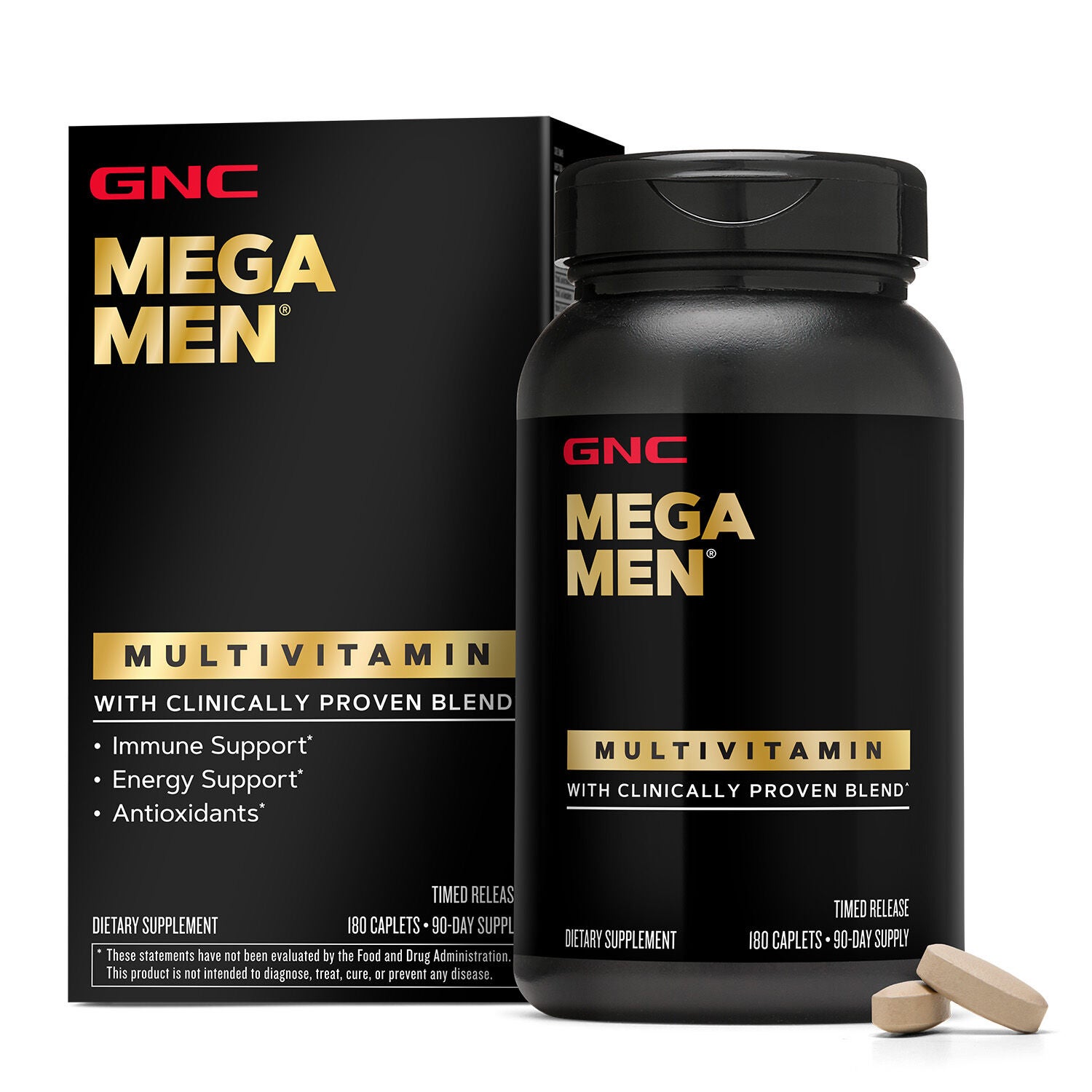 GNC Mega Men
 -
GNC Mega Men
-
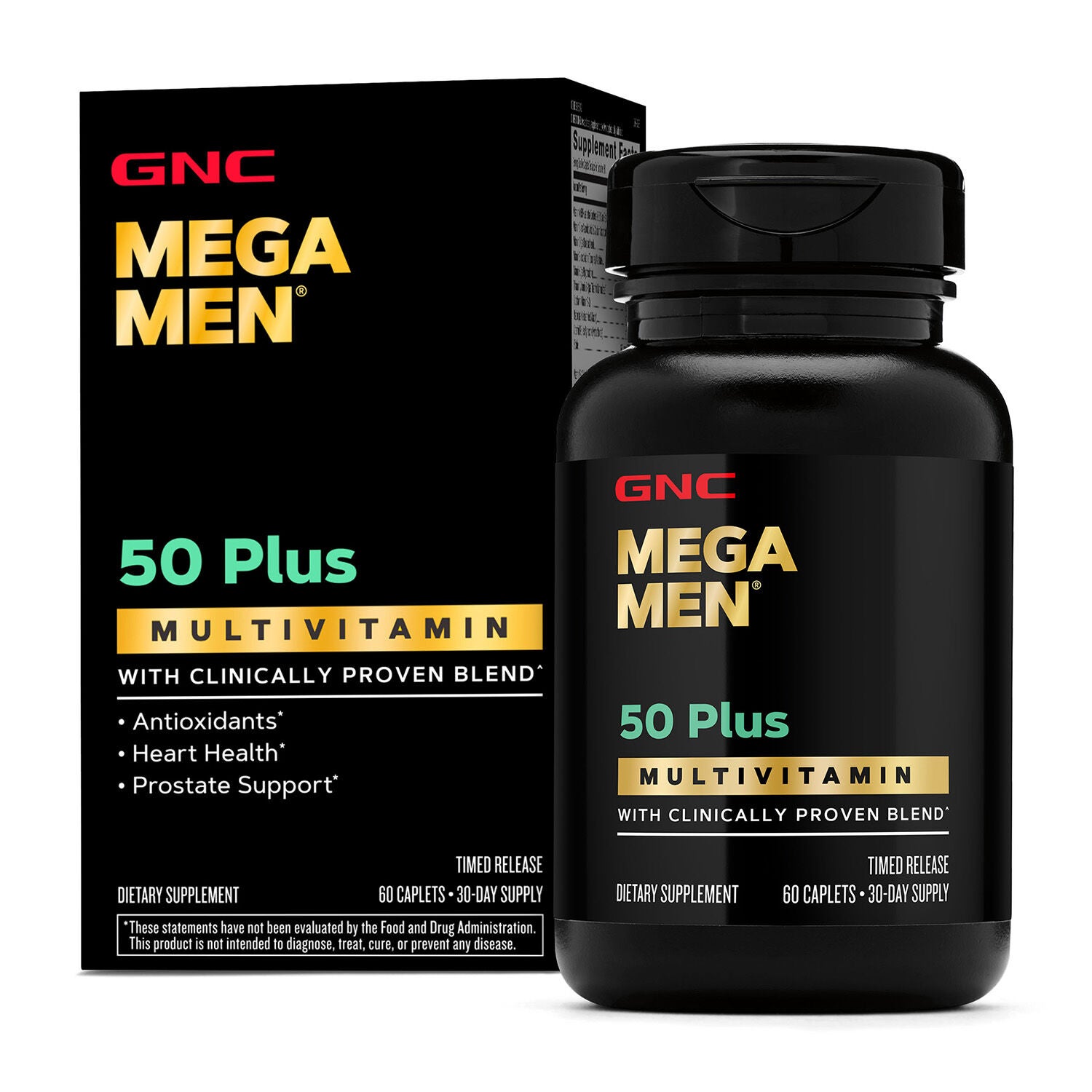 GNC Mega Men
 -
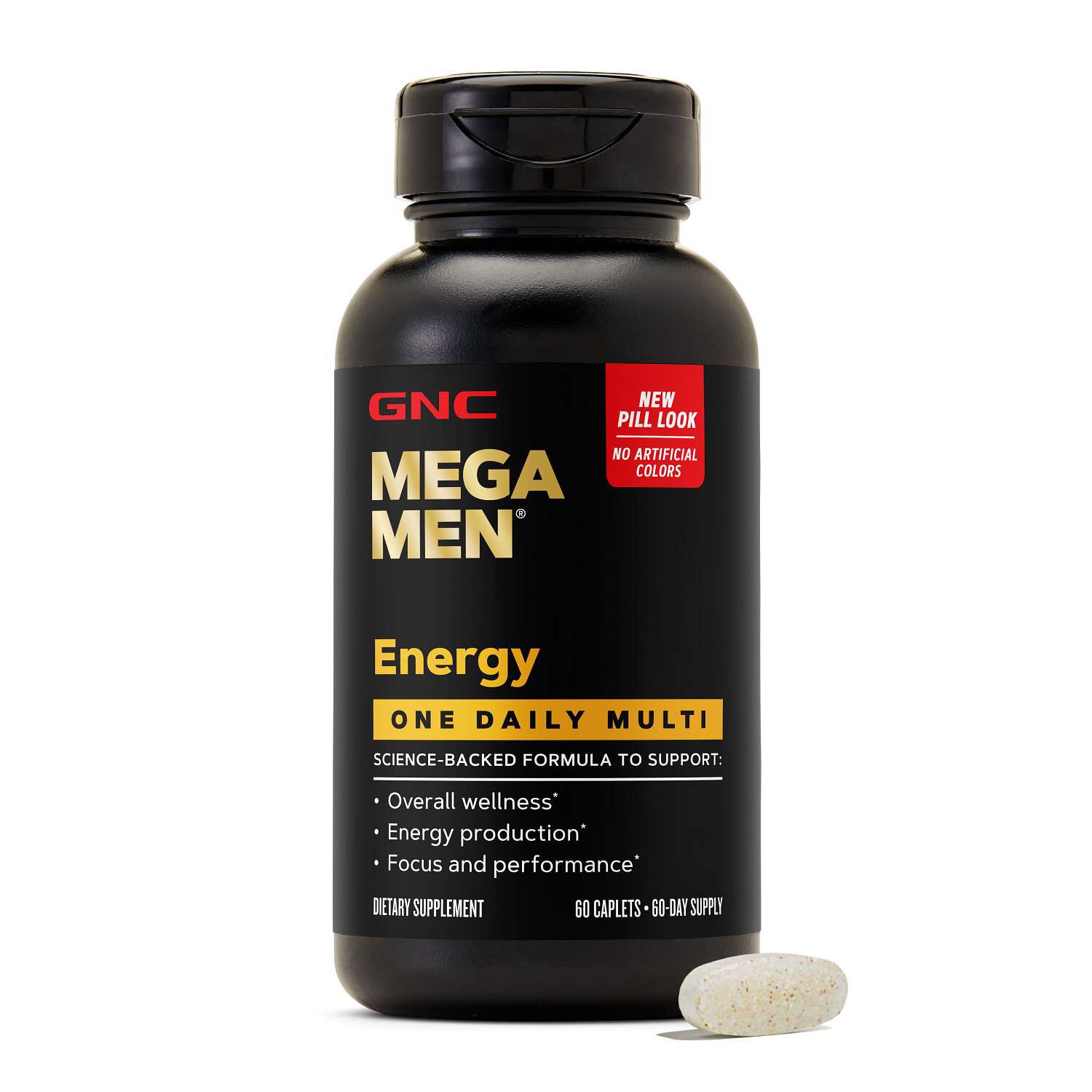 GNC Mega Men