Daily Supplements
(0 Results)
Discover a comprehensive selection of daily supplements to support your overall health and wellness needs. From essential vitamins and minerals to specialized formulas targeting specific areas of health, our range of supplements is designed to help you maintain a balanced and healthy lifestyle. Whether you are looking to boost your immunity, support your heart health, or enhance your energy levels, our daily supplements offer a convenient way to fill any nutritional gaps in your diet. Explore our collection and find your perfect match for a healthier tomorrow.
-

-
 $17.99
-
-
 $44.99
-

-
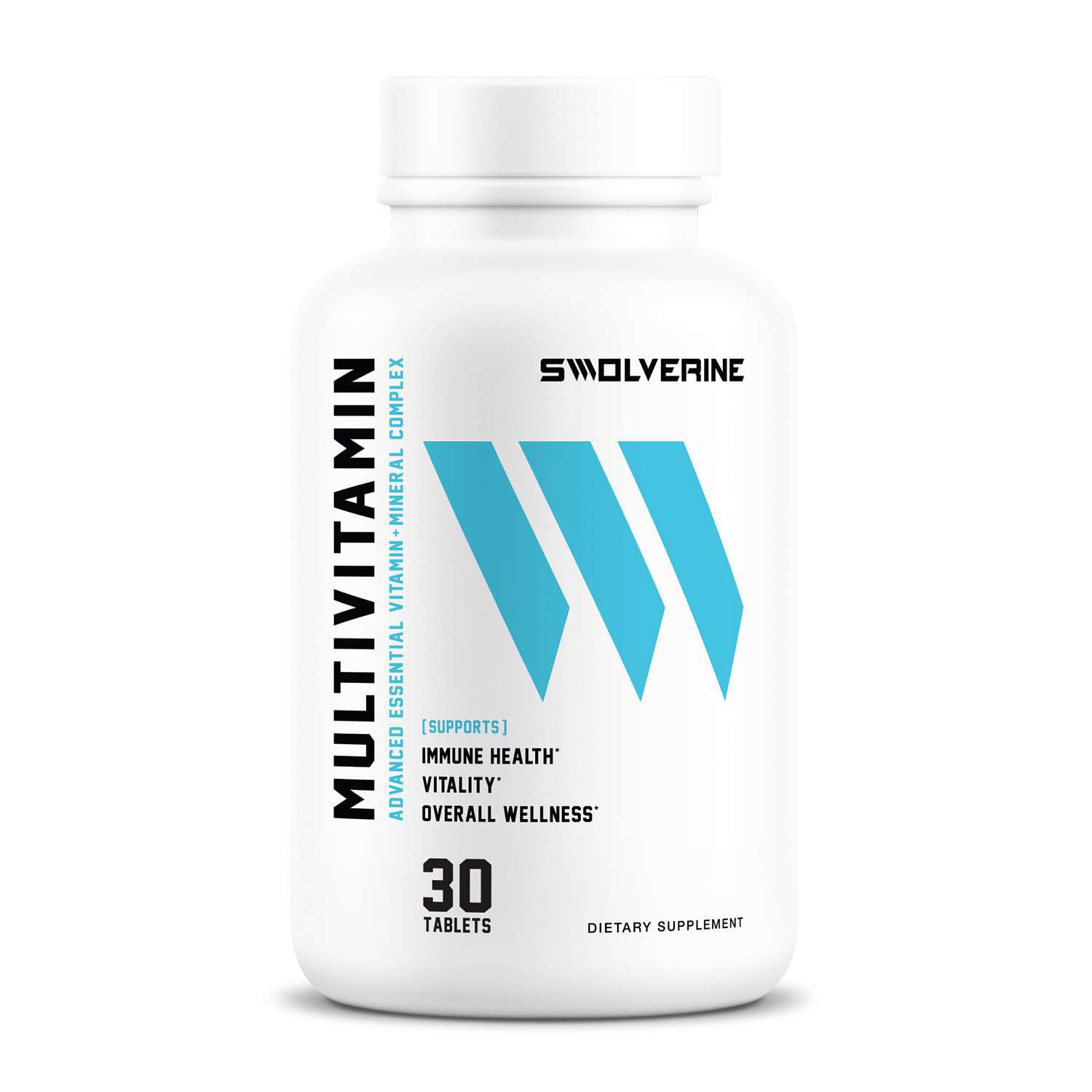 Swolverine$22.99
-

-

-
-
-

-

-
-

-
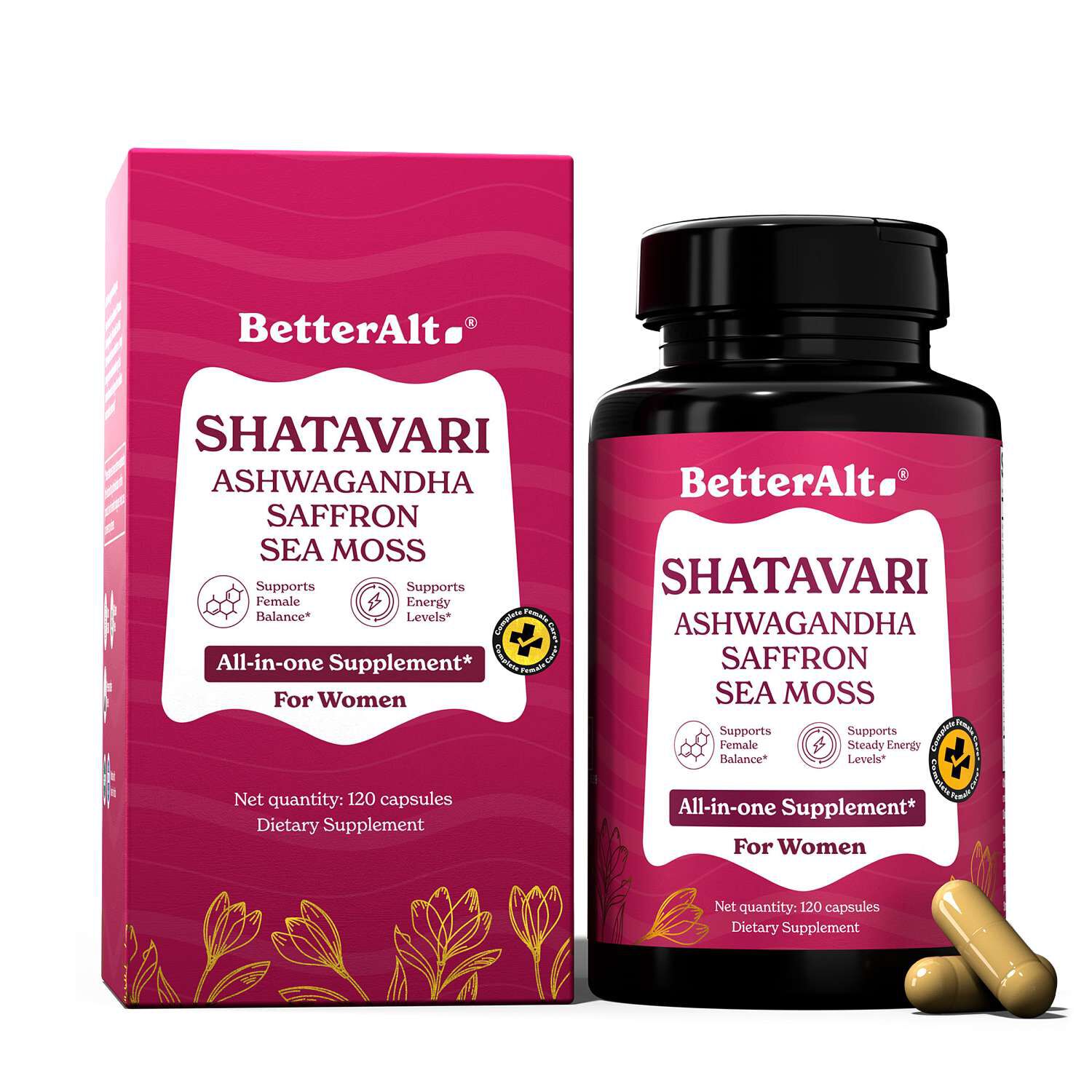 BetterAlt$39.99
-
-
 $29.99
-

-
 $24.99

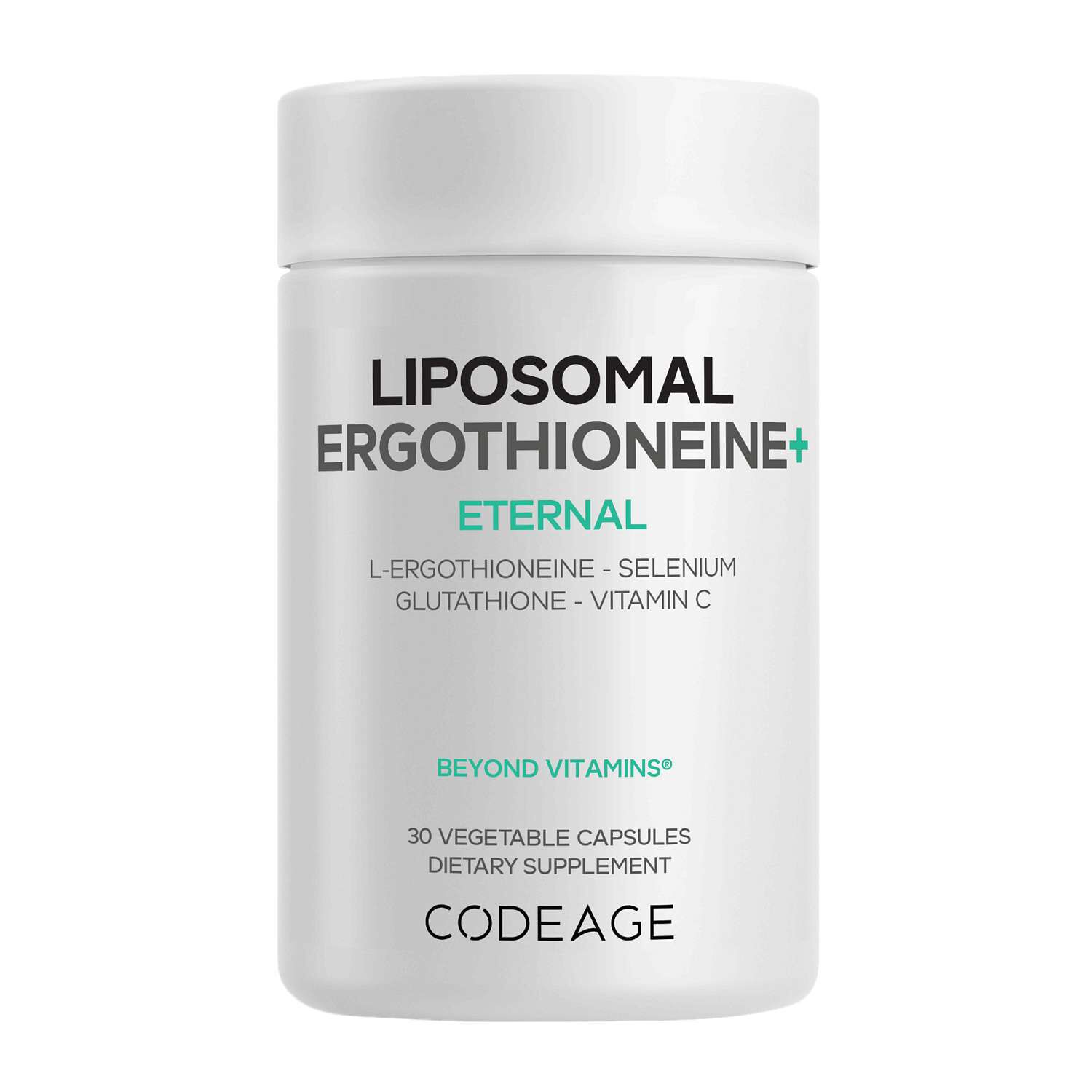


Daily supplements are dietary products intended to complement everyday eating habits, with formats that include tablets, capsules, softgels, gummies, liquids, and powders. The category spans multivitamins, individual vitamins and minerals, omega-3 oils, fiber, probiotics, and other nutritional ingredients. Some formulas combine several nutrients in a single serving, while others focus on one ingredient or a smaller group. Daily supplements are not substitutes for balanced meals, and a daily routine does not automatically call for a supplement. Their relevance depends on the person, their food choices, and the contents of the formula rather than the word “daily” on the package. For adults comparing options, the distinction between broad and focused formulas is a useful starting point: a multivitamin contains a range of vitamins and minerals, while a single-nutrient formula centers on a named nutrient, such as vitamin B12 or vitamin D. Neither format is inherently the right choice for everyone. Food preferences, age, dietary practices, and existing routines all shape what feels appropriate to explore. Someone who follows a plant-based eating pattern might pay close attention to ingredient sources, while someone who dislikes capsules might prefer to compare liquid or chewable formats. Browsing Supplements For Adults offers another way to explore the category through its intended audience. Within any selection, the most meaningful details are on the label: the nutrients included, the amount per serving, the serving size, and the other ingredients. Front-label descriptions introduce a formula, but the Supplement Facts panel provides a more specific picture of its composition. That distinction matters when two bottles look similar yet contain different nutrient combinations or require different numbers of capsules per serving. A thoughtful comparison centers on those concrete differences rather than treating every daily supplement as interchangeable. It also leaves room for personal preferences without assuming that a longer ingredient list makes a formula more suitable.
Format is a practical part of choosing daily vitamins and supplements, especially when the same bottle will become part of a familiar routine. Tablets and capsules have little preparation involved, although their dimensions and serving counts vary. Softgels typically contain oils or other liquid ingredients inside a shell, and that shell may be made with gelatin or a different material. Gummies offer a chewable format with a distinct flavor and texture; their labels also list sweeteners, colors, and other ingredients that shape the experience. Liquid supplements involve measuring a serving, while powders require attention to the stated scoop size and mixing directions. A powder stirred into water at a kitchen counter is a different experience from a capsule carried in its labeled container for a weekend away. Neither is universally more convenient; convenience depends on the setting and the person using it. Flavor matters most with formats that are tasted directly, and a preference for citrus, berry, or an unflavored option can influence the everyday experience. Texture matters, too, particularly with powders, which can differ in how they disperse in the liquid specified on the package. Ingredient sourcing adds another layer to the comparison. Omega-3 formulas can use fish or algae sources, capsule shells can differ in composition, and powders can contain dairy-derived or plant-derived ingredients. A product’s format alone does not establish whether it matches a vegetarian or vegan eating pattern. Ingredient lists and clearly stated dietary designations provide the relevant details. Allergen statements are also separate from flavor descriptions and deserve their own attention during a comparison. For shoppers with ingredient preferences, that closer reading may be more useful than relying on packaging color or a familiar category name. The most practical fit brings together the labeled composition, preparation involved, flavor or texture preferences, and the number of servings involved in the routine.
Understanding the label also helps distinguish the amount in a bottle from the amount in a serving. A package containing 60 capsules does not necessarily contain 60 servings; the serving size might specify more than one capsule. Likewise, a scoop, dropper, chewable, or softgel is not automatically equivalent to the labeled serving. The Supplement Facts panel lists nutrient quantities in units such as milligrams or micrograms, alongside a percent Daily Value when one has been established. That percentage is a labeling reference, not a personalized target, and some ingredients do not have an established Daily Value. These details make comparisons more grounded than simply choosing the largest number on the front of a container. Looking across labels also reveals when the same nutrient appears in more than one formula, an important distinction between a varied ingredient collection and repeated ingredients. More ingredients or larger amounts do not, by themselves, establish a better match. Individual suitability remains separate from a label comparison, and a category description cannot determine a person’s nutritional requirements. Beyond composition, packaging and storage instructions are part of everyday ownership. Directions may specify keeping a container dry, closing it securely, or refrigerating it after opening. Original packaging preserves access to the ingredient list, serving directions, date information, and any handling requirements. A tightly closed bottle stored according to its label is a more considered setup than loose capsules left in an unmarked pouch or powder exposed to moisture beside a sink. Package size also changes the experience: a compact container takes up less cabinet space, while a larger tub calls for room to open, measure, and close it comfortably. An expiration or best-by date adds context to how a package fits the intended routine. For daily supplements, useful product details extend well beyond an ingredient name. Clear labeling, a suitable format, transparent sourcing, and manageable storage make the category easier to compare, with the focus remaining on individual preferences and the product’s stated intended use rather than sweeping expectations.
Best Sellers
-
 Universal Nutrition
-
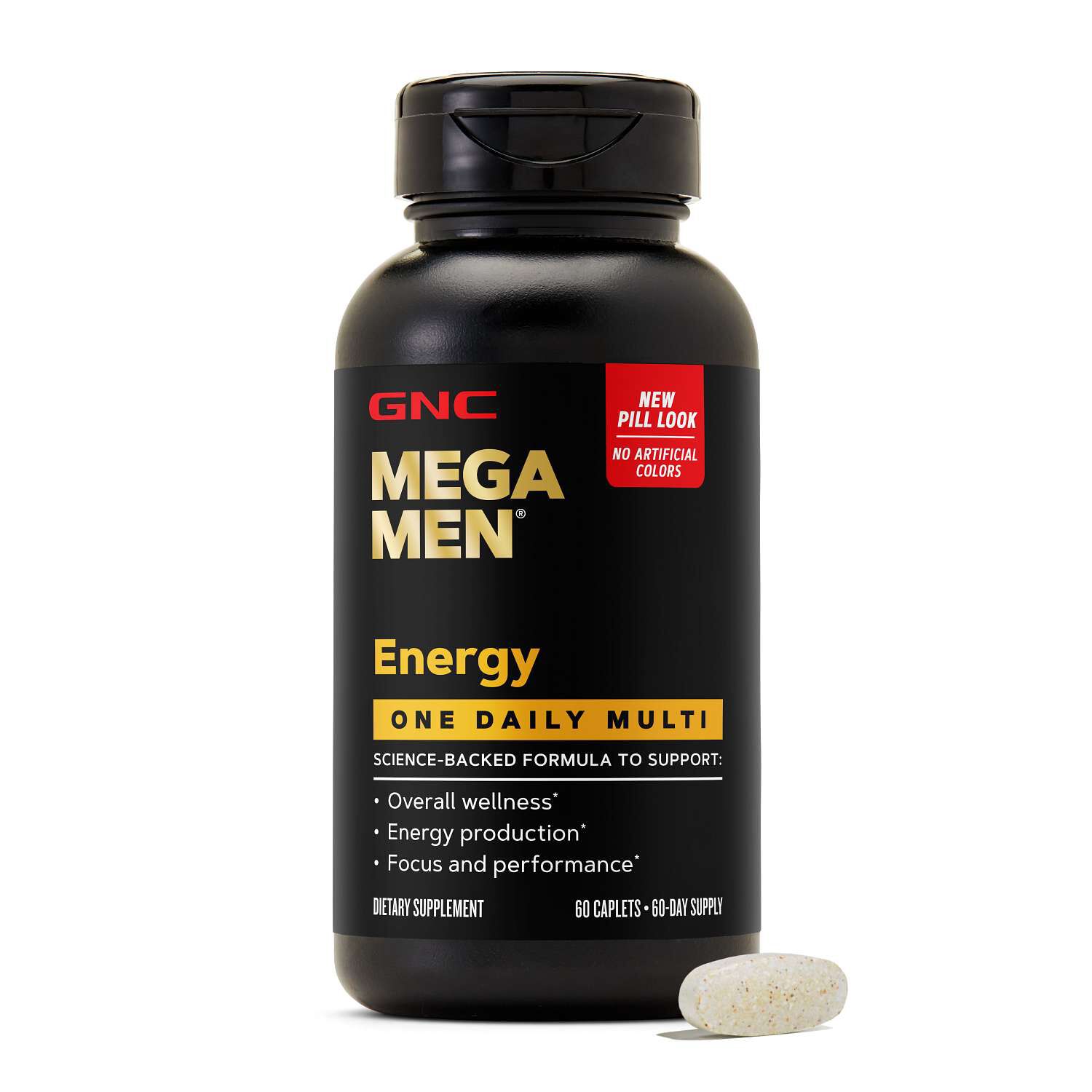 GNC Mega Men
-
 GNC Mega Men