Drink Supplements
(0 Results)
Drink supplements offer a convenient and flavorful way to support your wellness goals. With a variety of options to choose from, these easy-to-mix powders and ready-to-drink formulas may fit seamlessly into your daily routine. Whether you’re looking for something to enjoy before a workout, during your busy day, or as part of your evening wind-down, drink supplements could provide a simple solution for those seeking versatility and taste in their supplement regimen. Explore the selection of drink supplements to find options that might align with your lifestyle and preferences.
-
-

-
-

-

-

-

-
-

-
-
-
-
-
 459$24.99
-
-
-
-

-
-
-
-
-
-

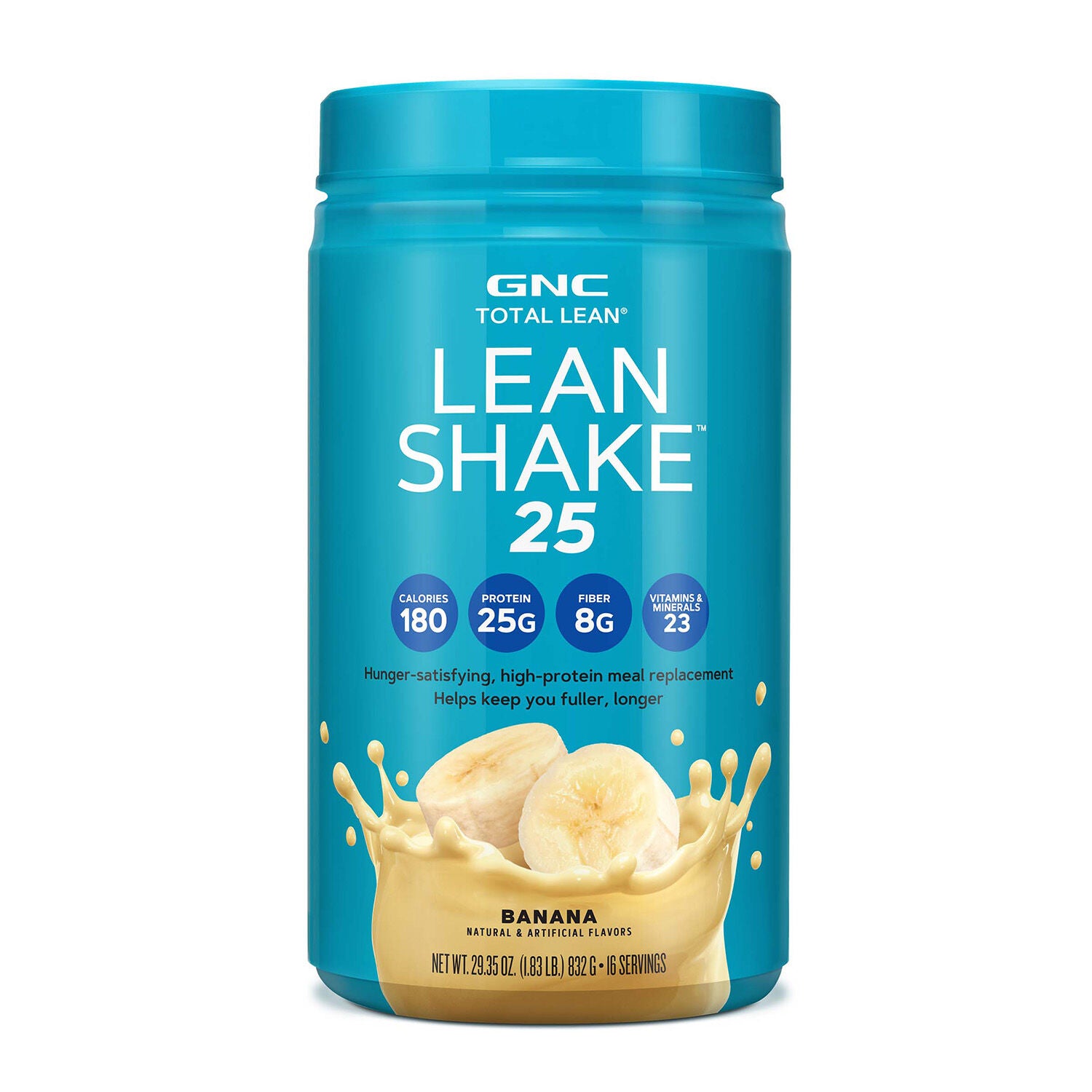
Drink supplements are beverages or mixable formulas that provide nutrients such as protein, carbohydrates, fats, vitamins, or minerals in a drinkable format. The category includes ready-to-drink shakes, protein powders, meal replacement drinks, electrolyte mixes, and other nutritional beverages, with differences in ingredients, serving sizes, texture, and intended use. A protein-focused drink generally emphasizes protein per serving, while a meal replacement formula typically includes a broader combination of macronutrients and added vitamins and minerals. Electrolyte drink mixes often contain minerals such as sodium and potassium, though their amounts and accompanying ingredients vary. These distinctions matter because a lightly flavored mineral drink and a substantial nutrition shake serve different purposes, even when both fit into a shaker bottle. For someone who spends much of the day away from home, a ready-to-drink format may offer a practical way to carry an additional source of nutrition. Someone who enjoys preparing smoothies may prefer a powder that mixes with water, milk, or a plant-based beverage. Drink supplements may complement an everyday eating routine, but the word “supplement” does not mean that every formula is intended to replace a meal. Label descriptions and serving information provide a clearer picture than the size of the container or the flavor name alone. A creamy chocolate shake, for example, can differ considerably from another chocolate drink in protein content, carbohydrate content, and portion size. Comparing those details helps distinguish a beverage intended as a snack accompaniment from one formulated as a meal replacement. The most useful background for this category is straightforward: format describes how the drink is prepared, ingredients describe what goes into it, and nutrition information describes what each serving contributes. Keeping those three points separate makes a broad assortment of drink supplements easier to understand without assuming that similar-looking packages offer the same nutritional profile.
Ingredients and nutrition panels reveal the differences that flavor descriptions cannot. Protein sources may include whey, casein, soy, pea, or blends of plant ingredients, each with its own taste and mixing characteristics. Milk-derived proteins are distinct from plant-based proteins, and a plant-based formula is not automatically suitable for every dietary preference or food allergy. The ingredient list and allergen statement remain important, especially when choosing something for a shared household. Protein grams per serving are one consideration; calories, carbohydrates, added sugars, fats, fiber, and sodium also describe the overall formula. There is no single calorie count that defines every snack drink or meal replacement, so the labeled purpose deserves attention alongside the numbers. Serving size is equally relevant. One scoop, two scoops, a packet, and a bottle are not interchangeable measures, and a container may hold more than one serving. Preparing powder with milk or another beverage changes the finished drink’s nutrient content compared with mixing it with water. Flavor and mouthfeel also influence how a drink fits into an ordinary routine. Cocoa and vanilla profiles often pair naturally with creamy bases, while fruit-flavored mixes commonly suit a lighter beverage. Some powders create a thicker shake; others make a thinner drink, depending on the formula and the amount of liquid used. Sweeteners, cocoa, fruit ingredients, oils, and thickeners all contribute to the finished experience. Caffeine deserves a separate look because it appears in some drink formulas, including certain coffee-flavored or exercise-oriented beverages, but not in every drink with those descriptions. Checking the stated caffeine amount is more informative than making assumptions from the packaging. For shoppers comparing drinkable nutrition with other formats, Body Supplements offers a related category to explore. The comparison still comes back to the individual label: a familiar ingredient name does not establish an identical amount, serving size, or intended use across different formats.
Everyday handling can be just as important as the formula itself. Ready-to-drink containers require no measuring or mixing, which may suit a commute, a lunch bag, or a schedule built around several stops. Powders require a little preparation but allow the liquid amount to be adjusted within the package directions for a preferred consistency. Individual packets separate portions in advance, while a larger container requires measuring each serving. At a desk, a simple bottle and a clearly measured portion may be more practical than a blender-based recipe. At home, a blender offers another preparation method for formulas whose directions allow mixing with fruit, yogurt, or other ingredients. Those additions change both texture and nutrition, so the finished drink is different from the powder’s labeled serving alone. A shaker with a secure lid and enough room for the recommended liquid makes preparation less awkward, particularly for thicker formulas. Mixing performance varies: some powders stir readily with a spoon, while others call for shaking or blending. Following the stated preparation method is a useful starting point before adjusting the consistency. Storage and care deserve similar attention. Unopened storage directions can differ from instructions after opening, and a beverage that can be stored on a shelf before opening may require refrigeration afterward. Powder containers should be closed as directed, with scoops kept clean and dry to avoid introducing moisture. Prepared drinks and opened bottles should be handled according to their labels rather than treated like unopened packages. Washing shaker lids, seals, and mixing pieces after use helps keep the next serving from carrying traces of the previous one. For a shared pantry, clearly labeled containers also make ingredients and serving directions easier to check. As a gift, drink supplements are most appropriate when the recipient’s preferences and dietary requirements are already known; flavor, protein source, and preparation style are personal choices. Whether intended for a workday bag, a kitchen shelf, or an exercise routine, a suitable format is one whose ingredients, preparation requirements, and labeled purpose align with how it will actually be used.