Body Supplements
(0 Results)
Explore a diverse range of body supplements designed to support your wellness journey. Whether you're aiming to boost your energy levels, enhance muscle recovery, or support overall health, the right supplement could be a game-changer. Discover options that may complement your lifestyle and fitness goals, offering potential benefits such as improved vitality and enhanced performance. From protein powders to herbal extracts, find the perfect addition to your daily routine that might help you feel your best every day.
-
-
-

-

-
 Nature's Fusions$31.99
-
-

-
 _Front.jpg?sw=305&sh=305&sm=fit "Magnesium: Bioactive Magensium Citrate - 120 Capsules (120 Servings) | GNC")
-
-
 _Front.jpg?sw=305&sh=305&sm=fit "Magnesium: Bioactive Magensium Citrate - 60 Capsules (60 Servings) | GNC")
-

-
 Nature's Fusions$29.99
-

-
 $25.99
-

-

-

-
-
-
-

-
-
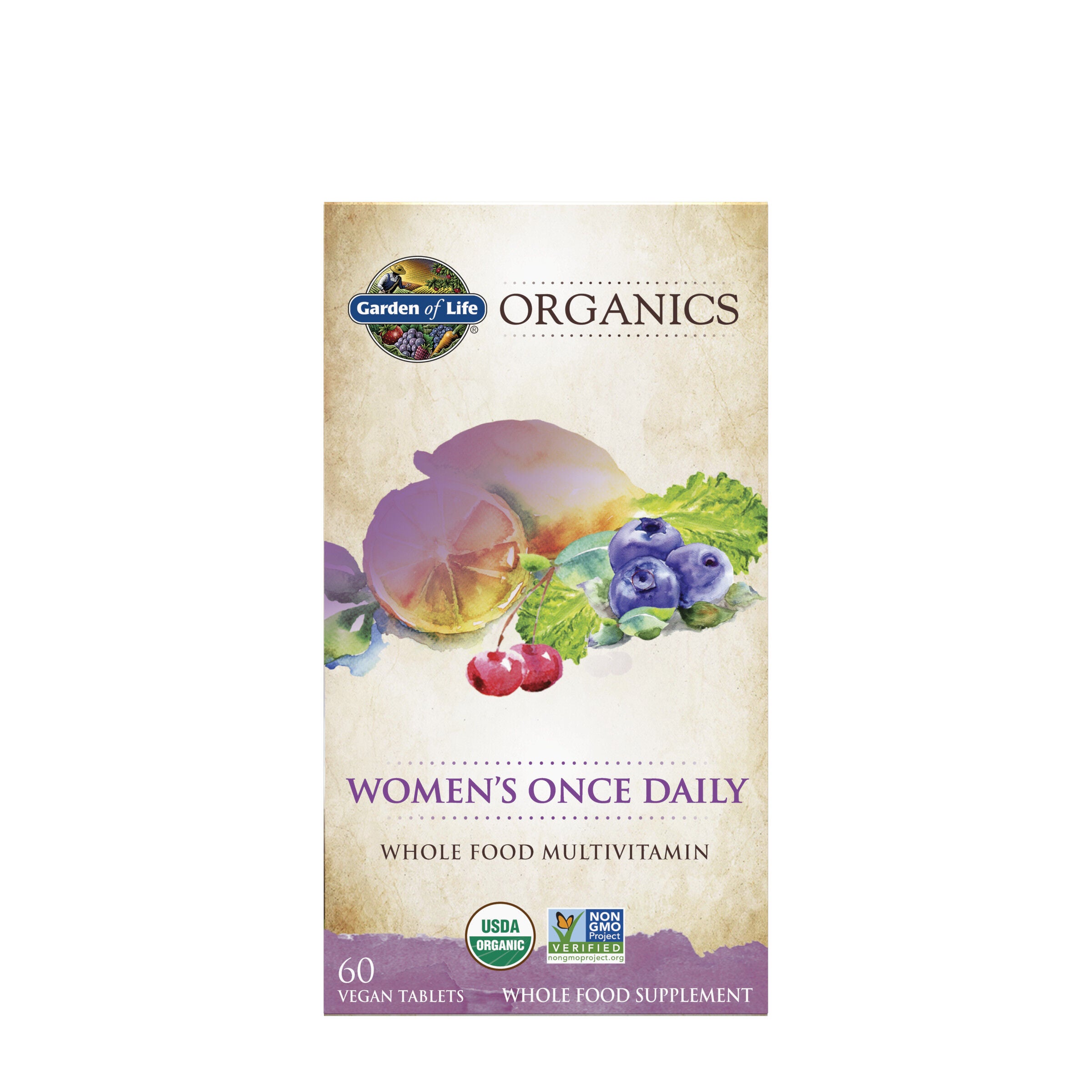
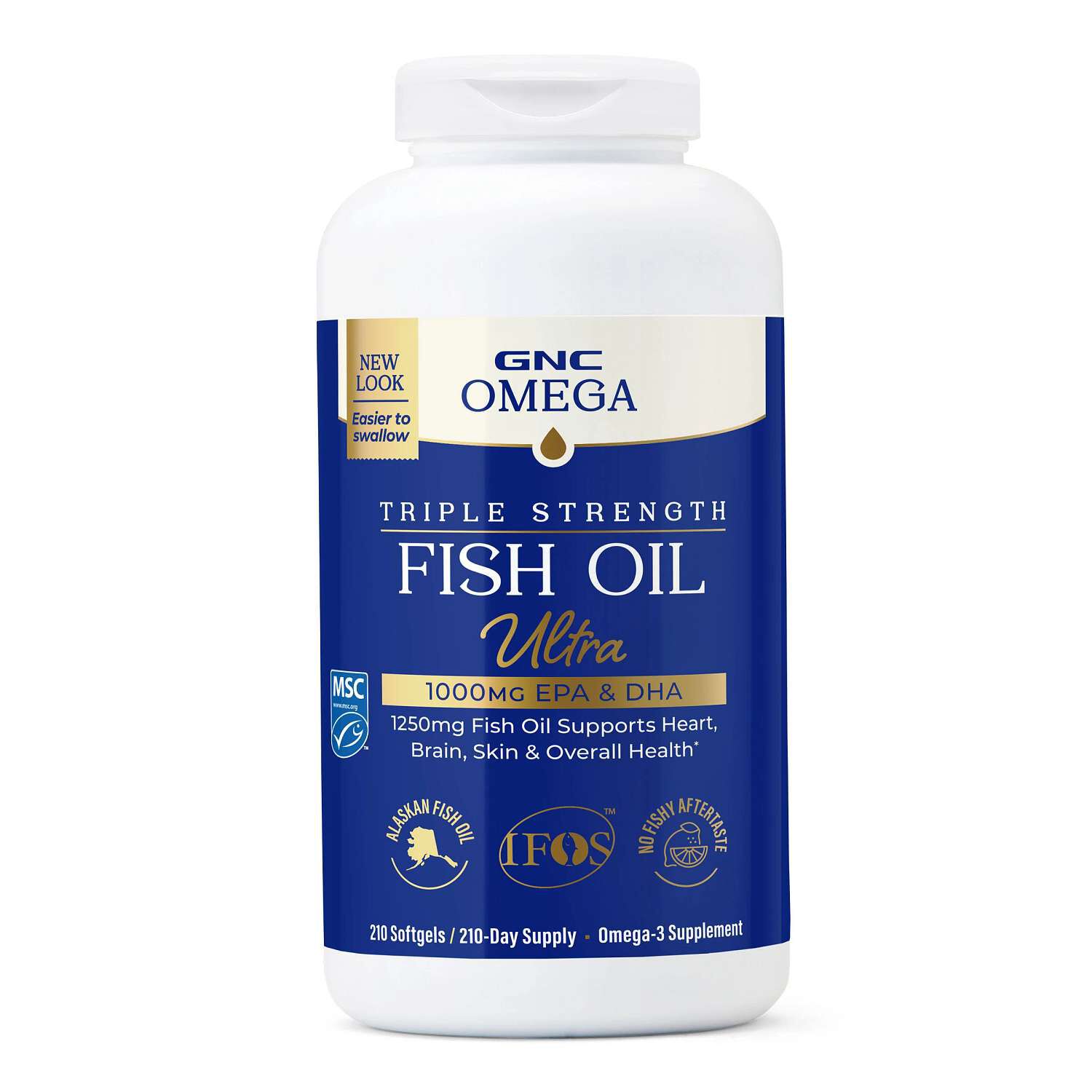
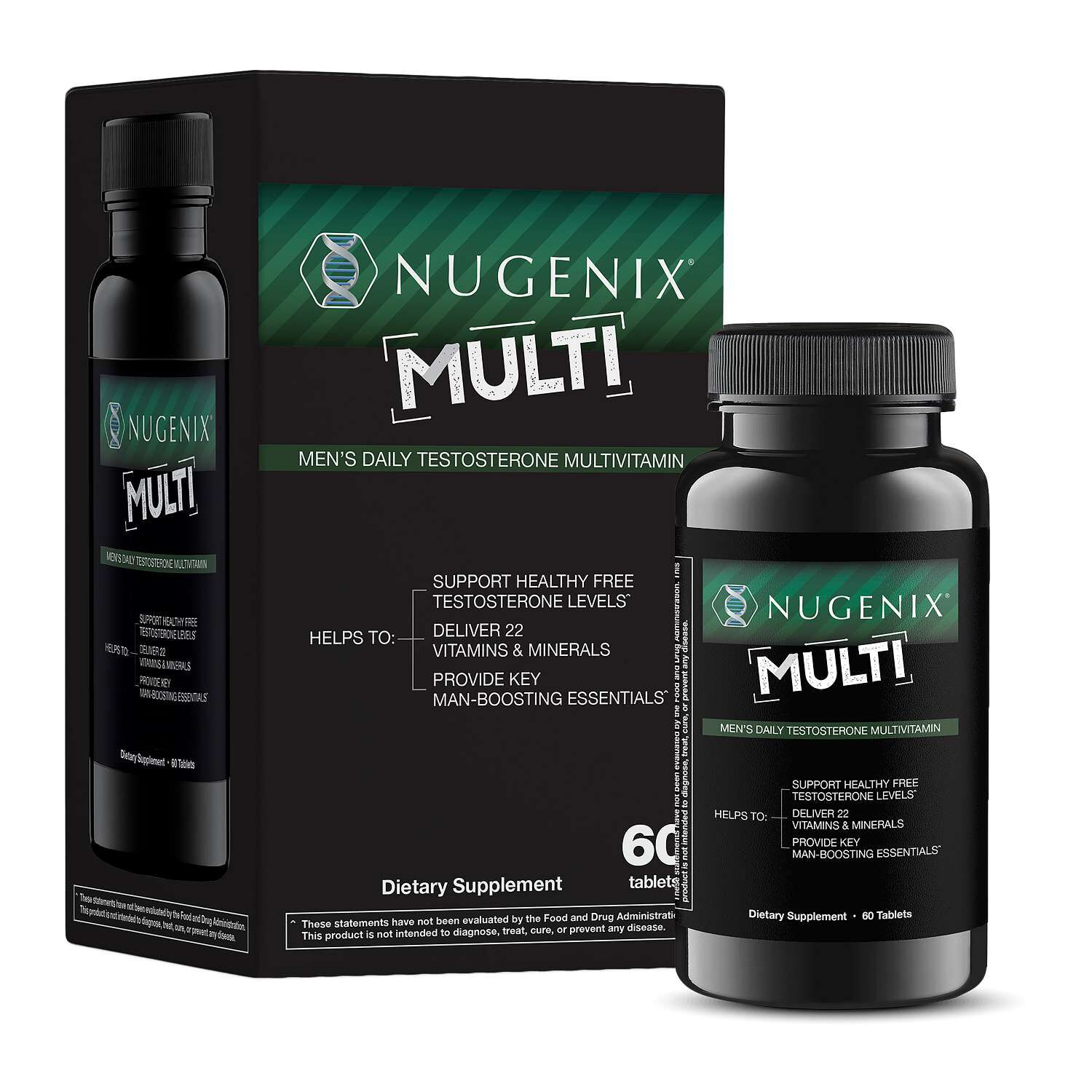
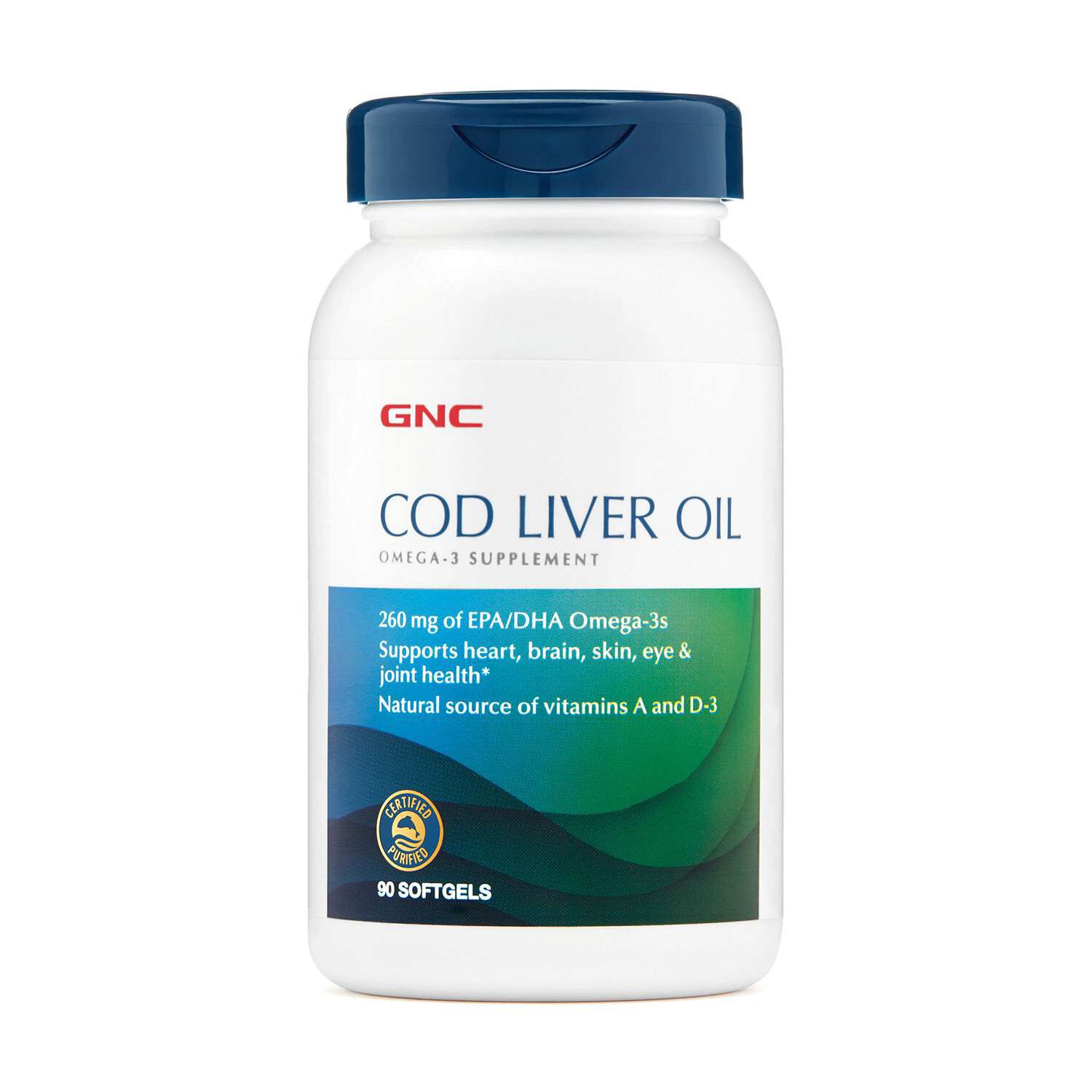
Body supplements are dietary products that may complement everyday nutrition, exercise routines, and personal fitness goals. The category includes protein powders, creatine, amino acid formulas, vitamins, minerals, omega-3 oils, and blends designed for use around workouts. These products come in powders, capsules, tablets, softgels, liquids, and chewable formats, with different ingredients and serving directions for different routines. Their intended role is to supplement a varied eating pattern, not replace meals or the habits that surround training. Protein powders, for example, may help supplement protein intake and support muscle maintenance and recovery after exercise. Whey and casein are derived from milk, while plant-based options often use pea, soy, rice, or combinations of plant proteins. Those differences matter to shoppers comparing dietary preferences, ingredient sources, flavor, and texture. A creamy powder mixed into oatmeal creates a different eating experience from a lighter shake prepared with water after a gym session. Creatine monohydrate is another common ingredient in body supplements and may support performance during repeated, high-intensity exercise, such as resistance training or short bursts of activity. Pre-workout formulas may support workout focus or exercise performance, although their ingredients vary considerably; some contain caffeine, while others do not. Amino acid supplements list individual amino acids or combinations, so the ingredient panel is more informative than a broad category name alone. Vitamins and minerals, including vitamin D and magnesium, may complement nutrient intake, while omega-3 supplements commonly contain oils derived from fish or algae. Each category has its own purpose, and the phrase body supplements does not describe a single formula or a standard combination of ingredients. An adult who lifts weights several times a week, someone returning to recreational exercise, and a shopper interested in everyday nutrition may be browsing the same category for very different reasons. Useful distinctions include what a formula contains, how it fits an existing eating pattern, and whether its format suits the way someone actually eats, travels, and trains.
The details on a supplement label help distinguish formulas that might otherwise look similar. A serving may be one scoop, several capsules, or a measured amount of liquid, making the serving size an important part of any ingredient comparison. Protein content per serving, the source of that protein, and the presence of added carbohydrates or fats can give a clearer picture of a powder than its flavor name. Ingredient lists also show sweeteners, flavorings, colors, and other components that affect taste and texture. Milk, soy, and other allergen declarations are especially relevant when dietary preferences shape the selection. For plant-based shoppers, the source of the active ingredients and the capsule material may both matter; a plant-derived ingredient does not necessarily mean every component of the finished formula has the same origin. Capsules may use gelatin or plant-derived materials, while softgels are often used for oil-based formulas. Powders offer a different kind of fit, especially for people who prefer mixing a serving into a drink rather than taking tablets. Some powders dissolve into a relatively thin beverage, while others produce a thicker shake, and the suggested liquid amount can influence that experience. A vanilla-flavored powder may suit a smoothie with banana and oats, while an unflavored option may fit recipes where a pronounced sweet taste would be distracting. Preparation requirements matter, too: a shaker bottle is convenient between errands and the gym, but a blender-dependent recipe belongs to a different routine. Workout blends deserve close attention to their ingredient lists because formulas can combine caffeine, amino acids, creatine, and other components in different amounts. Transparent ingredient amounts make those distinctions easier to understand. The Supplement Facts panel, serving directions, and caution statements provide product-specific context without assuming that every adult has the same needs. A shorter ingredient list is not automatically a better match, and a longer one is not automatically more useful. What matters is the relationship between the formula, its intended use, and the shopper’s preferences.
Practical fit continues after a supplement reaches the kitchen counter or gym bag. Packaging, storage directions, and preparation habits influence how comfortably a product fits into daily life. A powder container with a secure lid and a clearly marked scoop can be easier to manage than a package that requires extra measuring or awkward pouring. Moisture can affect the texture of powders, so label-directed storage, a dry scoop, and a firmly closed container are relevant care considerations. Capsules, tablets, and softgels also have storage requirements, and the original package keeps ingredient information, serving directions, and the best-by date close at hand. Packaging suited to repeated opening and closing may be useful for a product used regularly, while individually portioned formats may fit travel or a packed workday. Prepared shakes have different handling requirements from dry powders, making the package’s preparation and storage instructions particularly important. These details are not glamorous, but they matter when a container needs to fit in a cabinet, a shaker needs to sit upright in a tote, or a serving has to work around an early commute. Consistency of flavor and ease of preparation may also influence whether a supplement remains a comfortable part of a routine. A shopper who enjoys a thick smoothie may value a different texture from someone who wants a quick drink with water. For gift giving, known flavor preferences, dietary choices, and preferred formats are more useful than assumptions about someone’s body or fitness goals. Supplements are personal purchases, so a familiar category and an established routine can offer better context than an unfamiliar blend. The Premium Supplements collection provides another place to explore options alongside body supplements. Across formats, the most useful comparisons remain concrete: ingredient sources, clearly stated amounts, serving size, preparation requirements, packaging, and intended use. Those details help connect a broad supplement category with the everyday routines of adults who value thoughtful nutrition and an active lifestyle.
Best Sellers
-
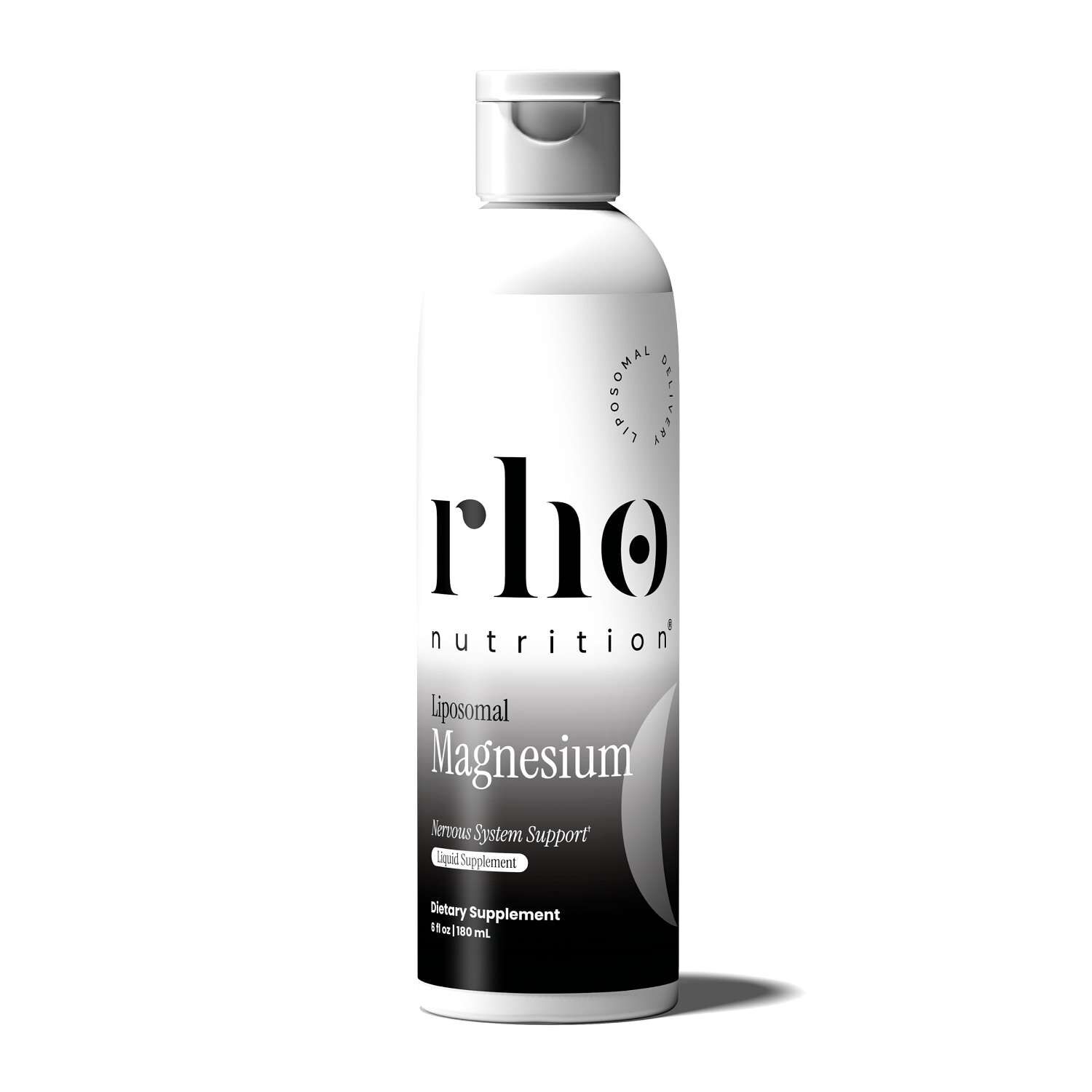 Rho Nutrition
-
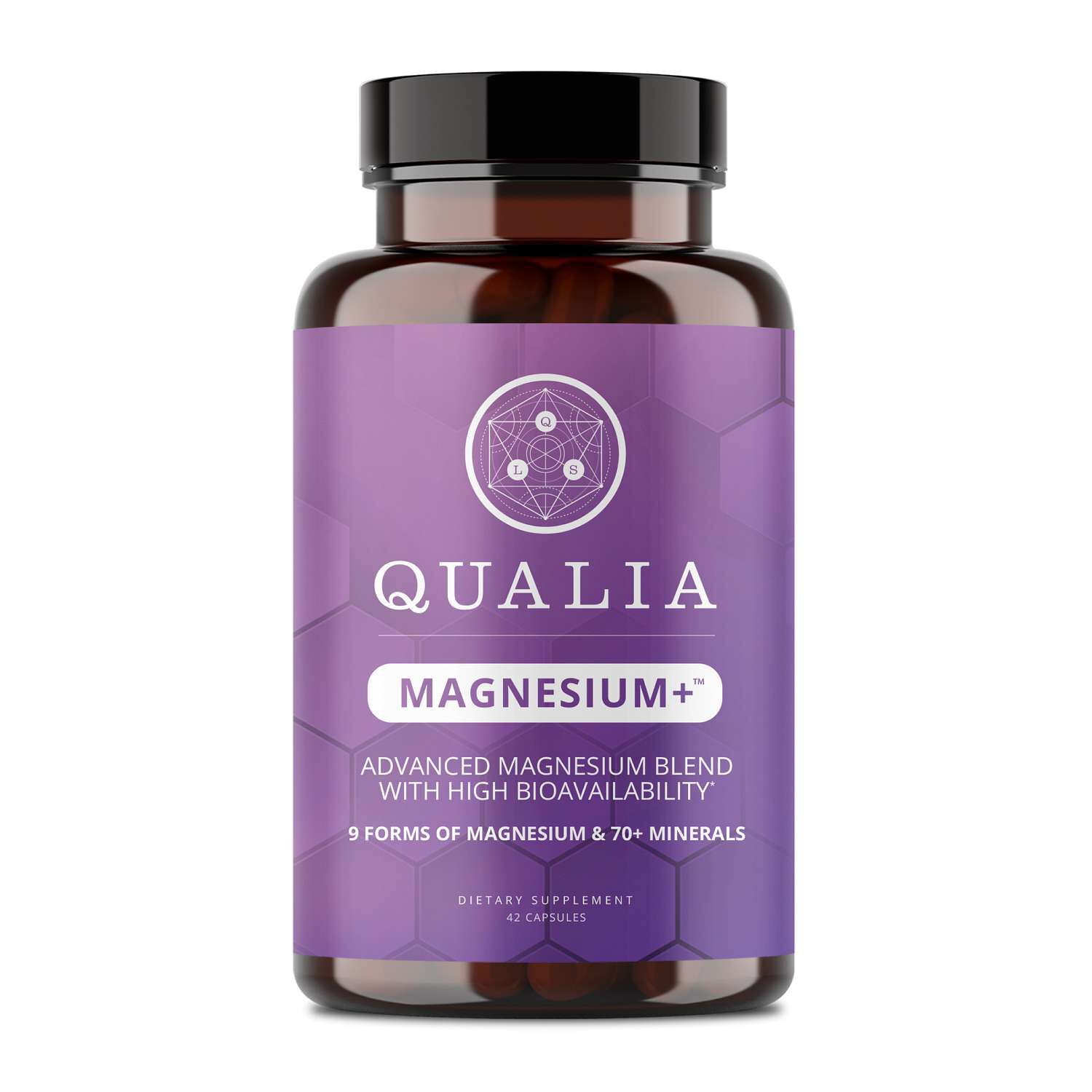 Qualia Life Sciences