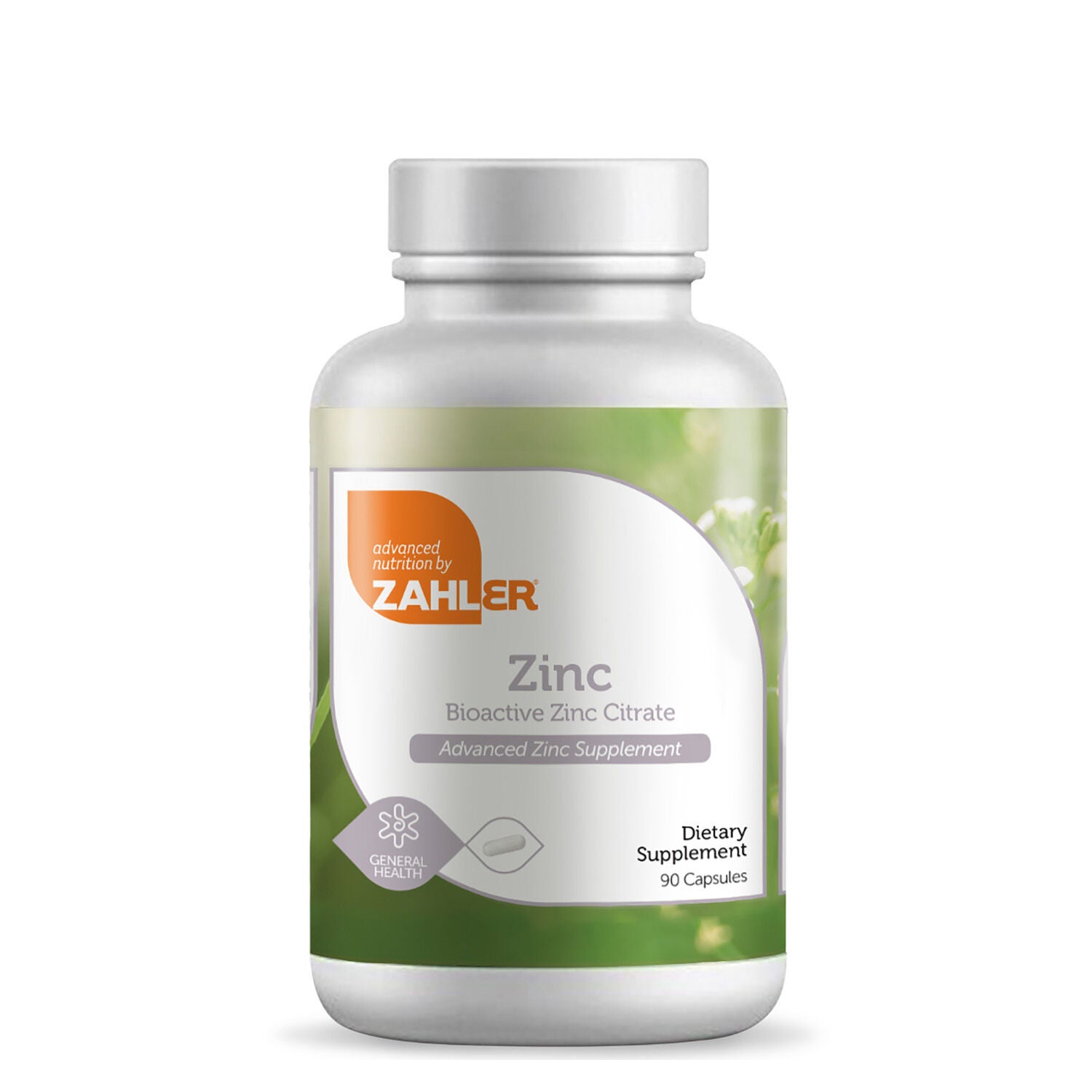


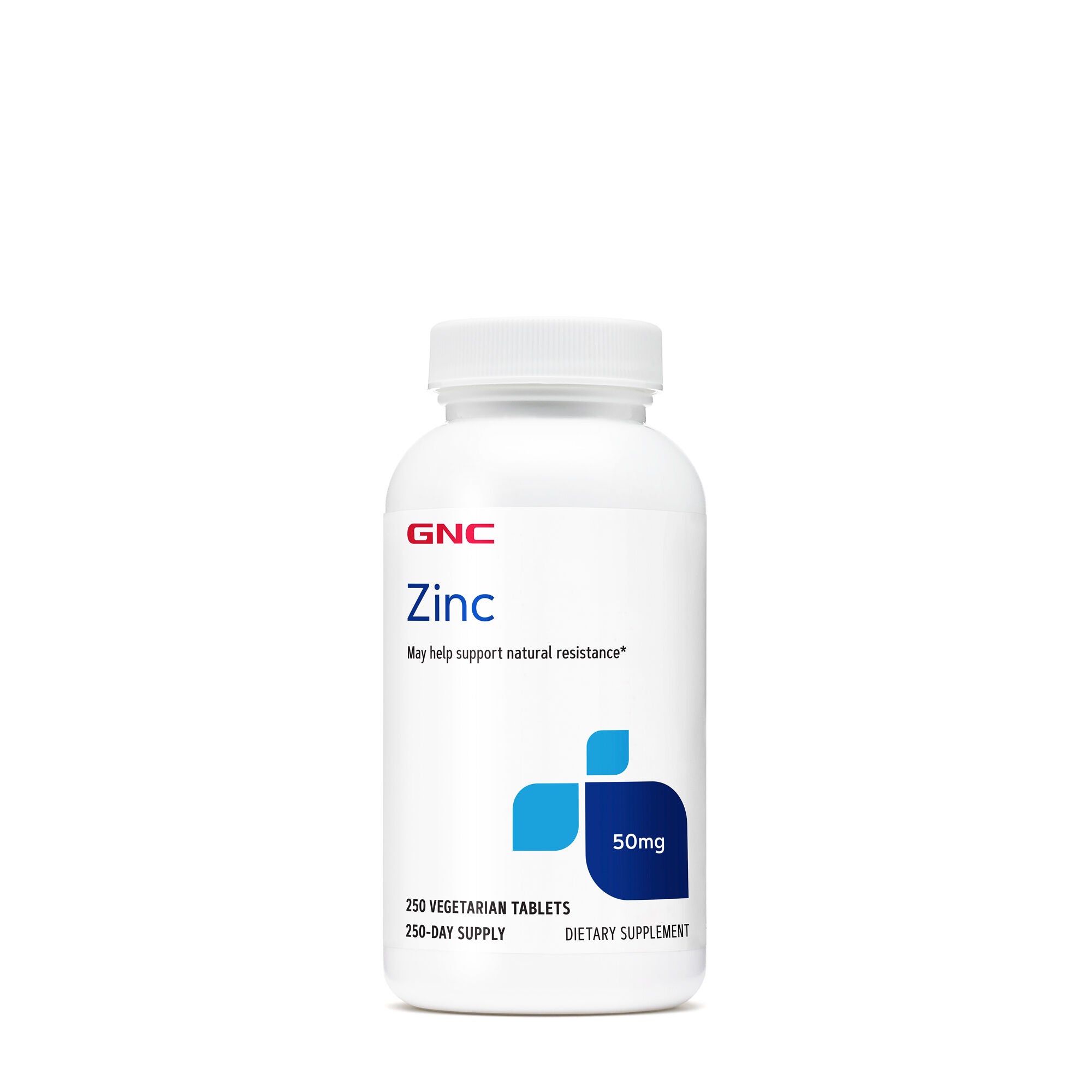
Zinc 50mg Tablets
(0 Results)
Zinc is an essential mineral that plays a crucial role in supporting overall health and well-being. Our Zinc tablets provide a convenient way to ensure you meet your daily recommended intake of this vital nutrient. With each tablet containing a potent dose of Zinc at a strength of up to 50 mg, you can easily incorporate this supplement into your daily routine. Whether you're looking to support your immune system, promote healthy skin, or aid in enzyme function, these Zinc tablets are a simple and effective solution for your nutritional needs.
-
-
 Amazing Nutrition$13.99
 -

-

-


Zinc 50 mg tablets are mineral supplements in a solid tablet format, with the labeled amount describing the zinc supplied by a stated serving. Zinc occurs naturally in foods such as meat, seafood, beans, nuts, and dairy products, and supplements offer another source of this nutrient. A tablet’s strength, mineral form, and serving size are separate details, each useful when comparing formulas. The phrase “50 mg” does not describe the weight of the entire tablet, which also includes the other ingredients used to hold its shape. On a Supplement Facts panel, the zinc amount refers to elemental zinc rather than the weight of the compound that supplies it. The source may appear in parentheses beside the nutrient name, while the serving size appears near the top of the panel. A serving is not necessarily one tablet, so tablet count alone does not establish how many servings a bottle contains. For adults and children age four and older, the Daily Value for zinc is 11 mg; a 50 mg serving therefore supplies approximately 455% of that reference amount. That percentage describes nutrient content, not a measure of product quality or a reason to prefer a higher strength. A 50 mg serving also exceeds the adult tolerable upper intake limit of 40 mg per day from food and supplements combined. This distinction makes the category different from lower-strength zinc supplements and prevents the number on the front label from telling the whole story. Intended use, package directions, and caution statements provide additional context beyond the nutrient amount. For shoppers comparing mineral supplements, the most informative details are often straightforward: how much zinc a serving contains, which compound supplies it, what else is in the formula, and whom the label identifies as its intended user. Together, those details create a clearer picture than strength alone, without assuming that every adult has the same nutritional needs or that a larger amount is a better match.
The composition of zinc 50 mg tablets varies beyond the mineral itself. Zinc may be supplied in forms such as zinc gluconate, zinc citrate, or zinc picolinate, and the form should be distinguished from the amount of elemental zinc listed per serving. Two labels can show the same zinc amount while naming different source compounds and different supporting ingredients. Tablets commonly contain binders, fillers, or flow agents used during manufacturing, and some have an outer coating. These ingredients contribute to the physical construction of the tablet rather than adding to its labeled zinc amount. Cellulose, for example, may appear among the other ingredients, while the precise composition depends on the formula. Shoppers with dietary preferences often look closely at ingredient sources, allergen statements, and any vegetarian or vegan designation actually printed on the packaging. Such attributes cannot be assumed from the word “zinc” or from the tablet format. Physical characteristics also matter to the shopping experience. Tablets can differ in diameter, thickness, shape, surface finish, and whether they have a visible score line. A small, rounded tablet and a larger oblong tablet may occupy the same supplement category but feel quite different to someone who has a strong format preference. Product photography can show shape, although a photograph without dimensions does not reliably communicate size. A score line also does not, by itself, establish directions for dividing a tablet. Capsules are a separate format, enclosing their contents in a shell rather than compressing the ingredients into a solid piece. For a related format comparison, Zinc Picolinate Capsules provides a distinct category to explore, with both the mineral form and the capsule construction reflected in its name. Neither format alone establishes suitability, ingredient compatibility, or nutrient absorption. For someone comparing two otherwise similar labels, practical differences such as the tablet dimensions, coating, capsule shell materials, or number of units per serving may be more meaningful than the appearance of the bottle.
Packaging and label clarity round out the comparison of zinc 50 mg tablets. A bottle count describes the number of tablets inside, while the Supplement Facts panel describes the amount associated with each serving; these numbers answer different questions. A bottle containing 90 tablets, for instance, would represent 90 labeled servings only if its serving size were one tablet. This distinction is especially useful when comparing containers that look similar on a shelf but have different directions. Clear printing, a readable ingredient list, and an accessible caution panel make the package easier to evaluate without relying on a brief front-label description. The expiration date and lot information provide further product-specific context, while the closure and protective seal are part of the packaging rather than evidence of a particular nutritional outcome. Tablets are not intended to be judged like durable household goods, but their physical condition and storage requirements still matter. Moisture exposure can affect their appearance or texture, and storage statements on the container describe the conditions intended for that formula. Original packaging also keeps the ingredient information, serving details, and expiration date together. In a household where several adults keep supplements in the same cabinet, those visible details help distinguish a single-mineral tablet from a multivitamin or a combination formula. The distinction matters because zinc can appear in more than one supplement category, and separate containers do not necessarily represent separate nutrients. A shopper who already has a multivitamin may find zinc listed there as well, even when it is not prominent on the front label. That overlap is relevant background when evaluating a concentrated single-mineral format, not a reason to assume that the products belong together. Zinc 50 mg tablets are consequently a more personal purchase than a casual gift: dietary preferences, other supplement use, and the intended user’s circumstances are not always apparent to the giver. The clearest comparison centers on documented attributes rather than broad expectations. Elemental zinc per serving, source compound, other ingredients, tablet characteristics, package directions, and storage information each describe a different part of the product. Viewed together, they make this category easier to understand while preserving the distinction between a labeled nutrient amount and an individual nutritional need.