





60 Capsule Supplements
(0 Results)
Discover the potential benefits of incorporating our selection of high-quality, convenient, and easy-to-use supplements into your daily routine. With a wide variety of options available, our range of expertly formulated supplements in a convenient count of sixty capsules might support various aspects of health and wellness. Whether you're looking to maintain overall well-being or target specific nutritional needs, our collection of supplements could be just what you need to help you achieve your health goals. Explore the possibilities with our diverse selection of premium-grade, carefully crafted products designed to fit seamlessly into your lifestyle.
-
-

-
-
-

-
 57$54.99
-
-

-

-
 Angry Supplements3$15.99
-
-

-

-

-
 GNC Preventive Nutrition22$46.99
-
 Yemaya Organics$28.99
-
-
-
-

-
 $29.99
-
-
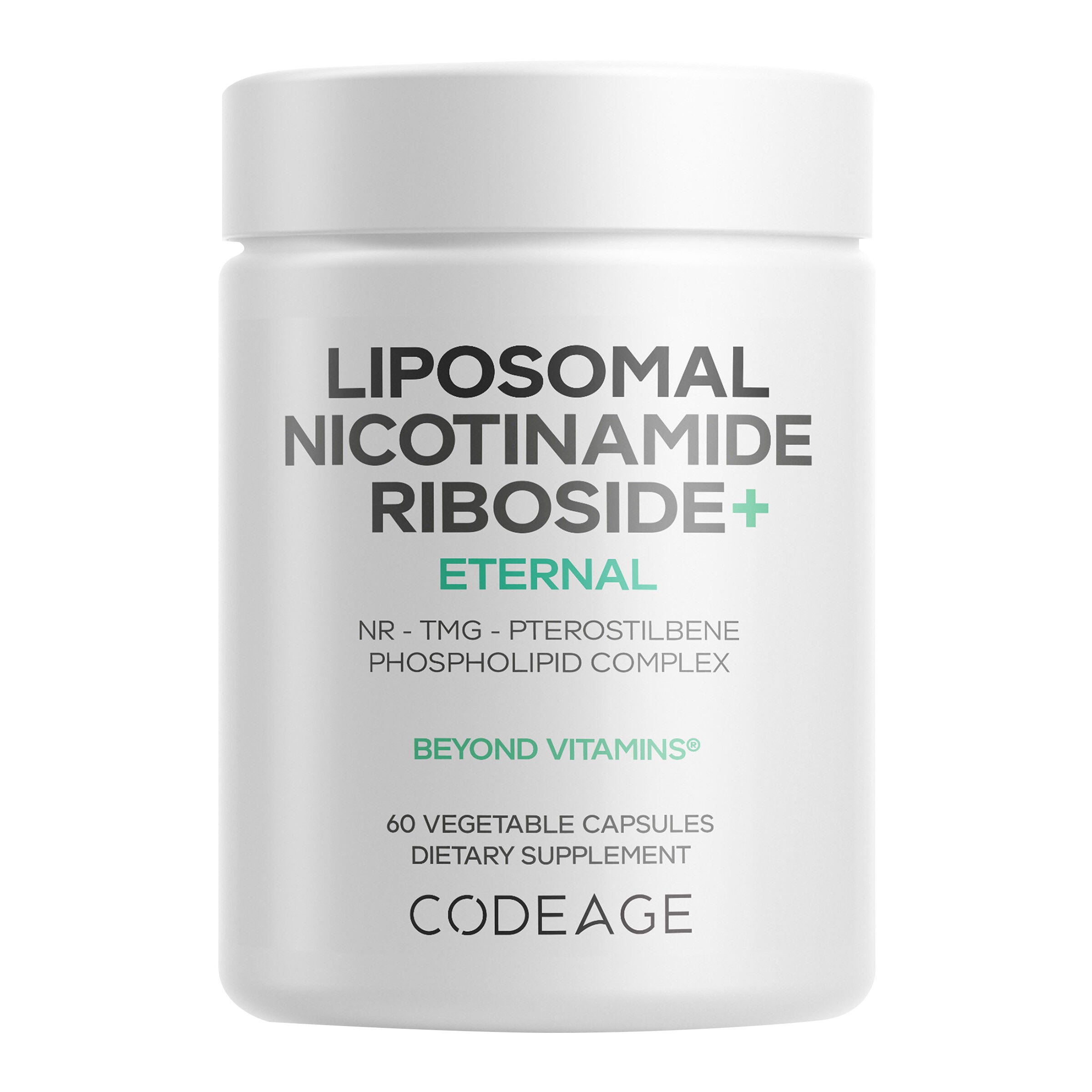

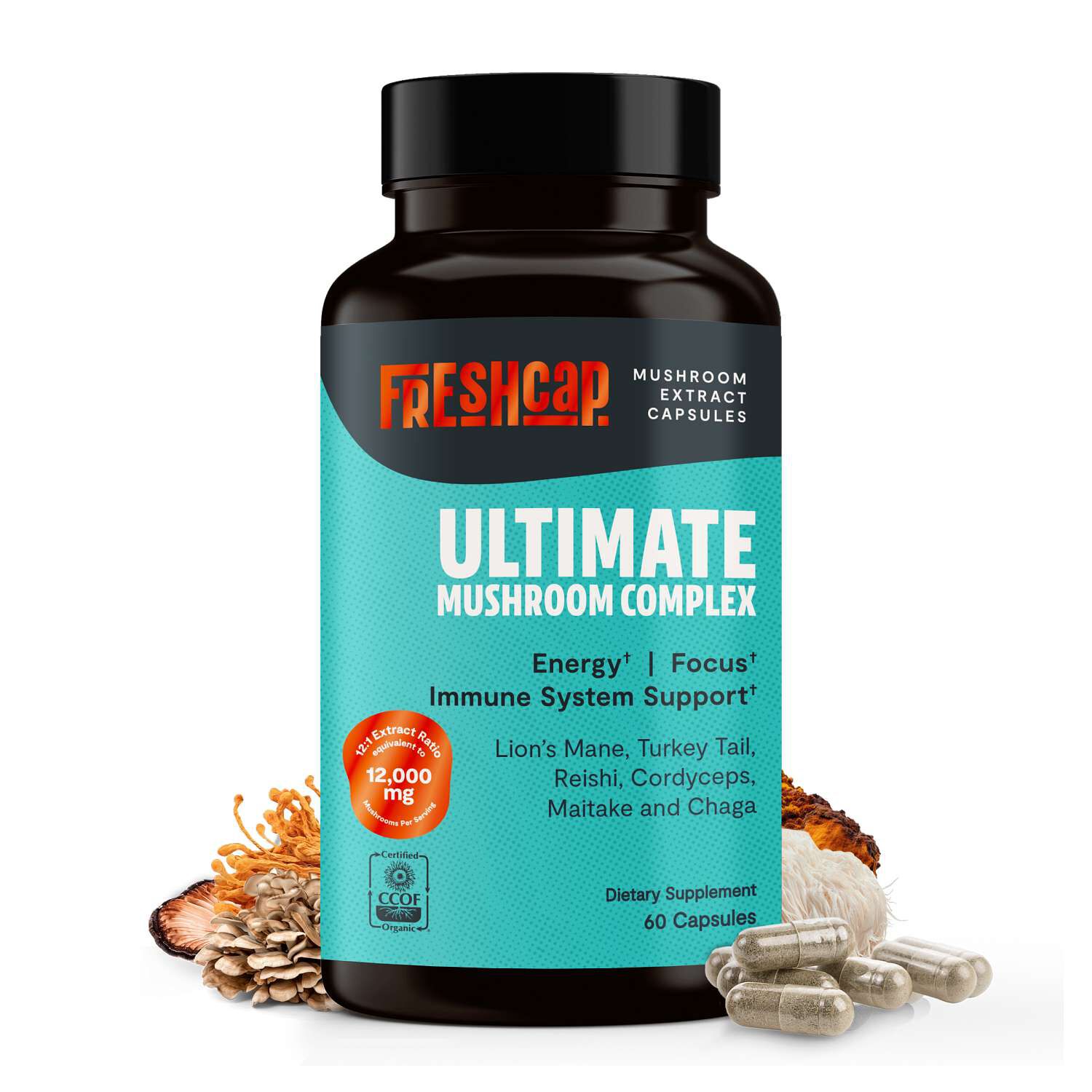
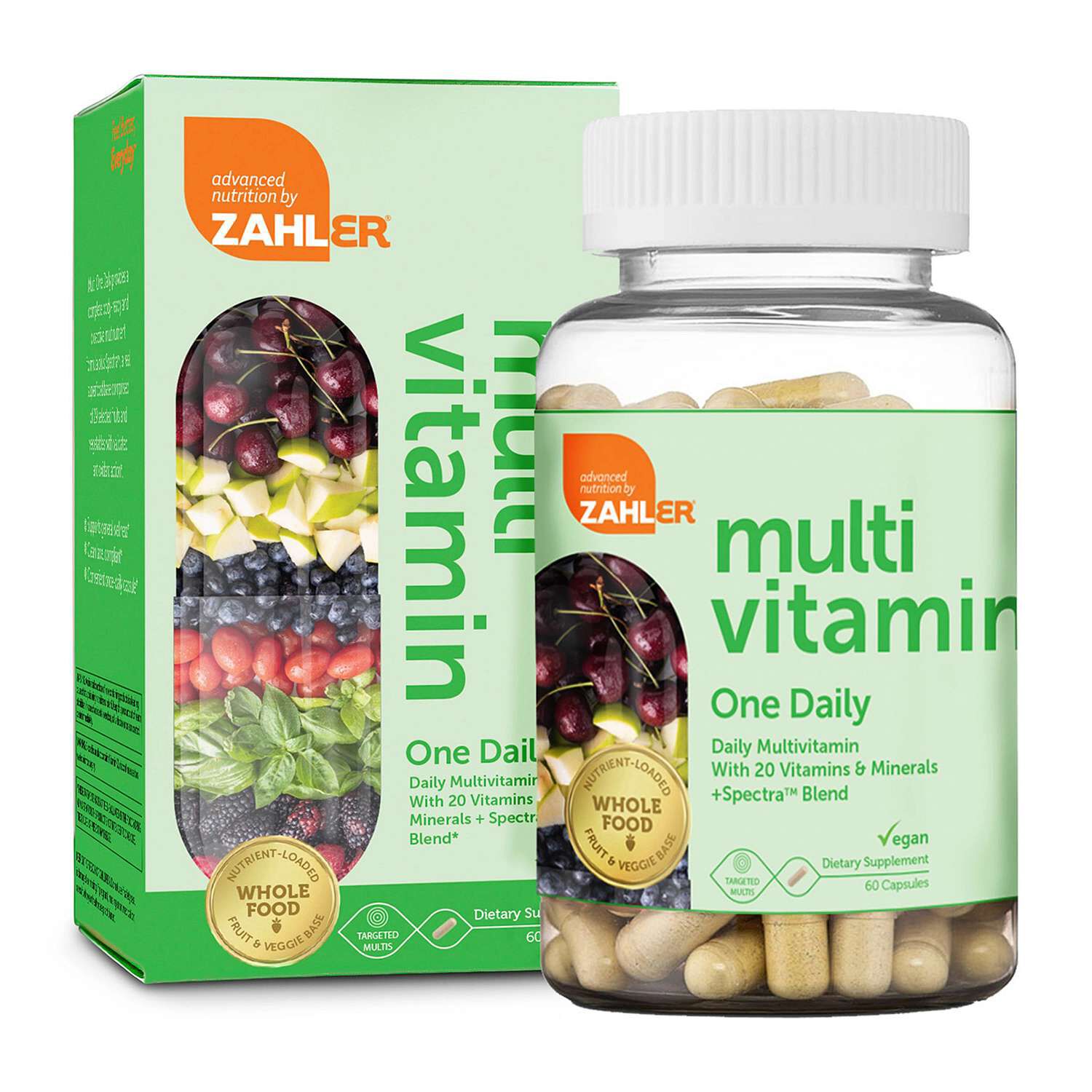
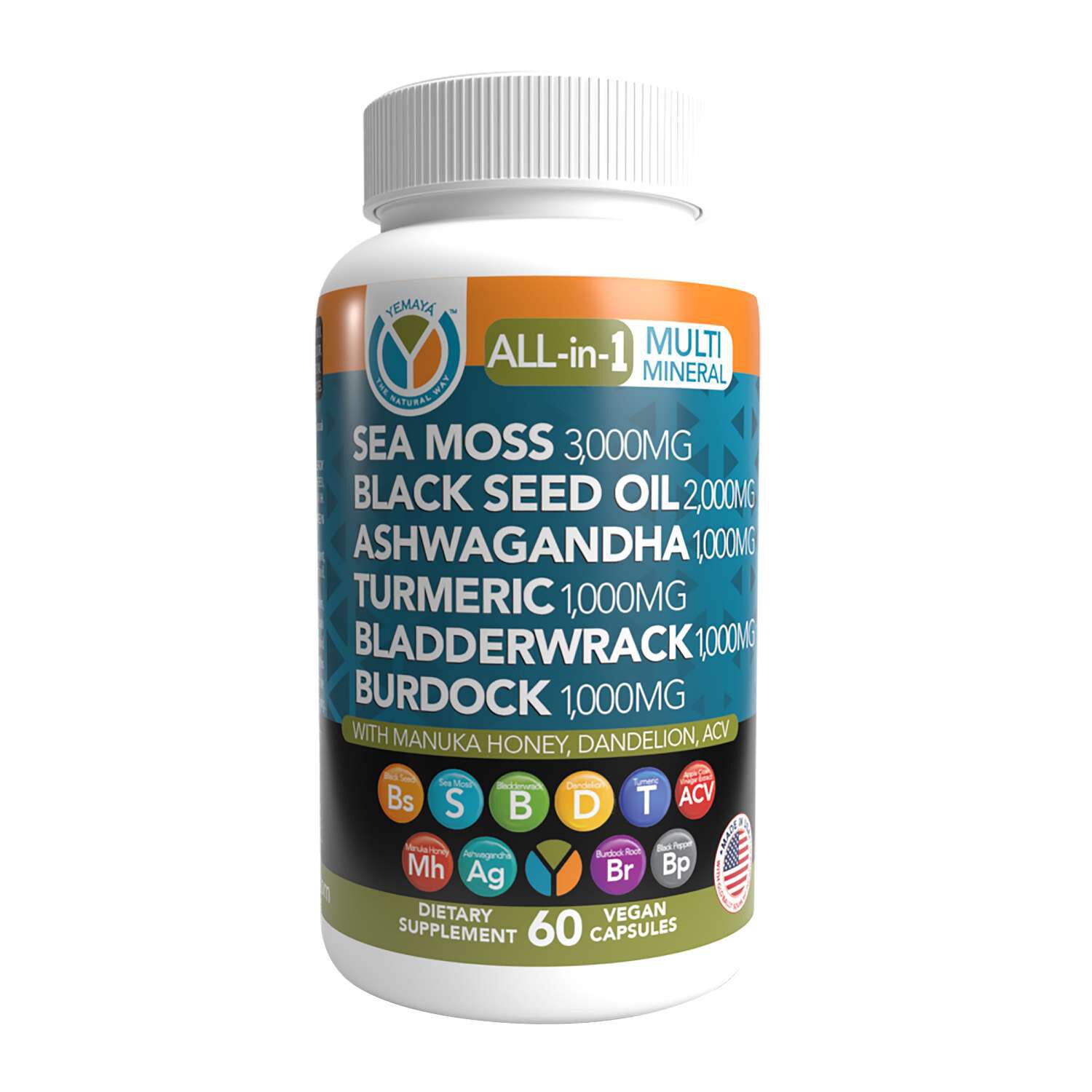
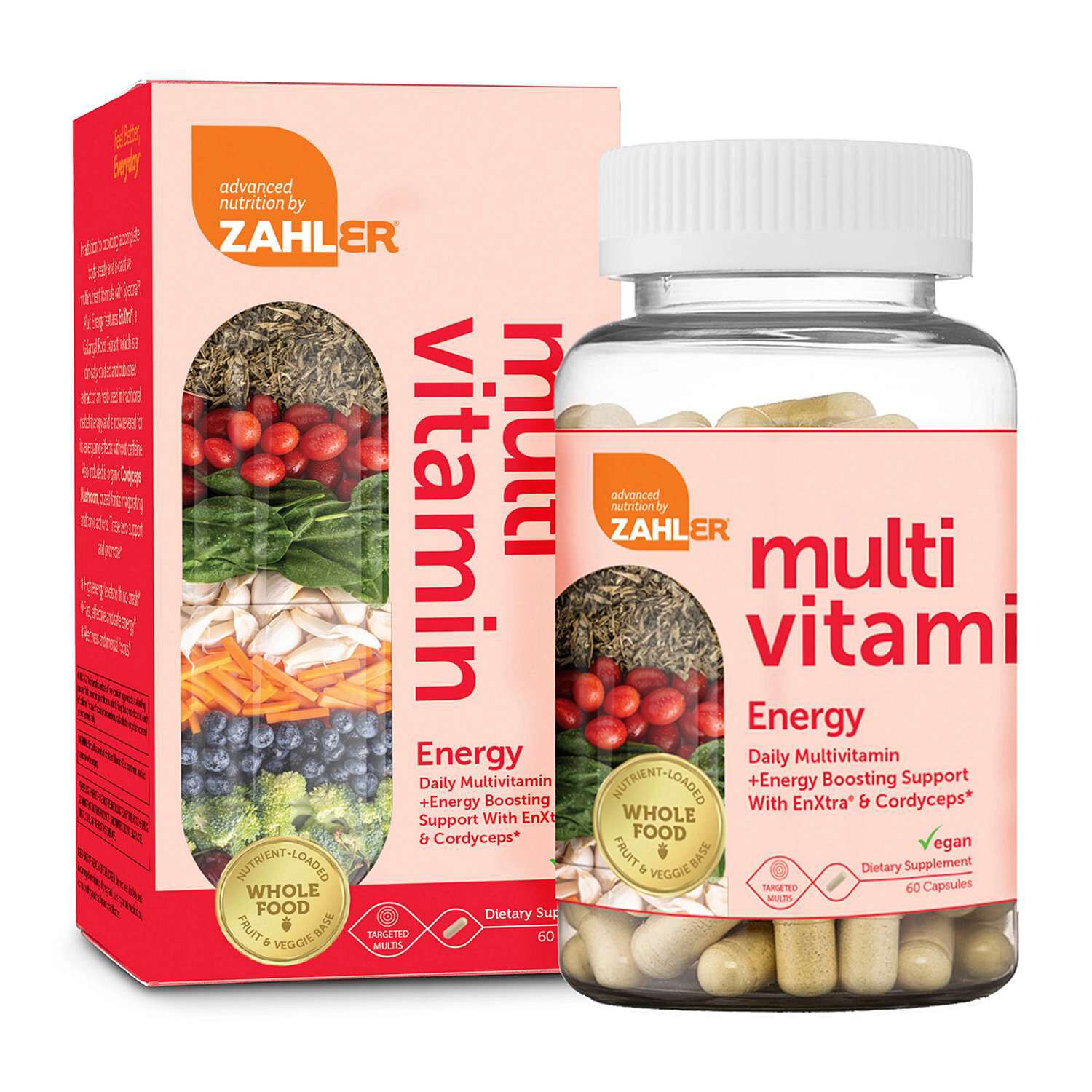
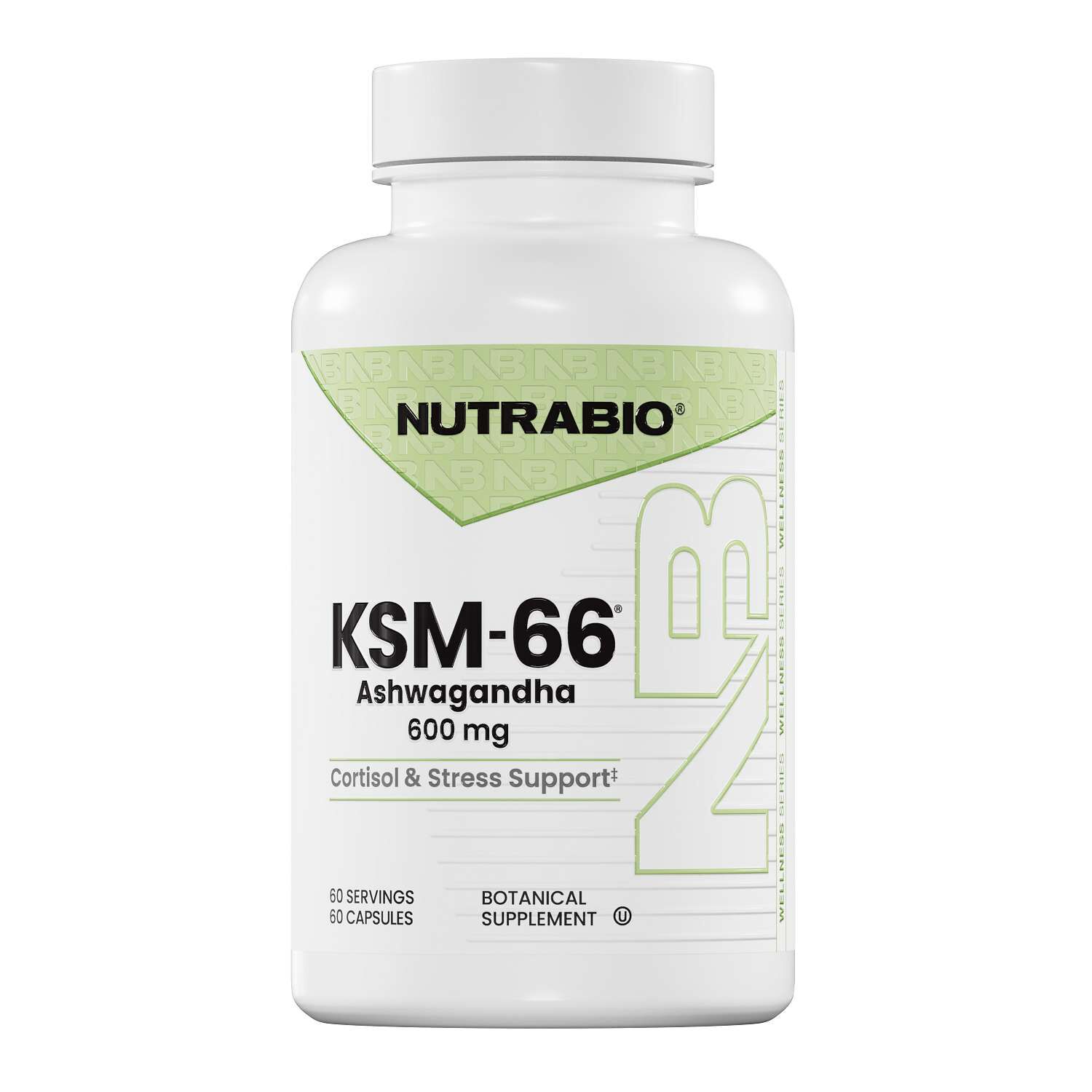
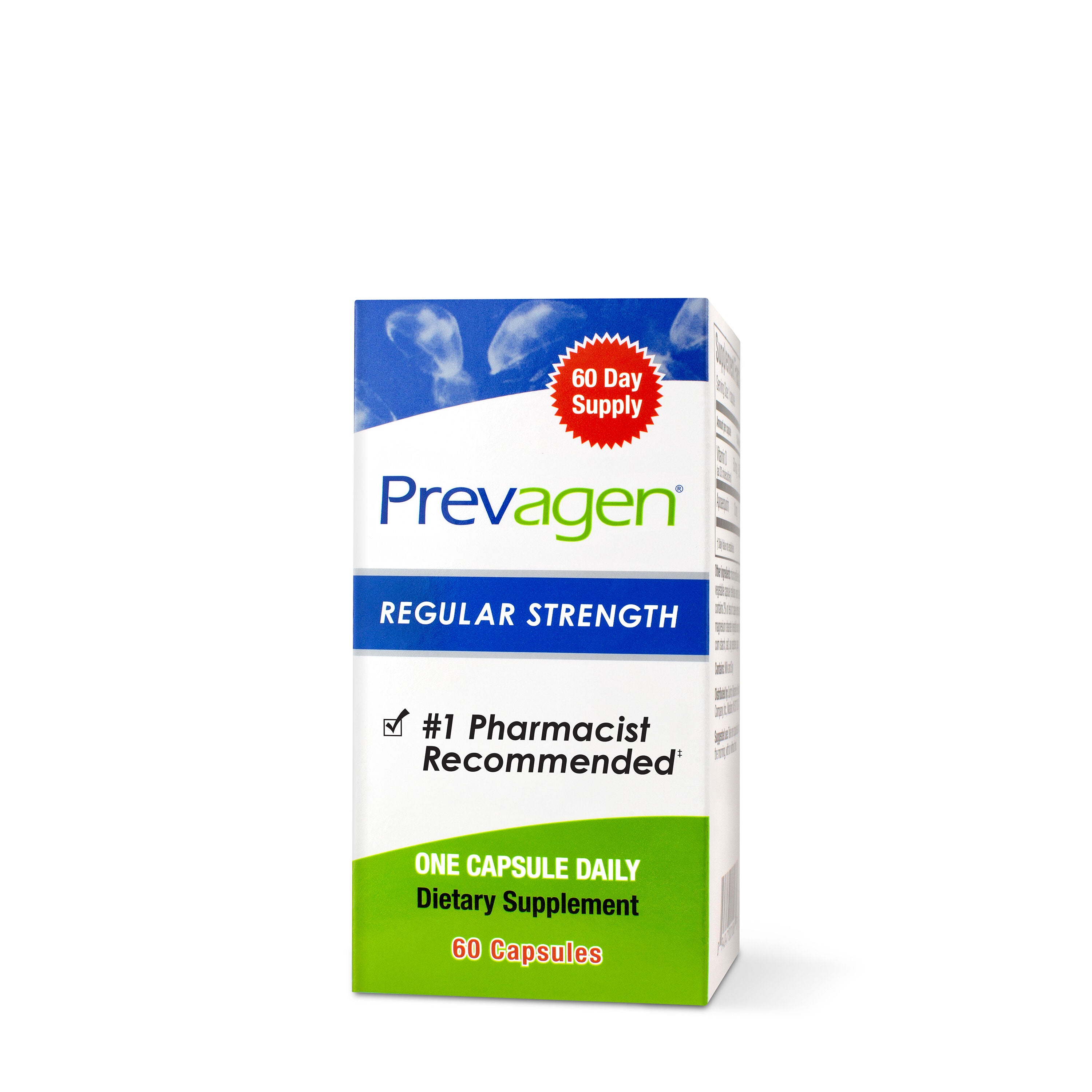
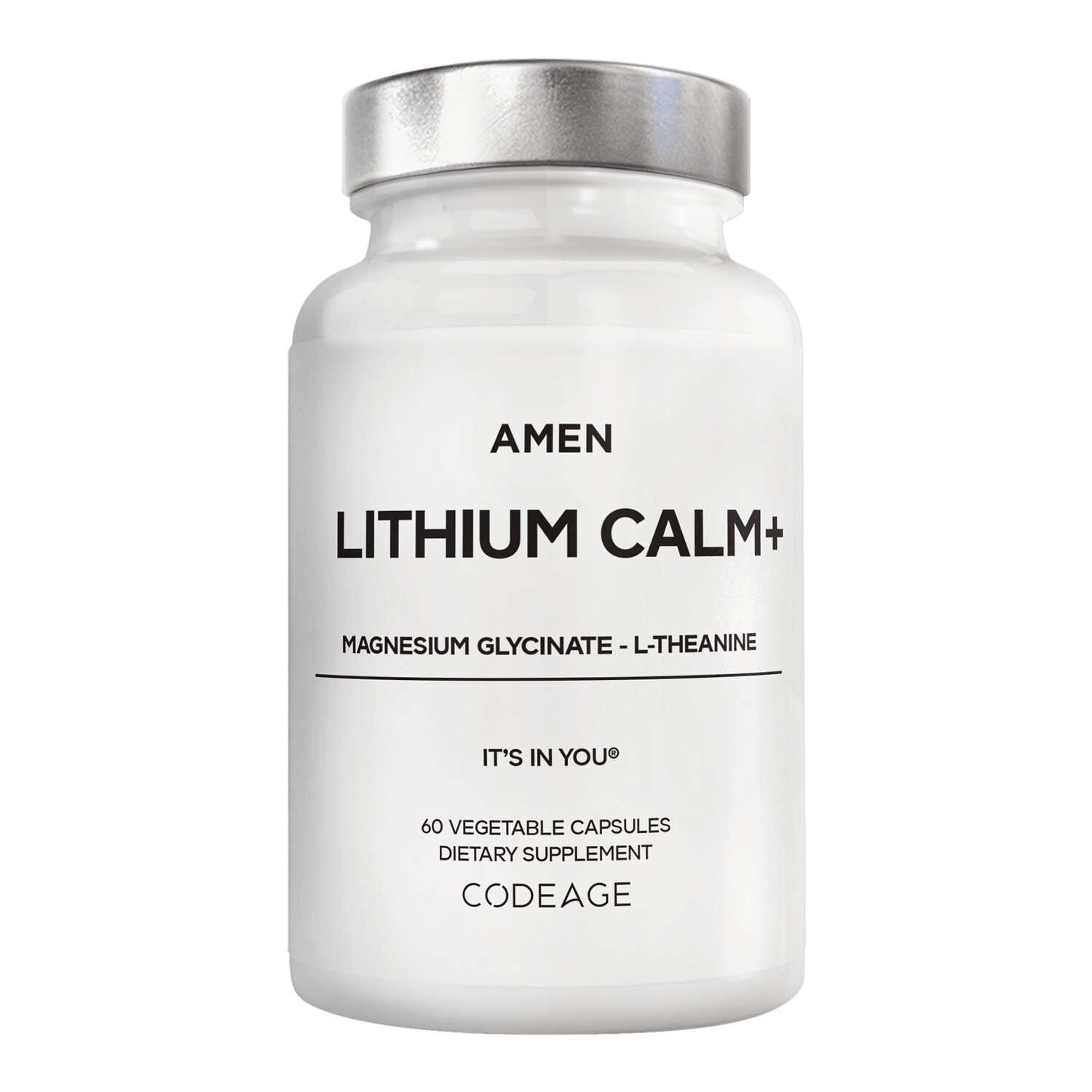
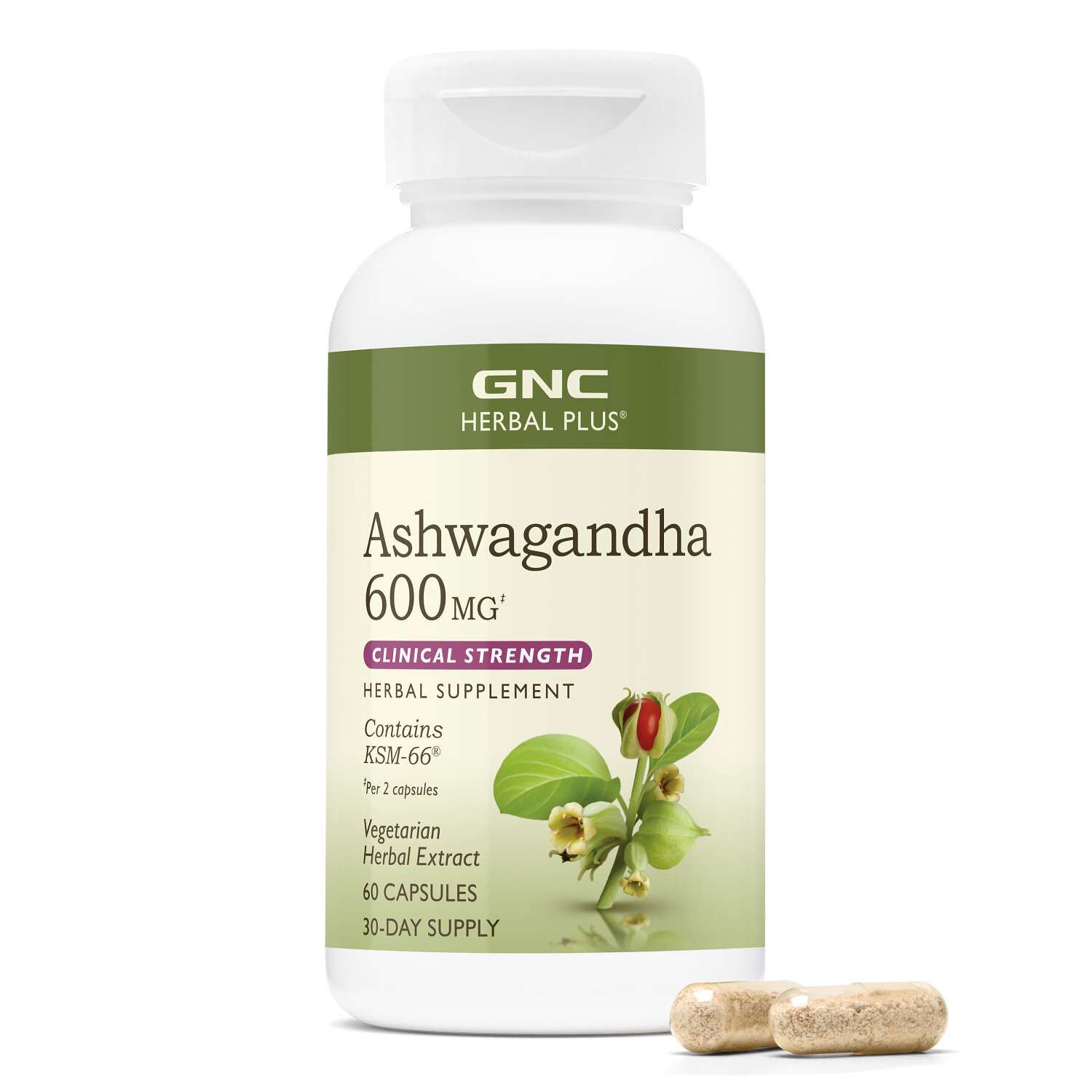
A 60-capsule supplement bottle contains 60 capsules, which corresponds to a 60-day supply when the label directs one capsule per day or a 30-day supply when it directs two capsules per day. The actual duration depends on the product’s directions, so capsule count and serving size belong together when comparing bottles. A container with 60 capsules does not necessarily contain 60 servings, and a larger daily serving means the same bottle represents fewer days of use. That distinction gives 60-capsule supplements a practical place among everyday nutrition options: the bottle size describes the quantity in the package, while the formula and label describe its intended use. This category can encompass individual vitamins, mineral combinations, botanical ingredients, amino acids, and other dietary supplement formulations. Some shoppers prefer a focused ingredient list; others look for several ingredients combined in one formula. Neither approach can be understood from the capsule count alone. The Supplement Facts panel provides more detail, including the serving size, servings per container, ingredient amounts, and any listed Daily Values. For example, an amount shown for a two-capsule serving represents both capsules together, not the amount in each individual capsule. Similarly, two bottles with the same number of capsules can have different ingredient quantities and different suggested use. An ingredient name on the front of the bottle is only part of the description; its form and amount provide additional context. For shoppers comparing 60-capsule supplements, these distinctions separate package size from formula composition without treating one as a substitute for the other. A 60-count bottle may suit someone who prefers a shorter purchasing cycle or a smaller quantity of a particular formula. The physical dimensions of the container still vary, however, so capsule count alone does not establish how much room a bottle occupies in a cabinet, drawer, or travel bag.
Capsule construction is another part of the comparison, particularly for shoppers with preferences about ingredient sources. Capsule shells may be made with gelatin or plant-derived materials such as cellulose, and that information generally appears alongside the other ingredients on the label. A plant-derived shell does not, by itself, establish that every ingredient in the formula meets a vegetarian or vegan preference; the contents and any relevant labeling matter as well. Beyond the shell, the other ingredients list may include materials used in manufacturing, such as rice flour or silicon dioxide. These details help describe the formulation beyond the featured nutrients or botanicals. Allergen statements and ingredient-source information provide further context for shoppers whose purchasing decisions depend on particular dietary requirements. Capsules also differ in length, width, shell color, and the appearance of their contents. A 60-count package can contain relatively small capsules or larger ones, depending on the formulation, so count is not a description of capsule size. Nor does a larger capsule establish that a formula is more suitable for a particular person. For someone who already includes supplements in a daily routine, the practical fit often comes down to the labeled serving, the ingredient profile, and the preferred format. A person accustomed to a single capsule has a different routine from someone using a formula with several capsules per serving. Some labels specify use with food or give other directions about timing, making those instructions part of the comparison rather than an afterthought. A bottle kept beside a breakfast place setting, for instance, reflects a different household routine from one stored with supplies for occasional travel. Neither setting changes the directions on the package. Adult-use labeling, where present, also matters: a capsule format or familiar nutrient name does not make every formula suitable for every age group. These everyday details give the category more meaning than a count printed on the front panel.
Storage and handling are part of the experience of owning a 60-capsule supplement bottle. The container, closure, label, and any inner seal each have a role in the packaging, while storage instructions describe the conditions appropriate for that formula. A dry cabinet away from direct sunlight offers a different setting from a bathroom shelf exposed to shower steam; the package’s directions remain the reference for choosing a storage location. Keeping the original bottle also preserves the ingredient list, suggested use, lot information, and printed date in one place. In a shared household, the original labeling distinguishes one person’s formula from another without relying on capsule color or bottle shape. For shoppers who use an organizer, access to the original container still matters because an organizer compartment does not display the full product information. Travel adds another practical consideration: sixty capsules may represent a convenient quantity for a particular trip, but the number of days covered still depends on the labeled daily serving. Comparing 60-capsule supplements with 120 Capsule Vitamins puts that relationship into perspective. When both labels direct two capsules daily, a 60-count bottle represents 30 days, while a 120-count bottle represents 60 days. When the directions differ, the larger count alone does not establish a longer period of use. The same principle applies when comparing formulas within the 60-capsule category: matching the count is only the beginning of a useful comparison. Ingredient forms, amounts per serving, shell materials, dietary labeling, and intended users provide the substance behind the package size. For someone organizing a regular supplement purchase, these details may make a 60-capsule format a practical match for an existing routine. The appeal lies in a clearly defined quantity paired with a formula whose labeling matches the shopper’s preferences, rather than an assumption that every bottle with the same count serves the same purpose.
Best Sellers
-
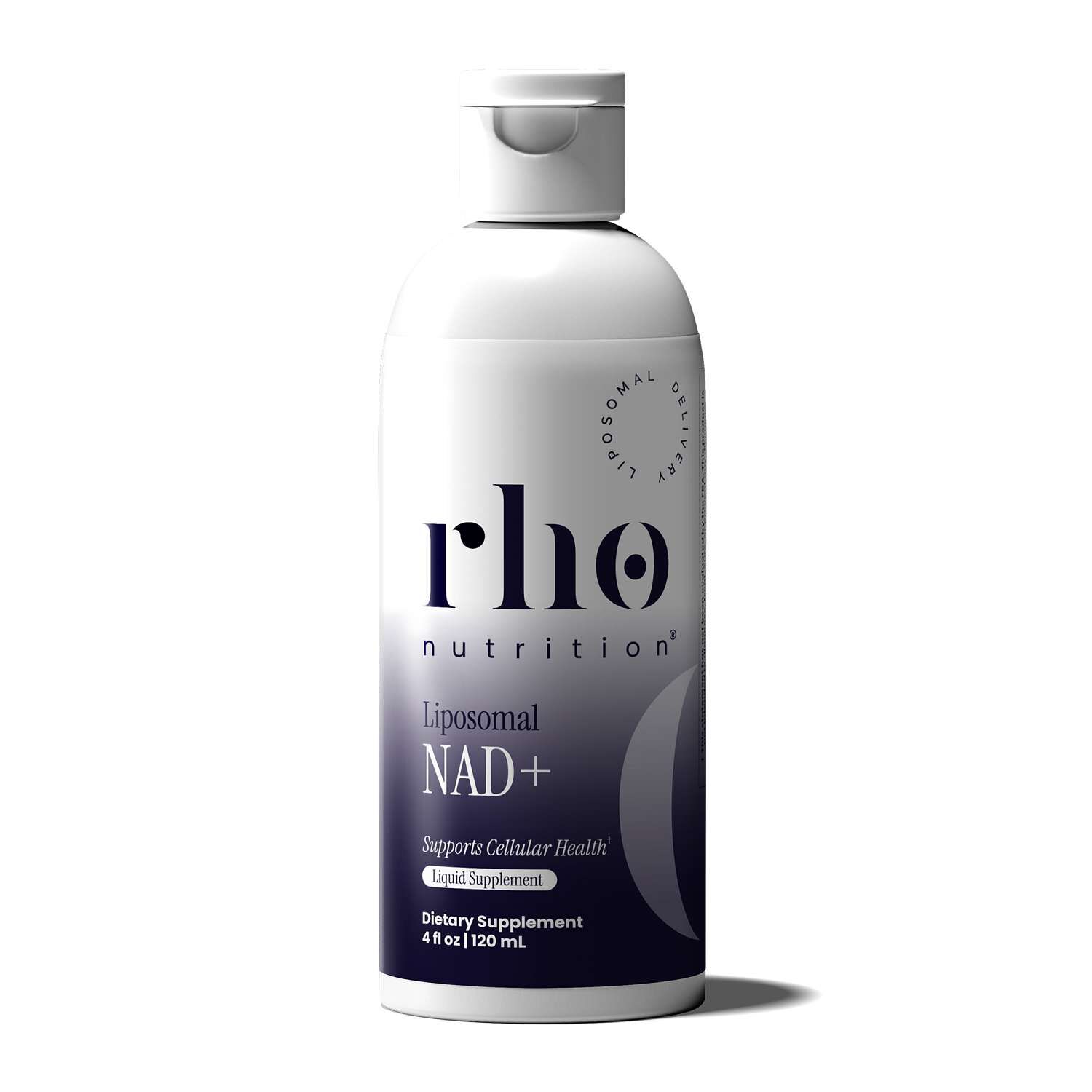 Rho Nutrition
-
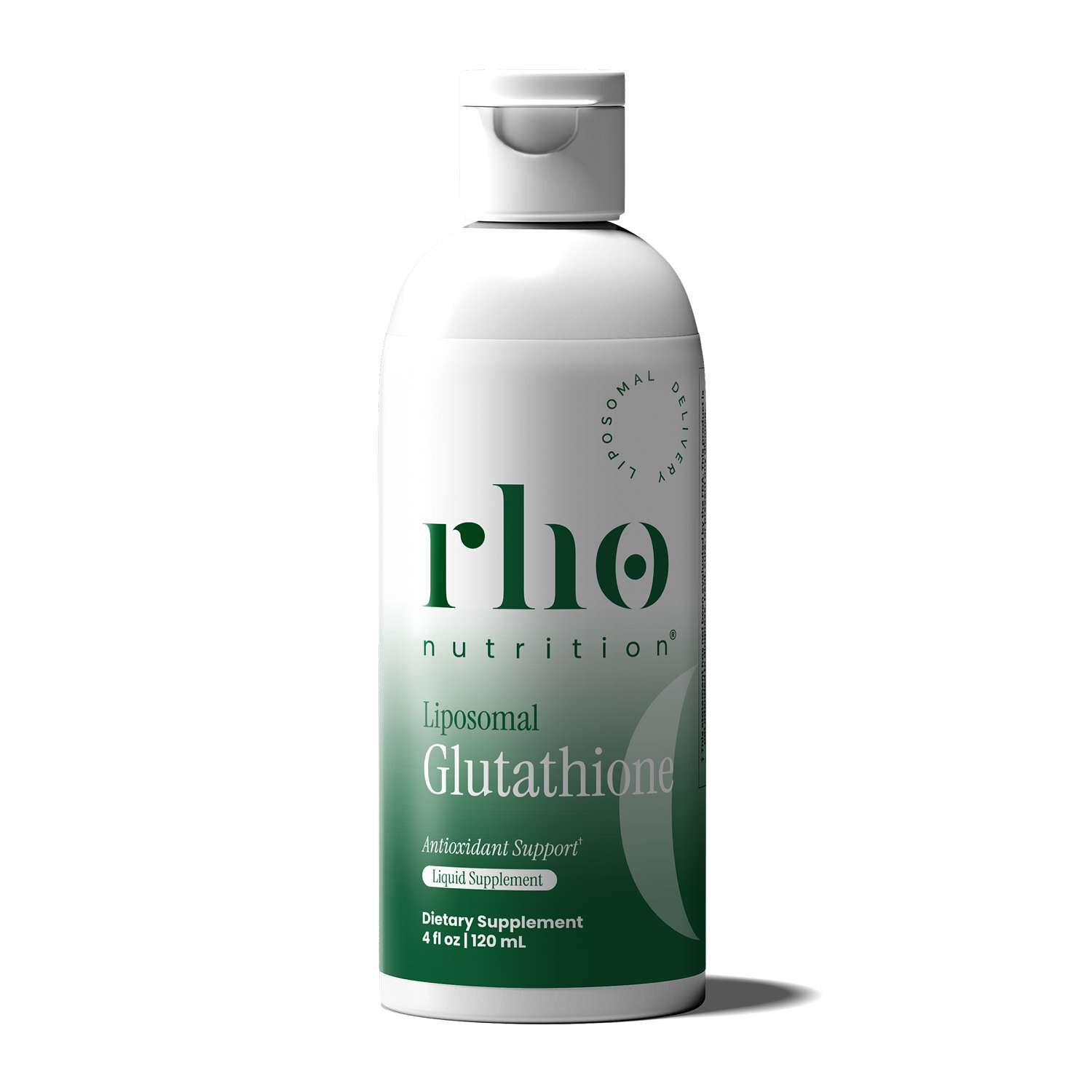 Rho Nutrition
-
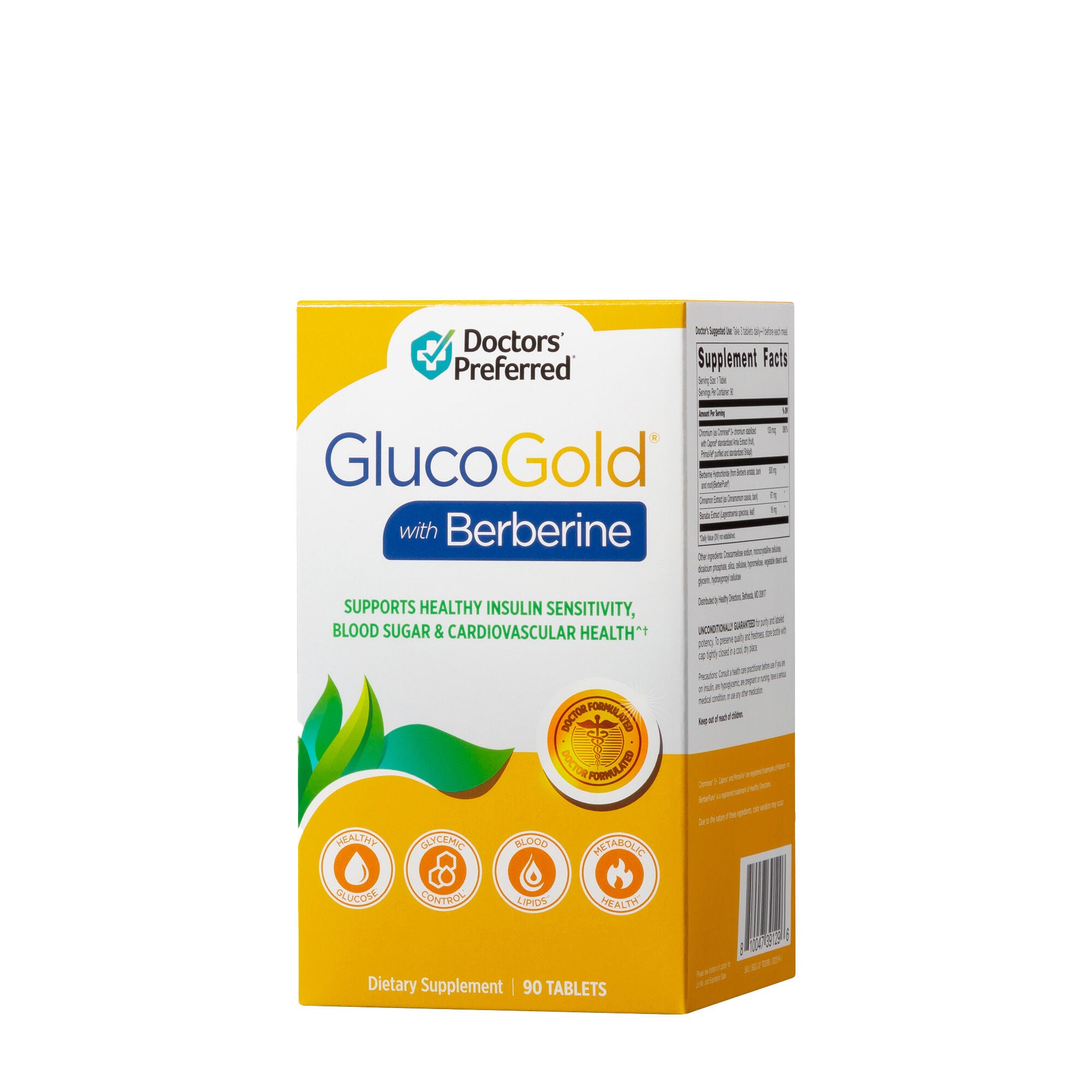 Doctors' Preferred
Related Pages

Top Collections
- Zinc Supplements | Top Brands at Great Prices | GNC
- Cortisol Supplements
- NAD+ Supplement Tablets
- Top Rated Collagen | Shop Customer Favorites | GNC
- Best Brand of Magnesium Glycinate
- Peptide Supplements
- Vitamins That Help Support Weight Gain
- Protein Powders For Muscle Growth Support
- Vitamins For Hair Loss
- Peptide Supplements for Muscle Growth