60 Softgels Supplements
(0 Results)
Discover a wide range of health benefits with our selection of high-quality, convenient, and easy-to-swallow options in our collection of 60 softgels supplements. Perfect for those looking to support their wellness journey, these softgels offer an efficient way to incorporate vital nutrients into your daily routine. Whether you're seeking to maintain overall health or target specific areas, our assortment could provide the support you need. Explore the potential advantages that these versatile supplements might bring to your lifestyle.

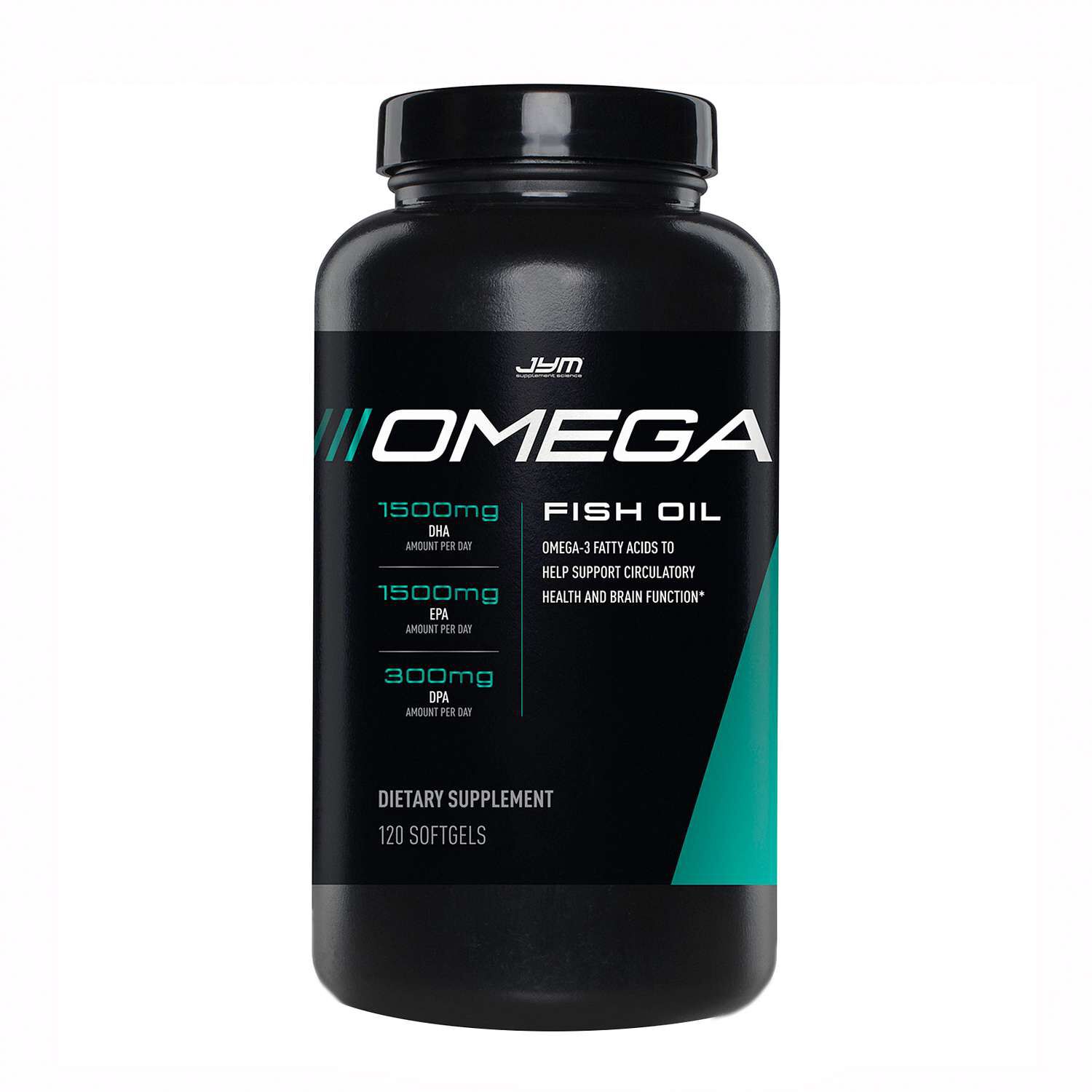


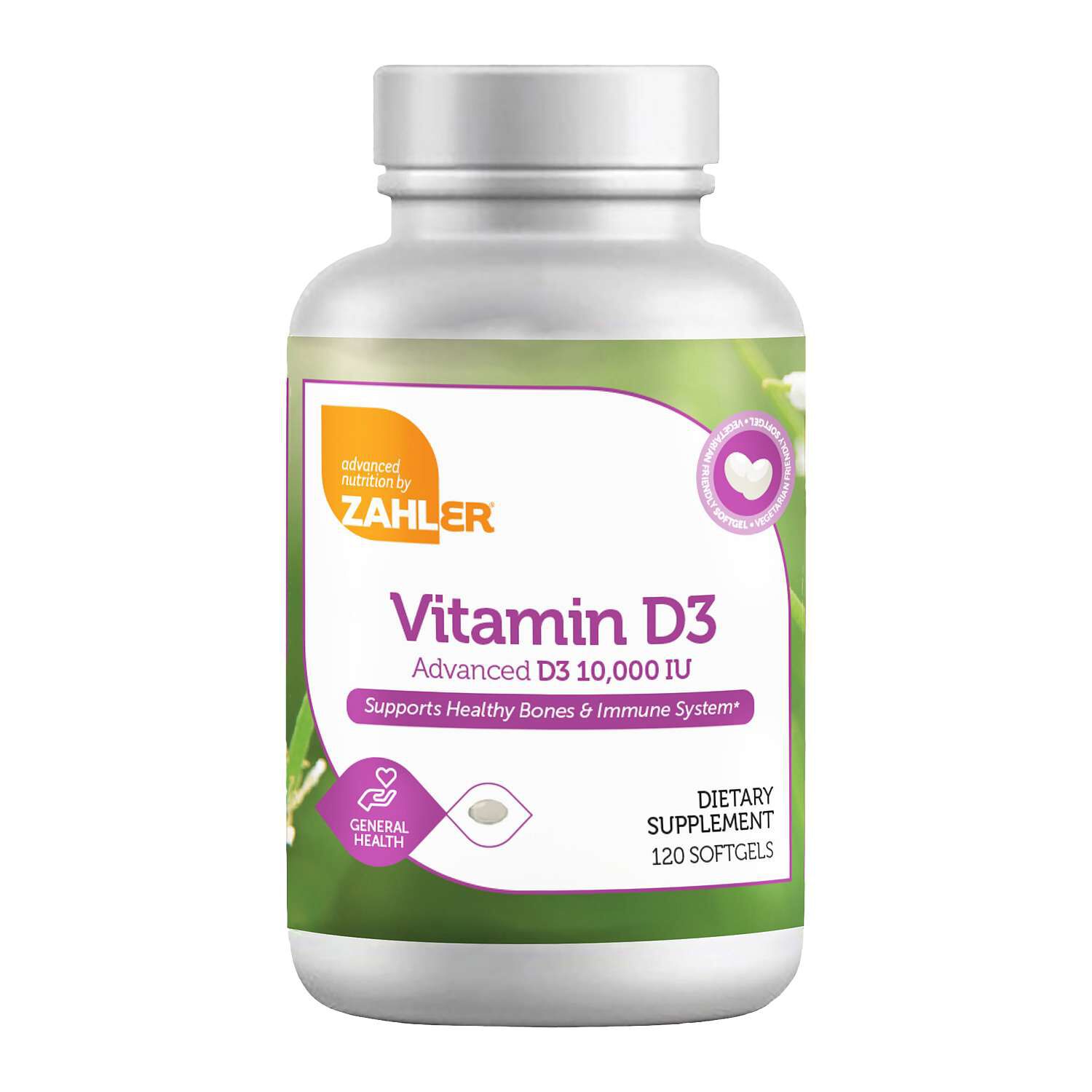

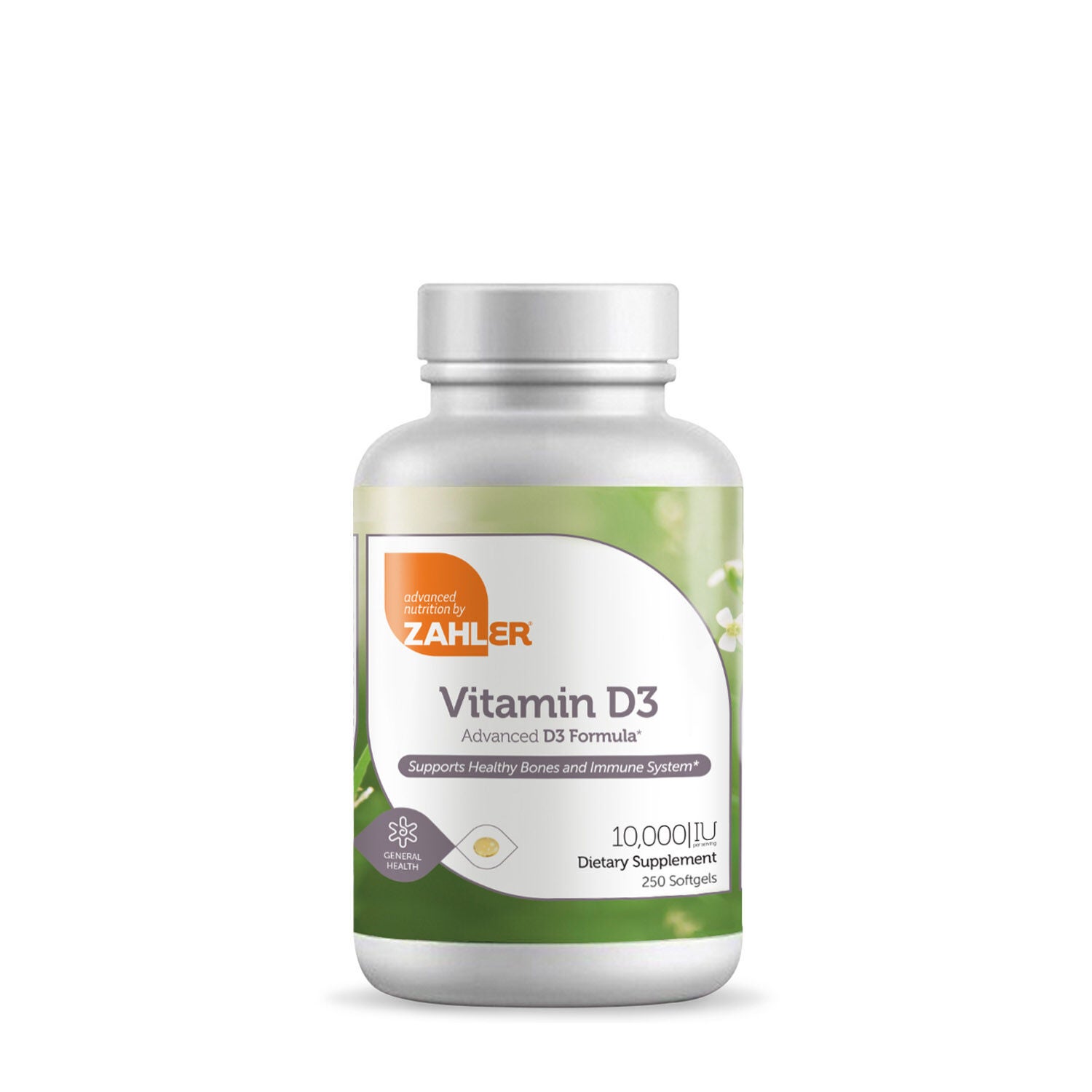


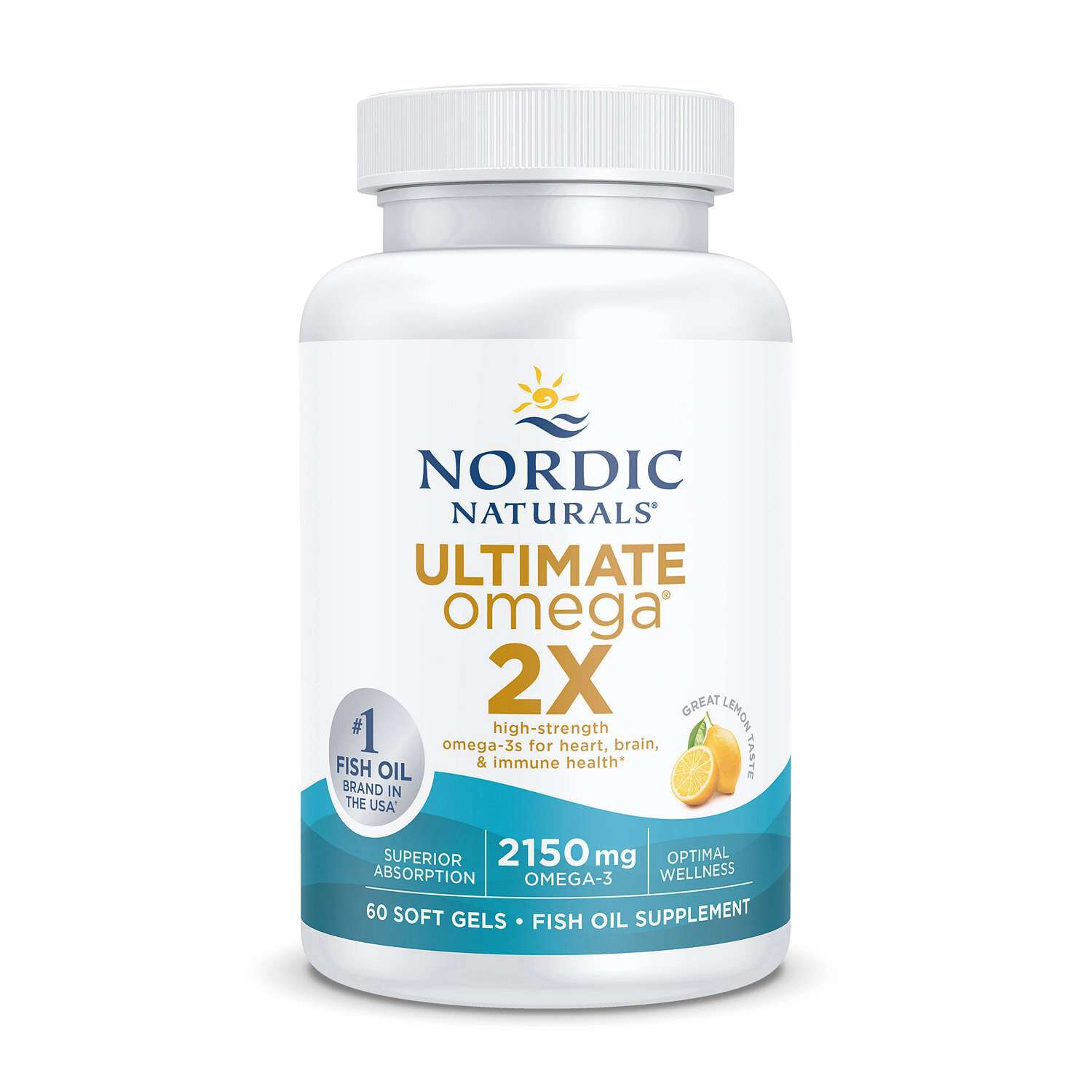
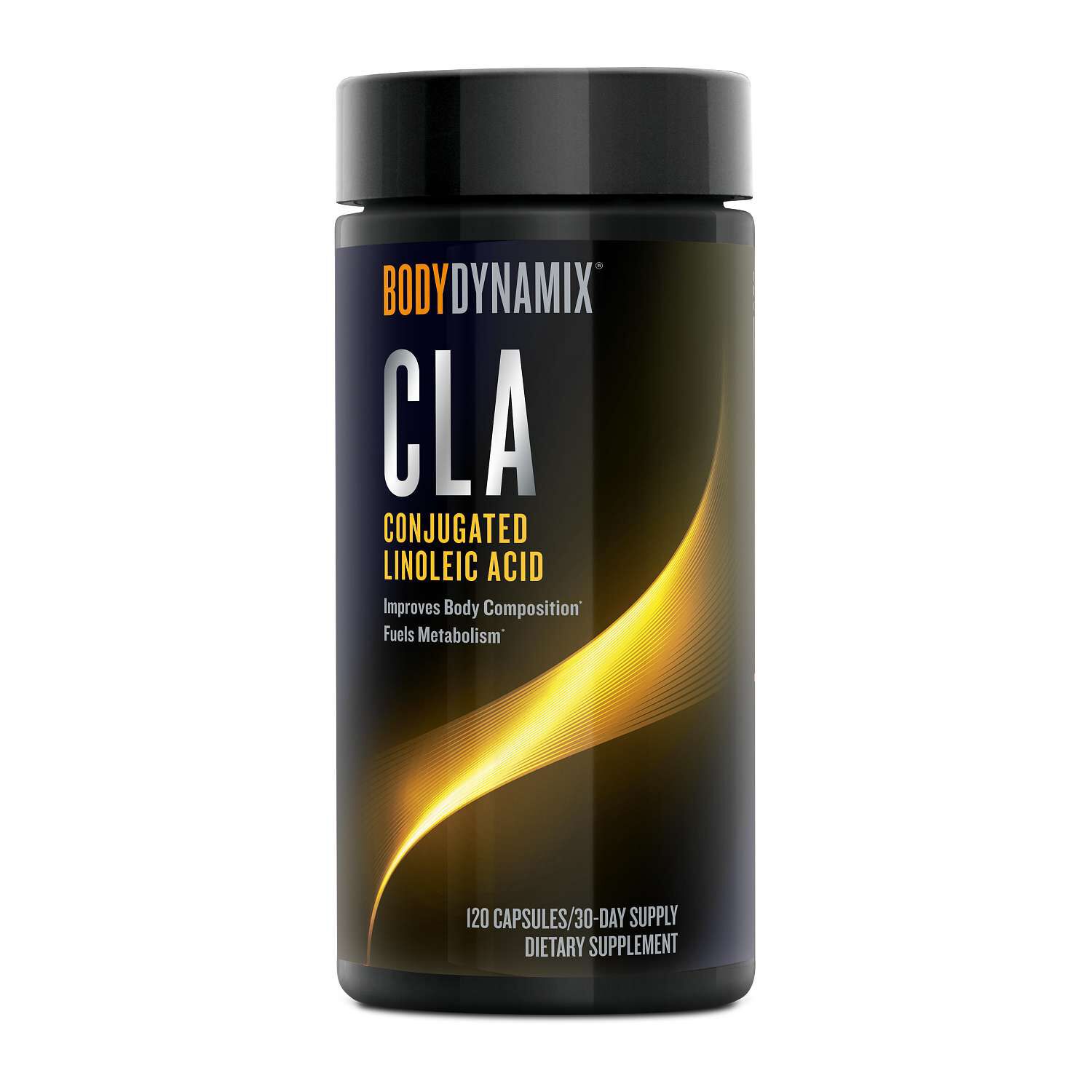
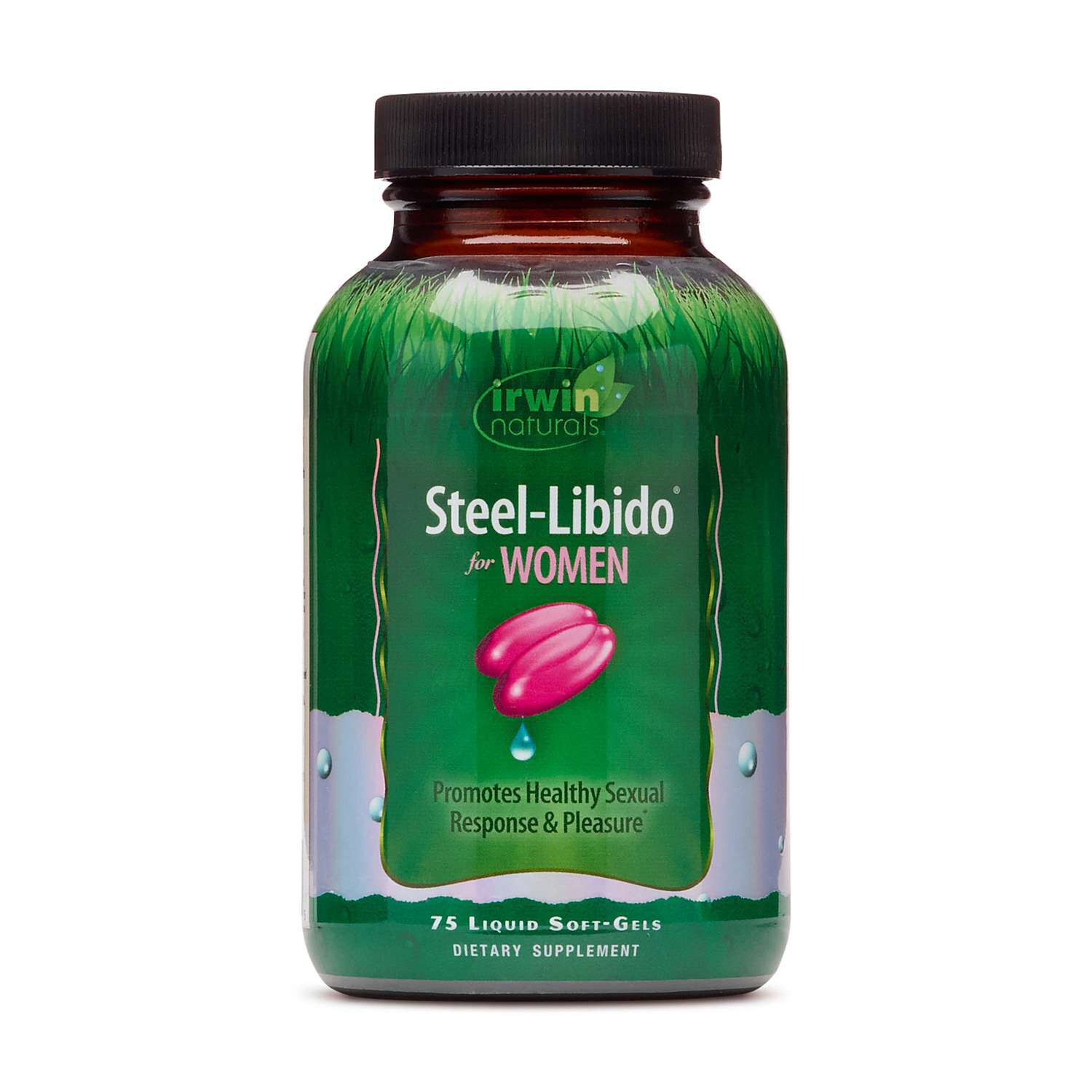
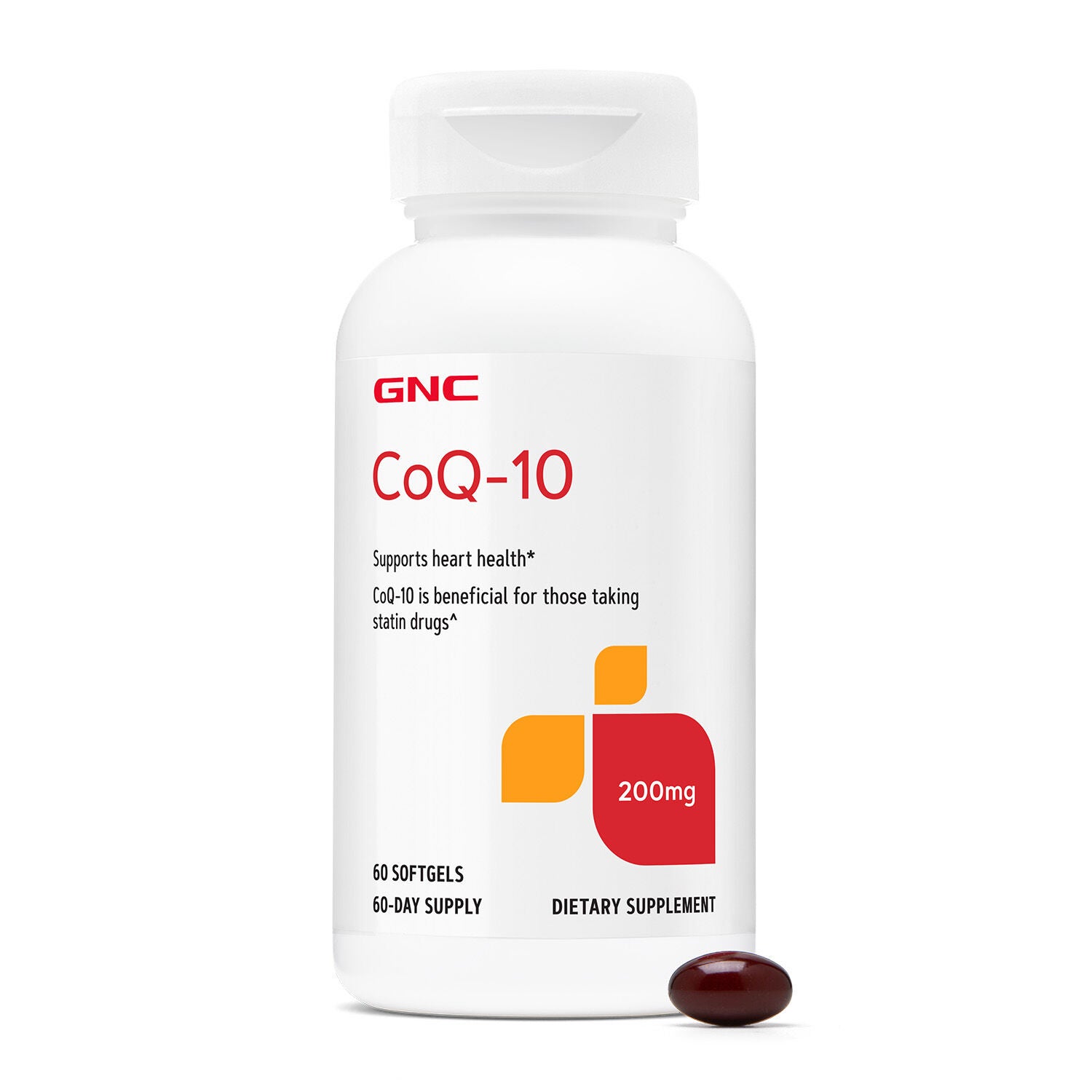

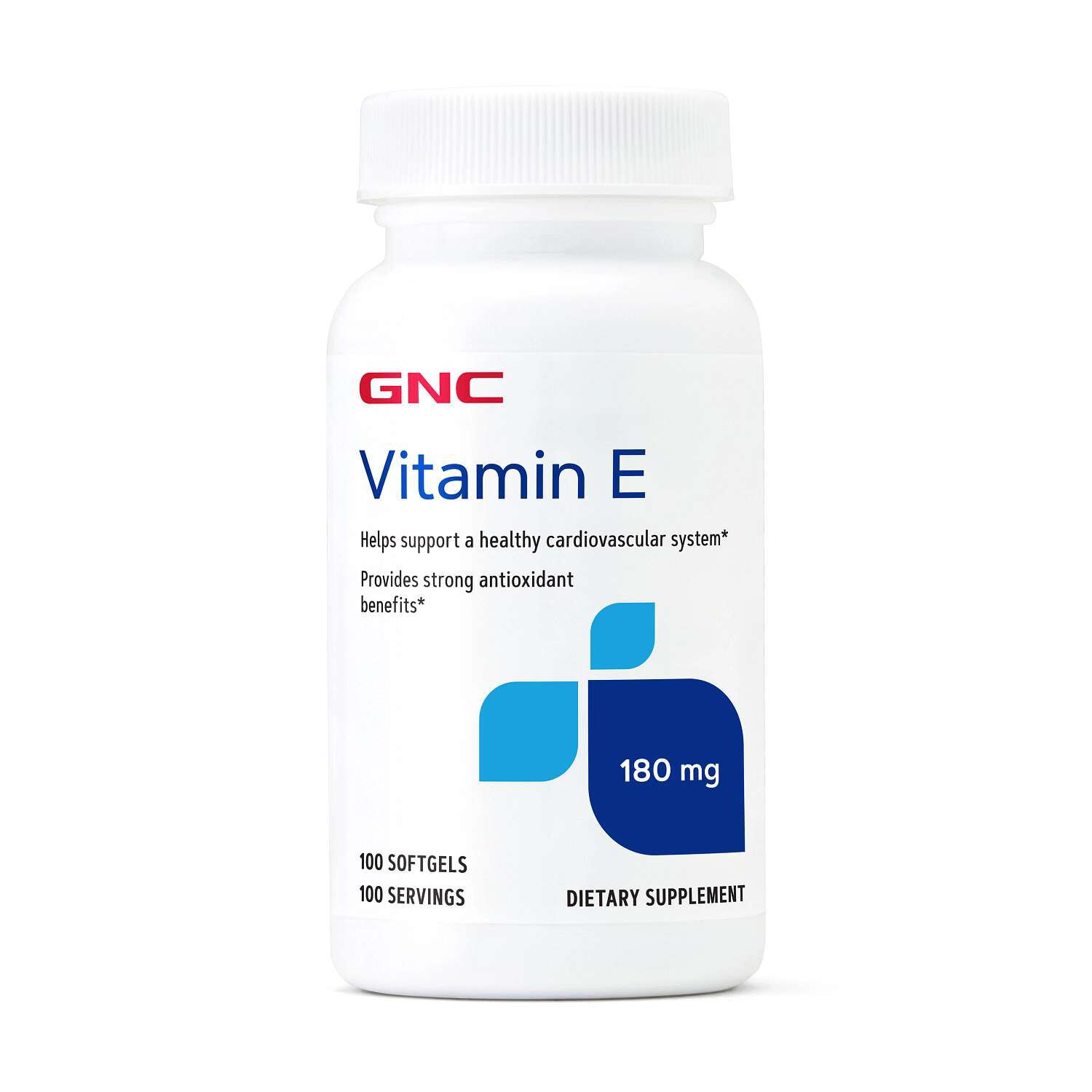
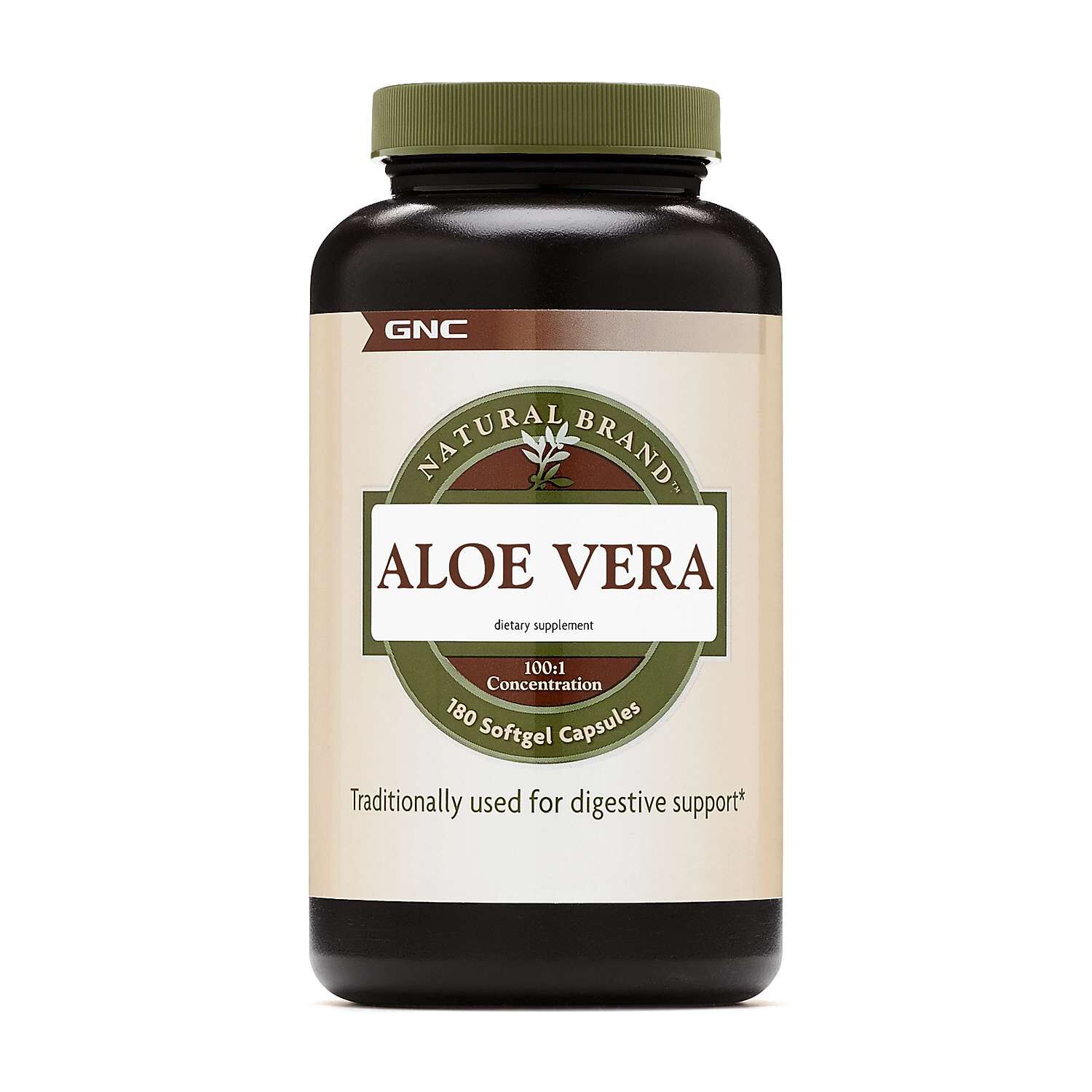
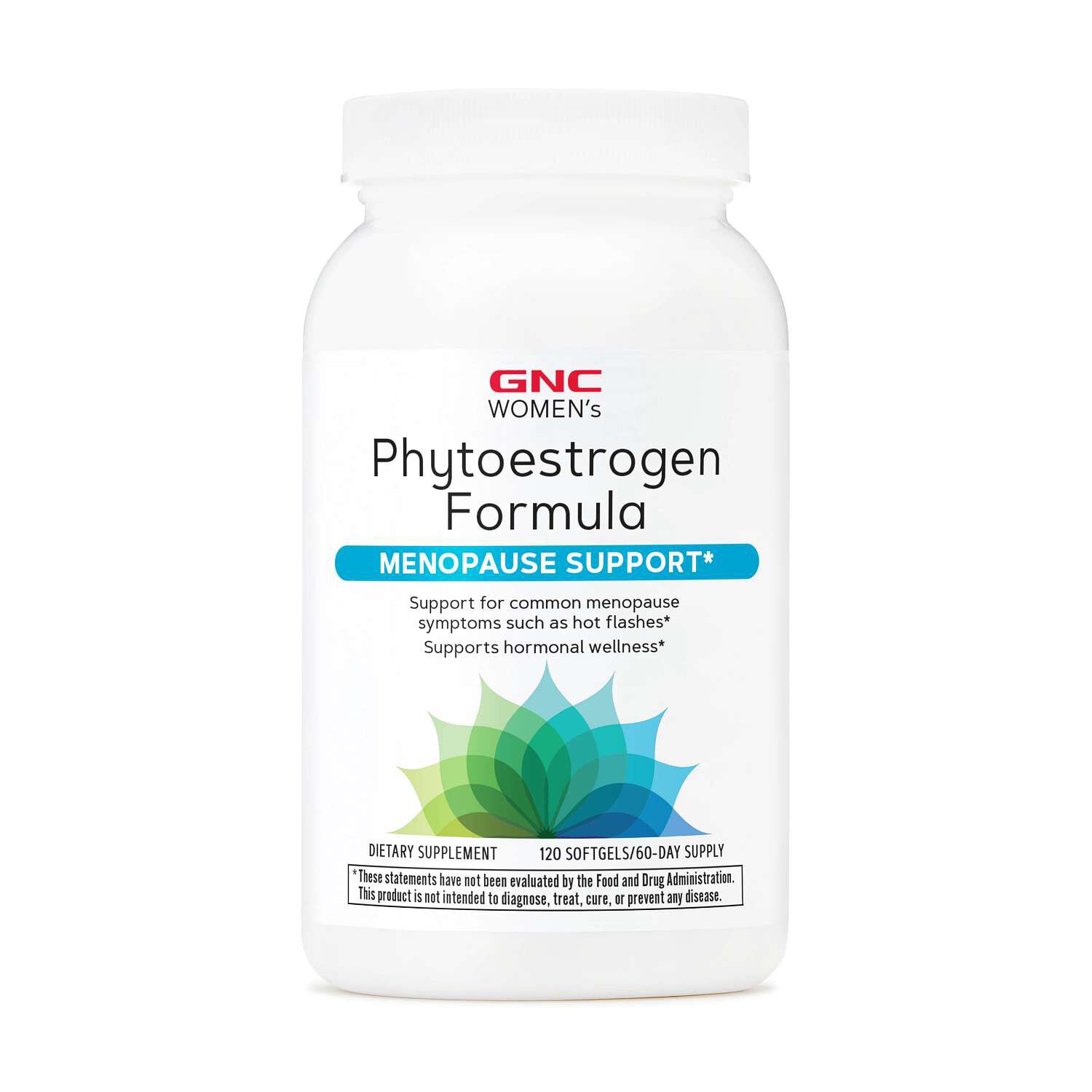


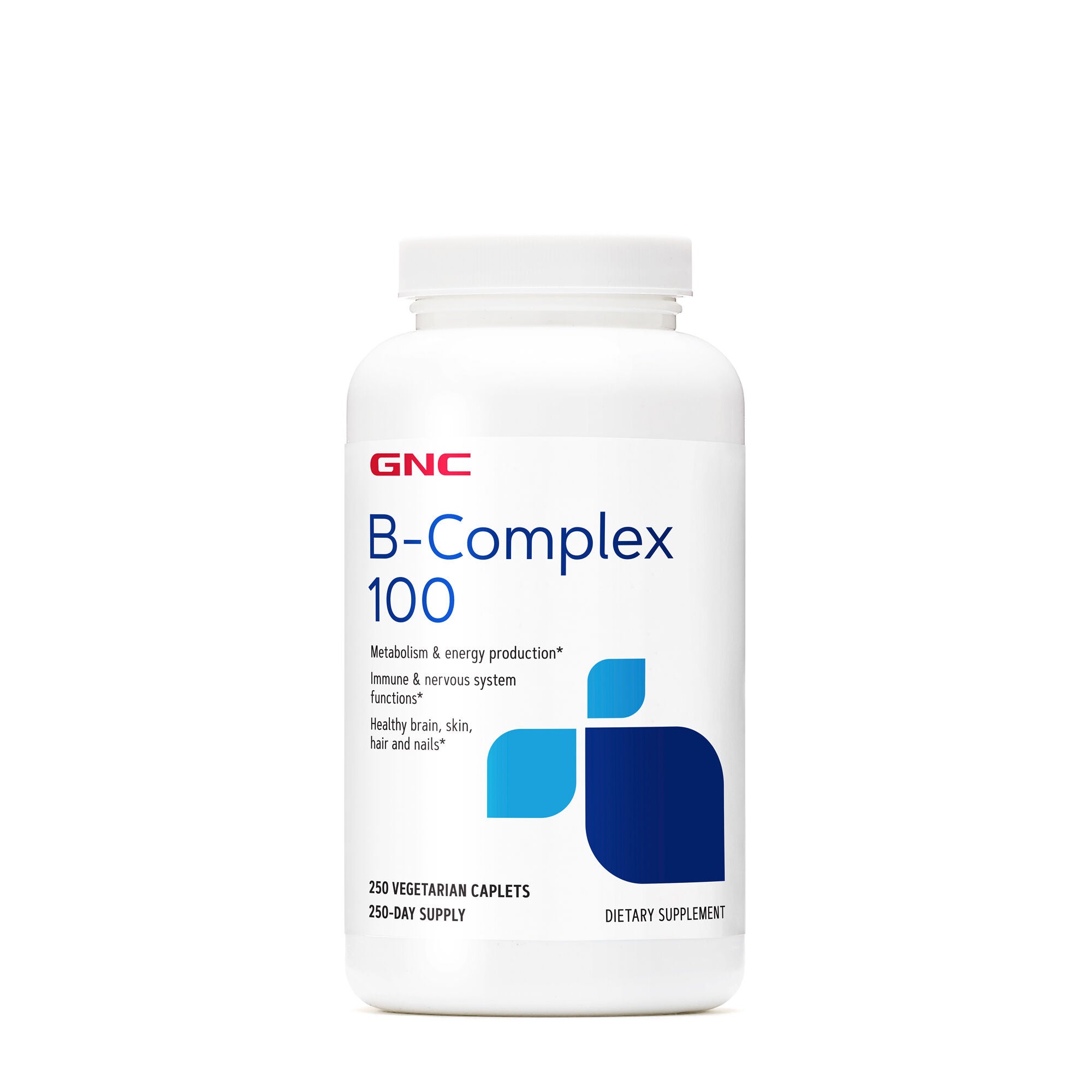
A 60-count softgel supplement contains 60 softgels per bottle, but the number of servings depends on the serving size listed on the label. A formula with a one-softgel serving provides 60 servings, while a formula with a two-softgel serving provides 30. The suggested use determines how those servings translate into days, so bottle count alone does not describe the length of a daily supply. That distinction matters when comparing 60 softgels supplements across nutrient categories, especially when two bottles look similar but have different serving directions. This collection format brings together supplements by package count rather than by a single ingredient or purpose. Softgels commonly contain liquid, oil-based, or suspended ingredients enclosed within a sealed shell. They appear across categories such as individual vitamins, multivitamin blends, fish oils, and other dietary supplements. Fat-soluble vitamins, including vitamins A, D, E, and K, are among the nutrients used in this format, though the contents vary by formula. A softgel’s smooth exterior may appeal to someone who prefers this texture over a pressed tablet, but dimensions and personal preferences still matter. An elongated softgel can feel quite different from a small, rounded one, and a 60-count label says nothing about its size. For someone organizing a daily supplement routine, the package count offers a straightforward point of comparison without requiring every supplement to have the same serving schedule. A bottle intended for a kitchen cabinet, a desk drawer, or a travel pouch also needs to fit the space where it will be kept; the count does not establish the bottle’s dimensions. The most useful picture comes from reading the quantity, serving size, suggested use, and ingredient information together. Those details distinguish the physical format from the formula inside and make comparisons more meaningful than matching bottle counts alone.
The shell and filling are both important parts of a softgel supplement’s composition. Traditional softgel shells often use gelatin along with water and ingredients such as glycerin to create their flexible texture. Gelatin can come from different animal sources, so shoppers with dietary preferences may want a clearly identified source rather than relying on the appearance of the capsule. Some alternatives use plant-derived shell materials, but a softgel should not be assumed to be vegetarian or vegan unless its labeling supports that description. The filling deserves the same attention. Carrier oils, coloring ingredients, flavoring ingredients, and other components can differ even between formulas featuring the same nutrient. The Supplement Facts panel identifies listed dietary ingredients and their amounts per serving, while the other-ingredients list provides additional information about the shell and formulation. Allergen statements and clearly stated dietary attributes add context that the front label may not provide. These details are particularly relevant for shoppers who already know which ingredients suit their preferences and want a consistent format. Softgels may offer a practical way to package certain oil-based ingredients, and their sealed construction may help limit contact between the filling and outside air. However, a softgel shell is not a substitute for appropriate packaging or storage, and the format alone does not establish ingredient quality or absorption. Two softgel supplements can differ in ingredient form, concentration, serving size, and supporting ingredients even when their bottles contain the same number of pieces. For example, the amount of an oil listed on the front of a bottle is not necessarily the same as the amount of a particular nutrient within that oil. Comparing the relevant entries on the Supplement Facts panel gives a more precise view. Likewise, a blend containing several nutrients is different from a formula centered on one nutrient, regardless of whether both come in 60-count bottles. Ingredient selection, dietary suitability, and serving information provide the substance behind the package format.
For everyday use, a 60-count bottle occupies a middle ground between a small sample package and a much larger container, although its practical duration still rests on the label directions. Someone who prefers to review a supplement choice at regular intervals may appreciate a defined quantity, while a frequent traveler may be more interested in the bottle’s shape, closure, and room in a toiletry bag. Keeping the original packaging preserves access to the ingredient list, suggested use, lot information, and expiration date. That is useful when several household members have similar-looking bottles or when more than one supplement uses a smooth, amber-colored softgel. Appearance alone is not a dependable way to identify the contents. Storage instructions also deserve attention because a flexible shell has different handling considerations from a hard tablet. A dry location, a securely closed container, and protection from direct sunlight may help preserve the condition of the softgels when consistent with the package directions. Bathroom counters beside a shower and open containers near a sink can expose the contents to moisture. The date printed on the package and any instructions about storage after opening provide a better basis for care than assumptions about how long a sealed shell will last. Practical fit also includes how the suggested use aligns with an existing routine, such as whether the label specifies taking a serving with food. Package count should not be used to determine an amount to take; the relevant directions remain specific to each formula. Shoppers comparing physical formats can also browse 60 Capsule Supplements to consider another 60-count option. Capsules often contain powders or granules, though liquid-filled versions also exist, so the distinction is more nuanced than liquid versus powder alone. Neither format is automatically the better match for every ingredient or every shopper. The value of a 60-softgel collection is the ability to compare a consistent quantity while looking closely at what varies: nutrient composition, shell materials, serving size, physical dimensions, dietary attributes, and handling requirements. Together, those details describe how a supplement is packaged and how it may fit personal preferences without treating the bottle count as a measure of its suitability.