

Alpha Supplements
(0 Results)
Looking to take your health and fitness to new heights? Dive into our collection of Alpha supplements, carefully curated to support your wellness journey. From essential vitamins and minerals to powerful antioxidants and performance-boosting supplements, our range is designed to help you achieve your goals and feel your best every day. Whether you're an athlete pushing your limits or simply looking to enhance your overall well-being, our Alpha supplements are here to fuel your success.

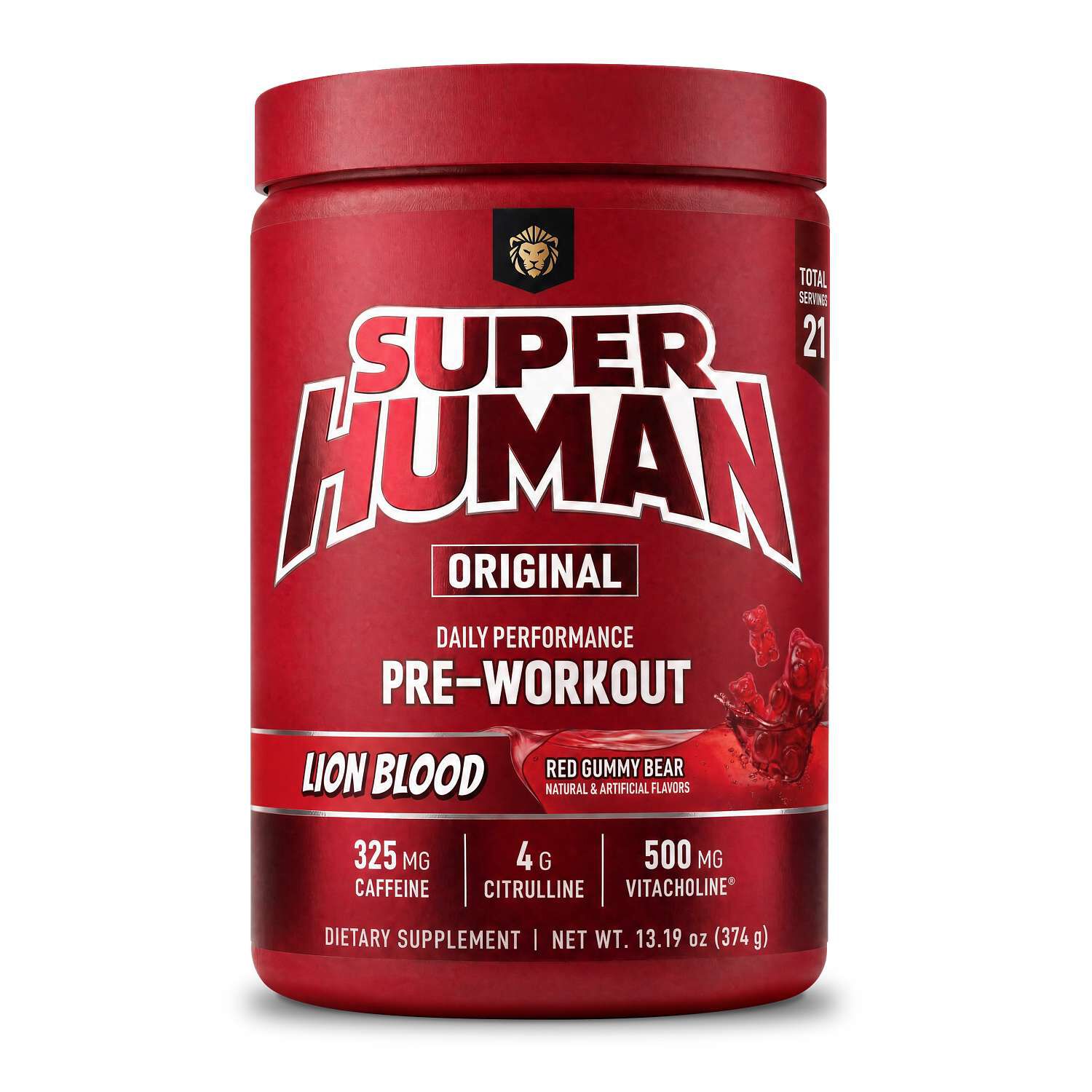
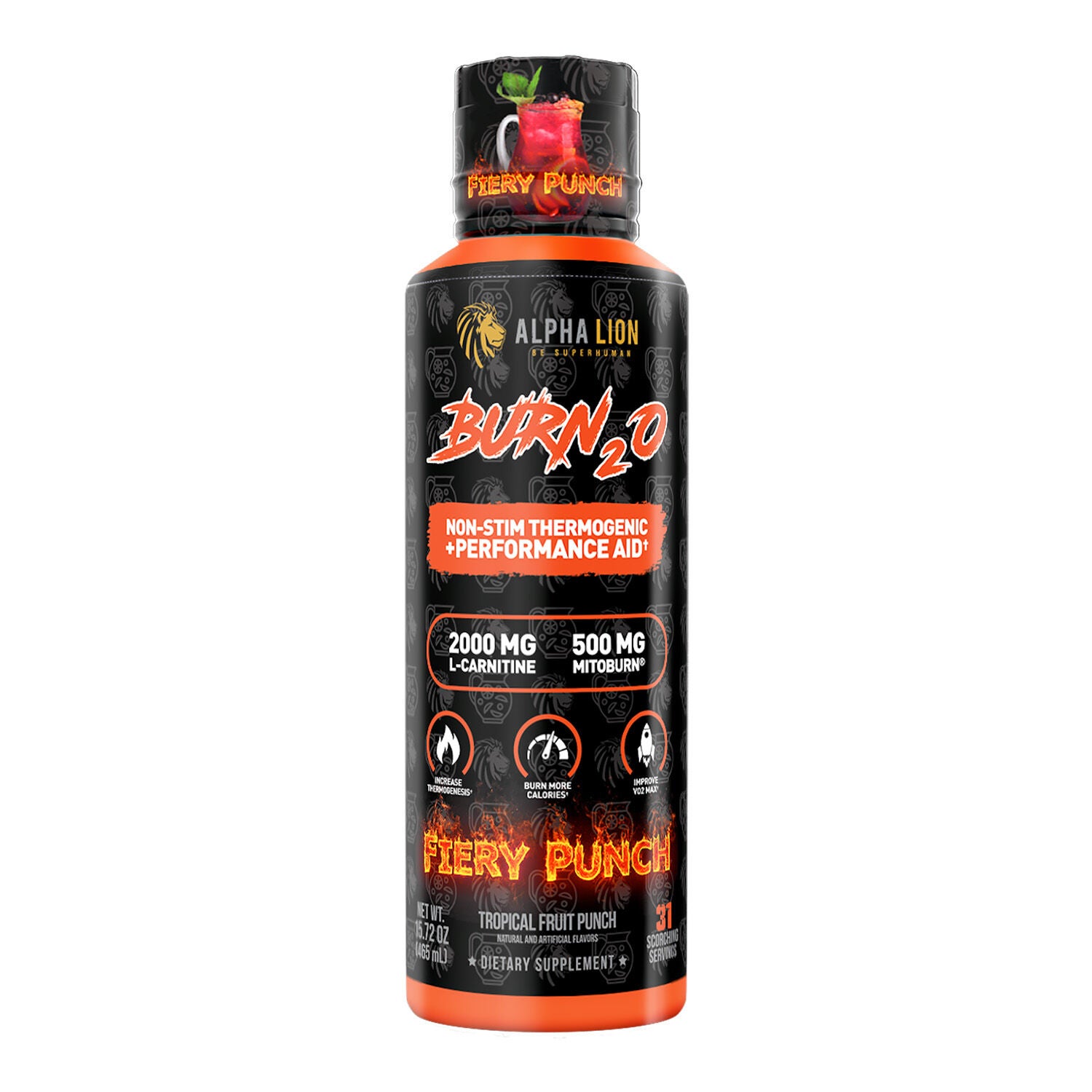
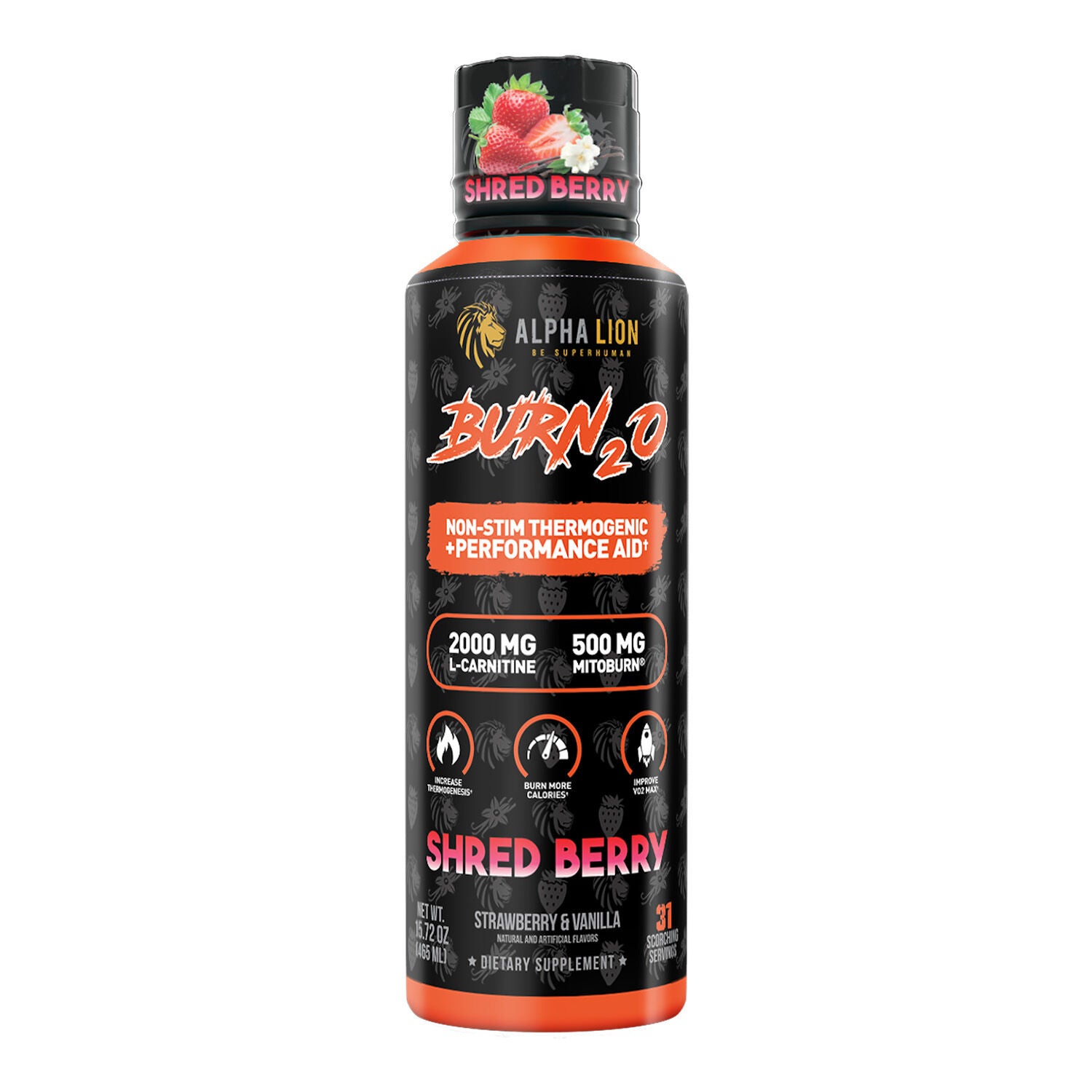

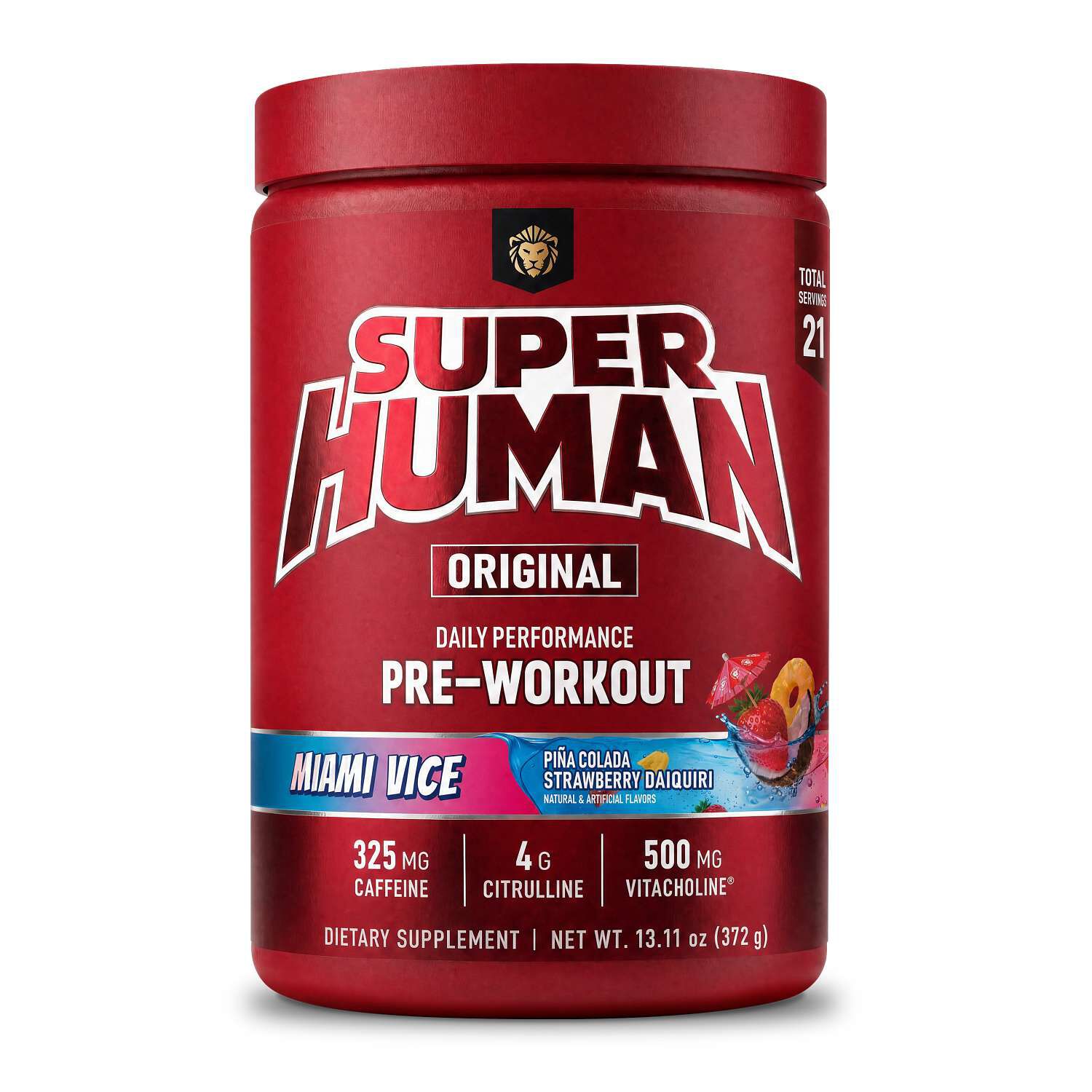
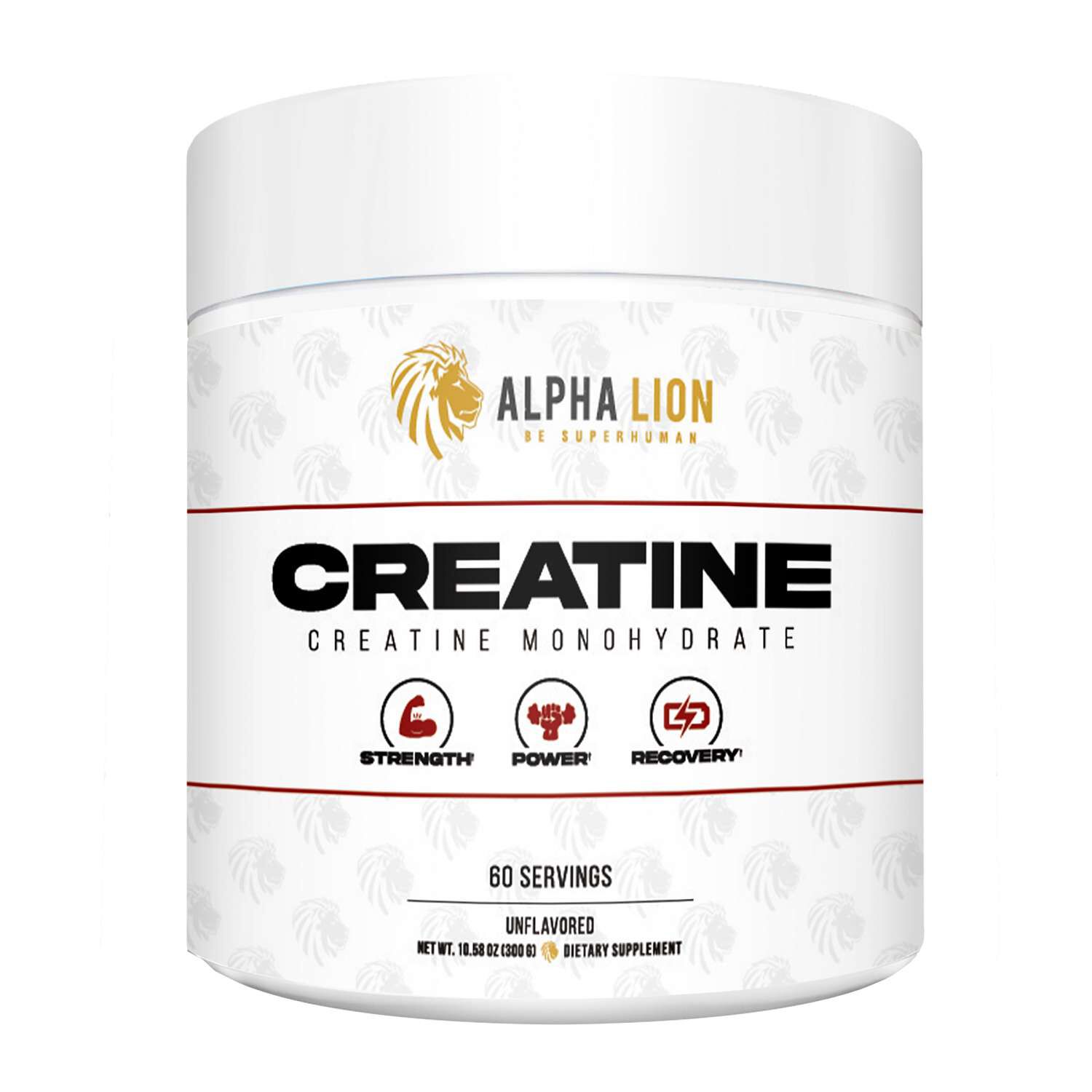
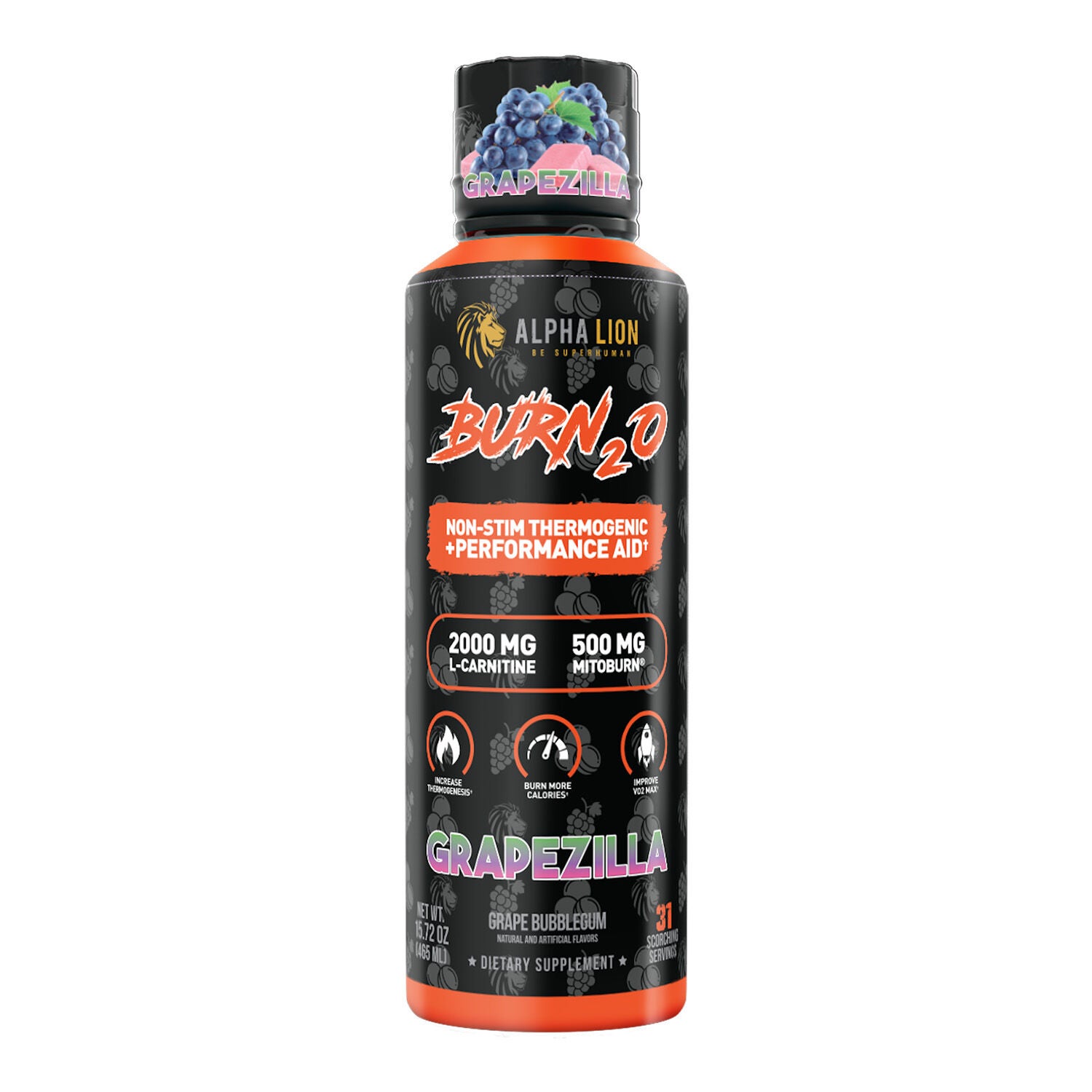
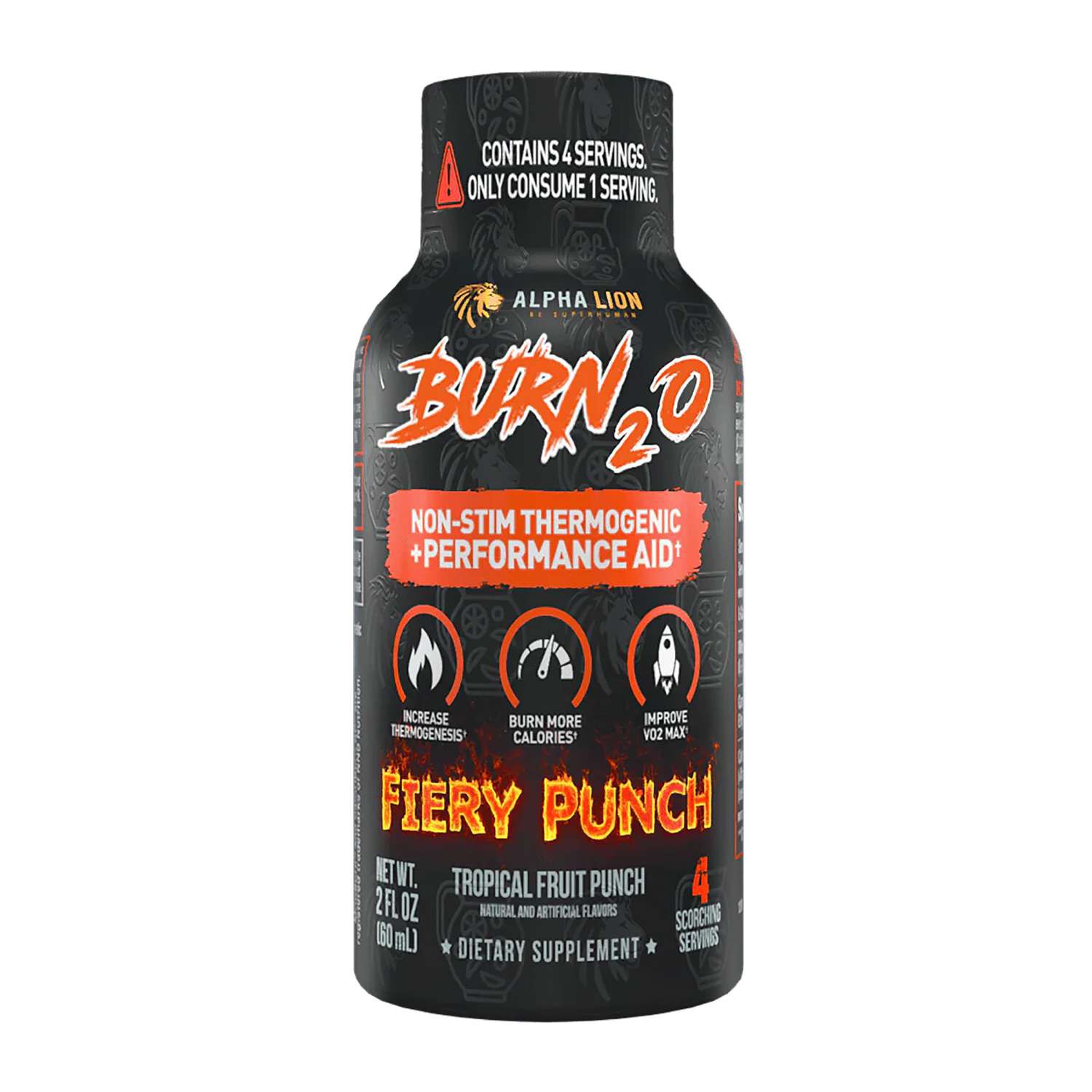
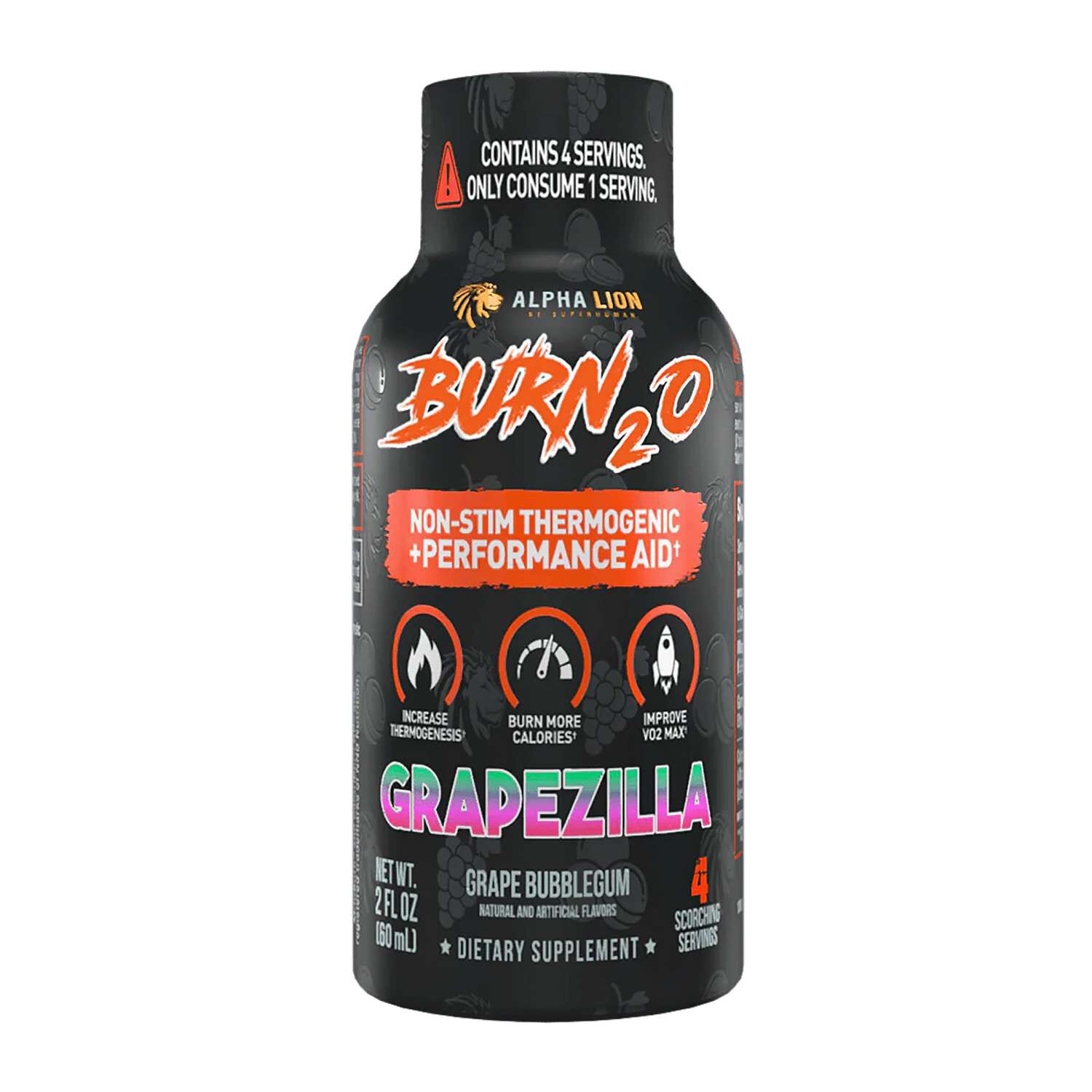
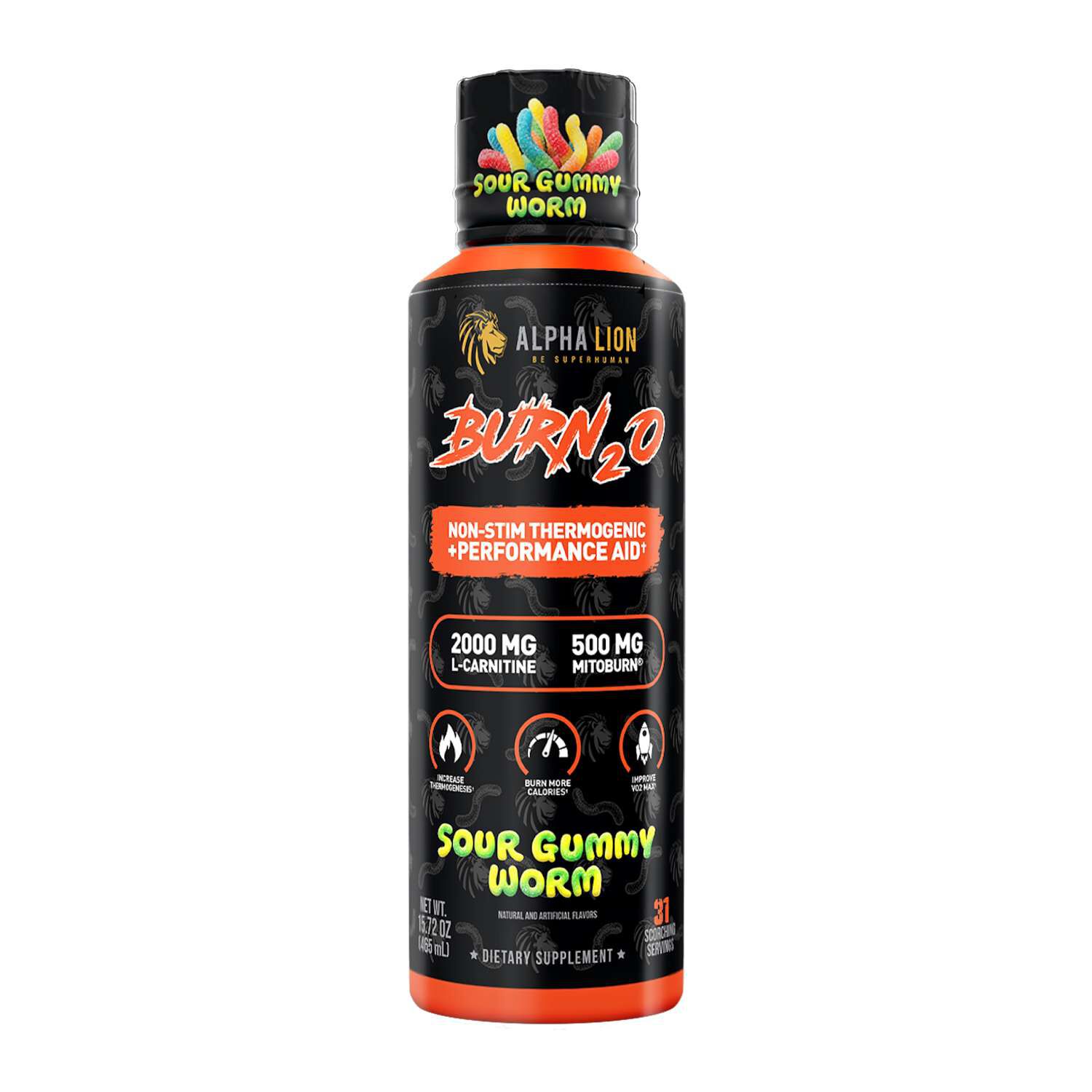
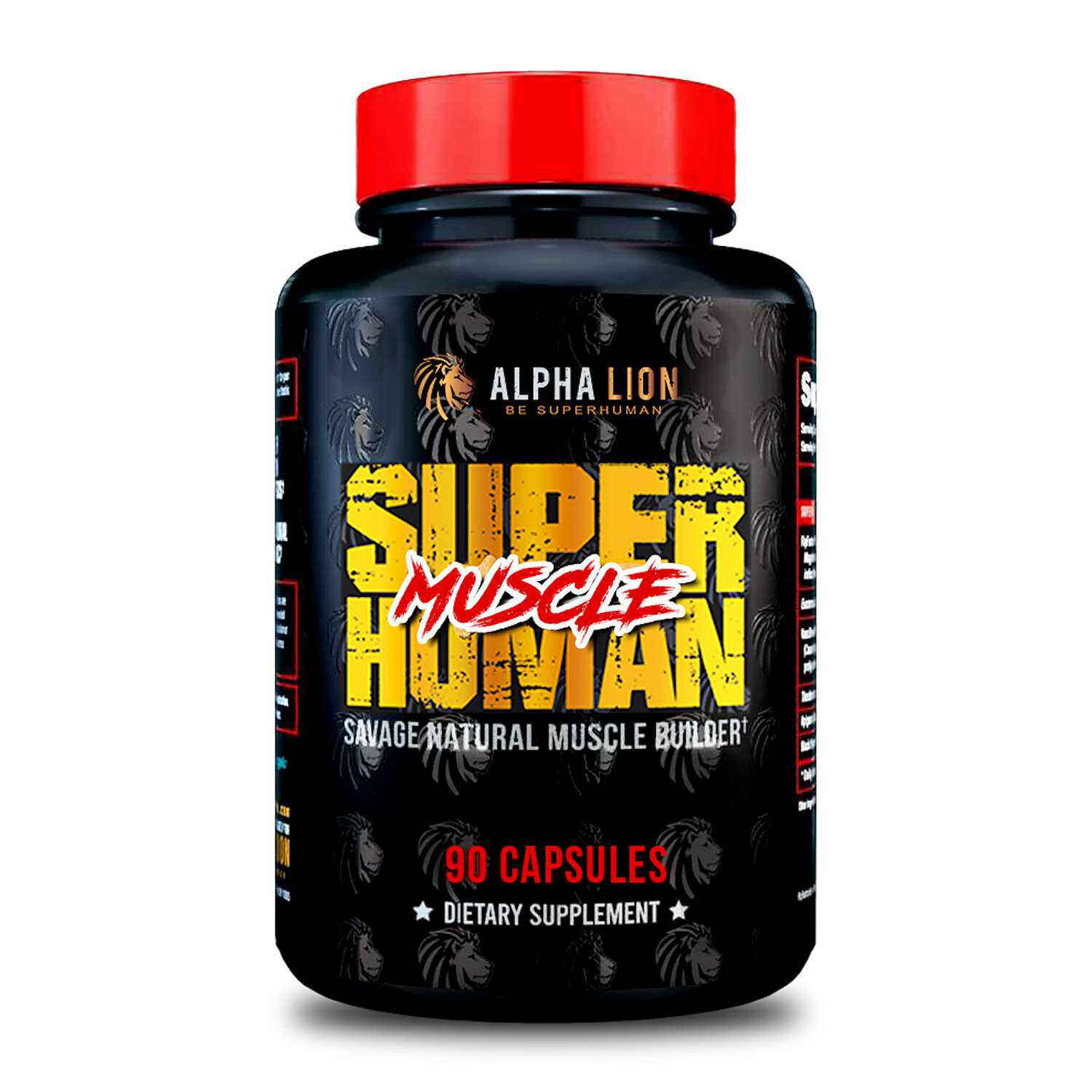
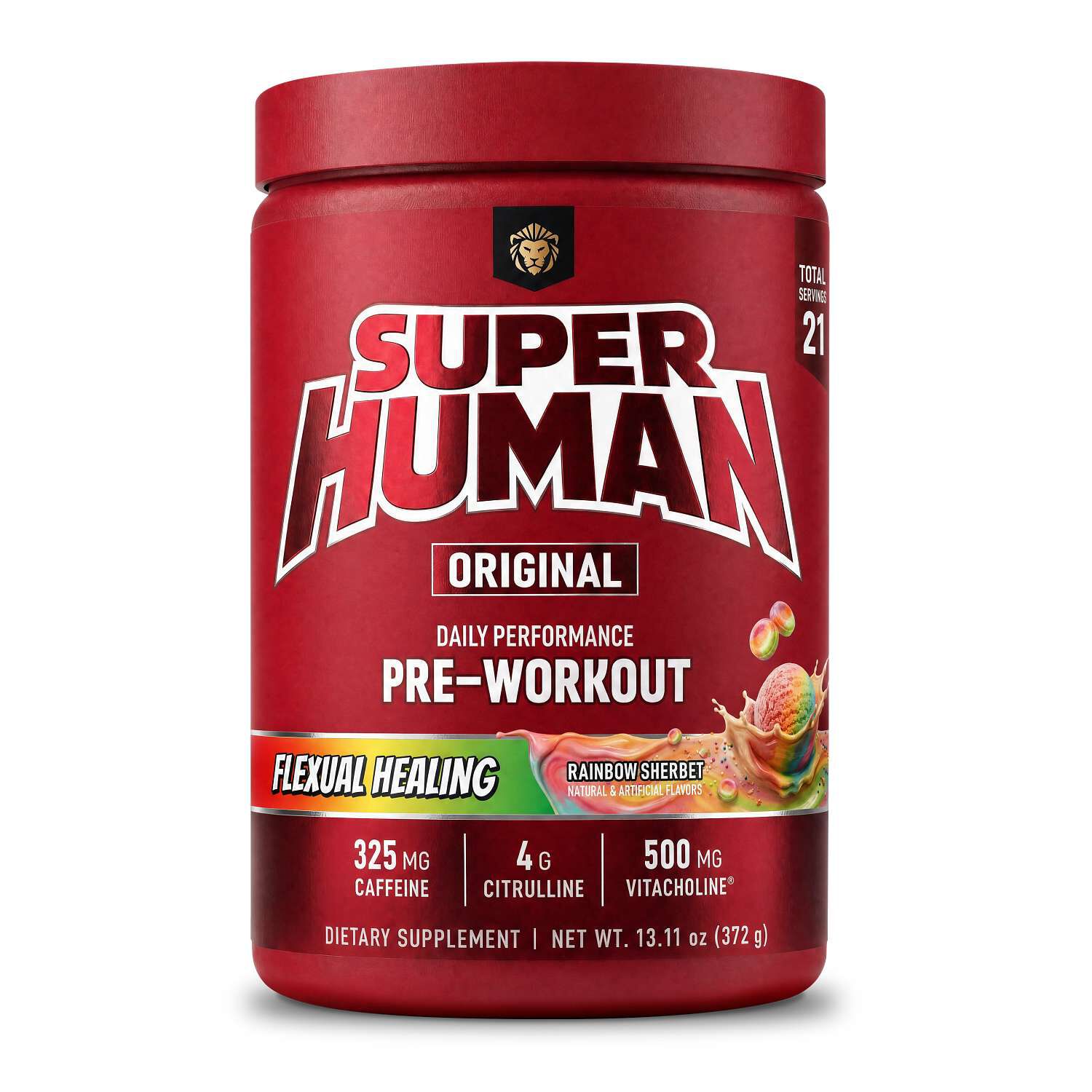
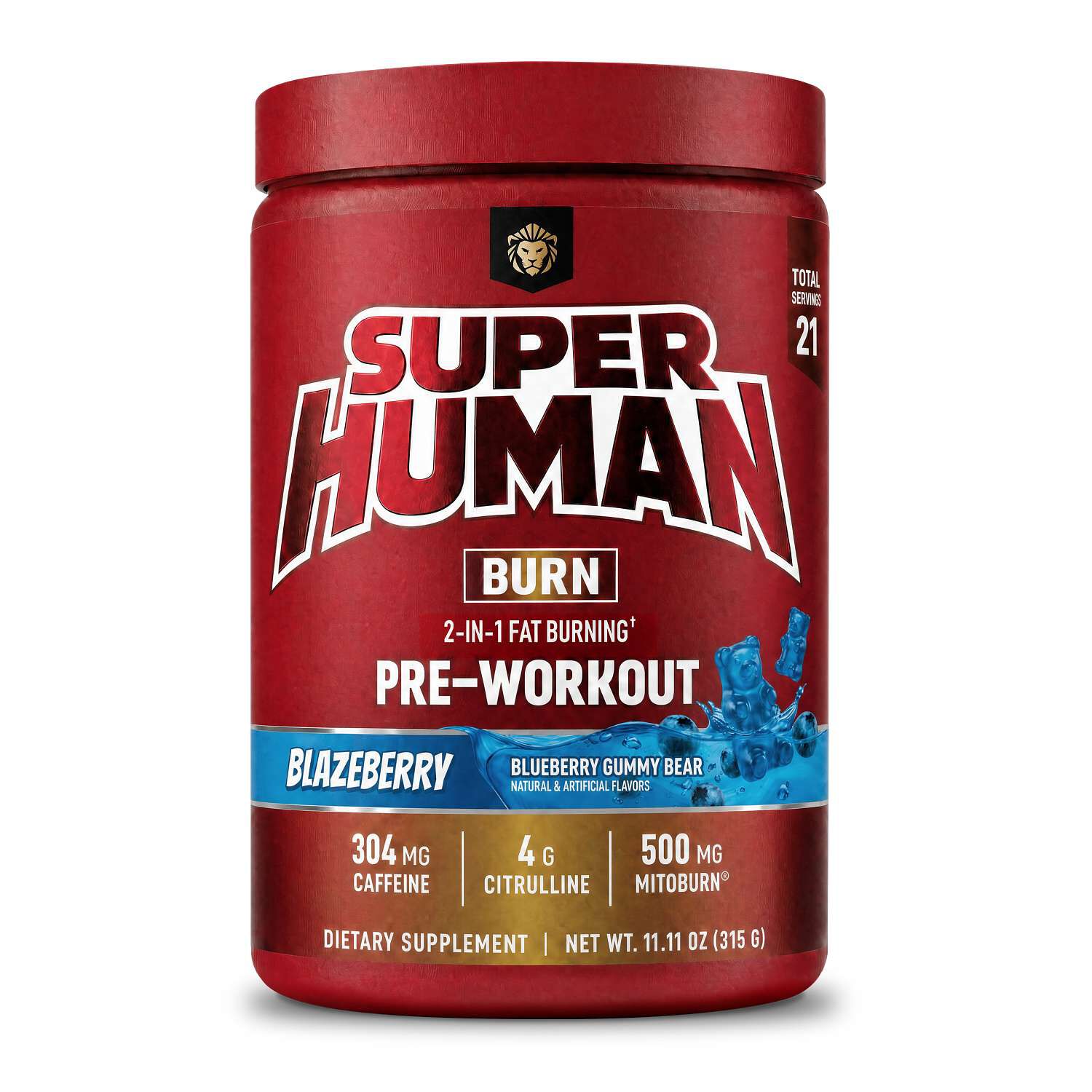
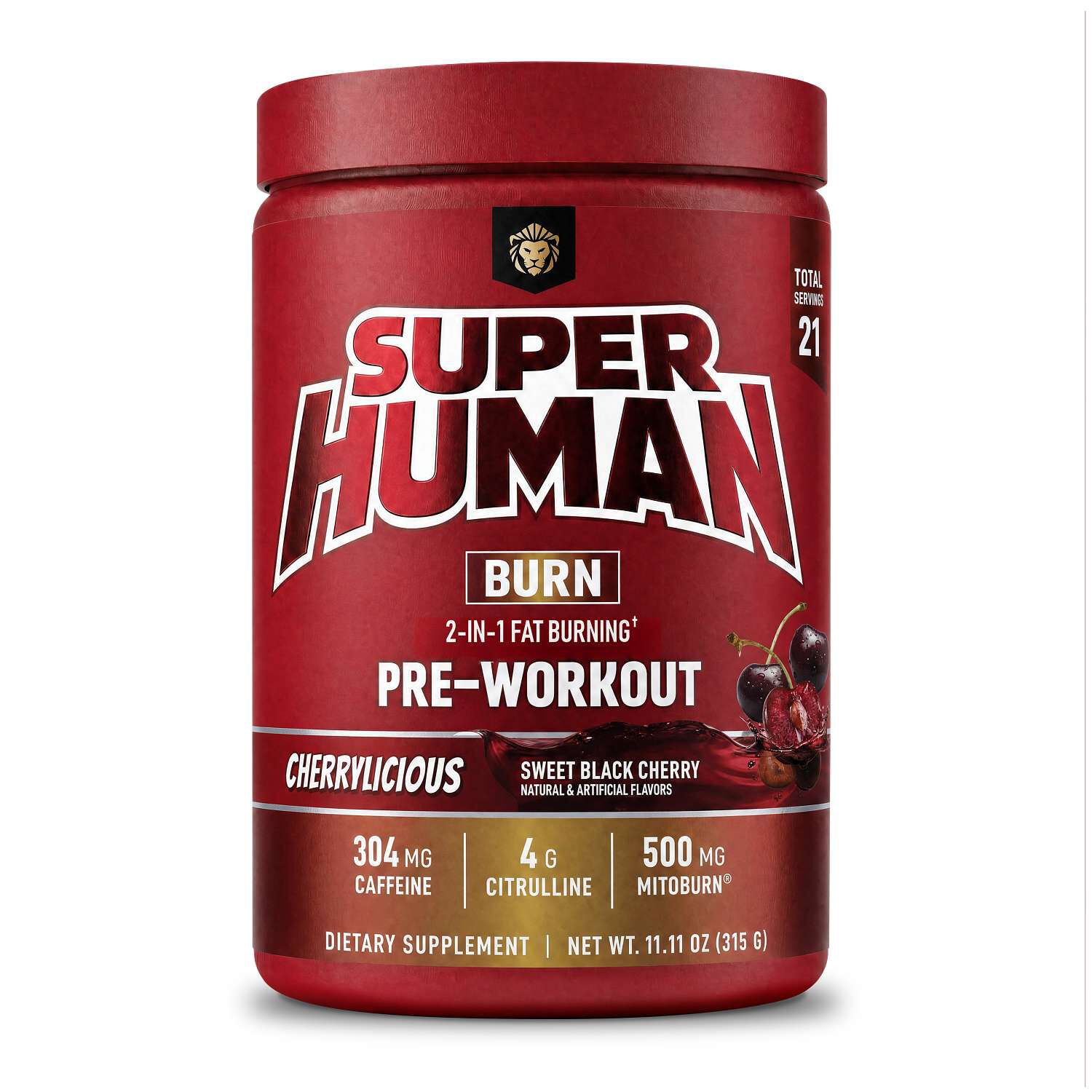
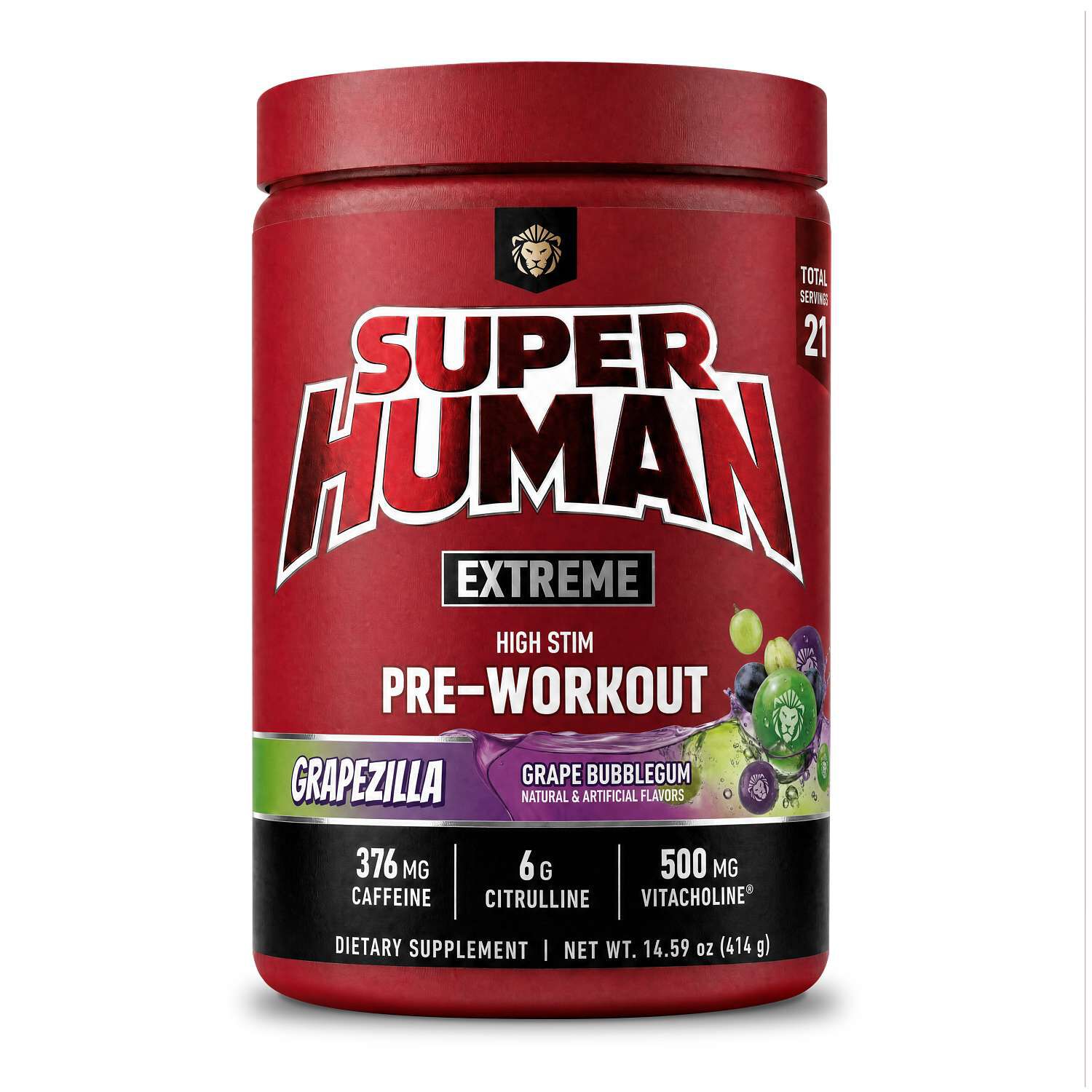

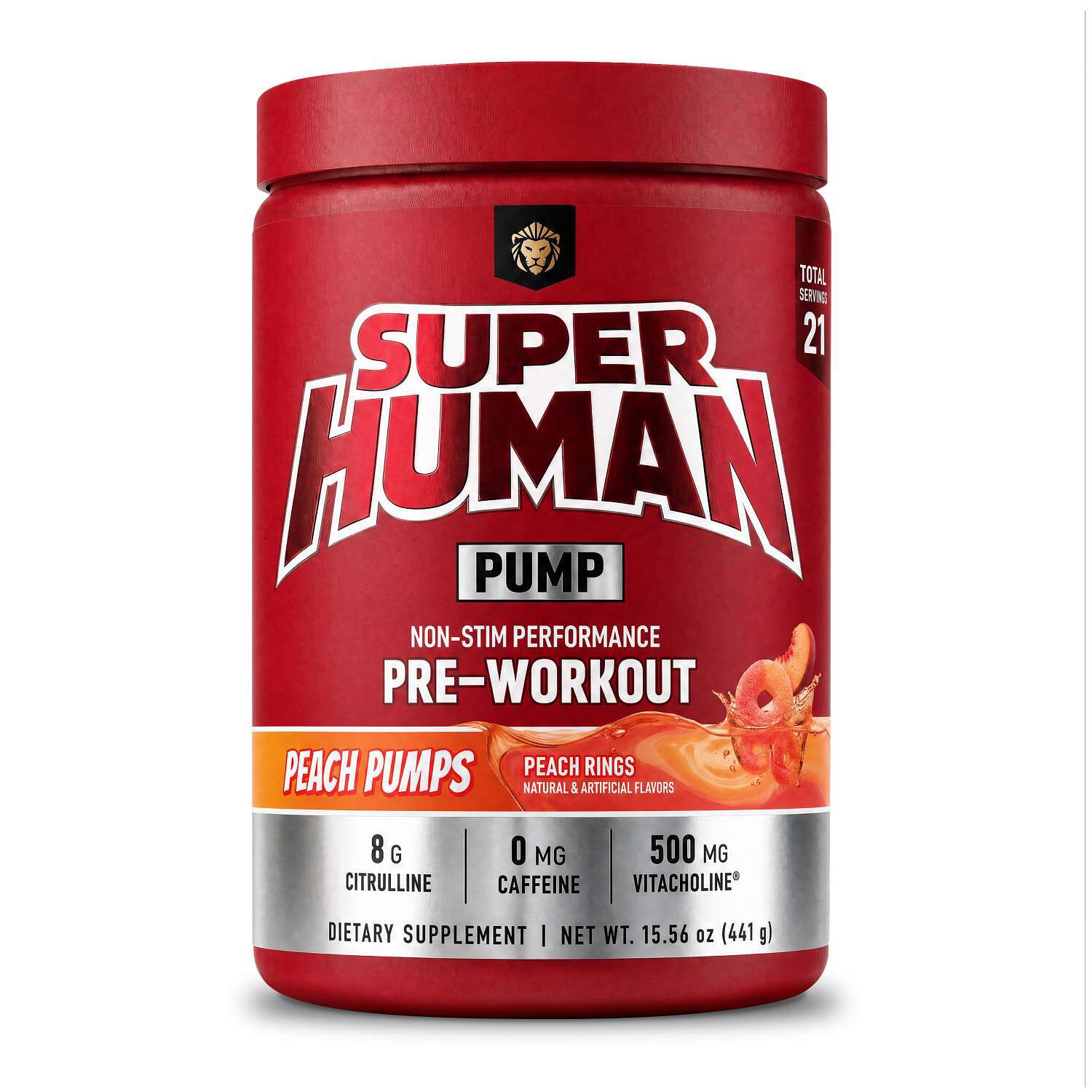
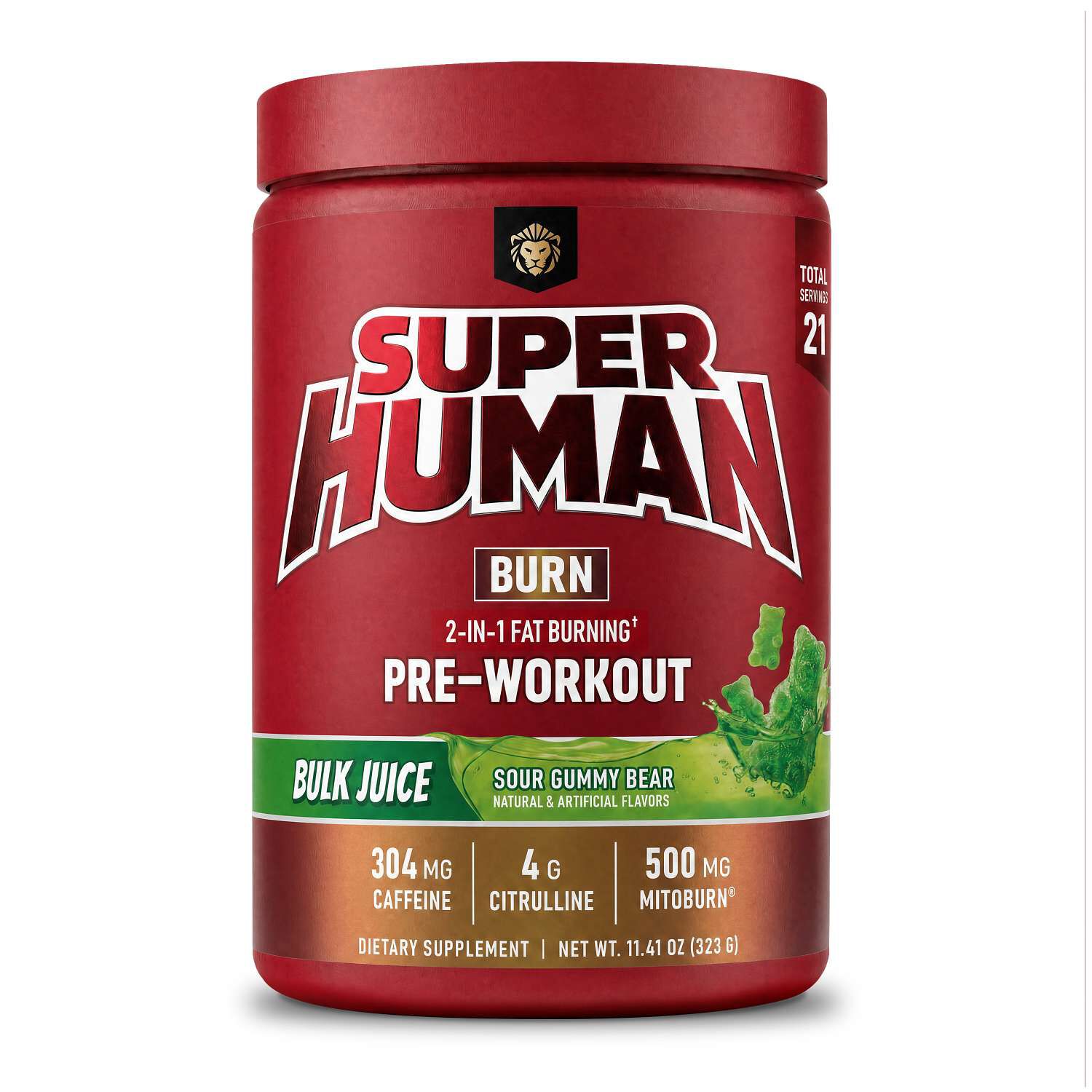
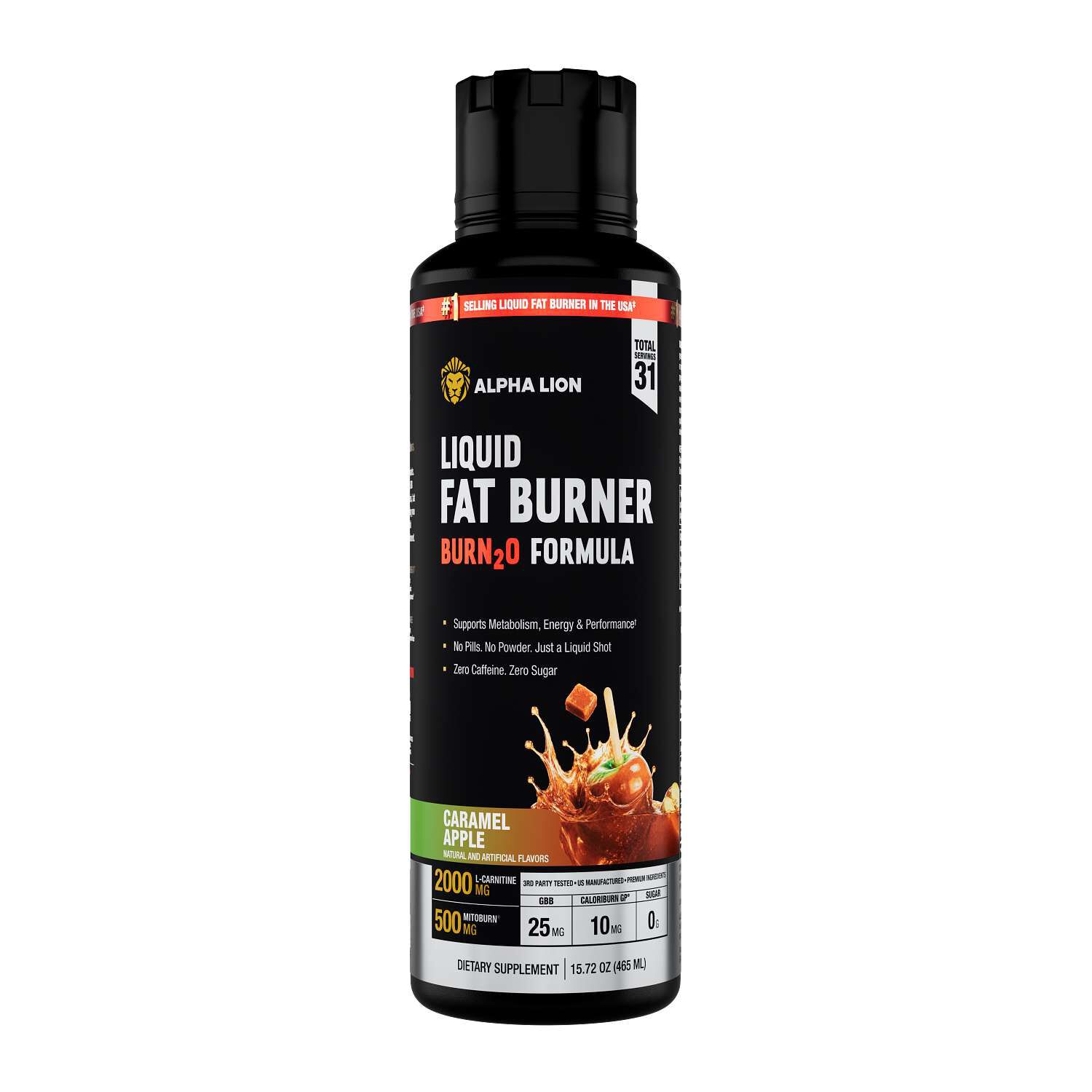
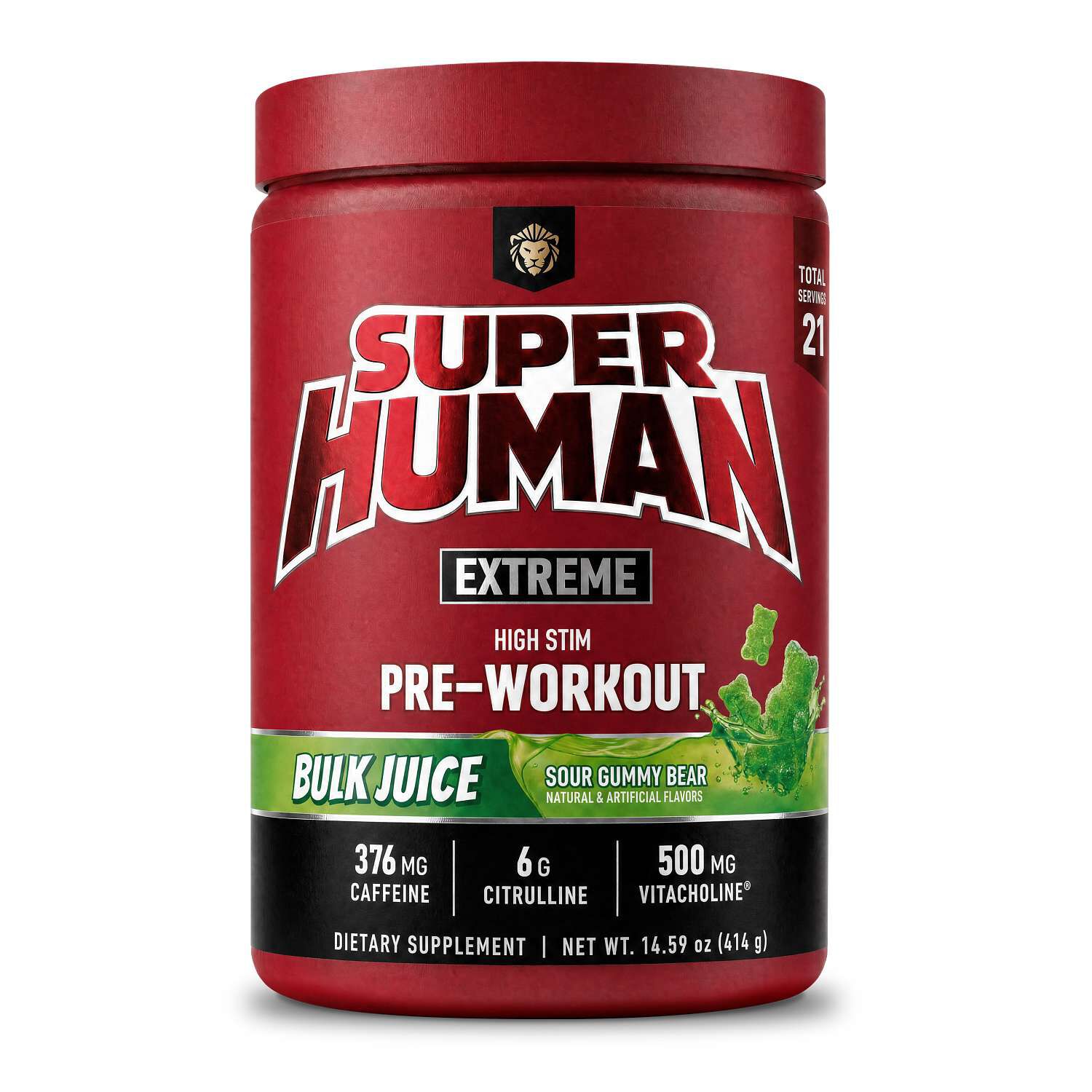
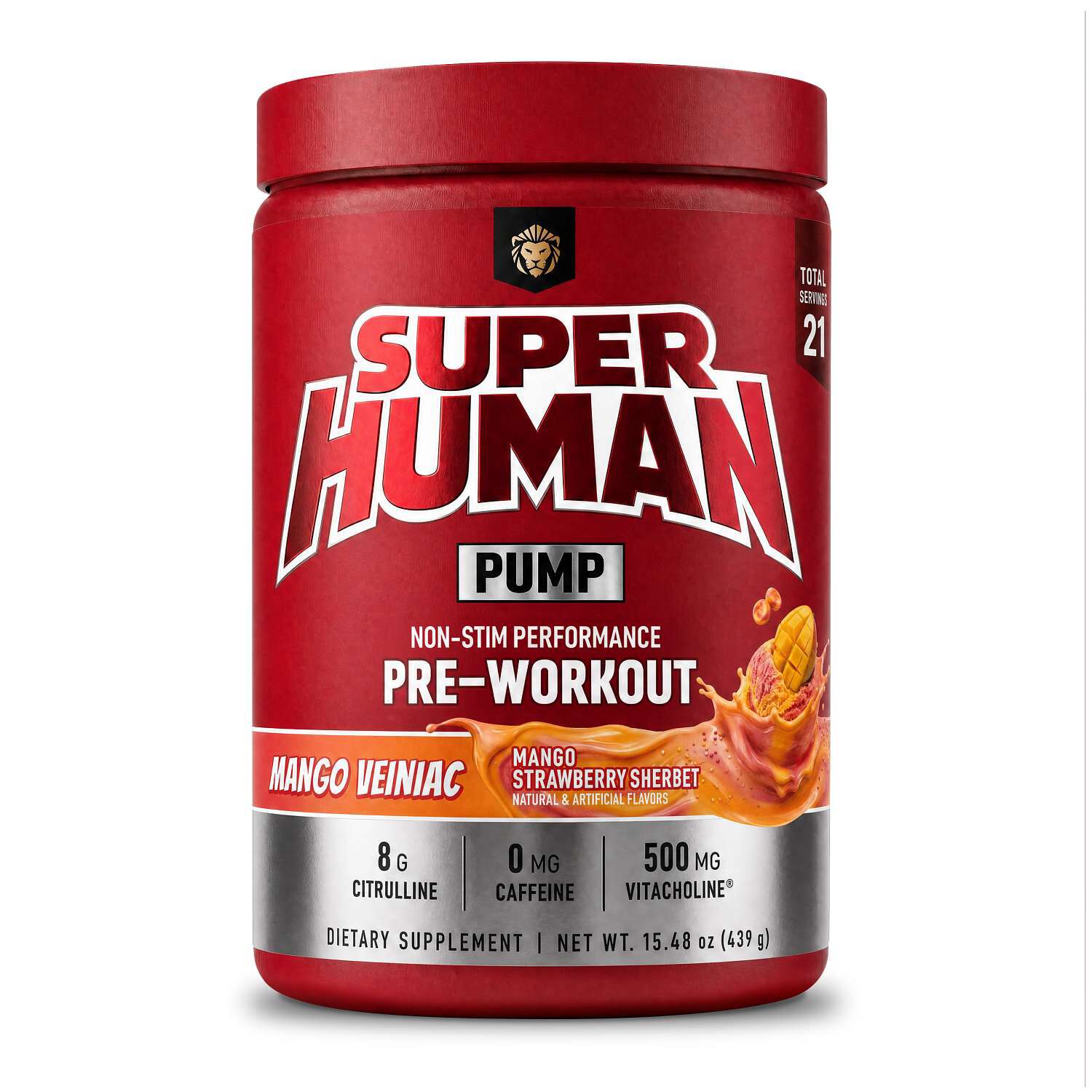
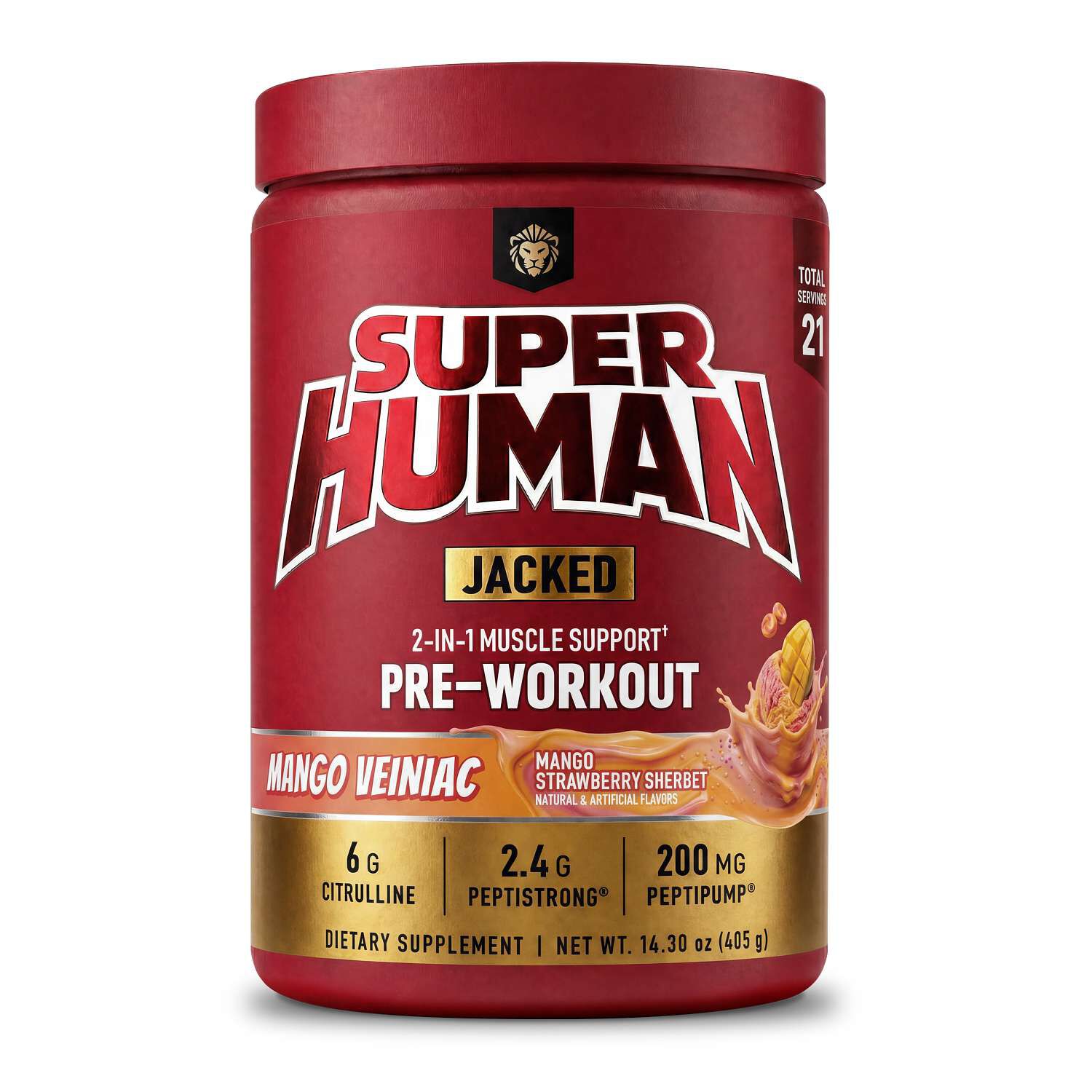
Shopping for alpha supplements often starts with sports nutrition staples: protein powders, pre-workout blends, and other formulas geared toward active routines. These categories serve different purposes, so a useful comparison begins with the type of product rather than the boldest wording on the container. Protein powders offer a measured amount of protein per serving and may make that nutrient easier to work into a busy day. Pre-workout products are generally intended for use before exercise, with ingredient combinations that vary considerably between formulas. Other sports nutrition options may feature individual ingredients or blends intended to complement a particular training routine. For someone who lifts before work, runs after an afternoon at a desk, or spends weekends exploring local trails, the practical details often matter as much as the category itself. A powder that mixes with water has a different place in a gym bag than a liquid serving or a bottle of capsules. Flavor, texture, packaging, and preparation all influence whether a purchase feels convenient beyond the first use. Picture the familiar scramble of packing shoes, a clean shirt, and a shaker before heading out the door: a straightforward format may suit that routine better than something requiring extra measuring or refrigeration. During the cooler months, when workouts may move indoors and schedules grow crowded, those small preferences can become especially noticeable. That does not mean every active person needs a supplement, or that a larger collection makes a better routine. The more useful distinction is between a product that fits an existing habit and one that adds unnecessary complexity. Whether browsing for a first purchase or comparing alternatives to a familiar format, consider the intended use, serving information, ingredient list, and preparation directions together. This gives the category context without treating different kinds of supplements as interchangeable. It also leaves room for ordinary preferences, such as choosing a mild flavor for breakfast smoothies or a compact container for a shared kitchen shelf.
Protein is a natural starting point for shoppers whose main interest is adding a convenient source of dietary protein. Powders can differ in protein source, grams of protein per serving, carbohydrate and fat content, sweetness, and consistency after mixing. Whey-based and plant-based options, for example, have different ingredient profiles, and the most appealing choice may depend on dietary preferences as well as taste. Compare the serving size alongside the nutrition information: a larger scoop does not automatically mean a product offers more protein relative to its serving. The number of servings per container matters, too, particularly when comparing a smaller tub with a larger package at a different price. Cost per serving provides a useful point of reference, while cost per gram of protein may add context when protein content is the main purchase consideration. For a broader look at this category, Advanced Protein Supplements offers another place to explore relevant options. Beyond the numbers, think about how the powder would actually be prepared. A flavor that sounds appealing with cold water may taste quite different in milk, a plant-based beverage, or a thick smoothie. Richer flavors may suit someone who enjoys a dessert-like shake, while a more understated flavor may work better alongside fruit or oats. Mixing directions are worth reading before purchase, especially if a shaker bottle will be the usual method rather than a countertop blender. Ingredient and allergen information also deserve attention when shopping for a household with different food preferences or restrictions. Someone planning occasional use may appreciate a smaller package rather than committing valuable cupboard space to a large tub. A regular user may put more weight on serving count and familiar texture. Neither approach is inherently better; the purchase should reflect the way the product is likely to be used. The same practical thinking applies to portability, whether that means keeping a container at home or choosing packaging suitable for a commute.
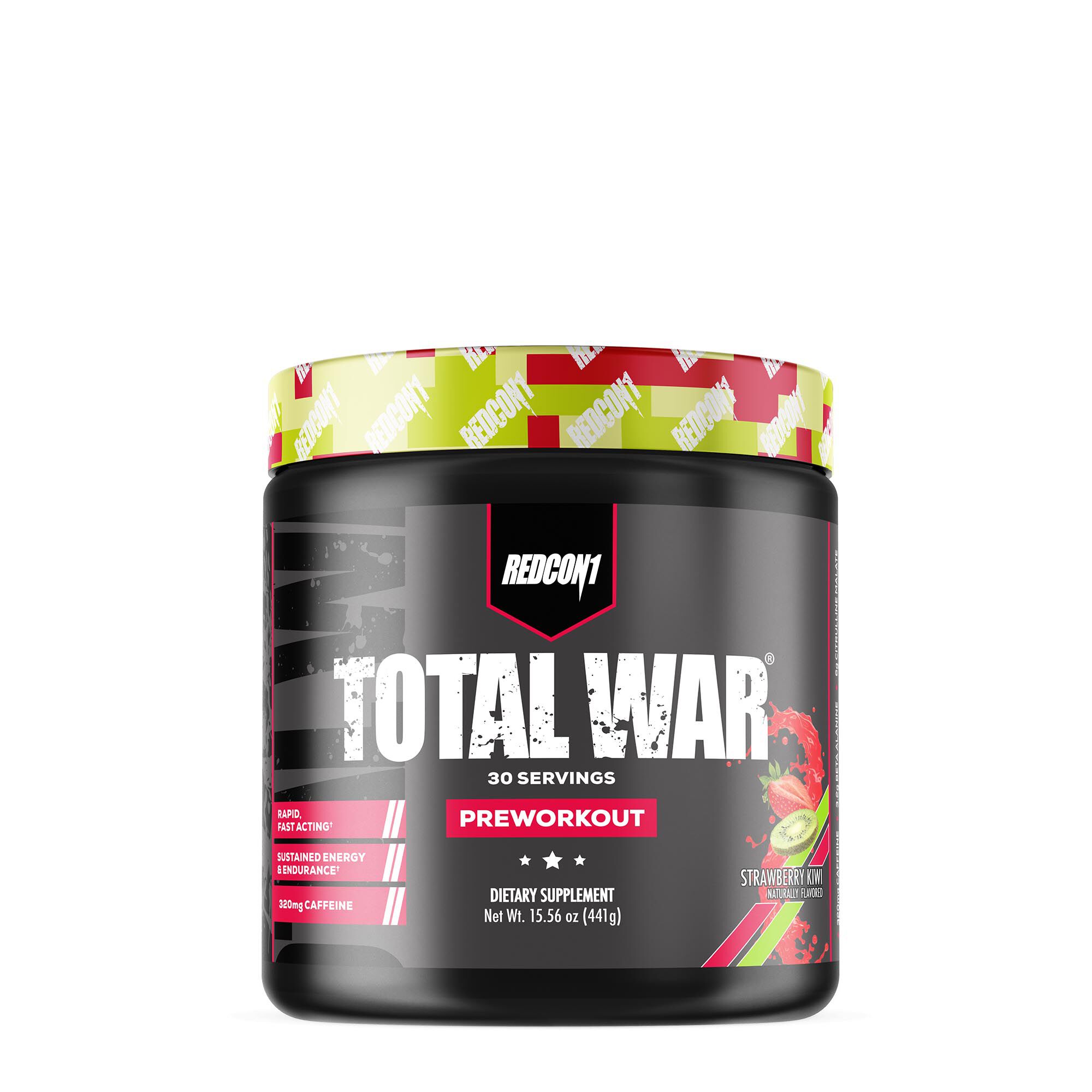
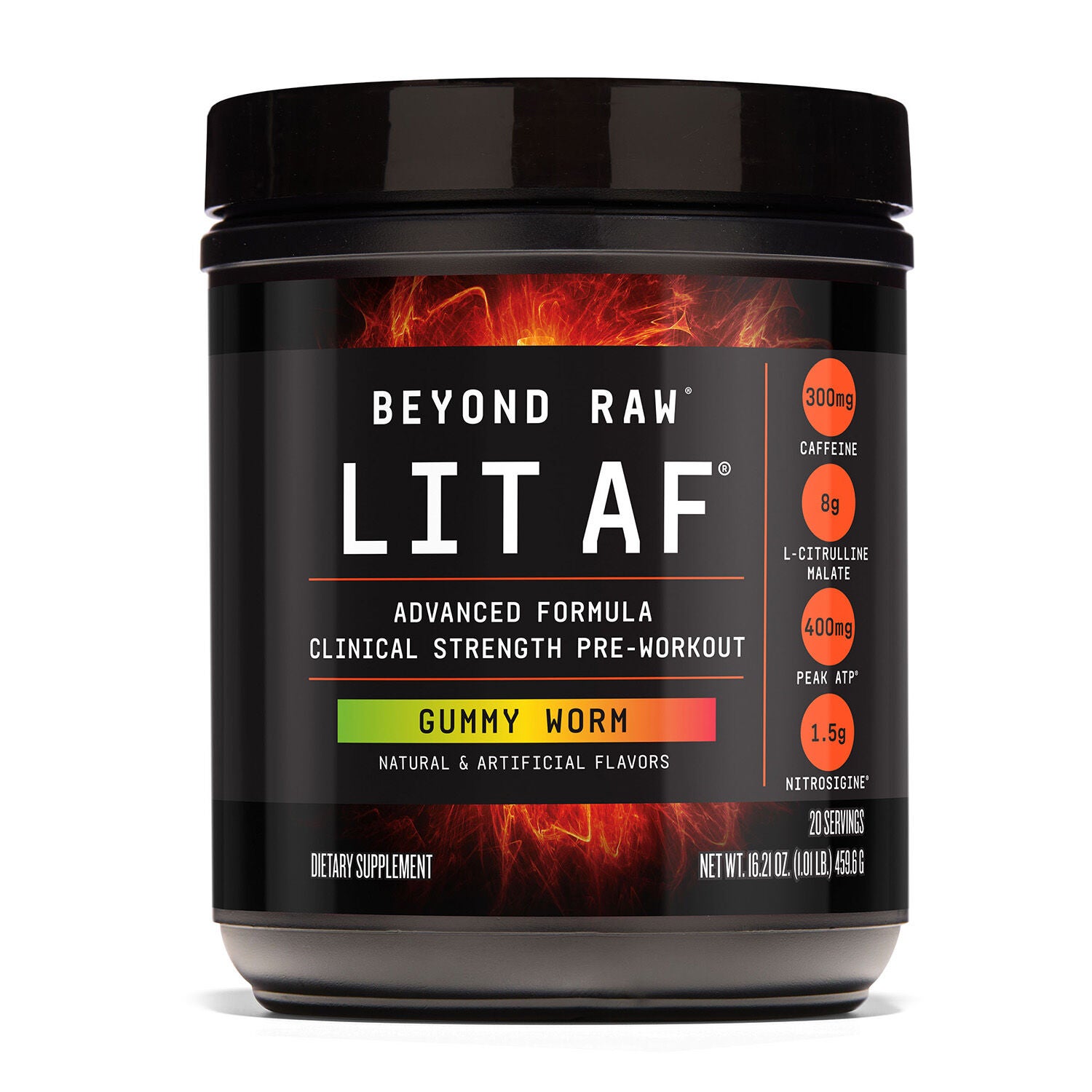
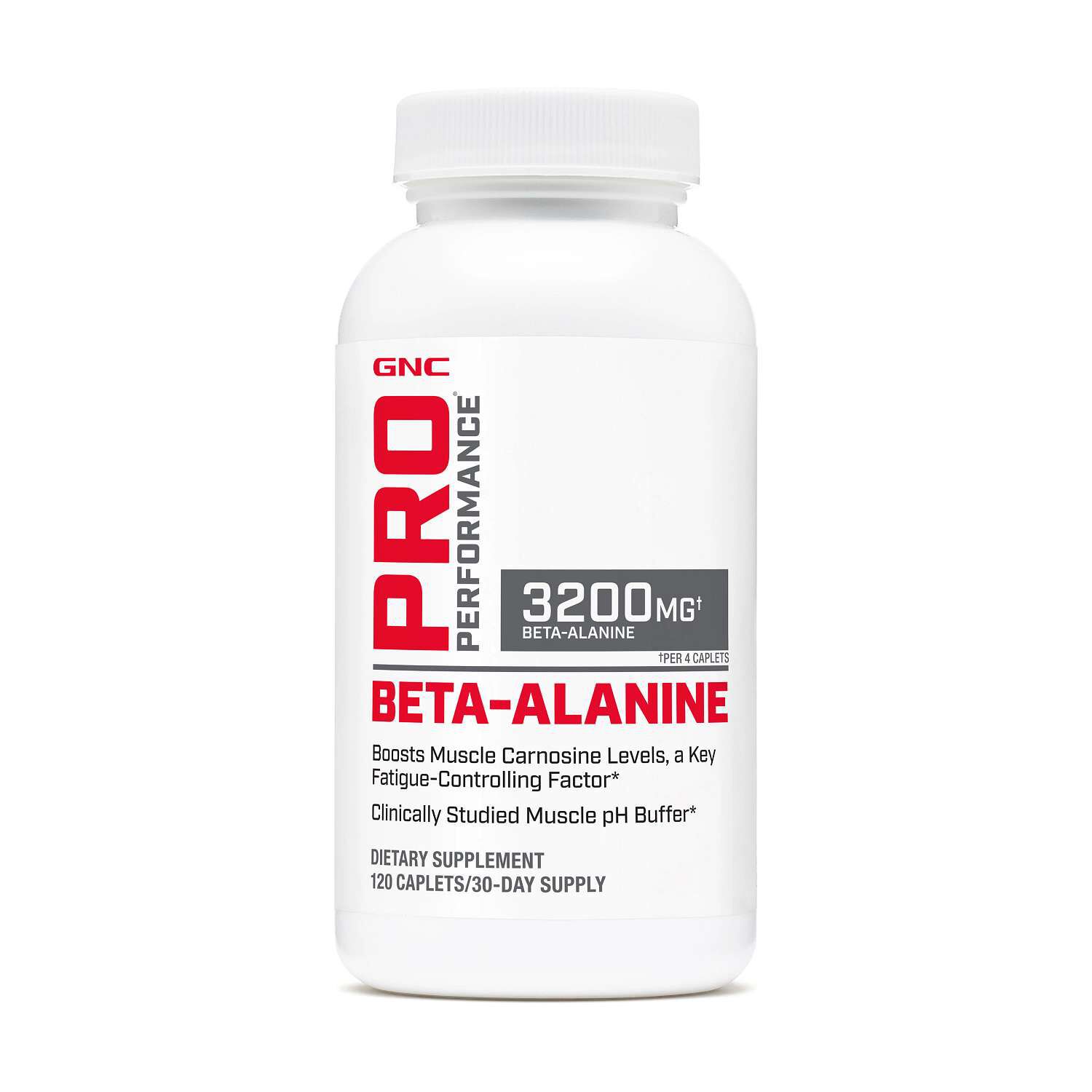
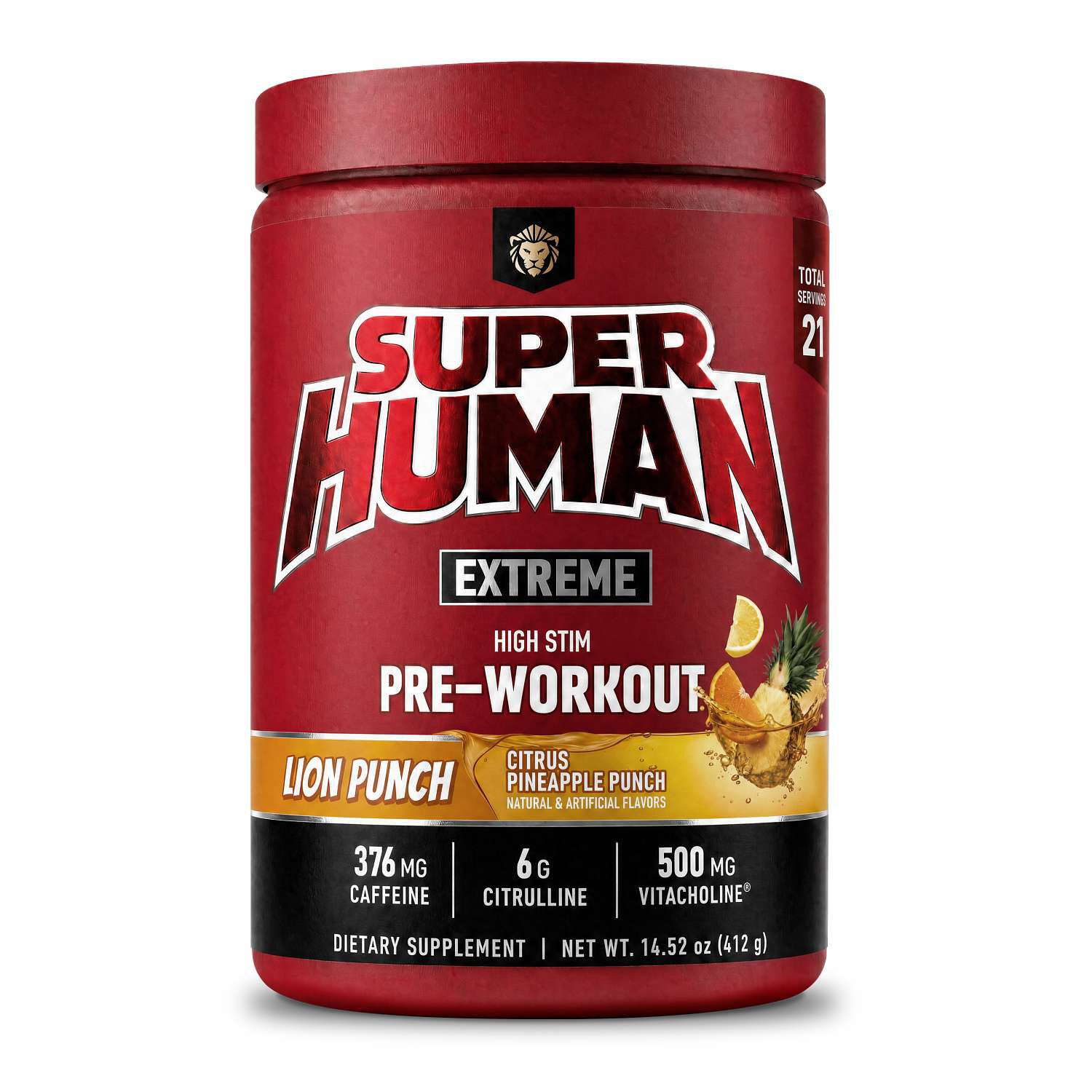
Pre-workout blends and other performance-oriented supplements call for a different comparison than protein powders. Here, the ingredient panel, amounts per serving, and labeled directions deserve close attention because formulas within the same category can differ substantially. Some include caffeine, while others do not; the amount listed per serving is a more useful detail than a dramatic product description. Consider that information alongside caffeine from coffee, tea, and other beverages rather than viewing each purchase in isolation. Products with several ingredients also merit a side-by-side look at their labels, particularly when more than one supplement would be part of the same routine. More ingredients do not necessarily make a formula a better match, and a longer ingredient list can make comparisons less straightforward. Look for clear serving information and product details that explain what is inside without relying solely on broad performance language. Format remains important here as well. A powder involves mixing and measuring, while other formats have their own serving directions and storage requirements. Follow the package directions rather than assuming that similarly named categories share the same use instructions. For shoppers choosing a gift, familiarity is especially valuable: a recipient’s known flavor and format preferences are a better starting point than assumptions about their fitness goals. An unfamiliar performance blend can be a very personal choice, so asking about preferences may be more thoughtful than selecting the most elaborate option. Recreational lifters, dedicated gym regulars, and adults returning to a more consistent exercise schedule may all browse this category, but their shopping priorities can be quite different. One person may value a short ingredient list; another may care most about preparation, flavor variety, or price per serving. Across those preferences, the strongest purchase decision is usually grounded in readable labels, realistic expectations, and everyday usefulness. A supplement may complement a well-established routine, but its place in the cupboard should make sense alongside regular meals, training habits, and the time available to prepare it.