Amino Acid Powders With Tyrosine
(0 Results)
Amino acid powders with tyrosine offer a convenient way to incorporate this important amino acid into your daily routine. Popular with fitness enthusiasts and those looking to support their nutritional goals, these powders may be easily mixed into your favorite beverages or shakes. Explore a range of options designed to fit different lifestyles and preferences, and discover how amino acid powders with tyrosine could become a valuable addition to your supplement regimen.
-
-
-
-
 461$24.99
-
-
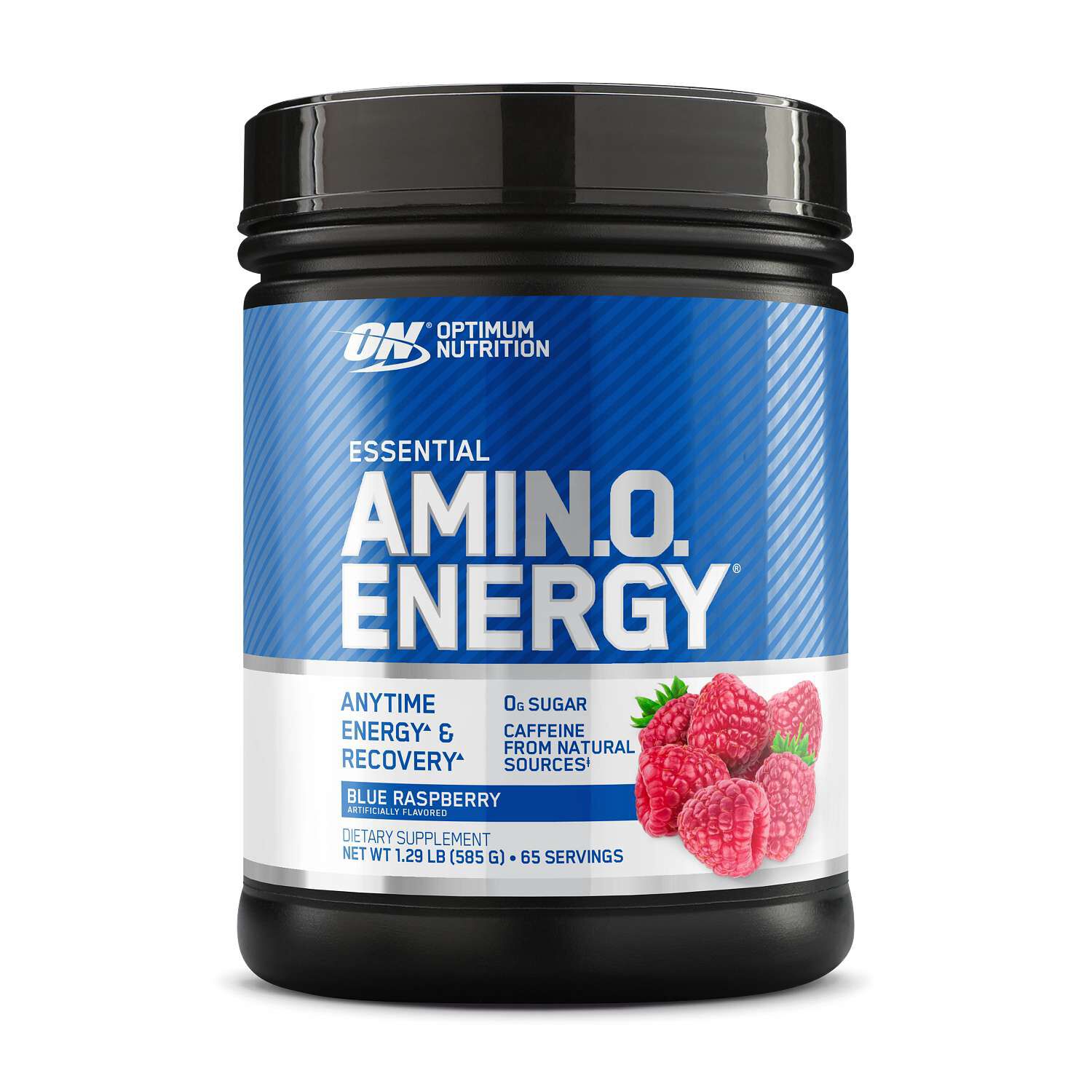
 Optimum Nutrition461$24.99
-

-

-

-
-
-

-
-

-
-
-
-
-
-
-

-

-
-

Amino acid powders with tyrosine are powdered dietary supplements that contain L-tyrosine, either as the primary ingredient or alongside other amino acids. Two powders can both contain tyrosine while having very different ingredient lists, serving sizes, and directions. Tyrosine is an amino acid found naturally in protein-containing foods, including dairy foods, eggs, soy, and meat. The body can also make it from another amino acid called phenylalanine. In supplements, the name L-tyrosine identifies a particular form of tyrosine, and it may appear on the front label, in the Supplement Facts panel, or within a listed blend. A powder centered on L-tyrosine offers a different ingredient profile from a formula that combines several amino acids with caffeine, vitamins, minerals, or flavoring ingredients. For someone comparing options for a desk-based workday or a workout routine, that broader formula deserves as much attention as the presence of tyrosine itself. It also helps to distinguish this category from protein powders and branched-chain amino acid powders. Protein powders generally contain protein from sources such as whey, soy, or peas, while amino acid powders list individual amino acids or combinations of them. Branched-chain amino acids are leucine, isoleucine, and valine; tyrosine is not one of those three. A BCAA name alone therefore does not establish that a powder contains tyrosine. Likewise, a flavor name or workout-oriented package does not explain how much tyrosine a serving contains. The clearest comparison starts with the ingredient panel rather than the package design. These distinctions give the category useful context without treating every amino acid powder as interchangeable. A focused formula and a multi-ingredient blend can occupy the same shopping category while fitting different preferences for ingredients, preparation, and intended use.
When comparing amino acid powders with tyrosine, look first at whether the label lists an individual amount for L-tyrosine or includes it within a blend. An individually stated amount makes direct comparisons more straightforward. A blend that lists only its combined weight provides less detail about the amount of each component, even when tyrosine appears prominently in the product description. Serving size matters, too: a scoop is a measuring tool, not a standardized amount across different containers. One label may describe a serving in grams, while another may use a different scoop size or number of scoops. Comparing the labeled serving rather than the visual size of the scoop keeps those differences in view. Other ingredients can be just as important to the shopping decision. Some formulas contain caffeine, while others do not; some include additional amino acids, electrolytes, or vitamins. Someone already using a separate workout supplement may prefer a simpler ingredient list rather than another broad combination. A shopper who prefers to keep several ingredients in one container may be drawn to a blend, provided its label matches the intended routine. Flavoring, sweeteners, colors, and allergen statements also deserve a close look, especially when taste preferences or dietary restrictions shape the choice. An unflavored powder is not necessarily tasteless, and a fruit-flavored option may have a distinctly sweet or tart character. Labels and descriptions can clarify whether a formula uses sugar, alternative sweeteners, or both, without relying on the flavor name to tell the whole story. Dietary suitability should come from explicit labeling rather than assumptions about amino acids as a category. For a broader look at this ingredient across supplement formats, L Tyrosine Supplements provides another relevant category to explore. The useful comparison remains the same across formats: the named ingredient, the stated amount, the accompanying ingredients, and the directions for the particular formula.
Powder format also brings practical considerations that are easy to overlook when attention stays on the ingredient panel. Preparation usually involves measuring a serving and mixing it with the liquid specified on the label, so the container, scoop, and mixing directions become part of the everyday experience. A person preparing a drink at home has a different setup from someone carrying a shaker bottle to a fitness center or mixing a serving in an office kitchen. Consider whether the routine includes room for a tub, access to a clean bottle, and time to rinse equipment afterward. Powders differ in how readily they disperse, and a stirred drink can have a different texture from one prepared in a shaker. Some settling may occur depending on the formula; the package directions are the appropriate reference for preparation rather than an expectation that every powder will look alike in water. Flavor compatibility matters in ordinary use as well. A strongly flavored blend may be less versatile than an unflavored option when the label permits mixing with different beverages, while an unflavored powder may still contribute its own taste. Measuring should follow the serving instructions, not the size of a favorite spoon or the amount that looks convenient in a bottle. Keep the supplied scoop with its container so it is not confused with one from another supplement. Storage and container care are equally practical parts of ownership. Follow the labeled storage directions, close the lid securely, and keep scoops and mixing equipment clean and dry. Check the date information and any instructions about using the contents after opening. For travel, keeping the original labeled container makes the ingredient information and directions accessible. The best fit for an established routine depends on more than tyrosine appearing in the name: clear labeling, suitable accompanying ingredients, a manageable preparation process, and an acceptable flavor all contribute to a thoughtful comparison. Those details distinguish powders that may look similar online but differ meaningfully in everyday handling and intended use.