Brain Boosting Support Powders With Tyrosine
(0 Results)
Brain boosting powders with tyrosine could be a convenient addition to your daily routine for those seeking support for mental performance and focus. These formulas may combine tyrosine with other key nutrients, offering options tailored to a variety of wellness goals. Whether you’re looking to power through busy days or stay sharp during demanding tasks, brain boosting powders with tyrosine might fit seamlessly into your lifestyle. Explore a selection of blends designed to help you meet your cognitive wellness needs.
-
-

-
-
-

-

-
-
-
 Divine Health$44.99
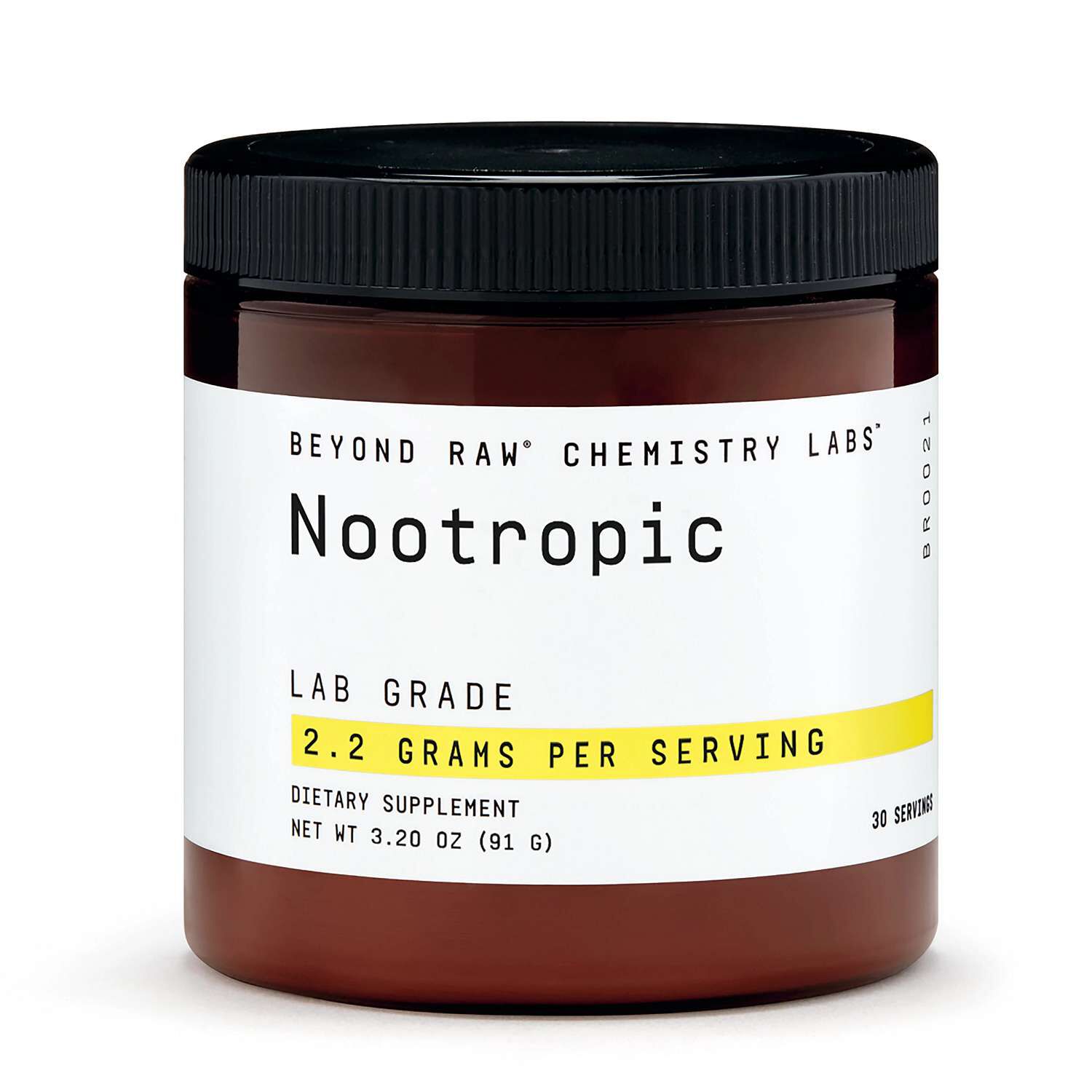
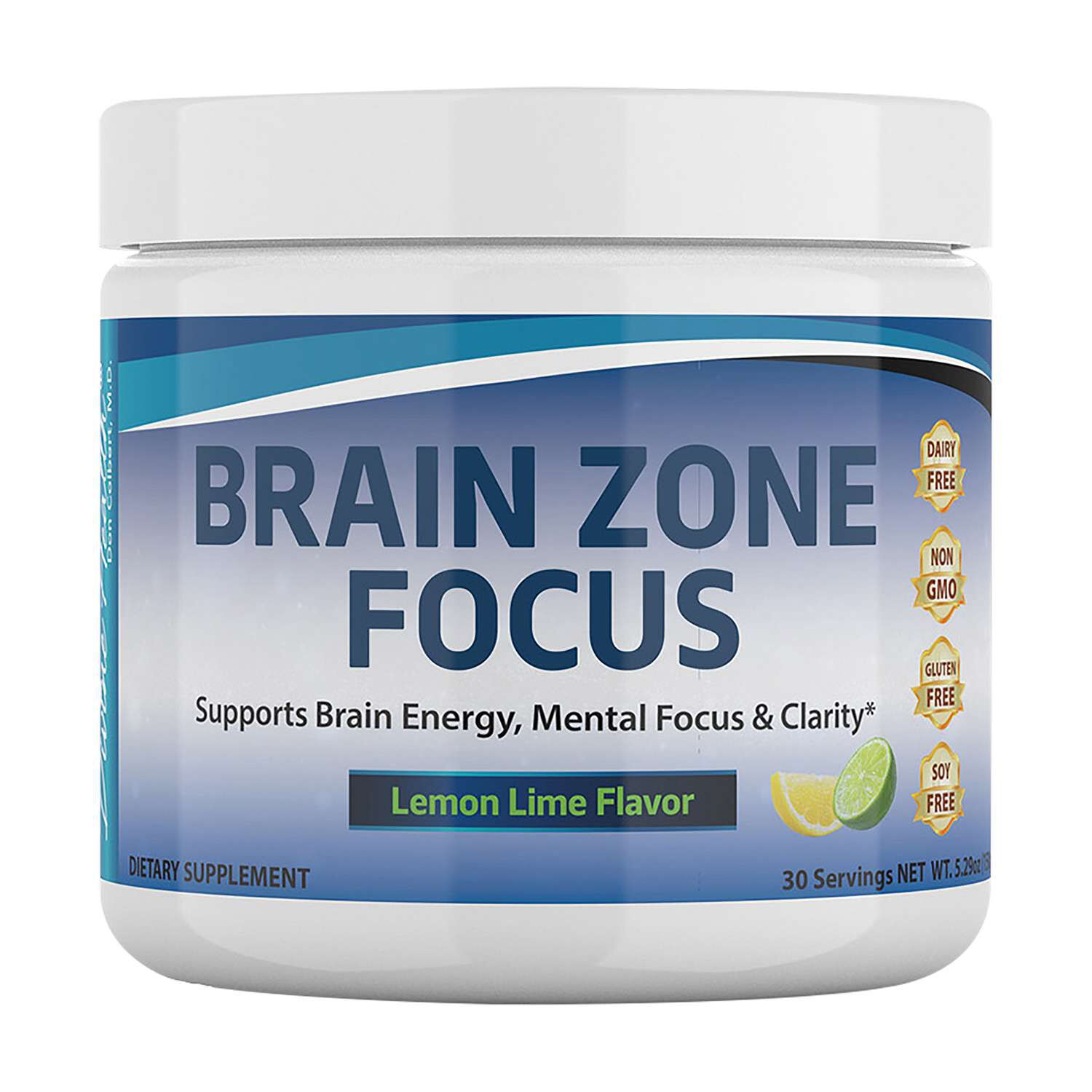
Brain support powders with tyrosine are dietary supplements intended for adults interested in focus, mental clarity, and a drinkable addition to their daily routine. Tyrosine is an amino acid found naturally in protein-containing foods, including dairy, eggs, meat, and legumes. In supplements, it often appears on ingredient labels as L-tyrosine, either on its own or alongside other ingredients in a formula centered on cognitive support. These powders may support focus during mentally demanding activities, although individual experiences can vary and ingredient combinations differ. The powder format offers a distinct experience compared with capsules or tablets: preparation becomes part of the routine, and flavor, texture, serving size, and the mixing directions all matter. For someone who spends the morning reviewing documents, attends lectures, or moves between detailed creative projects, a drink mix may be a convenient format to consider. A standalone tyrosine powder keeps the ingredient profile relatively simple, while a blended formula may include theanine, caffeine, vitamins, or other amino acids. Those differences deserve attention because two powders with similar front-label descriptions can have very different compositions. The Supplement Facts panel provides the serving size and declared ingredient amounts, while the other ingredients list identifies additions such as flavors, sweeteners, colors, and mixing agents. When a blend lists a combined amount rather than an amount for each ingredient, the quantity of tyrosine may be less clear. A stated amount per serving makes comparisons more straightforward, but a larger number alone does not establish suitability or a better experience. Clear labeling is more useful than an ambitious description on the front of a container. Shoppers interested in the broader category can also explore L Tyrosine Supplements For Memory Support for additional context on this ingredient and its supplement formats. A thoughtful comparison considers the whole formula, not just the presence of tyrosine or a familiar flavor name.
Taste and preparation are especially important with brain support powders because the supplement becomes something to sip rather than simply swallow. An unflavored option may suit someone who prefers a less elaborate ingredient list, but unflavored does not necessarily mean tasteless. Amino acid powders can have a noticeable character, and tyrosine does not always dissolve readily in water. Depending on the formula, a prepared drink may look cloudy or leave a little sediment rather than becoming perfectly clear. Flavored blends take a different approach, pairing the ingredients with fruit-inspired, citrus, or other beverage profiles. Sweetness can range from subtle to pronounced, so the sweetener list offers useful context when flavor descriptions alone are not enough. Someone who enjoys a lightly flavored drink beside a laptop may prefer a different profile from someone accustomed to a sweeter shake. The liquid and mixing method specified on the label are the best reference for preparation; compatibility with water, juice, or a smoothie should not be assumed across every formula. A shaker bottle can be a practical accessory when the directions call for shaking, while a spoon or blender may suit other preparations. The container also needs enough room for the specified liquid and the motion required to mix it. A narrow drinking opening, a secure lid, and an accessible interior for washing can make the experience more manageable away from home. Texture matters here as much as flavor: a thin drink, a frothy blend, and a thicker smoothie each feel different during a work break. For caffeinated formulas, the declared caffeine amount is another meaningful comparison point, particularly when coffee, tea, or another caffeinated beverage is already part of the day. Powders made without added caffeine offer a different ingredient profile, though the entire label still matters. Dietary preferences and ingredient sensitivities also make allergen statements and manufacturing disclosures relevant. A short ingredient list, a familiar sweetener, or a particular flavor can be a useful preference, but none replaces a careful look at the full composition.
Packaging, storage, and everyday handling help distinguish a powder that fits a routine from one that feels cumbersome. A resealable tub may work well in a designated kitchen cabinet, while individually portioned packets can be easier to carry when that packaging format is offered. With tubs, the scoop size and labeled serving size are worth noting before comparing container sizes; a larger package does not necessarily contain more servings. Scoops are not interchangeable between formulas, and the labeled serving remains the reference rather than a household spoon or an estimate based on another supplement. The closure should be easy to secure after each use, and the opening should allow access without scattering powder across a counter. Storage directions on the package matter because moisture exposure can affect how a powder pours and mixes. Keeping the container closed, using a clean, dry utensil, and leaving the contents in their labeled packaging can help maintain orderly handling and preserve access to preparation details. An expiration date and readable lot information are also useful packaging features. For a desk-based routine, the practical setup might be a washed shaker, a measured amount of liquid, and a place to prepare the drink without balancing an open tub beside a keyboard. For a commute, that same routine may depend more on secure packaging and having somewhere to rinse the bottle afterward. These details do not determine a supplement’s effects, but they can influence whether its format feels appropriate for everyday use. Brain support powders with tyrosine may appeal to adults seeking cognitive support in a mixable form, yet they are not substitutes for sleep, regular meals, or time away from demanding tasks. Nor does the presence of tyrosine establish a particular outcome for studying, professional work, or creative concentration. The most useful distinctions remain concrete: the type and amount of tyrosine listed, the accompanying ingredients, caffeine content, taste, texture, preparation requirements, and packaging. Taken together, those details provide a clearer picture of how a powder might fit into an established routine than broad language about mental performance alone.