

Amino Acid Supplements For Active Lifestyles
(0 Results)
Amino acid supplements for active lifestyles could be a valuable addition to your daily routine, whether you’re dedicated to intense workouts or simply looking to support your overall wellness goals. Designed with those on the go in mind, these supplements may help you maintain momentum as you pursue fitness and performance milestones. Explore a wide selection of amino acid supplements for active lifestyles and discover options that might fit seamlessly into your training and recovery regimen.
-
-

-
-

-

-
-
-
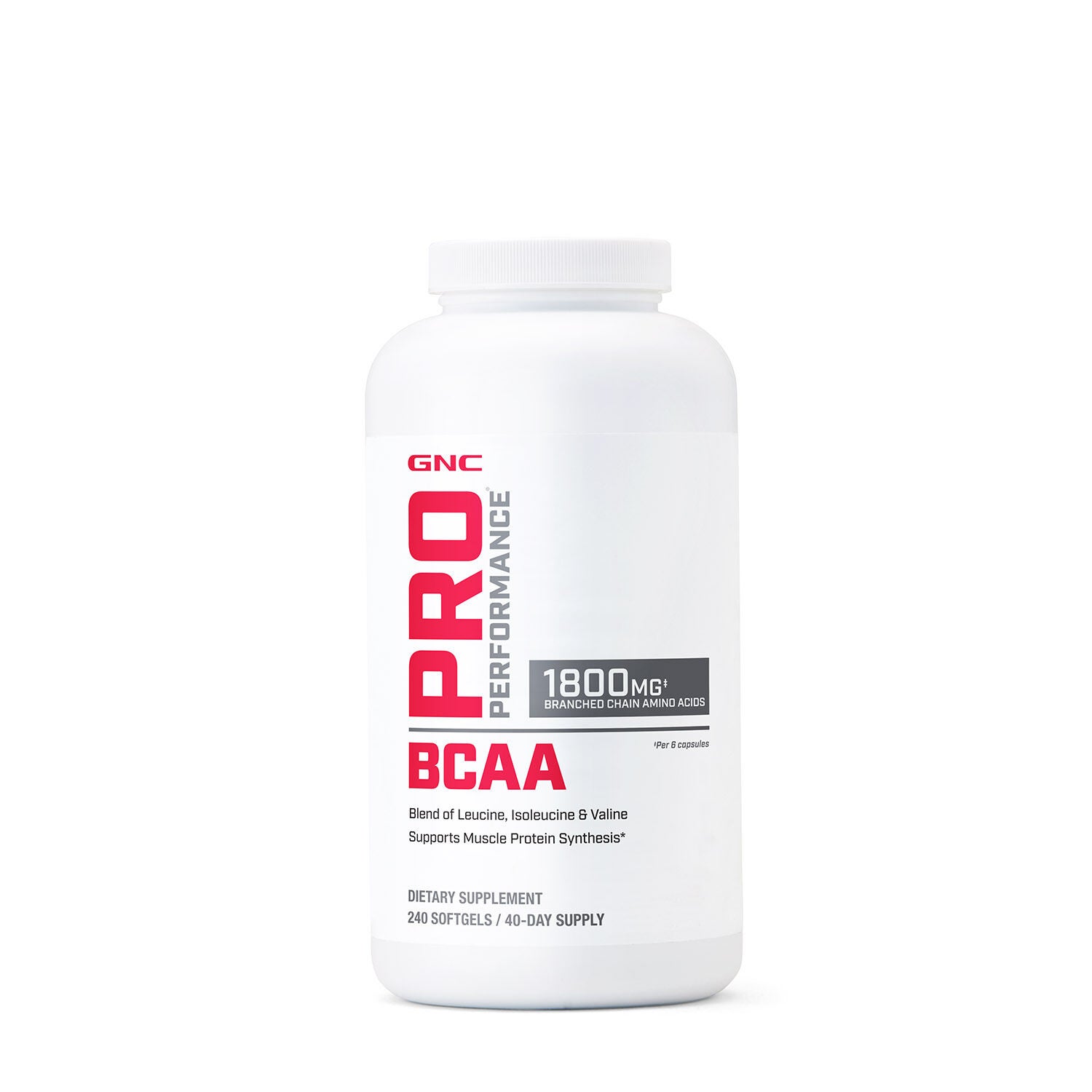
-
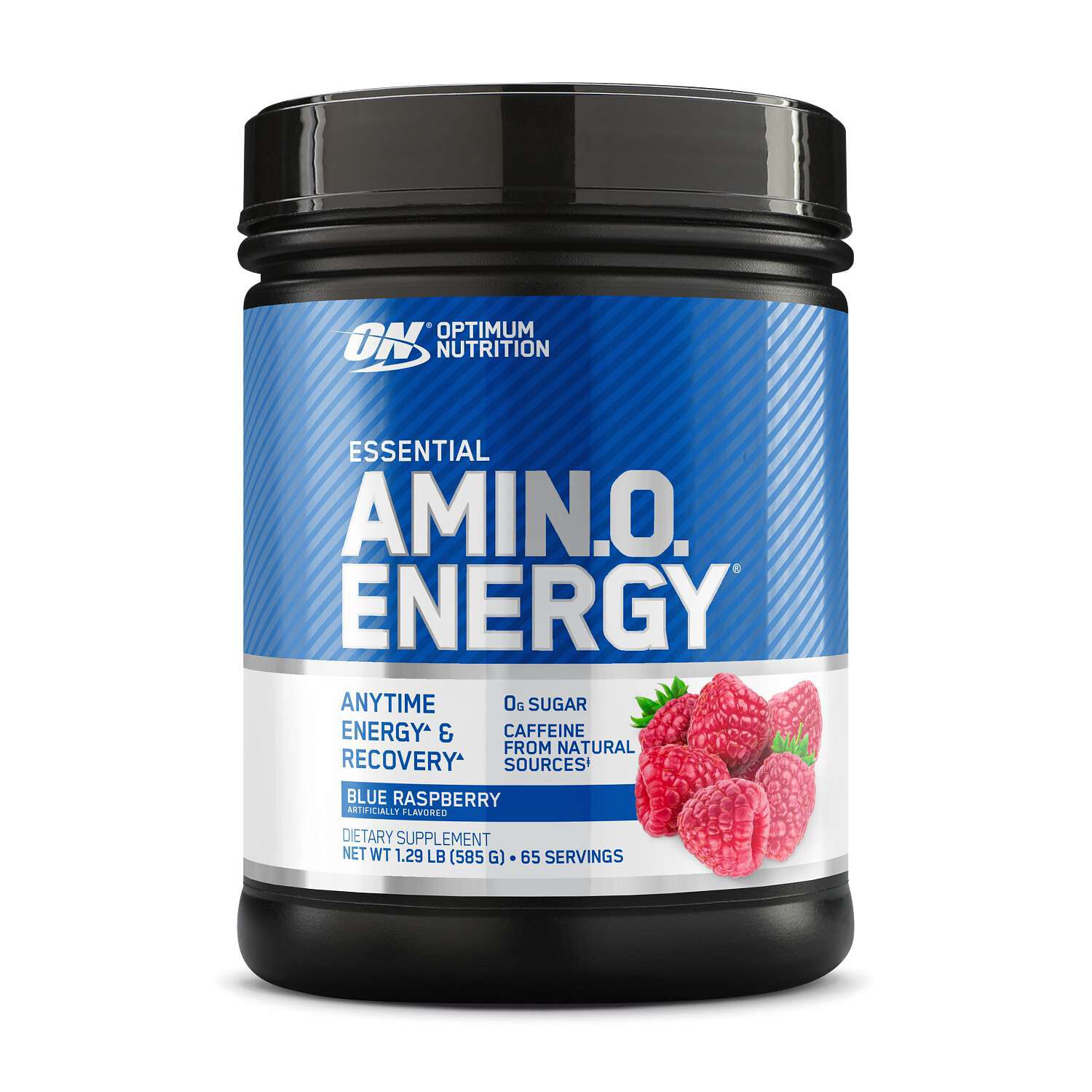
-
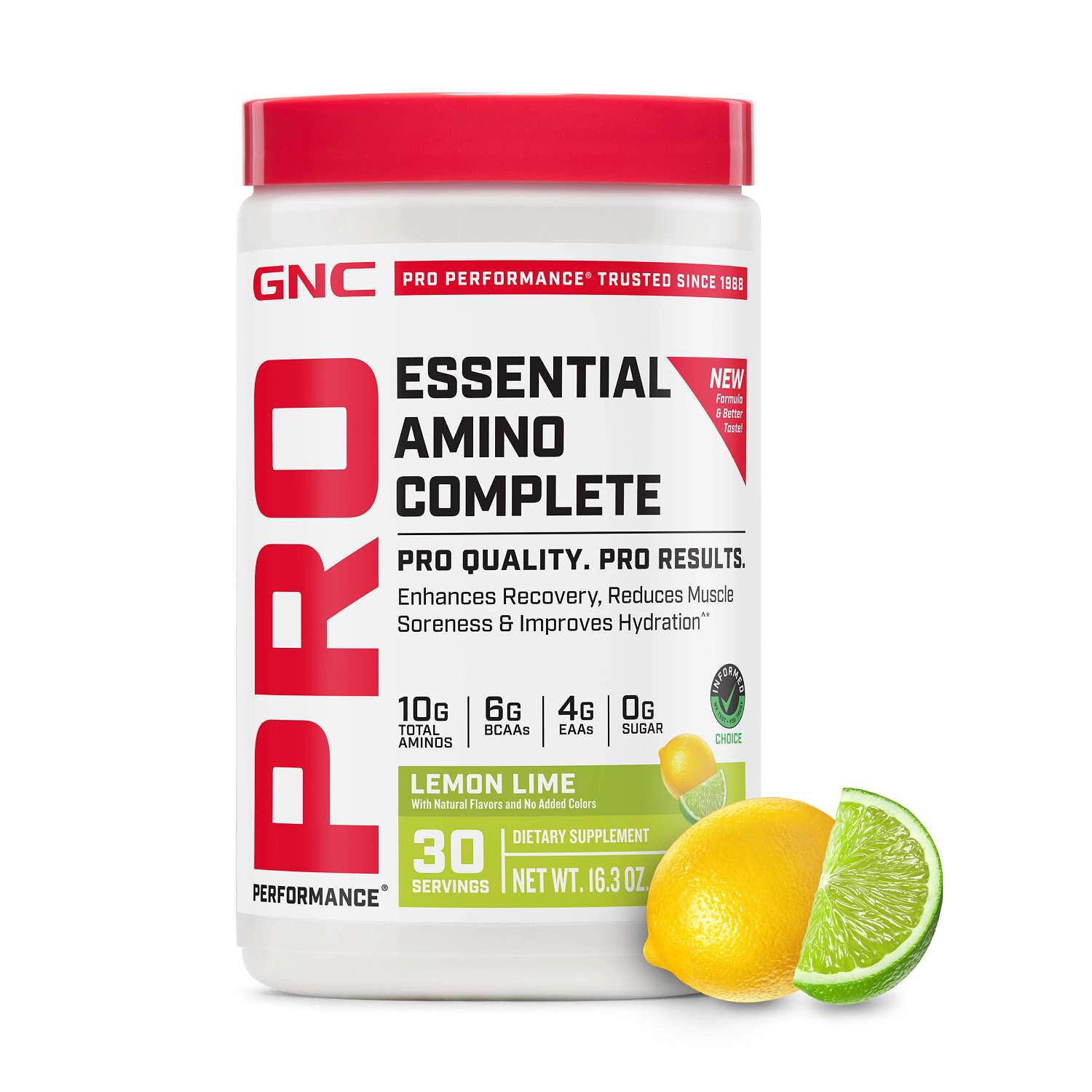
-
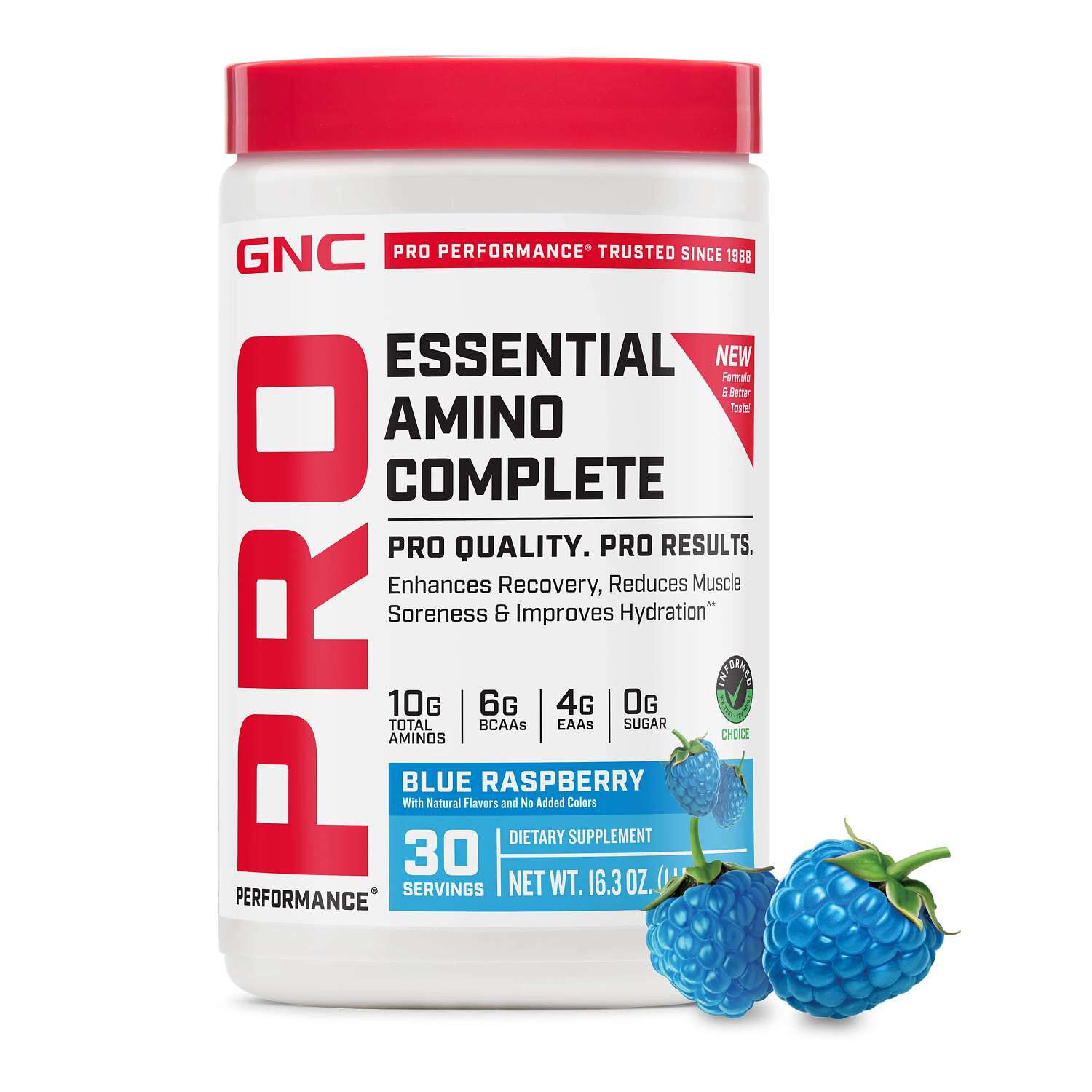
-

-

-
 $49.99
 -
-

-
-
-
 $39.99
 -

-
-

-
-
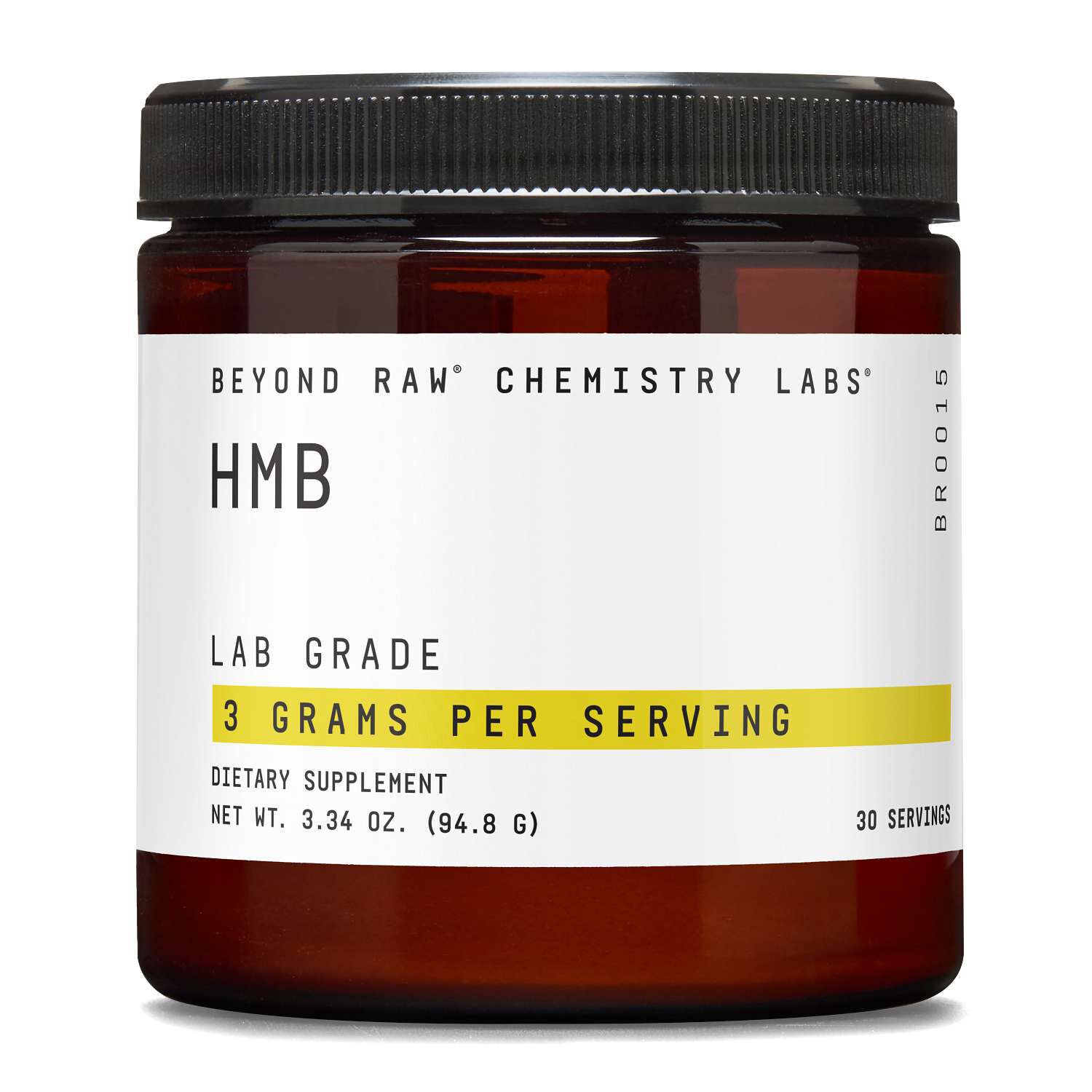
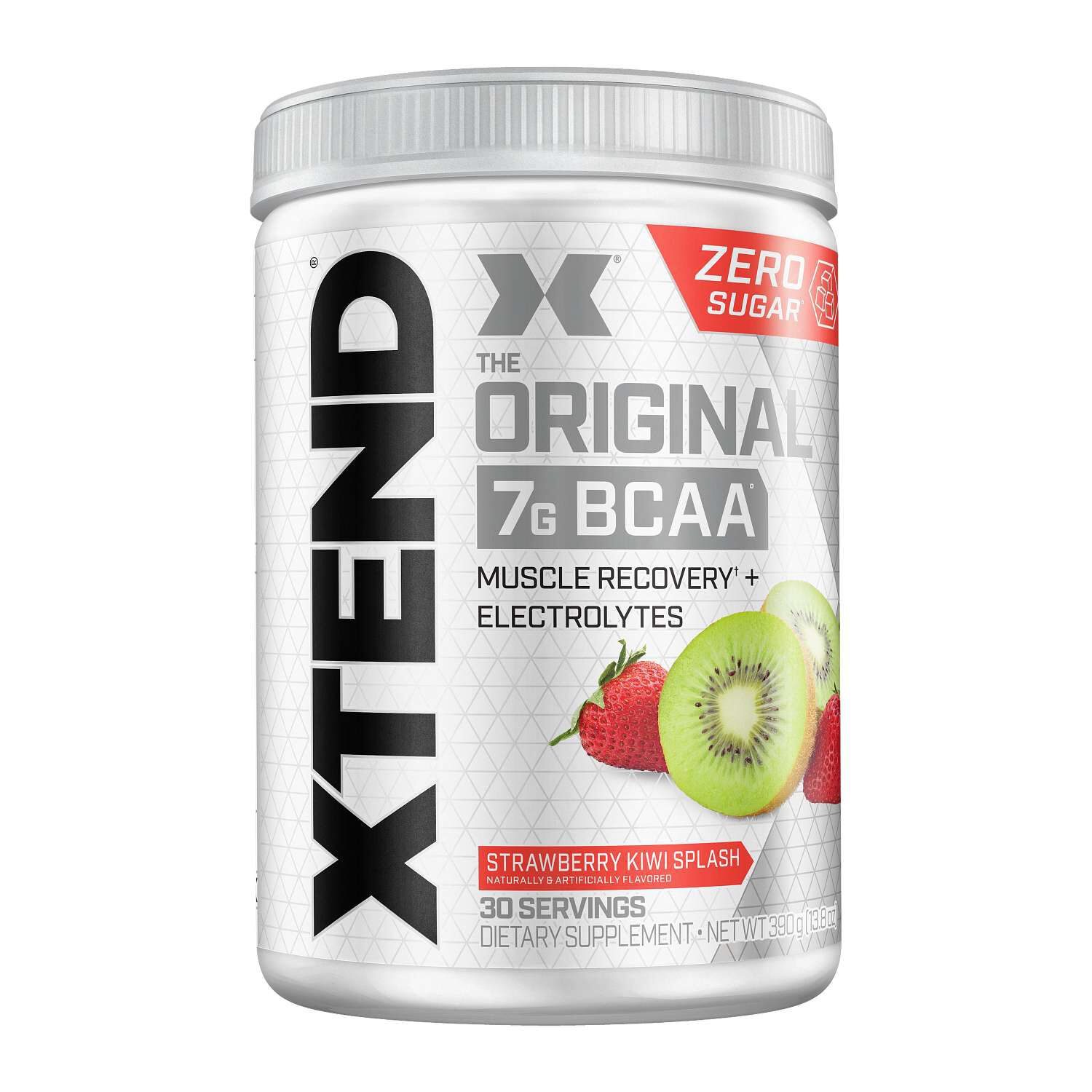
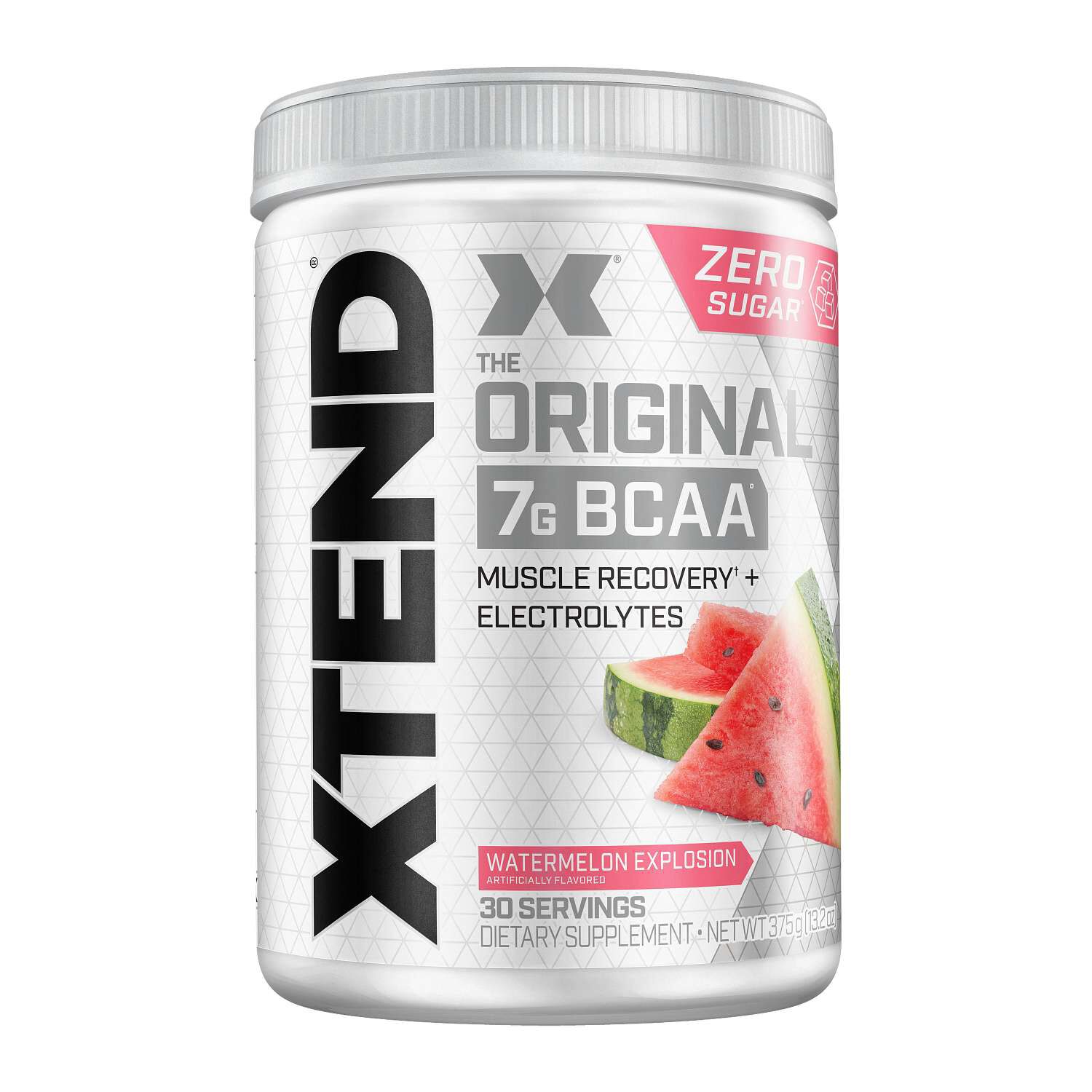
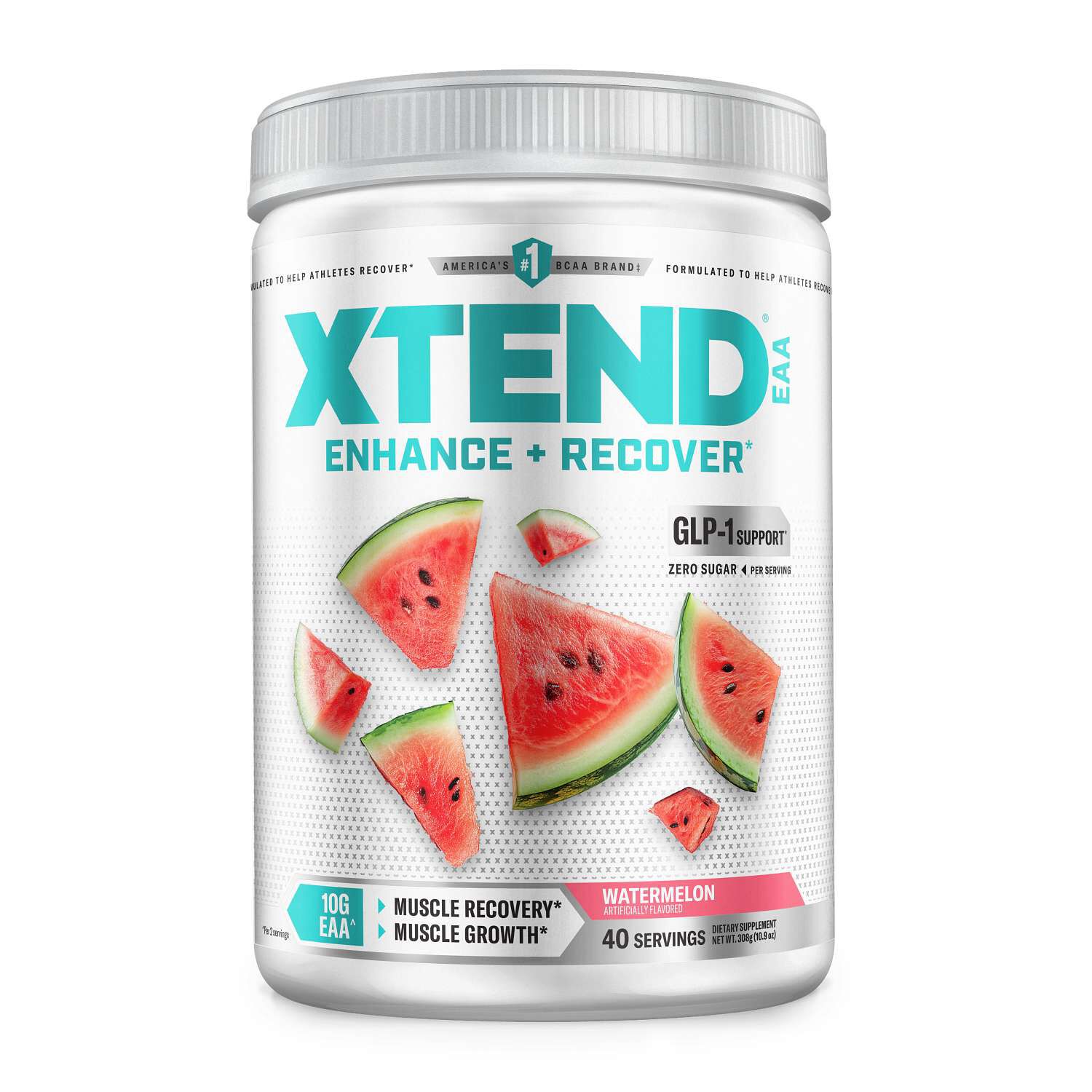
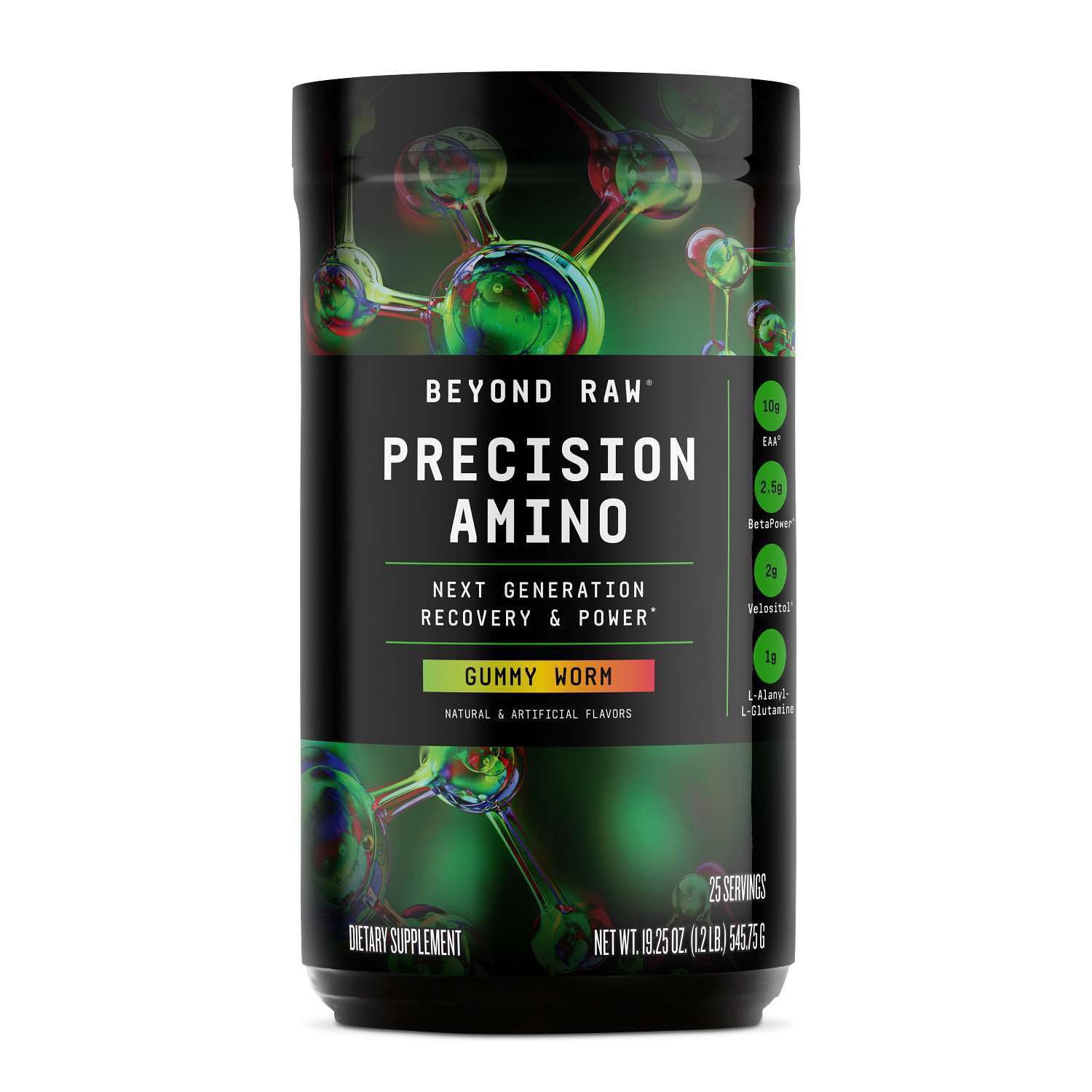
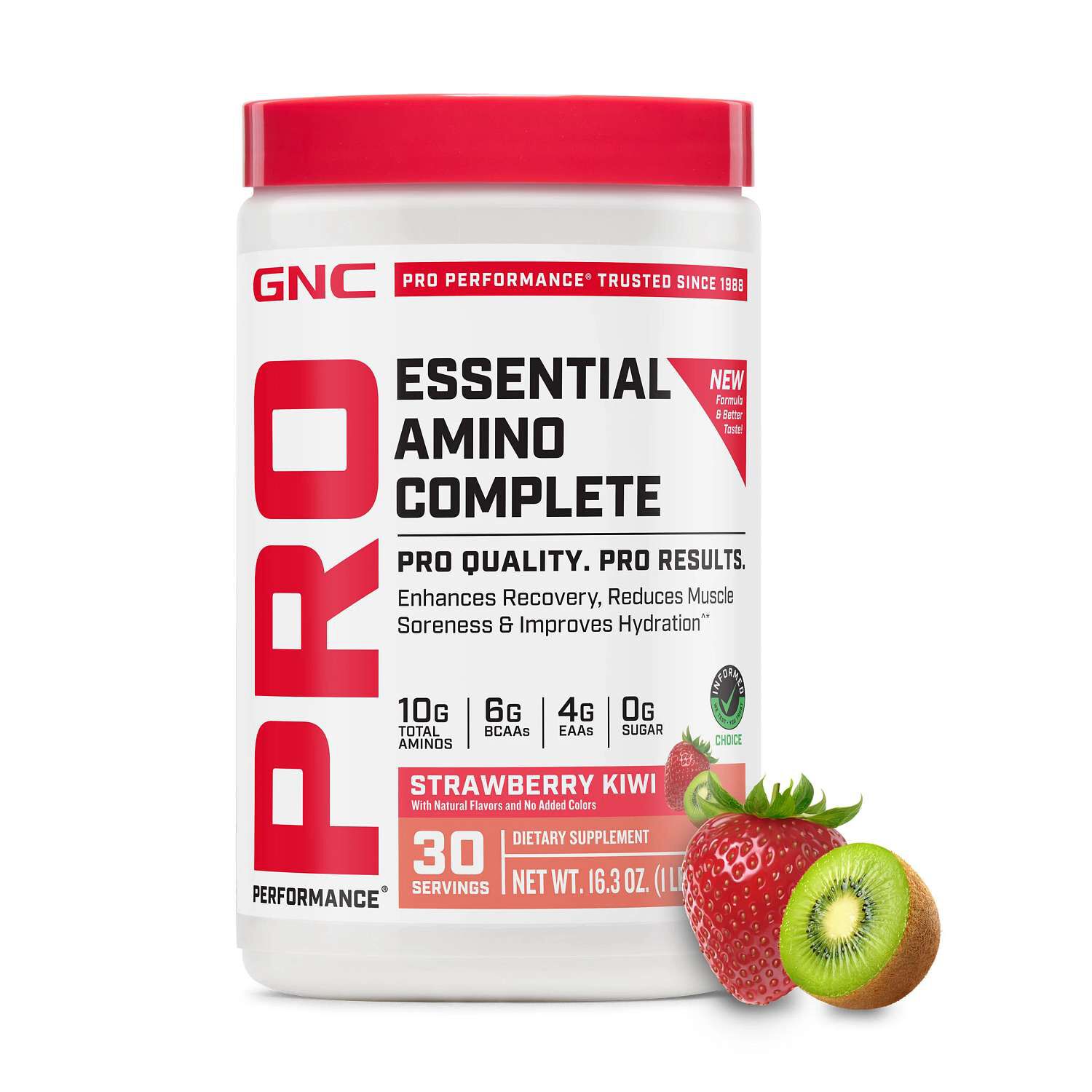
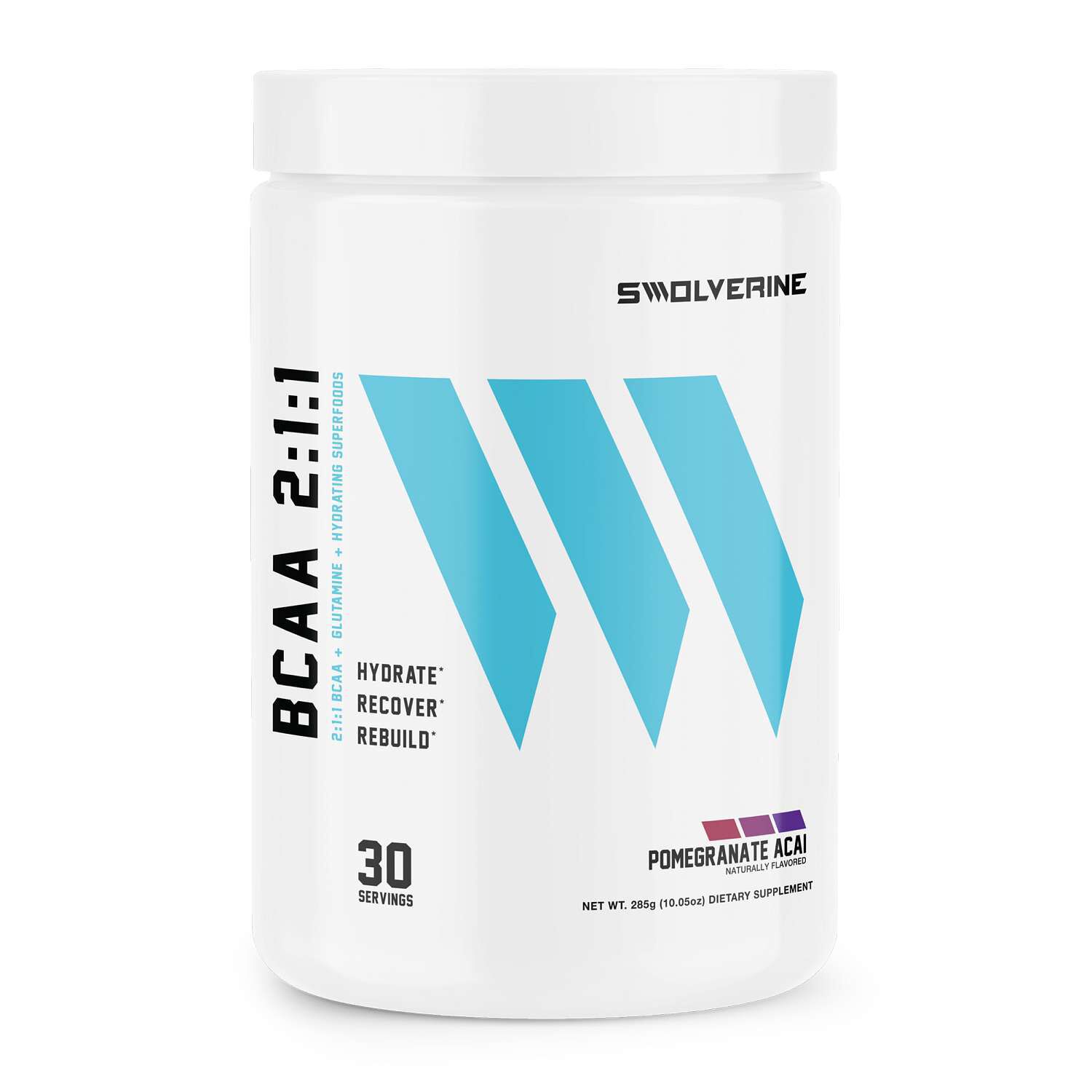
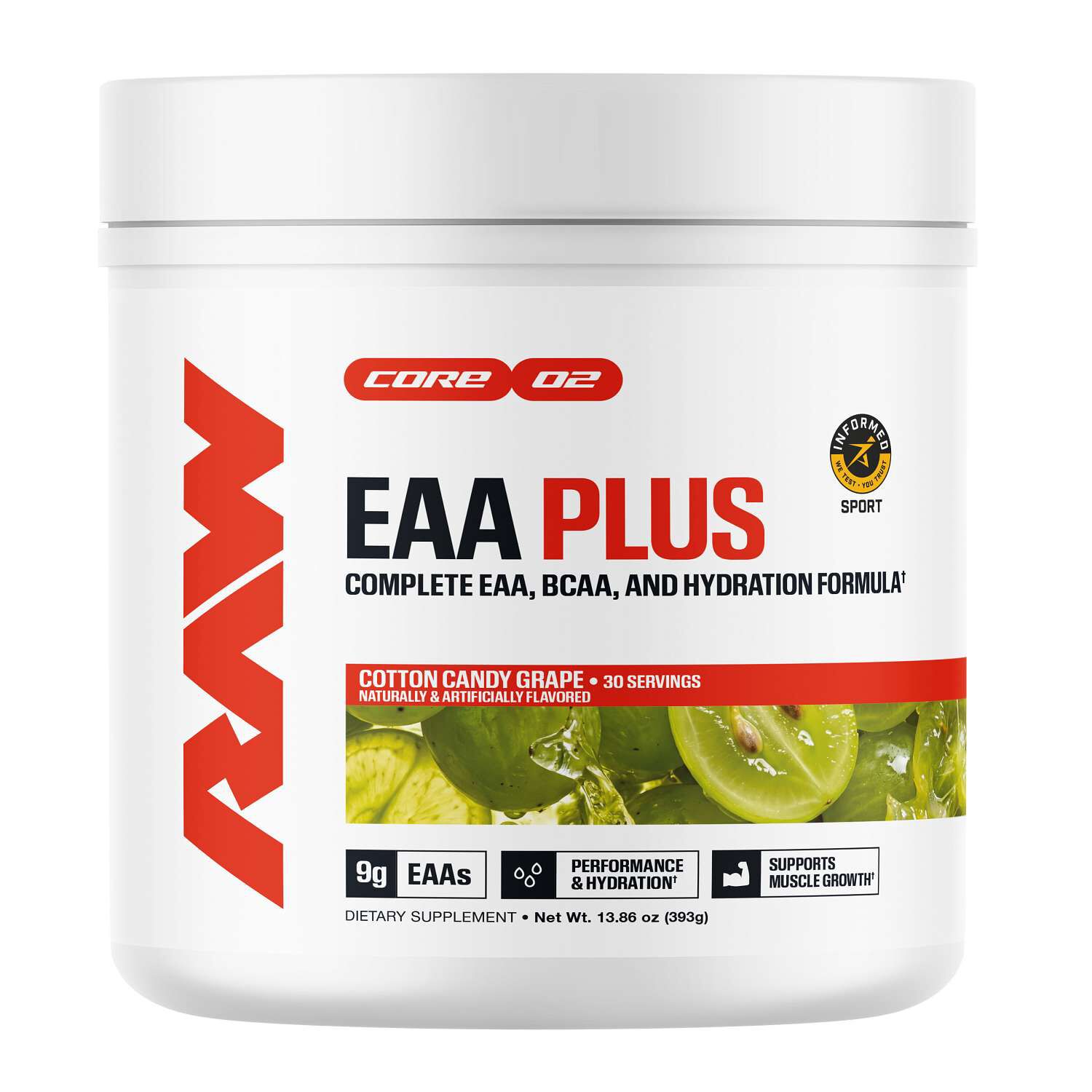
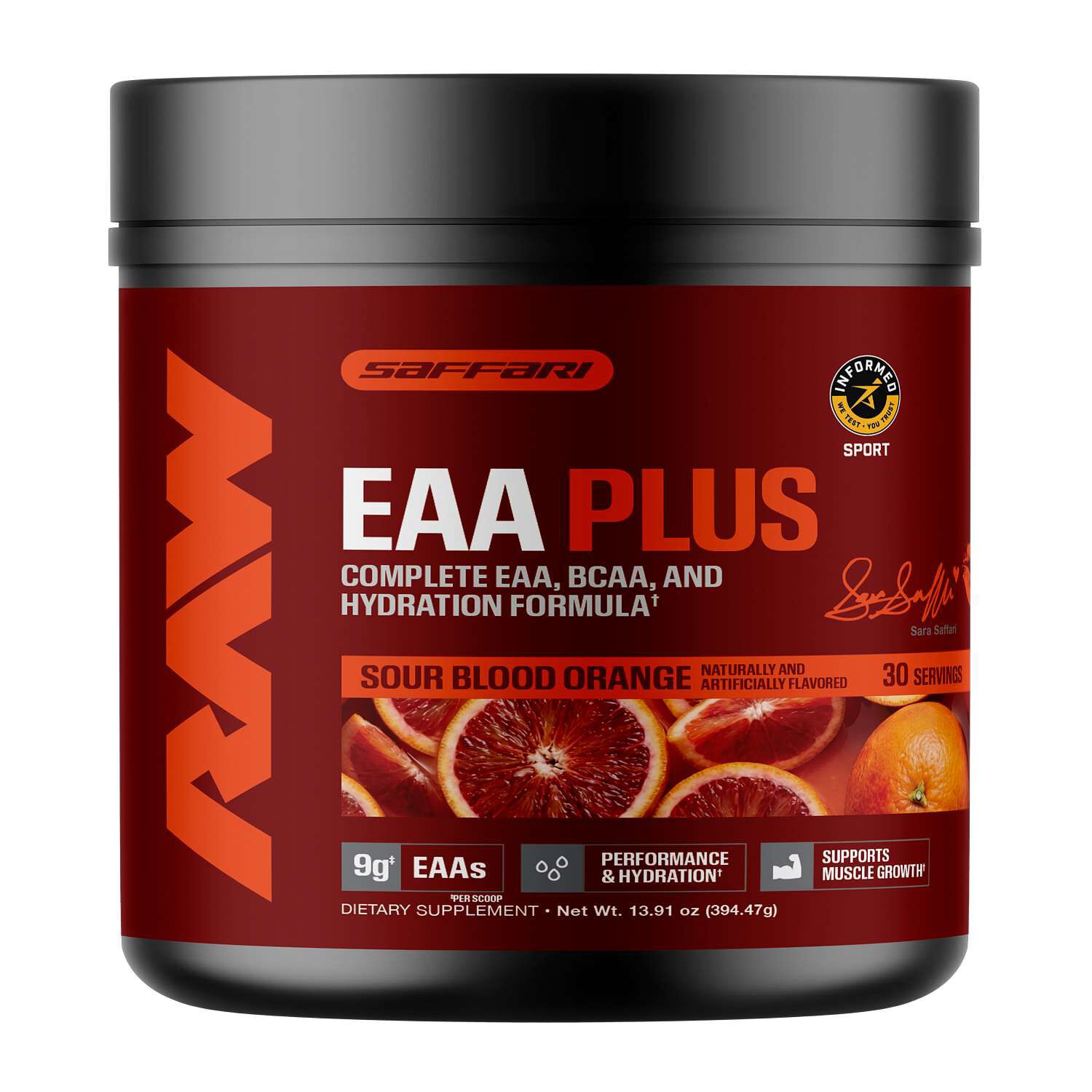
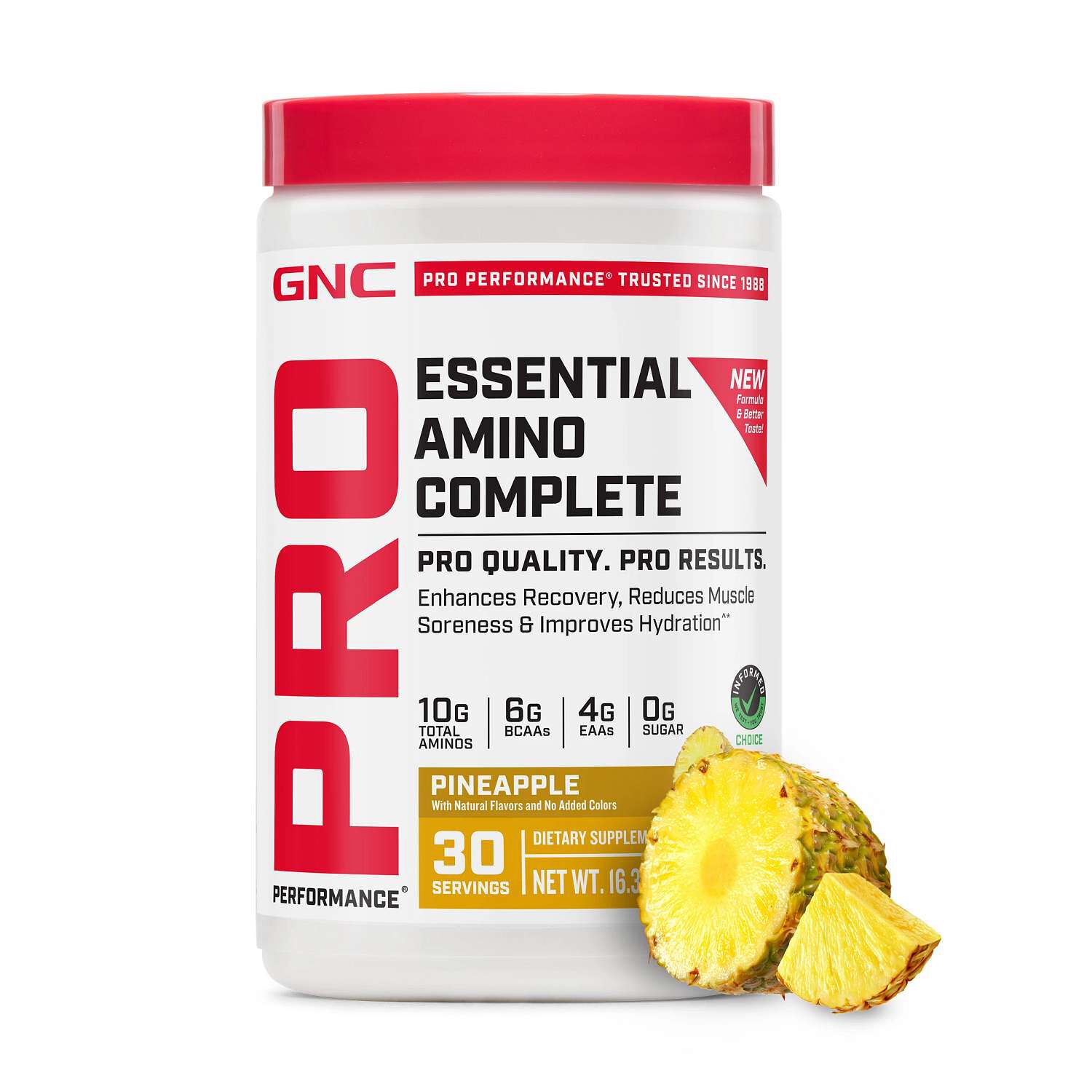
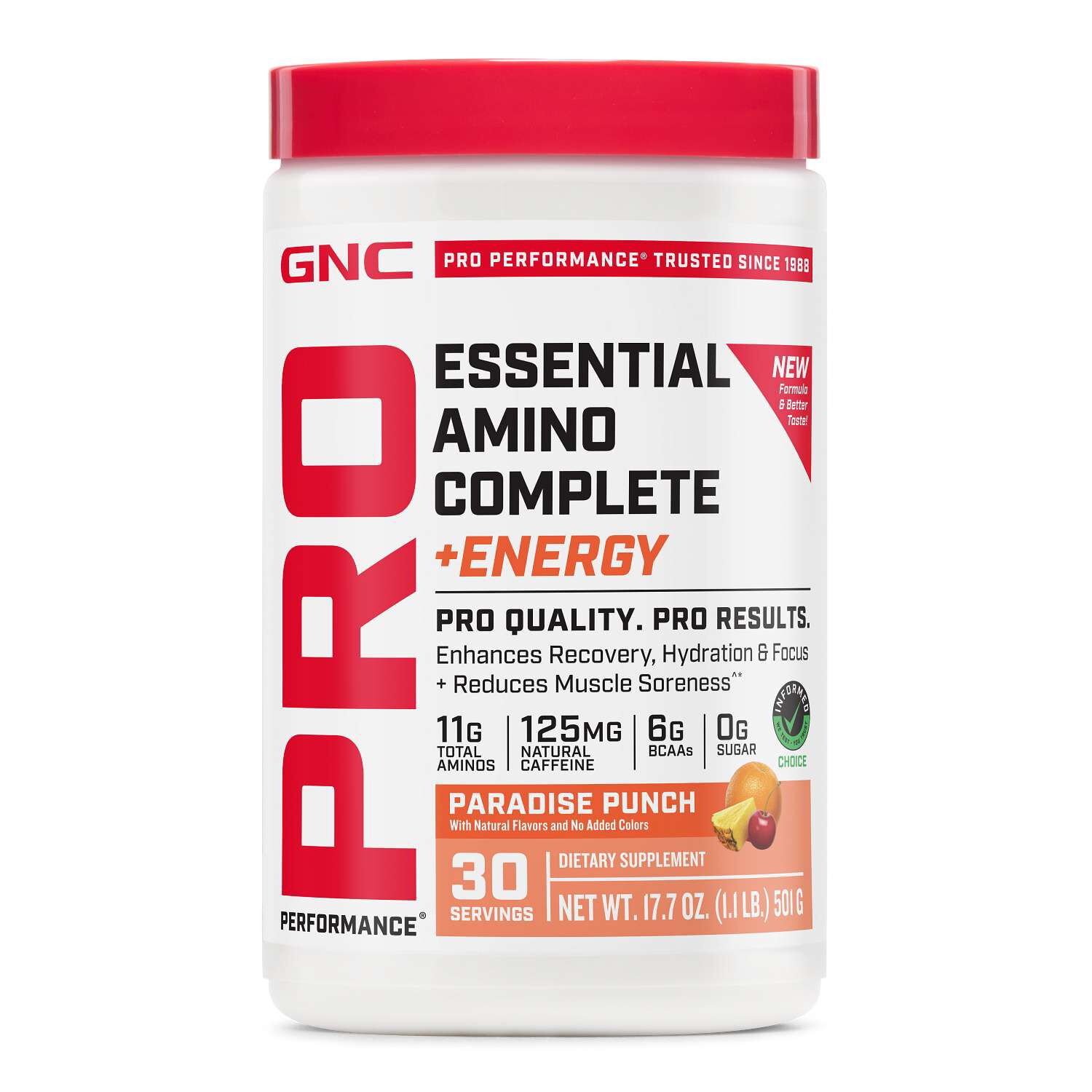
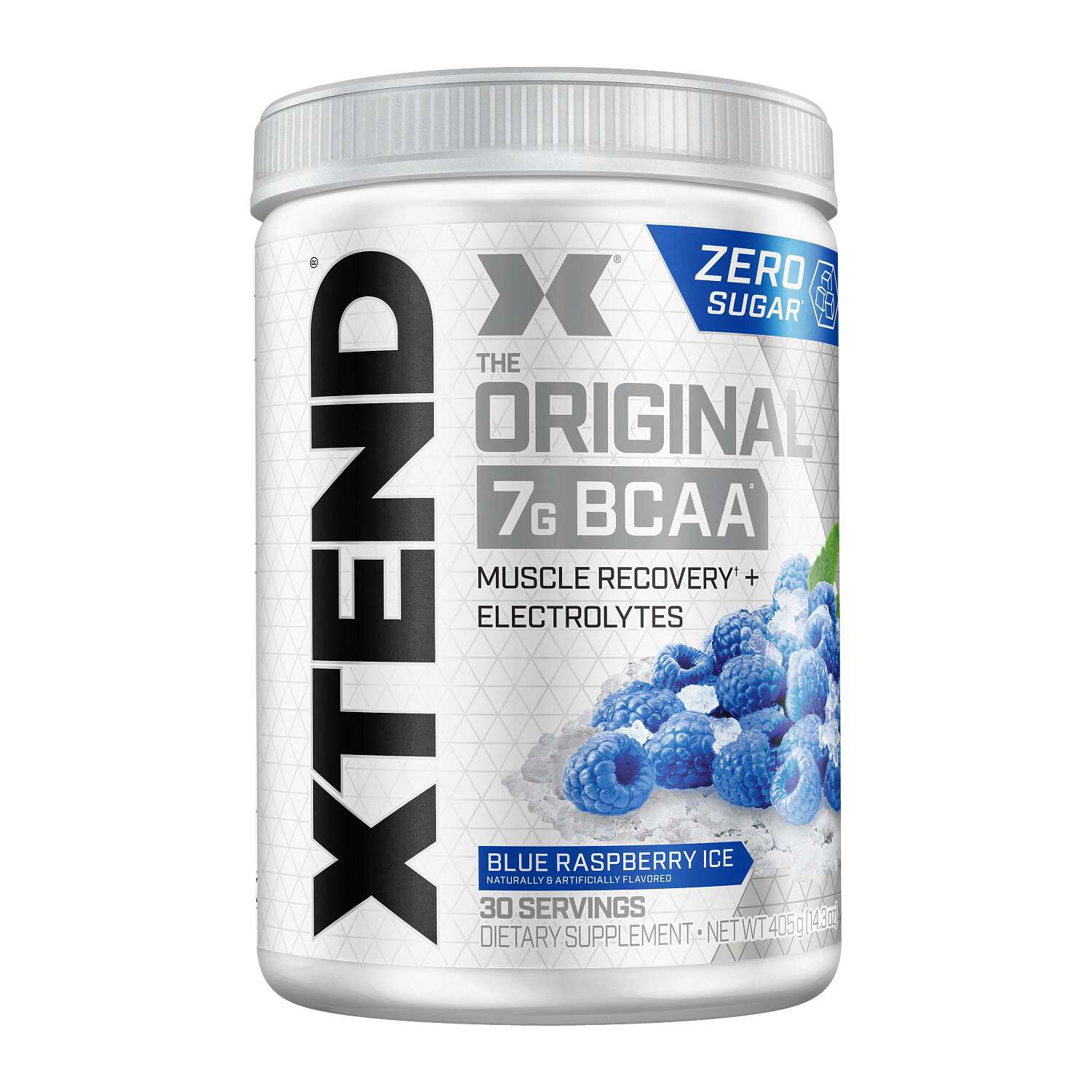
Amino acid supplements for active lifestyles include powders, capsules, tablets, and ready-to-drink options that may support exercise recovery and muscle maintenance alongside regular meals and training. Amino acids are the building blocks of proteins, including the proteins found in muscle tissue. The body makes some amino acids, while nine must come from the diet. Foods such as eggs, dairy, meat, fish, beans, and soy contribute amino acids, so supplements belong in the context of what you already eat rather than apart from it. For someone who lifts before work, runs after a long commute, or spends weekends on the trail, choosing a supplement often comes down to the formula, serving size, and how it fits into an ordinary day. Branched-chain amino acid supplements, usually labeled BCAAs, contain leucine, isoleucine, and valine. These three amino acids are part of the larger group of nine that the body needs from food. Formulas labeled EAAs generally contain all nine, while single-amino-acid supplements focus on one ingredient. Those distinctions matter when comparing containers that look similar on a shelf: a three-amino-acid blend, a nine-amino-acid blend, and an individual amino acid are different purchases, not interchangeable names for the same thing. Protein powders also supply amino acids, although their ingredients, serving sizes, and nutritional composition differ from dedicated amino acid products. If protein shakes are already part of your routine, comparing both labels may reveal ingredient overlap before you add another container to the kitchen counter. The most relevant choice is not necessarily the longest ingredient list or the largest scoop. It is a clearly labeled formula that fits your preferences, budget, and existing habits. During the cooler months, when workouts might move from outdoor routes to indoor tracks and weight rooms, those everyday details remain just as relevant as they are during a busy stretch of outdoor activity.
Comparing amino acid supplements starts with the actual amounts listed per serving. Look for the individual amino acids, their quantities, and whether the label provides those amounts separately or groups them into a blend. Some BCAA formulas display a ratio describing the relative amounts of leucine, isoleucine, and valine. That ratio does not tell you how many grams are in a serving, so it is worth reading both pieces of information rather than choosing by the front label alone. A nine-amino-acid formula offers a broader amino acid profile than a BCAA-only formula, but a broader profile does not automatically make it a better match for every shopper. Single-ingredient options take a narrower approach; shoppers comparing that category can also explore L Arginine Supplements For Active Lifestyles for products centered on that particular amino acid. Beyond the amino acid panel, check for added caffeine, sweeteners, colors, carbohydrates, and minerals. Some formulas pair amino acids with electrolytes, while others keep the ingredient list more focused. These differences can matter if you already use a pre-workout drink or prefer a straightforward formula without additional ingredients. Dietary preferences deserve the same attention: review ingredient sources, capsule materials, allergen statements, and any relevant certifications rather than assuming every powder or capsule fits a plant-based eating pattern. When available, independent testing information can offer another useful point of comparison, especially for shoppers whose sport has specific ingredient requirements. Packaging also deserves a closer look. Compare the number of servings, the amount used for each serving, and the price per serving; container size alone can be misleading. A lower-priced tub may contain fewer servings, while a larger container may take longer to use than expected. Clear directions, readable ingredient information, and practical storage requirements are useful purchase considerations, particularly if the supplement will share a crowded pantry shelf with protein powder, oatmeal, and the rest of your everyday supplies.
Format is where a promising purchase meets the details of daily life. A powder may suit someone who already carries a shaker bottle and enjoys a flavored drink around a workout. Capsules or tablets may appeal to shoppers who prefer not to mix another beverage, though the serving can involve more than one capsule or tablet. Ready-to-drink options and individual packets offer different packaging choices for gym bags, travel, and days away from home. Check package dimensions and storage directions before assuming a product belongs in the car or an outdoor bag. Flavor is another practical consideration that is easy to overlook when comparing amino acid amounts. A bright fruit flavor might sound appealing after a warm indoor cycling session, while a milder option may better suit someone who dislikes strongly sweet drinks. An unflavored powder is not necessarily tasteless, and mixing directions can affect the drinking experience. When trying a different format or flavor, a smaller package can be a more manageable purchase than a large supply. These products may interest recreational lifters, runners, cyclists, team-sport participants, and people building a consistent fitness routine, but the activity alone does not establish a need for a supplement. Their potential role depends partly on the rest of the eating and exercise routine; they do not replace varied meals, rest, or thoughtful training. Usage directions also differ among formulas, so follow the specific product label rather than borrowing a serving size or schedule from another container. For gift shopping, amino acid supplements make the most sense when the recipient has already expressed an interest and you know their preferred ingredients, format, and flavor. The friend who keeps a shaker beside their work bag may have very different preferences from the runner who packs lightly for an early start. Whether shopping for yourself or someone familiar, those small, concrete details can make the selection feel more personal and better matched to an active lifestyle.