L Citrulline Supplements For Active Lifestyles
(0 Results)
L cittrulline supplements for active lifestyles could be a valuable addition to your daily routine, especially if you’re looking to support your fitness goals. Designed with active individuals in mind, these supplements may fit seamlessly into a variety of wellness and training regimens. Explore options that might align with your needs and help you stay on track as you pursue an energetic, balanced lifestyle.
-

-
-

-
-

-
-

-
-
-

-
-
-

-

-

-
-
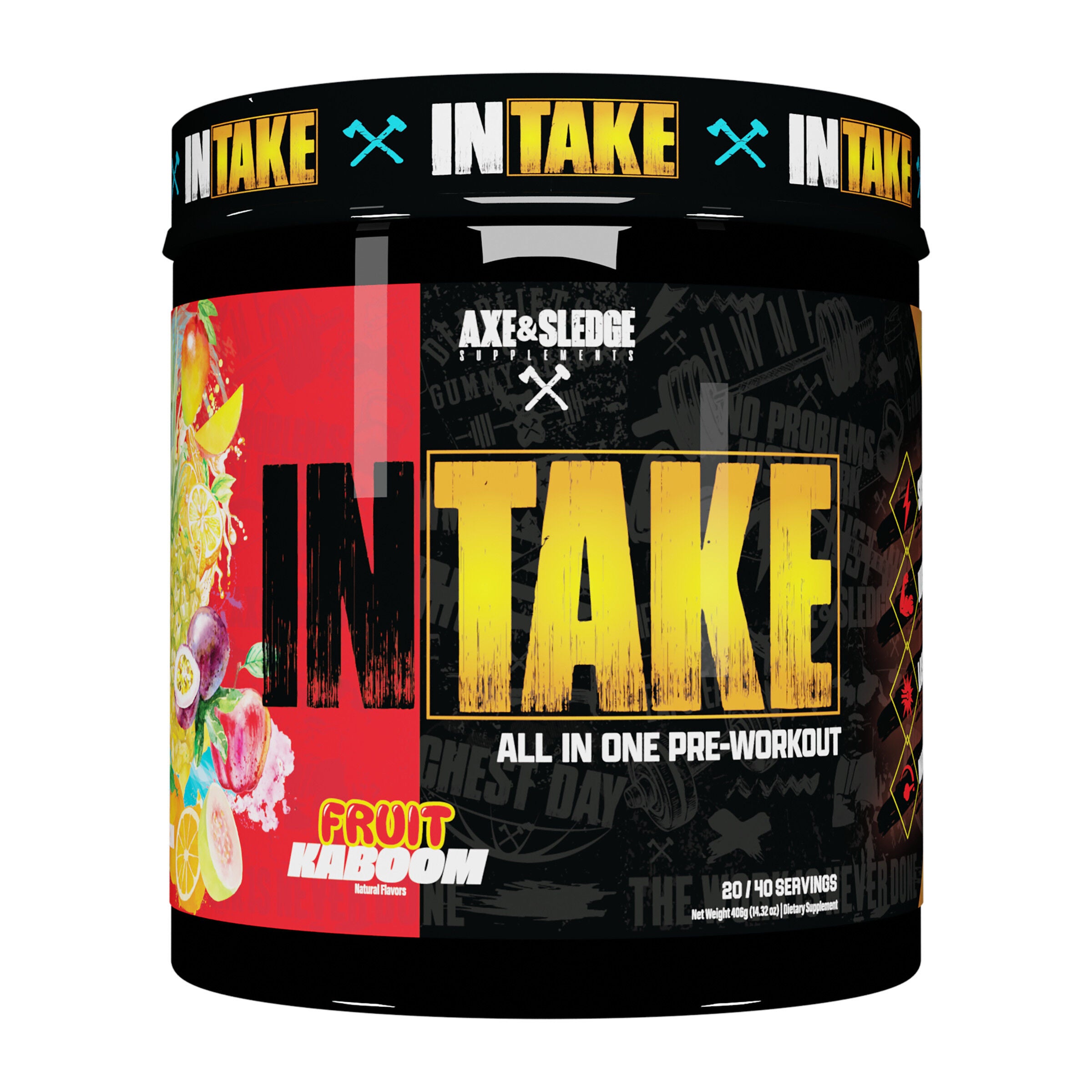
 Axe & Sledge Supplements20$49.99
-
-

-

-

-
-


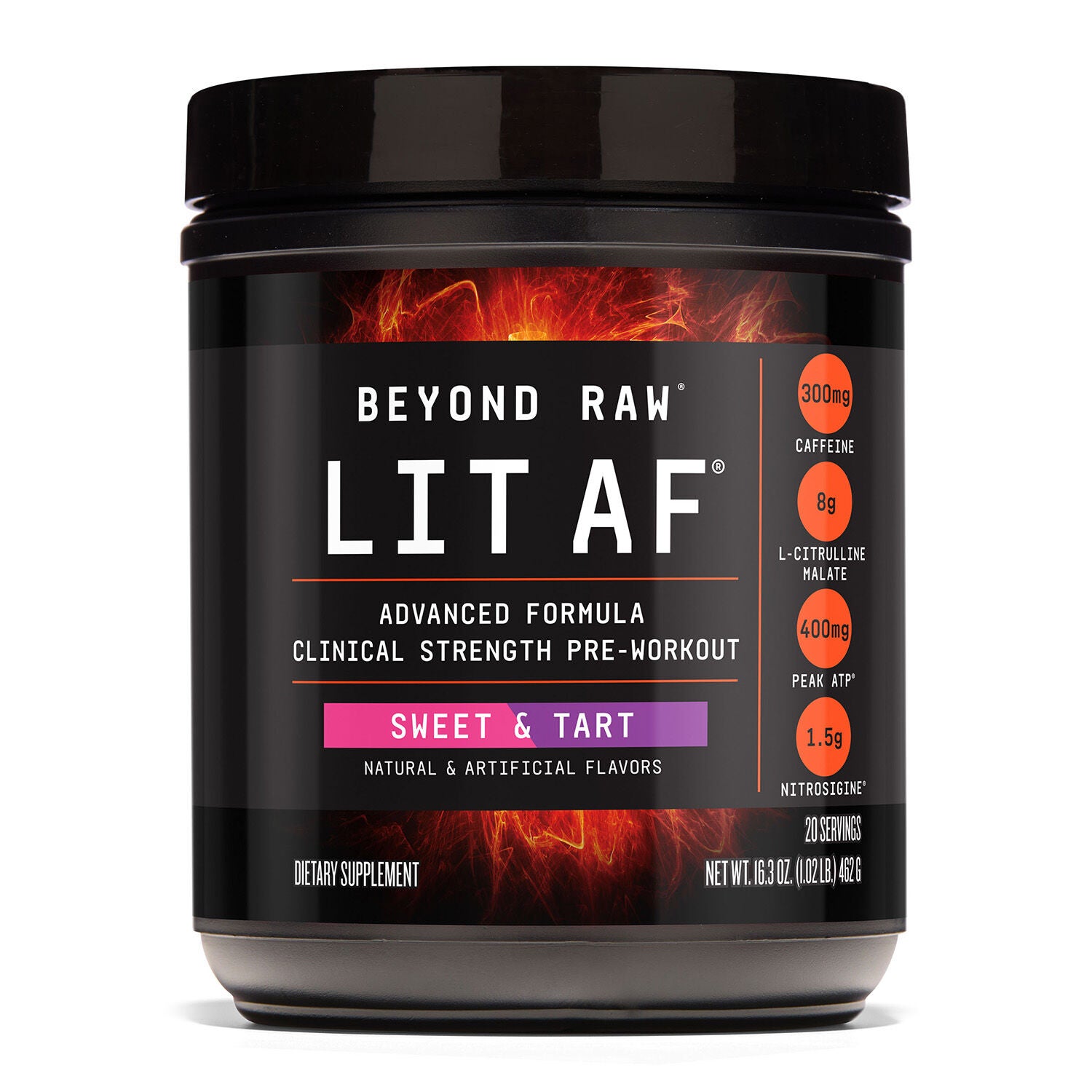
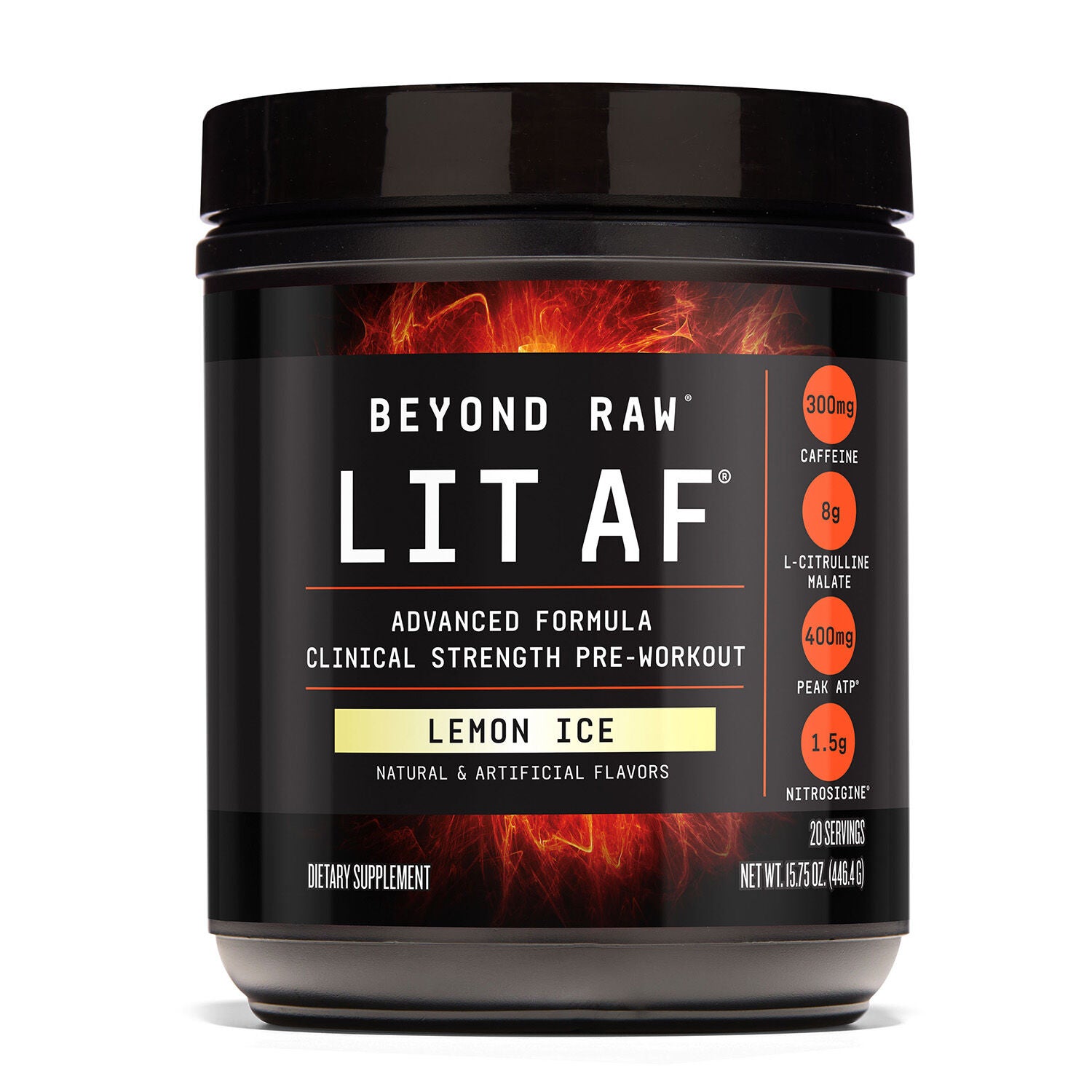
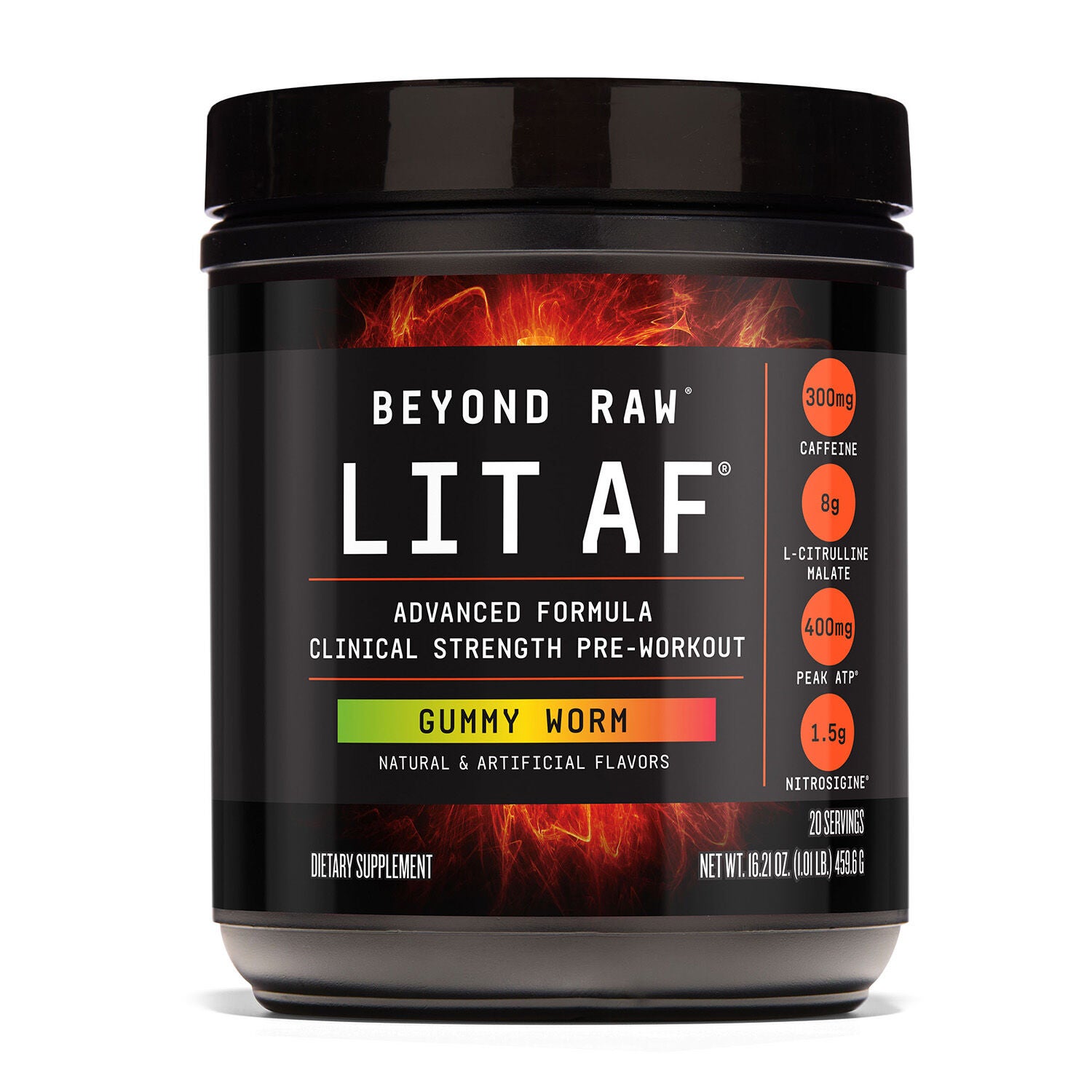
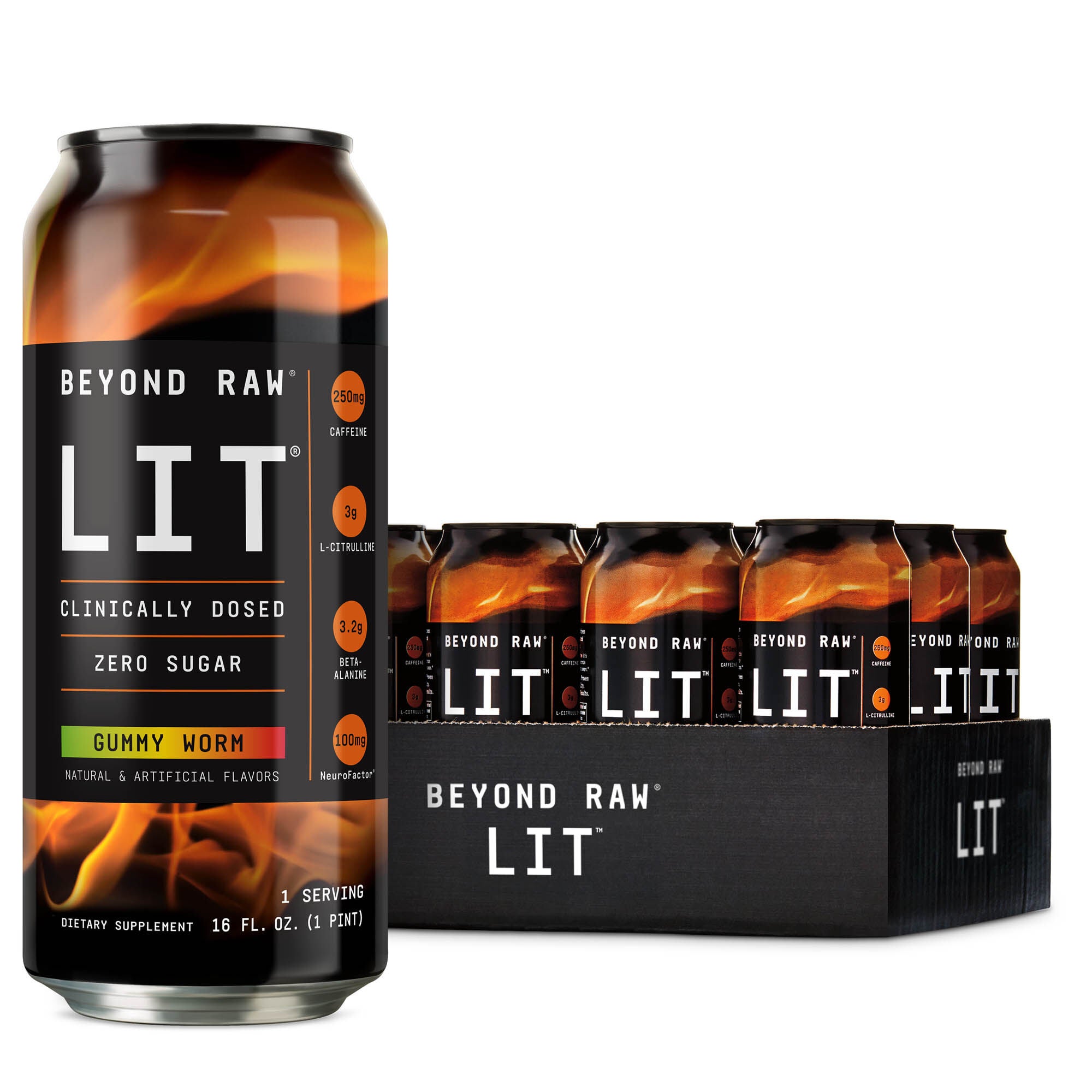
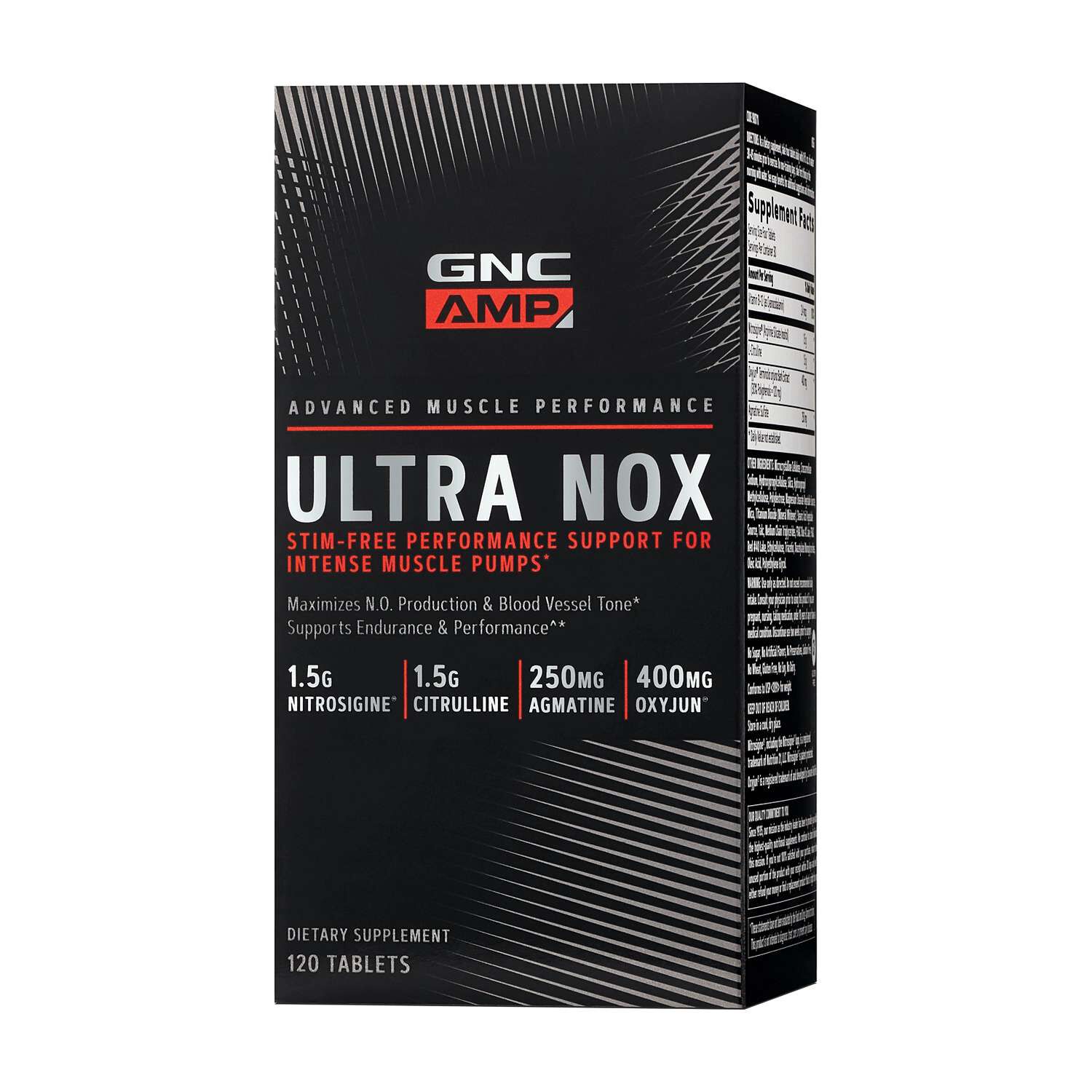
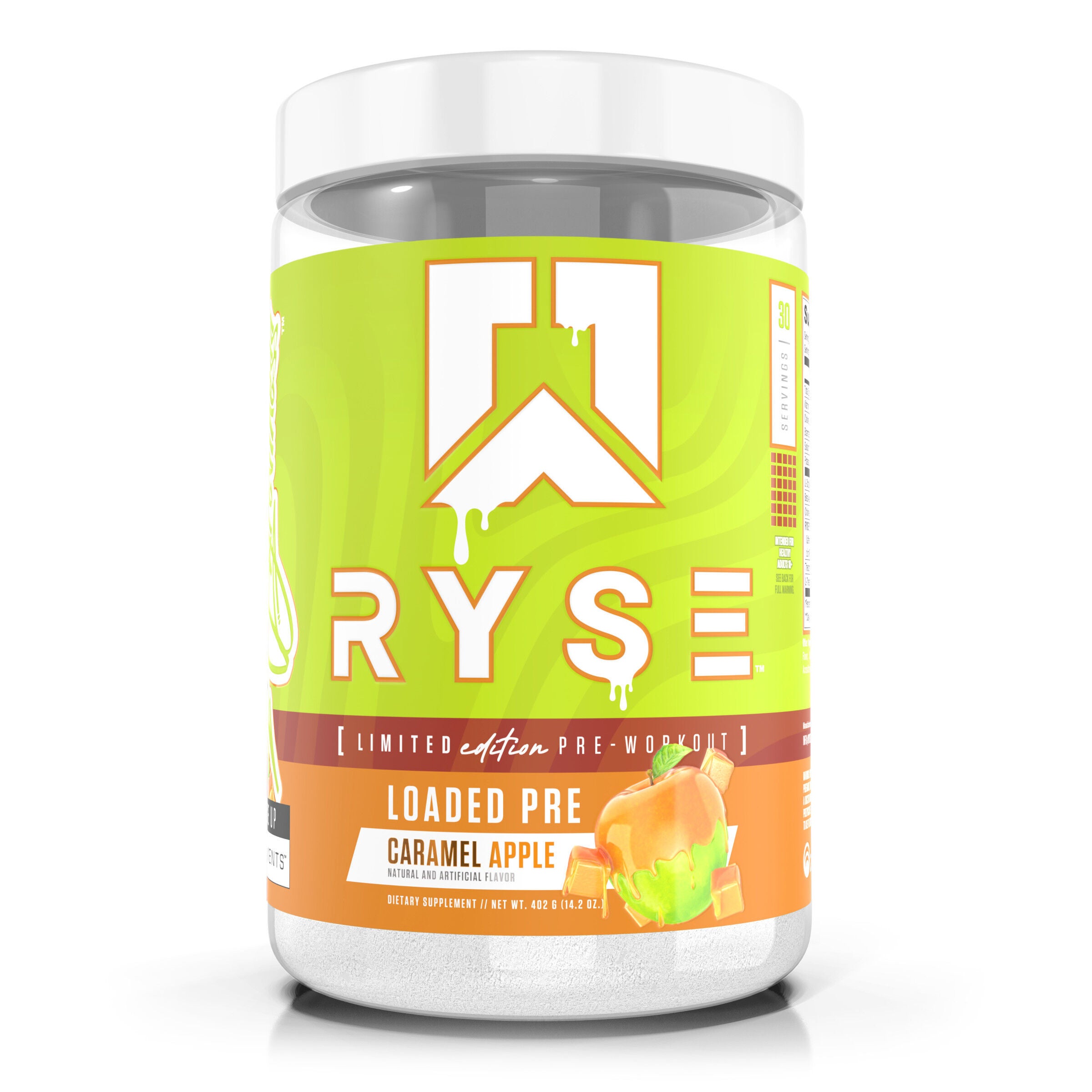
L-citrulline supplements for active lifestyles span single-ingredient powders, capsules, and workout blends suited to different preferences and training routines. L-citrulline is an amino acid that the body naturally makes and that also occurs in foods such as watermelon. In the body, it is converted to L-arginine, another amino acid involved in nitric oxide production. This background helps explain why citrulline appears in exercise-focused supplements, particularly formulas intended for use around strength training, cycling, running, and other sustained activity. L-citrulline supplementation may support exercise performance and endurance, though individual experiences can vary. For shoppers, the practical distinction often starts with the formula itself: a single-ingredient option centers on citrulline, while a multi-ingredient formula brings together several ingredients with different purposes. Those differences matter whether a routine involves steady miles on a stationary bike, several sets at the squat rack, or a circuit that moves between rowing and resistance exercises. Some shoppers prefer a simple formula that fits alongside an established nutrition routine; others look for citrulline within a broader workout supplement. Neither format replaces meals, hydration, rest, or consistent training. The most useful comparison is between the actual contents and serving information rather than the size of the container or the imagery on its label. A prominent citrulline reference on the front of a package does not necessarily describe how much appears in each serving, especially in a blend. Reading the ingredient list and Supplement Facts panel gives a clearer picture of the formula’s composition. Serving directions and suggested timing also vary, so one product’s instructions should not be assumed to apply to another. For an active adult with a familiar workout schedule, these details provide practical context for choosing a format that fits the routine without treating every training session as a reason to add more ingredients. A straightforward comparison can keep the focus on composition, serving size, and intended use rather than dramatic descriptions of expected results.
Powders and capsules offer distinctly different experiences, even when both list L-citrulline as the featured ingredient. A powder involves measuring the labeled serving and mixing it with a beverage, which suits shoppers who already prepare a drink before heading to the gym. Flavor, sweetness, texture, and mixing directions can all influence that experience. An unflavored powder may appeal to someone who prefers a familiar beverage, although unflavored does not necessarily mean that an ingredient has no taste. Flavored options introduce another consideration: the sweeteners, colors, and other ingredients listed alongside citrulline. Capsules offer a measured format without a mixing step, but the number of capsules in a serving deserves attention. One capsule is not automatically one serving, and a bottle’s capsule count is different from its serving count. Capsule shells may contain gelatin or plant-derived materials, making the ingredient list relevant for shoppers with dietary preferences. Citrulline malate is another distinction worth recognizing. It combines citrulline with malate, a form of malic acid, and is not the same formulation as L-citrulline alone. Ratios displayed on citrulline malate labels describe the relationship between the components; the weight of that combination should not automatically be read as the amount of L-citrulline it contains. These differences make clear labeling especially useful when comparing formats. For example, someone who packs a shaker bottle, lifting shoes, and a change of clothes before work may prefer the familiar preparation involved with powder. Someone who wants fewer accessories in a gym bag may favor capsules. Neither preference establishes which formula is appropriate for every person. A measured scoop, capsule serving, or blended formula should be understood according to its own package directions. In multi-ingredient products, checking for caffeine and other overlapping ingredients is also part of understanding what the formula contains. Citrrulline itself should not be mistaken for caffeine simply because it appears in a pre-workout blend. The distinction between an amino acid and the other components of a formula keeps comparisons grounded in ingredients rather than broad category names.
The everyday details of storing and carrying L-citrulline supplements are part of their fit for an active lifestyle. A powder container needs a secure lid and storage consistent with its label, while capsules also belong in their original, properly closed packaging. Moisture from a damp scoop, an open shaker, or a wet gym towel can make handling less practical, so a clean, dry measuring utensil and a separate place for the container are sensible considerations. Keeping the original label intact preserves access to serving directions, ingredients, and date information. Package dimensions matter, too: a container that sits neatly beside a shaker on a kitchen shelf may be less convenient in a small training bag. For someone who exercises before an early work shift, preparation might mean keeping the chosen format with the rest of the workout supplies rather than searching through several containers on the way out. For a recreational runner or cyclist, it may mean selecting a format that suits the established routine while leaving attention on the activity itself. The same practical approach applies when comparing citrulline with other amino acid supplements. Shoppers exploring a separate category can also browse L Carnitine Supplements For Active Lifestyles; L-carnitine and L-citrulline are different ingredients and should not be treated as interchangeable because their names sound similar. Across these categories, ingredient identity, serving information, and intended use provide a more meaningful basis for comparison than a shared association with fitness. Choosing among L-citrulline supplements ultimately involves both the formula and the small habits surrounding it: whether preparation happens at home, whether flavor matters, how much room is in the bag, and how clearly the label describes each serving. Those concrete details keep the selection connected to everyday training rather than an imagined routine built around the supplement itself.