

L Carnitine Supplements For Active Lifestyles
(0 Results)
L carnitine supplements for active lifestyles could be a valuable addition to your wellness routine, especially if you’re seeking support for your fitness journey. Designed with active individuals in mind, these supplements may complement your daily regimen and help you stay on track with your goals. Whether you’re hitting the gym, training for an event, or simply looking to maintain a balanced lifestyle, l carnitine supplements for active lifestyles might be the boost you need to keep moving forward.
-

-
-

-

-
-

-
-

-
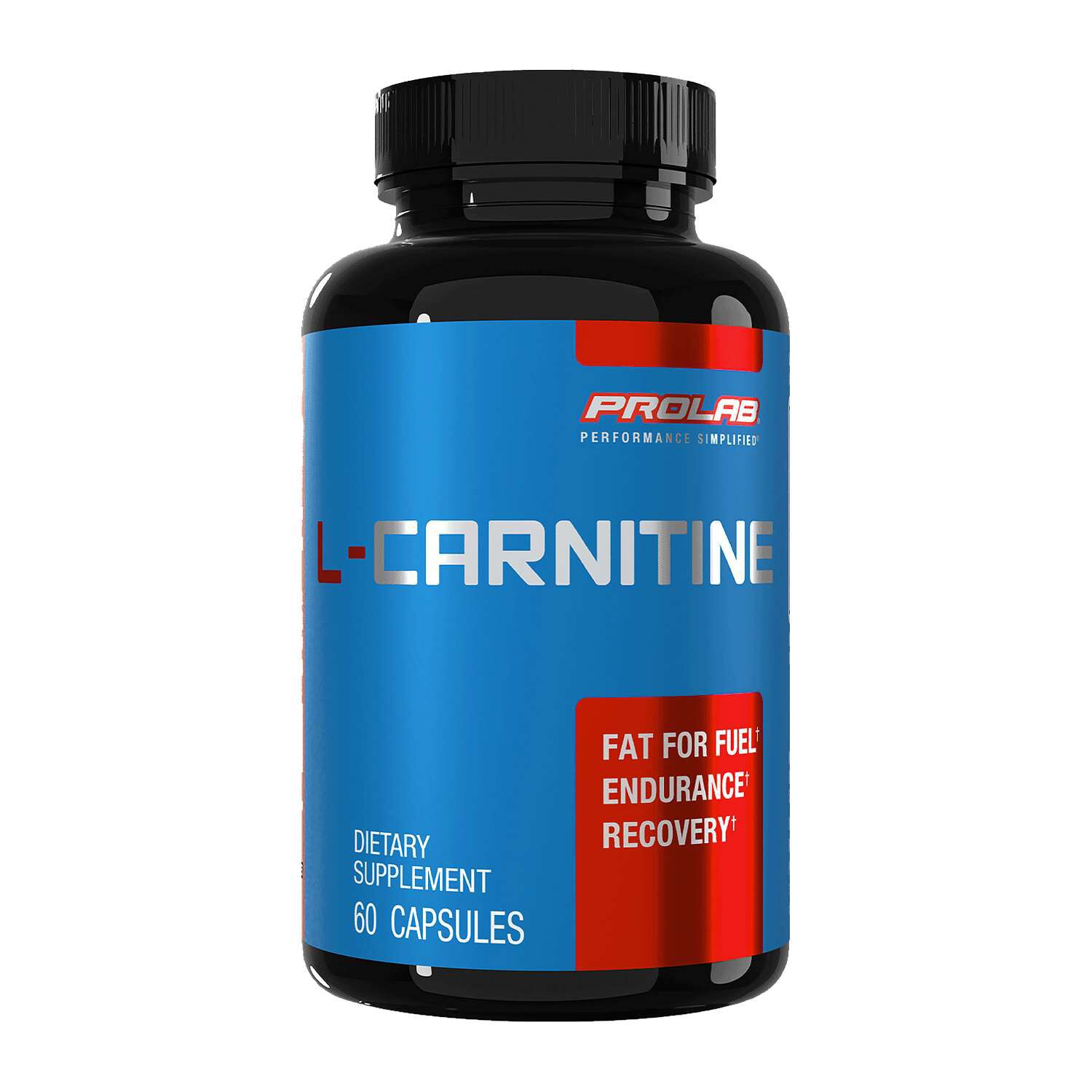 $19.99
 -

-

-

-
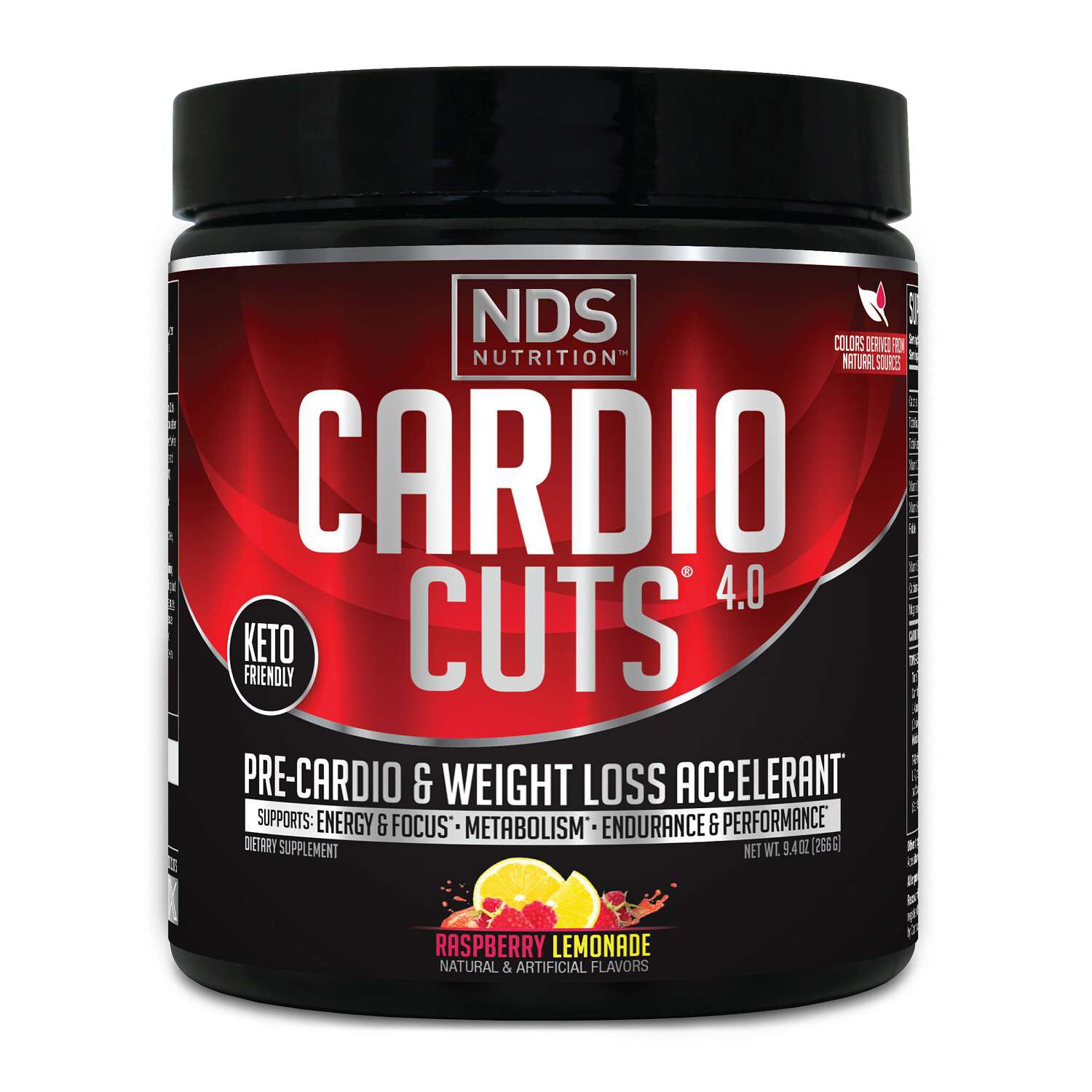 NDS Nutrition$69.99
 -

-

-

-

-
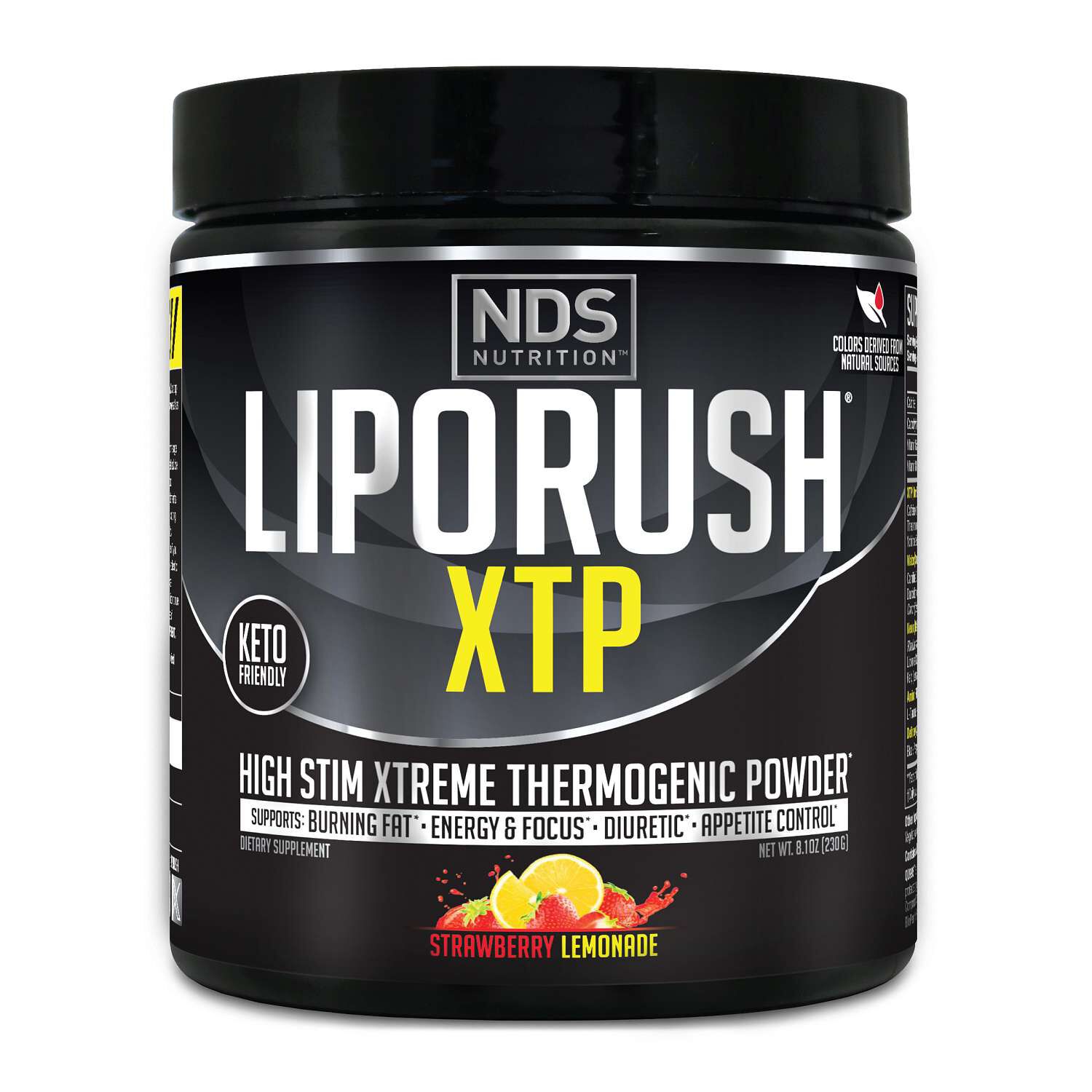 NDS Nutrition$69.99
 -
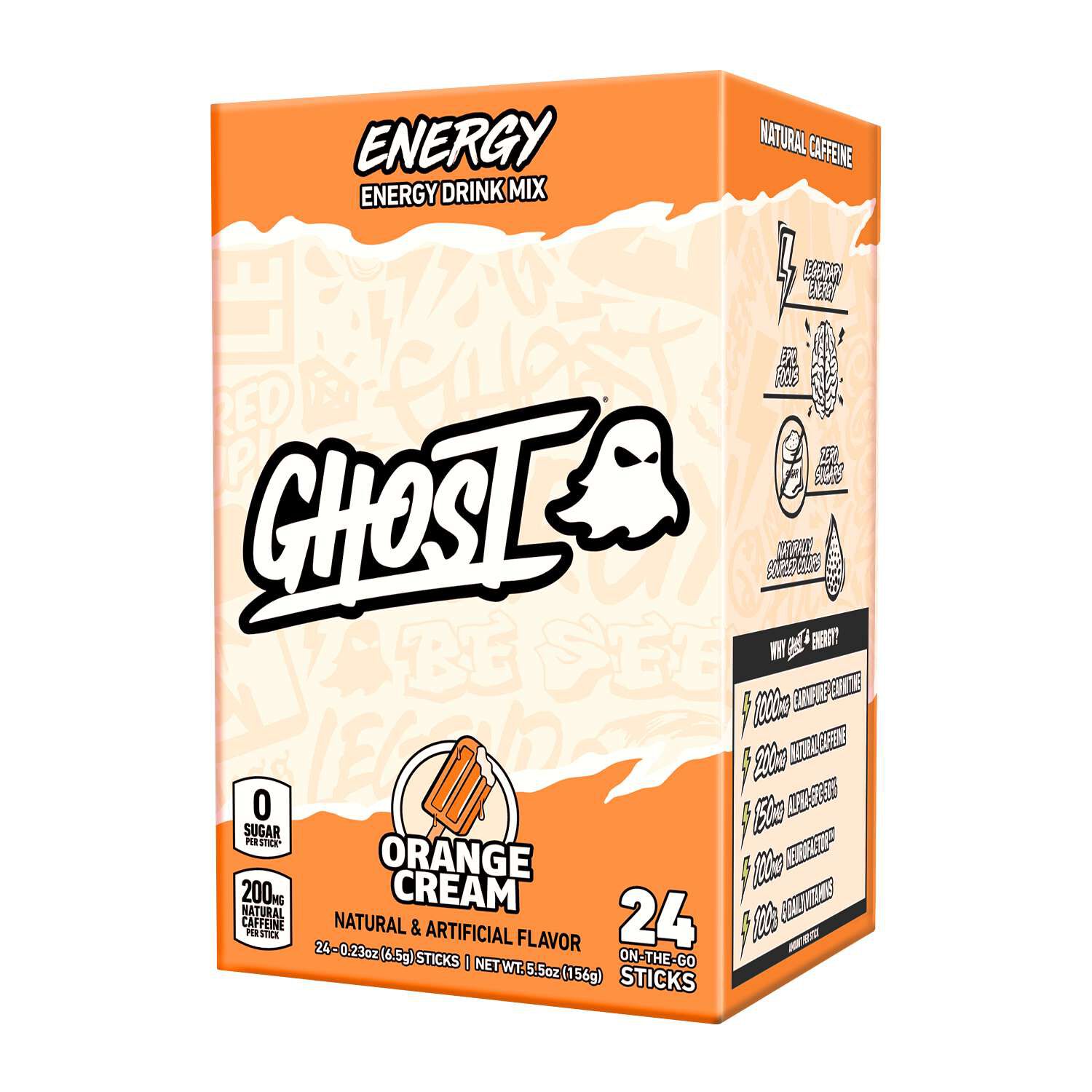 $29.99
 -
 $29.99
 -
-
 $29.99
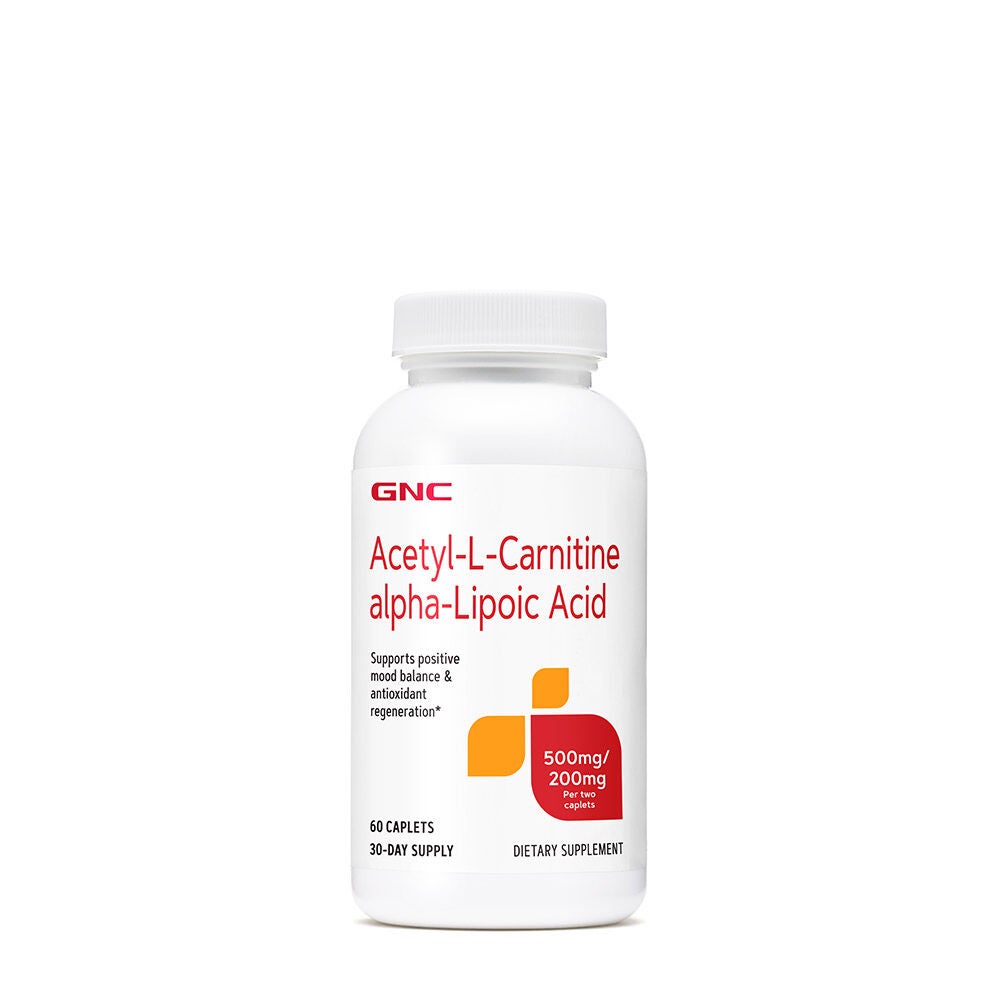

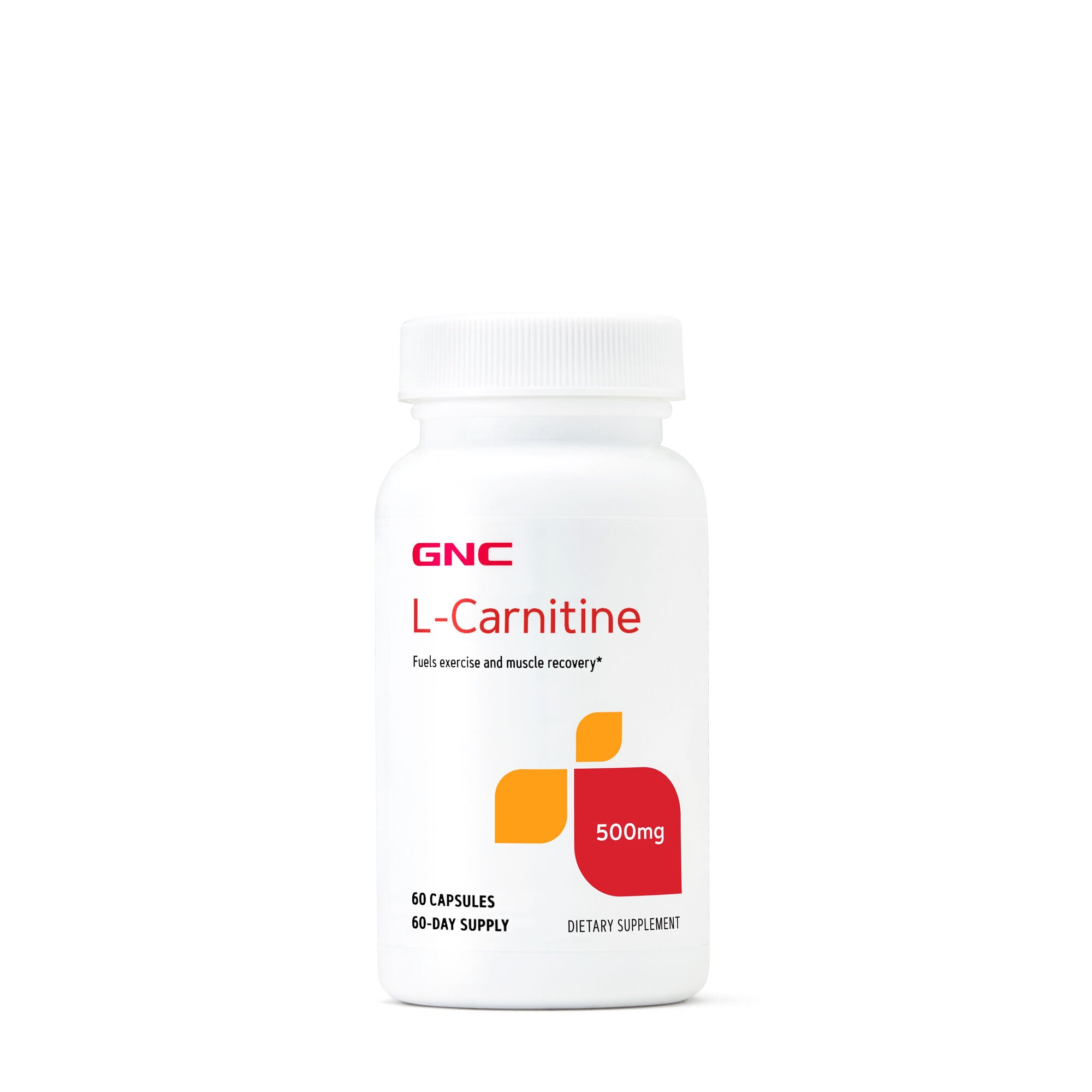
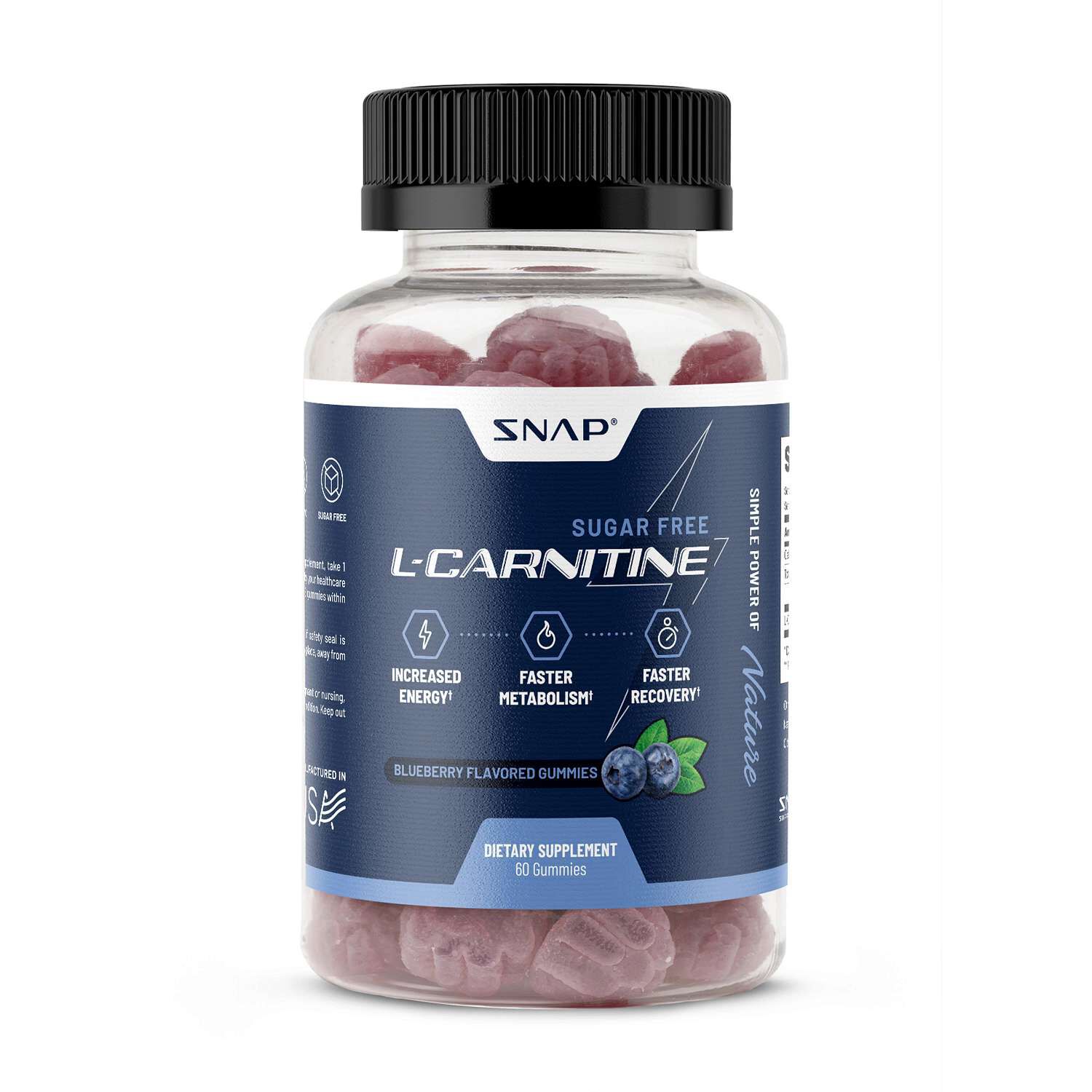
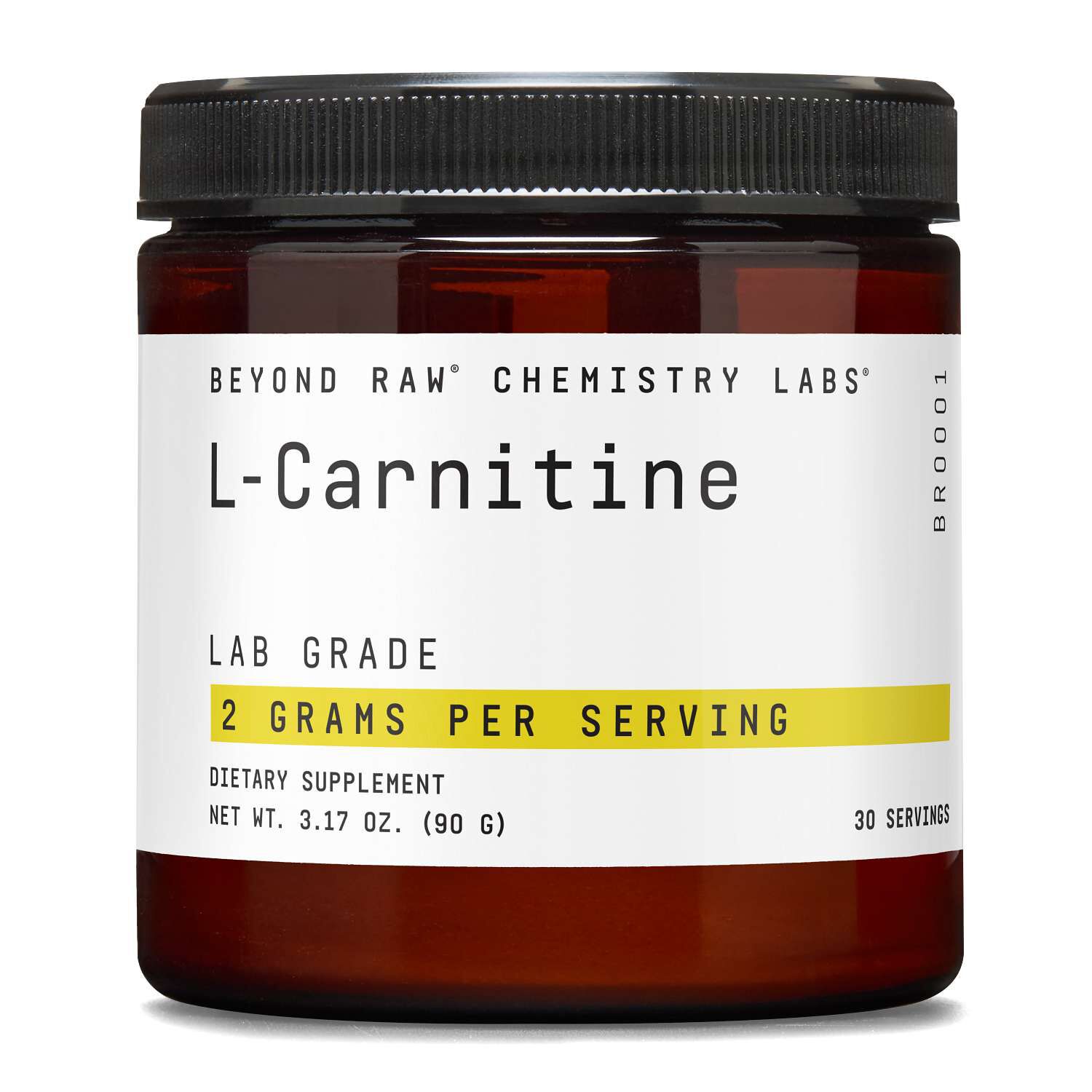
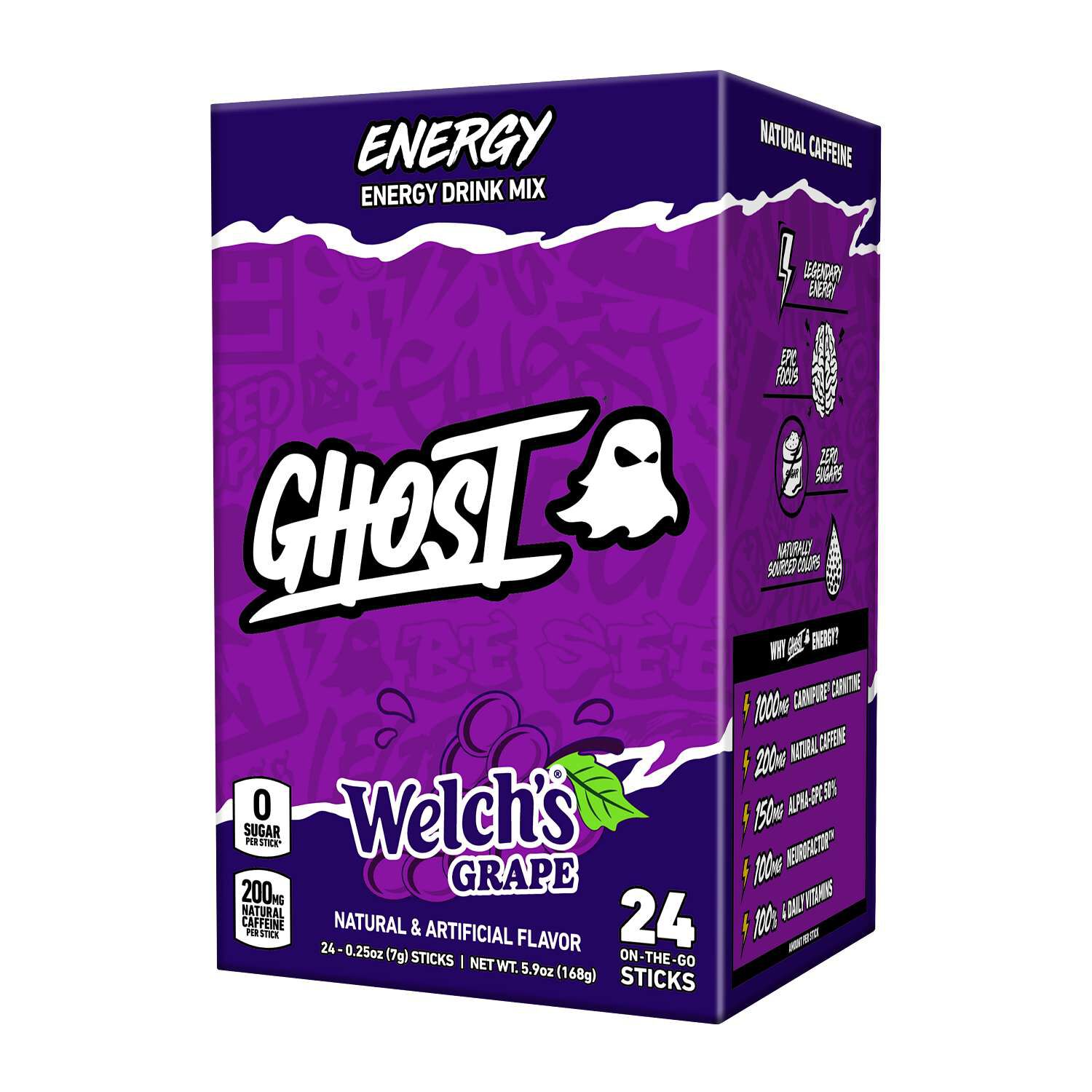
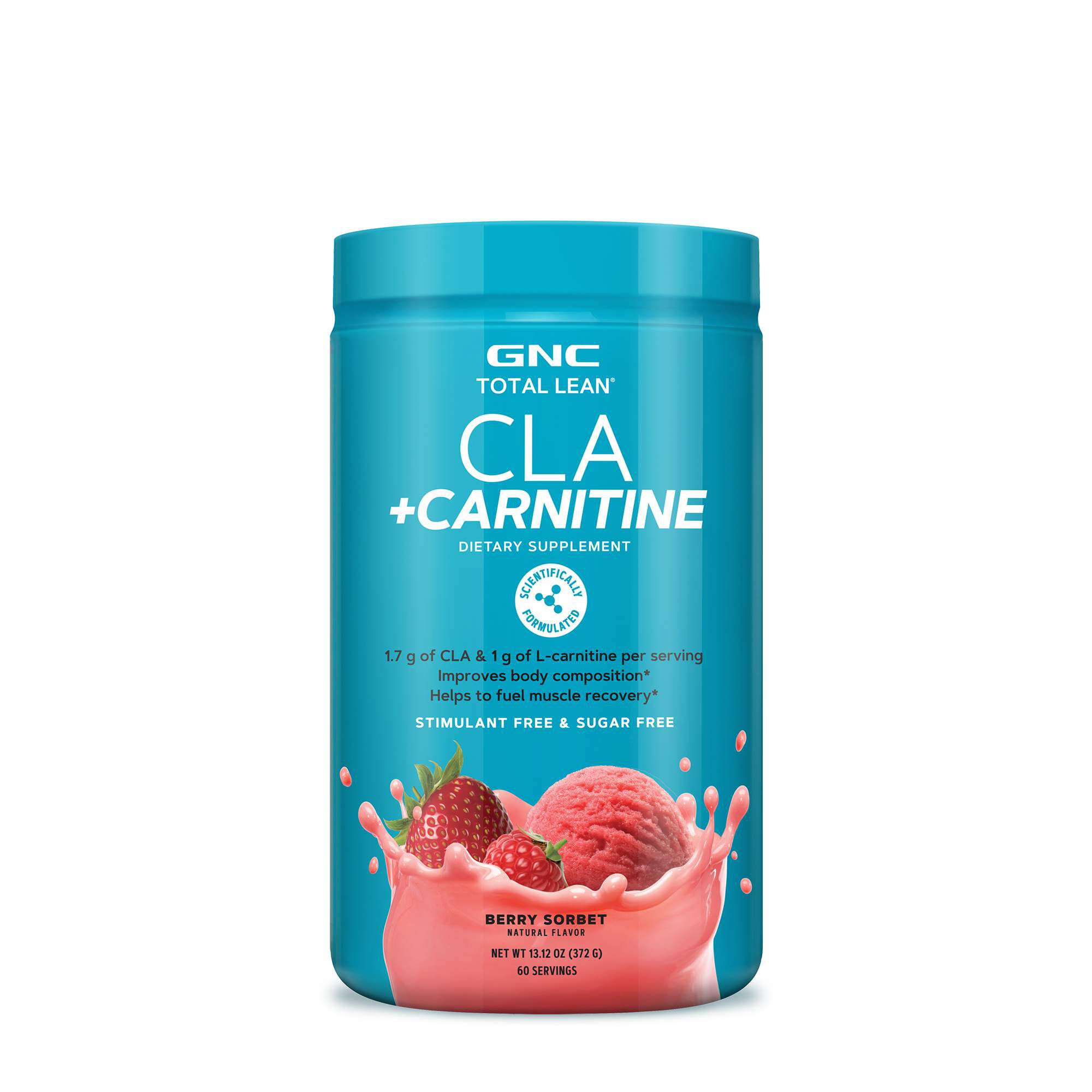
L-carnitine supplements for active lifestyles bring a familiar sports nutrition ingredient into routines that can look very different from one person to the next: early strength sessions, lunchtime walks, evening cycling classes, or long weekend hikes. L-carnitine is a compound the body makes naturally and also obtains from foods, including meat and dairy. Its biological role involves moving long-chain fatty acids into mitochondria, the structures within cells where energy is produced. That role provides context for its place in sports nutrition, but it does not mean taking a supplement automatically changes body composition or makes a workout feel easier. Supplemental L-carnitine may complement a nutrition routine built around regular movement, balanced meals, adequate rest, and hydration. Within this category, ingredient names deserve attention because similarly named forms are not identical. Standard L-carnitine, acetyl L-carnitine, and L-carnitine L-tartrate have distinct chemical compositions. Acetyl L-carnitine includes an acetyl group, while L-carnitine L-tartrate combines L-carnitine with tartaric acid. These distinctions identify the ingredient; they are not a ranking of which option belongs in every gym bag. The Supplement Facts panel provides a more useful starting point than an athletic image on the front of a container. Look at the stated form, the amount per serving, and whether L-carnitine appears alone or alongside other ingredients. A formula centered on one ingredient may suit someone who prefers a straightforward nutrition routine, while a blend calls for a closer look at each component. Runners, recreational lifters, cyclists, and people returning to a regular activity schedule may all explore this category, though an active lifestyle does not create an automatic need for supplementation. The most practical comparison begins with the actual label and the realities of the day, whether that means packing for a morning commute or keeping a small, organized shelf beside the breakfast dishes.
Format is another meaningful distinction when comparing L-carnitine supplements. Capsules and tablets have a fixed amount per unit, but a labeled serving can include more than one capsule or tablet. Capsule shell materials also vary, with gelatin and plant-derived materials among the possibilities, so the ingredient list matters for shoppers with dietary preferences. Liquids require attention to the amount measured for each serving, along with any directions for shaking or refrigeration. Powders introduce another set of details: scoop size, mixing directions, recommended beverage volume, and the presence of flavoring or sweetening ingredients. An unflavored powder is not necessarily without taste, and a flavored liquid may have a sweetness or texture that becomes more noticeable with repeated use. For someone who heads straight from home to the gym and then to work, a capsule format may fit more neatly into a packed morning. Someone who already prepares a drink at home may prefer the measuring and mixing involved with a powder or liquid. Neither preference establishes a difference in results; it simply reflects how the format fits the setting. Compare amounts on the same basis rather than assuming a larger scoop, bottle, or tablet means a larger serving of L-carnitine. The number on the front label may describe an ingredient amount differently from the serving information, making the full panel worth reading. Other ingredients can include capsule materials, binders, flavorings, colors, and sweeteners. Allergen statements and dietary designations add context beyond the main ingredient name. For athletes who participate in organized competition, third-party sport certification may also be a relevant selection criterion, with the exact certification checked on the label. These concrete details make category comparisons more useful than broad fitness language. A clearly labeled formula, an appropriate format, and understandable preparation directions may make the purchase a better practical fit for the person using it.
Intended use and everyday care deserve as much attention as format. L-carnitine supplements belong within a broader nutrition routine rather than in place of a meal, a source of dietary protein, or a well-planned training schedule. Label directions establish the serving and preparation instructions for the particular formula; there is no single timing pattern to infer from the category name alone. A capsule taken according to its label involves different handling from a powder that needs mixing or a liquid measured into a serving cup. Storage instructions matter, too, especially when a container travels between a kitchen, a locker, and a gym bag. Keep closures secure, use a dry scoop for powders, and follow the stated temperature and refrigeration directions. A car parked outside or a damp changing area may not match those conditions. Original packaging keeps the ingredient information, directions, date markings, and lot information together, which is useful when several similar containers share a shelf. During the cooler months, when outdoor workouts may shift indoors and bags fill with an extra layer of clothing, container size and a secure lid become particularly practical considerations. A large tub may make sense on a home shelf, while a smaller container may be easier to organize alongside a shaker and training clothes. Supplements are also personal purchases: taste, ingredient preferences, serving format, and an existing routine all influence whether a selection feels appropriate. As a gift, this category is better suited to someone who has specifically requested it than to an assumption based on their interest in fitness. Shoppers comparing neighboring sports nutrition categories can also explore L Citrulline Supplements For Active Lifestyles, recognizing that L-citrulline and L-carnitine are different ingredients rather than interchangeable names. Across those comparisons, the most useful details remain tangible: what the formula contains, how a serving is measured, what preparation it requires, and how it fits into an ordinary day. Those details keep the focus on thoughtful selection rather than ambitious expectations attached to a label.