

Amino Acid Supplements With Huperzia
(0 Results)
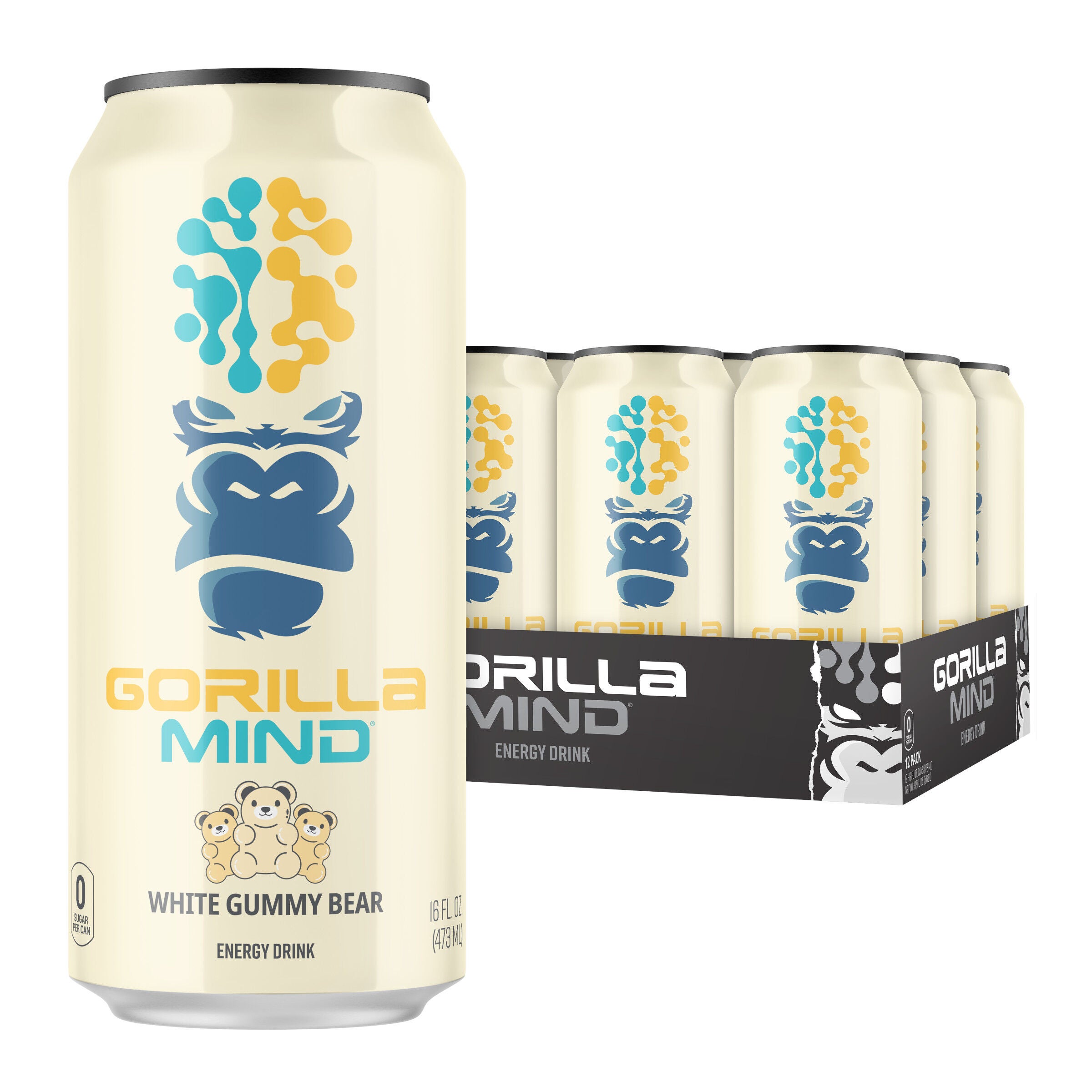
Amino acid supplements with huperzia may appeal to those seeking unique combinations to support their wellness goals. These formulas bring together amino acids and huperzia, a plant extract that has been traditionally used in various wellness practices. Explore a range of options designed for individuals who want to incorporate both amino acids and huperzia into their daily routine. Find the right fit for your lifestyle with amino acid supplements with huperzia.
-
-

-
-
-
-
 $59.99
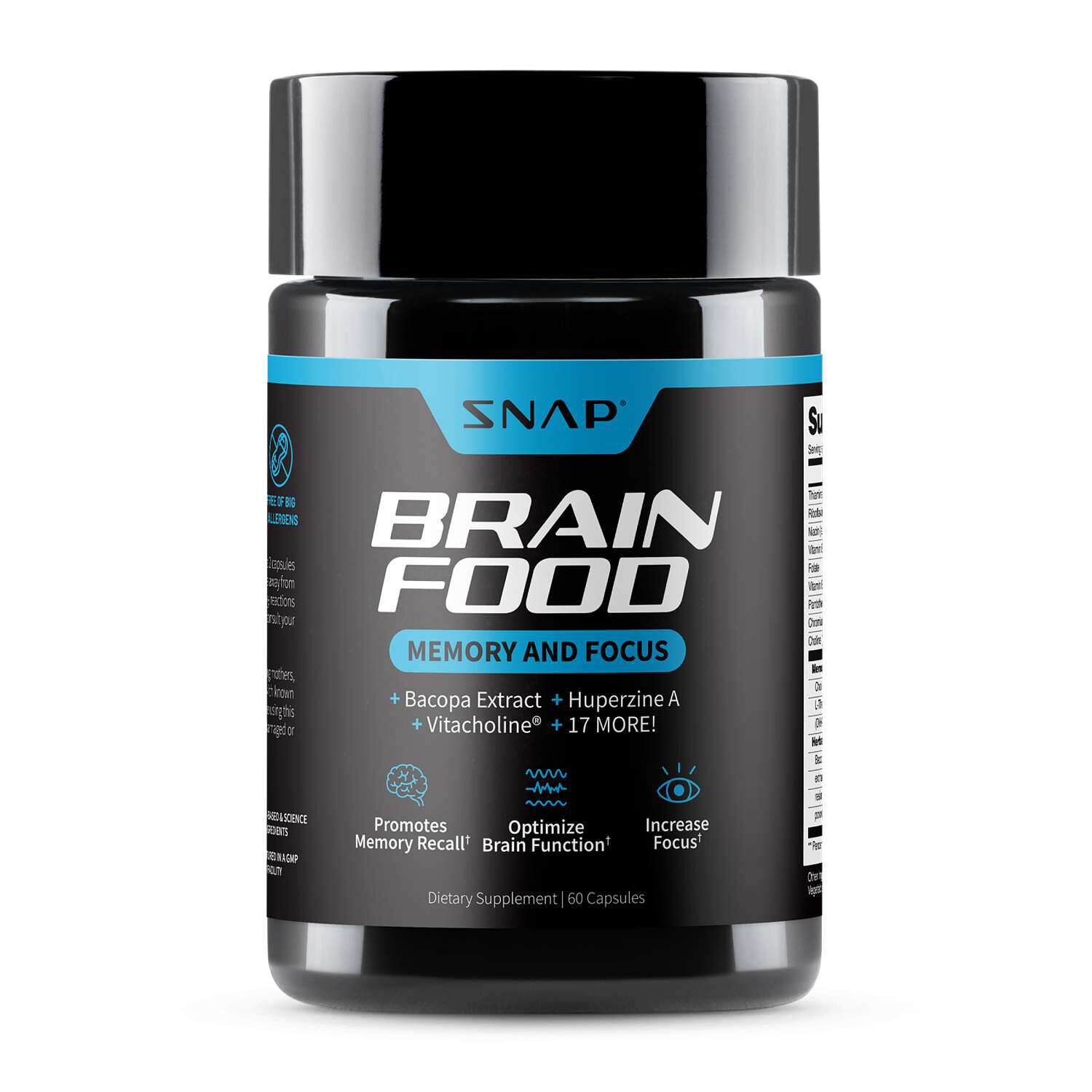
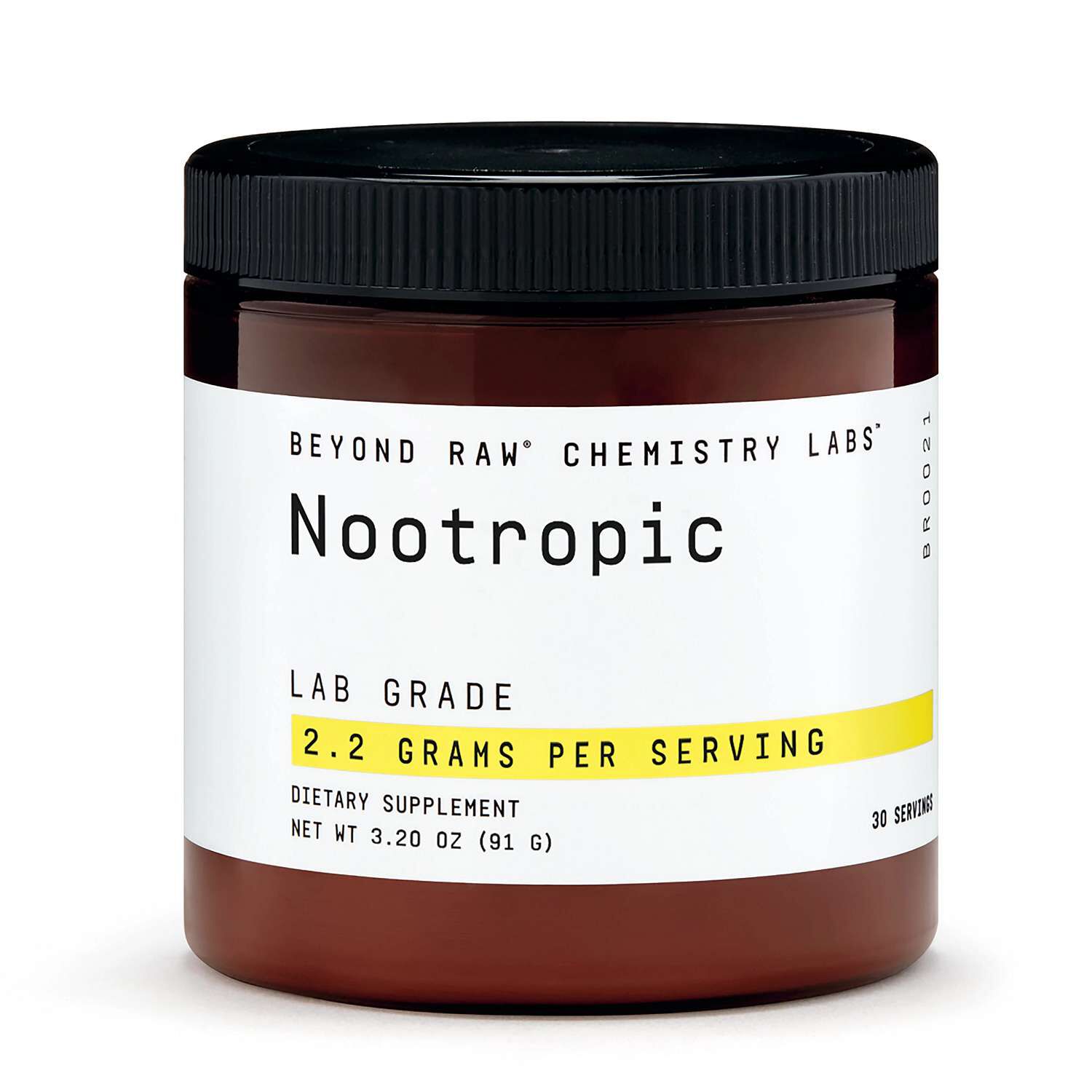
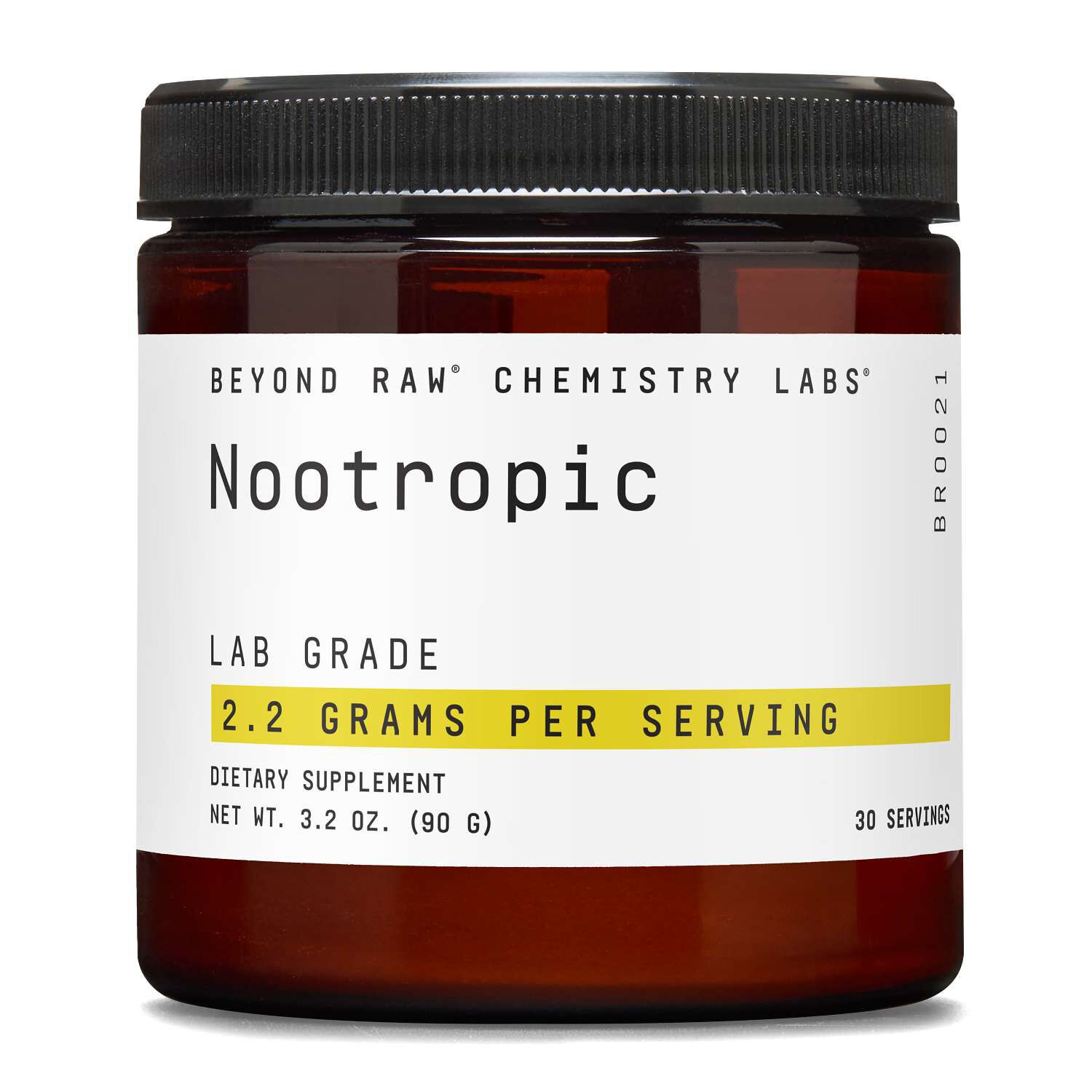
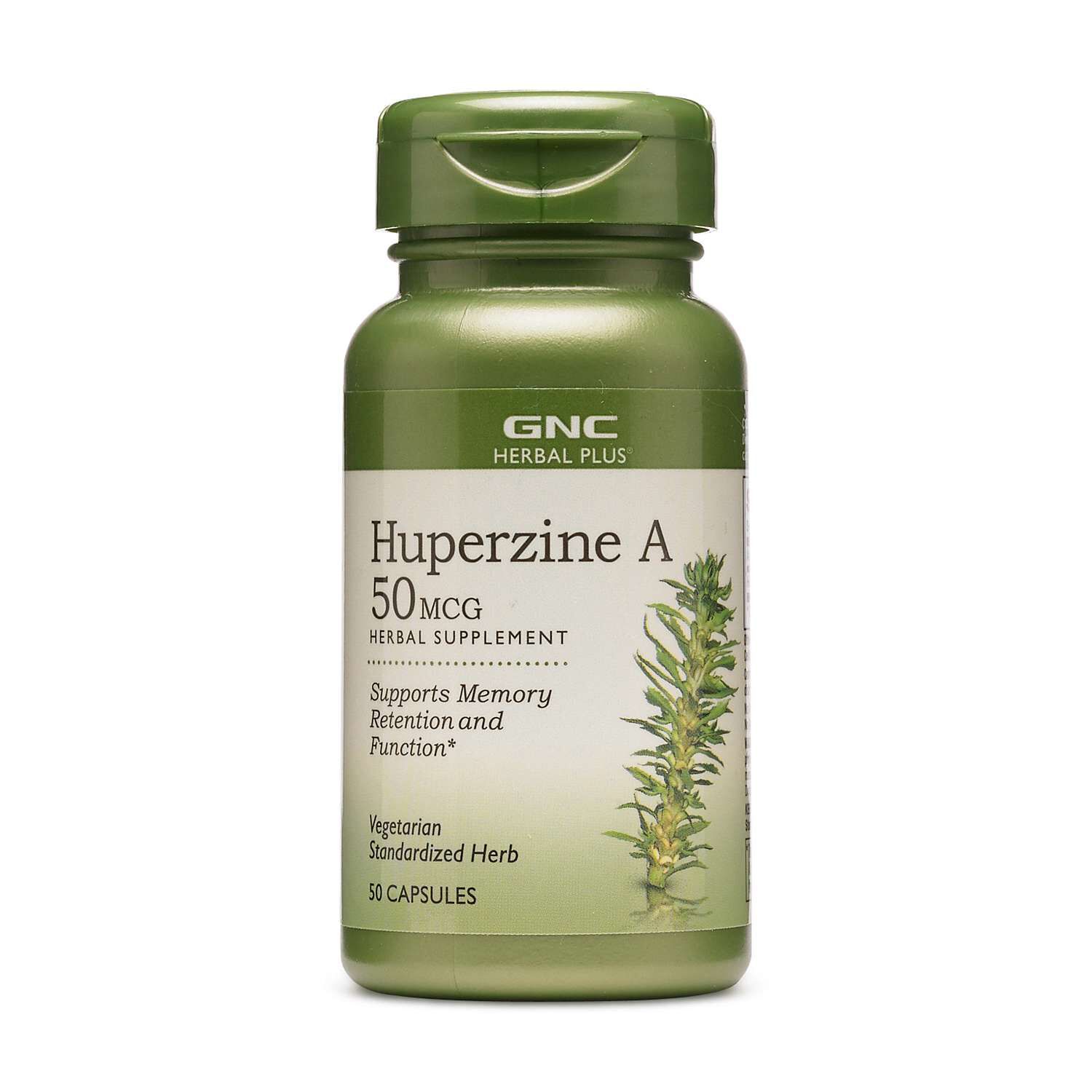
Amino acid supplements with huperzia bring together amino acids or related compounds and a botanical ingredient in combination formulas often marketed for focus and mental performance. The defining feature is the pairing, not a single recipe: the amino acid portion, the form of huperzia, and the other ingredients can differ considerably between formulas. Huperzia serrata is a plant associated with huperzine A, a naturally occurring compound used in some dietary supplements. Those two names are related, but they are not interchangeable descriptions of an ingredient. A label that lists a quantity of Huperzia serrata extract does not necessarily list that same quantity of huperzine A. When an extract is standardized, its label may identify a specified proportion of a constituent, providing another detail for comparison. The amino acid side of a blend deserves equally close attention. L-tyrosine is an amino acid used by the body in normal biological processes, while acetyl-L-carnitine is an amino acid derivative. Alpha-GPC, which sometimes appears alongside these ingredients, is a choline-containing compound rather than an amino acid. Understanding those distinctions makes the category easier to interpret without treating every ingredient as the same kind of nutrient. These combination supplements also differ from protein powders and amino acid formulas centered on exercise nutrition; the words “amino acid” alone do not describe a formula’s purpose or composition. A huperzia-containing blend may appeal to adults exploring supplements associated with concentration, whether their days involve reading, detailed desk work, or other mentally engaging activities. A category name, however, does not establish what an individual formula might do. Ingredient identity, serving information, and the amount disclosed for each component provide more concrete context than broad front-label language. For a closer look at the botanical compound named in this category, Huperzine A Supplements For Wellness offers a related selection with a more ingredient-centered emphasis. The distinction between a combination formula and a huperzine A supplement is worth keeping in view while browsing.
Format is another practical difference among amino acid supplements with huperzia. Capsules and tablets offer measured portions without mixing, although the number of pieces in a labeled serving can vary. A bottle count is therefore not the same thing as a serving count: a container with several dozen capsules may represent fewer servings if the directions specify more than one capsule per serving. Capsule dimensions, tablet coatings, and the materials used in the capsule shell are additional considerations for shoppers with particular format or dietary preferences. Gelatin and plant-derived shell materials are different choices, and the ingredient panel is the place to confirm which a formula uses. Powder formats, where offered, bring a different set of details into the comparison, including flavor, sweeteners, mixing directions, and the amount of powder in a serving. A flavored blend can have a longer ingredient list than a capsule because taste and texture require their own formulation choices. Neither a short list nor a long list, by itself, establishes suitability. The Supplement Facts panel identifies dietary ingredients and serving amounts, while the other ingredients section typically describes components such as capsule materials, binders, flavors, and colors. Measurement units matter as much as the numbers beside them. Milligrams and micrograms represent different quantities, so a larger printed number is not automatically a larger amount when the units differ. For botanical extracts, the extract amount and the amount of a named constituent are separate details. Some blends disclose each dietary ingredient individually; others group ingredients under a blend name with a combined amount. Those presentations offer different degrees of visibility into the formula. Caffeine content is also relevant when comparing combinations, since the presence of amino acids and huperzia does not establish whether a blend contains caffeine. A careful comparison accounts for the entire label rather than choosing by one familiar ingredient name. Clear serving directions, readable ingredient information, and identifiable testing details can make that comparison more straightforward, without establishing that a supplement might deliver a particular result.
Everyday fit extends beyond the formula itself. For someone who prefers a simple morning routine, packaging size and the number of capsules in a serving may be more meaningful than elaborate descriptions on the front of a bottle. Someone who travels between home and an office may care more about a secure closure, legible directions, and a container that fits neatly into a bag. A powder requires access to a drink and time for mixing, while capsules and tablets have different handling requirements. These are useful distinctions when imagining a supplement alongside an ordinary day: a crowded kitchen counter before work, a lunch bag packed the night before, or a quiet desk reserved for an evening course. Personal preferences about flavor, texture, capsule materials, and ingredient disclosure can narrow the comparison without assuming that everyone wants the same experience. Supplements are also a personal purchase, particularly when they combine several dietary ingredients; choosing a gift around an unfamiliar blend leaves important preferences unresolved. Storage deserves attention, too. For consumable products, the relevant quality considerations are package integrity, the date printed on the container, and the manufacturer’s stated storage conditions rather than durability in the sense used for equipment or clothing. A tightly closing lid, an intact inner seal at first opening, and readable labeling are practical packaging details. The storage instructions provide the appropriate reference for exposure to heat, light, and moisture, including whether a container belongs away from a steamy bathroom or a sunlit car console. Keeping the original packaging preserves access to serving directions, ingredient information, and lot identification. During the cooler months, travel and changing daily schedules can make those small organizational details especially noticeable. The most useful way to compare amino acid supplements with huperzia is to connect the ingredient information with these real-world preferences: what the botanical listing actually identifies, how the amino acid portion is described, what else the blend contains, and how its format fits the intended routine. That approach keeps the browsing experience grounded in observable product characteristics rather than expectations based on a category name alone.