





Amino Acid Supplements With Betaine
(0 Results)
Amino acid supplements with betaine could be a valuable addition to your daily routine, whether you’re an athlete, fitness enthusiast, or simply looking to support your wellness goals. Combining essential amino acids with betaine may help support muscle function, endurance, and overall performance. Explore a variety of amino acid supplements with betaine that are designed to fit seamlessly into your lifestyle and nutritional plan.
-
-

-
-

-

-
-
-
-

-
 $49.99
-

-
 $39.99
-
-
-
-
-
-
-
-
-

-
-


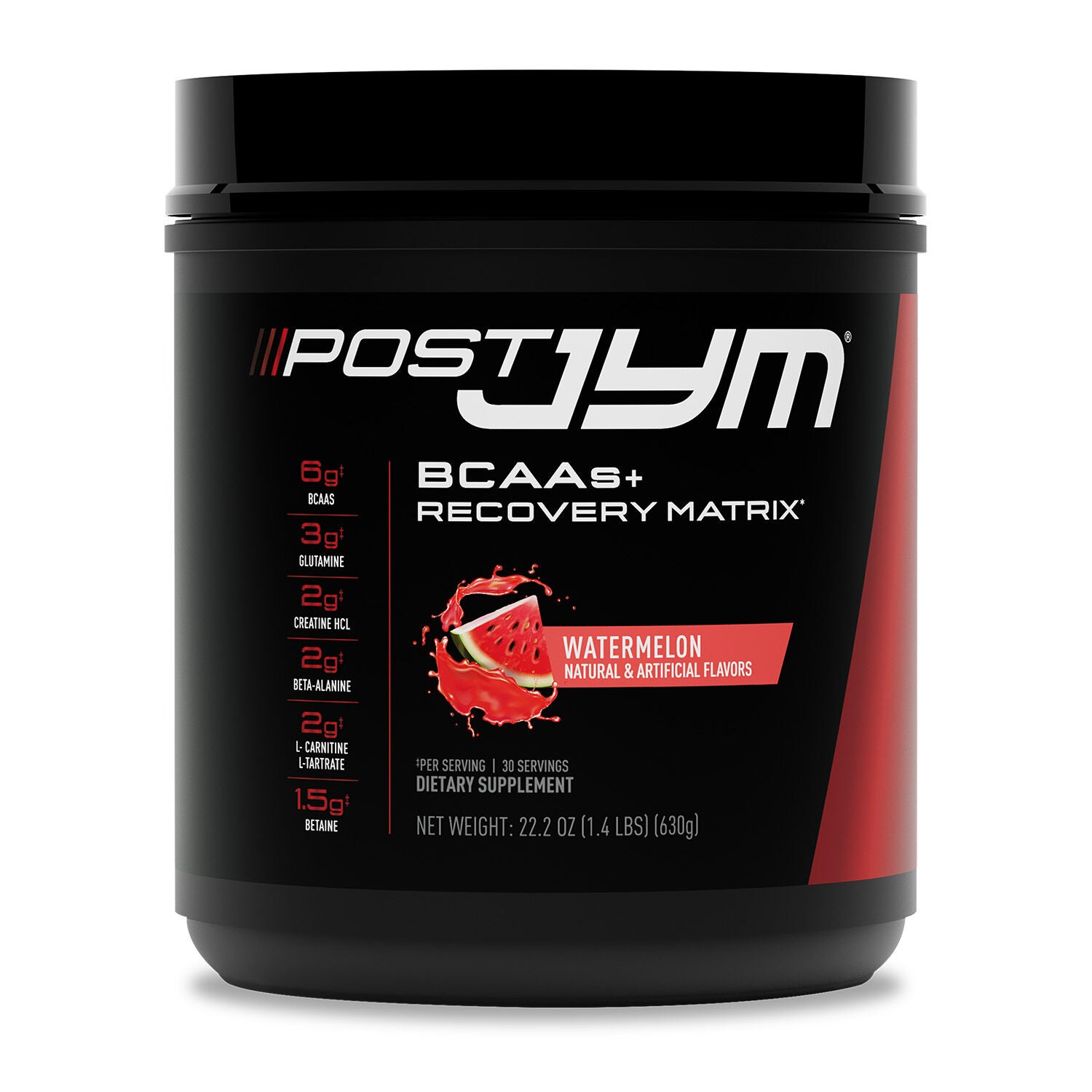
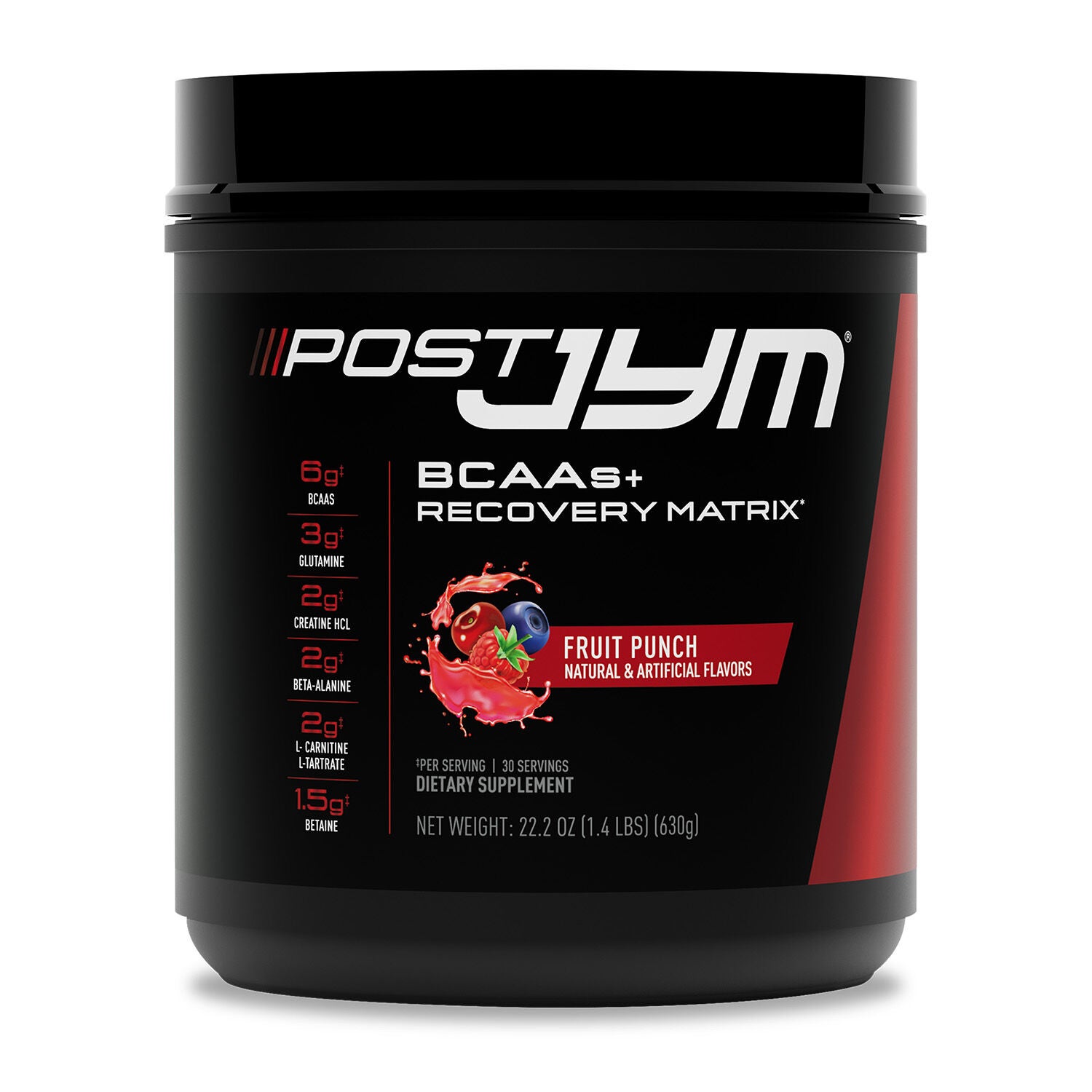
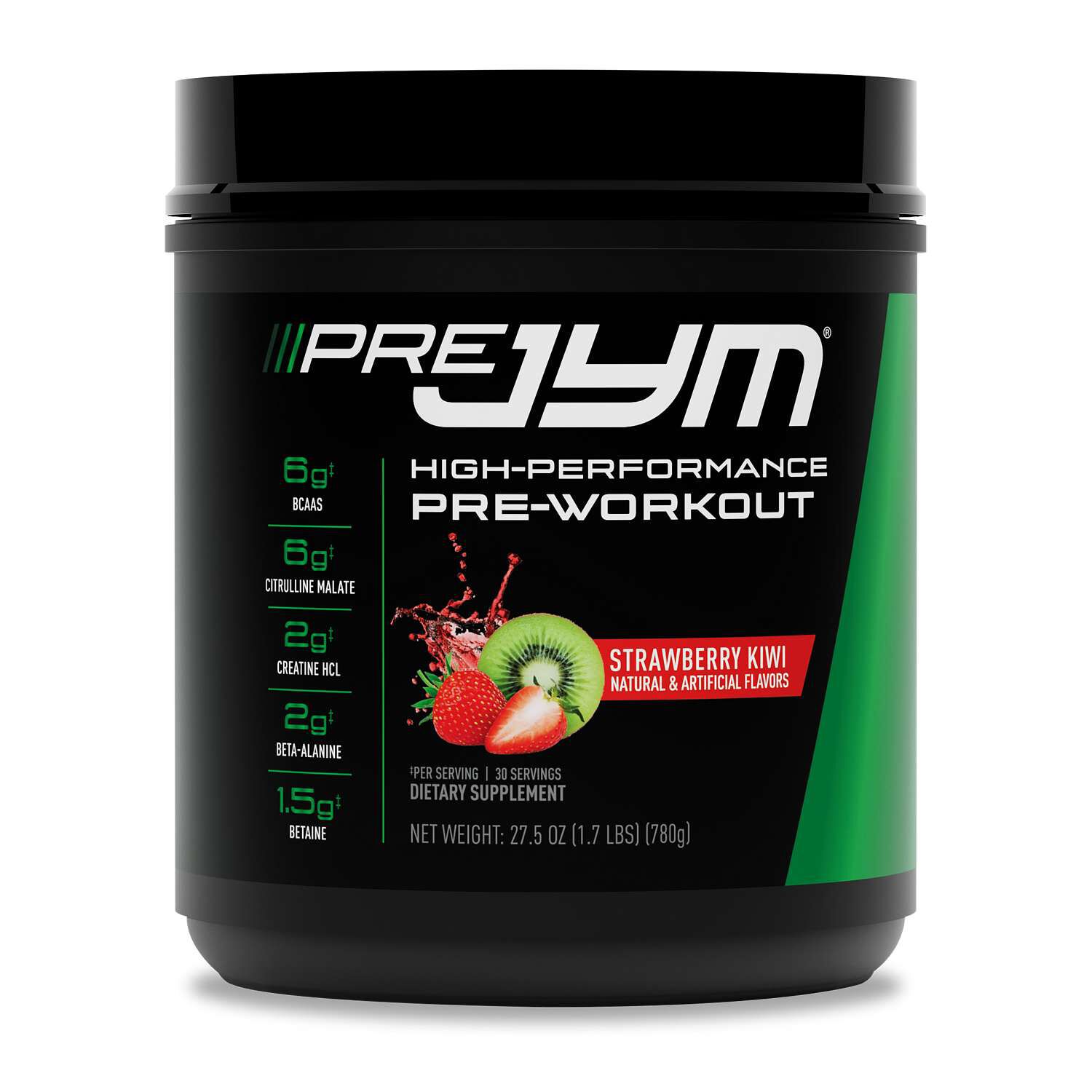
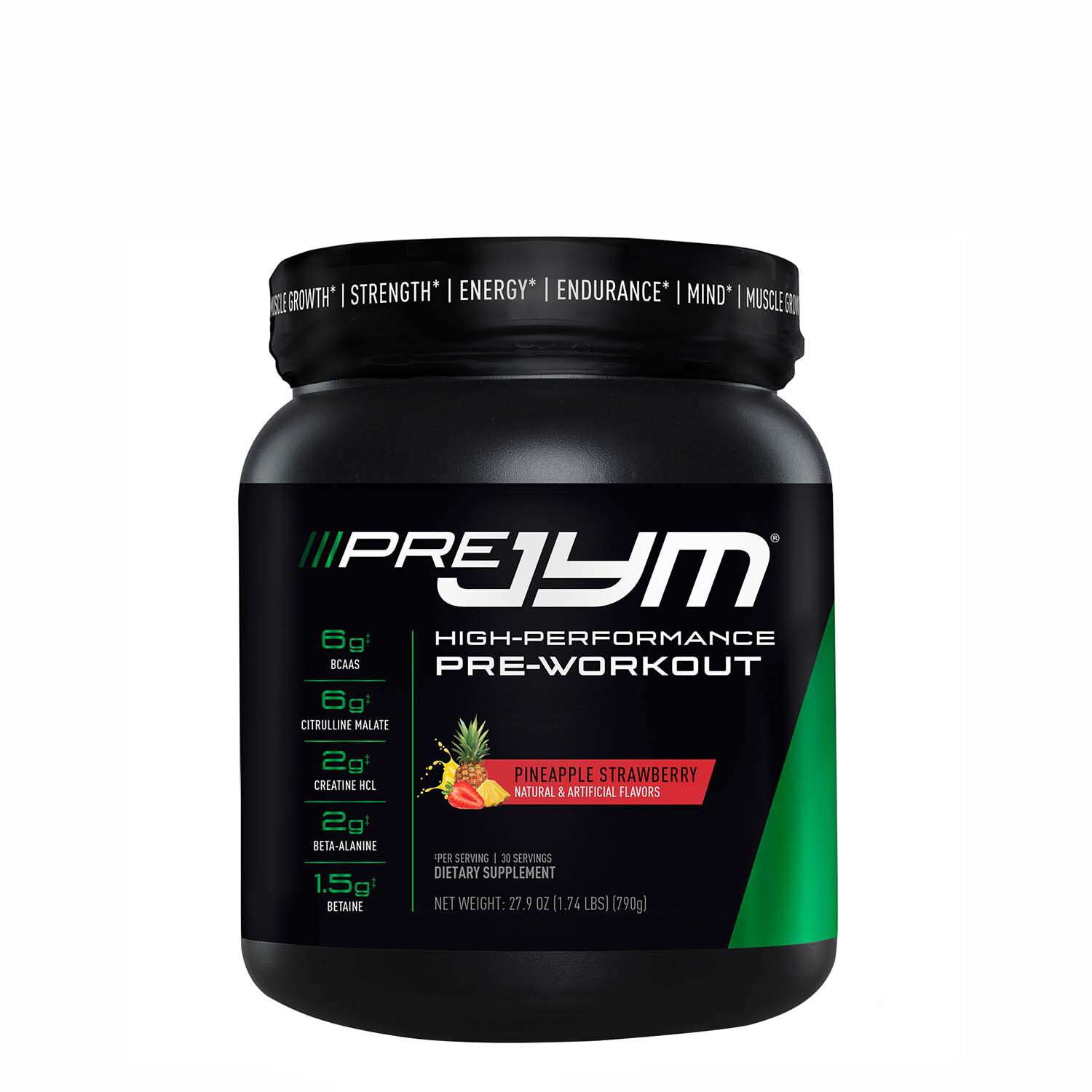
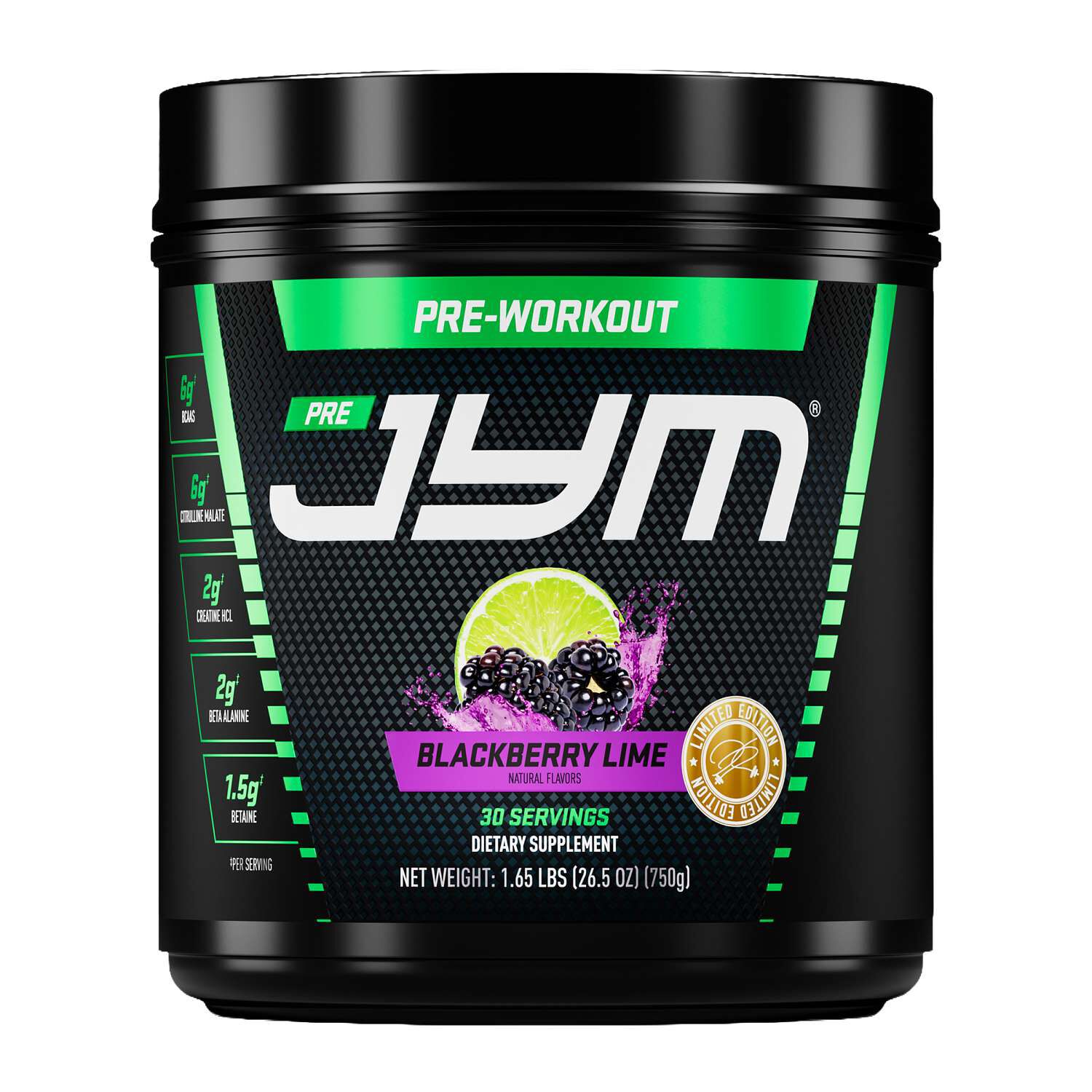
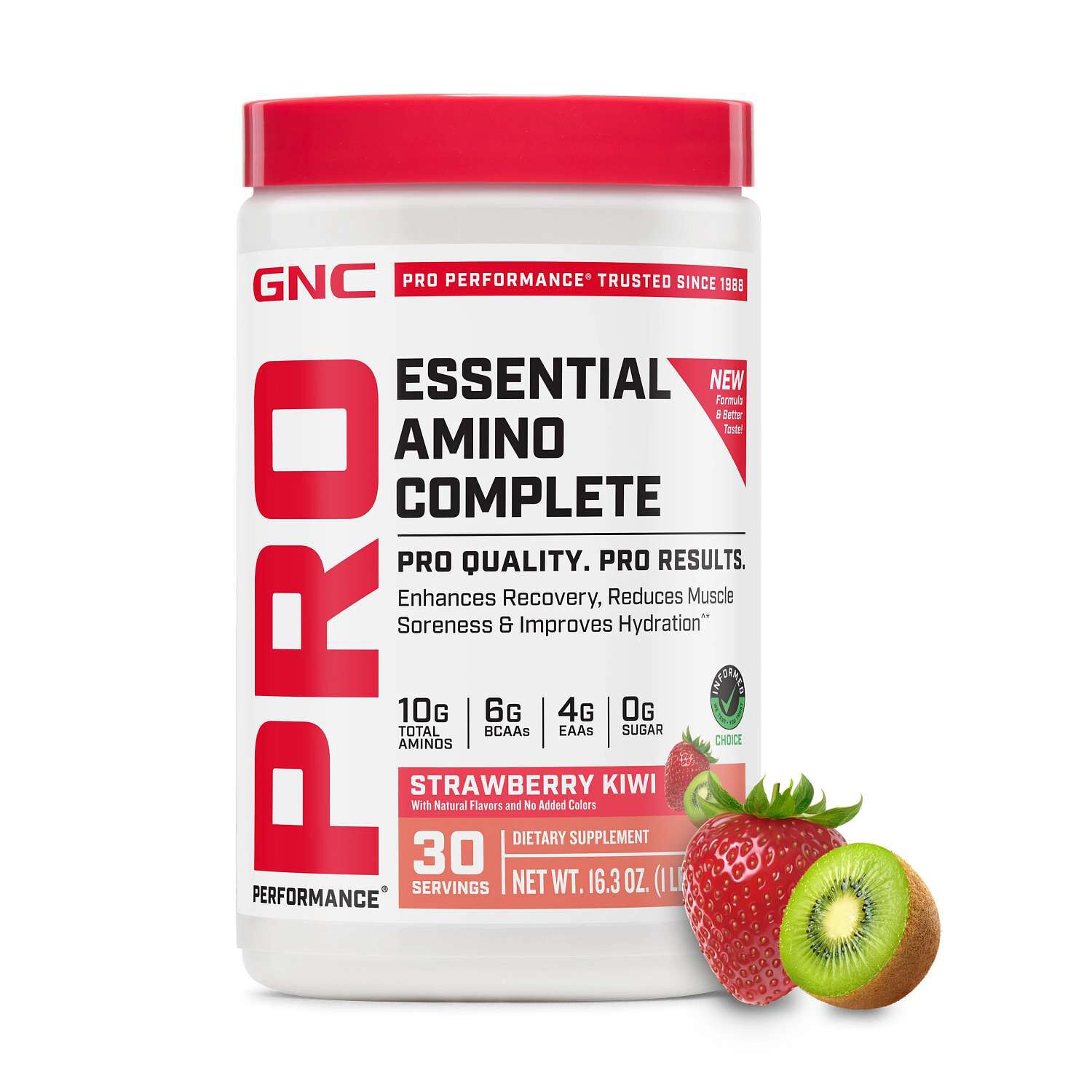
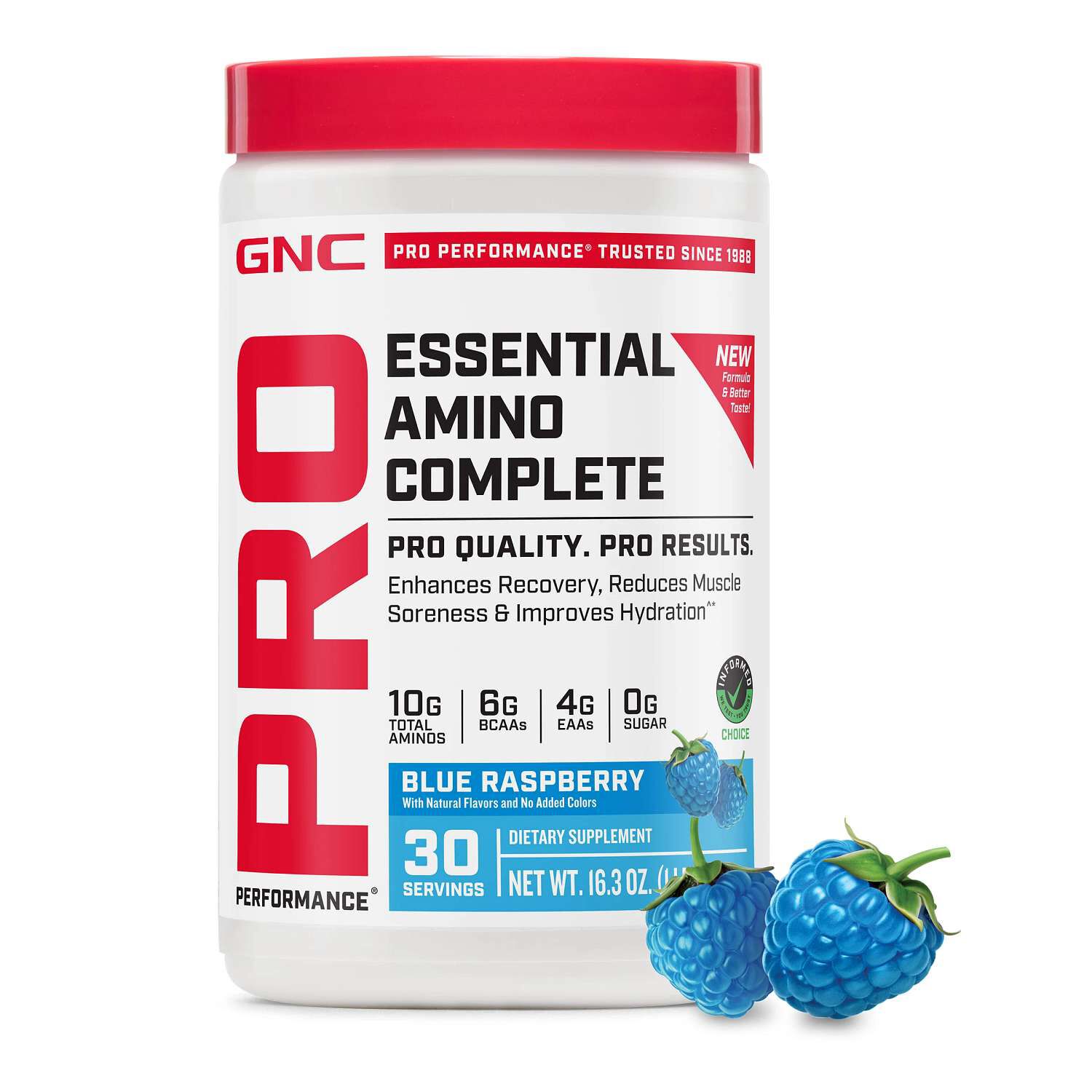
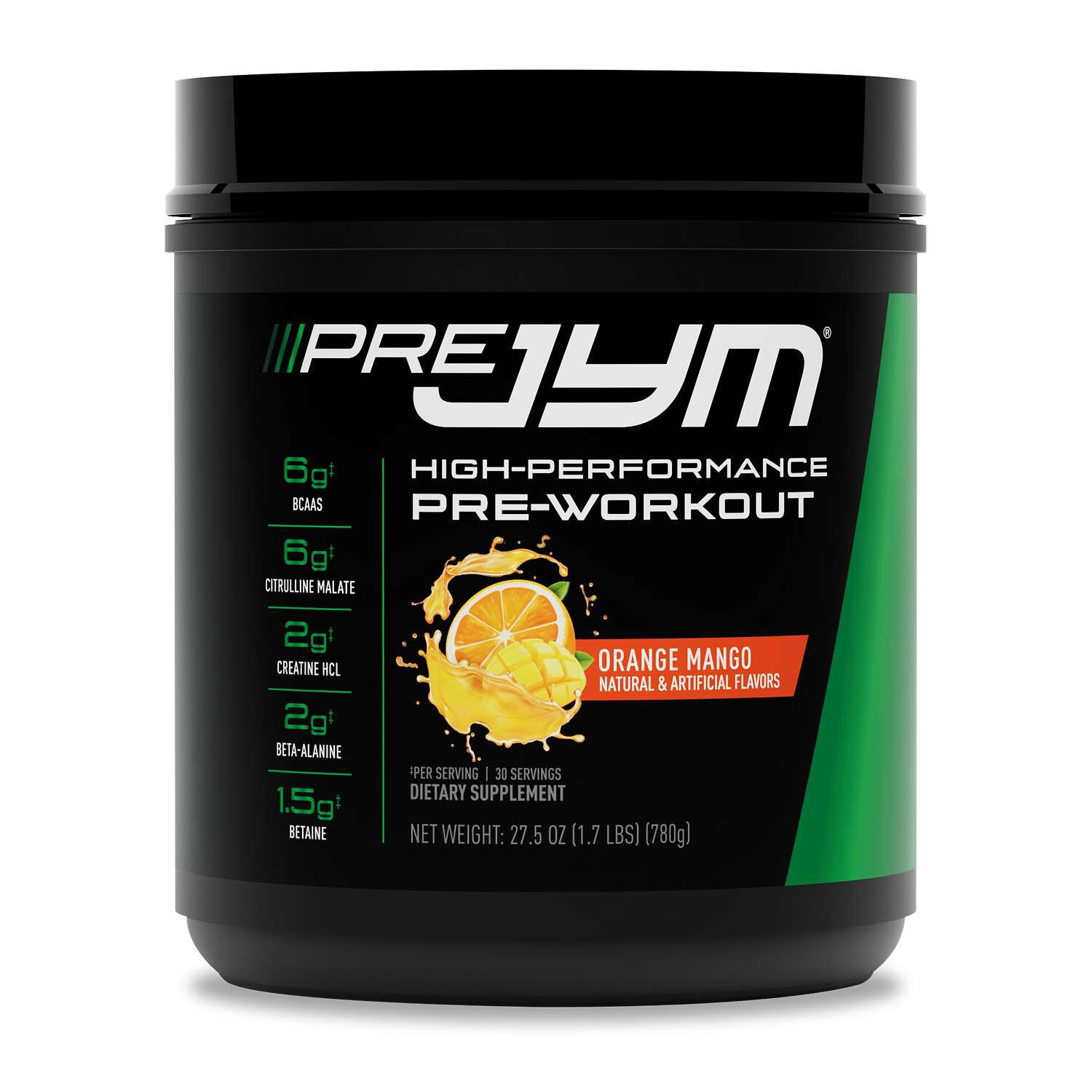
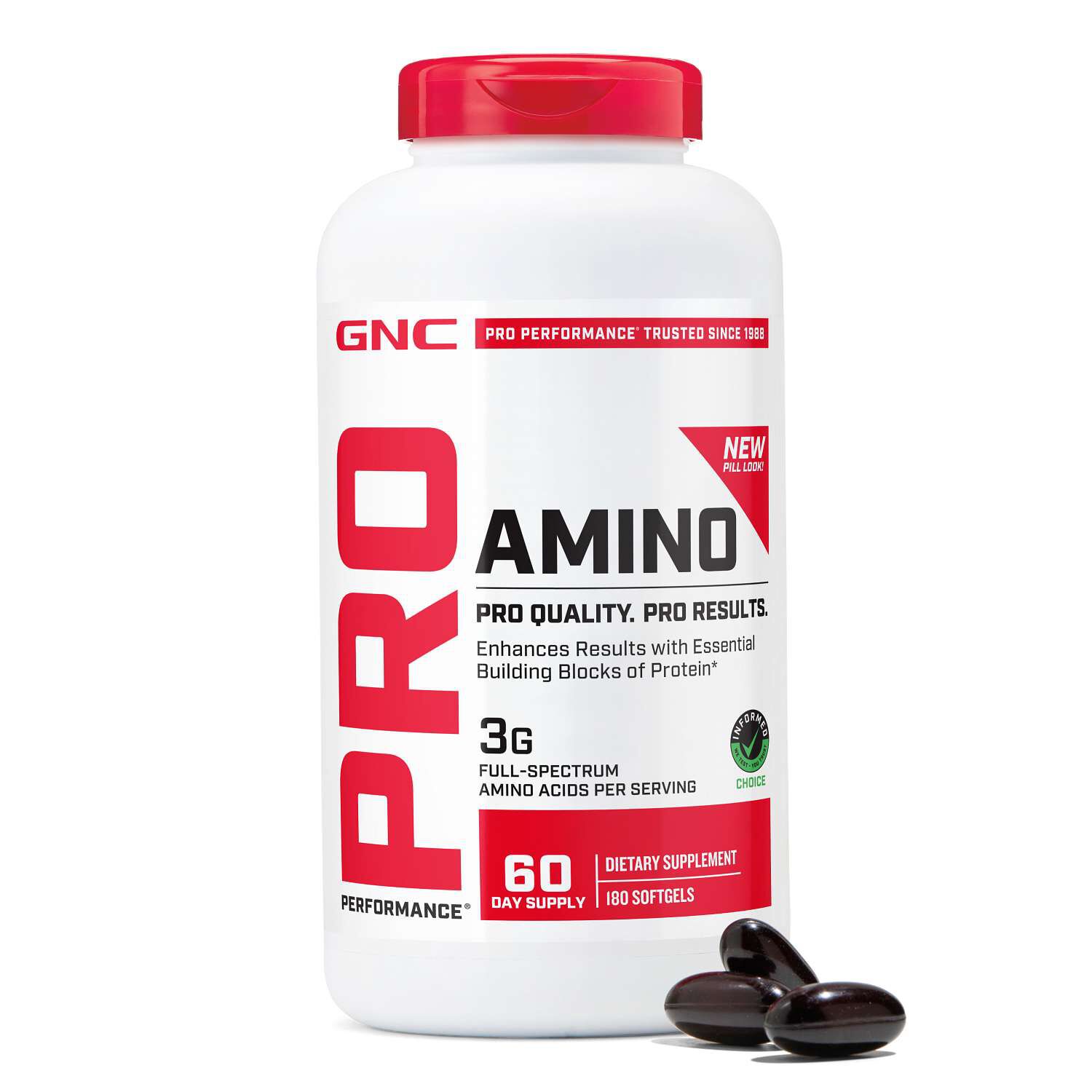
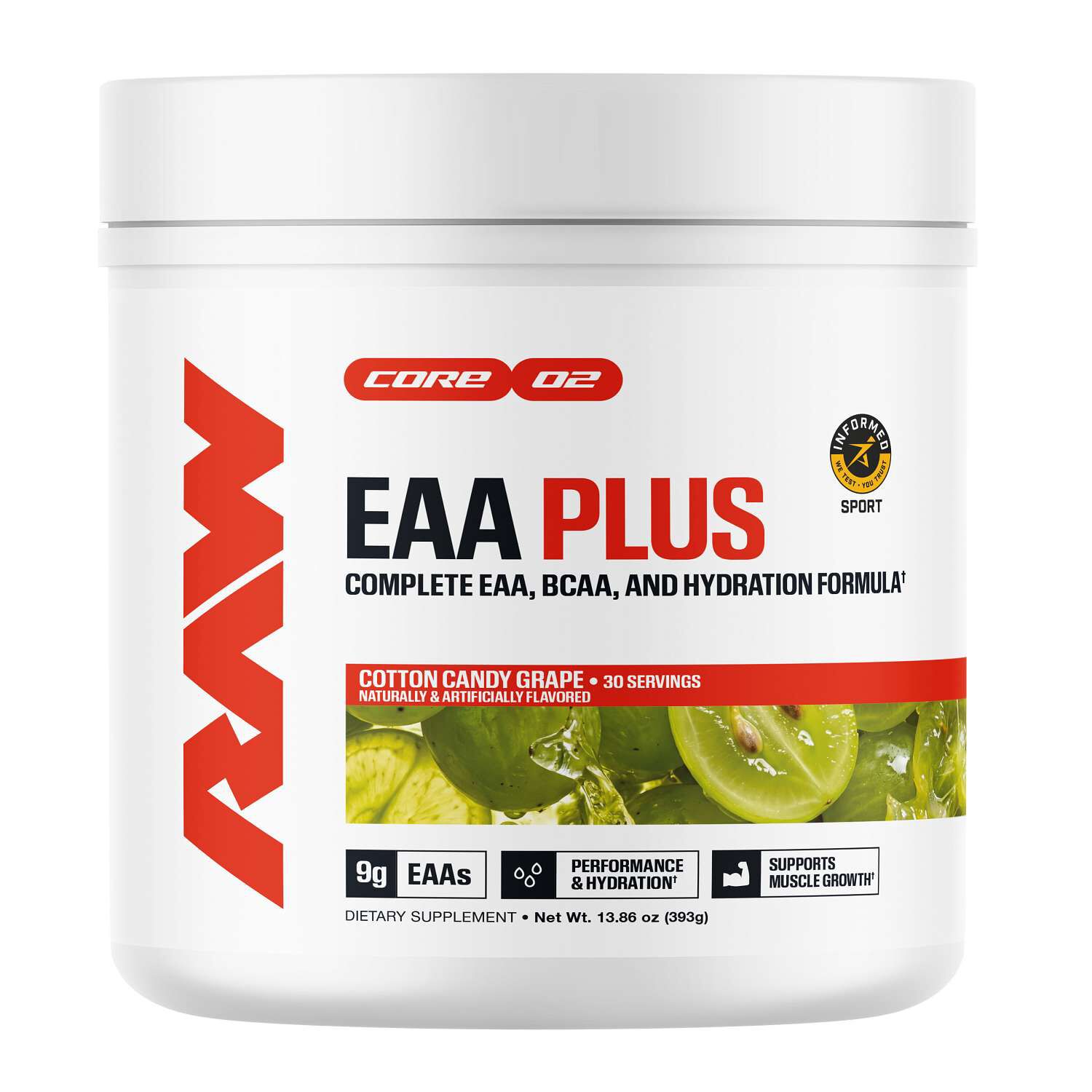
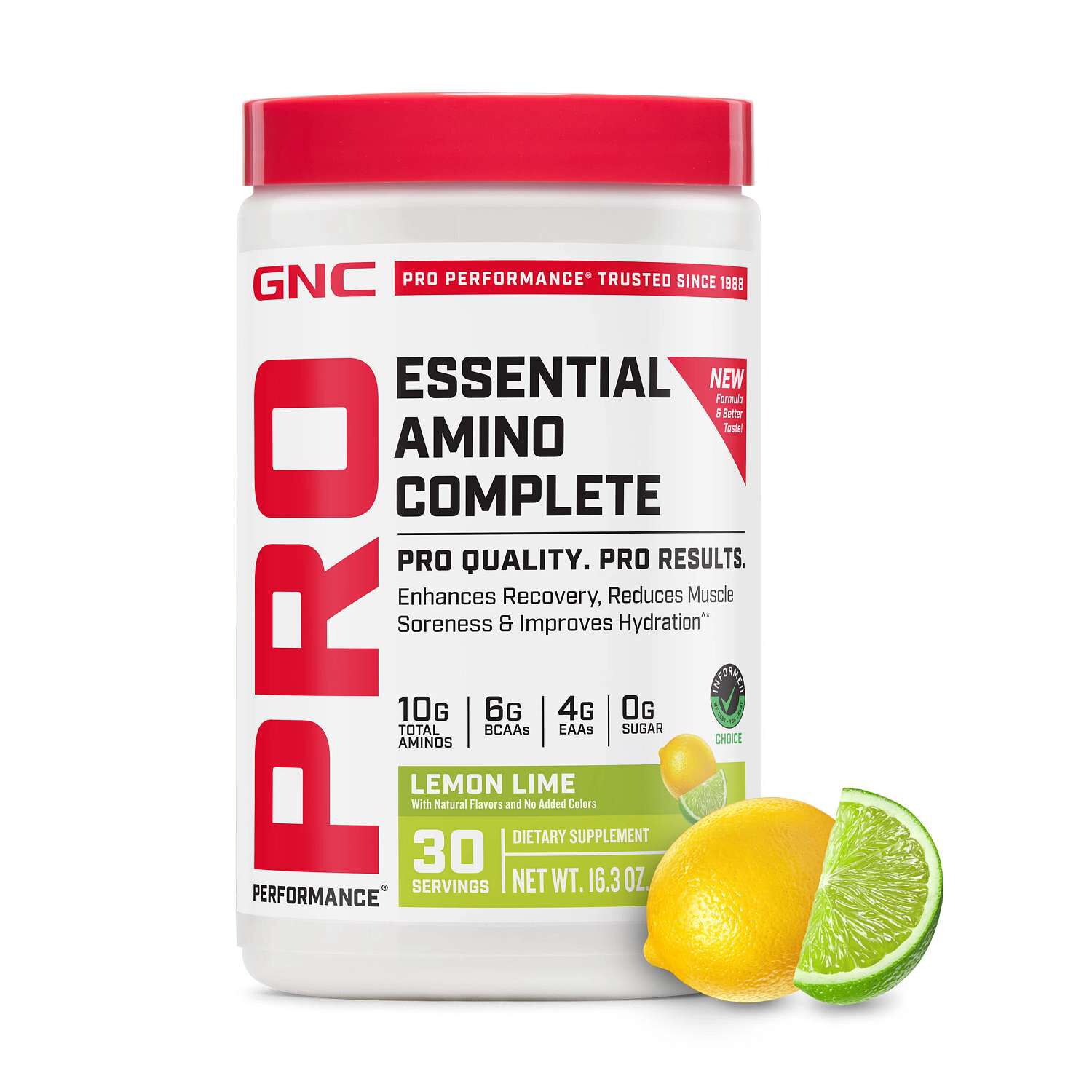
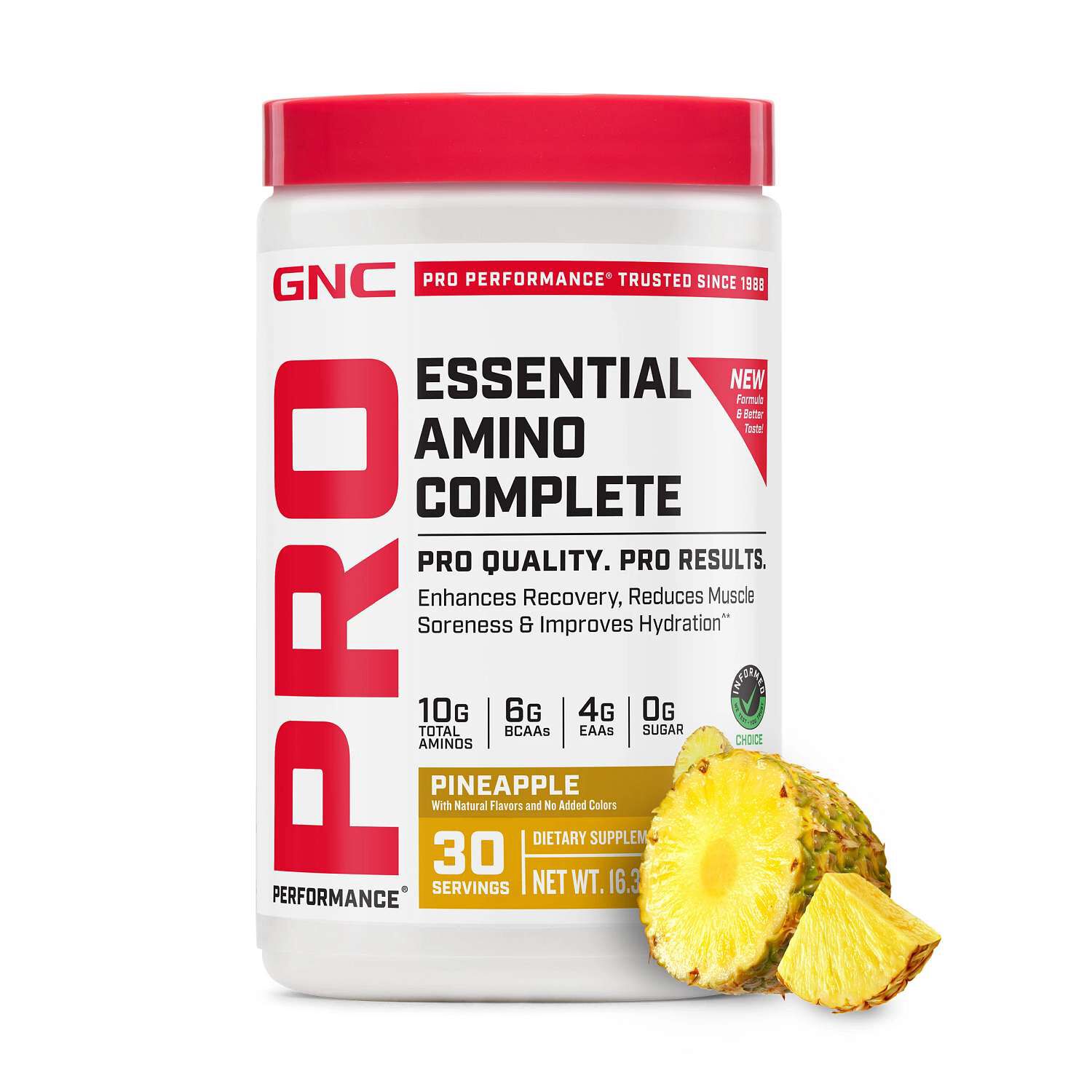
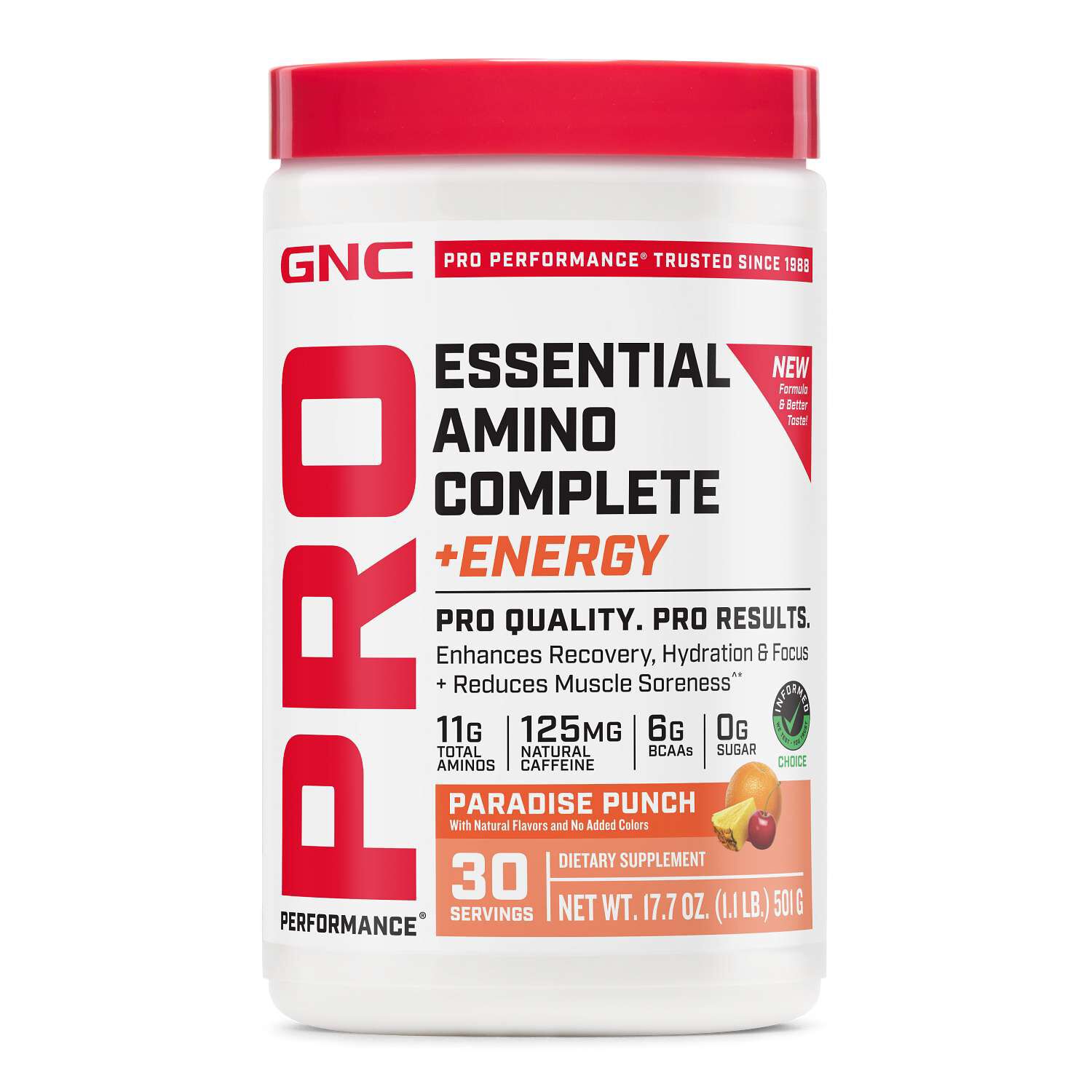
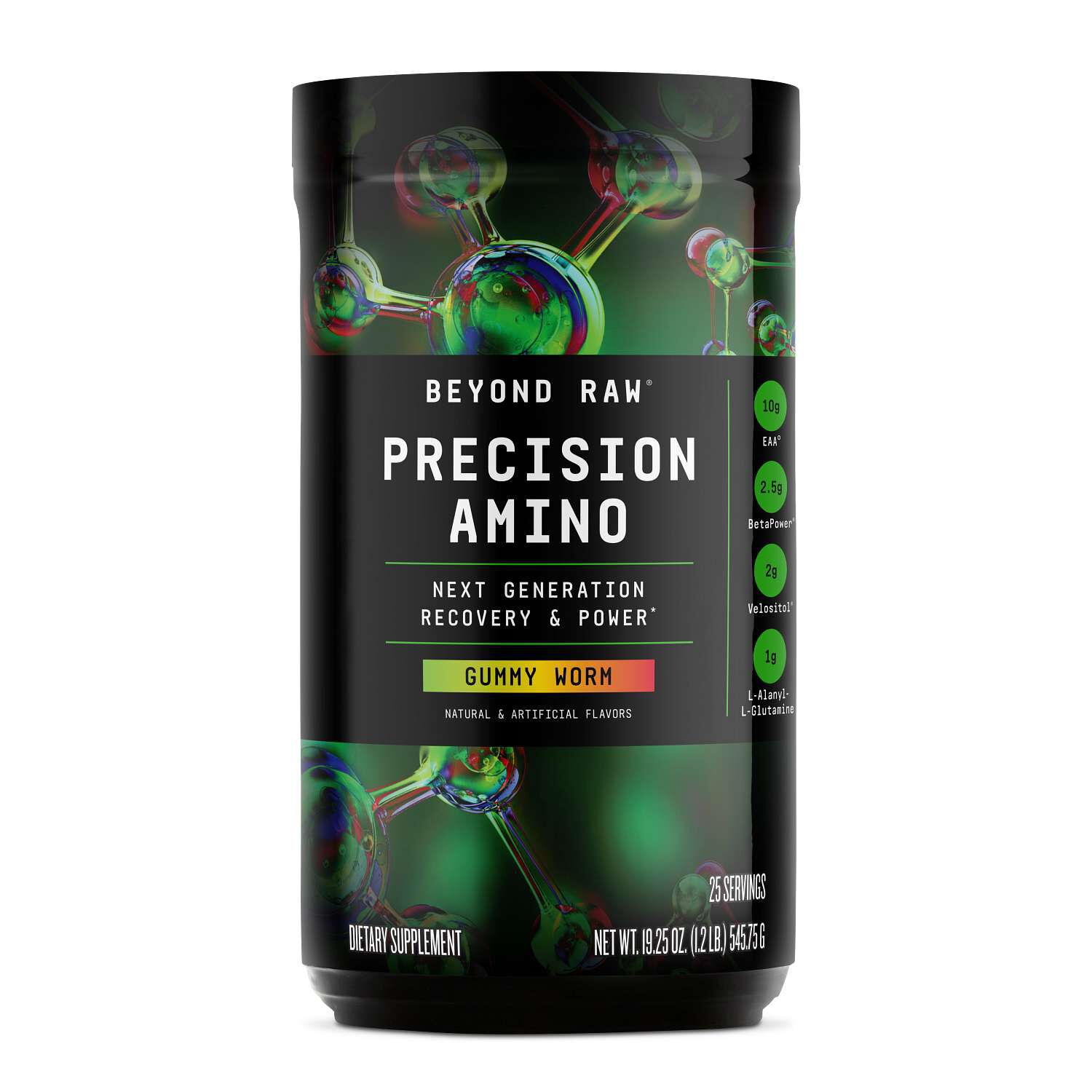
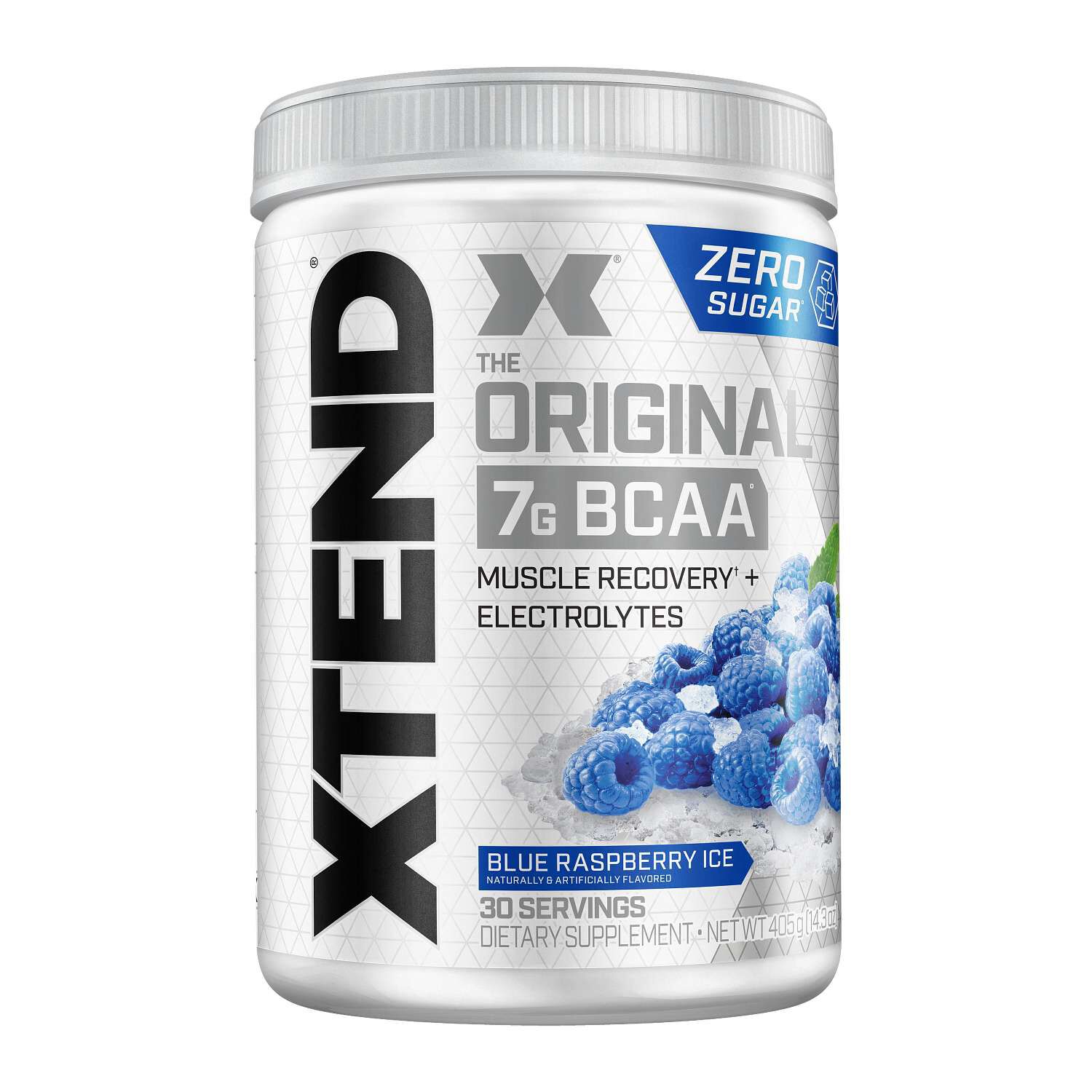
Amino acid supplements with betaine bring amino acid ingredients and betaine into the same formula, often in powders designed for a workout routine. Amino acids are the building blocks of proteins, while betaine is a derivative of the amino acid glycine. Also known as trimethylglycine, or TMG, betaine occurs naturally in foods such as beets, spinach, and whole grains. On sports nutrition labels, it commonly appears as betaine anhydrous. Depending on their ingredients and amounts, amino acid blends containing this form of betaine may support exercise performance alongside consistent training and everyday nutrition. The combination is distinct from a plain amino acid powder because the label includes both an amino acid profile and a separate betaine ingredient. Some formulas feature branched-chain amino acids, commonly abbreviated as BCAAs: leucine, isoleucine, and valine. Others include a wider assortment of amino acids or additional sports nutrition ingredients. That variety makes the ingredient list more informative than a name or flavor alone. A formula built around three amino acids is different from one containing a broader blend, even when both include betaine. The form of betaine matters, too. Betaine hydrochloride, often written as betaine HCl, is a different form from betaine anhydrous and should not be treated as an interchangeable label term. For a category centered on workout nutrition, the ingredient name and stated intended use provide important context. Serving information adds another layer: the amount of powder in a scoop is not necessarily the amount of amino acids or betaine in that serving. A clearly organized Supplement Facts panel distinguishes the serving size from the quantities of individual ingredients. Ratios, ingredient weights, and the number of servings per container help describe what each formula contains without relying on a prominent number on the front of the package. Together, those details create a clearer picture of the blend, whether the intended setting is a weight room, a running route, or a home training space.
Format and preparation are part of how amino acid supplements with betaine fit into an ordinary day. Powders offer a drinkable format, with preparation directions that specify the serving and amount of water. A tub kept beside a shaker bottle creates a different routine from a capsule container packed into a work bag, and not every format has the same ingredient quantities per serving. With capsules, a serving may include several capsules rather than one; with powder, scoop size and serving weight deserve the same attention. Flavor is another practical distinction. Fruit-forward, citrus, and less-sweet flavor profiles offer different drinking experiences, while an unflavored formula may still have a noticeable ingredient taste. Sweeteners, acids, colors, and other ingredients contribute to that experience and appear separately from the featured amino acids and betaine. Someone who enjoys a strongly flavored drink during a long gym visit may prefer a different blend from someone who wants a subtler taste between sets. Texture and mixing also vary by formula. Preparation directions help establish the intended concentration, and shaking or stirring requirements can differ. A tightly closed shaker is useful for mixing, but a prepared drink and the original dry powder have different storage needs. Package directions remain the reference for both. For dry powders, a secure lid and a clean, dry scoop help limit contact with moisture; leaving a container open beside a sink can introduce water where it does not belong. Capsules and powders also need storage consistent with their labels, with the original packaging keeping ingredient information, serving directions, and date markings together. Container design is therefore more than a visual detail. A lid that closes securely, readable print, and a scoop that is easy to locate all contribute to day-to-day handling. These practical differences matter when a supplement becomes something packed before work, mixed at a kitchen counter, or carried to an evening training session.
The composition of an amino acid and betaine formula can be as important as its format. Some blends include caffeine, while others do not; some contain electrolytes or additional workout ingredients beyond the amino acids and betaine. Those differences change what is being added to an existing nutrition routine. A person who already uses a caffeinated pre-workout has a different comparison to make from someone looking for an amino acid drink without caffeine. Likewise, a formula with several additional ingredients is not equivalent to a simpler blend merely because both feature betaine on the label. The full ingredient list makes those distinctions visible, including sweeteners, ingredient sources, and any stated allergen information. Dietary preferences may also shape the choice, particularly when capsule materials or amino acid sourcing matter to the shopper. Package statements provide a firmer basis for those preferences than assumptions drawn from the product format. Shoppers interested specifically in leucine, isoleucine, and valine can explore BCAA Powders With Betaine for that more focused combination. Within either a focused BCAA blend or a broader amino acid formula, clearly stated quantities make comparisons more meaningful than flavor names or container size. Workout timing is another point of difference rather than a universal rule: directions may position a formula before, during, or after activity, depending on its composition. The intended use printed on the package helps distinguish those options without assuming every blend belongs in the same part of a session. For regular gymgoers, recreational athletes, and adults with established training habits, the appeal may lie in bringing several preferred ingredients into one preparation. The most relevant distinctions remain concrete: which amino acids are included, which form of betaine is used, how much of each ingredient appears per serving, and how the format fits the routine. A well-matched choice brings those details together with a flavor, preparation method, and ingredient profile that suit the person using it.
Best Sellers

Related Pages


Top Collections
- Zinc Supplements | Top Brands at Great Prices | GNC
- Cortisol Supplements
- Joint Mobility Supplement Packs
- NAD+ Supplement Tablets
- Best Brand of Magnesium Glycinate
- Top Rated Collagen | Shop Customer Favorites | GNC
- Iron Supplements
- Peptide Supplements
- Protein Powders For Muscle Growth Support
- Vitamins That Help Support Weight Gain