

BCAA Powders With Betaine
(0 Results)
Fuel your fitness journey with BCAA powders with betaine, designed for those seeking to support their workout routines and recovery. These supplements may offer a convenient way to incorporate branched-chain amino acids and betaine into your daily regimen. Whether you're aiming to optimize your training sessions or looking for options to complement your nutrition plan, BCAA powders with betaine could be an excellent addition to your supplement stack. Explore a variety of options that may fit seamlessly into your active lifestyle.
-

-
-

-

-

-
-
-
-
-

-

-
 67$39.99
 -
-

-

-
-
 Axe & Sledge Supplements20$49.99
 -
 GNC Pro Performance19$39.99
 -

-

-

-

-


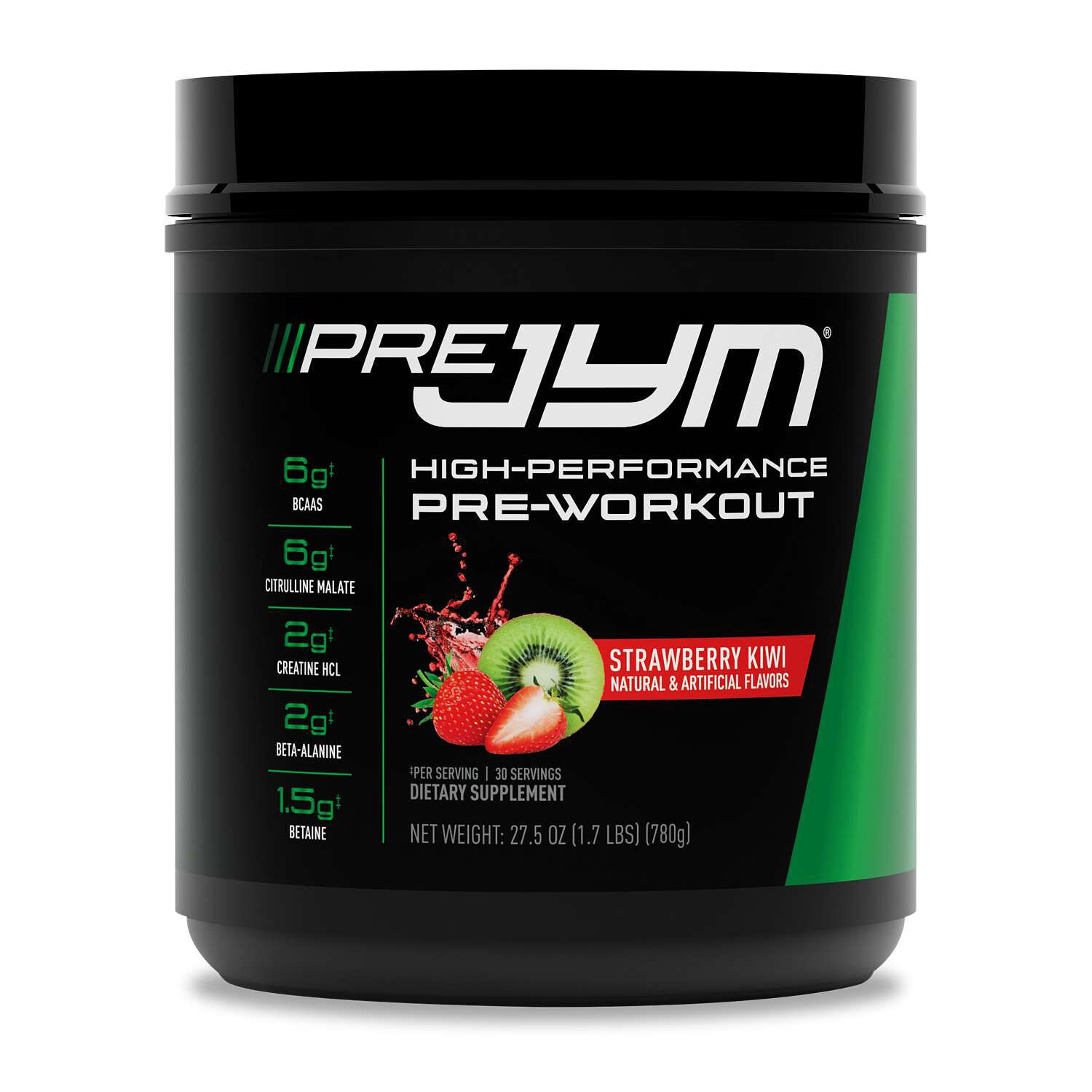
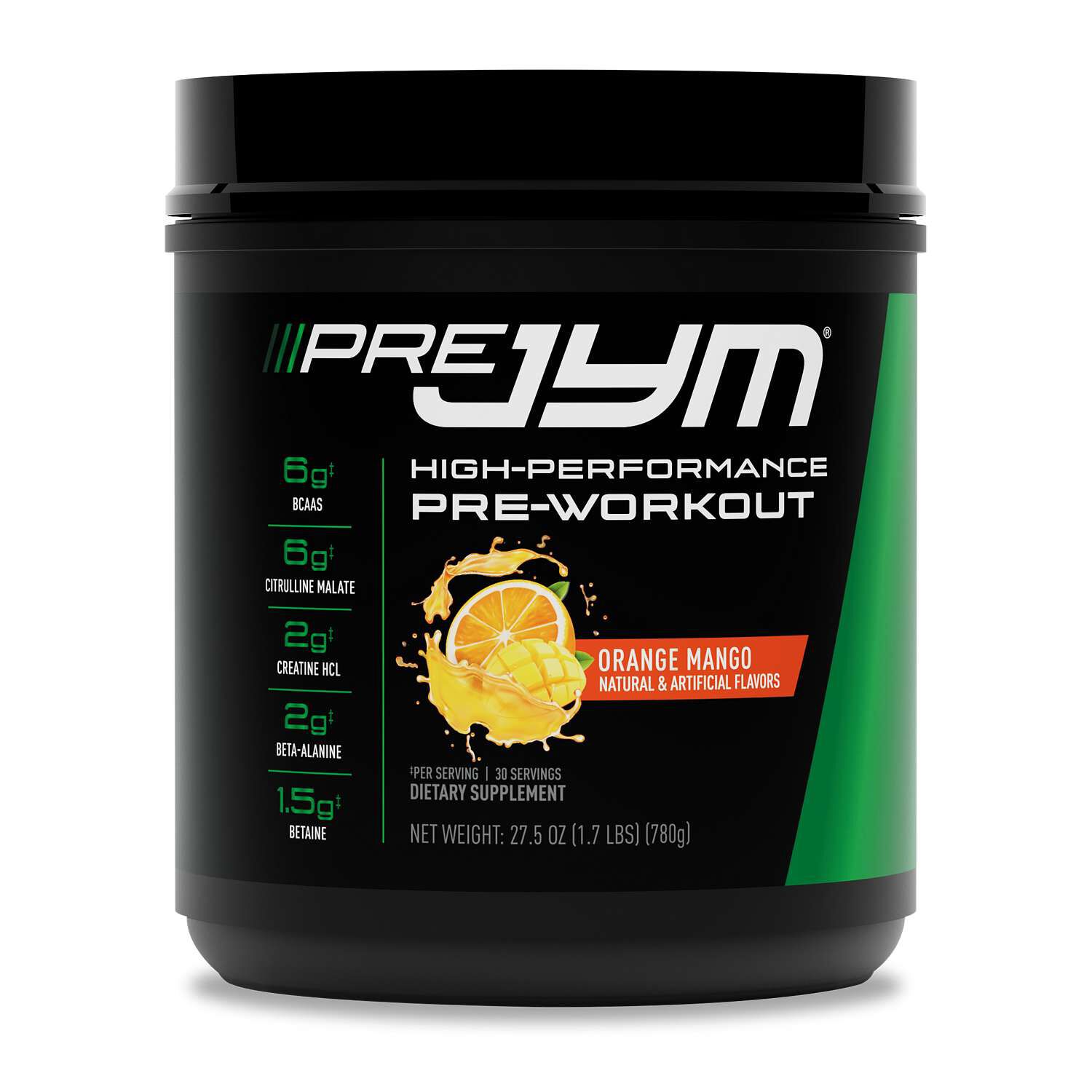
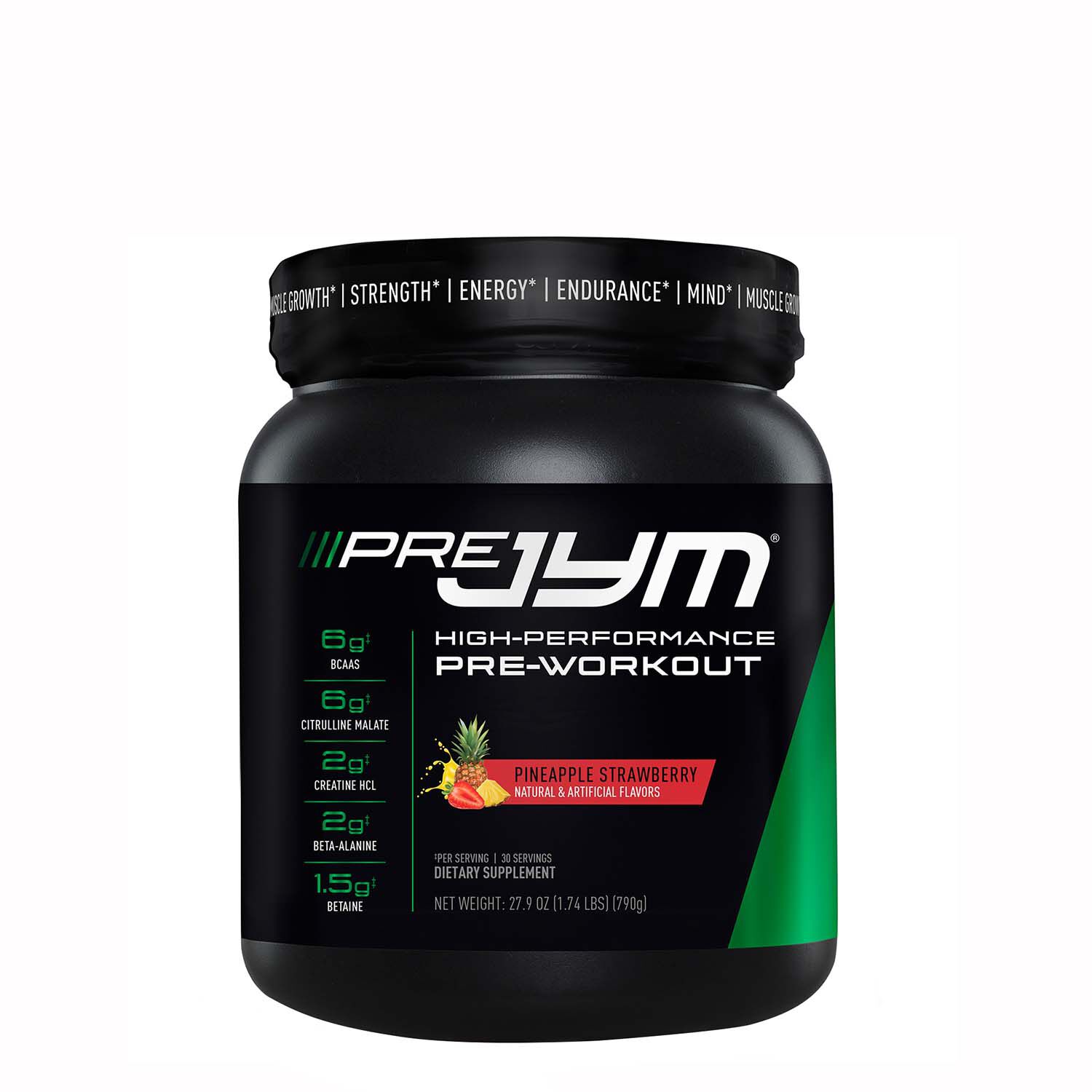
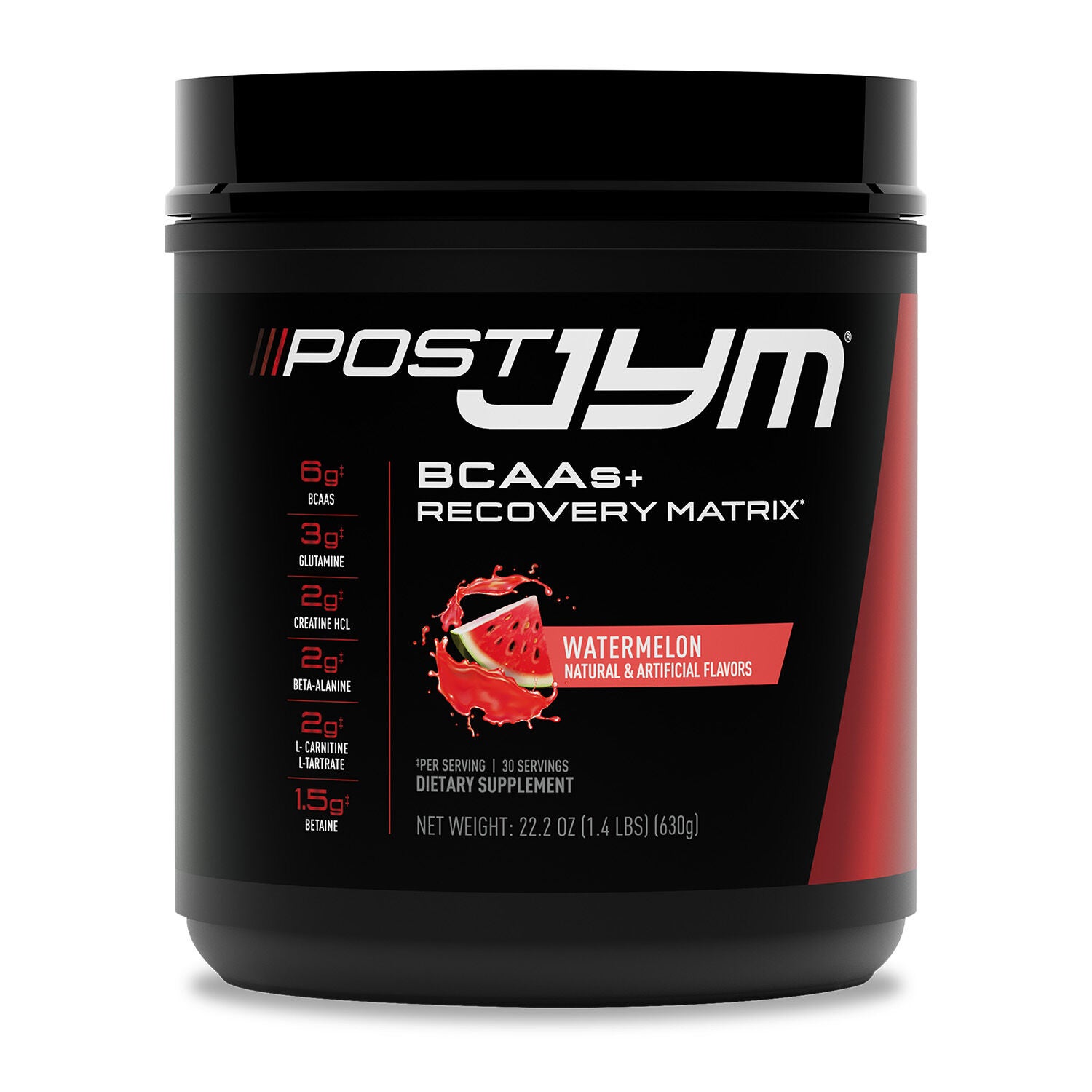
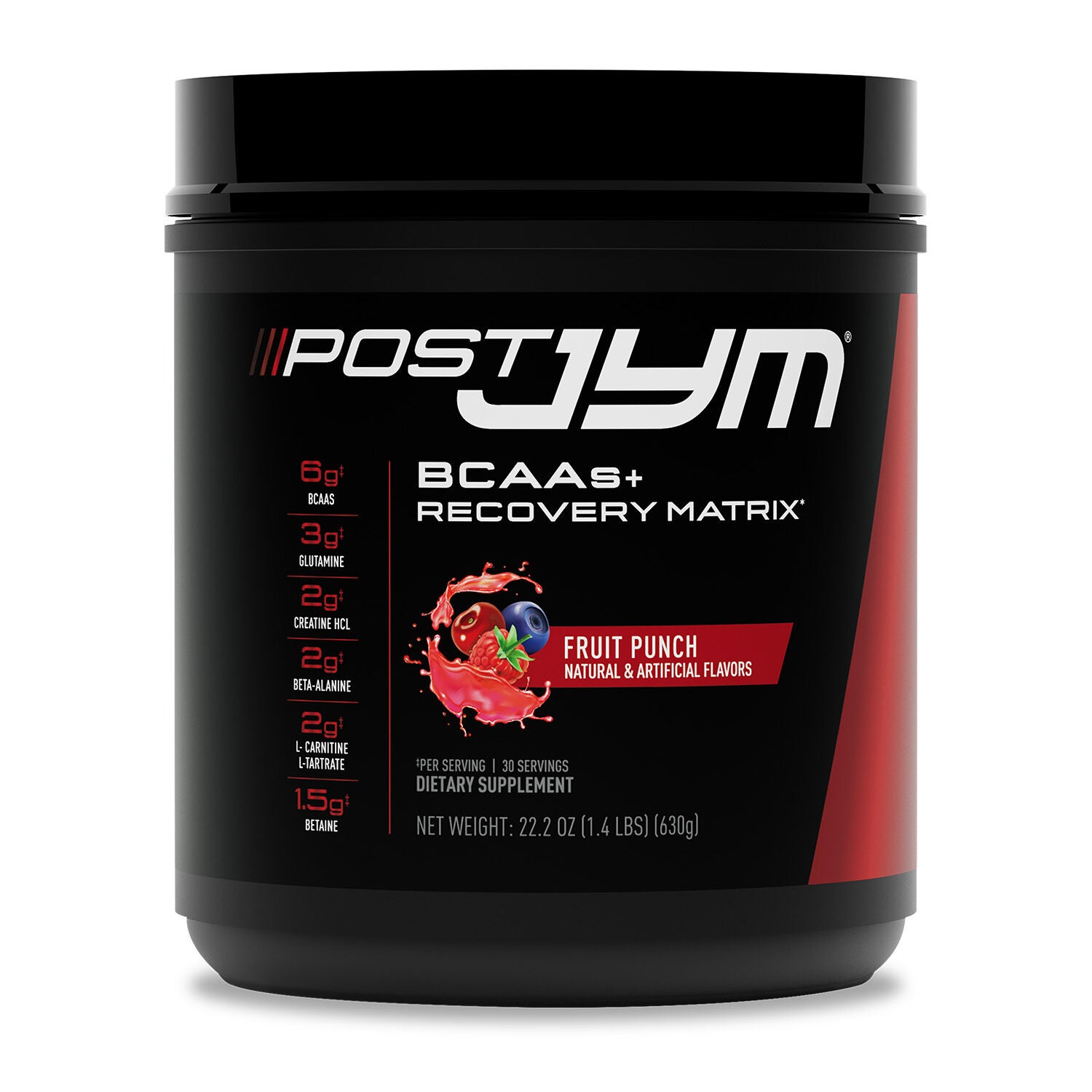
BCAA powders with betaine combine branched-chain amino acids with betaine in a drink mix intended for an exercise-focused routine. The three BCAAs are leucine, isoleucine, and valine, amino acids that are also found in dietary protein. Betaine is a separate compound, also known as trimethylglycine or TMG, and supplement labels may list it as betaine anhydrous. These ingredients are not interchangeable: a formula containing BCAAs does not necessarily contain betaine, and a betaine powder does not necessarily include BCAAs. For this category, the defining detail is the presence of both in the same formula. That pairing may appeal to adults who prefer a combined workout supplement rather than measuring separate ingredients into a shaker. The powders can vary considerably beyond those shared components, with differences in amino acid ratios, serving amounts, flavoring, sweeteners, and additional ingredients. A ratio such as 2:1:1 refers to the relative proportions of leucine, isoleucine, and valine, in that order; it does not state how many grams of BCAAs are in a serving. The amount per serving is a separate label detail, as is the amount of betaine. A larger scoop also does not necessarily mean a larger amount of either ingredient, since the scoop can include other components of the drink mix. Some formulas disclose individual ingredient amounts, while others group ingredients into a blend with a single listed weight. Those distinctions matter when comparing powders that look similar from the front of the container. Someone carrying a shaker to a weight-training session may prioritize clearly listed amounts and a familiar flavor, while someone building a simple post-exercise routine may focus on mixing directions and the number of preparation steps. The most meaningful comparison is between the actual formulas, not just similar names or packaging. A BCAA and betaine combination is one type of amino acid supplement, rather than a description that applies to every workout powder.
Ingredient details give BCAA powders with betaine much of their individual character. Alongside the amino acids and betaine, a formula may contain electrolytes, glutamine, creatine, beta-alanine, caffeine, or other ingredients, so two powders in this category can have quite different intended uses. Beta-alanine and betaine deserve particular attention because their names sound similar, but they are different compounds; seeing one on a label does not establish that the other is present. Likewise, betaine anhydrous and betaine hydrochloride are different ingredient forms, making the full ingredient name more informative than the word betaine alone. A powder described for use before exercise may have different directions from one intended during or after a workout. The label’s suggested use, serving size, and caffeine declaration provide concrete points of comparison without assuming that every amino acid drink belongs at the same point in a training session. For an evening gym visit, caffeine content may be a deciding preference; for a morning session, the same shopper may still want to account for coffee and other beverages already in the routine. Flavor and texture matter, too, especially for a drink that will be sipped over the course of a workout. Fruit-inspired flavors, tart profiles, and milder options can produce very different drinking experiences, and sweetener choices may influence personal preference. The ingredient list identifies sweeteners, colors, and flavoring components, while allergen statements provide another important point of comparison. Mixing directions specify how much liquid accompanies a serving, so a small shaker and a large training bottle may not suit the same preparation equally well. A strongly flavored drink prepared in a small amount of water will not taste the same as that serving mixed according to directions calling for more liquid. For a broader look at related combinations, Amino Acid Supplements With Betaine provides a related category beyond the specific BCAA pairing. Within either category, ingredient identity, disclosed amounts, and intended use are more useful distinctions than an ambitious name on the front label.
Everyday fit also includes how a powder is measured, packed, and stored. A tub kept beside a shaker at home creates a different routine from a container carried between an office locker and a gym bag. Container dimensions, closure style, serving count, and the space needed for preparation are practical considerations alongside the formula itself. Serving count should be read together with serving size, since one serving may require more than one scoop. The included scoop and package directions belong to that particular formula; a scoop saved from another powder is not necessarily an equivalent measure. For someone heading straight from work to a training session, keeping the powder dry until preparation may be more convenient than carrying an already mixed drink, provided the label’s directions are followed. Dry utensils, a securely closed lid, and storage according to package instructions are sensible parts of caring for a powdered supplement. Moisture introduced by a wet scoop can contribute to clumping, and a container that is repeatedly left open exposes its contents to the surrounding environment. The best-by date and any directions for handling a prepared drink remain relevant even when the powder looks unchanged. A clean shaker, including its lid, seals, and mixing insert, is another practical part of repeat use; residue tucked beneath a gasket can affect the next drink’s taste. These details may sound small, but they distinguish a formula that fits comfortably into an established routine from one that feels cumbersome to prepare. Adults who enjoy resistance training, recreational sports, or structured gym sessions may be interested in this category, though the presence of BCAAs and betaine alone does not establish a particular result. Such powders may complement an exercise routine, but they are not meal replacements, and their ingredient lists differ from those of protein powders. For a gift, familiarity with the recipient’s preferred ingredients, flavors, and serving format matters more than choosing an unfamiliar workout blend. Whether selected for personal use or someone whose preferences are already known, BCAA powders with betaine are best understood through their specific formulation and practical fit: what is in each serving, how it is prepared, and where it belongs in the intended routine.