Muscle Builder Supplements With Betaine
(0 Results)
Muscle builder supplements with betaine have gained attention in the fitness community for those looking to support their workout routines and training goals. Featuring a key ingredient often found in pre-workout and performance formulas, these supplements are designed for individuals aiming to enhance their exercise regimen. Explore a variety of muscle builder supplements with betaine that could fit seamlessly into your nutrition and fitness plan.
-

-

-

-

-

-

-

-
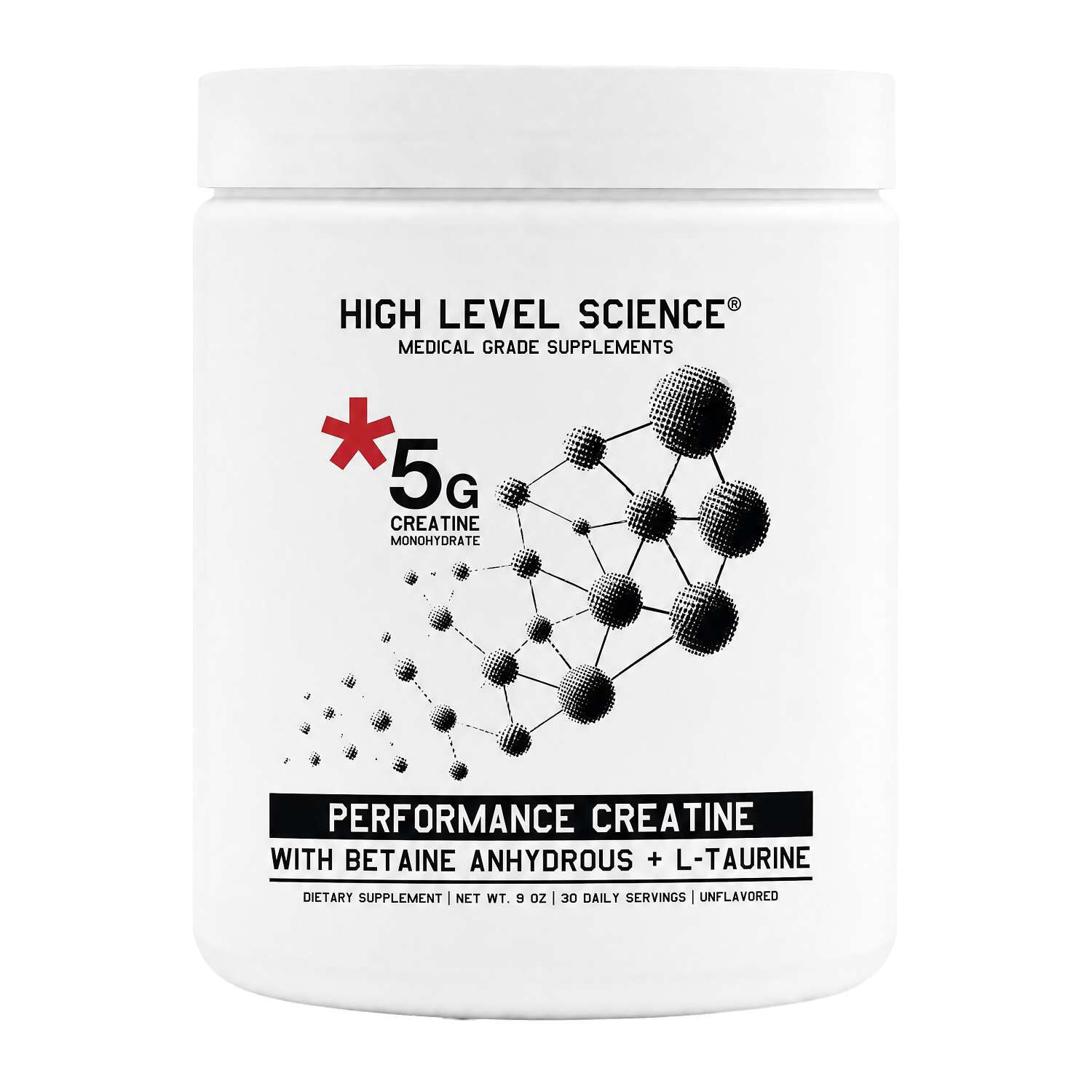 High Level Science$39.99
-
-
-

-
-
-
-
-
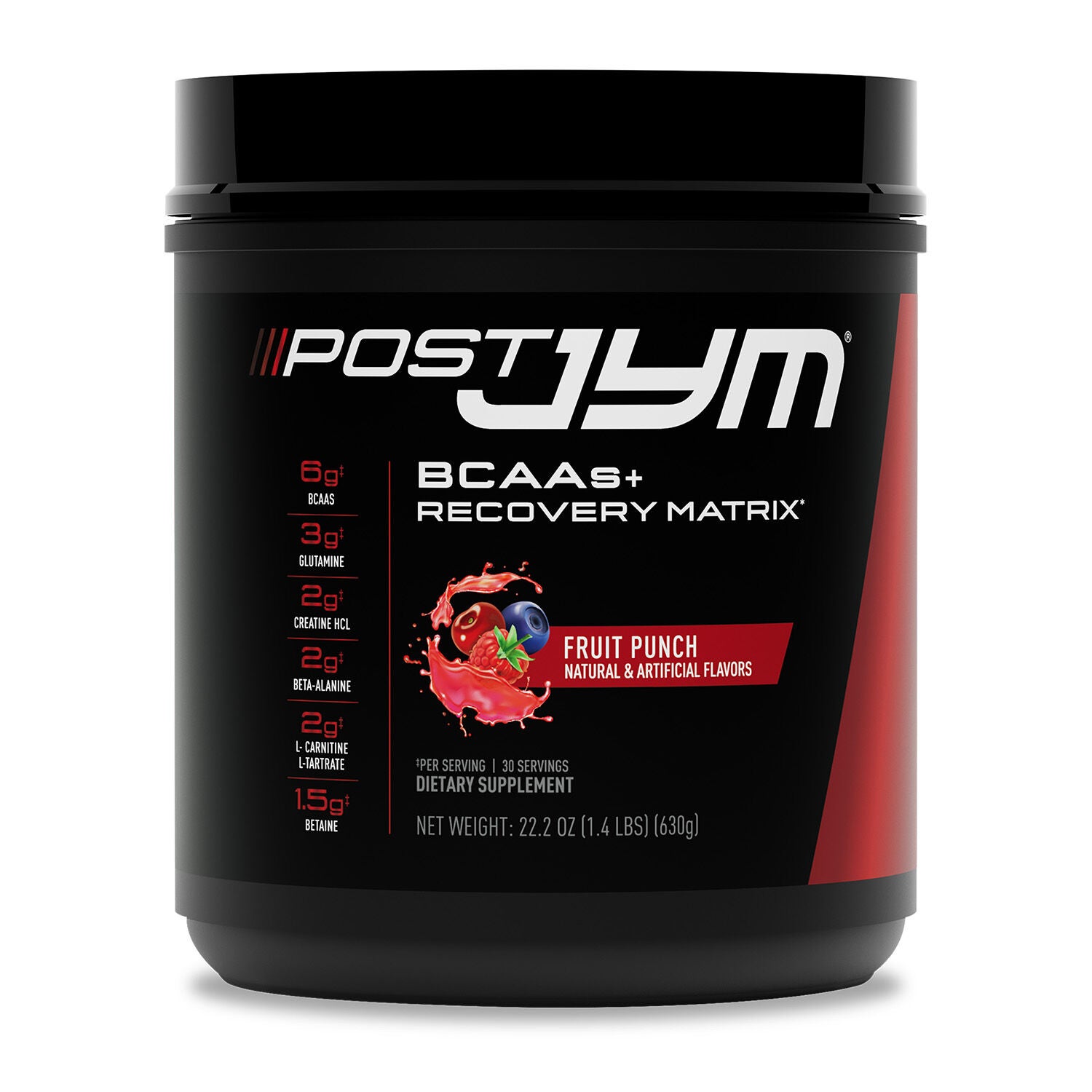
 MRI Performance$39.99
-
 MRI Performance$39.99
-
-

-
-
-
-


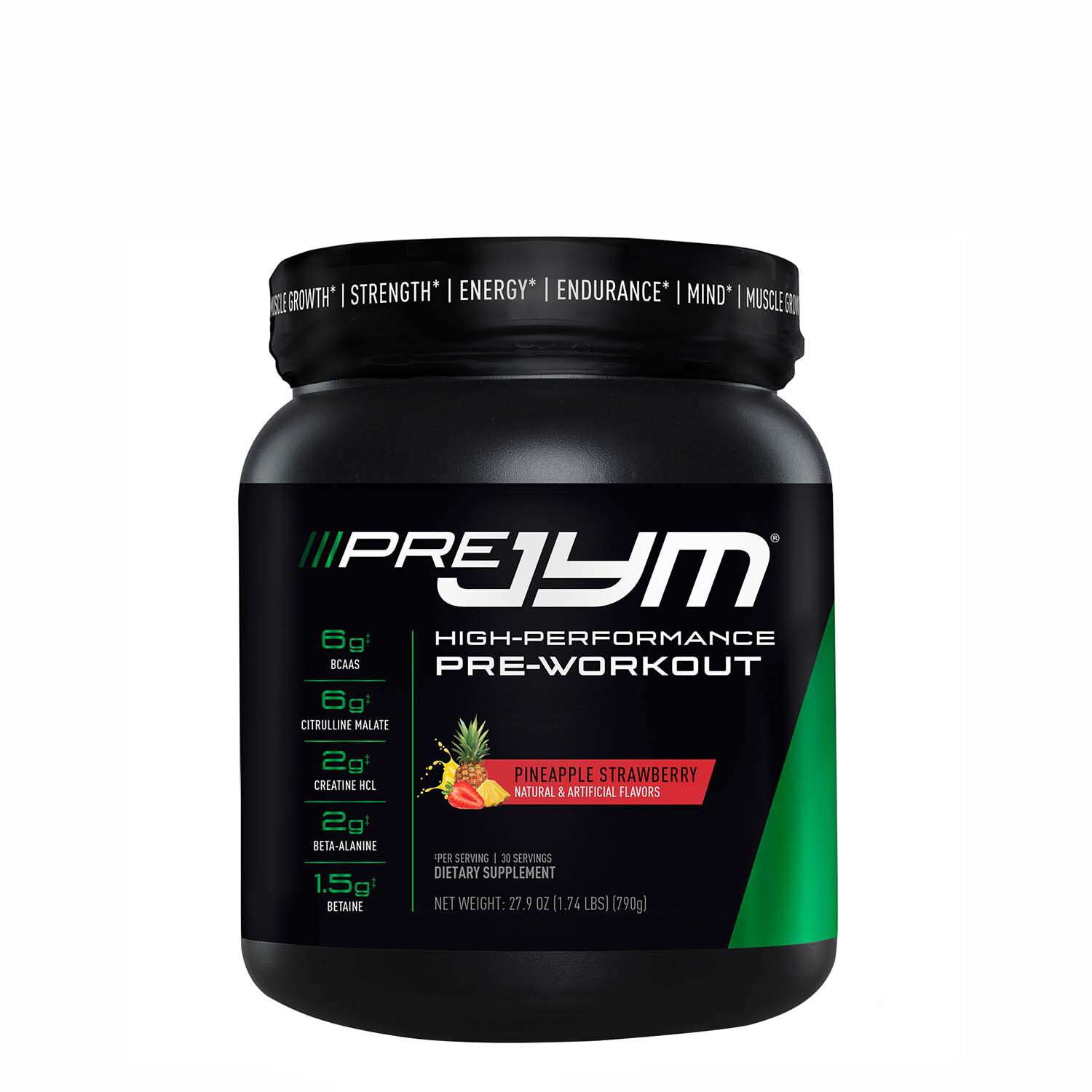
Muscle builder supplements with betaine are sports nutrition products intended for strength-training routines. Betaine, also known as trimethylglycine or TMG, is a compound found naturally in foods such as beets, spinach, and whole grains. On sports nutrition labels, it often appears as betaine anhydrous. That form is distinct from betaine hydrochloride, sometimes listed as betaine HCl, so the full ingredient name matters when comparing formulas. Betaine may support strength or power during resistance training, although research findings are mixed. In the weight room, strength and power describe different things: the heaviest weight a lifter can move tells a different story from how quickly the lifter can move a lighter load. Some studies also track how many repetitions a lifter performs or how much work the lifter does across several sets. None of those measurements is the same as a change in muscle size. Researchers also study betaine as an osmolyte, a compound involved in how cells manage water. That role alone does not establish how a particular supplement might affect hydration during a workout. For shoppers, the muscle builder label describes the intended training context rather than a single recipe or format. A standalone betaine formula and a pre-workout blend can both belong in the category while offering very different ingredient lists. A lifter who already has a pre-workout routine may be looking for betaine on its own, while someone who prefers mixing one drink before a session may be more interested in a blend. The full ingredient list clarifies that difference better than the wording on the front of the package.
The Supplement Facts panel is useful for comparing both the form of betaine and the amount listed per serving. Scoop size alone does not tell you how much betaine is in a powder, since a scoop may also contain flavoring, sweeteners, and other active ingredients. When a panel gives the weight of a blend without breaking out each ingredient, that figure does not show how much of the blend comes from betaine. Serving size matters for capsules and tablets, too: the listed amount may refer to more than one capsule or tablet rather than each one individually. The rest of the formula deserves a look, especially if a sports drink or pre-workout is already part of the same routine. For a lifter who has coffee before heading to the gym, for example, caffeine on the label may matter more than the flavor name. Other shoppers may be comparing sweeteners or looking for a formula that pairs betaine with branched-chain amino acids. Those amino acids are leucine, isoleucine, and valine; betaine is a separate ingredient, not another BCAA. For a related category, browse BCAA Powders With Betaine. Flavor is another practical consideration. A flavored powder may make sense for someone who likes a drink mixed with plain water, while an unflavored powder may suit someone who prefers a familiar beverage and whose mixing directions allow for it. The amount of liquid called for on the label is worth comparing, too. A powder meant for a larger drink may be less convenient for someone who carries a small shaker or has little time between getting to the gym and starting a session. For someone who measures and mixes at the kitchen counter, that same detail may not matter much.
The best-fitting format often comes down to what happens between packing for the gym and getting to the first set. Powder may suit the lifter who already brings a shaker and has a place to mix it, while capsules or tablets may be easier to pack for someone who goes straight from work to the weight room and would rather skip the mixing step. A person who finds large tablets awkward may prefer a powder, while someone particular about sweetness or aftertaste may lean toward a format that does not need to be mixed into a drink. Packaging matters for regular use as well. A tub with a lid that closes securely is practical on a cupboard shelf, and a shaker is easier to keep ready for the next session when the lid and threads are rinsed after use. For powders, a dry scoop and a closed container may help keep moisture out between servings. Keeping the original package also leaves the serving directions, storage information, and date markings easy to find, which is useful when several tubs or bottles share a shelf. For a training partner who has already mentioned using betaine, a familiar format and flavor may make more sense as a gift than an unfamiliar blend, particularly if that person is selective about caffeine or sweeteners. Whether the supplement is for a garage-gym lifter who tracks every set or an adult who fits a few lifting sessions around a busy schedule, the useful distinctions are concrete: which form of betaine the label lists, how clearly it shows the amount per serving, what other ingredients come with it, and how much preparation the format requires on an ordinary training day.
Best Sellers
-
 Create Wellness