Muscle Building Supplements With L Citrulline
(0 Results)
Muscle building supplements with L citrrulline are popular choices for those looking to support their fitness routines and active lifestyles. Featuring a key ingredient that fitness enthusiasts often seek out, these supplements may complement your workout regimen and help you pursue your training goals. Explore a variety of options designed for individuals aiming to take their muscle-building efforts to the next level.


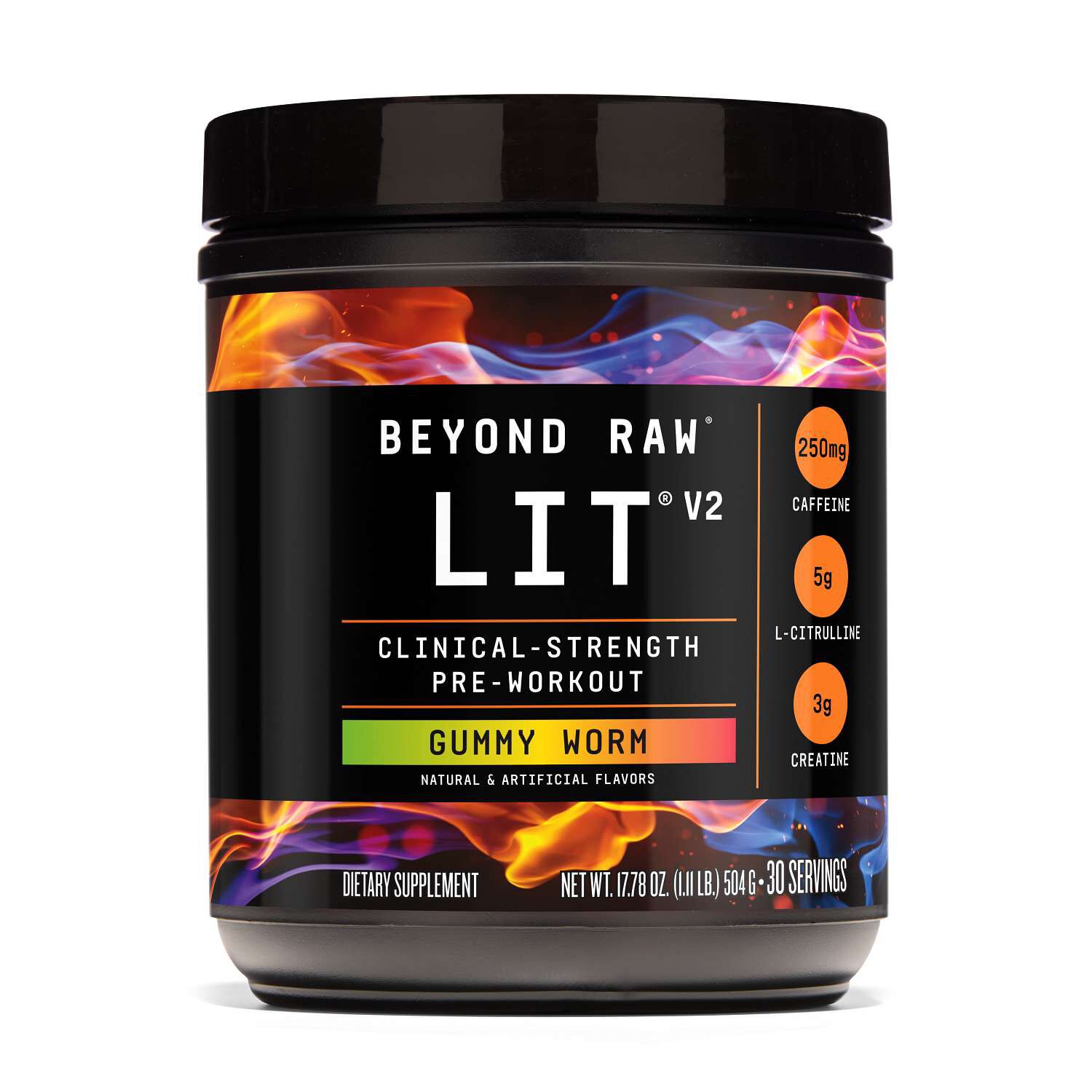

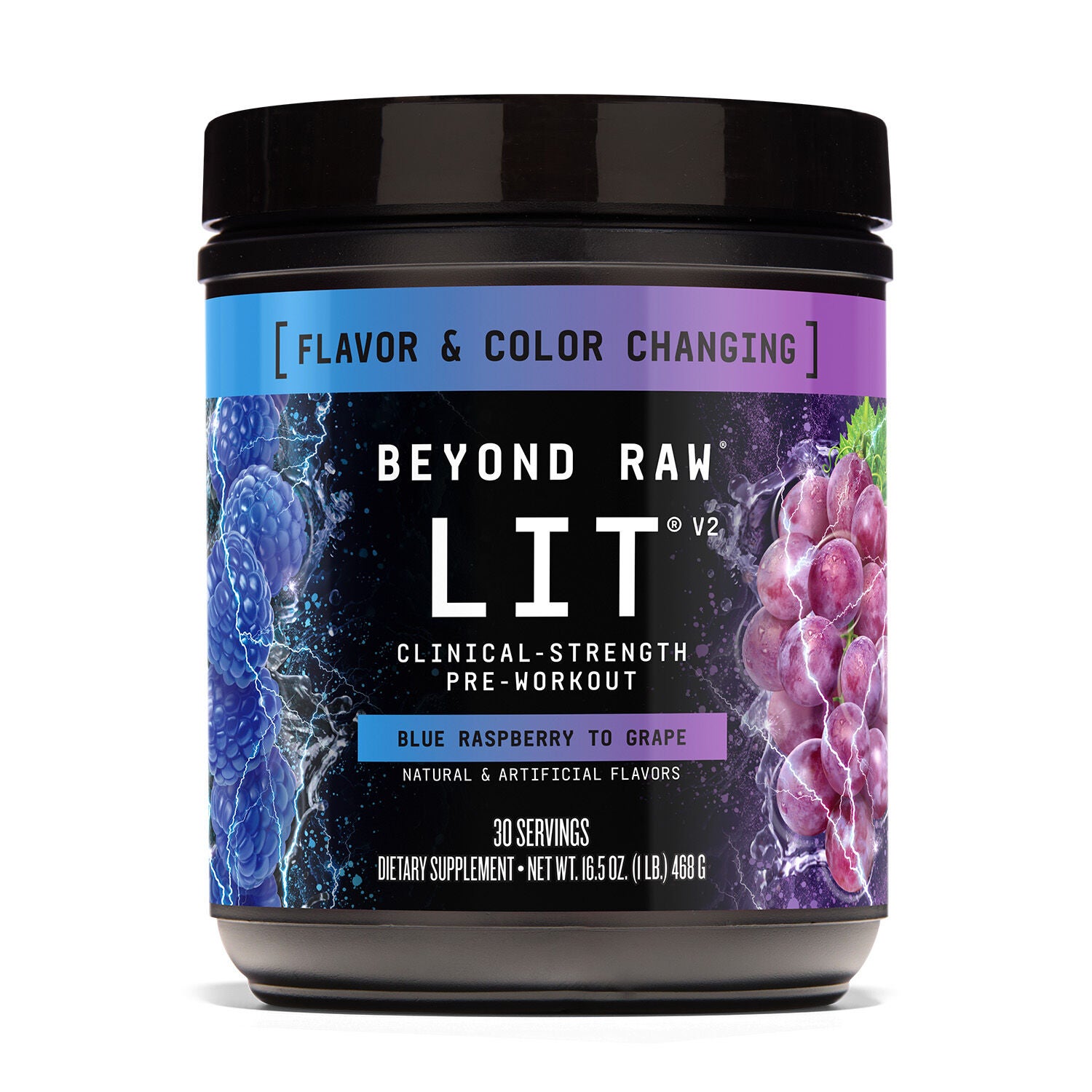
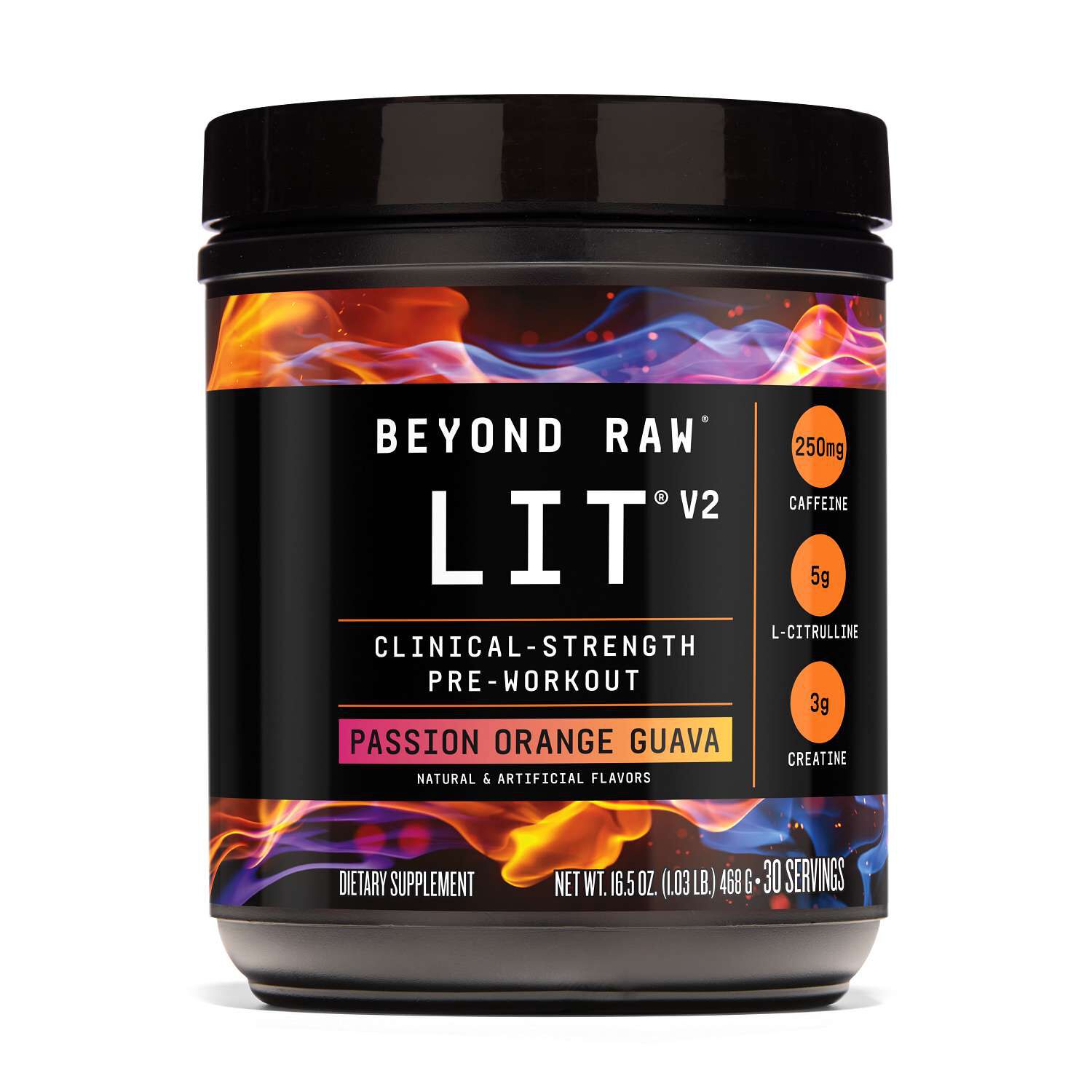


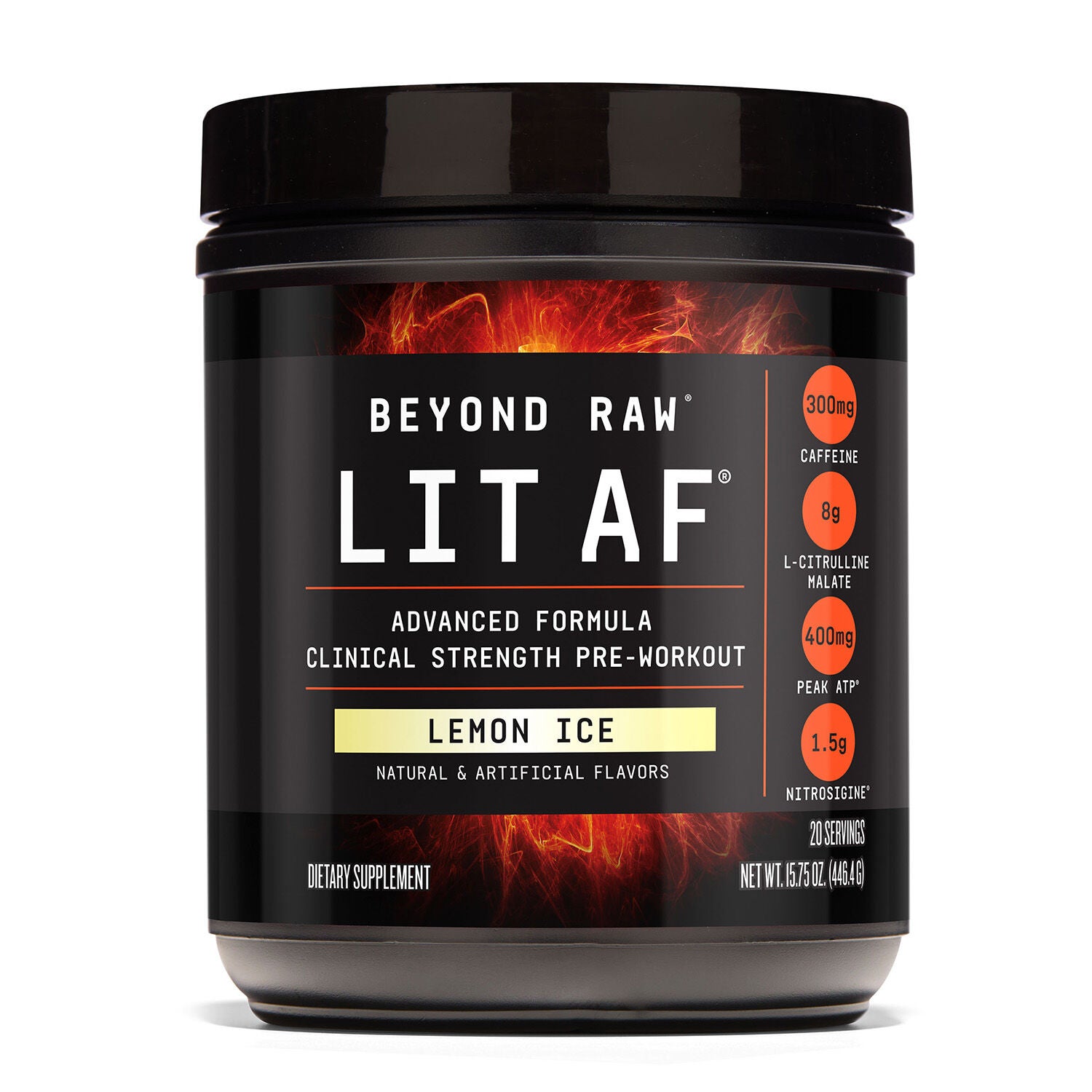

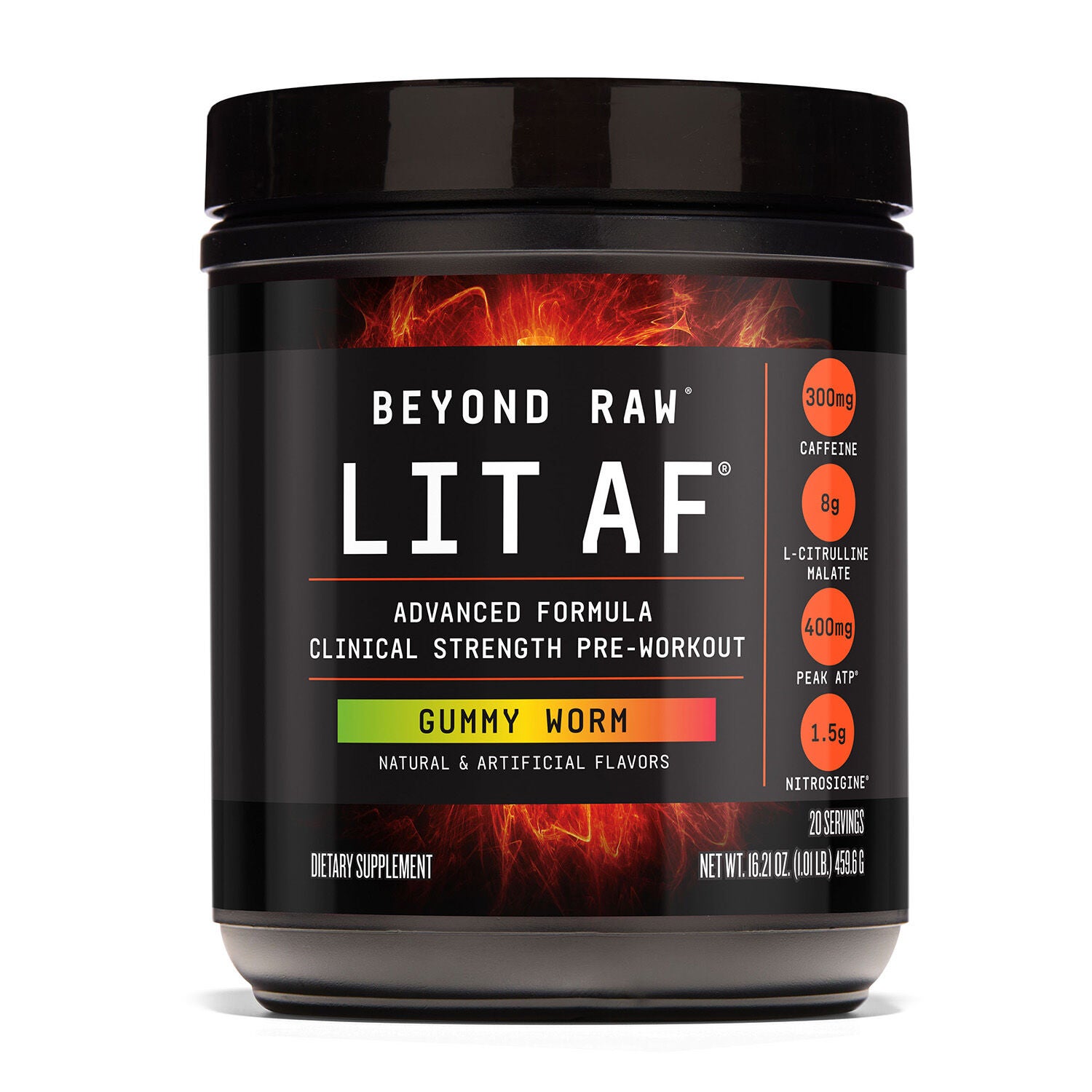
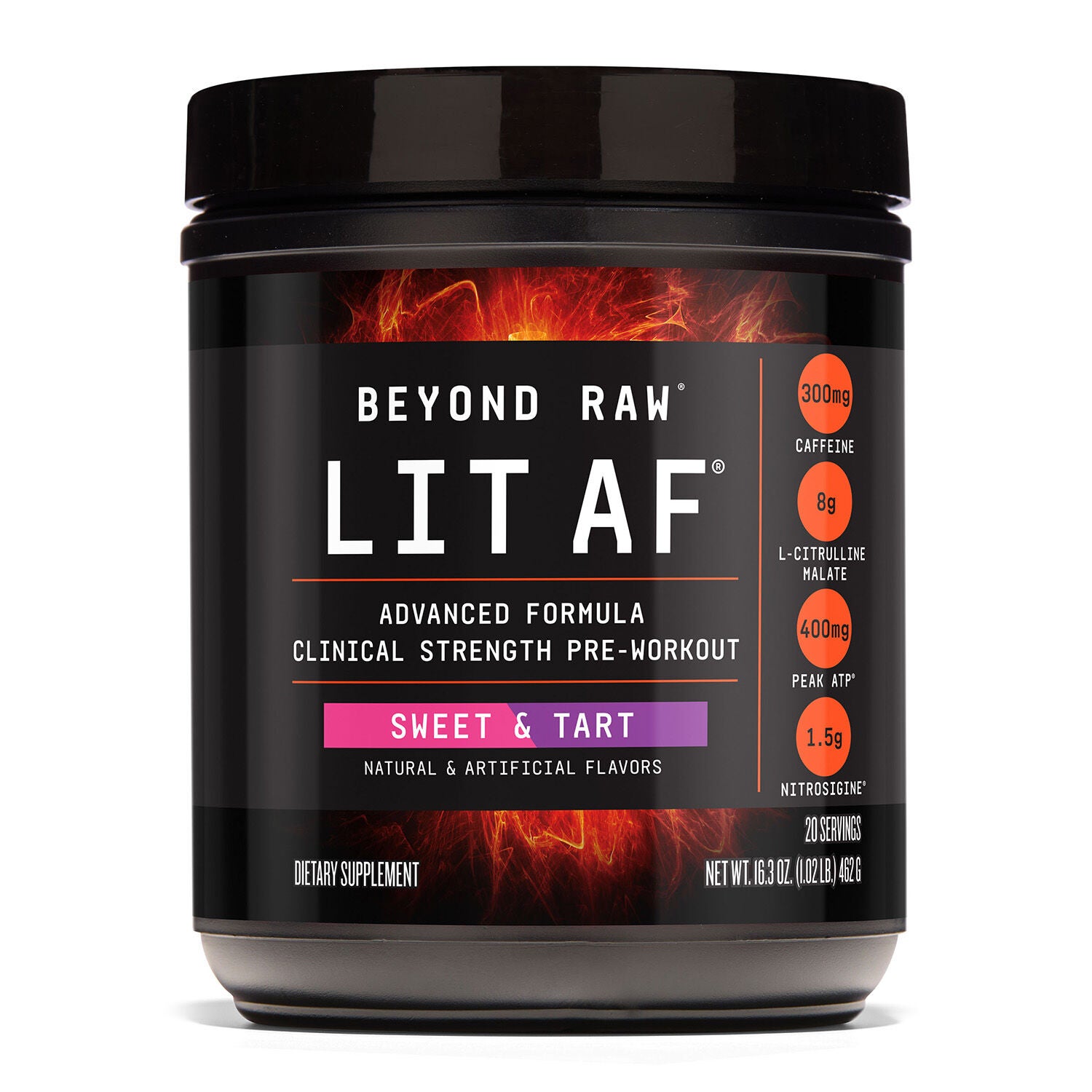
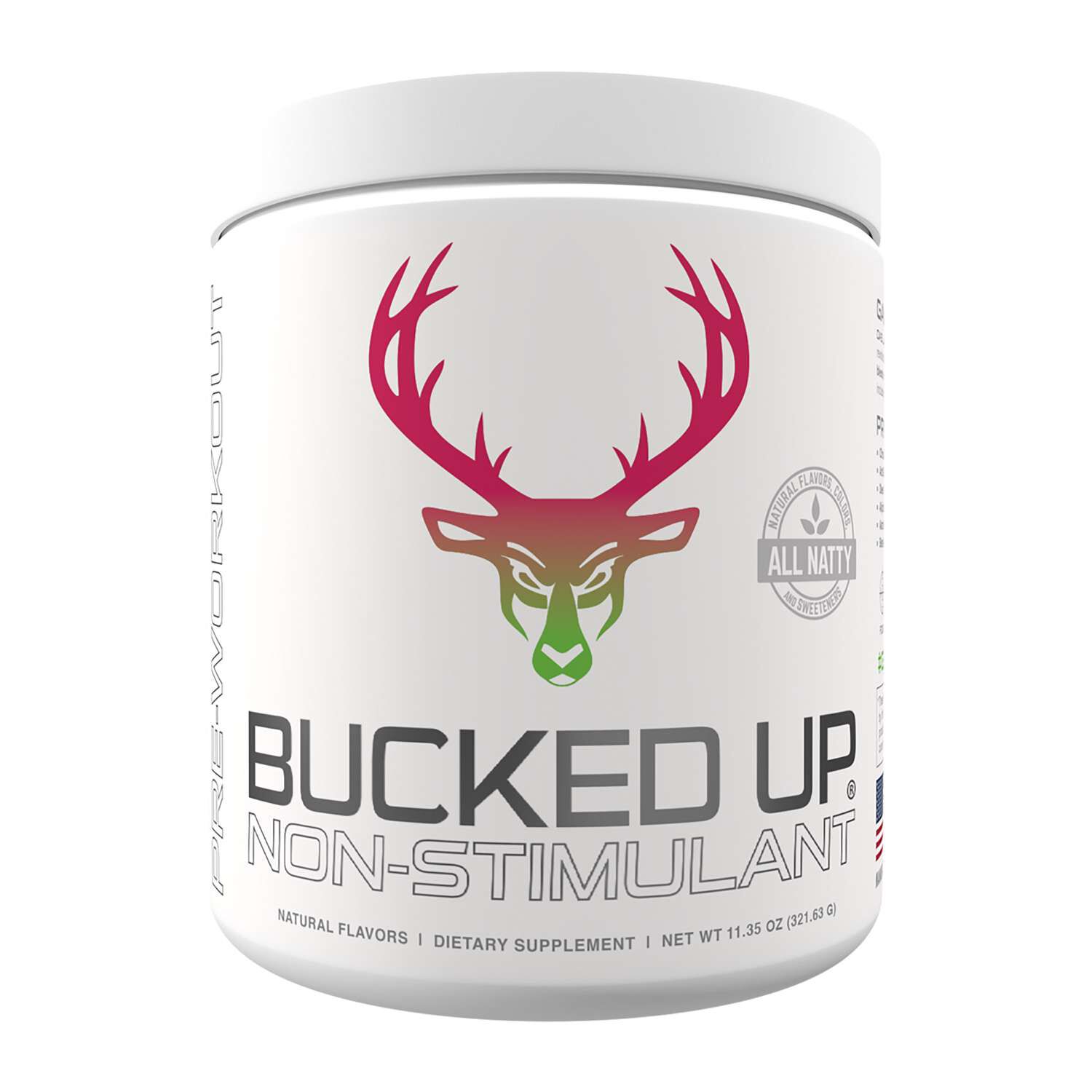

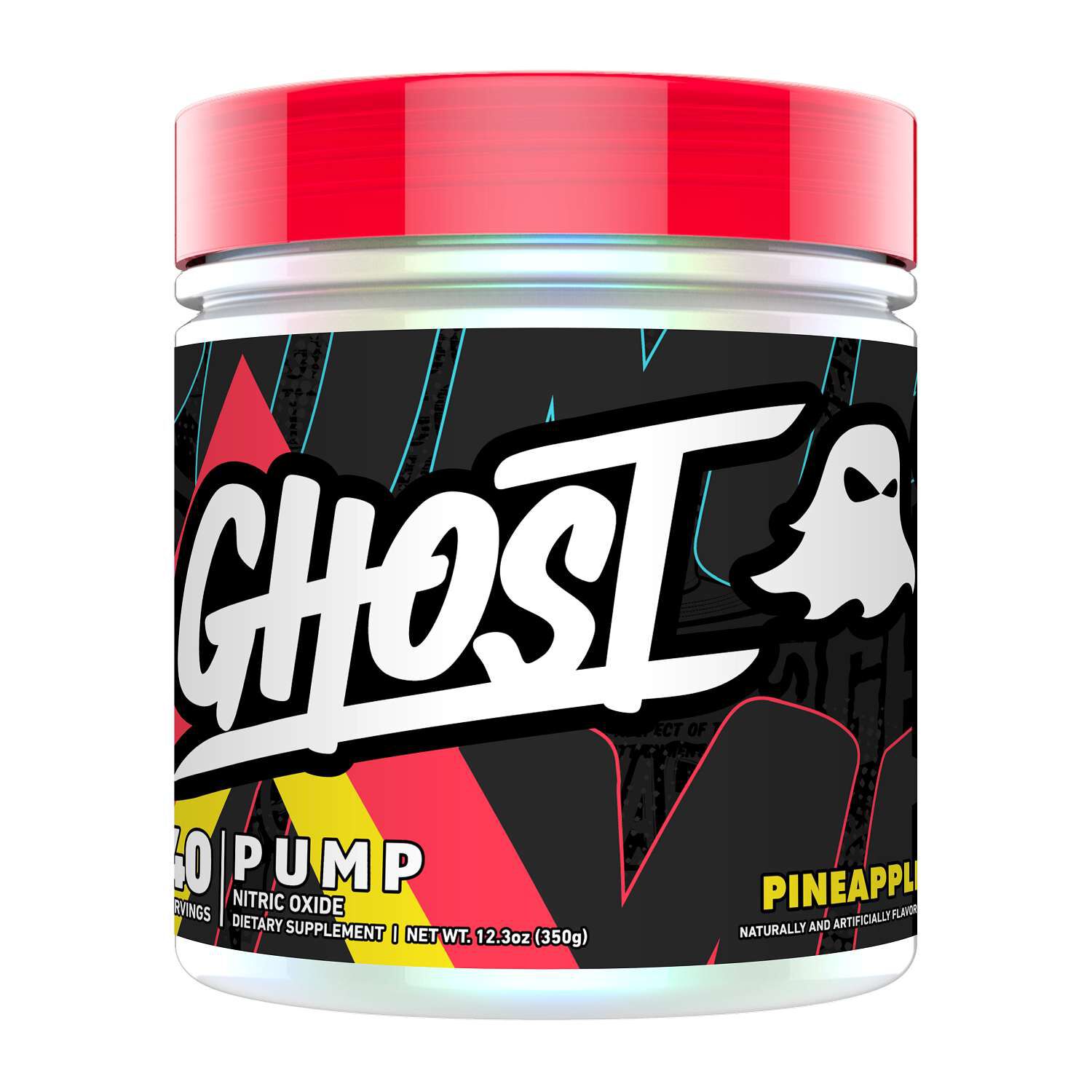

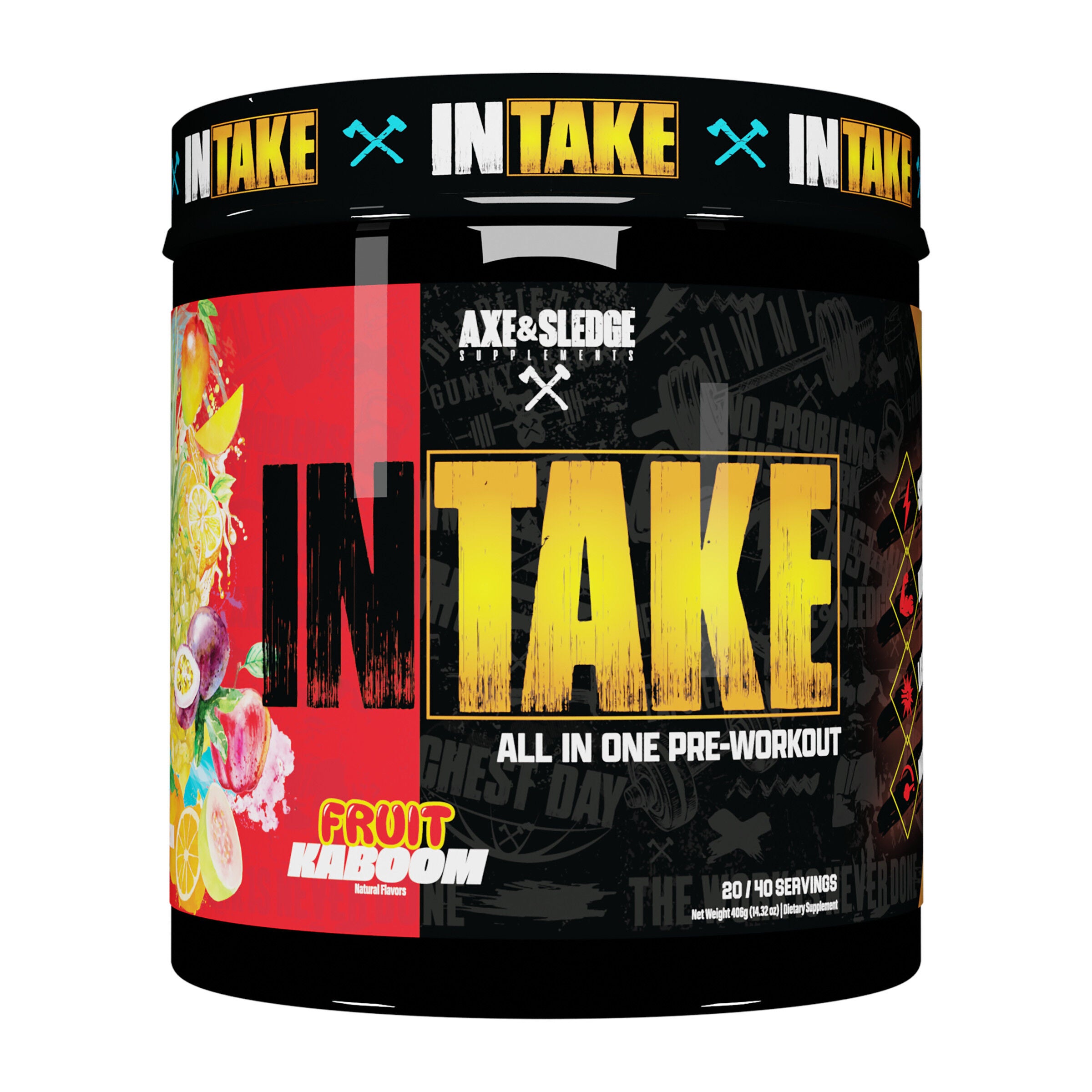

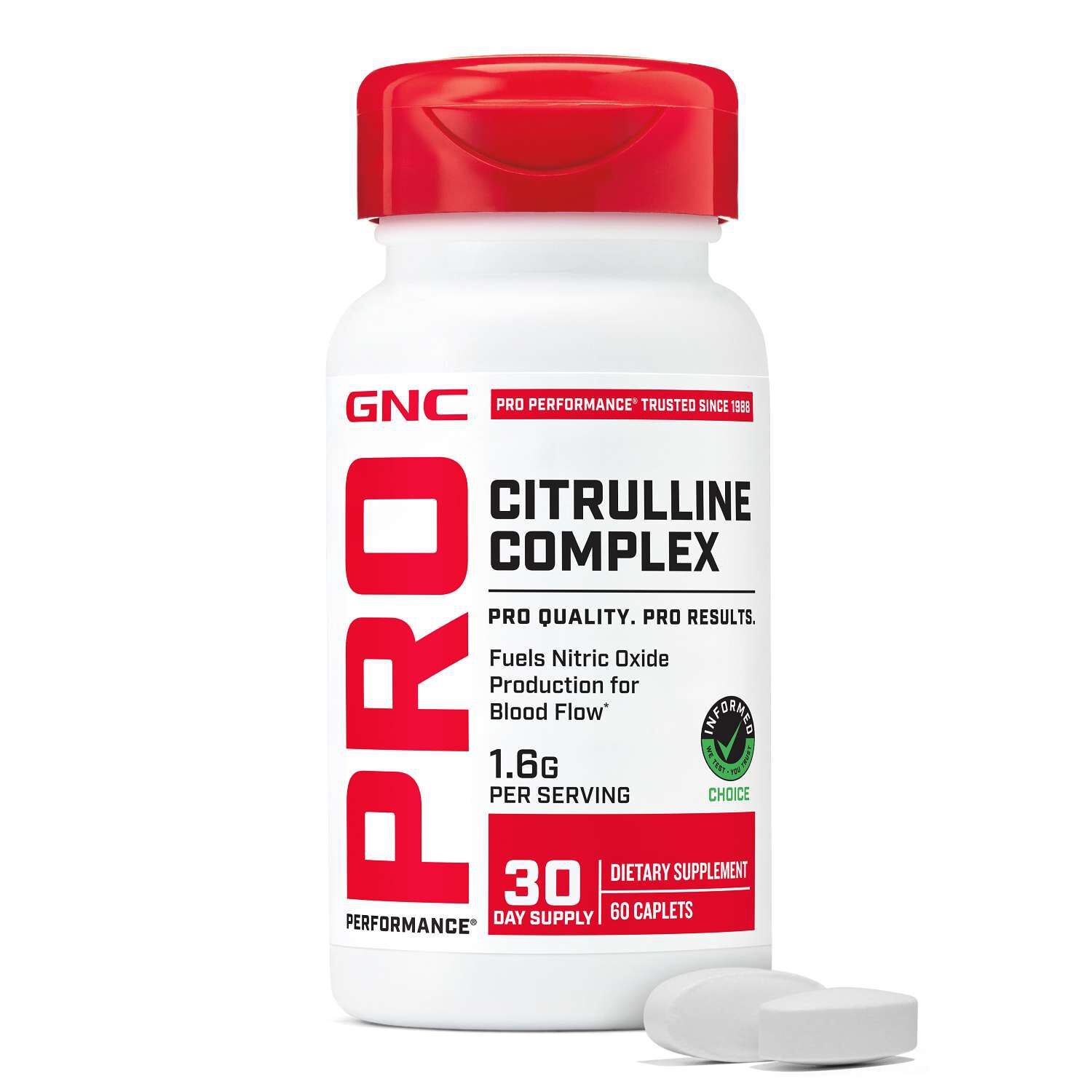

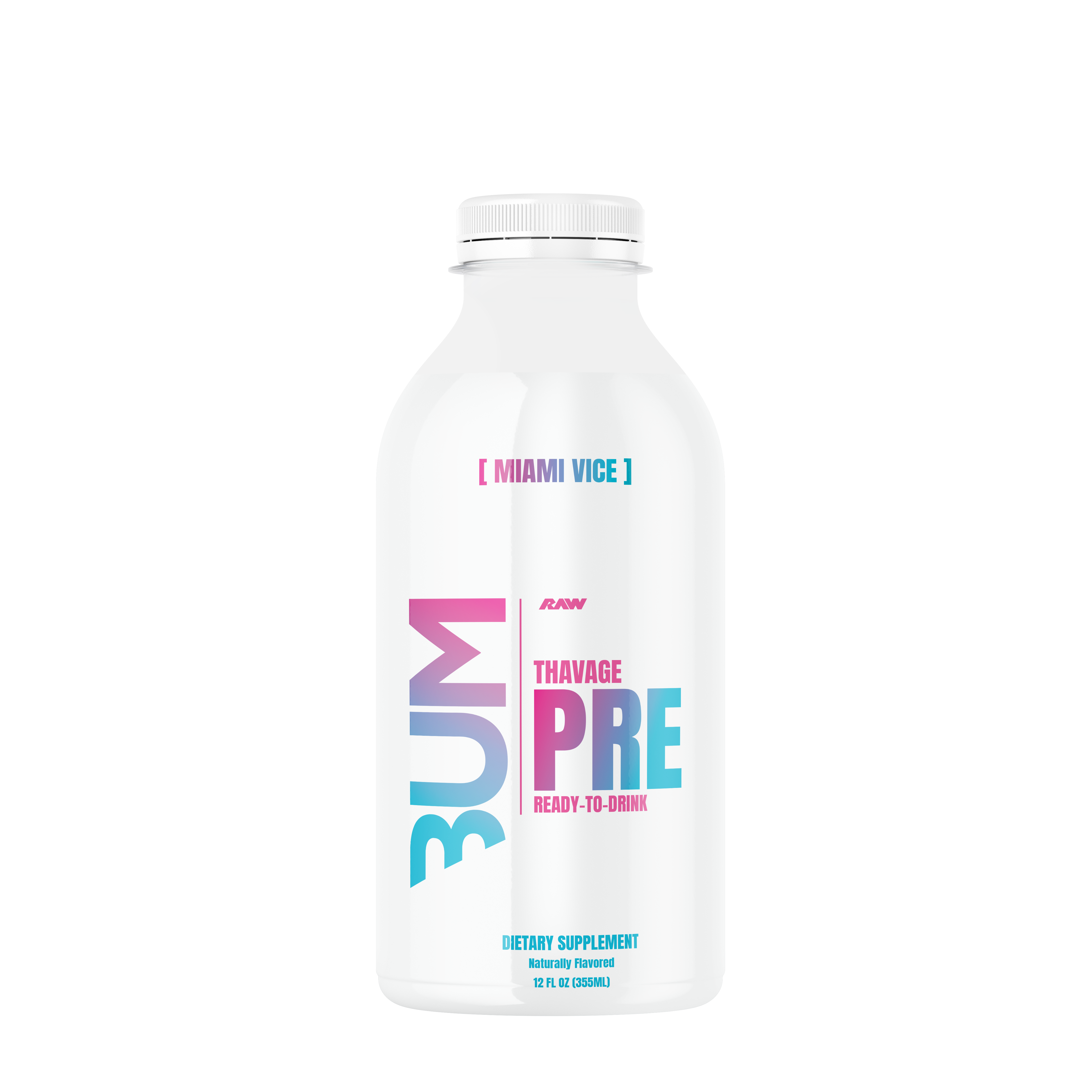

Muscle building supplements with L-citrulline are sports nutrition products designed for use alongside resistance training, often as standalone amino acid powders or ingredients in pre-workout blends. L-citrulline is an amino acid that the body produces naturally and that also occurs in foods such as watermelon. In a workout formula, it may support muscular endurance and the temporary feeling of muscle fullness often called a pump. Those exercise-focused qualities explain its place in products intended for lifting sessions, repeated sets, and other demanding training routines. The category name describes the intended training context, rather than an outcome from taking an ingredient alone. Muscle-building routines also involve progressive resistance exercise, sufficient food, dietary protein, and time for recovery. For someone moving through rows, presses, and accessory exercises, an L-citrulline supplement may complement that broader approach, but the ingredient is distinct from protein and does not serve the same nutritional purpose as a protein shake. Products in this category can differ substantially despite sharing a familiar ingredient name on the front of the container. Some keep the formula focused on L-citrulline, while others combine it with caffeine, creatine, beta-alanine, flavoring ingredients, or additional amino acids. A shorter ingredient list may appeal to someone who already has a preferred workout routine and wants to compare individual components. A multi-ingredient powder may suit someone who prefers several ingredients in one drink. Neither format tells the whole story by itself: the amount of L-citrulline per serving, the accompanying ingredients, and the preparation directions give a more useful picture of what is inside. Experienced lifters, adults establishing a consistent strength-training schedule, and fitness enthusiasts who enjoy comparing sports nutrition formulas may all have reasons to explore the category. The most relevant distinctions are practical ones, including how the formula fits the workout, how it tastes, and how clearly its label explains each serving.
Ingredient form is one of the most meaningful differences among L-citrulline supplements. A label may list L-citrulline on its own or citrulline malate, which combines citrulline with malate, a component associated with malic acid. These names are related, but their listed weights are not interchangeable. A stated amount of citrulline malate includes both components, so it should not be read as the same amount of L-citrulline alone. When a ratio is supplied, it provides additional context about the blend; when the citrulline amount is not separately disclosed, direct comparisons can be less straightforward. Serving size matters just as much. One formula may define a serving as one scoop, while another uses two, and a front-label amount may refer to that larger serving rather than a single scoop. For a closer look at a particular labeled quantity, Pre Workout Powders With 6000mg L Citrulline provides a related category to explore. Six thousand milligrams equals six grams, a useful conversion when comparing labels that use different units; the figure alone does not establish which formula suits an individual routine. The surrounding ingredient panel remains important. Caffeine-containing blends and formulas without caffeine offer different compositions, and someone training after dinner may have different preferences from someone heading to the gym before work. Creatine and beta-alanine are separate ingredients with their own labeled quantities, not other names for citrulline. Proprietary blends can also make ingredient-by-ingredient comparisons more difficult if only a combined blend weight appears. Beyond the active ingredients, sweeteners, colors, acids, and flavor systems shape the drink itself. A citrus-flavored powder may have a tart character, while an unflavored option may still contribute a noticeable taste when mixed. Dietary preferences and declared allergens are additional points of distinction, particularly for shoppers who already use several nutrition products and want a clear understanding of everything in their routine.
Everyday usability can be as important to the shopping decision as the formula. Powders allow for a prepared drink, while capsule formats offer a different approach for people who prefer not to mix another beverage. The number of capsules in a labeled serving can vary, just as scoop sizes vary among powders. For a powder, the suggested liquid volume gives context for both flavor and preparation: the same serving mixed into a small cup and a larger shaker can taste quite different. Mixing directions also matter because texture, settling, and the need to shake again depend on the formulation. A shaker with a secure lid may be convenient for someone carrying a drink from home to the gym, while a container kept on a kitchen shelf may suit someone who prepares each serving before leaving. Packaging details such as closure style, container dimensions, and serving count can help distinguish products that otherwise look similar on an ingredient panel. A compact package may fit more comfortably beside lifting straps and a training notebook, whereas a larger tub needs more room in a cabinet. Storage is part of that everyday fit. The package directions describe the intended storage conditions, and a tightly closed container and dry measuring scoop may help limit moisture exposure. Original packaging keeps preparation directions, ingredient information, lot details, and date markings together rather than separating the powder from its label. For shoppers comparing several supplements, clearly stated serving information also makes overlapping ingredients easier to recognize without assuming that every pre-workout has the same composition. Personal preferences deserve similar attention: a strongly flavored drink, a capsule-based serving, and a simple amino acid powder each bring a different experience to a training routine. These differences can matter for gifting, too, since flavor preferences, caffeine choices, and dietary requirements are personal. Across muscle building supplements with L-citrulline, the shared ingredient is a starting point for comparison. The fuller picture comes from its stated form and amount, the rest of the formula, and the practical details that make a product suitable for its intended use.