





Beef Organ Supplements
(0 Results)
Discover a powerhouse of nutrition with our Beef Organ Supplements. Packed with essential nutrients and vitamins, these supplements are sourced from high-quality beef organs to support overall health and well-being. Whether you are looking to boost your energy levels, support your immune system, or enhance your daily nutritional intake, our Beef Organ Supplements offer a convenient and effective solution. Explore our selection of carefully curated supplements to find your perfect match for optimal health and vitality.


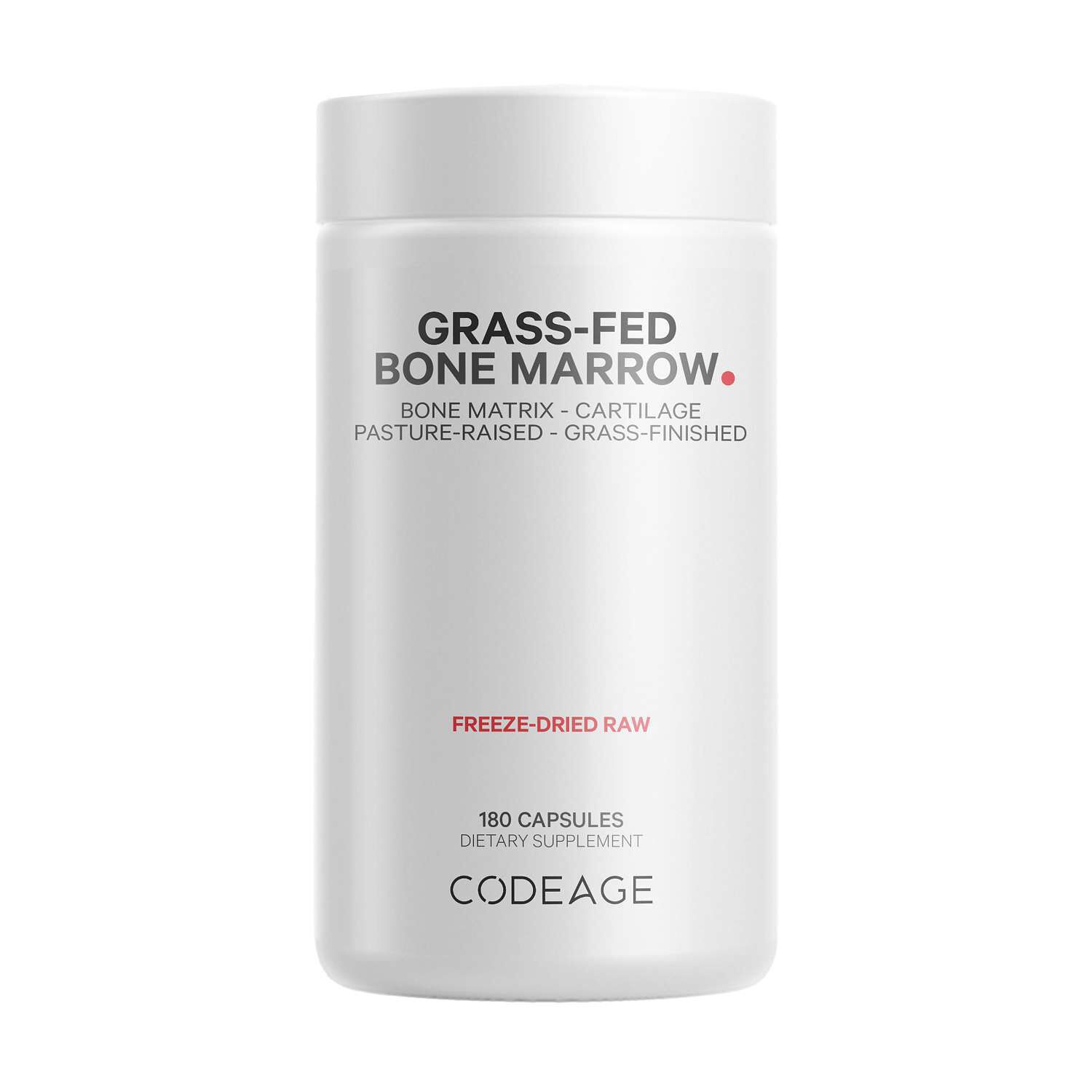
Beef organ supplements are dietary supplements made from dried cattle organs, commonly packaged as powders inside capsules. Formulas can contain a single organ, such as beef liver, or a blend of tissues such as liver, heart, kidney, spleen, and pancreas. The word bovine refers to cattle, while desiccated means dried; both terms often appear in descriptions of this category. The defining feature is the organ ingredient itself, rather than a formula assembled solely from individually added vitamins and minerals. For adults interested in animal-derived ingredients, capsules may offer a practical alternative to buying, preparing, and eating organ meats. Someone who enjoys a varied diet but does not enjoy the flavor or texture of cooked liver might find the capsule format more approachable. Still, an organ supplement is not nutritionally interchangeable with a serving of food, and the amount of dried tissue in a serving should not be confused with its vitamin or mineral content. Beef liver naturally contains nutrients such as vitamin A, vitamin B12, iron, and copper, but the amounts in a supplement depend on the ingredients, formulation, and serving size. The presence of liver powder alone does not establish how much of each nutrient a serving provides. A Supplement Facts panel that lists a measured nutrient amount offers different information from one that lists only the weight of an organ ingredient. That distinction matters when comparing beef liver supplements with multivitamins or other nutritional supplements. Single-organ formulas have a narrower ingredient focus, while multi-organ supplements combine several tissues in one serving. Neither format is inherently a better match for every shopper. The useful distinction is whether the ingredient list, disclosed amounts, capsule materials, and labeled use align with the person's preferences. Organ names describe what went into the formula; they do not, by themselves, establish a particular outcome from taking it.
The details on a beef organ supplement label make comparisons more meaningful than the front-of-bottle description alone. A blend might name several organs while providing only one combined weight, whereas another formula might disclose the amount of each organ separately. Those presentations offer different degrees of ingredient detail, even when the names on the front sound similar. Capsule count also needs context: a bottle containing more capsules does not necessarily contain more labeled servings, because serving sizes differ. The capsule shell deserves attention alongside its contents. Some shells use gelatin, while others use plant-derived materials, but a plant-derived shell does not make the animal-organ contents suitable for a vegetarian or vegan diet. Additional ingredients can include materials used during manufacturing or encapsulation, so the Other Ingredients section is part of the comparison rather than an afterthought. Sourcing descriptions provide another layer of context. Terms such as grass-fed and pasture-raised describe aspects of how cattle were raised, but they do not establish a standardized nutrient amount or explain every processing step. Country-of-origin information, when provided, can help distinguish where ingredients came from from where a finished supplement was manufactured or packaged. Testing statements are most informative when they identify what was evaluated, who performed the evaluation, and whether the information applies to the finished formula or an ingredient. A broad quality statement is less specific than documentation describing identity, composition, or testing for named contaminants. Related terminology can also help narrow a search: Bovine Glandular Supplements belong to an overlapping category that can include ingredients described as glandular tissues. Beef organ and bovine glandular are not necessarily interchangeable descriptions, so the actual tissue names remain important. A shopper looking specifically for liver has a different ingredient preference from someone comparing blends containing several organs, even if both formulas appear within the same broader category.
Everyday fit often comes down to ordinary details: capsule dimensions, the number of capsules in a labeled serving, packaging, and storage instructions. A larger capsule or a serving made up of several capsules may feel less convenient to someone who prefers a short supplement routine. Capsule count alone does not reveal capsule size, and product images may not provide enough context to judge dimensions accurately. Format matters for other reasons, too. Capsules enclose the powdered ingredient, while loose powders involve measuring and more direct contact with the material's aroma and texture. Dried organ ingredients can have a noticeable scent, and appearance can differ with the tissues and processing methods used. Color or odor alone is not a reliable way to compare nutrient content or verify quality. For storage, the package directions are the relevant reference. Keeping a container closed and protected from moisture and direct sunlight may help preserve its condition during ordinary use. A dry cabinet away from the sink offers a different storage environment from a bathroom shelf or a kitchen counter beside a steaming kettle. Original packaging also keeps the ingredient list, lot information, date markings, and use directions together. Those details are useful when a bottle stays in a cabinet for an extended period or when several supplements have similar-looking capsules. Date markings deserve attention, particularly for someone who uses a supplement less frequently than the labeled serving schedule suggests. Package size is most useful when considered alongside serving count and the person's established routine, rather than capsule quantity alone. Because preferences around animal ingredients, capsule materials, and supplement routines are personal, beef organ supplements are generally a more considered purchase than an interchangeable gift. For a shopper comparing the category, the clearest match is a formula with an understandable ingredient list, relevant sourcing information, readable directions, and a format that suits everyday preferences. Those practical details keep the focus on what the supplement contains and how it is packaged, without relying on broad claims about what organ ingredients might do.
Best Sellers
Related Pages
Top Collections
- Daily Collagen Supplements | Top Brands & Deals | GNC
- Cortisol Supplements
- Top Rated Collagen | Shop Customer Favorites | GNC
- Vitamins For Hair Loss
- NAD+ Supplement Tablets
- Peptide Supplements
- Best Brand of Magnesium Glycinate
- Protein Powders For Muscle Growth Support
- Vitamins That Help Support Weight Gain
- Peptide Supplements for Muscle Growth