





Bovine Glandular Supplements
(0 Results)
Explore the potential benefits of bovine glandular supplements, a unique category of dietary aids that could support various aspects of health and wellness. Derived from the glands of cattle, these supplements might offer a natural way to complement your nutritional regimen. Whether you're looking to enhance vitality, support immune function, or promote overall well-being, bovine glandular supplements may be an intriguing addition to your daily routine. Discover how these supplements could fit into your lifestyle and potentially contribute to achieving your health goals.
-
-

-
-

-

-
-
 $99.99
-

-

-

-

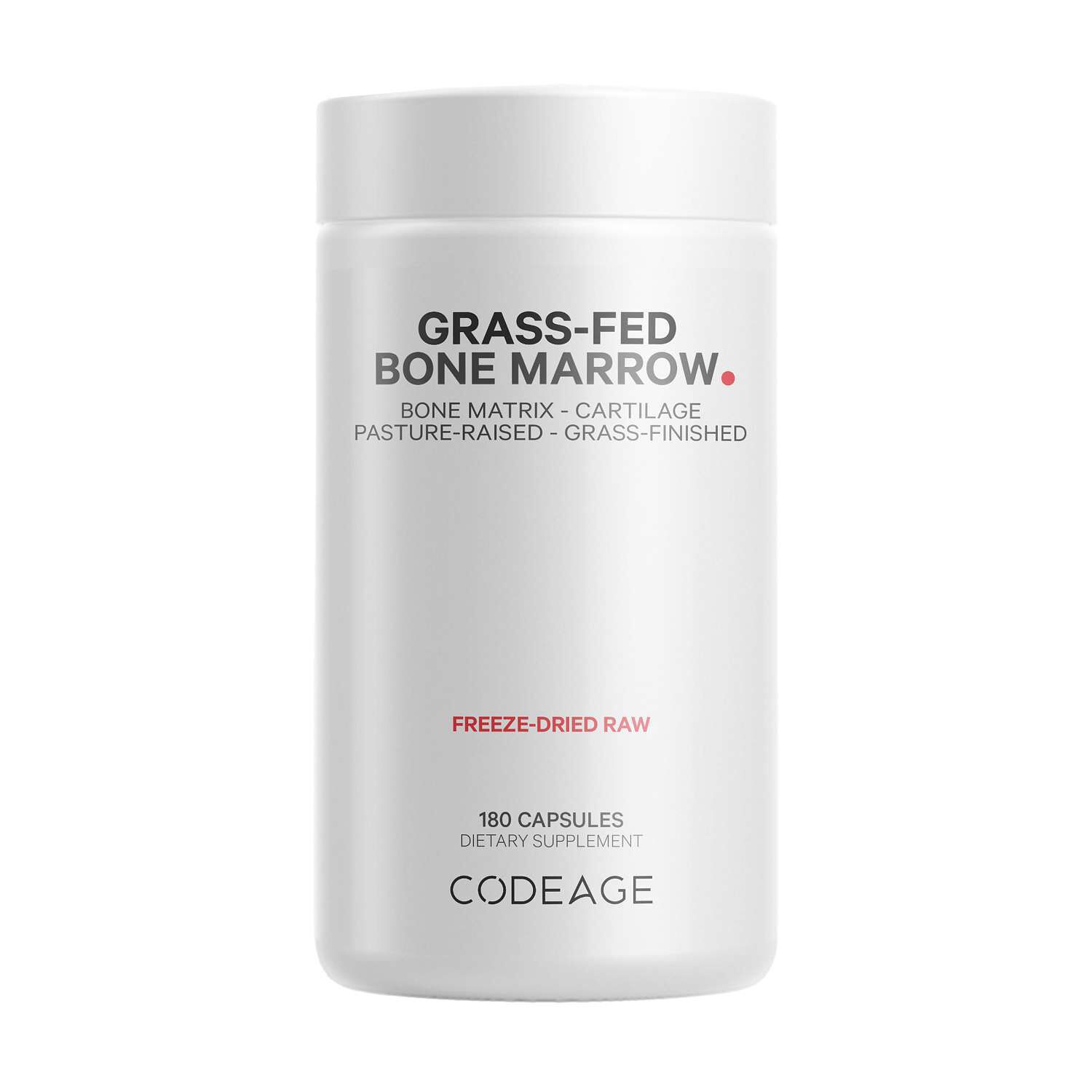

Bovine glandular supplements are dietary supplements made with tissue from cattle glands, usually processed into a dried ingredient for capsules, tablets, or powders. Bovine identifies the animal source, while glandular describes the tissue used. Depending on the formulation, named sources can include adrenal, thyroid, pituitary, or thymus tissue. The broader category of bovine organ supplements also includes ingredients such as liver and heart, so not every supplement derived from cattle is a glandular formula. Some formulations contain one named tissue; others combine several tissues in a blend. This distinction matters because similar-looking bottles can contain substantially different ingredients. Desiccated is another term commonly associated with this category: it means that moisture has been removed from the source material. After drying, the tissue can be milled into powder and incorporated into the finished formulation. A processing description explains how an ingredient was prepared, but it does not establish a particular wellness benefit. Likewise, the name of a source gland does not demonstrate an effect on the corresponding human gland. For shoppers comparing bovine glandular supplements, the clearest starting point is the actual ingredient description rather than a broad phrase on the front label. A named tissue, the quantity provided per serving, and a clearly described format offer more useful context than the category name alone. These supplements are distinct from beef protein powders, which are formulated around protein content rather than a named glandular tissue. They also differ from eating organ meats, since a measured amount of dried tissue is a different preparation from a serving of food. Adults who prefer animal-derived supplement ingredients may be interested in this category, particularly when the source tissue and manufacturing details are clearly documented. Because the ingredients come from cattle, bovine glandular formulas do not fit vegetarian or vegan dietary preferences, regardless of whether the outer capsule is made from plant-derived material.
Sourcing and label detail provide much of the context needed to compare these formulations. Information about where cattle were raised, which tissues were used, and how those tissues were processed describes different parts of the supply chain. A country of manufacture does not necessarily identify the origin of the cattle, and a statement about cattle feeding practices does not describe every later processing step. Grass-fed and pasture-raised language relates to animal husbandry; it is not, by itself, evidence of a particular ingredient composition or product effect. More informative sourcing descriptions connect the animal origin with the named tissue and the finished supplement. Testing information deserves similar attention to detail. Independent testing can address ingredient identity and selected contaminants, but the scope of the testing matters. A general testing statement does not explain which substances were measured, what methods were used, or whether the results apply to a particular production lot. Documentation that identifies those details offers a clearer picture than an unexplained symbol or broad quality statement. On the Supplement Facts panel, the serving size and amount per serving belong together. A listed quantity for several capsules is not directly comparable with a quantity for one capsule unless the difference in serving size is considered. The weight of dried tissue is also not the same measurement as the amount of a particular vitamin, mineral, or other constituent. When individual nutrients are declared separately, those amounts provide their own information and should not be inferred from the tissue weight. Blended formulas add another consideration: a combined blend amount may not reveal the quantity of every tissue included. The other ingredients list describes capsule materials, binders, fillers, and related formulation components that are separate from the named glandular ingredient. These details matter to shoppers with dietary preferences as well as anyone comparing a short ingredient list with a more complex formulation. Clear labeling makes differences visible without requiring assumptions about what a tissue name, sourcing phrase, or serving weight might mean.
Format, packaging, and everyday handling also distinguish bovine glandular supplements. Capsules enclose the ingredient in a shell, while tablets use a compressed format that may include additional ingredients to hold the tablet together. Powders have a different texture and handling experience, and their measuring instructions are part of the label rather than something to infer from another format. Capsule dimensions, the number of units in a serving, and the container design can be practical considerations for someone organizing a daily supplement routine. A bottle that stays in a kitchen cabinet has different handling demands from one packed in an overnight bag, but the storage directions remain the reference in either setting. Keeping the original packaging preserves access to the ingredient list, serving information, lot identification, and printed date. A securely closed lid and storage consistent with the label may help limit exposure to moisture and preserve the intended condition of the contents. Labels sometimes address expected differences in color or aroma associated with animal-derived ingredients; appearance alone does not establish ingredient identity or quality. For shoppers considering a wider range of cattle-derived formulations, Beef-Based Supplements offers a related category, although beef-derived protein, organ blends, and glandular formulas remain distinct product types. Comparing them by ingredient source and labeled purpose is more meaningful than treating them as interchangeable because they share an animal origin. Within glandular supplements, the intended use is the dietary use described on the label, not an assumed outcome suggested by the source tissue. Preferences around animal sourcing, capsule materials, ingredient transparency, and serving format are personal, making this a category for deliberate individual selection rather than an unexpected gift. The most useful product information connects those practical details: what tissue is included, how much is provided in a labeled serving, what else is in the formulation, and how the finished supplement is packaged and stored. Together, those facts give bovine glandular supplements a clearer place among animal-derived dietary products without attaching unsupported expectations to their names.
Best Sellers
Related Pages

Top Collections
- Daily Collagen Supplements | Top Brands & Deals | GNC
- Cortisol Supplements
- Top Rated Collagen | Shop Customer Favorites | GNC
- Vitamins For Hair Loss
- NAD+ Supplement Tablets
- Peptide Supplements
- Best Brand of Magnesium Glycinate
- Protein Powders For Muscle Growth Support
- Vitamins That Help Support Weight Gain
- Peptide Supplements for Muscle Growth