Grass Fed Supplements
(0 Results)
Discover high-quality grass-fed supplements to support your health and wellness goals. Our selection of grass-fed supplements offers a range of options to help you meet your nutritional needs. From protein powders to multivitamins, these supplements are sourced from grass-fed sources to provide you with clean and natural ingredients. Whether you're looking to boost your energy levels, support muscle recovery, or enhance your overall well-being, our grass-fed supplements are designed to help you thrive. Explore our collection today and take your health journey to new heights with GNC.

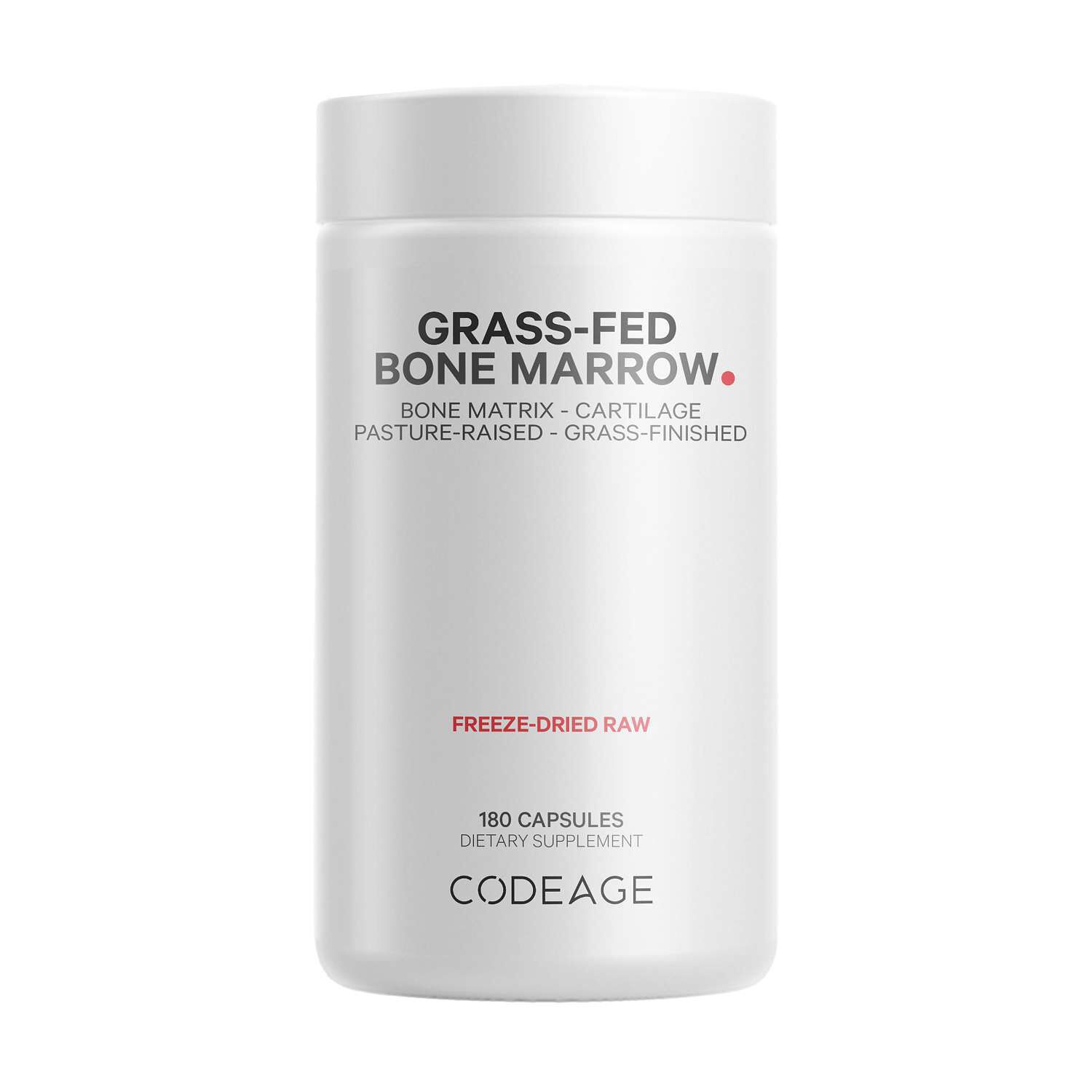


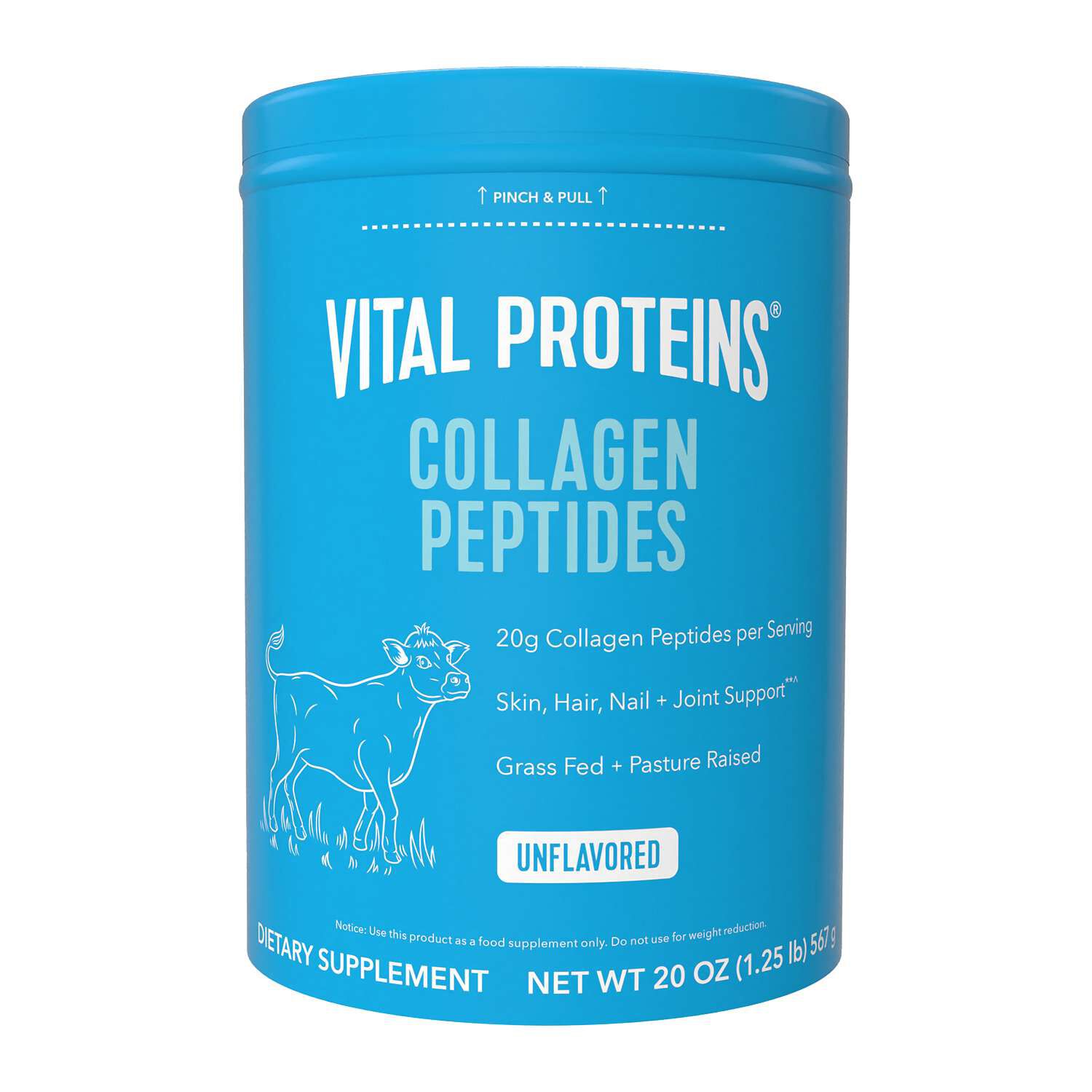
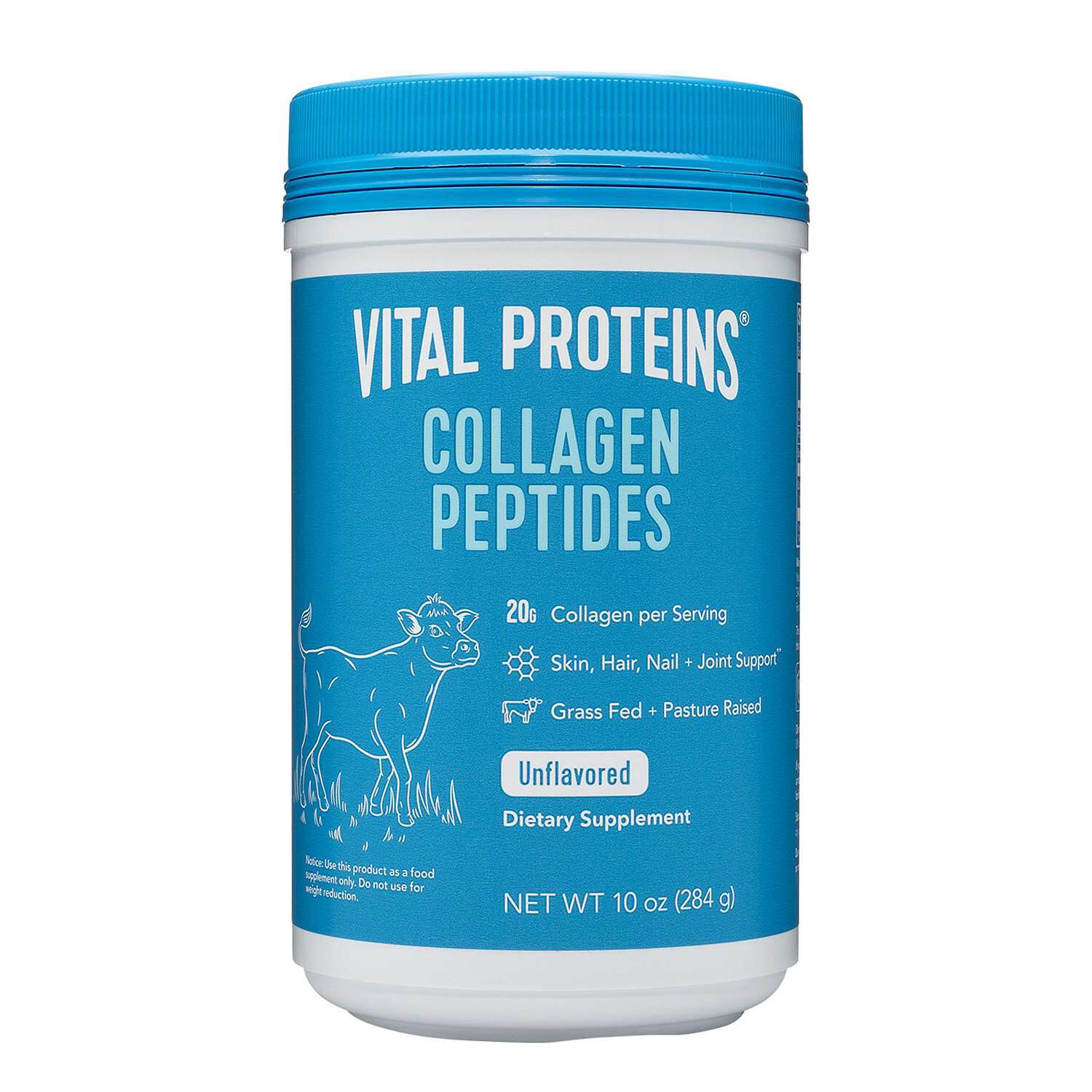


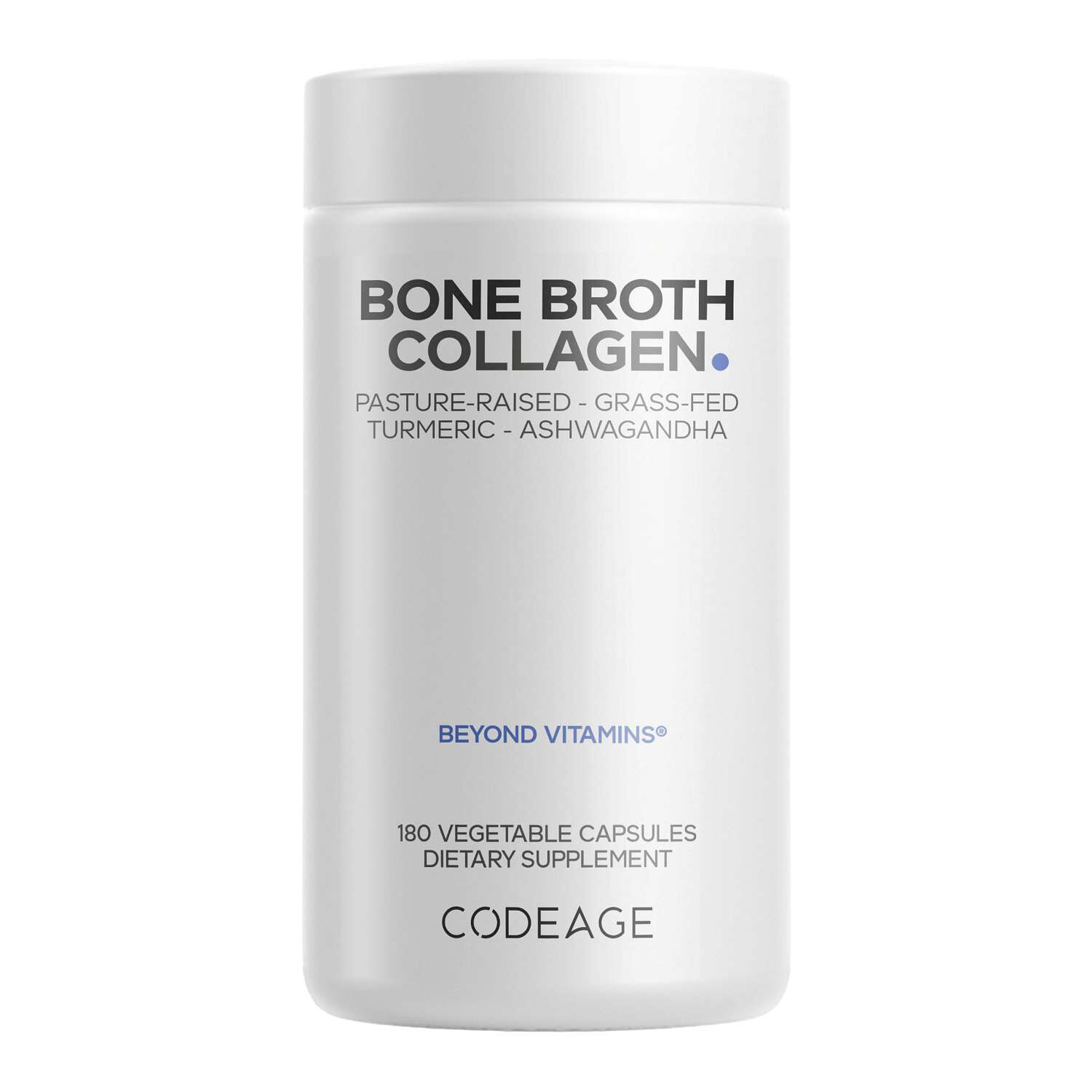


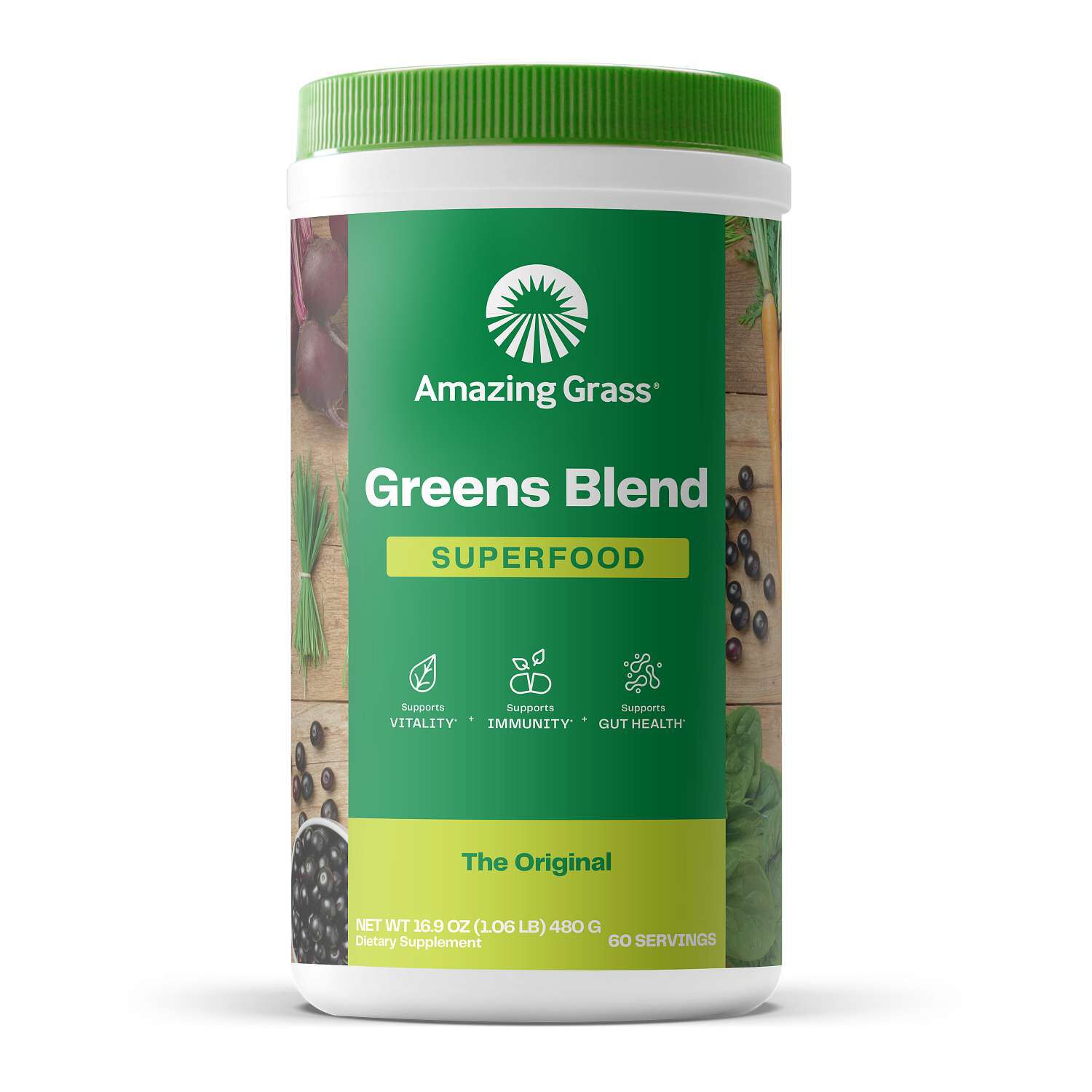

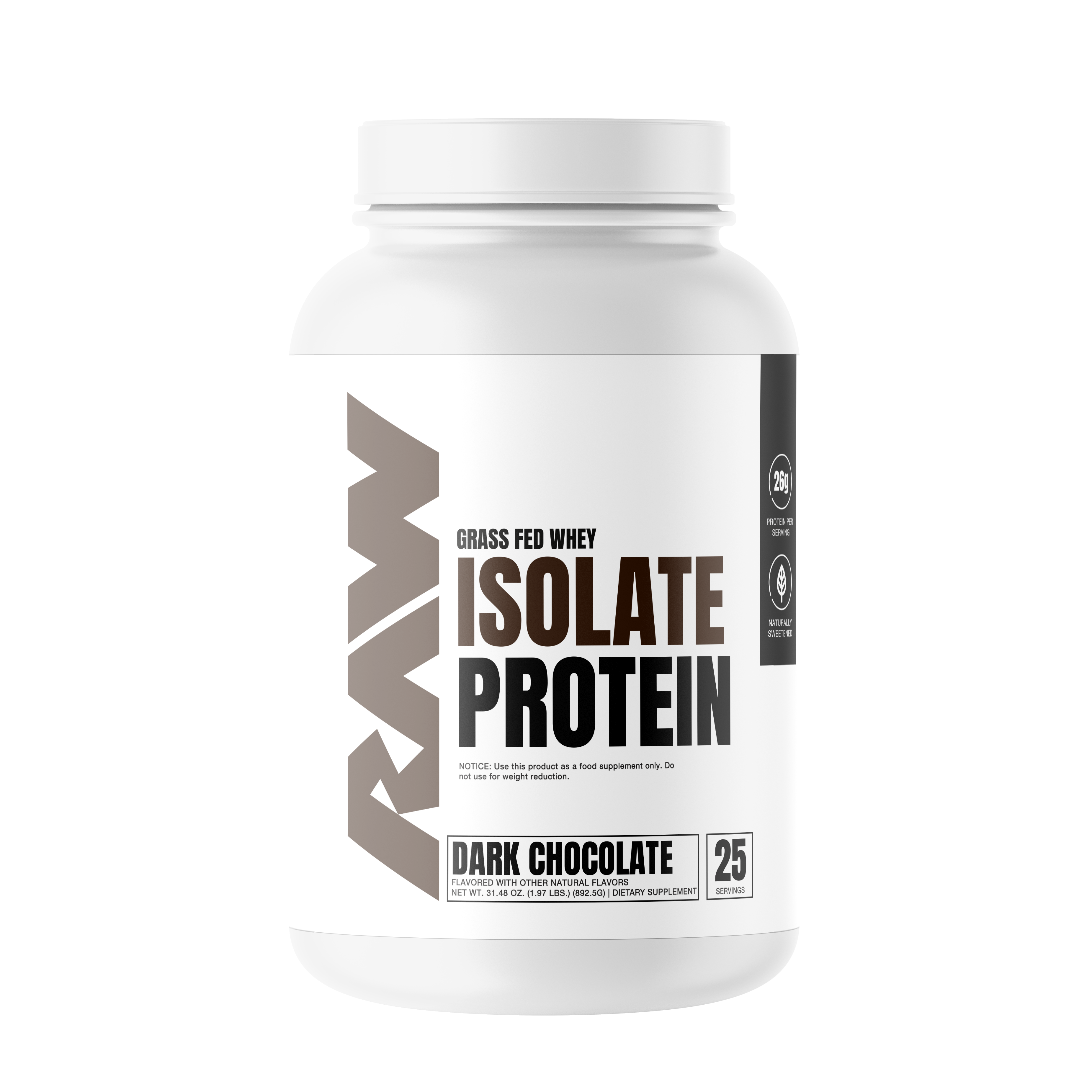
Grass-fed supplements are animal-derived nutritional products made with ingredients sourced from cattle raised on a grass-based diet. The category includes dried beef organs, bovine collagen, bone marrow, colostrum, and dairy-based protein powders, with each type offering a different ingredient profile and intended use. Beef liver supplements contain dried liver in capsules or powder, while multi-organ formulas combine tissues such as liver, heart, kidney, and spleen. These formats may suit adults who want organ-derived ingredients without preparing organ meats or incorporating their distinctive flavor into meals. Liver naturally contains nutrients such as vitamin A, vitamin B12, iron, and choline, but the amounts present in a supplement depend on its ingredients, processing, and serving size. The presence of an organ on the label does not establish a particular amount of every nutrient associated with that food. Collagen products contain collagen sourced from bovine tissues, often processed into peptides for use in powders. Bone marrow supplements use another bovine ingredient and should not be treated as interchangeable with collagen or organ blends. Colostrum is the first milk produced after a cow gives birth; supplements made from it belong to a different category than dried organs, even when both carry grass-fed sourcing statements. Whey comes from milk and is commonly sold as a protein powder for shakes and other foods. The shared grass-fed description concerns how the source animals were fed, rather than identifying one nutritional formula or one purpose. Grass-fed and pasture-raised also describe different aspects of animal agriculture: one concerns diet, while the other concerns access to pasture. Neither term, on its own, explains every farming practice or processing step. Detailed sourcing statements, ingredient lists, and nutrition information therefore provide a clearer picture than the front label alone. For shoppers comparing grass-fed supplements, the most useful starting point is the ingredient itself, followed by its amount per serving and the format that fits an everyday routine.
The differences among capsules, powders, and blended formulas matter as much as the sourcing language. A capsule-based organ supplement has a different role from a scoop of whey stirred into a breakfast smoothie. Capsule serving sizes vary, and a serving may consist of several capsules rather than one. Comparing the amount of dried organ material per serving can make those differences easier to understand. A single-organ formula identifies one primary tissue, while a multi-organ blend brings several together; when individual amounts are disclosed, the label makes their proportions easier to compare. Capsule shells and other ingredients also deserve attention, particularly for shoppers with dietary preferences concerning gelatin or additional animal-derived materials. Powdered organs offer another format, though their savory character may be more noticeable in food or drinks than in capsules. Collagen peptides are commonly offered as unflavored or flavored powders, with serving amounts and suggested preparation methods that vary by formula. Collagen and whey have different amino acid profiles, so equal amounts of powder do not make them nutritionally equivalent. For a closer look at the dairy-based part of this category, Grass Fed Whey Protein Supplements focuses on protein powders made with whey from grass-fed milk sources. Whey concentrate and whey isolate differ in their processing and composition, and the nutrition panel provides the actual protein, carbohydrate, and fat amounts per serving. Milk-derived ingredients also warrant a review of allergen statements and any disclosed lactose information. Colostrum powders have their own serving directions and composition; they are not simply another name for whey. Across these formats, grass-fed sourcing does not establish whether a formula contains sweeteners, flavors, colors, or other added ingredients. An unflavored powder can still have a recognizable dairy or savory taste, and a flavored option can vary considerably in sweetness. Ingredient lists and preparation instructions help distinguish a straightforward addition to a familiar drink from a formula that calls for a different preparation method.
Choosing among grass-fed supplements often comes down to the intersection of ingredient preferences, food habits, and practical details. An adult who prefers a shake after a workout may find a dairy-based protein powder more relevant than an organ capsule, while someone interested specifically in dried beef liver may place greater importance on tissue sourcing and the amount listed per serving. Neither preference makes the categories interchangeable. A smoothie made with fruit, oats, and whey has a different nutritional composition from coffee with collagen stirred into it, and the surrounding food contributes its own nutrients. For powders, scoop size, serving weight, and preparation directions help set expectations before the first use. The supplied scoop is specific to its formula, so scoops from different containers are not a reliable way to compare portions. Texture matters, too: some powders may blend readily in a shaker bottle, while others may work better with a blender or a gradual addition of liquid. The manufacturer's directions are the best reference for the intended mixing method. Packaging can affect daily convenience, whether a container sits beside the breakfast ingredients or travels in a gym bag. A secure closure, a readable label, and clearly marked serving information are useful details for repeated use. Storage instructions and the printed date provide a reference for keeping the product as intended; powders should stay protected from moisture, and utensils should be clean and dry. Beyond format, sourcing transparency can include the country of origin, the specific animal tissue or milk ingredient, and an explanation of the grass-fed claim. Any independent certification is most informative when its scope is clear, since an agricultural standard and a finished-product testing program address different questions. Descriptions such as ancestral or whole-food describe an approach to ingredients, not a measured nutritional outcome. The strongest basis for comparison remains concrete: what the supplement contains, how much constitutes a serving, which additional ingredients are present, and how its intended use fits with familiar meals and routines. Those details make grass-fed supplements easier to evaluate as distinct products rather than as a single nutritional category.