Grass Fed Whey Protein Supplements
(0 Results)
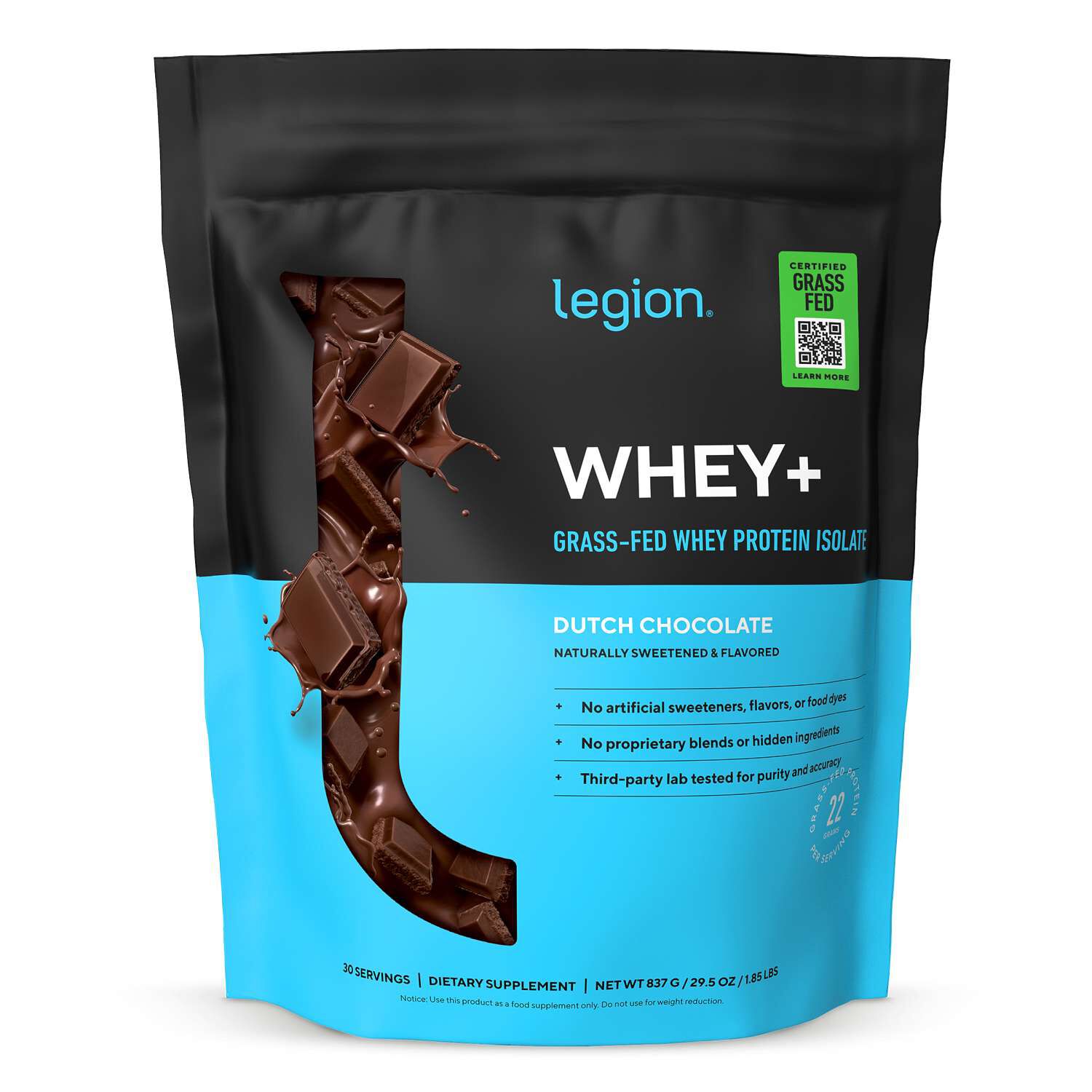
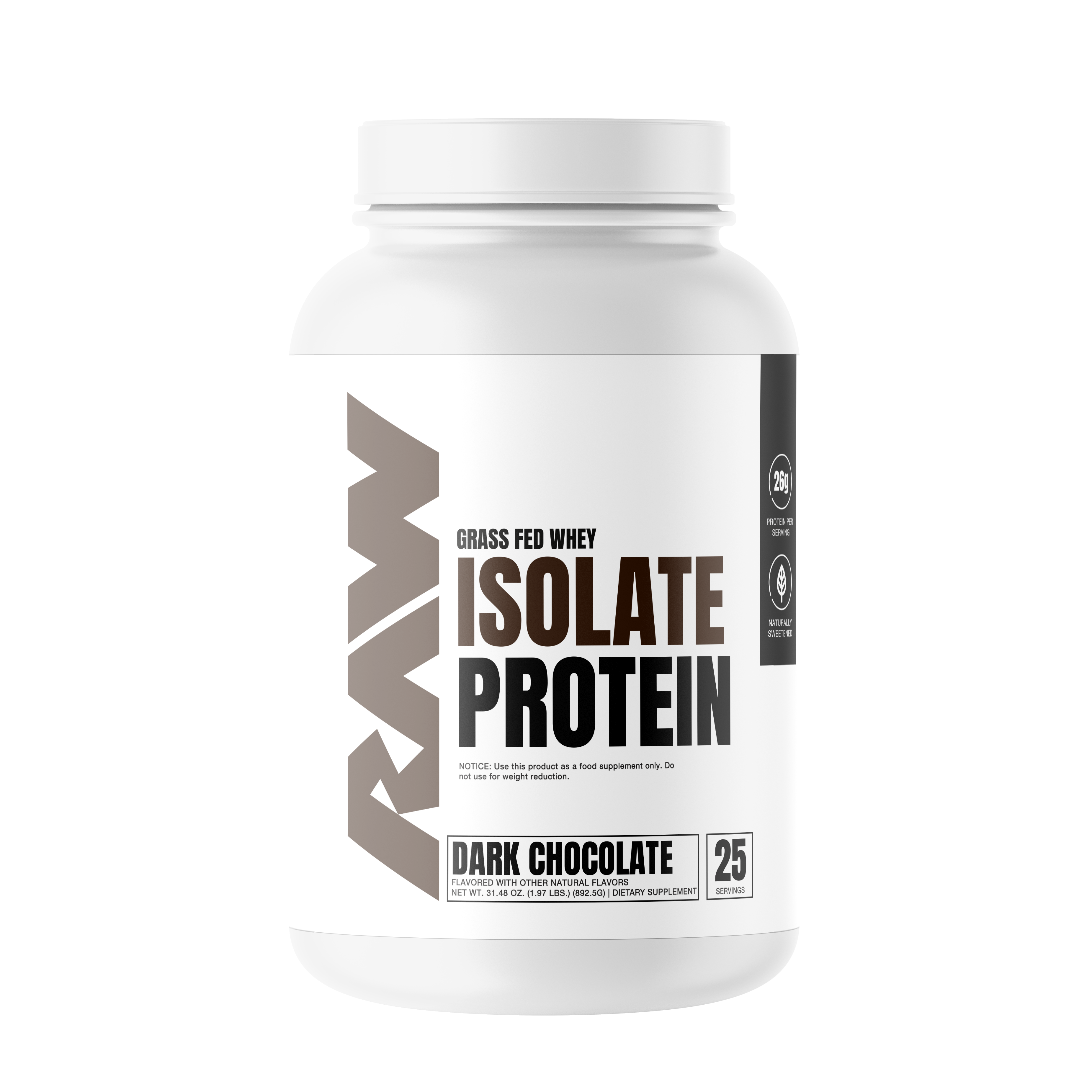
Grass-fed whey protein is a popular choice among health enthusiasts and athletes looking to boost their protein intake with a high-quality supplement. Sourced from grass-fed cows, this type of whey protein is known for its superior nutritional profile, including higher levels of omega-3 fatty acids and antioxidants. Whether you're looking to support muscle recovery, enhance your workout performance, or simply add more protein to your diet, grass-fed whey is a versatile option that can help you reach your health and fitness goals.
-
-

-
-

-
-

-
 $69.99
-
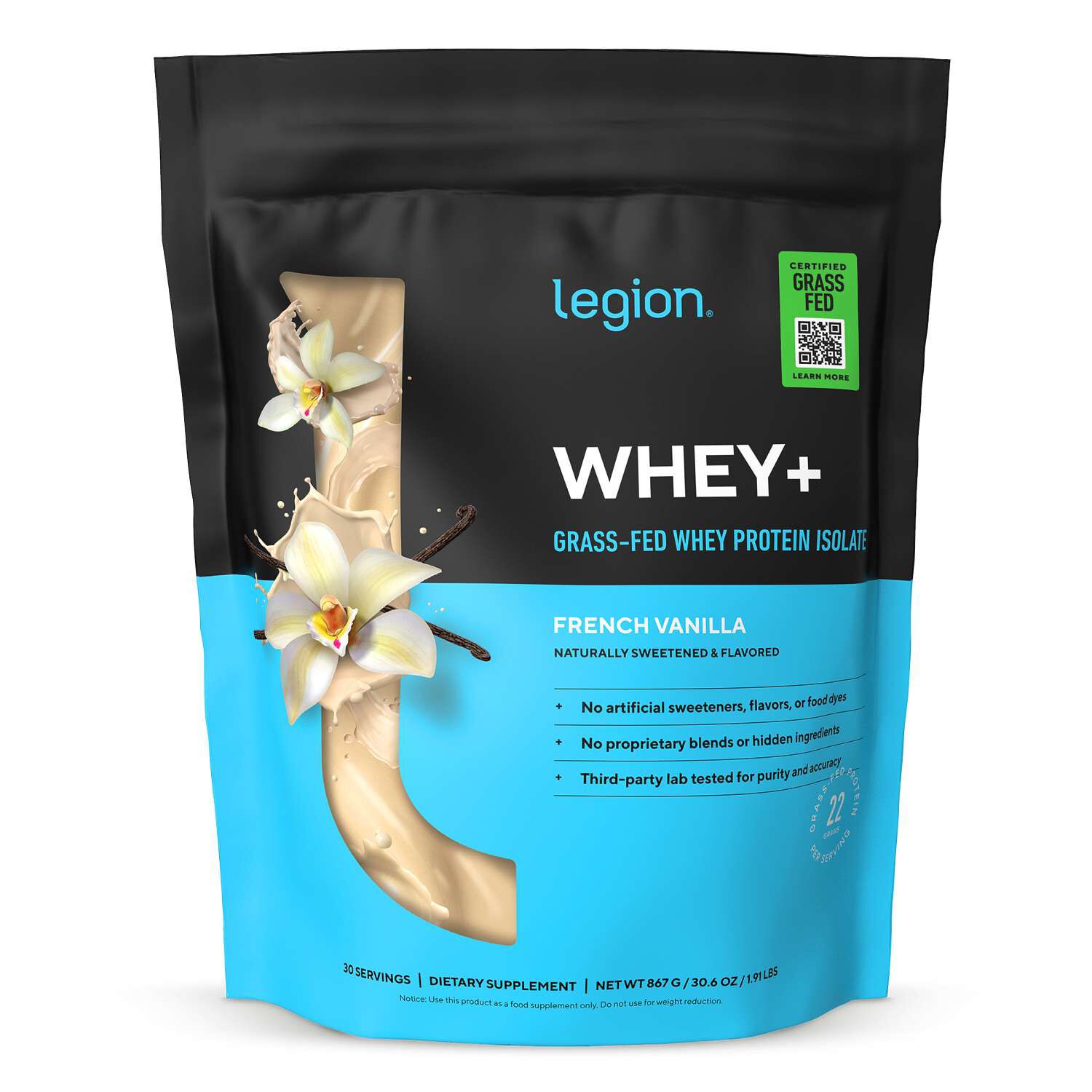
Grass-fed whey protein supplements are dairy-based powders made with whey sourced from the milk of cows whose diets include grass and forage. Whey is the liquid portion of milk separated from curds during cheesemaking; filtration and drying turn its proteins into the powder used in shakes and other foods. The grass-fed designation describes how the source animals are fed, not a different type of protein. Feeding practices, access to pasture, and sourcing standards can differ among producers, so the details behind a label matter more than a pastoral image on the container. Some sourcing programs specify a grass-and-forage diet, while others describe feeding practices less precisely. Grass-fed, organic, and pasture-raised are separate terms and should not be treated as interchangeable. A certification or an explanation of farm standards provides more useful context than a broad sourcing statement alone. Whey naturally contains amino acids, including leucine, isoleucine, and valine. As part of an eating pattern that includes varied foods, whey protein may support muscle maintenance and recovery after exercise. Its grass-fed origin does not, by itself, establish a greater protein benefit than whey from other dairy sources. Grass-based feeding can influence the fatty acid composition of milk, but whey processing removes varying amounts of fat, making the finished powder’s composition more relevant than assumptions about the original milk. For shoppers comparing grass-fed whey protein powders, the main distinctions often involve protein concentration, ingredient choices, flavor, and the farming practices described on the label. A short ingredient list may appeal to someone seeking a straightforward shake, while a flavored blend may suit someone who wants a familiar vanilla or chocolate taste. Neither style is automatically the better match for every routine. A protein powder alone does not offer the same nutritional variety as a balanced meal. Its appeal is often practical: a measured portion of powdered protein, a container that stores easily, and a format that may make it simpler to include protein in a busy day.
Grass-fed whey protein concentrate and grass-fed whey protein isolate differ primarily in how much filtration the whey undergoes. Concentrate retains more of the milk’s fat and lactose, while isolate generally has a higher proportion of protein by weight and smaller amounts of those other components. Exact amounts vary with the formula, especially when flavorings and other ingredients are added. An isolate is not automatically without lactose, and both forms remain milk-derived ingredients. Some powders combine concentrate and isolate, so the ingredient list gives a clearer picture than a large word on the front of the package. The serving information also deserves context: scoop sizes vary, and a larger scoop does not necessarily represent a more concentrated powder. Protein grams, serving weight, sugars, fat, and ingredient details together describe what is in each portion. Beyond the protein itself, formulas may contain cocoa, natural or artificial flavors, sweeteners, salt, lecithin, or thickening ingredients. Lecithin is commonly included to assist mixing, while gums may contribute a thicker texture. Anyone with particular ingredient preferences can compare those details rather than assuming every grass-fed powder has the same recipe. Taste and preparation are equally personal. An unflavored powder may suit oatmeal, a yogurt bowl, or a smoothie with banana and peanut butter, though unflavored does not mean tasteless; whey can have a mild dairy character. Vanilla may pair well with berries, while chocolate may complement nut butter or coffee in a blended drink. Water keeps the preparation simple, whereas milk or a plant-based beverage changes the drink’s nutritional composition and may create a creamier texture. Results vary with the liquid, mixing method, and formula. A shaker bottle may suit a quick serving after a gym session, while a blender may work better for a thicker drink containing fruit and oats. These everyday details often determine whether a powder fits comfortably into a routine, especially for someone who values both its sourcing and the experience of drinking it.
The intended use of grass-fed whey protein supplements is another useful point of comparison. A recreational runner, a regular weight-room visitor, or someone with a busy schedule may want a convenient way to supplement the protein already present in meals. A person who prefers food-based recipes may be more interested in a powder that works with familiar ingredients than in a strongly flavored shake. For a commuter, the relevant details might be portion size, a securely closing shaker, and a preparation that does not require a blender. For someone blending breakfast at home, flavor compatibility and texture may matter more. Competitive athletes may also place importance on third-party testing programs that evaluate products for substances prohibited in sport; the specific certification matters because testing programs do not all assess the same things. Sourcing certifications and sports testing serve different purposes, and neither should be assumed from the words grass-fed alone. Care is straightforward but important for a powdered dairy product. A tightly closed container, a clean and dry scoop, and storage according to the package directions help limit exposure to moisture. Powder kept near a sink or handled with a damp utensil may clump, so a dry cabinet is generally a more practical location. Prepared shakes should be handled like other perishable foods, with attention to the ingredients added and any package directions. Containers also differ in opening width, lid design, and ease of measuring, details that become noticeable with repeated use. Shoppers interested in the wider sourcing category can explore Grass Fed Supplements while keeping whey’s dairy origin and protein format in mind. Within this category, a well-matched choice reflects several preferences at once: clearly described sourcing, an understandable ingredient list, a serving composition that suits the intended use, and a taste that works with familiar foods. Those practical distinctions give grass-fed whey protein its place alongside other foods and supplements without treating its farming designation as a substitute for the details on the label.