





Pasture Raised Supplements
(0 Results)
Discover a selection of pasture raised supplements that could support your wellness journey with ingredients sourced from animals raised in open, natural environments. These supplements may appeal to those seeking options that align with mindful sourcing practices. Explore pasture raised supplements that might fit seamlessly into your daily routine and help you make choices that reflect your values.
-

-

-

-

-
-
 Swolverine$69.99
-
-

-

-
 $69.99
-

-

-
-

-

-
 $69.99
-
-

-
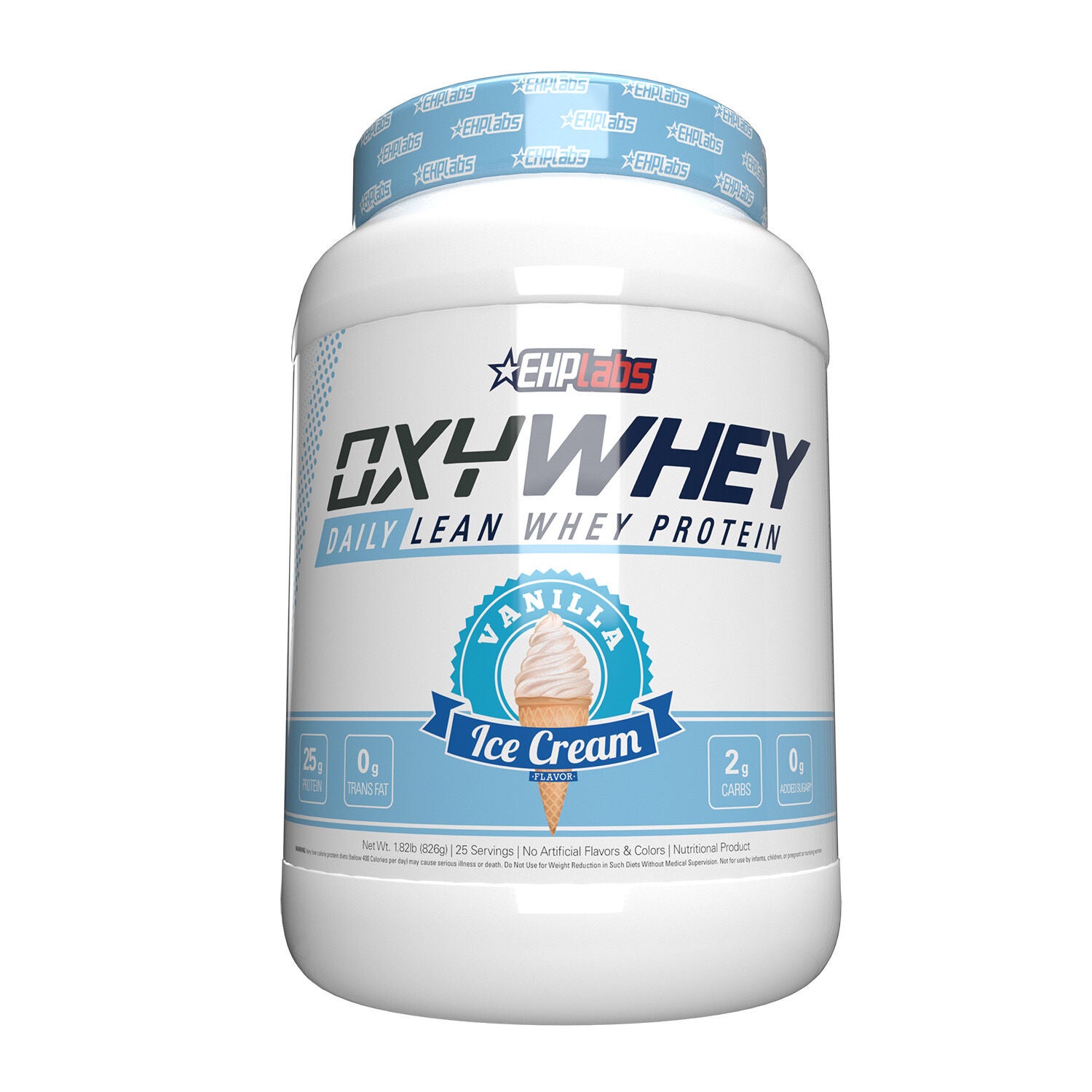
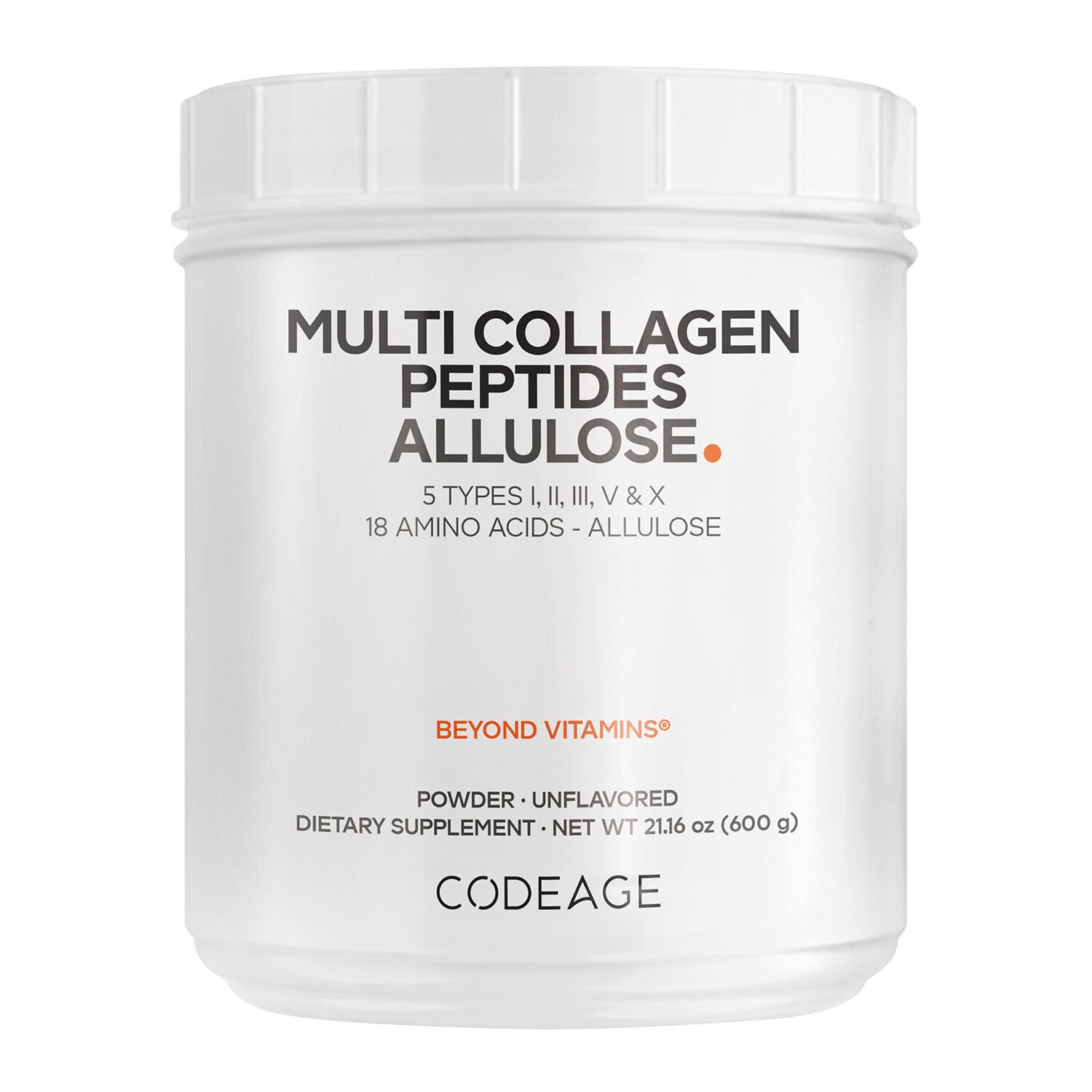
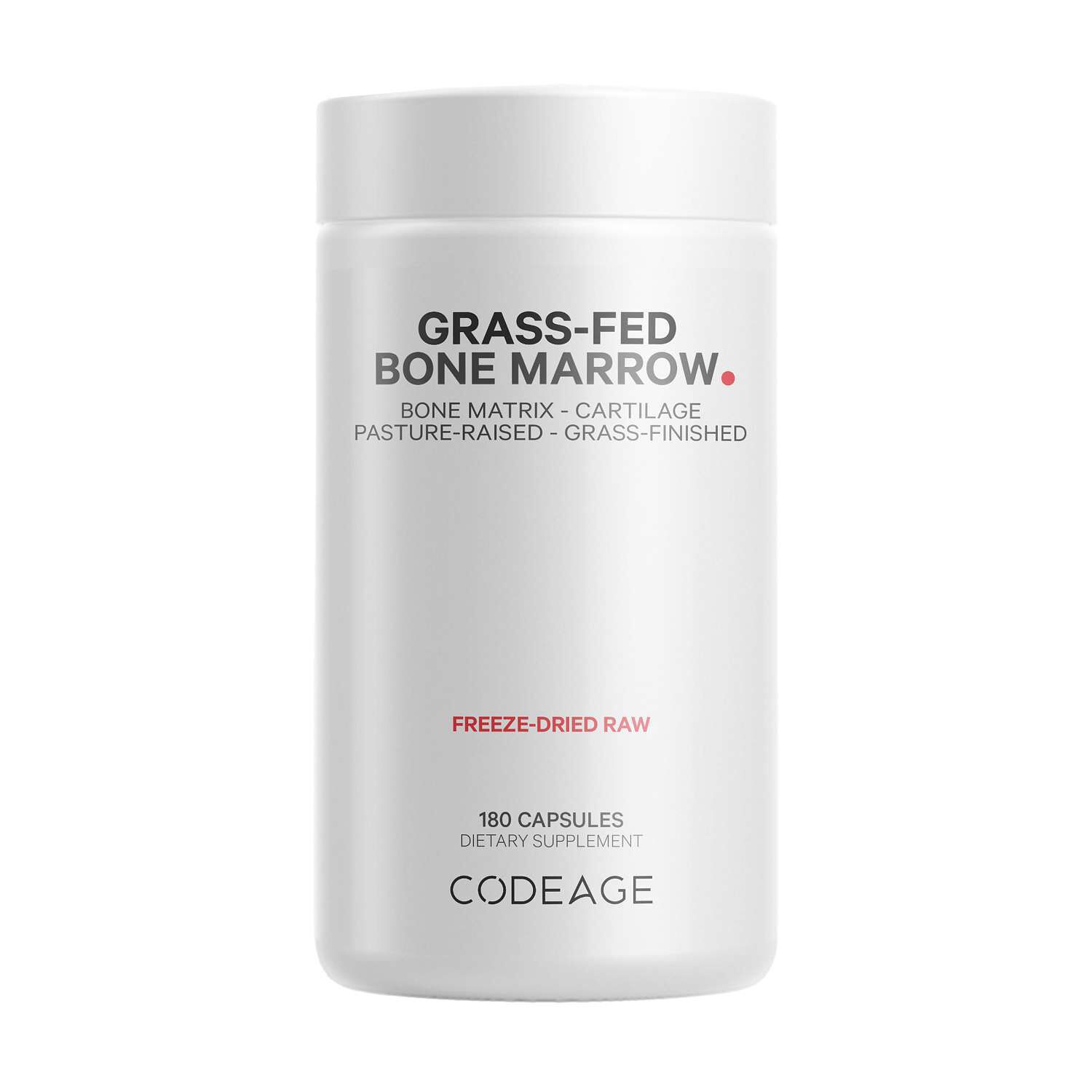
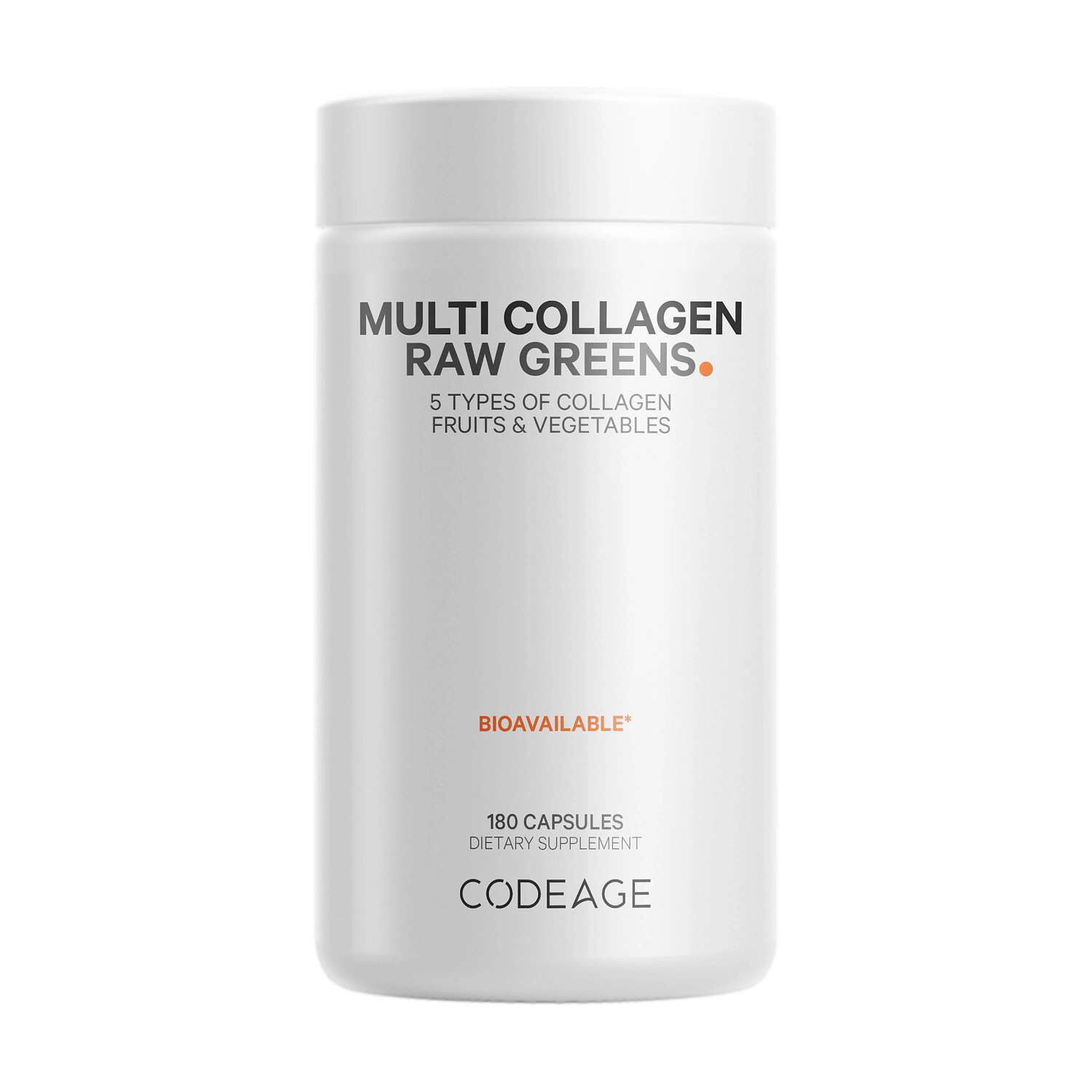
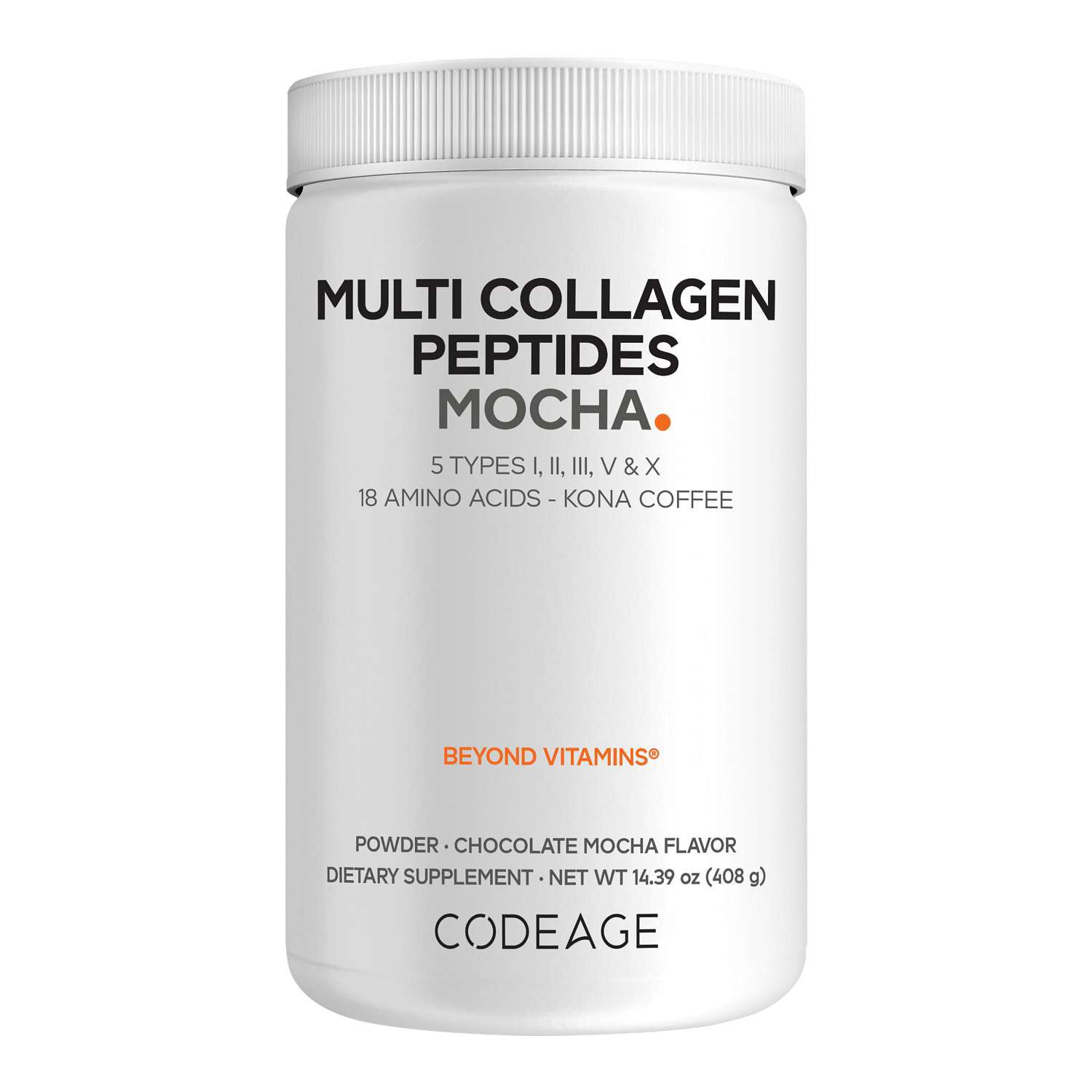
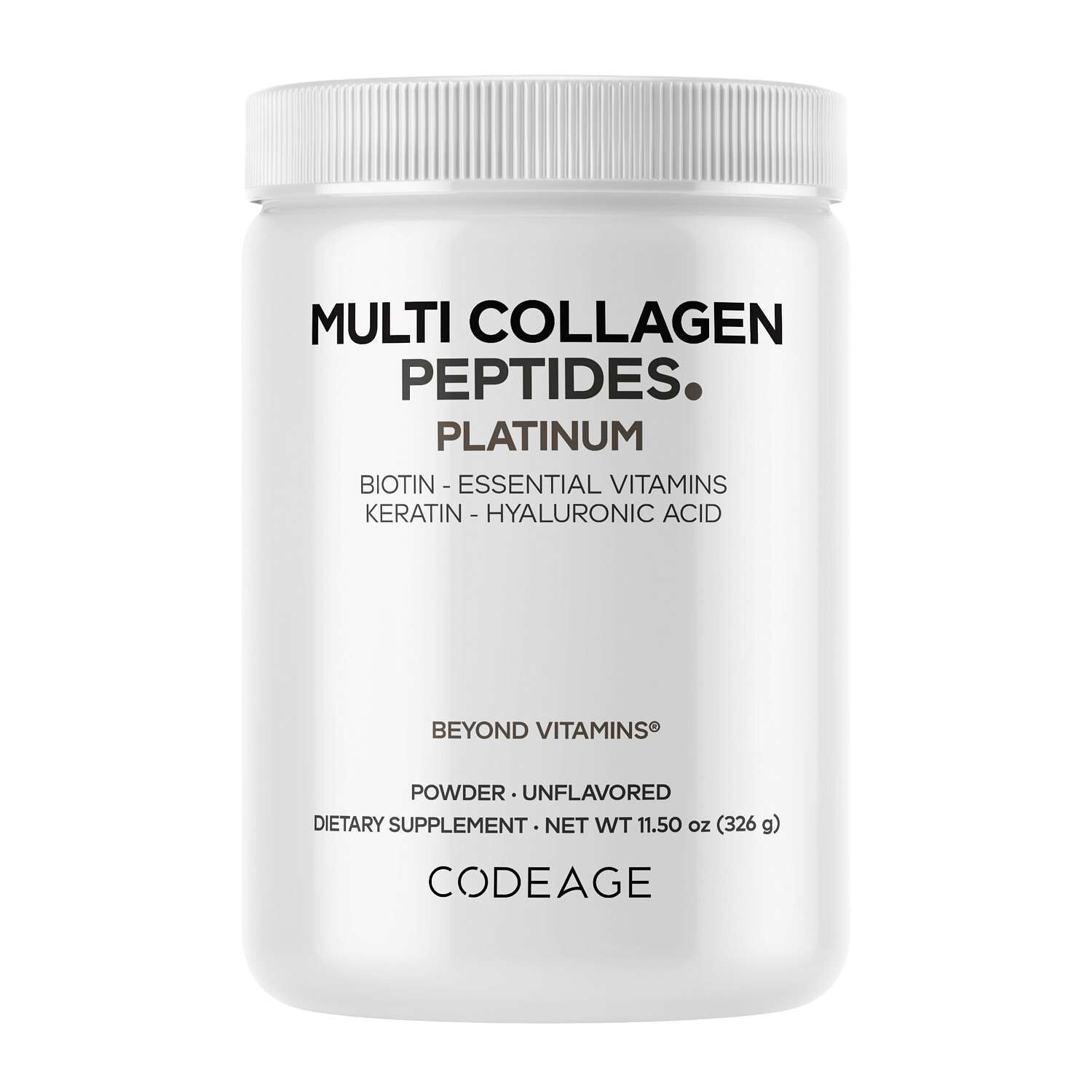
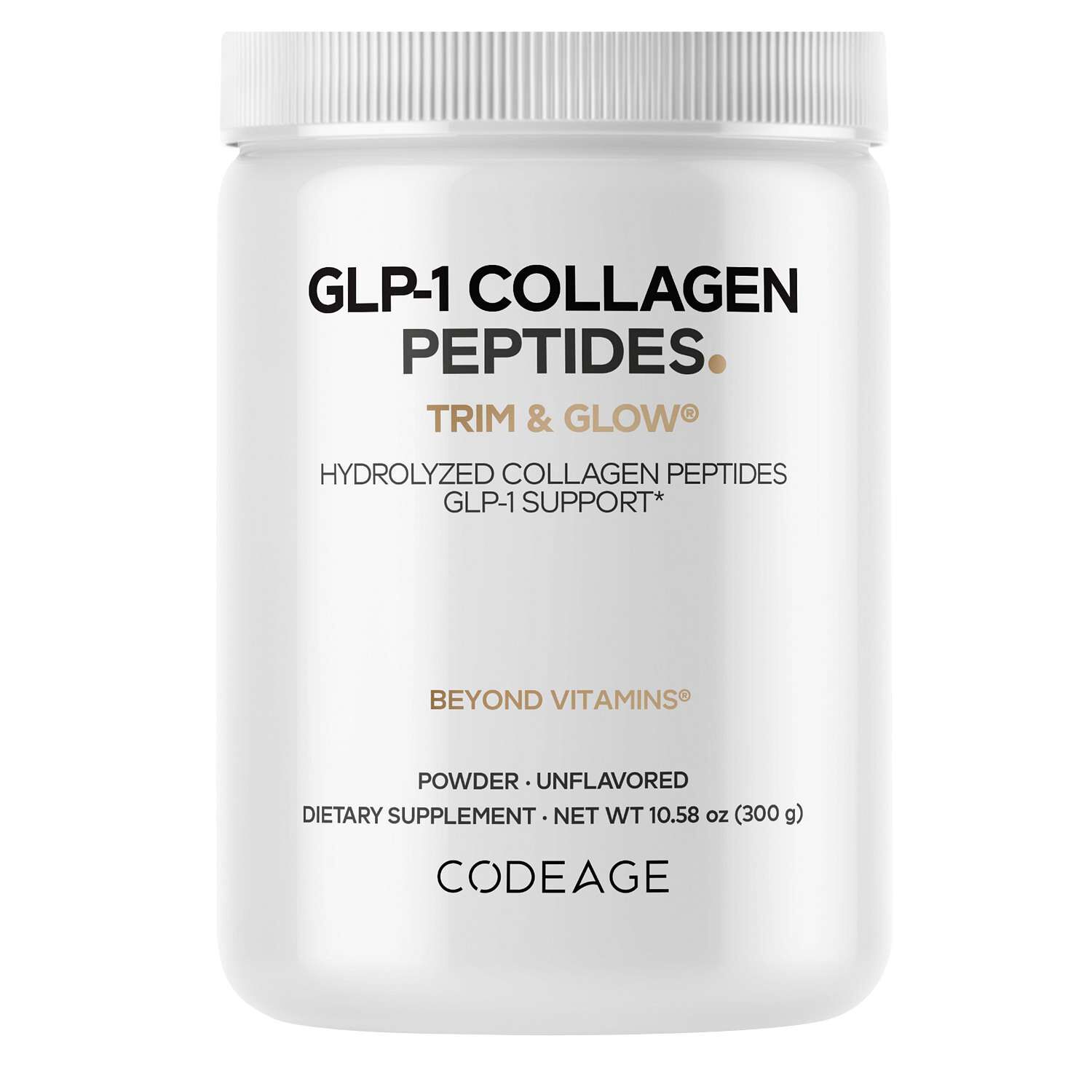
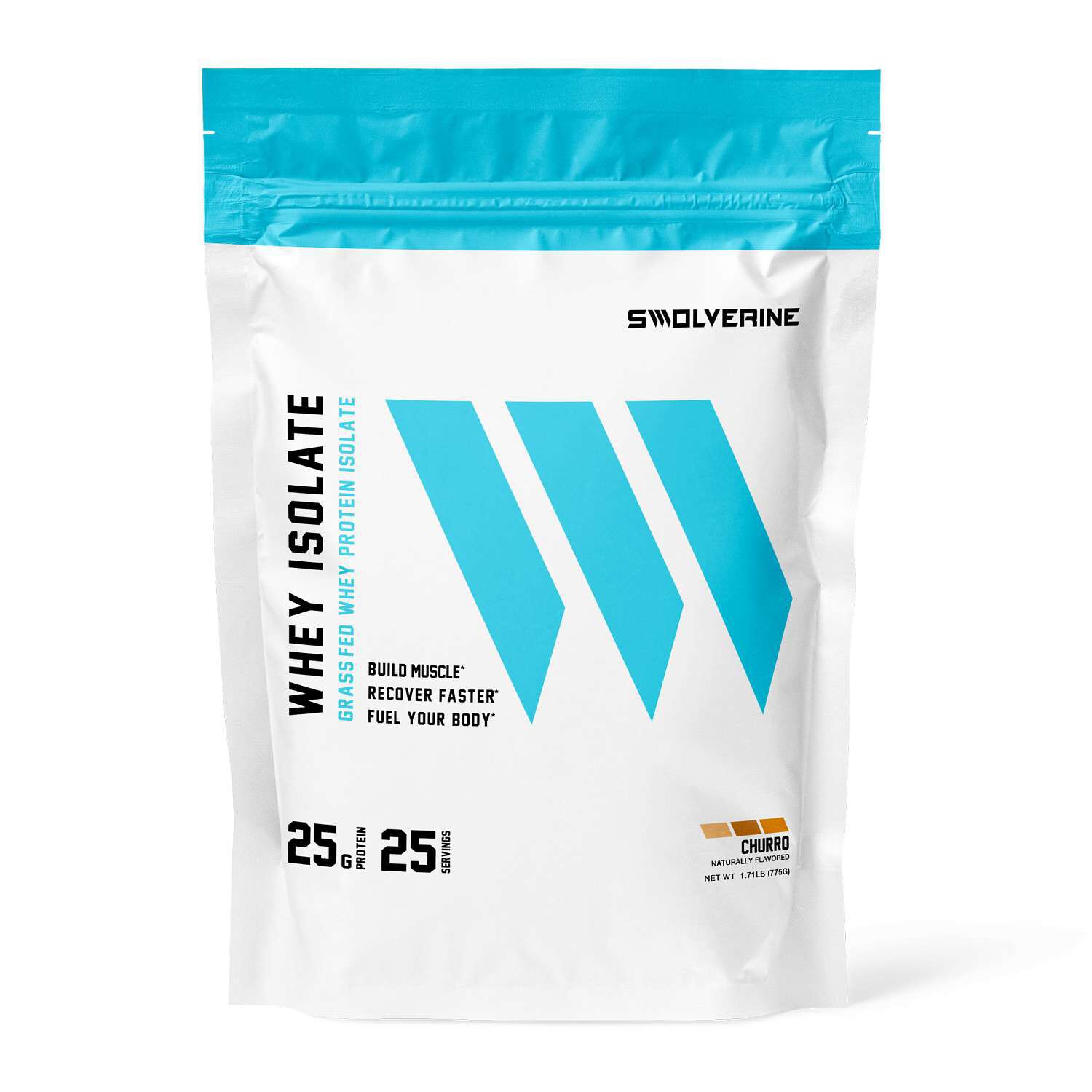
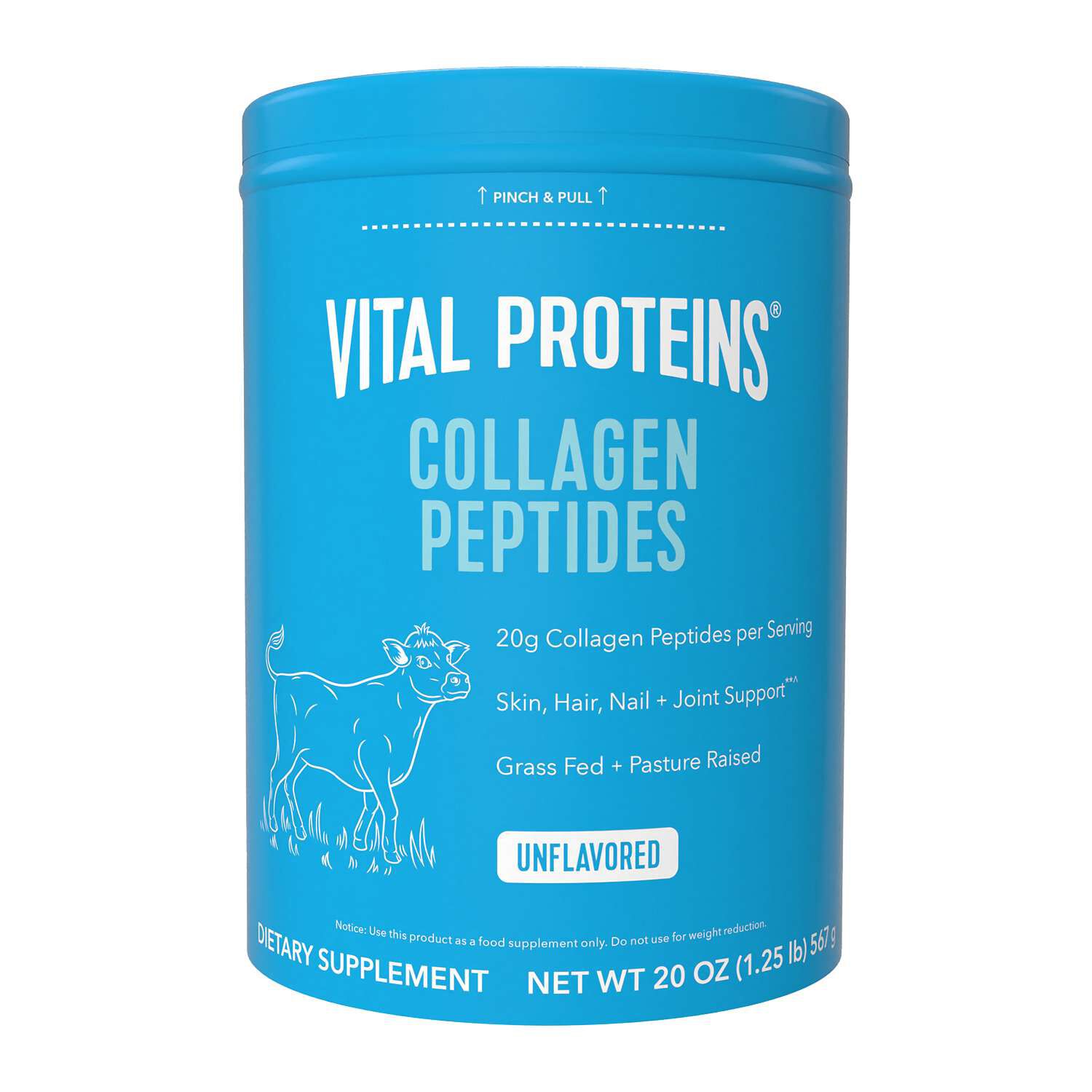
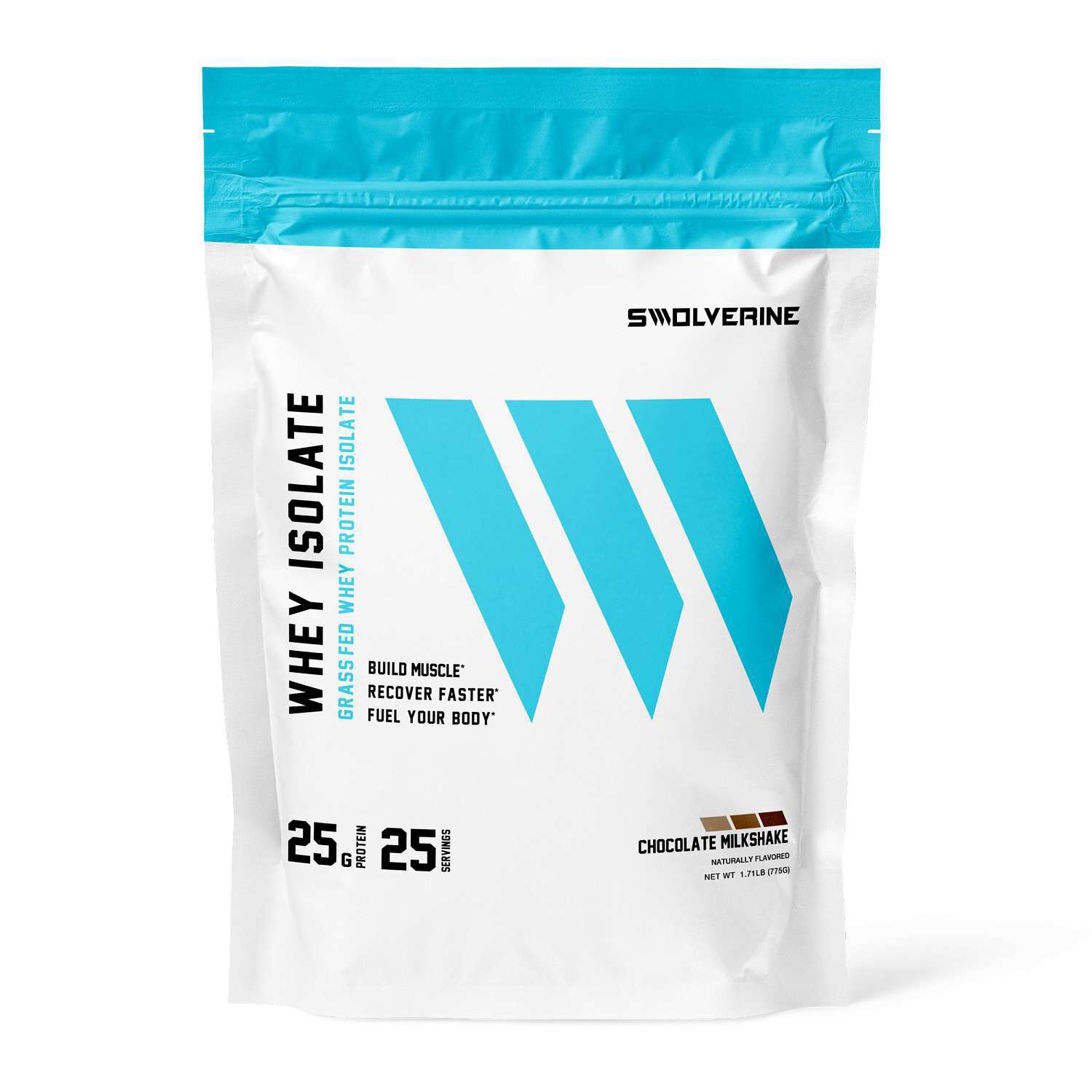
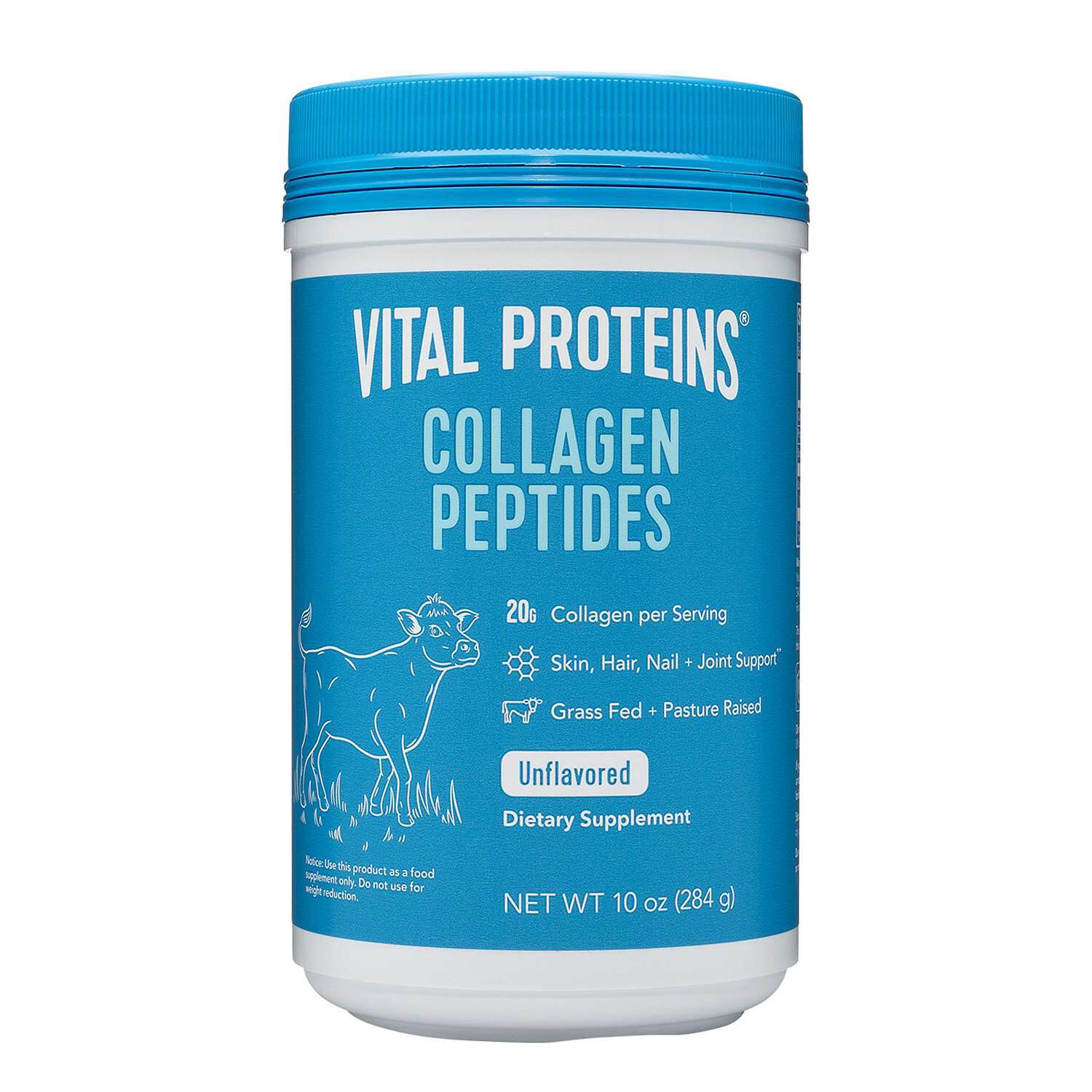
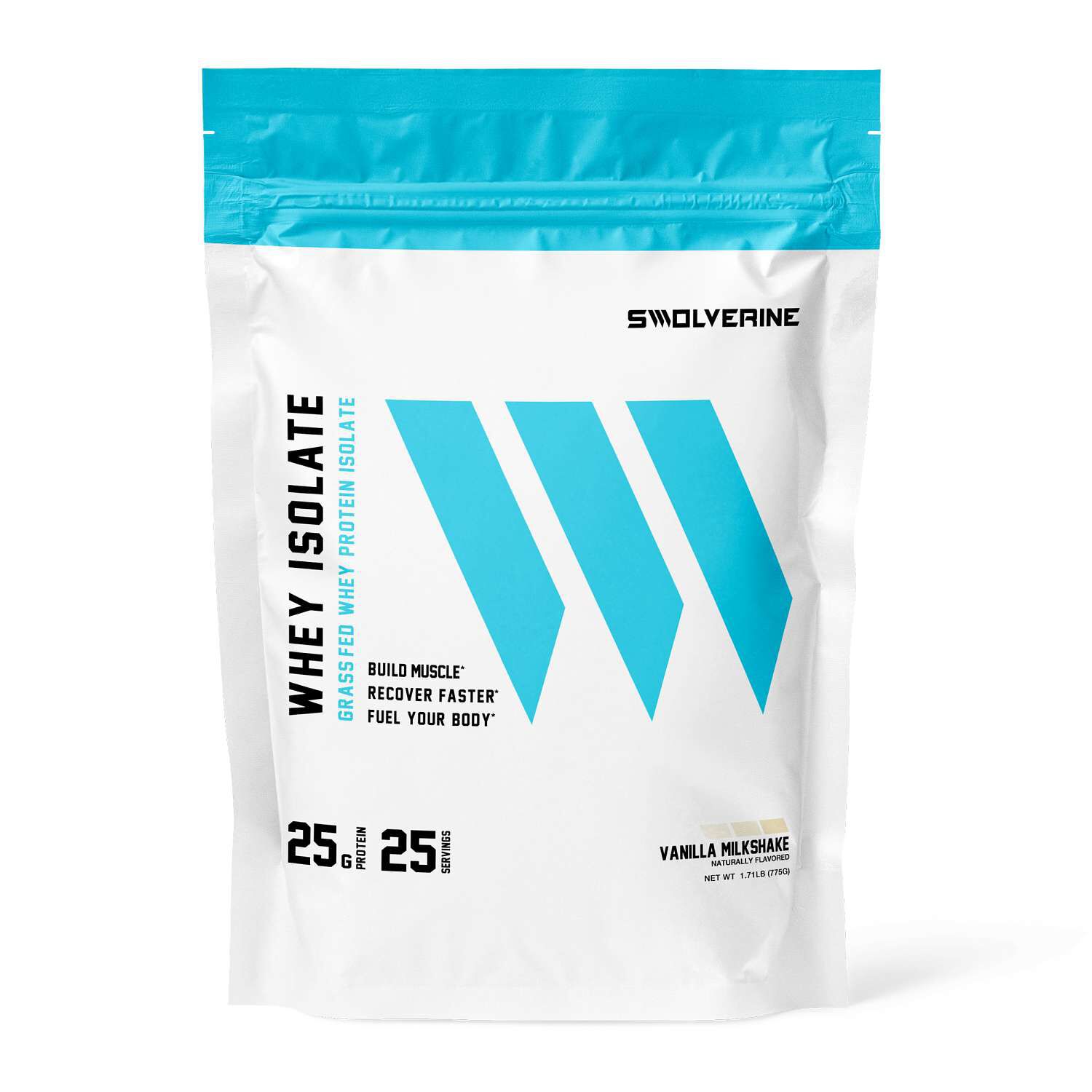
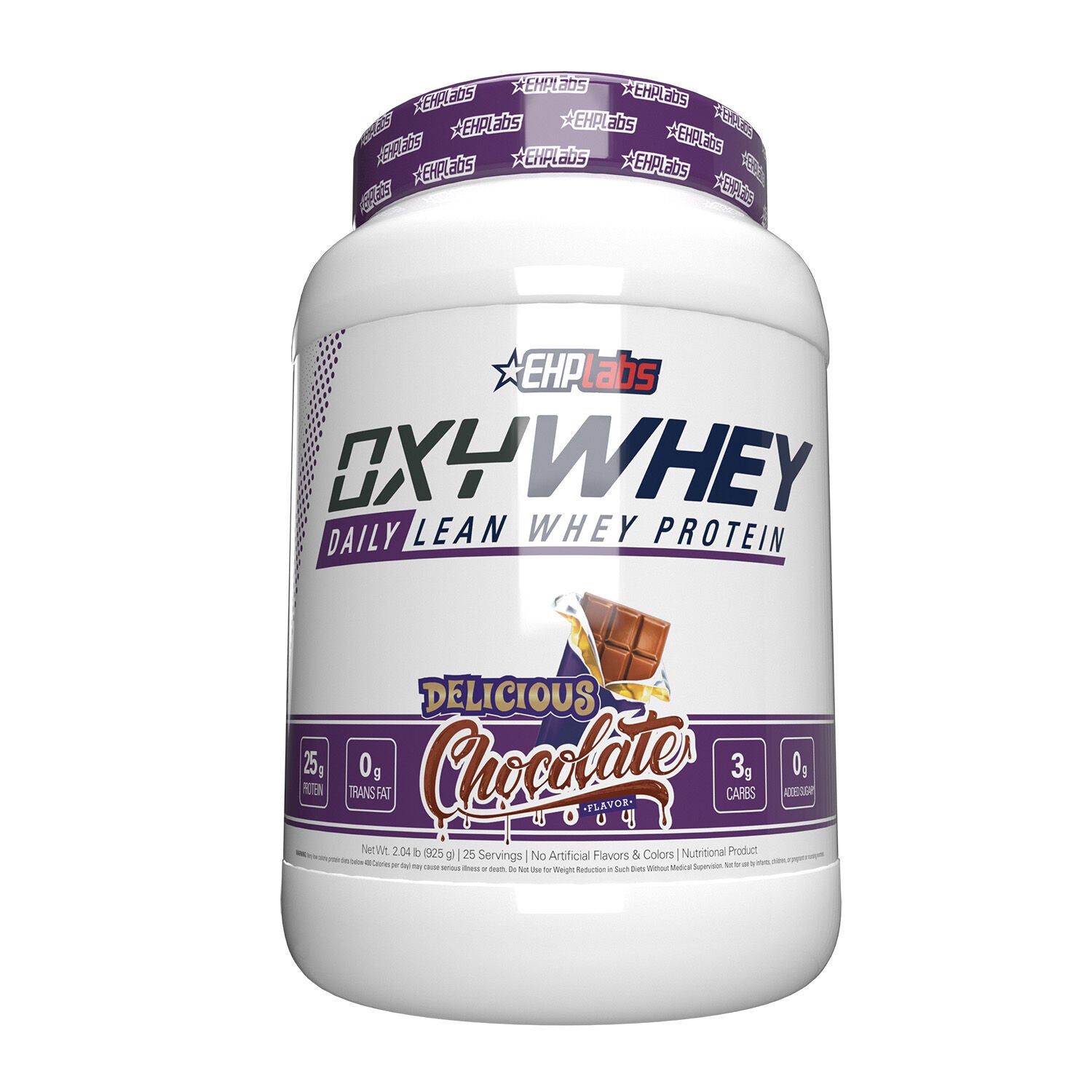
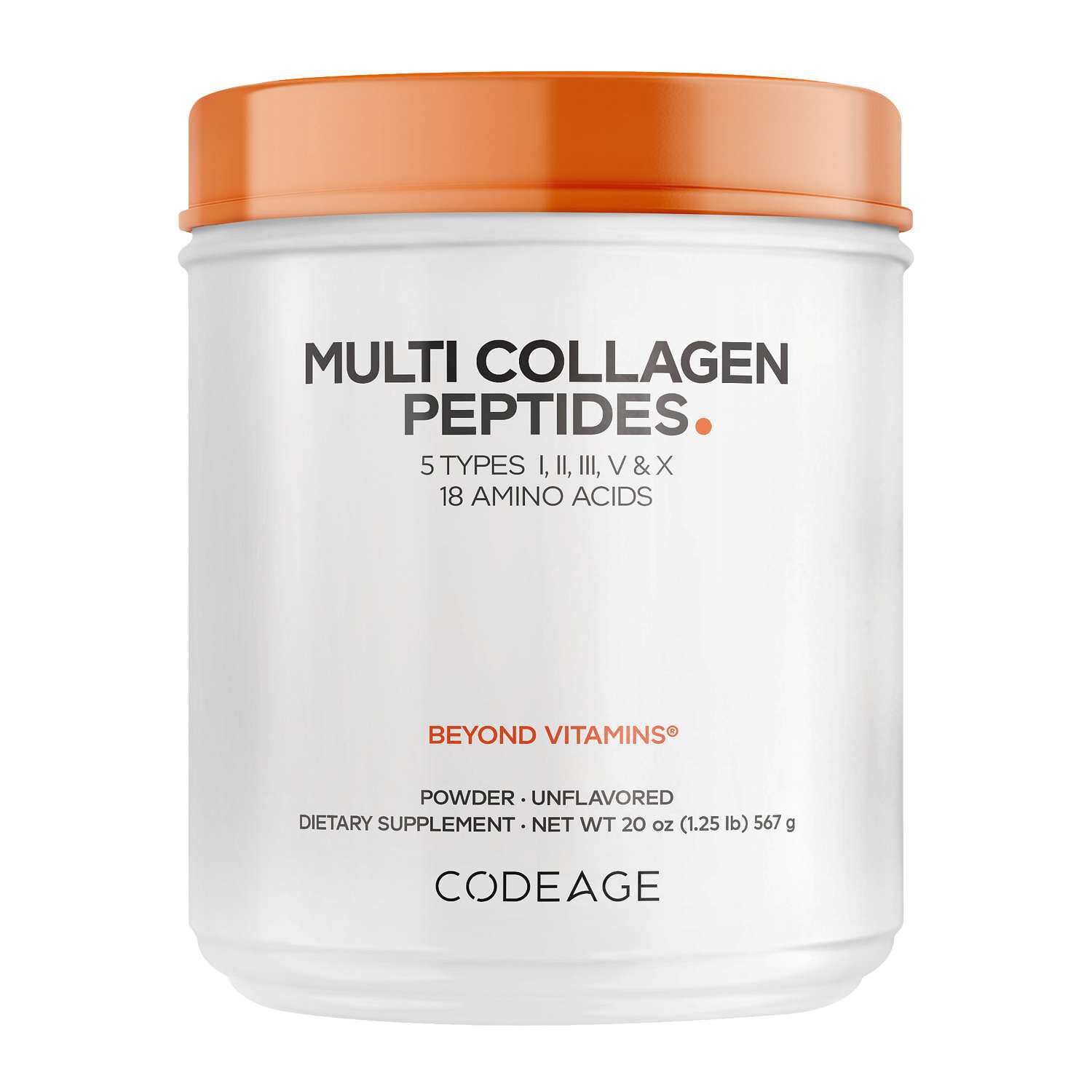
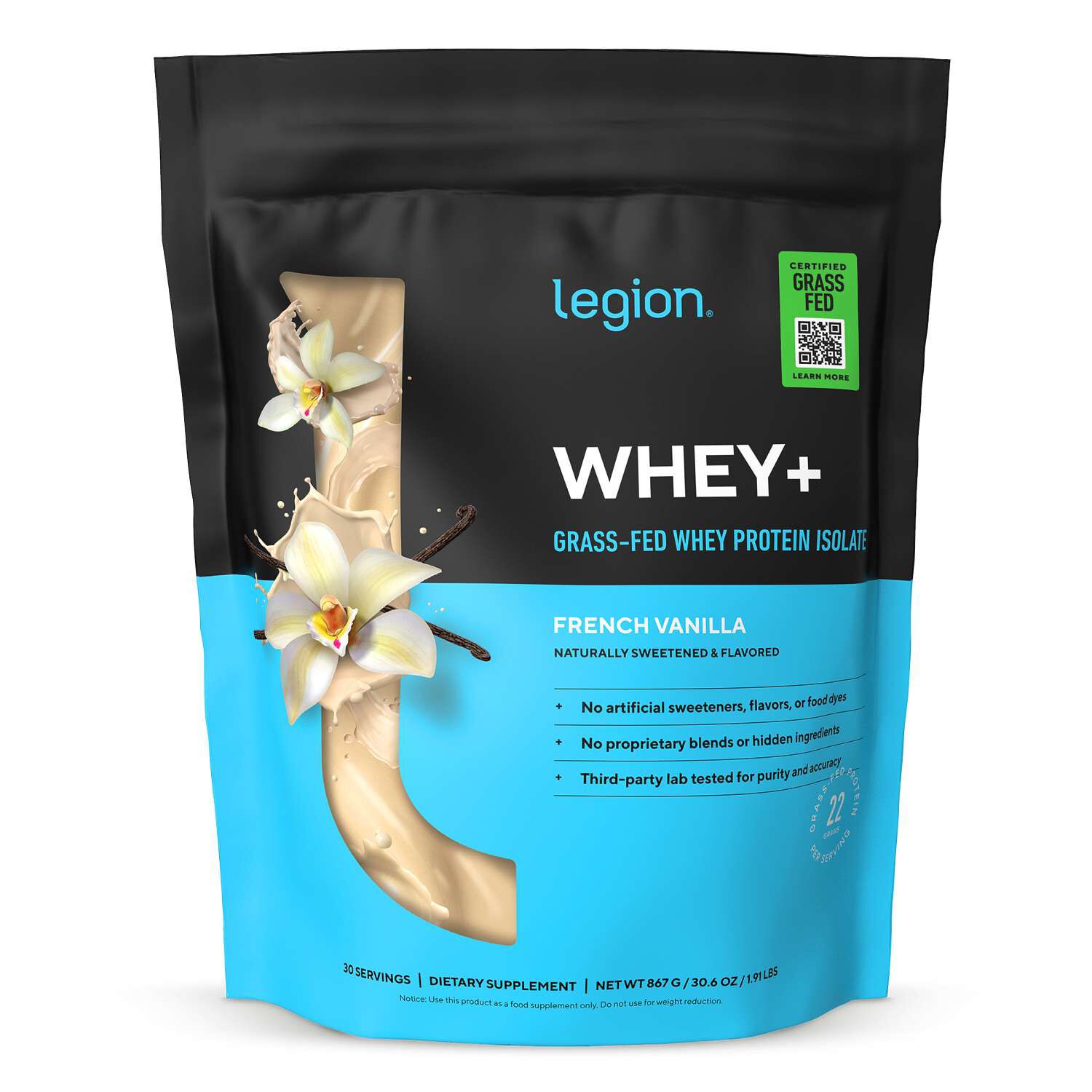
Pasture-raised supplements are animal-derived supplements made with ingredients sourced from animals raised with access to pasture. Within this category, beef organ supplements are a familiar format, including desiccated liver capsules, single-organ powders, and blends of liver, heart, kidney, or other organs. The phrase pasture-raised describes a sourcing practice, not a particular formula, nutrient profile, or processing method. It also does not mean exactly the same thing as grass-fed. Pasture access concerns where an animal spends time, while grass-fed describes its diet; a label may use one description, both descriptions, or additional details about feeding practices. The most useful sourcing information explains what those terms mean for the ingredient in the bottle, including the animal species, country of origin, and any documented standards behind the claim. Beef liver, for example, naturally contains vitamin A, vitamin B12, iron, and copper, but the amounts in a finished supplement depend on the raw material, processing, formulation, and serving size. An organ name alone does not establish how much of any nutrient a serving provides. Desiccation removes moisture from organ tissue so it can be prepared as a dry ingredient, often for capsules or powders. Drying methods differ, and descriptions of processing are most informative when accompanied by details rather than broad statements about quality. Pasture-raised sourcing can also appear on bovine collagen or dairy-derived powders, so the term should be read alongside the ingredient identity. An organ blend, a collagen powder, and a whey protein powder have different compositions and intended uses, even when they share a similar sourcing description. For shoppers drawn to animal-based ingredients, that distinction helps keep the focus on what is actually being purchased: a clearly identified ingredient in a format that fits a particular routine, rather than a sourcing phrase standing in for the rest of the label. A plainly stated description of the animal source and processing method gives shoppers more to compare than imagery of open fields alone.
When comparing pasture-raised organ supplements, the first practical distinction is often a single-organ formula versus a blend. A liver-only supplement identifies one organ ingredient, while a blend may combine several tissues in equal or unequal proportions. The ingredient list and any disclosed amounts help explain that difference. A front label might name several organs, but the serving information is where the quantity becomes clearer. If individual amounts are not listed, the proportions cannot be determined from the organ names alone. Likewise, the milligram weight of dried organ material is not the same as a measured amount of vitamin B12, iron, or another nutrient. A nutrient amount is most useful when it is explicitly declared on the label; it should not be calculated from the weight of the organ powder or from nutrition information for fresh meat. Capsule count deserves similar attention. Two bottles with the same number of capsules can represent different numbers of servings when their directions call for different daily quantities. For someone who keeps supplements beside a breakfast bowl, a serving of several capsules is a different experience from a measured scoop stirred into food. Capsule dimensions, shell materials, and the number per serving are practical details worth checking before choosing a format. Shells may contain gelatin or plant-derived materials, while the contents remain animal-derived either way. Powders bring a different set of considerations, including measuring, texture, aroma, and compatibility with the preparation described on the package. An unflavored organ powder can still have a noticeable taste; unflavored means no flavor has been added, not that the ingredient is tasteless. A scoop, when provided, should be understood in relation to the labeled serving rather than assumed to match a household spoon. For blends containing other ingredients, the full ingredient list also shows flavorings, capsule components, and other additions that may not be prominent on the front panel. These details make comparisons more meaningful than simply choosing the longest organ list, the largest bottle, or the most elaborate description of the source.
Pasture-raised supplements may appeal to adults who prefer animal-derived ingredients, want a capsule alternative to preparing organ meats, or place particular importance on documented agricultural sourcing. Someone comfortable cooking liver may evaluate an organ supplement differently from someone who prefers not to handle or taste organ meat. The supplement format offers a different purchasing and preparation experience, but it is not interchangeable with a serving of fresh food, and it should not be assumed to reproduce that food’s nutritional composition. Personal preferences matter here: a powder that suits a countertop routine may be less convenient for someone packing a small daily organizer, while a capsule format involves checking both capsule size and the number called for on the label. Packaging and storage are part of that everyday fit. A secure closure, legible directions, a visible date marking, and clear manufacturer contact information are useful features to look for. Follow the package’s storage directions, keep the container properly closed, and use a clean, dry utensil for powders when the label calls for one. Moisture introduced by a damp scoop can affect the condition of a dry powder, making a consistent storage routine worthwhile. A serving organizer can be convenient, but retaining the original packaging keeps the ingredient list, lot information, and directions accessible. Sourcing documentation deserves the same practical attention. A statement about pasture access answers a different question from testing information about ingredient identity or measured nutrient content, and neither should be treated as a substitute for the other. Shoppers exploring Farm Raised Supplements can apply the same distinctions: farm-raised is a broader description and does not, by itself, specify an animal’s diet or time on pasture. Whether comparing organ capsules, organ powders, or another animal-derived format, the clearest choice begins with the ingredient, serving information, and sourcing details working together. Those concrete details help shoppers select according to their preferences without asking a single label phrase to explain everything about the supplement.
Best Sellers
-
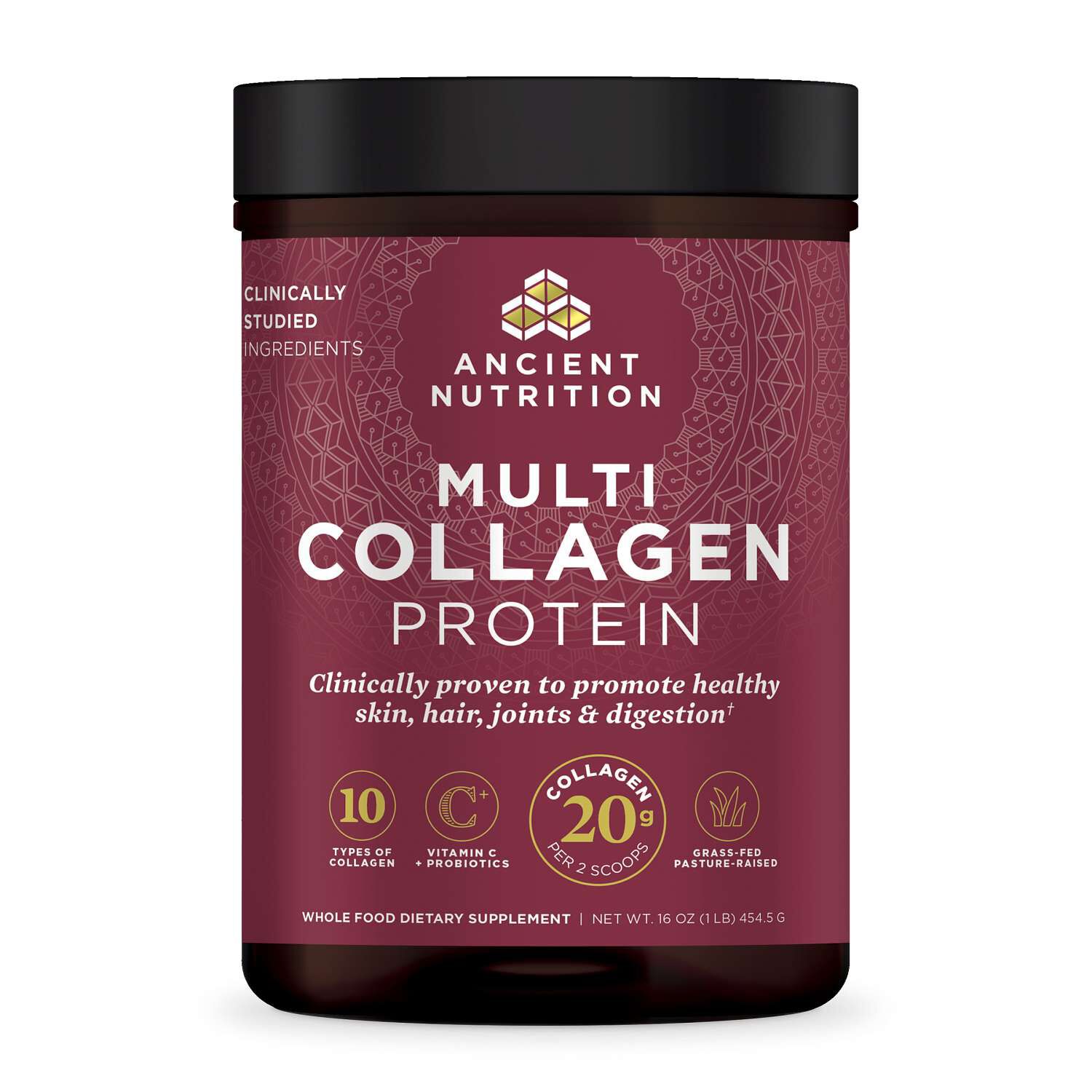 Ancient Nutrition
-
Vital Proteins
Related Pages
Top Collections
- Joint Mobility Supplement Packs
- Daily Collagen Supplements | Top Brands & Deals | GNC
- GLP 1 Support For Adults
- Zinc Supplements | Top Brands at Great Prices | GNC
- Supplements For Yoga Joint Flexibility
- Supplements For Balance
- Capsule Supplements For Energy And Stamina
- Adult Mobility Supplements
- Chronic Fatigue Supplements
- Vitamins For Hair Loss