





Pasture Raised Collagen
(0 Results)
Looking to support your skin, joint, and gut health? Look no further than pasture-raised collagen. Rich in essential amino acids and protein, pasture-raised collagen is sourced from grass-fed cows raised in natural environments. This premium supplement is known for its high quality and bioavailability, making it an excellent choice for those looking to boost their overall wellness. Add pasture-raised collagen to your daily routine and experience its potential benefits firsthand.
-
-
-

-
-

-

-
 44$44.99
-

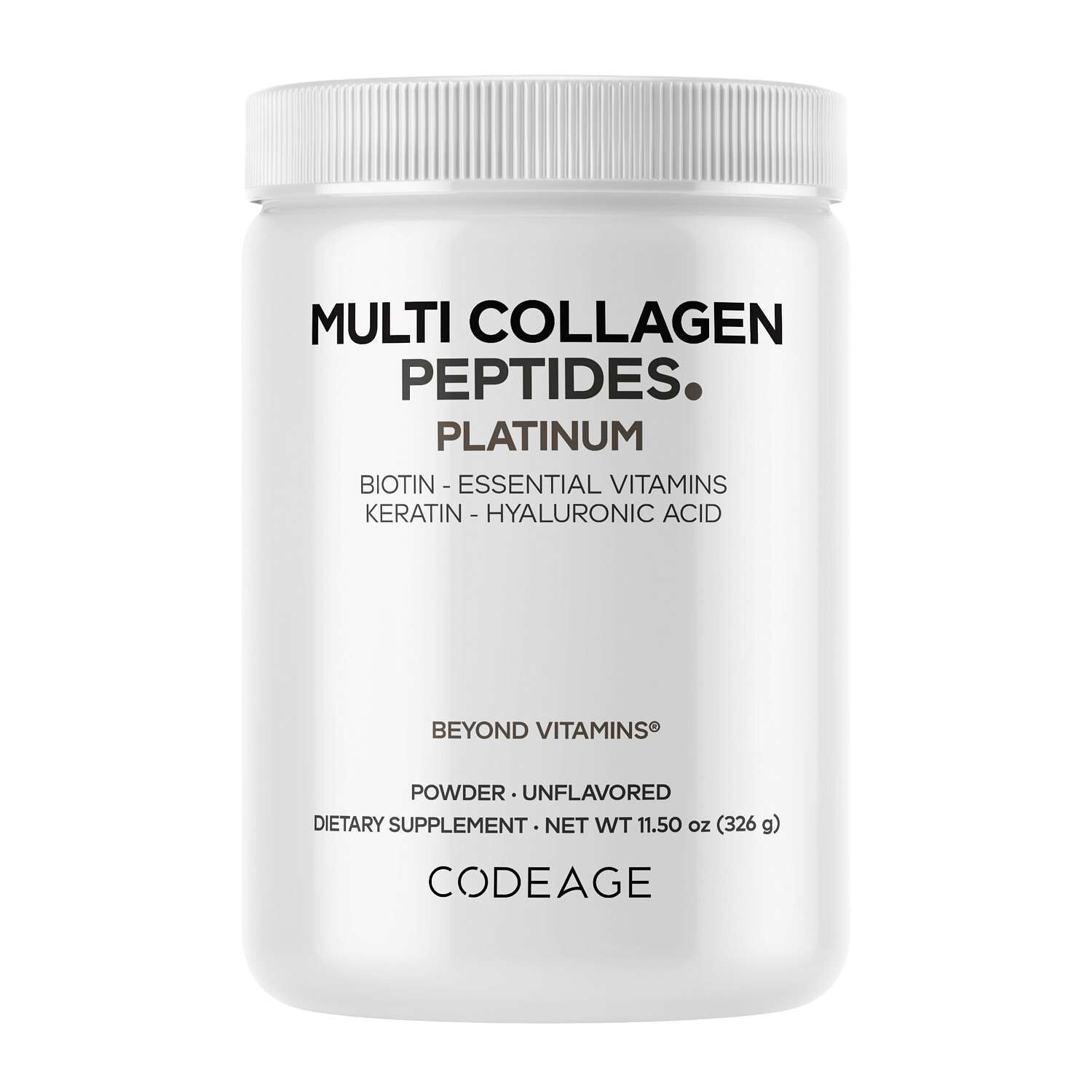
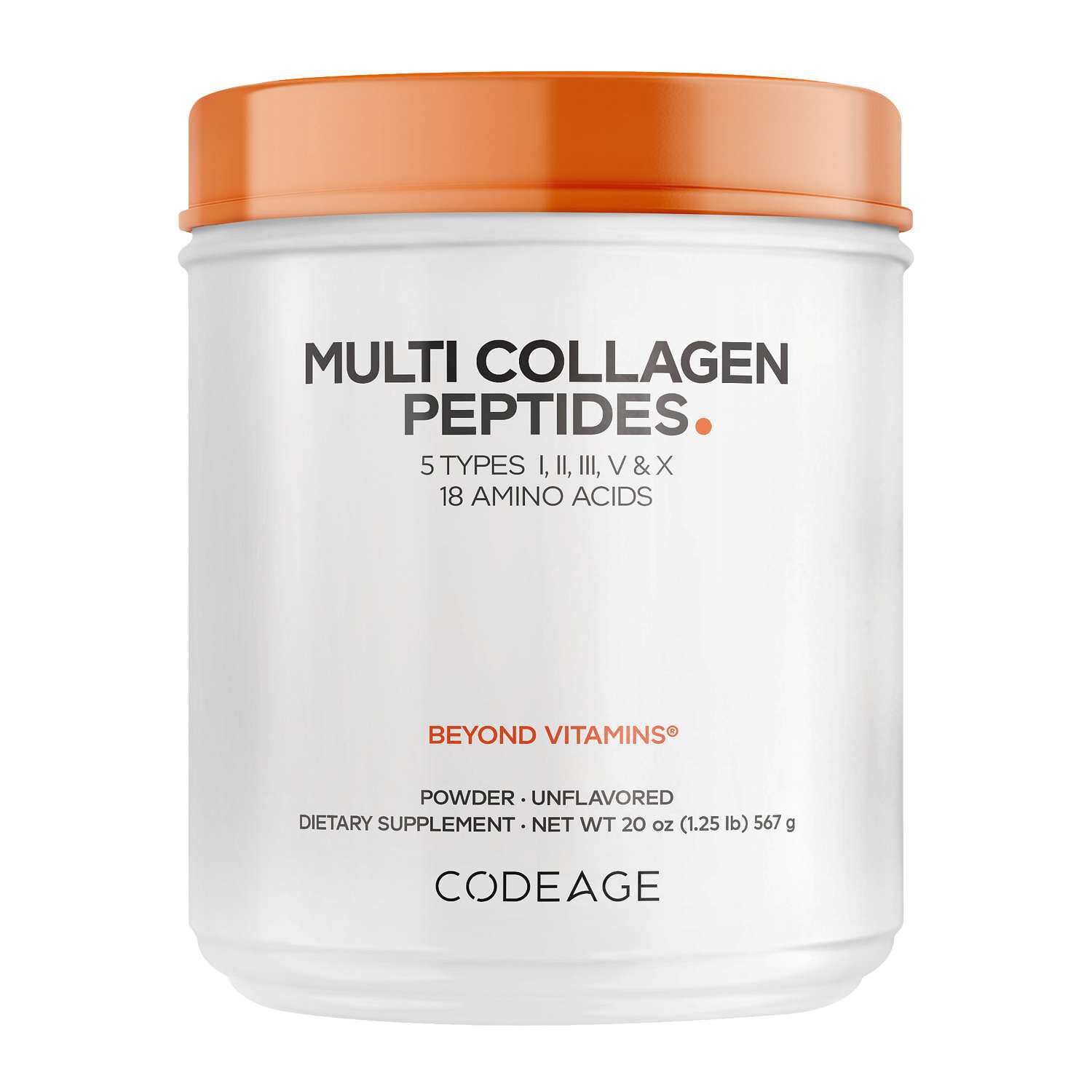

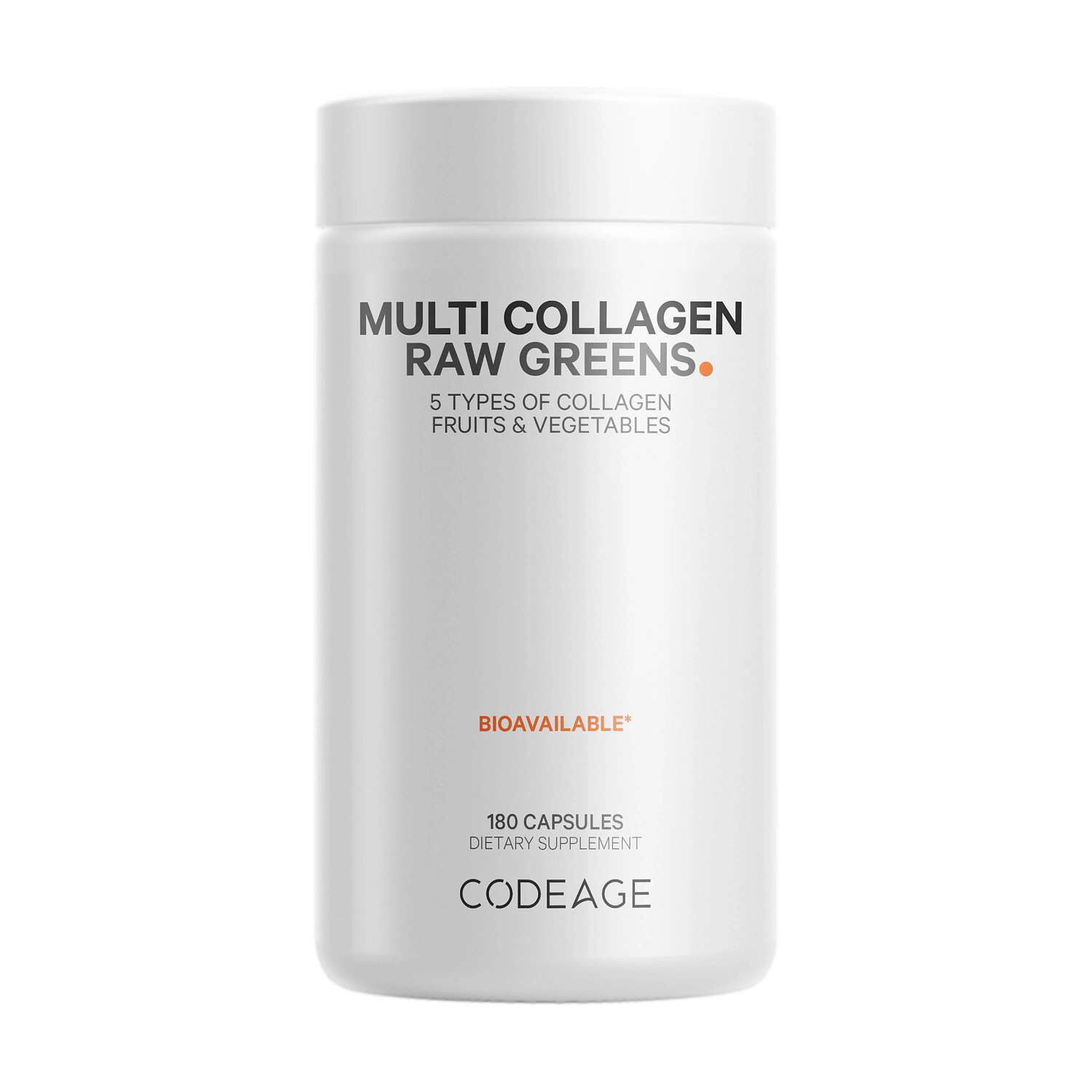
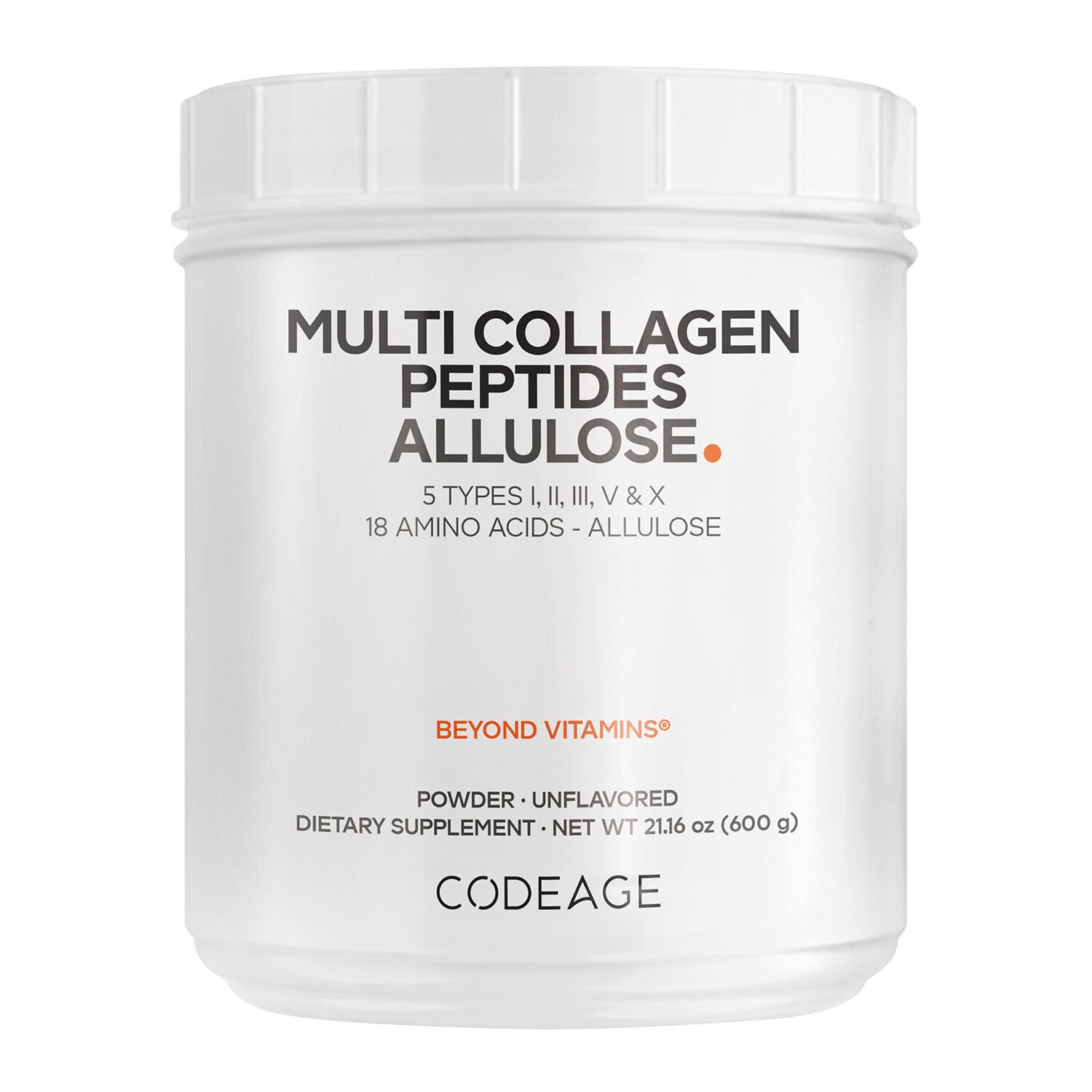
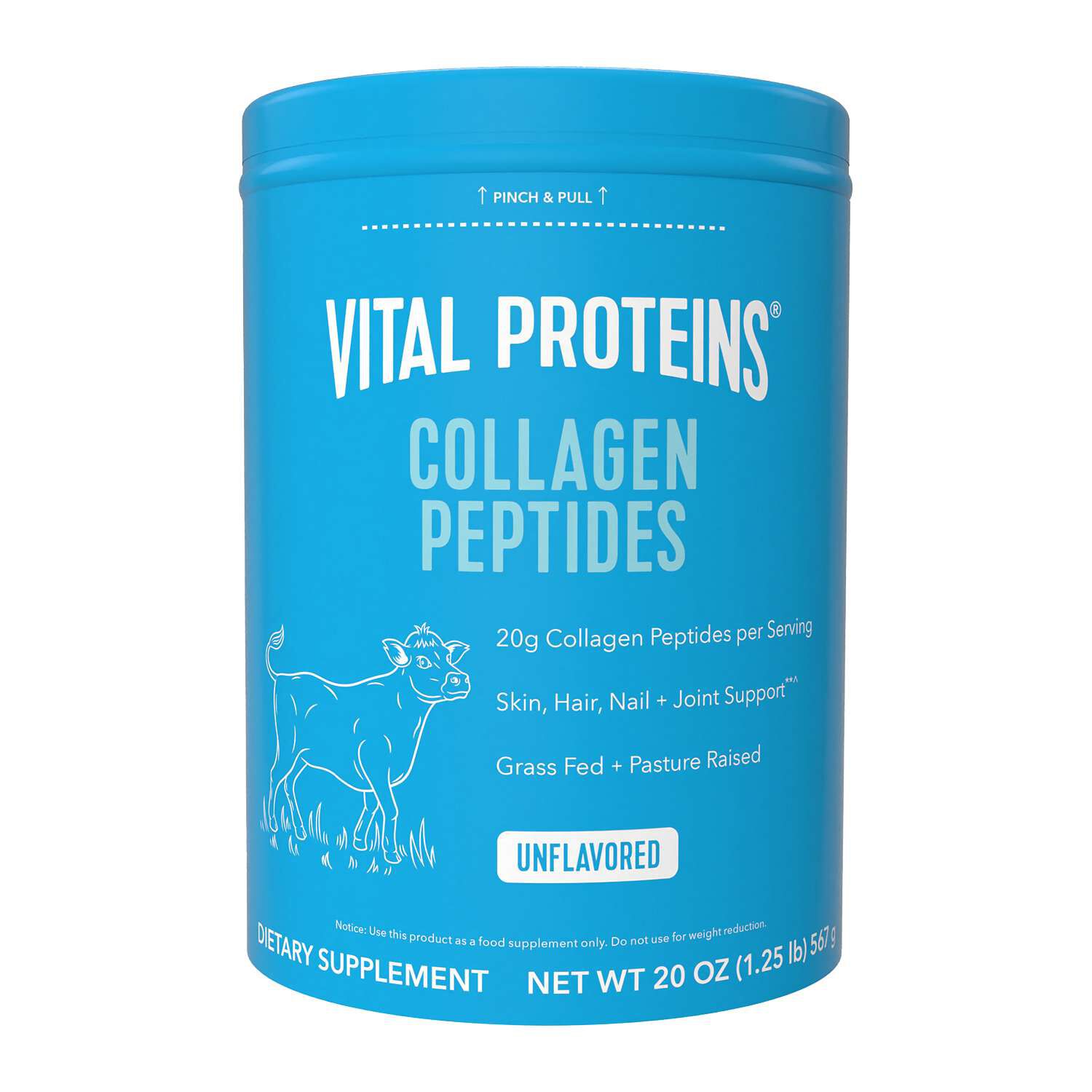
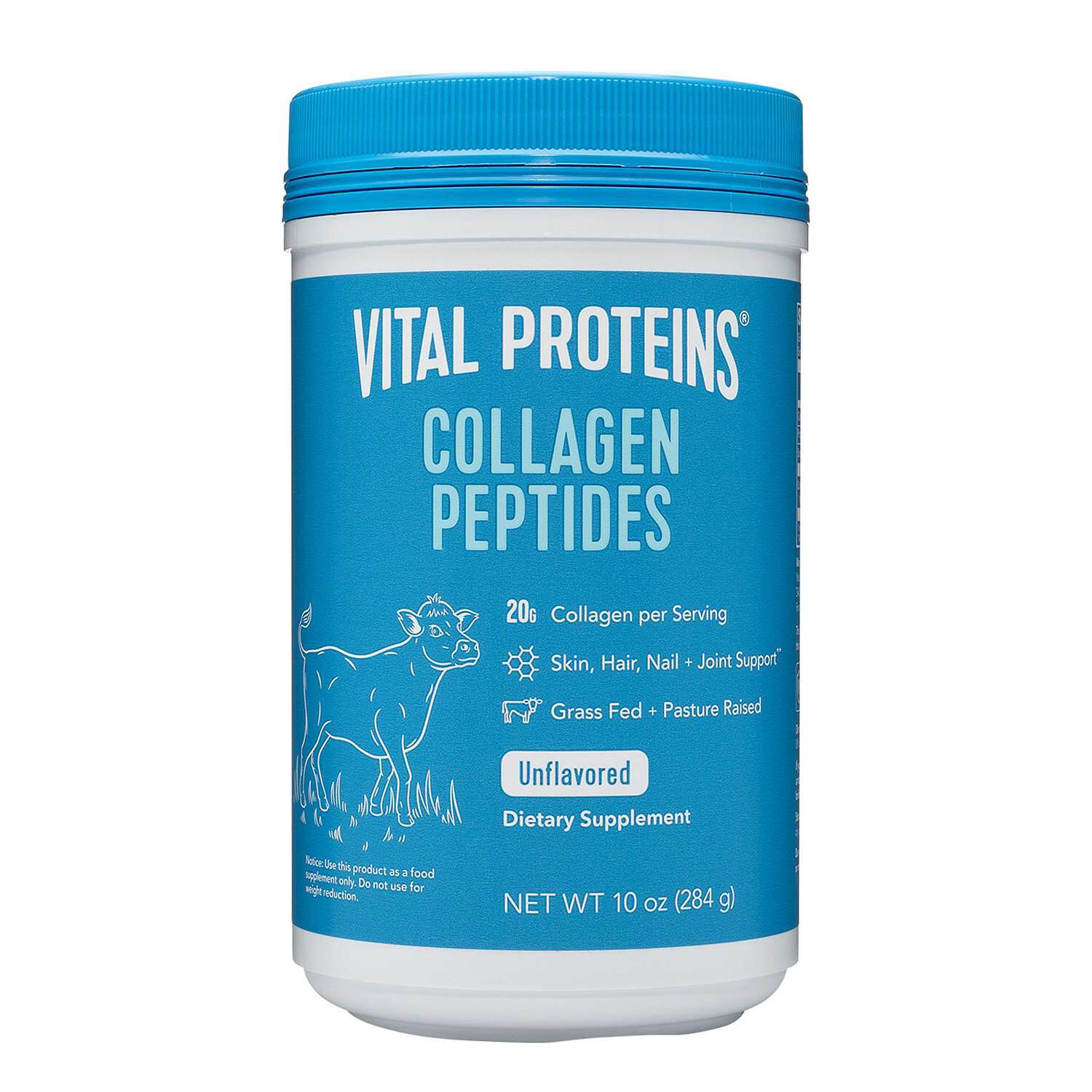
Pasture-raised collagen is an animal-derived collagen ingredient sourced from cattle raised with access to pasture. In supplements, it most often appears as bovine collagen peptides, typically made from cattle hides and processed into a powder. Collagen is a structural protein naturally present in connective tissues, including skin, tendons, and cartilage. Bovine hide is associated primarily with types I and III collagen, although processing changes the original protein into smaller peptide chains. The term pasture-raised describes an aspect of how the cattle were raised; it does not, by itself, establish everything about their diet, handling, or the finished supplement. Grass-fed refers to feeding practices, while pasture-raised refers to access to pasture, so the two descriptions are related but not interchangeable. A label carrying both terms provides different information than a label carrying only one. Even then, the details behind those statements matter, including whether a named certification or documented sourcing standard accompanies them. The distinction is useful when comparing pasture-raised collagen with Grass Fed Collagen Protein Powders, since sourcing language and supplement format answer separate shopping questions. Hydrolyzed collagen and collagen peptides generally describe collagen that has undergone processing to produce shorter protein chains. That processing is distinct from the pasture-raised designation: one describes the ingredient’s form, while the other describes its agricultural source. Neither phrase alone describes flavor, serving size, added ingredients, or testing. For shoppers who care about where an ingredient begins, a clearly identified bovine source and a straightforward explanation of farming practices offer more useful context than pastoral imagery on a container. Country-of-origin information, when provided, adds another detail, though the location where cattle were raised may differ from the location where the collagen was processed or packaged. Taken together, these details describe the path from animal source to finished supplement without treating a single sourcing term as a measure of every characteristic.
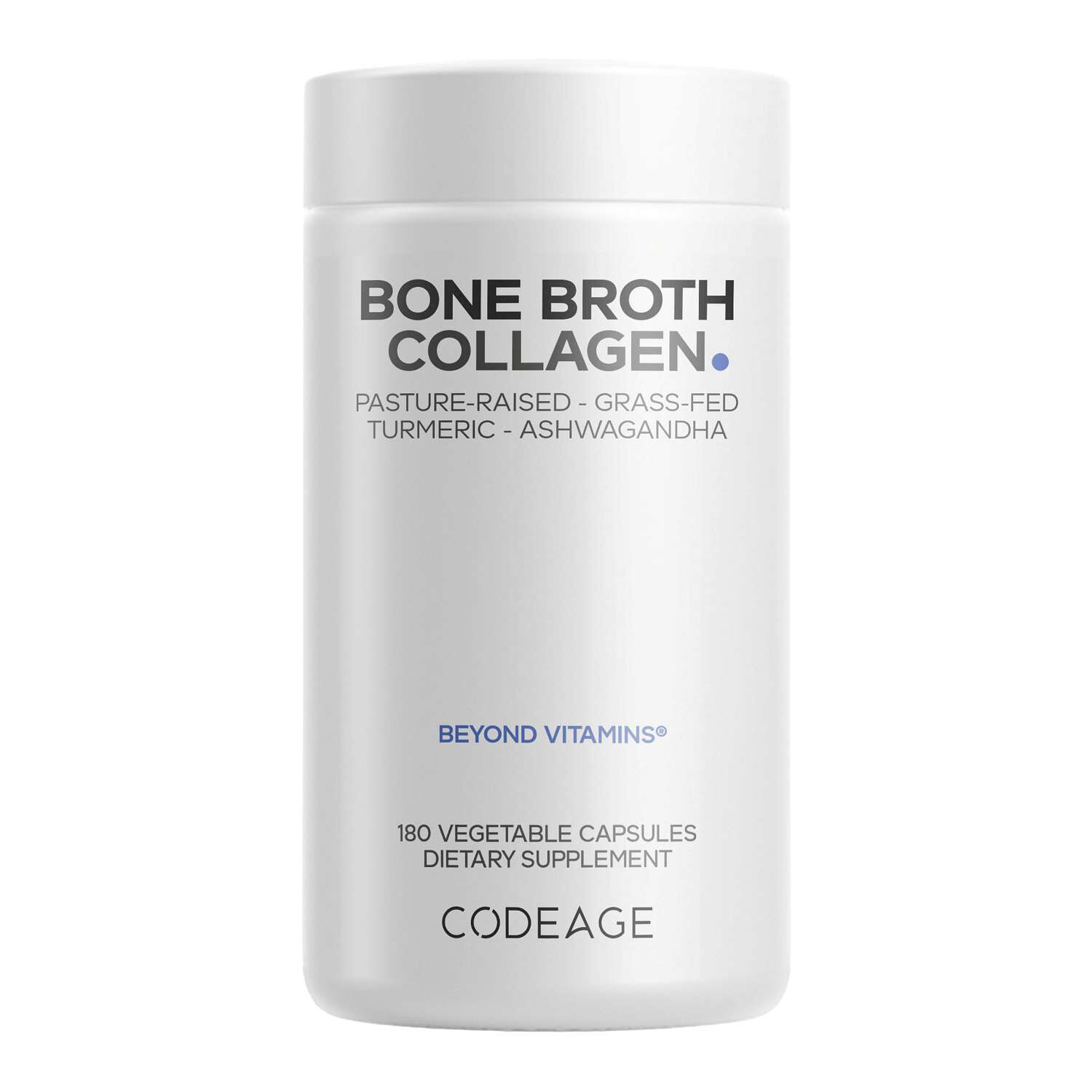
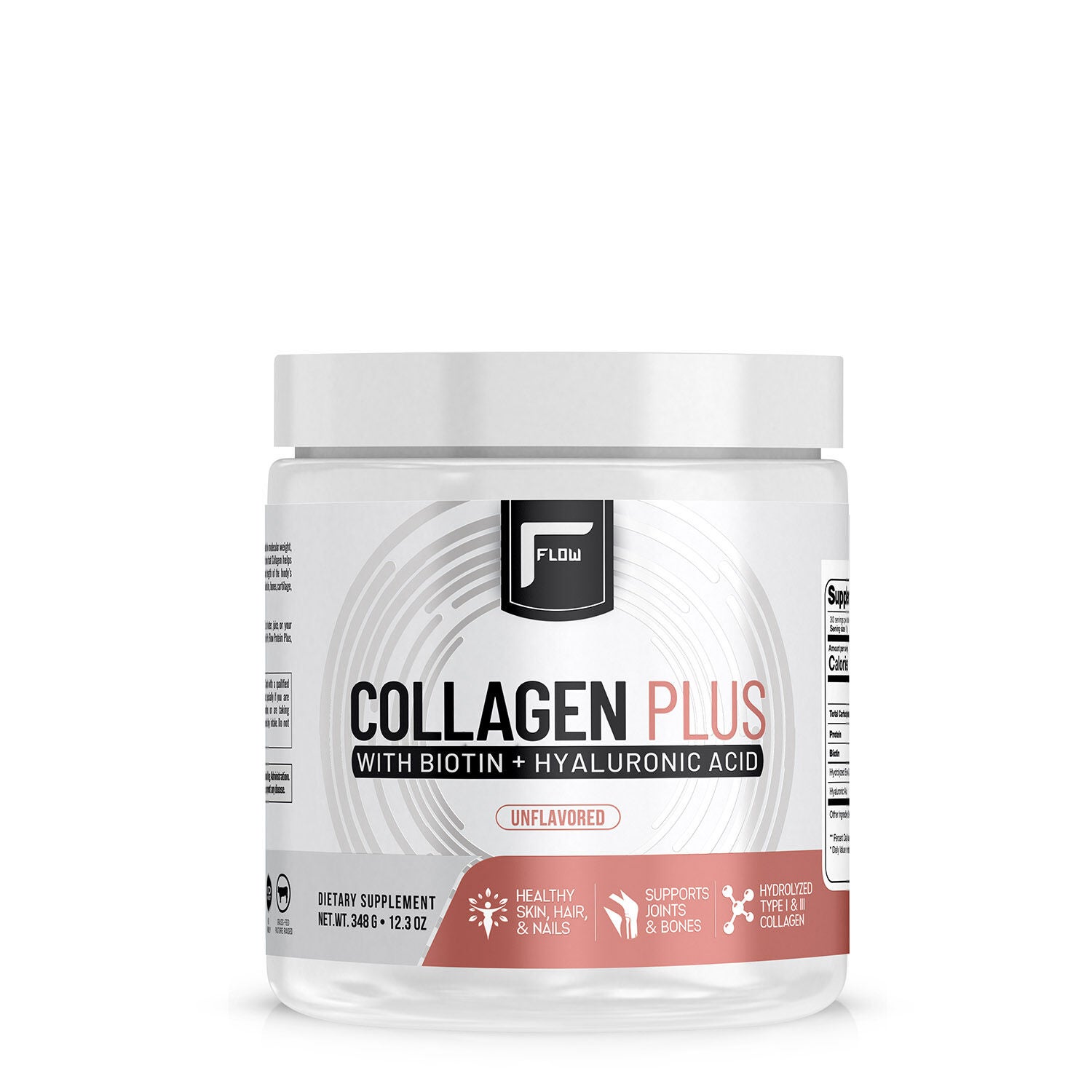
Powder is a familiar format for pasture-raised collagen, particularly for adults who prefer a measured scoop as part of an existing food or beverage routine. Hydrolyzed collagen powders may disperse in liquids more readily than gelatin, a related collagen-derived ingredient used to create a gelled texture. The two are not interchangeable in every recipe, especially when a dish depends on gelatin to set. Unflavored collagen powder has no intentionally added flavoring, but that description does not necessarily mean an absence of aroma, taste, or texture. A lightly flavored drink may reveal a subtle ingredient note that is less noticeable in a smoothie with banana, cocoa, or nut butter. Flavored versions introduce a different set of considerations, including sweetness, flavoring ingredients, and how those ingredients fit the intended preparation. Someone planning to add collagen to morning coffee may prefer a different flavor profile from someone using it in yogurt or a blended afternoon drink. Mixing directions matter, too: the amount of liquid, the order of ingredients, and the recommended method may influence the finished texture. A shaker bottle, spoon, or blender may produce different results depending on the formula. Capsules offer another format for shoppers who prefer not to mix a powder, though the number of capsules per serving deserves attention when comparing serving amounts. Individual packets may suit a desk drawer or travel bag, while a resealable container may fit a regularly used kitchen cabinet. Serving size should be read alongside the amount of collagen and protein listed per serving; scoop volume alone is not a dependable comparison between formulas. Collagen also has a different amino acid profile from proteins such as whey, egg, or soy and is not nutritionally interchangeable with them. That distinction matters when the shopping goal is a collagen ingredient rather than a general-purpose protein powder. Intended use, taste preferences, preparation method, and the serving information on the label provide a more practical basis for comparison than package size alone.
Ingredient lists give pasture-raised collagen its most useful context beyond the sourcing statement. Some formulas contain collagen peptides alone, while others include flavorings, sweeteners, vitamins, minerals, or additional ingredients. A short ingredient list may appeal to someone who wants fewer variables in a daily routine, but ingredient count does not establish how well a formula fits an individual’s preferences. Unflavored does not mean unsweetened, and neither term establishes the presence or absence of milk, soy, wheat, or other allergens. The ingredient list, allergen statement, and manufacturing disclosures provide separate pieces of information, especially for households managing dietary restrictions. Because bovine collagen comes from cattle, it is not a vegetarian or vegan ingredient. Dietary certifications also need to be considered individually rather than inferred from pasture-raised or grass-fed wording. Testing information is another useful point of distinction: a named independent testing organization and a clear description of what was evaluated are more informative than a broad quality statement without supporting detail. Testing for ingredient identity, for example, answers a different question from testing for selected contaminants. Once a container is opened, care centers on the package directions, a securely closed lid or seal, and a clean, dry scoop. Moisture introduced by a wet spoon or a container left beside a steaming kettle may contribute to clumping. Keeping the original label with the supplement preserves access to the ingredient list, serving directions, lot information, and date markings, even when a smaller portion is carried elsewhere. Packaging preferences matter in ordinary use as well: a pouch needs a seal that is easy to close, and a tub needs enough room for a scoop without repeated spills. These everyday details are worth considering alongside sourcing. For adults comparing pasture-raised collagen, the most meaningful fit brings together a clearly described animal source, understandable ingredients, suitable serving amounts, and a format that belongs naturally in the routine where it will be used.
Best Sellers
-
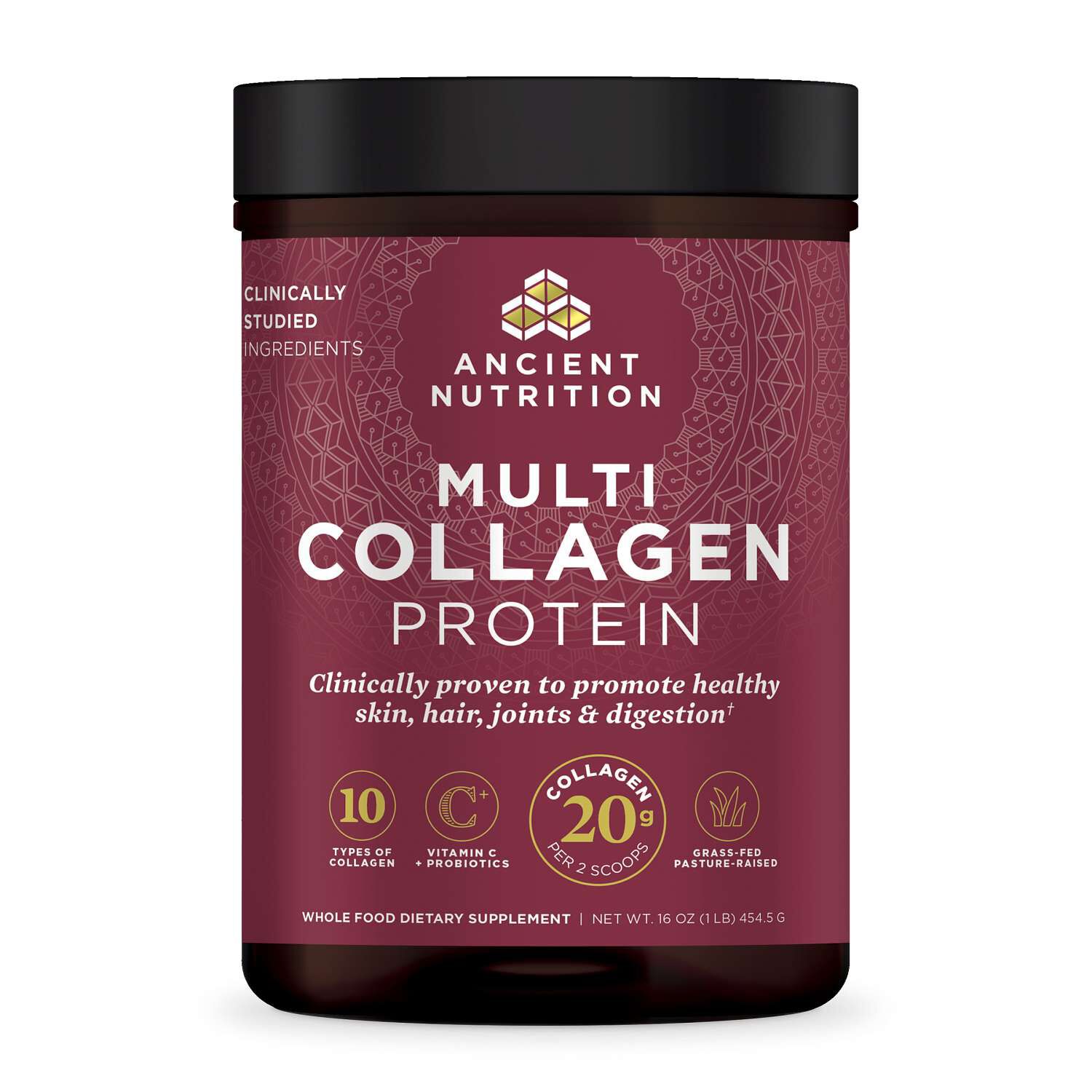 Ancient Nutrition
-
Vital Proteins
Related Pages
Top Collections
- Daily Collagen Supplements | Top Brands & Deals | GNC
- Cortisol Supplements
- Top Rated Collagen | Shop Customer Favorites | GNC
- Vitamins For Hair Loss
- NAD+ Supplement Tablets
- Peptide Supplements
- Best Brand of Magnesium Glycinate
- Protein Powders For Muscle Growth Support
- Vitamins That Help Support Weight Gain
- Peptide Supplements for Muscle Growth