





Farm Raised Chicken Collagen Powders
(0 Results)
Farm raised chicken collagen powders offer a convenient way to support your wellness routine with high-quality ingredients sourced from responsibly raised chickens. These versatile powders can be easily mixed into your favorite beverages or recipes, making it simple to incorporate into your daily lifestyle. Explore farm raised chicken collagen powders and discover an option that fits seamlessly into your personal health journey.
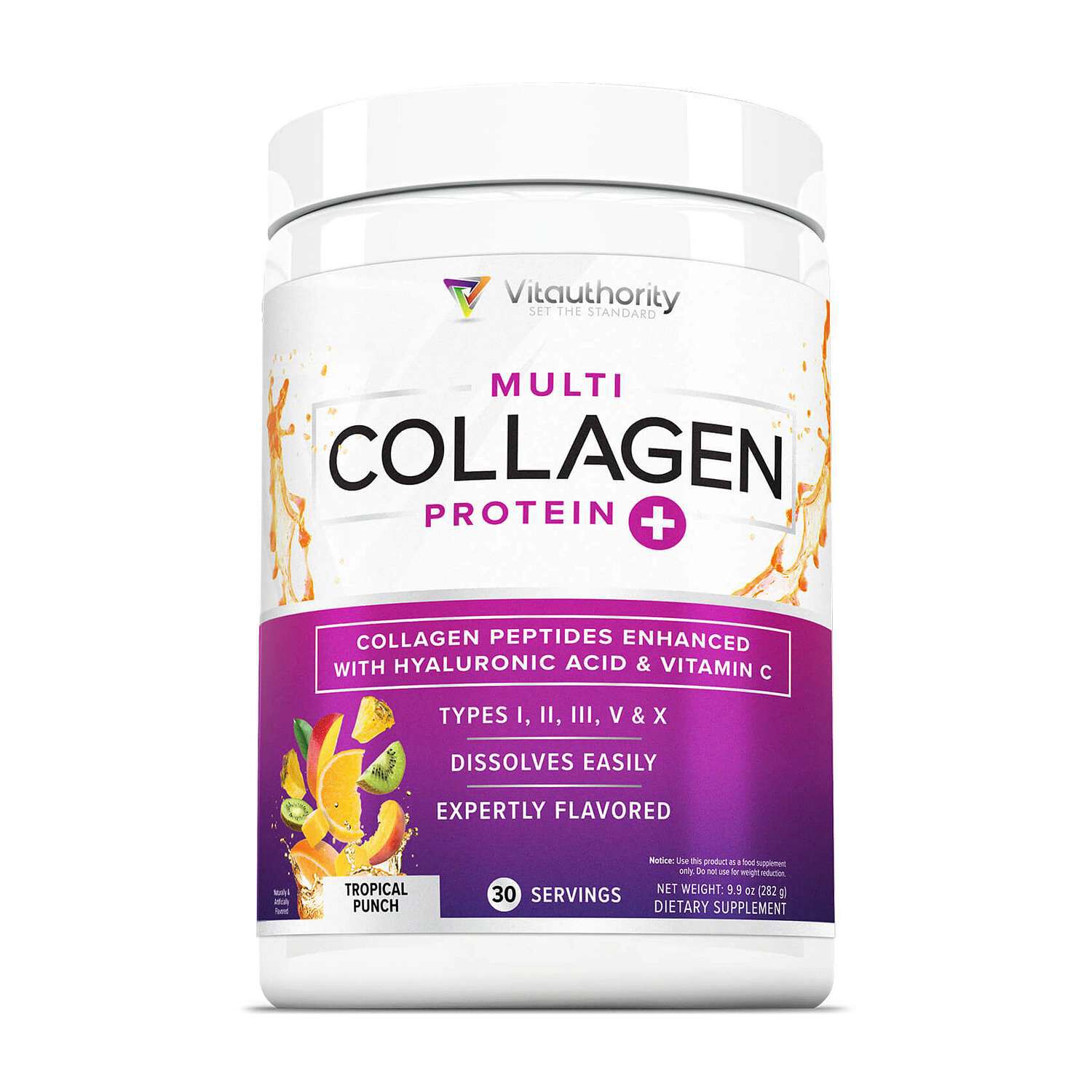


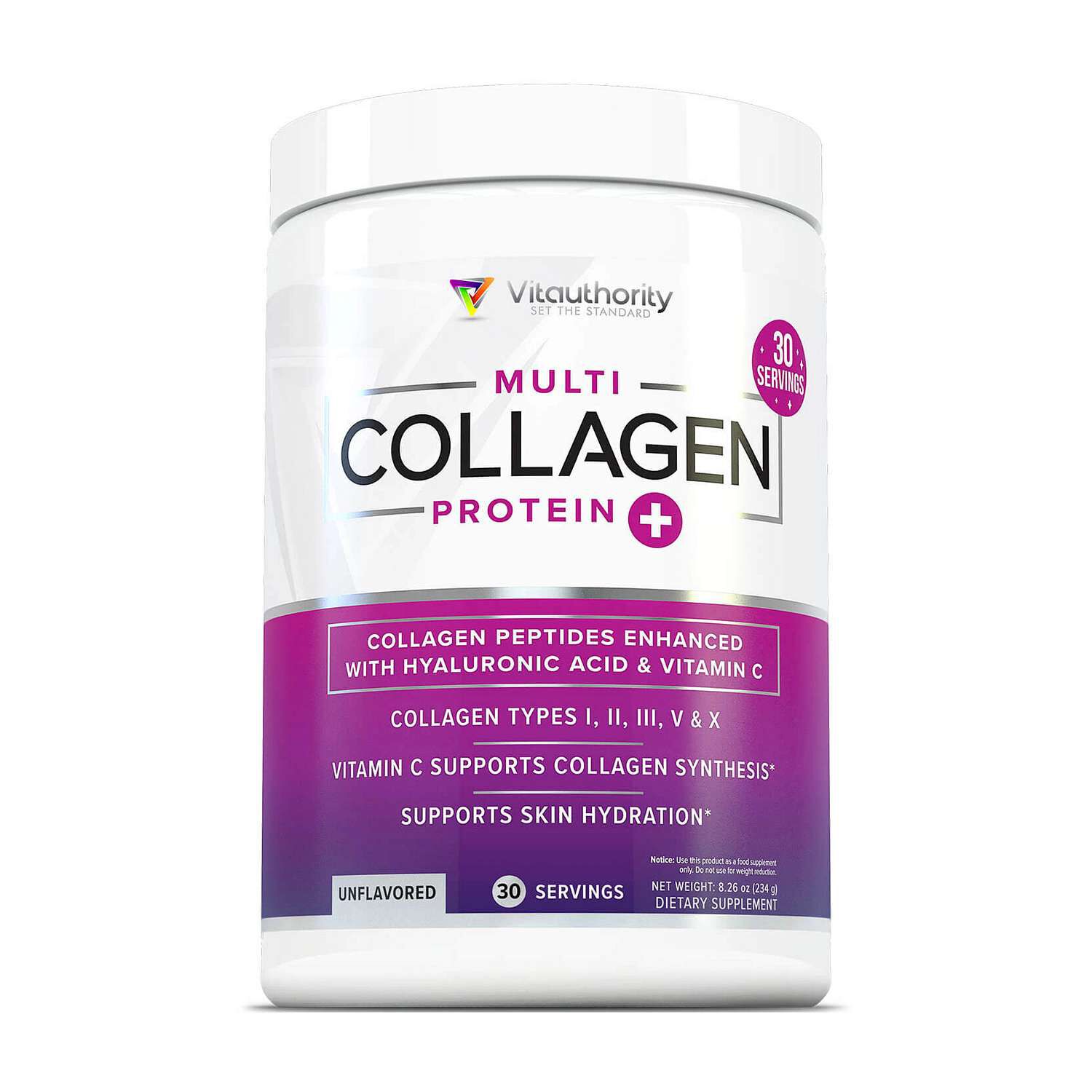
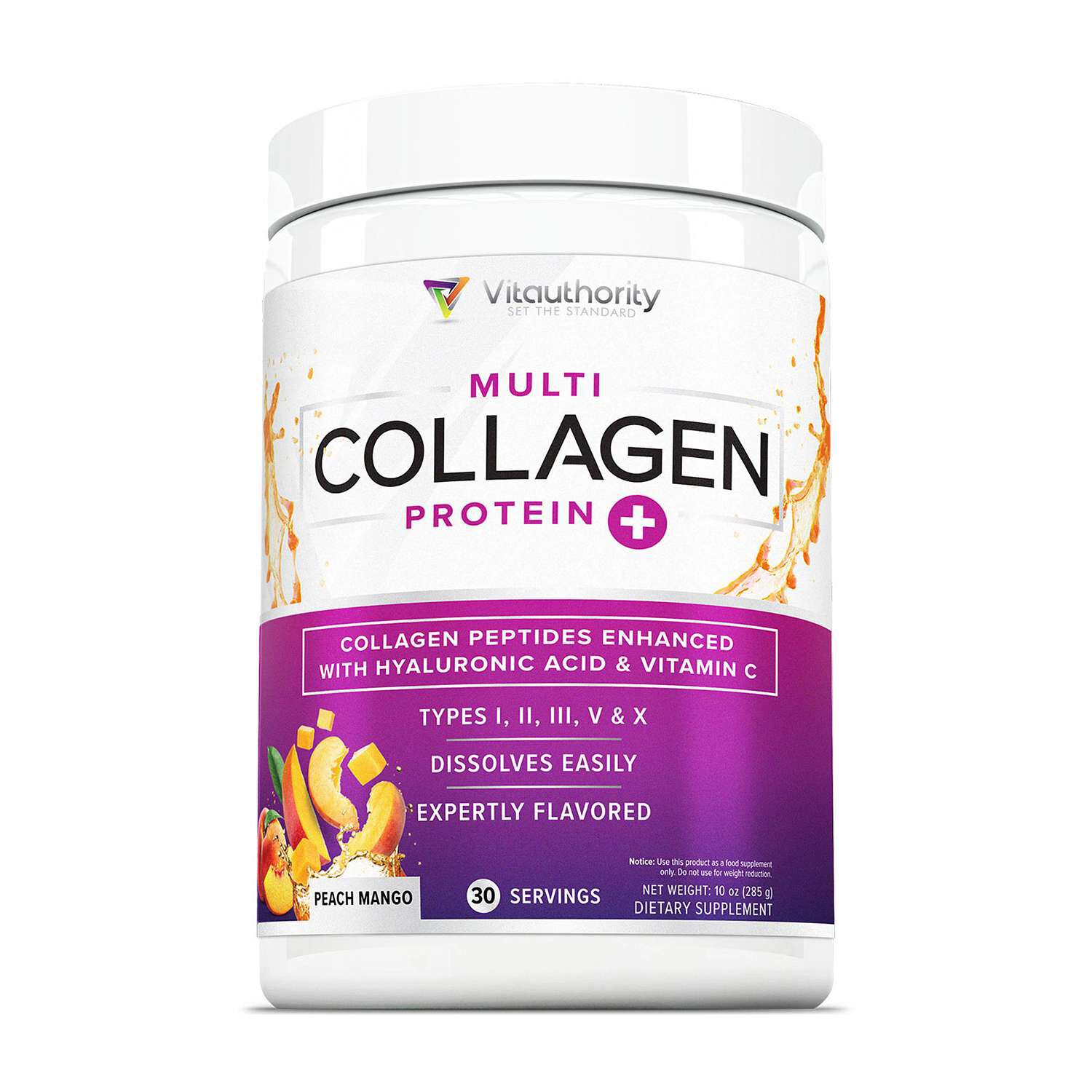

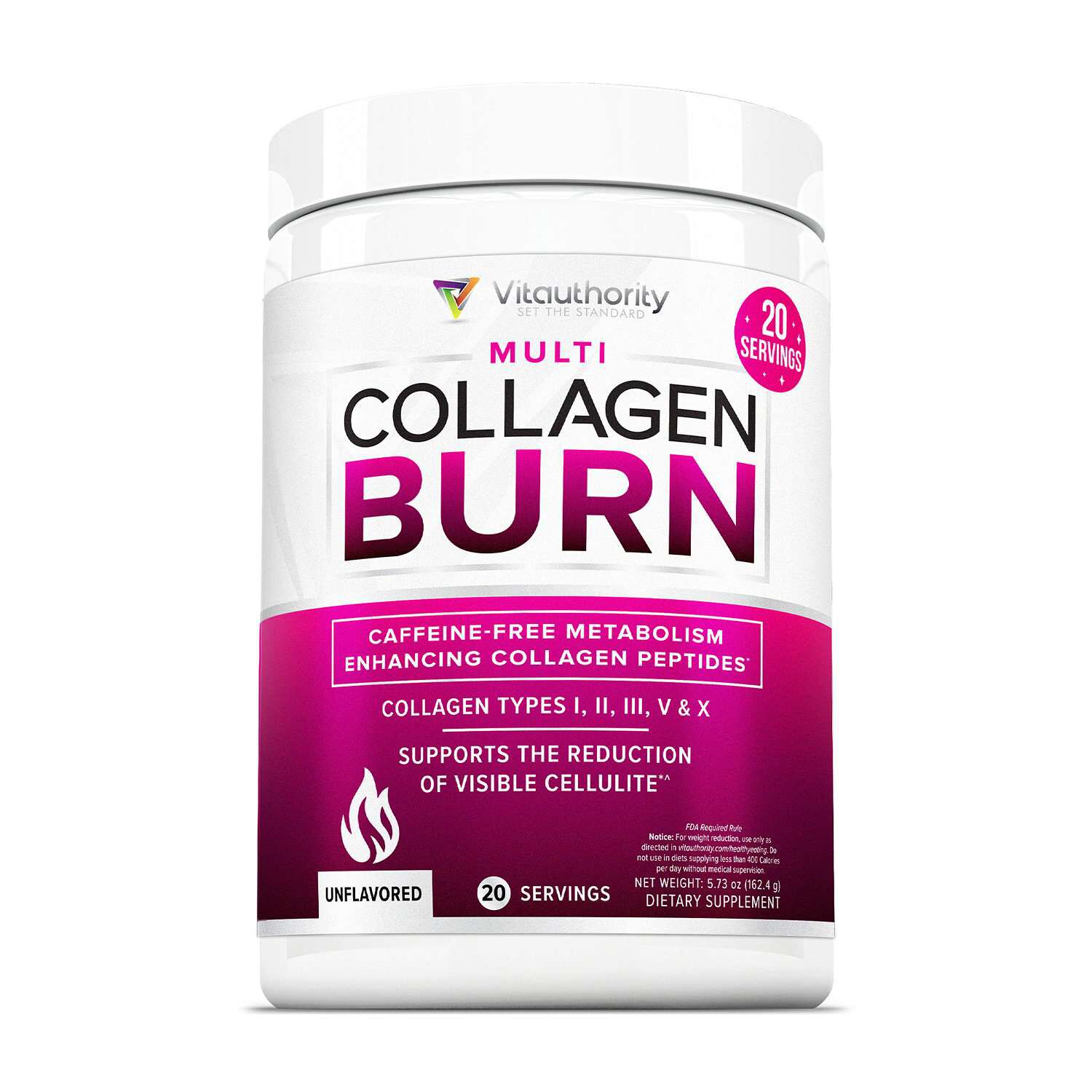
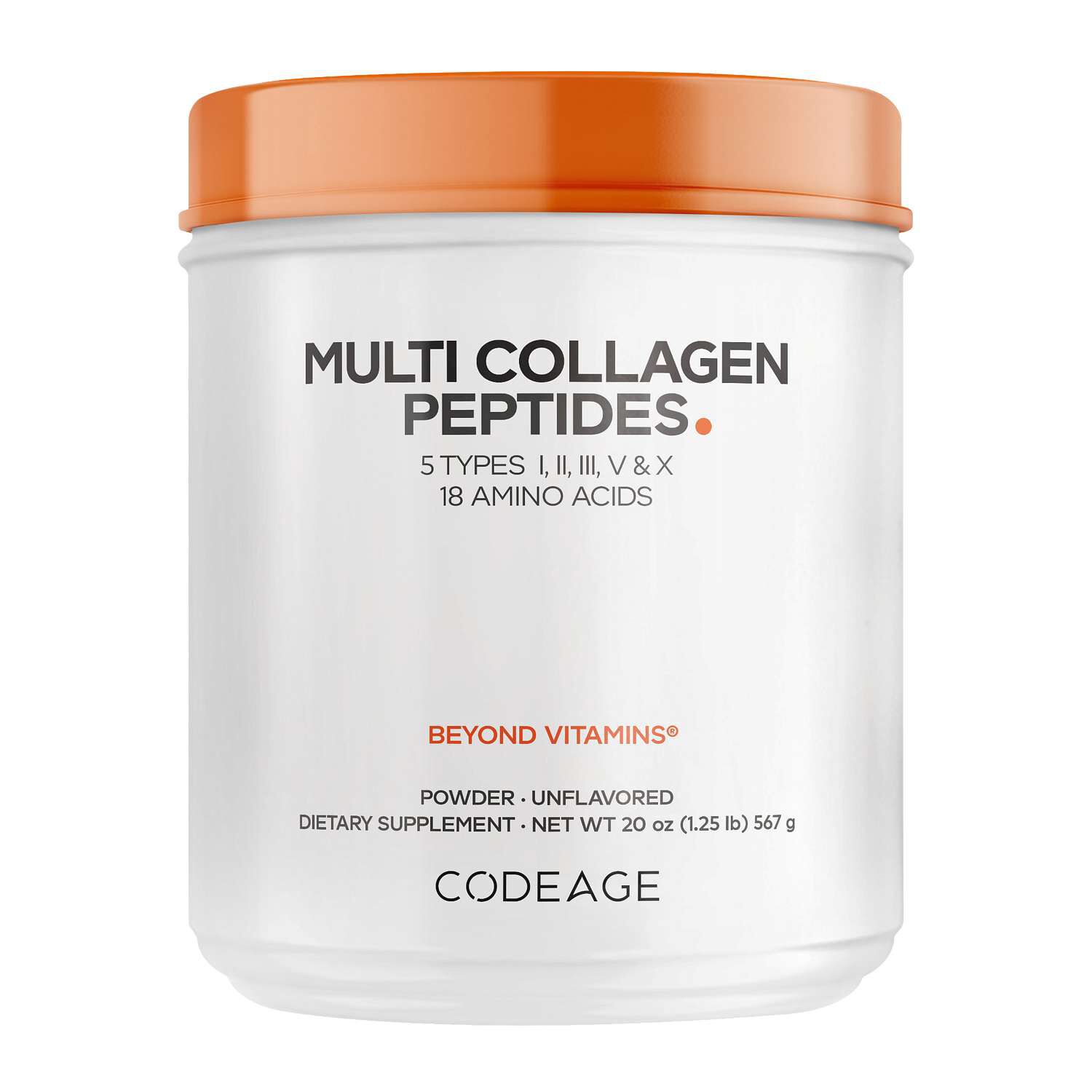

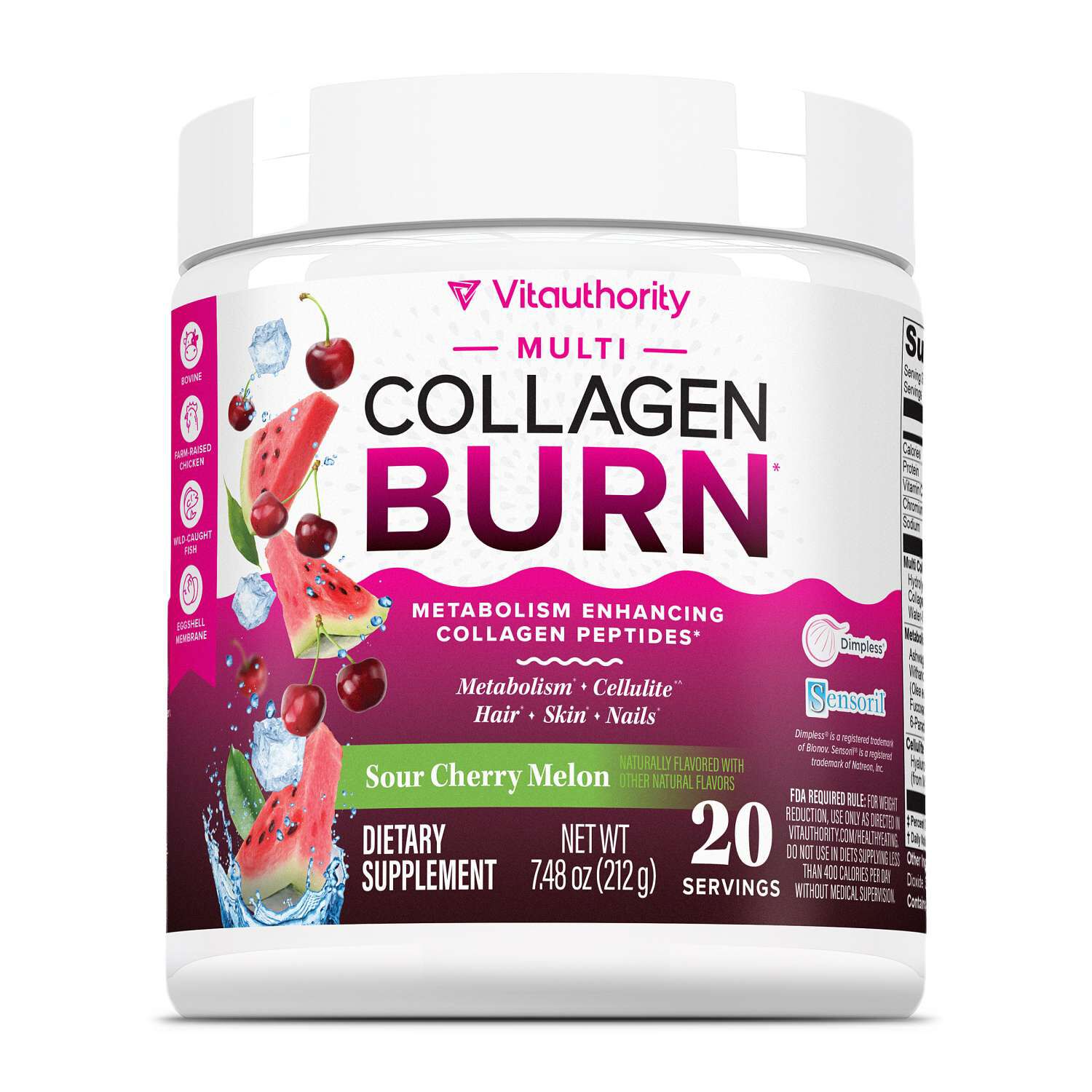
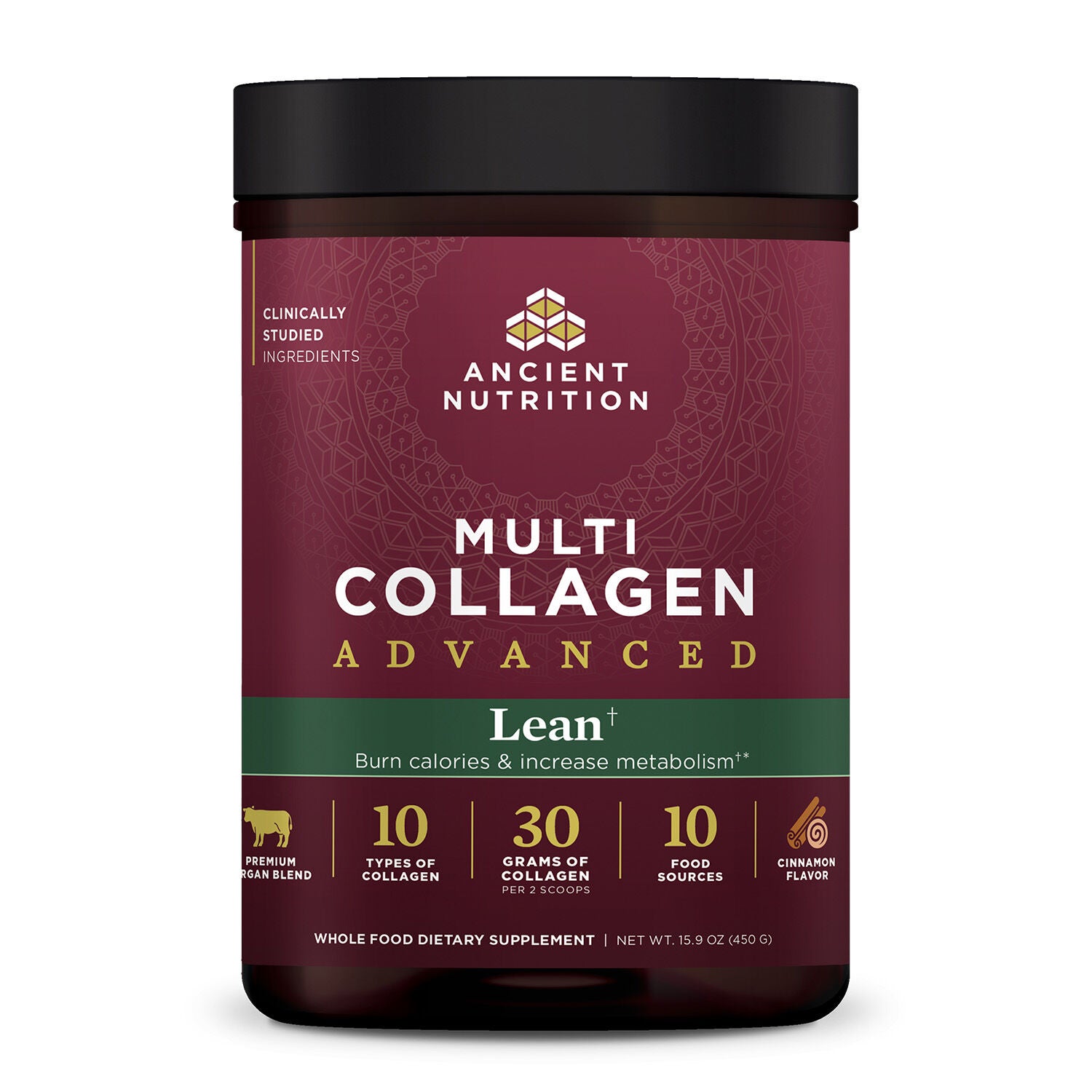
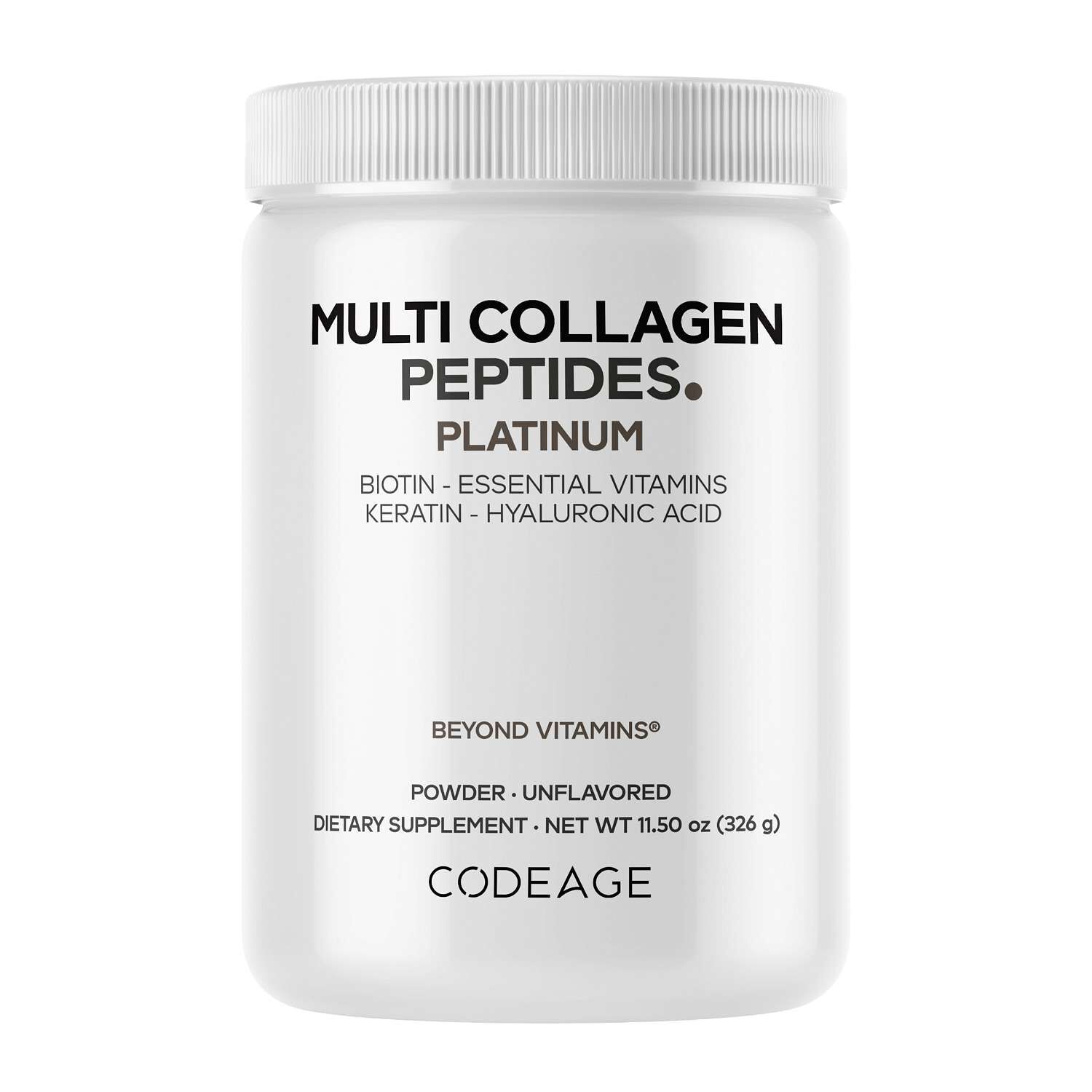

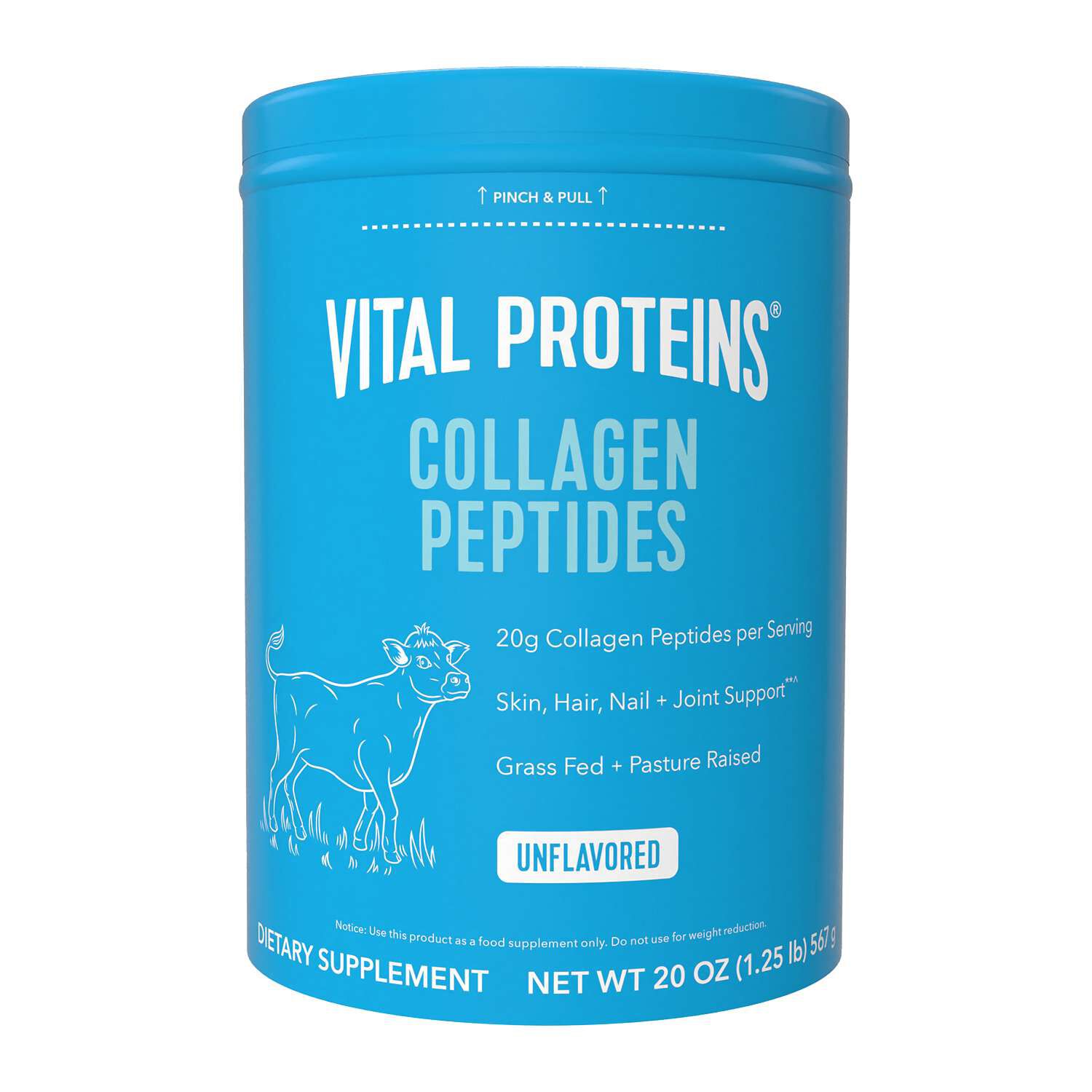
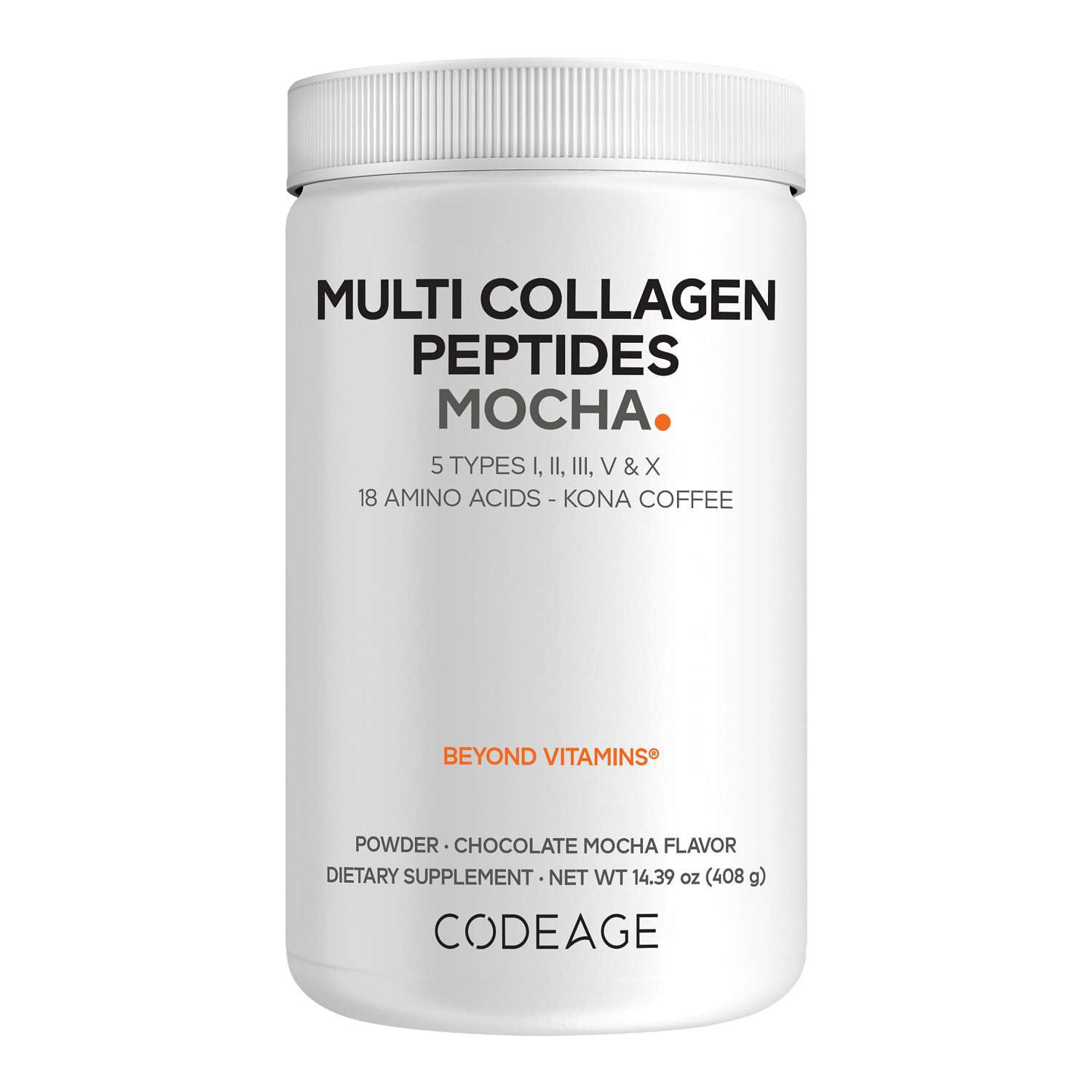


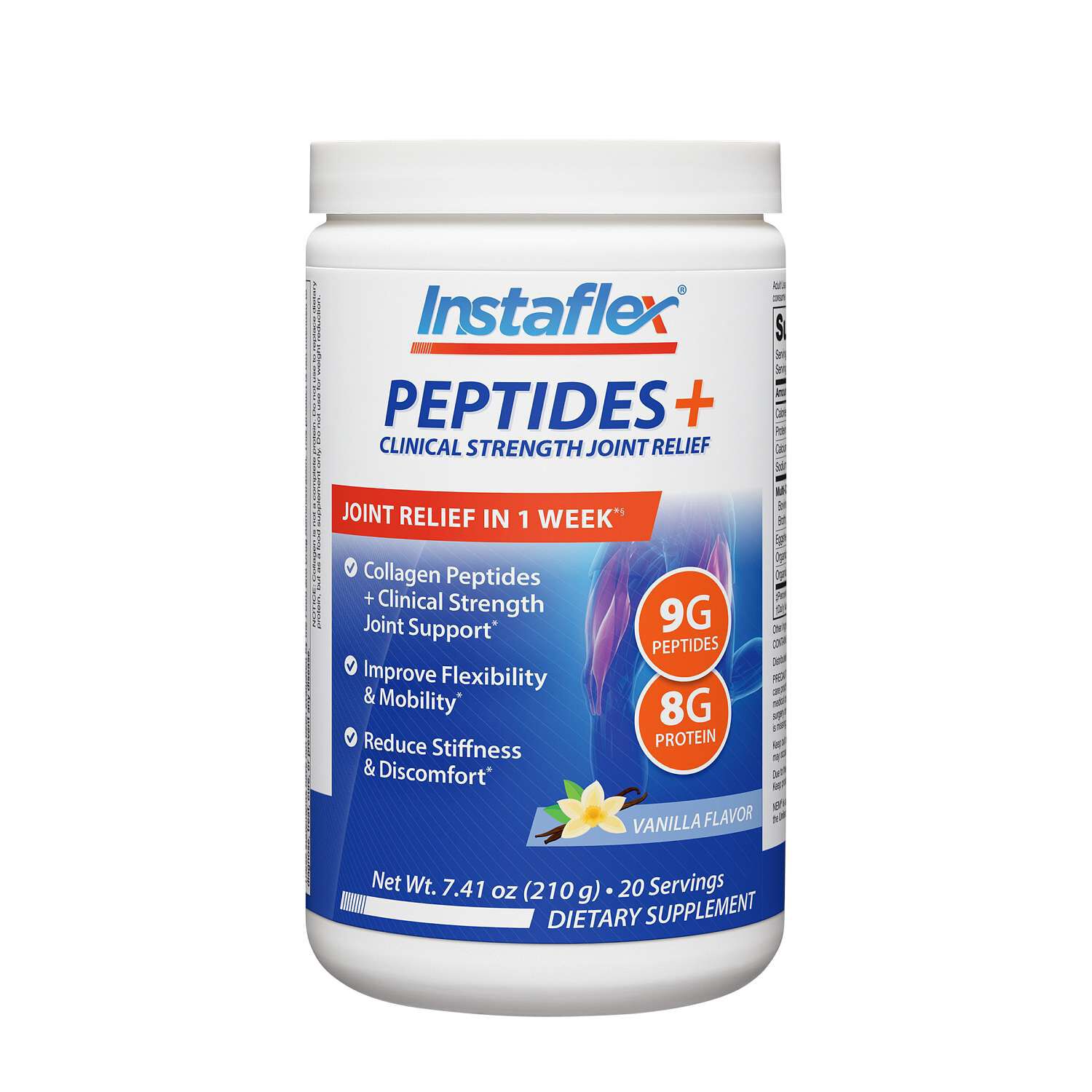
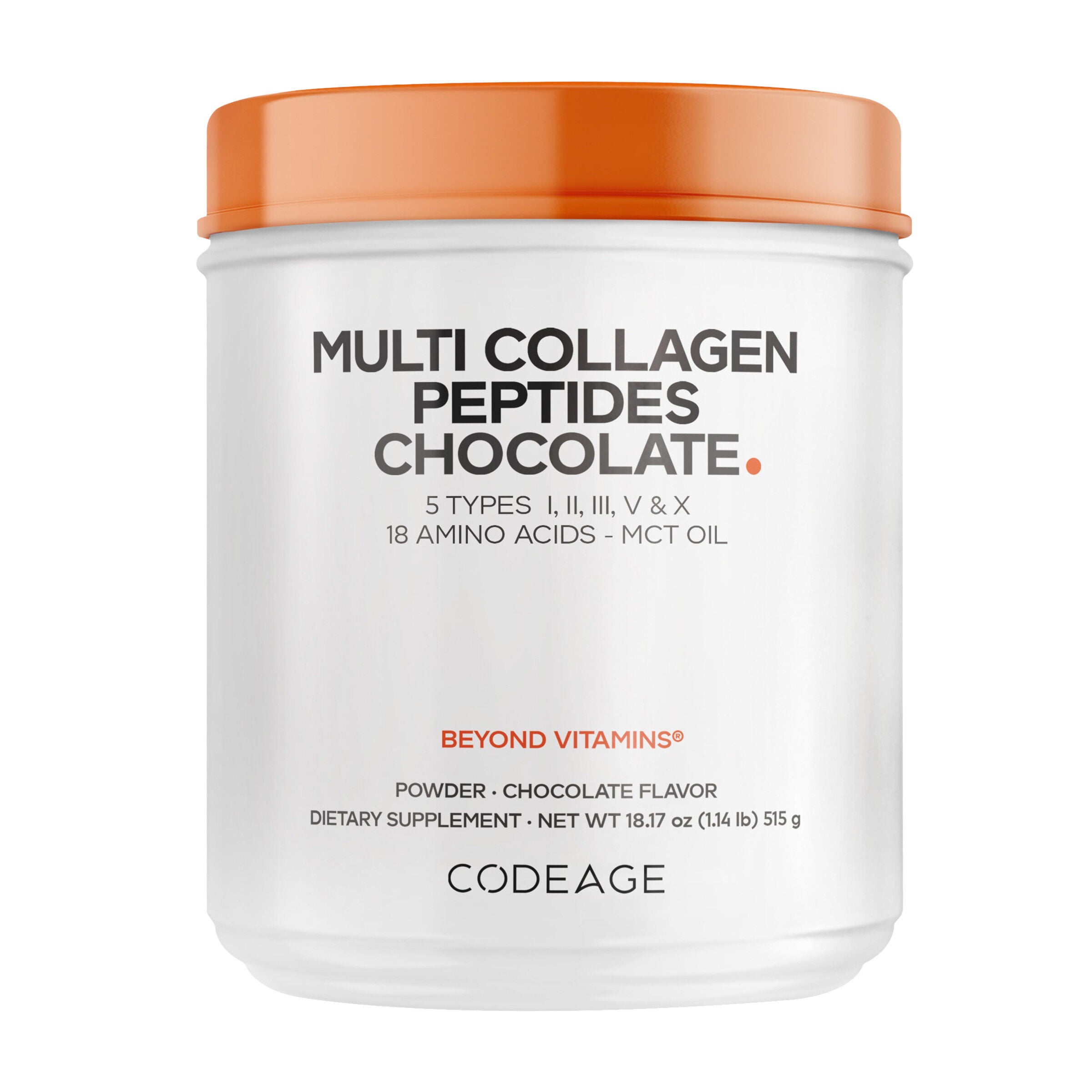

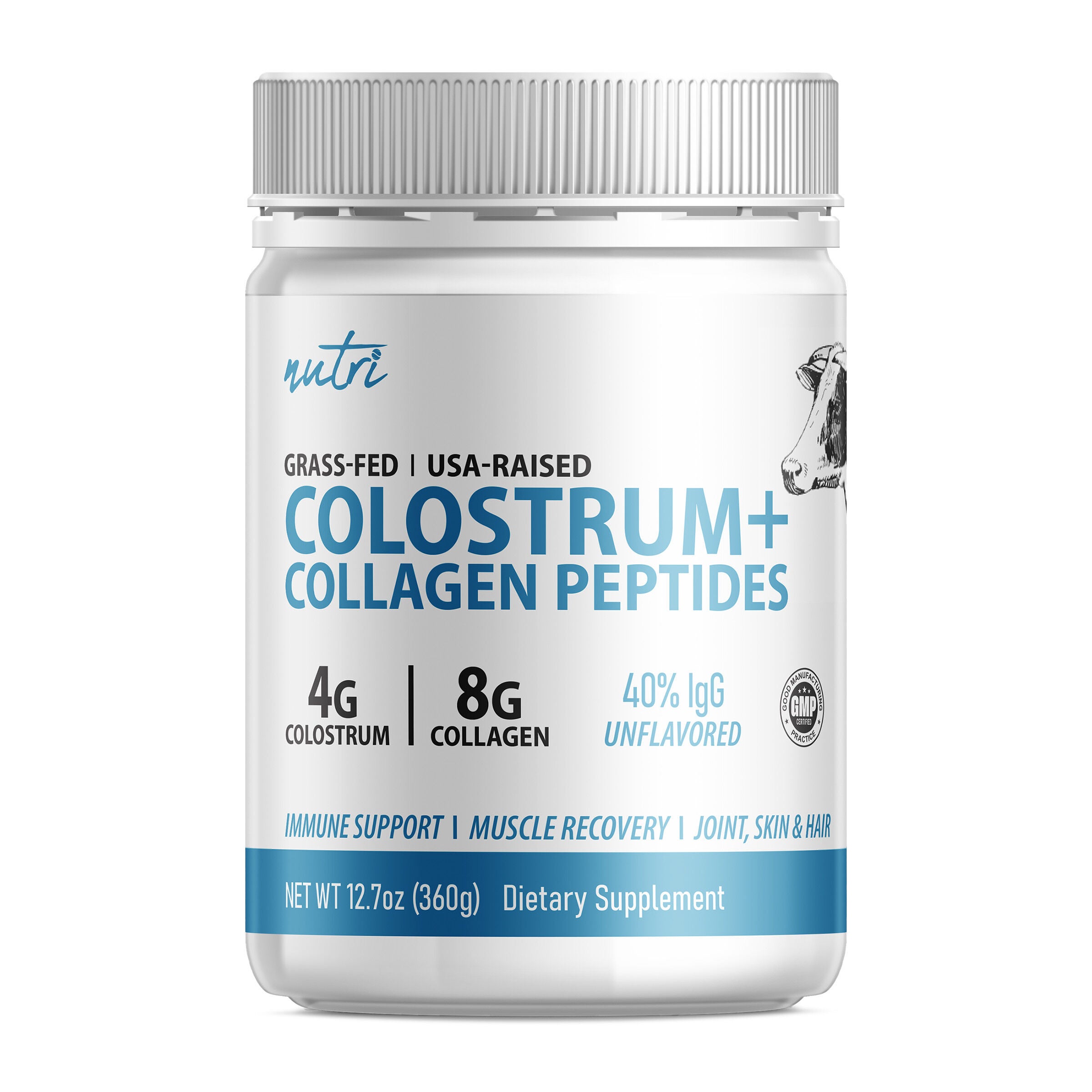
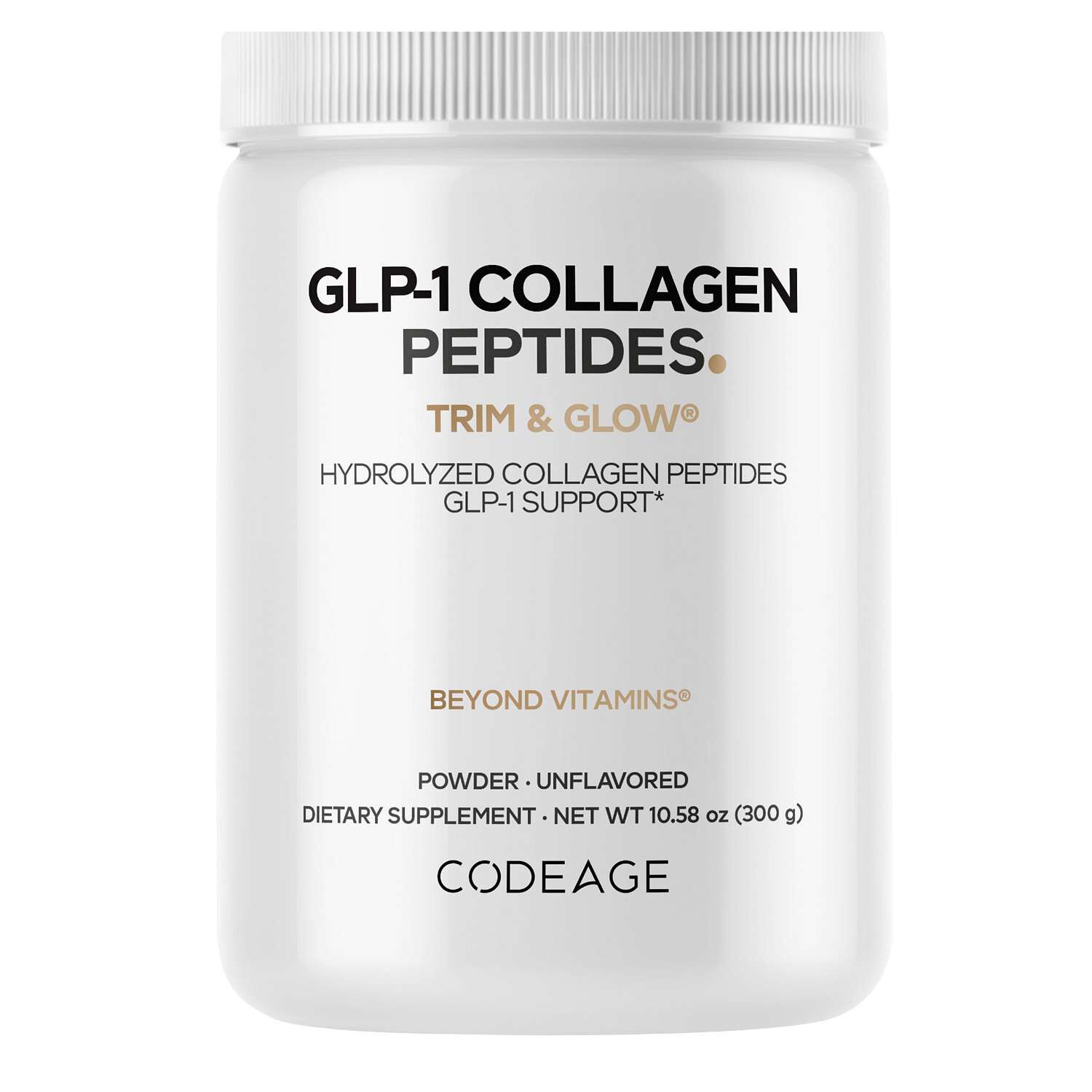
Farm-raised chicken collagen powders are dietary supplements made with collagen derived from chicken tissues, either as the primary collagen source or as part of a blend with other animal sources. Collagen is a structural protein found in connective tissues, including skin, tendons, and cartilage. Chicken cartilage is associated with type II collagen, but a chicken-derived powder is not automatically a type II-only formula. The tissues used, the processing method, and the other ingredients all help define what is in the container. That distinction matters when comparing a single-source chicken collagen powder with a formula that combines chicken, bovine, marine, or eggshell membrane ingredients. A blend may list several collagen types, while a single-source formula may appeal to someone who prefers a shorter ingredient list or wants to avoid certain animal sources. The term “farm-raised” describes a sourcing characteristic; on its own, it does not establish a particular feed program, animal care certification, or processing standard. More detailed sourcing statements provide a clearer picture than that phrase alone. Hydrolyzed collagen has been processed into smaller protein fragments called peptides, and this form is common in powders intended for mixing into foods and beverages. Undenatured type II collagen is a different preparation and should not be treated as interchangeable with hydrolyzed collagen by serving weight or intended use. Chicken bone broth powder is another related category, but it is not necessarily equivalent to a concentrated collagen peptide powder. Broth formulas can contain a different mix of proteins, minerals, seasonings, and other ingredients, giving them their own flavor and nutrition profiles. For shoppers exploring animal sourcing across categories, Pasture Raised Collagen offers a related point of comparison, although pasture-raised and farm-raised describe different sourcing attributes. The most useful distinctions remain the stated animal sources, collagen form, serving information, and ingredient details rather than the front-label wording alone.
The best fit for an everyday routine often comes down to formulation and how the powder will be used. An unflavored chicken collagen powder offers a different experience from a vanilla-flavored blend or a savory chicken broth formula. Unflavored does not necessarily mean undetectable: aroma, mouthfeel, and a mild animal-derived taste can vary with the raw material and processing. In a berry smoothie, a subtle flavor may be less noticeable than it would be in a glass of plain water. A savory broth powder has a more natural place in soup or a grain bowl than in a fruit drink, especially when its ingredients include salt, herbs, or vegetables. Mixing performance also varies. Hydrolysis, particle size, added ingredients, and the food or beverage used all influence how readily a powder disperses, so a claim about effortless mixing should not be assumed across the category. Package directions provide the relevant preparation details for each formula. Serving size deserves equal attention because a scoop is a measuring tool, not a uniform amount across different containers. The weight of a serving, the amount of collagen declared, and the grams of protein listed can tell different parts of the story. A larger serving of a flavored blend may include more than collagen, while a smaller serving of another preparation may reflect a different formulation altogether. Collagen is not nutritionally interchangeable with every other protein powder; its amino acid profile differs from proteins such as whey, soy, and egg. That makes its role in a routine distinct from simply choosing a powder by protein grams alone. Added sweeteners, colors, flavorings, vitamins, and minerals are also meaningful points of comparison for shoppers who already use other supplements or prefer a simpler mix. Animal-source and allergen disclosures matter particularly in multi-source formulas, where the chicken ingredient may sit alongside fish-derived collagen or ingredients from eggs. Chicken collagen itself is animal-derived and does not suit vegetarian or vegan preferences.
Farm-raised chicken collagen powders may appeal to adults who already enjoy the flexibility of powdered supplements and want a chicken-derived option that fits familiar meals and beverages. For someone who blends breakfast before leaving home, the practical details might include a clearly marked serving measure, a lid that closes securely, and preparation directions that work with the existing routine. Someone who prefers savory foods might be more interested in how a chicken-derived formula tastes in a mug of broth or a bowl of soup, while another shopper may prioritize an uncomplicated ingredient list over flavor variety. These are useful distinctions because a powder that fits one person's kitchen habits may feel inconvenient in another's. Packaging and storage are part of that fit, too. A wide-mouth container can make measuring less awkward, while individually portioned packets offer a different format for carrying a serving away from home. Container size should be considered alongside the labeled serving count and storage directions, rather than appearance alone. Keeping the closure secure and using a clean, dry utensil helps limit moisture entering the powder; the package remains the reference for storage conditions and the stated date. Powder residue around a lid or zipper can interfere with a tidy seal, making careful handling a small but practical part of regular use. Quality information adds another layer of context. Clearly identified animal sources, transparent ingredient disclosures, and specific testing information are more informative than broad statements about purity. When a formula displays an independent certification or testing mark, the scope matters: testing for identity or certain contaminants answers different questions from an animal sourcing certification. Neither replaces the nutrition and ingredient panels. As a gift, an animal-derived supplement is most appropriate when the recipient has already expressed an interest and their dietary preferences are known; sourcing, flavor, and preparation format are personal choices. Across the category, a thoughtful comparison brings those details together: what the powder contains, where its collagen comes from, how its serving is defined, and whether its taste and format suit the way it will actually be used.
Best Sellers
-
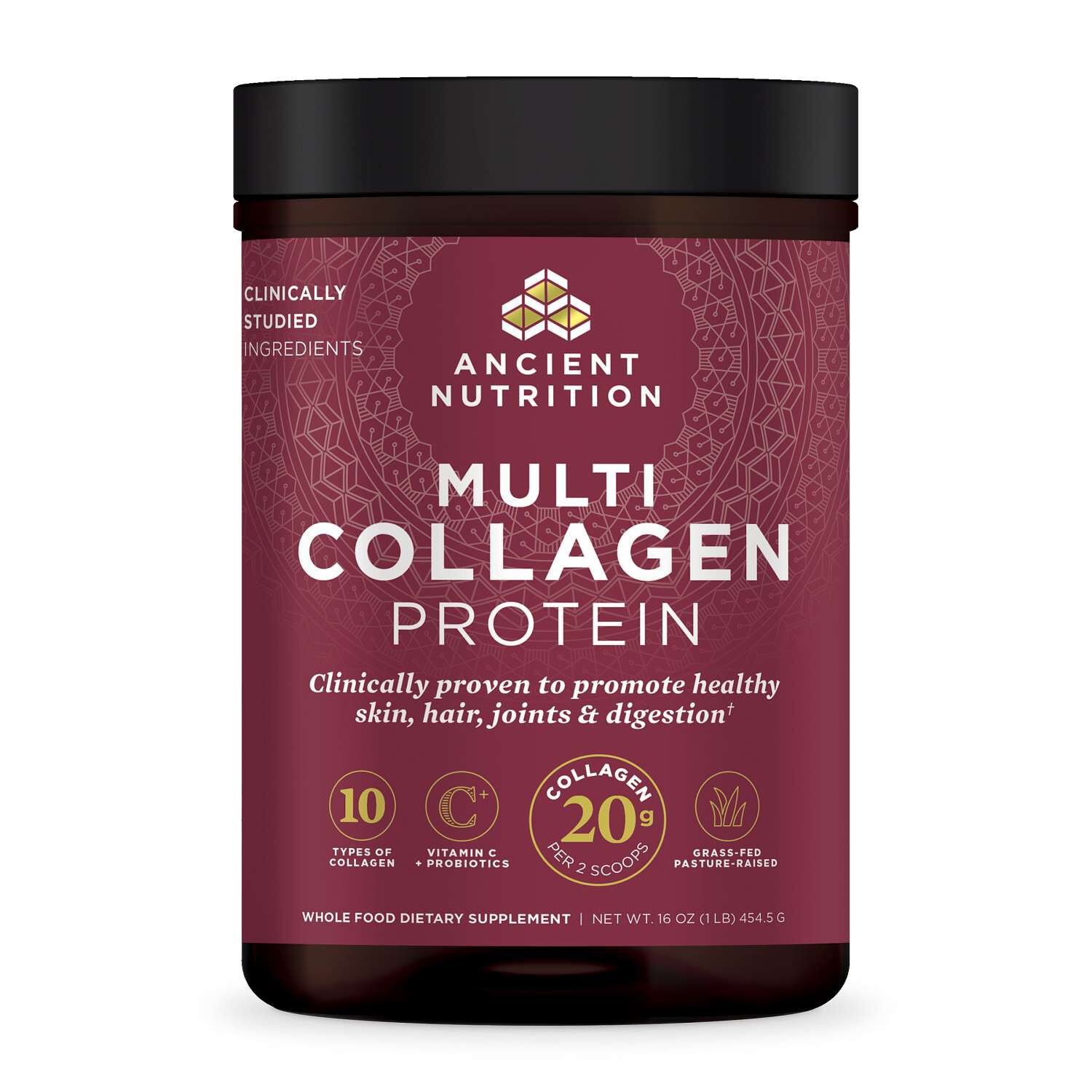 Ancient Nutrition
 -
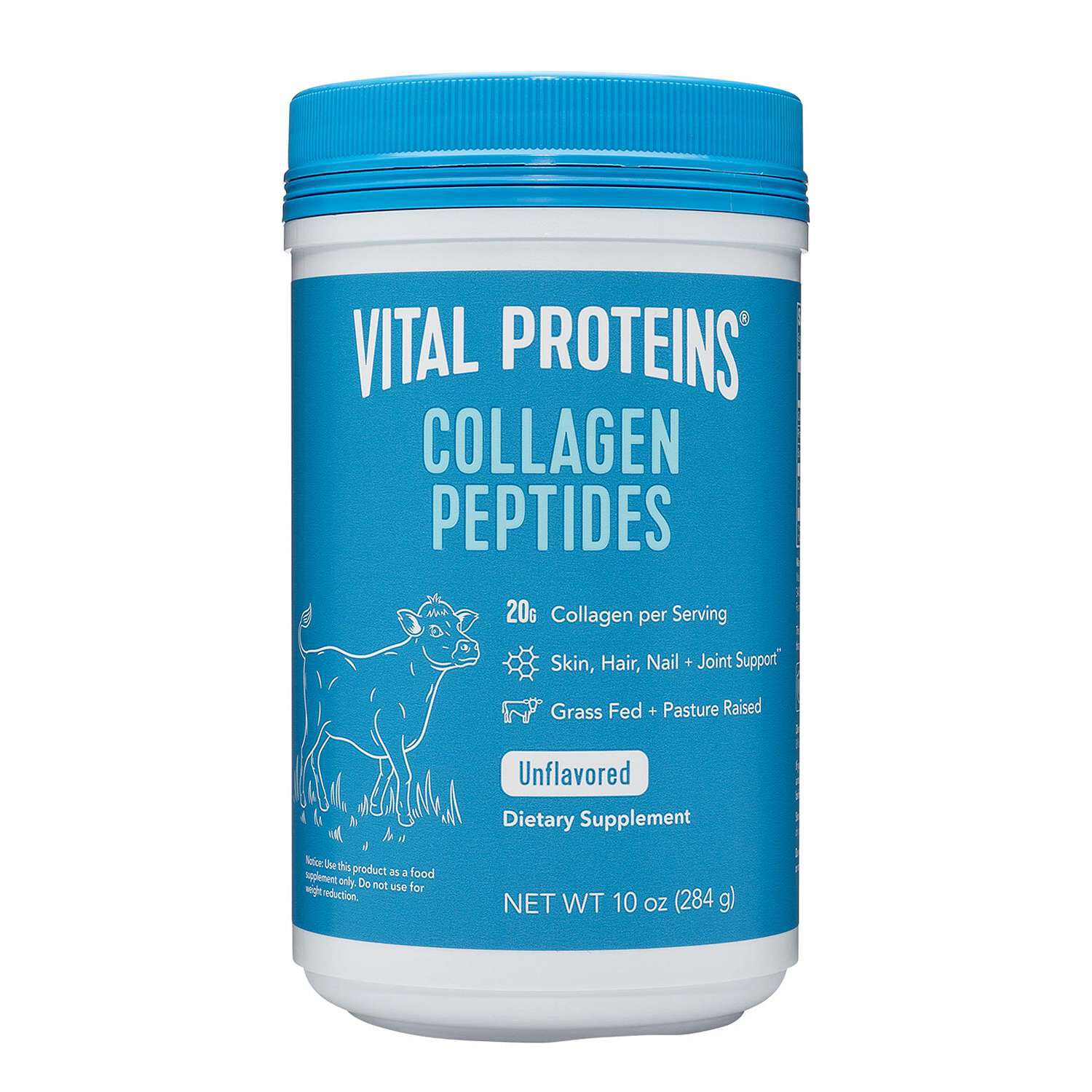 Vital Proteins
Related Pages
Top Collections
- Daily Collagen Supplements | Top Brands & Deals | GNC
- Cortisol Supplements
- Top Rated Collagen | Shop Customer Favorites | GNC
- Vitamins For Hair Loss
- NAD+ Supplement Tablets
- Peptide Supplements
- Best Brand of Magnesium Glycinate
- Protein Powders For Muscle Growth Support
- Vitamins That Help Support Weight Gain
- Peptide Supplements for Muscle Growth