





Chicken Collagen Supplements
(0 Results)
Explore the potential benefits of chicken collagen supplements, a popular choice for those looking to support joint and cartilage health. Packed with amino acids, these supplements might promote healthy hair, nails, and glowing complexion. Whether you're an athlete seeking to maintain peak performance or simply exploring options for overall wellness, chicken collagen could be a versatile addition to your daily routine. Discover the variety of options available and find the perfect supplement to complement your lifestyle goals.
-

-
-
-
 $42.99
-

-
-
-
-

-
-

-
-

-
-

-
-
-
 Portions Master$29.99
-


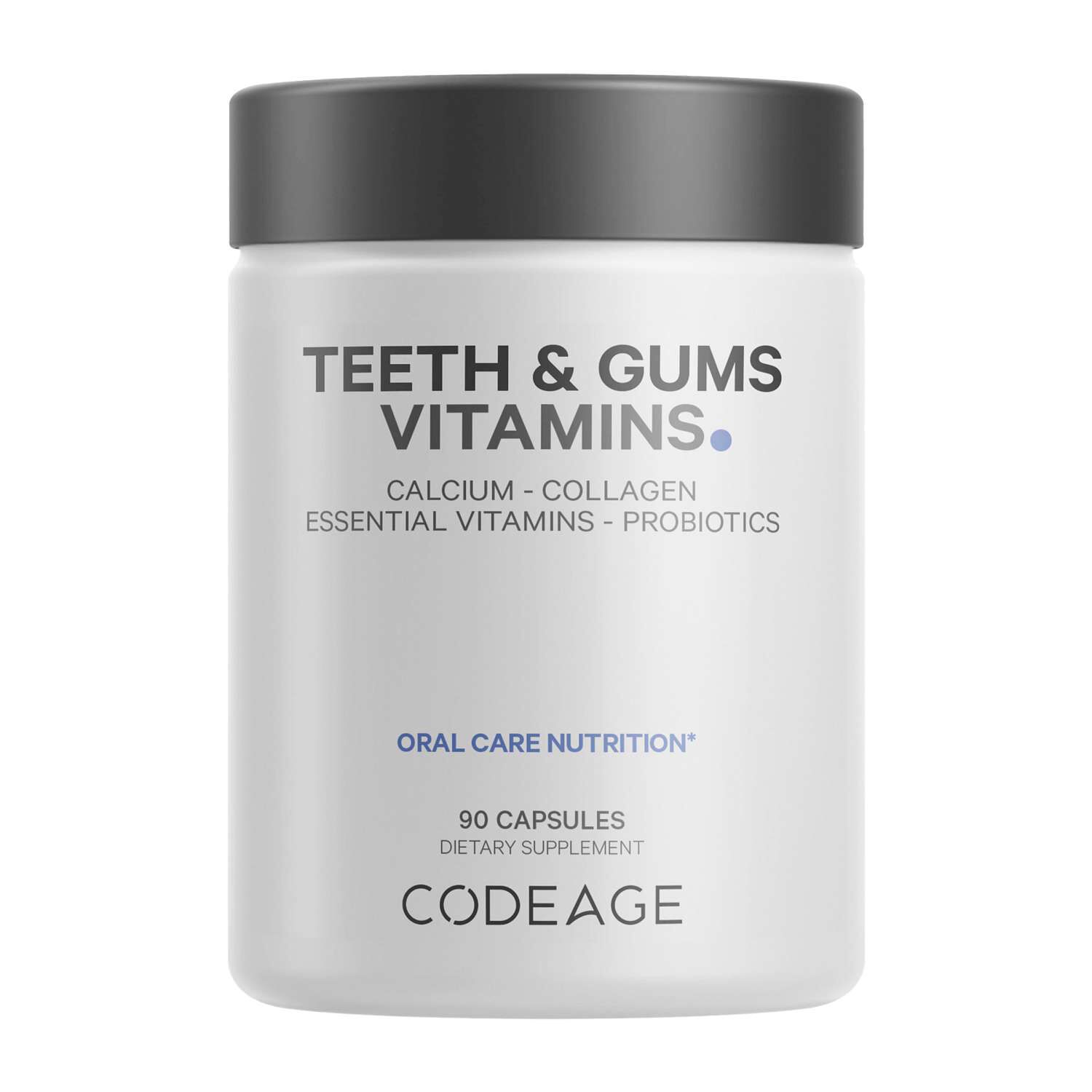
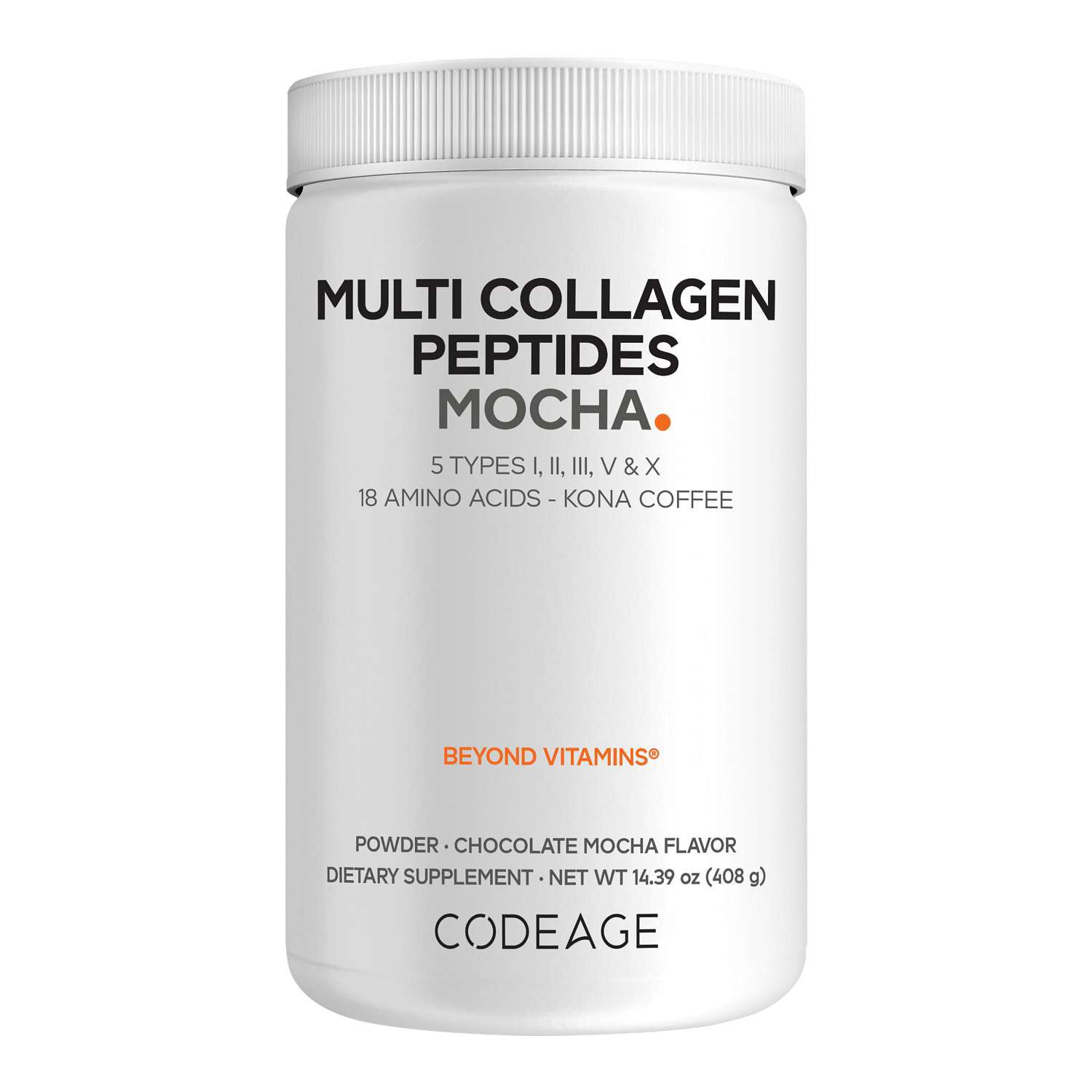
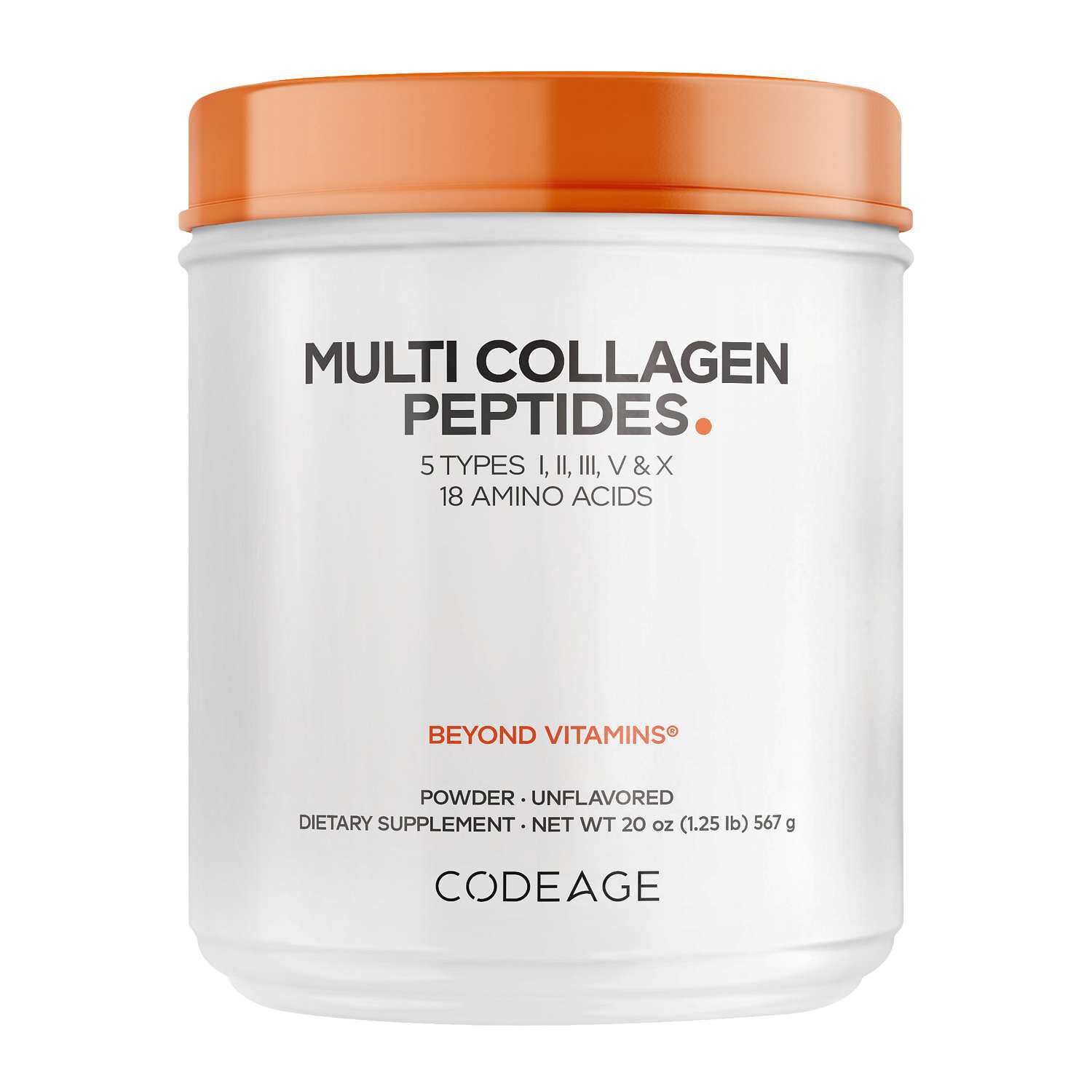

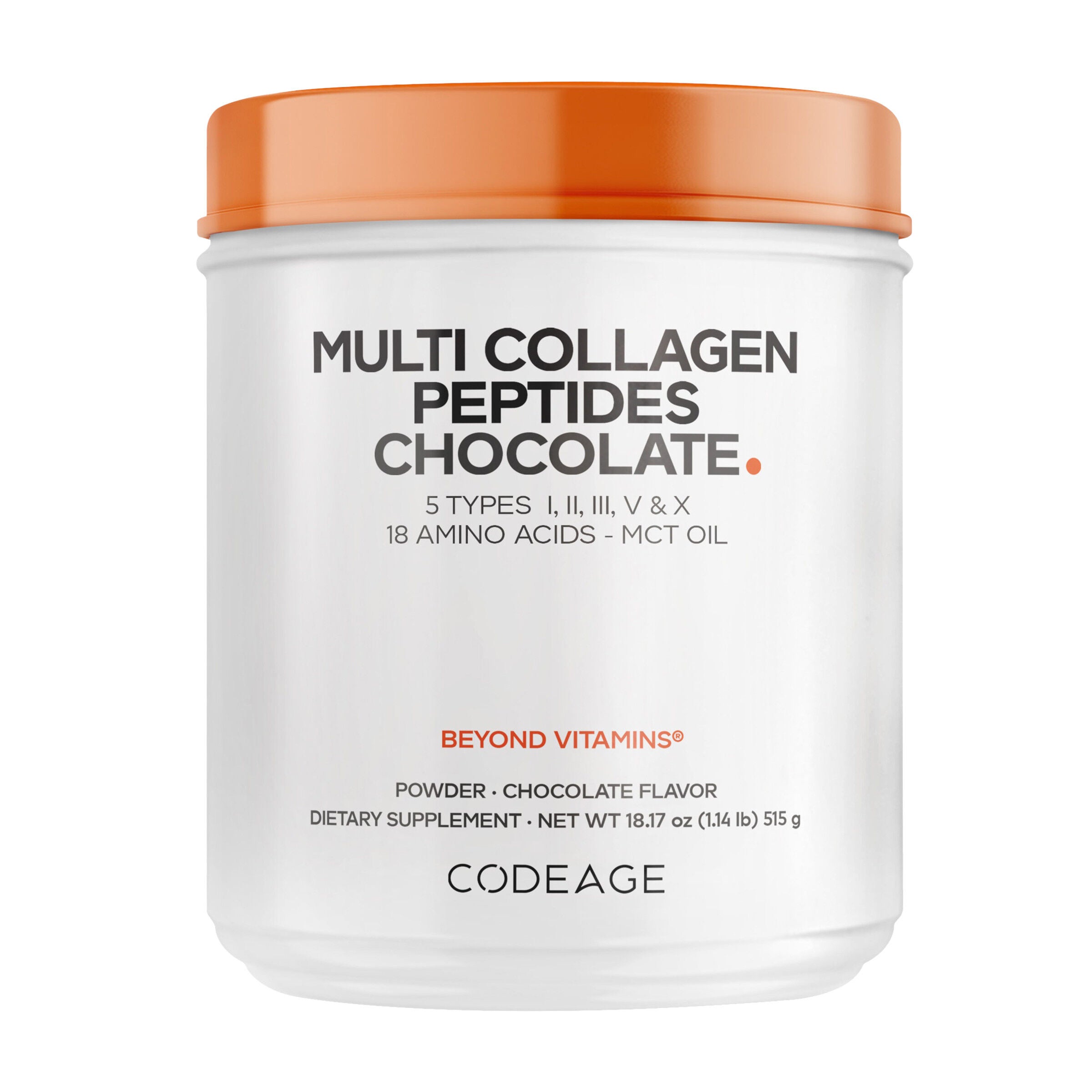
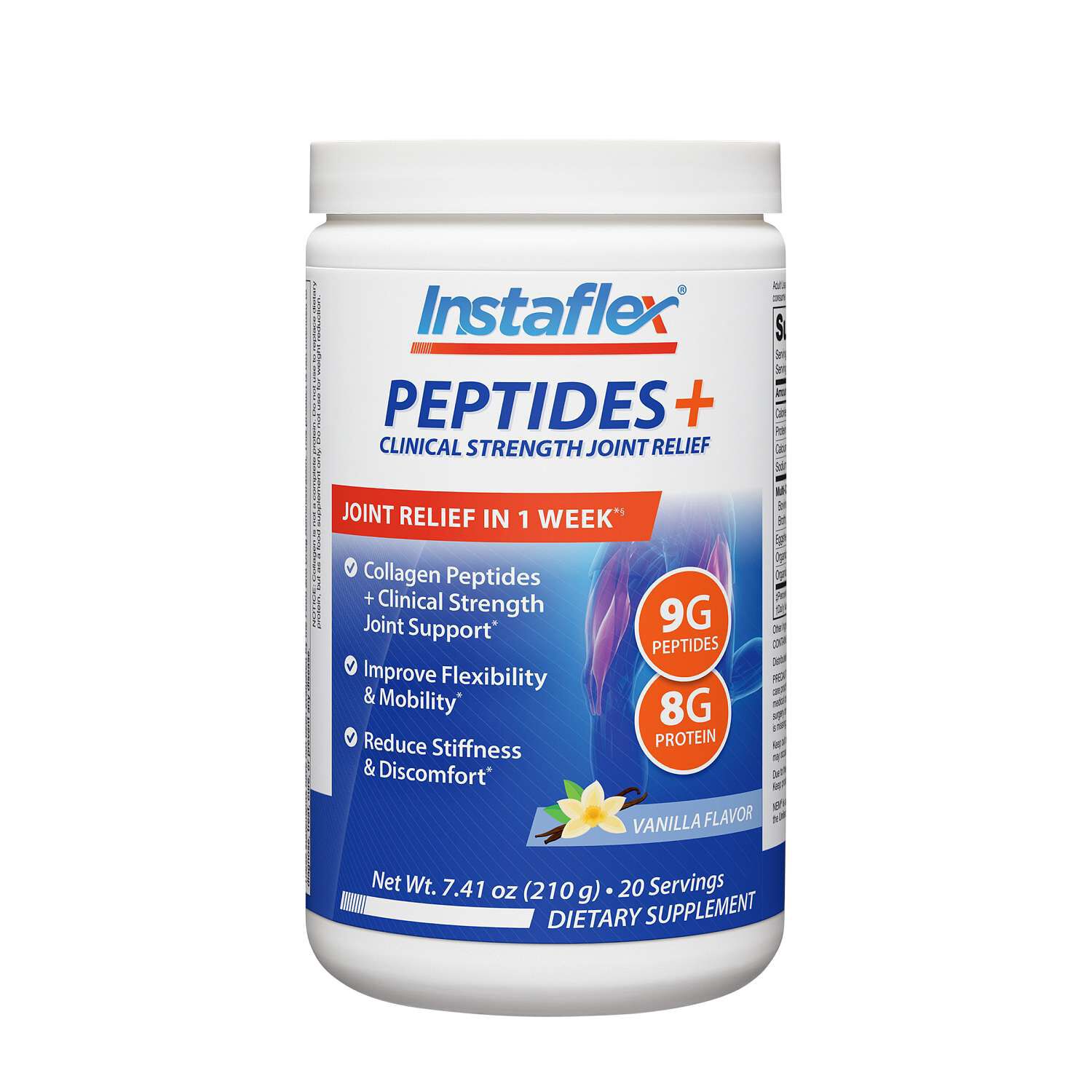
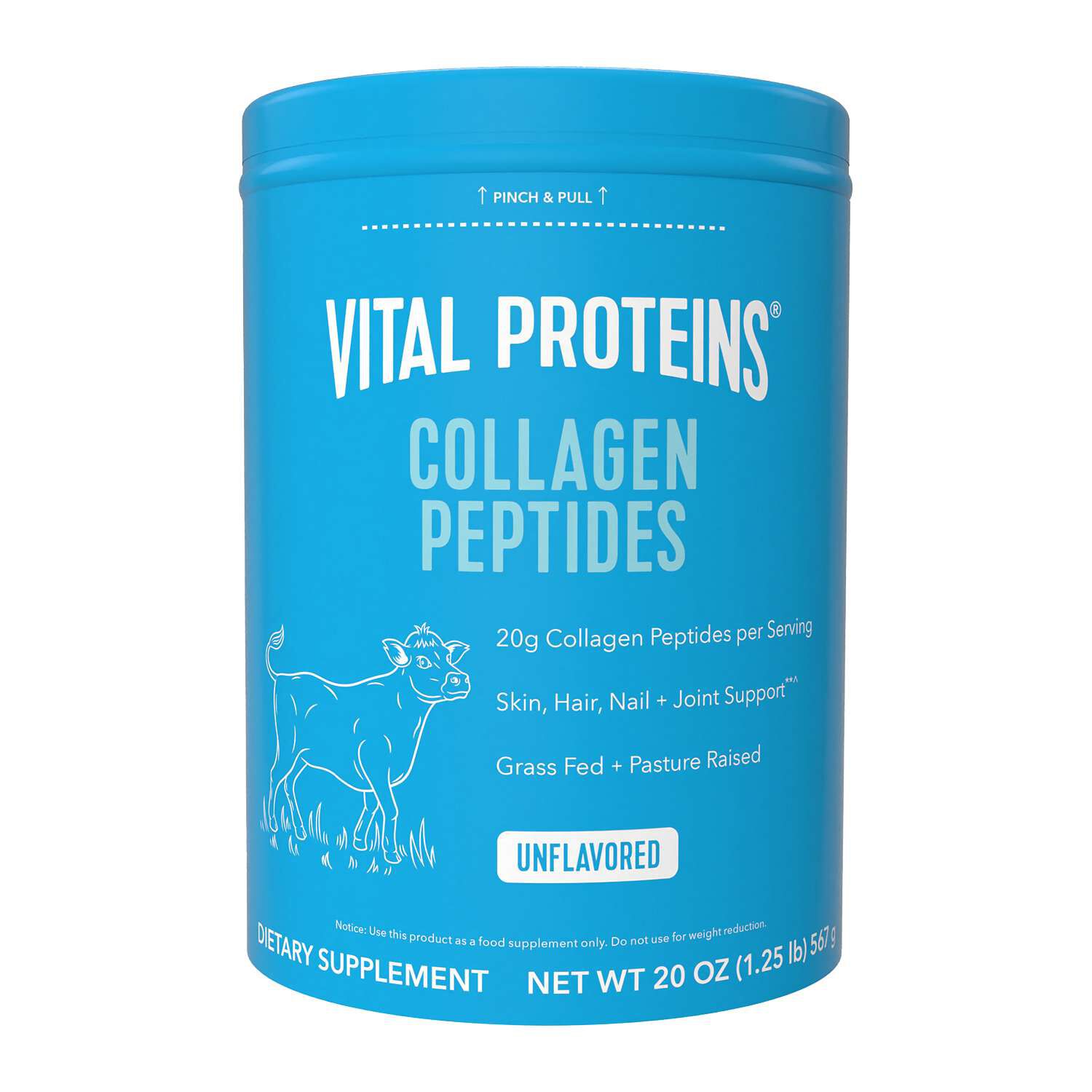
Chicken collagen supplements are dietary supplements made with collagen sourced from chicken tissue, often cartilage from the sternum, or breastbone. Collagen is a structural protein found in animal connective tissue, and chicken cartilage is associated with type II collagen. That source distinction matters when comparing chicken-derived formulas with collagen made from bovine hides or fish skin, which commonly supply other collagen types. Still, the words “chicken collagen” do not describe a single, uniform ingredient. A formula might contain hydrolyzed chicken collagen, undenatured type II collagen, or a chicken cartilage ingredient with several naturally occurring components. Hydrolyzed collagen has been processed into smaller protein fragments called peptides, while undenatured collagen is processed to retain its native structure. These forms differ in composition and labeled serving amounts, so they should not be treated as interchangeable based on milligrams alone. Chicken cartilage can also contain chondroitin sulfate and hyaluronic acid, but their presence and amounts depend on the ingredient and formulation. They should not be assumed to appear in every chicken collagen supplement. The Supplement Facts panel and ingredient list provide a more useful picture than the source name by itself: they identify what is included, how much is supplied per serving, and whether the formula combines chicken collagen with other ingredients. Some supplements focus on a single collagen source, while others blend chicken-derived material with bovine, marine, or additional animal sources. A blended formula is not exclusively chicken collagen, even when chicken is prominently mentioned on the package. For shoppers interested specifically in poultry-derived collagen, a clearly named source and collagen form make comparisons more straightforward. Adults exploring this category may be looking for a convenient addition to an established supplement routine, a particular collagen type, or an alternative to the collagen source they already use. Those preferences help distinguish formulas without relying on broad claims or assuming that all collagen supplements have the same composition.
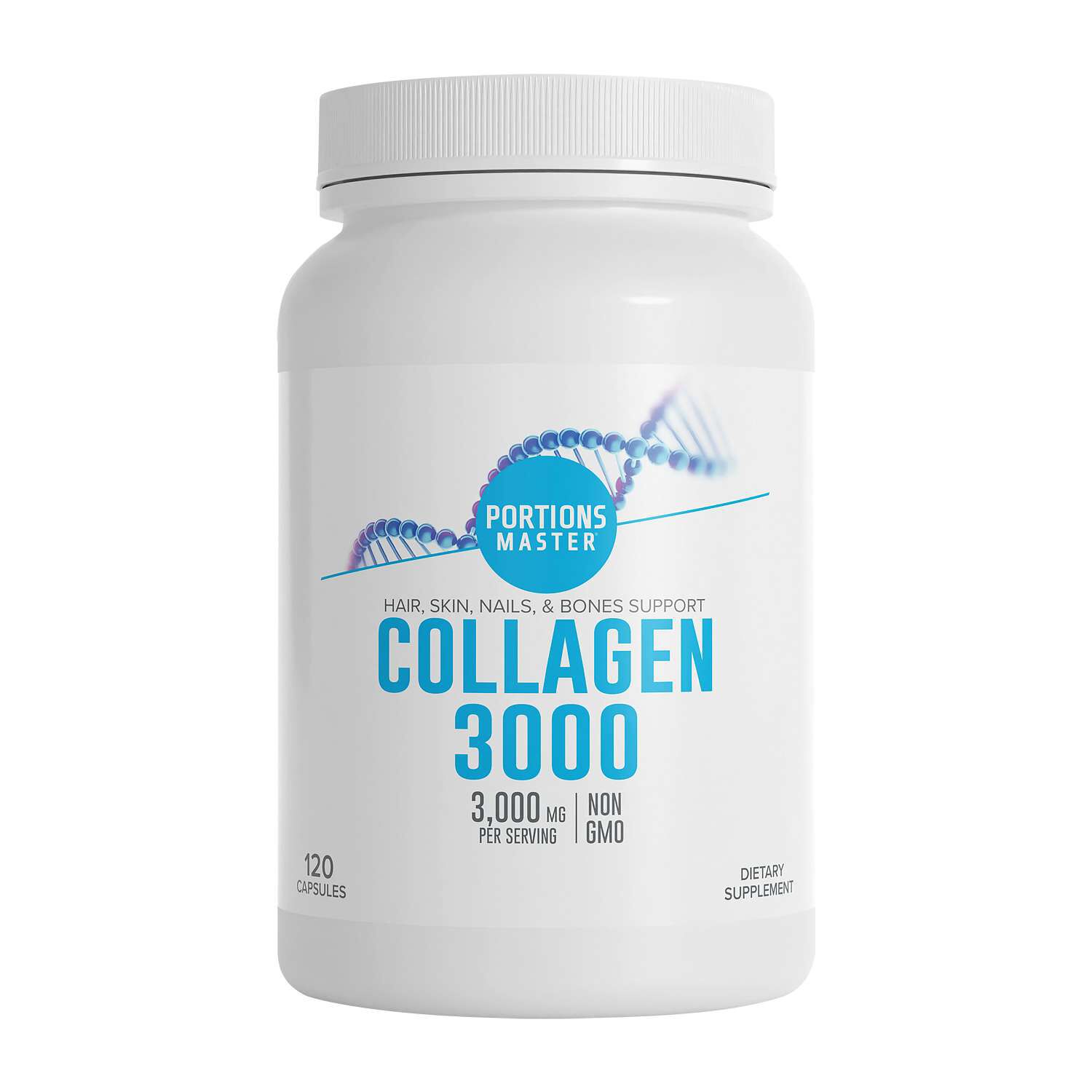
Format is another practical difference among chicken collagen supplements. Capsules provide a measured amount in each unit and do not require stirring a powder into a drink. However, one capsule is not necessarily one serving. The labeled serving might include several capsules, making the number of capsules per serving an important detail for anyone who prefers a shorter daily routine. Capsule size and shell material also vary. A plant-derived capsule shell does not make the chicken collagen inside suitable for a vegetarian or vegan diet, and gelatin shells introduce another animal-derived ingredient to consider. Tablets have their own dimensions and coatings, while powders bring a different set of considerations, including flavor, texture, serving measurement, and preparation. An unflavored powder is not necessarily without taste or aroma; the collagen source and any accompanying ingredients can influence the experience. Someone who enjoys a blended breakfast drink might prefer a powder intended for that preparation, while someone who does not want to change a favorite beverage might lean toward capsules. Mixing directions deserve attention because not every chicken-derived ingredient disperses in the same way. Hydrolyzed powders and cartilage-based powders can behave differently in liquid, and a formula’s intended preparation should come from its label rather than assumptions about collagen in general. When a scoop is included, the serving weight listed on the package is the relevant comparison point, not simply the size of the scoop. Measuring instructions also matter when comparing a concentrated ingredient with a larger powder serving that contains multiple components. A larger serving by weight does not, on its own, establish that a formula is better suited to a particular shopper. For a clearer comparison, look at the named collagen ingredient, its amount per serving, the serving format, and the other listed ingredients together. That approach keeps the focus on what each formula actually contains and how it fits into everyday use, whether that means a capsule bottle beside a breakfast place setting or a powder container stored with smoothie ingredients.
Dietary preferences and ingredient transparency help narrow the selection further. Chicken collagen is animal-derived, so it does not fit a vegetarian or vegan eating pattern. For shoppers who limit certain animal sources, a single-source formula and a multi-source blend represent meaningfully different choices. The full ingredient list is also where sweeteners, flavors, colors, capsule materials, and other formulation ingredients appear. Any dietary certification should be verified on the individual package rather than inferred from the word “natural” or from chicken as the source. Shoppers comparing this category with Natural Collagen Supplements can use the same source, form, and ingredient details to understand the differences between formulas. Clear labeling is particularly useful when a blend names several collagen types but does not separately state the quantity of each source. In that situation, the blend amount should not be mistaken for the amount of chicken collagen alone. Packaging and storage matter as well, especially for a supplement intended to become part of a regular routine. A securely closing lid, readable directions, and a clearly marked expiration date are useful features to check. Follow the package’s storage directions, keep powders protected from moisture, and use a clean, dry measuring utensil when the instructions call for one. Leaving a powder container open beside a steamy sink or handling a scoop with wet hands can introduce moisture into the contents. Keeping supplements in their original packaging preserves access to the ingredient list, serving directions, and lot information, details that can otherwise get separated from the contents when bottles are transferred or portions are packed for travel. For a shared household, clearly labeled containers also make it easier to distinguish one person’s chosen formula from another’s. Because source preferences, serving formats, and dietary requirements are personal, chicken collagen supplements are generally better selected around a known routine than chosen as a surprise gift. The most useful comparison ultimately combines a clearly identified chicken source, an understood collagen form, transparent serving information, and a format that suits the intended user’s everyday habits.
Best Sellers
-
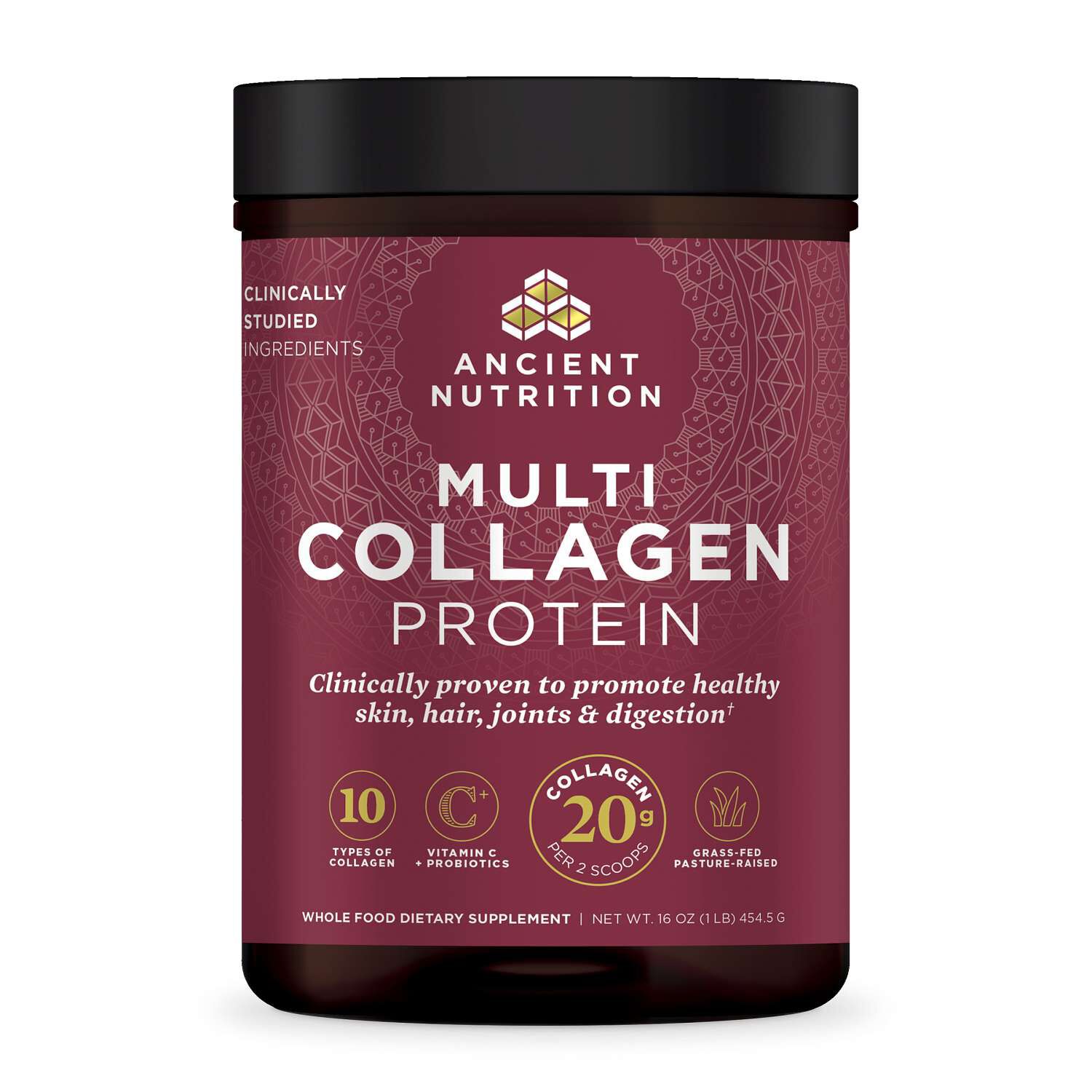 Ancient Nutrition
-
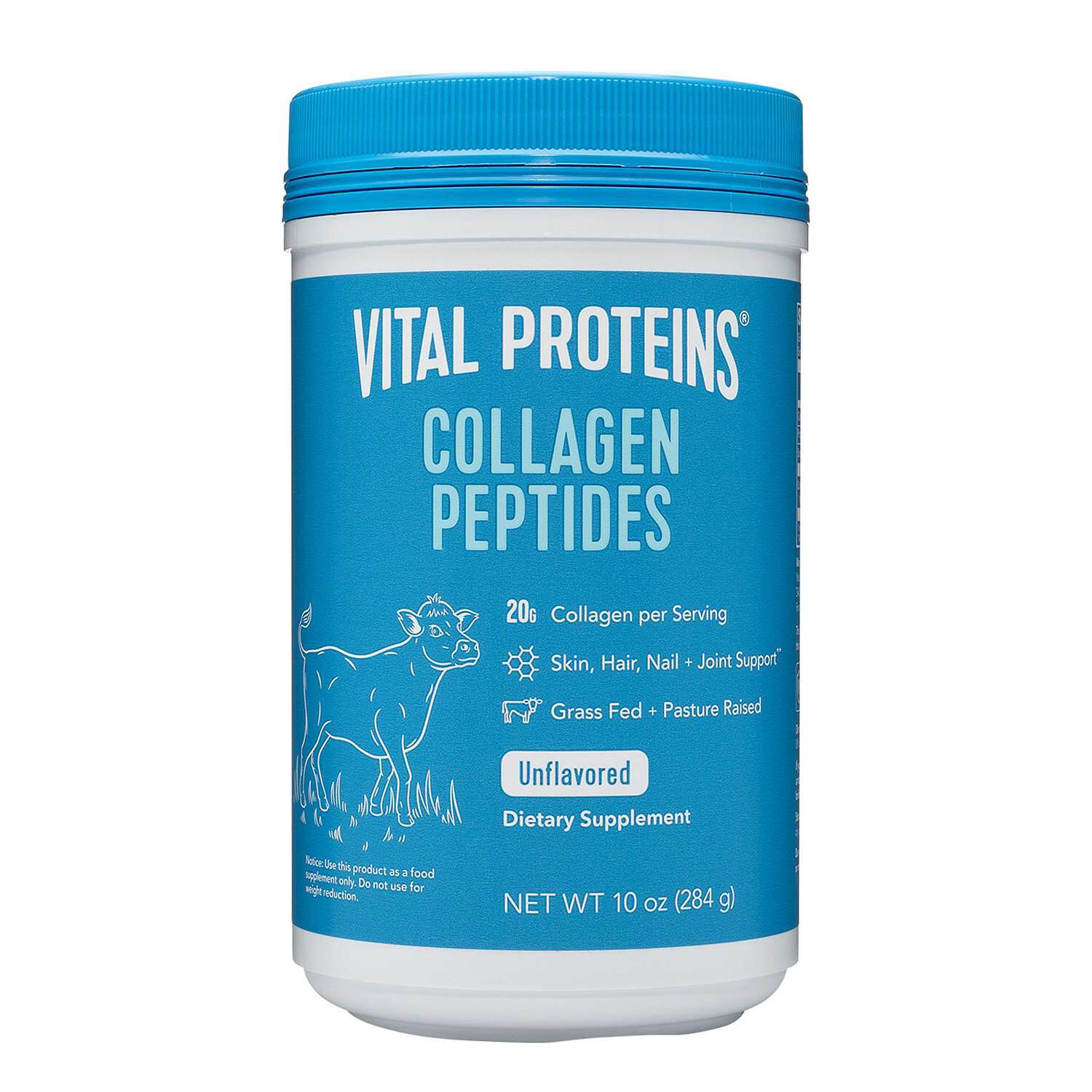 Vital Proteins
Related Pages


Top Collections
- Daily Collagen Supplements | Top Brands & Deals | GNC
- Cortisol Supplements
- Top Rated Collagen | Shop Customer Favorites | GNC
- Vitamins For Hair Loss
- NAD+ Supplement Tablets
- Peptide Supplements
- Best Brand of Magnesium Glycinate
- Protein Powders For Muscle Growth Support
- Vitamins That Help Support Weight Gain
- Peptide Supplements for Muscle Growth