





Fish Collagen Supplements
(0 Results)
Dive into the potential benefits of fish collagen supplements, a popular choice for those seeking to support their wellness journey. Sourced from the rich depths of aquatic environments, these supplements may offer a unique blend of amino acids that could contribute to healthier skin, stronger hair, and fortified joints. Fish collagen is renowned for its potential to promote elasticity and hydration, making it an appealing option for individuals looking to enhance their natural beauty and overall vitality. With its bioavailability, fish collagen might be more easily absorbed by the body, potentially maximizing its effectiveness in supporting your health goals. Explore the possibilities that fish collagen supplements might bring to your daily regimen and discover a new wave of wellness.
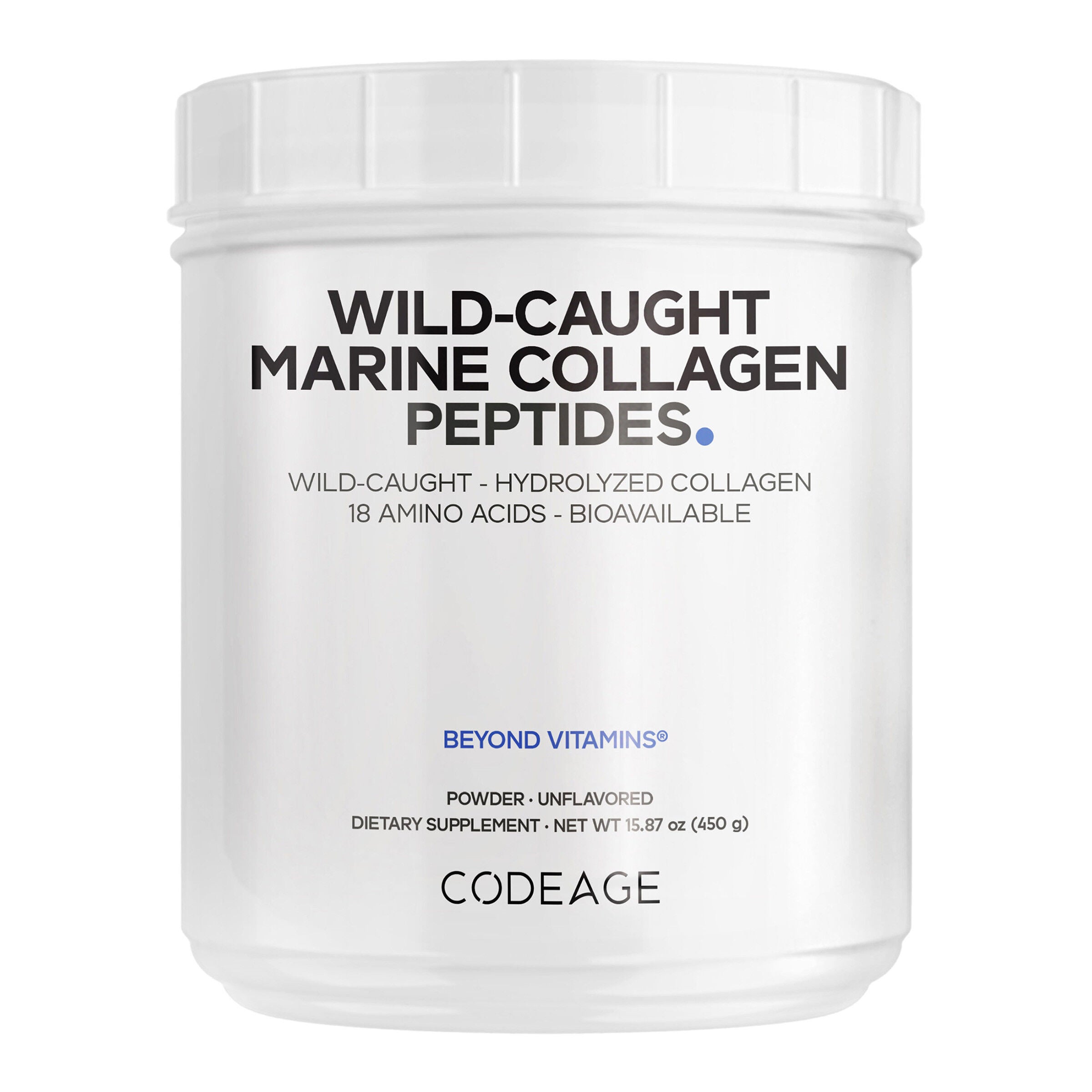


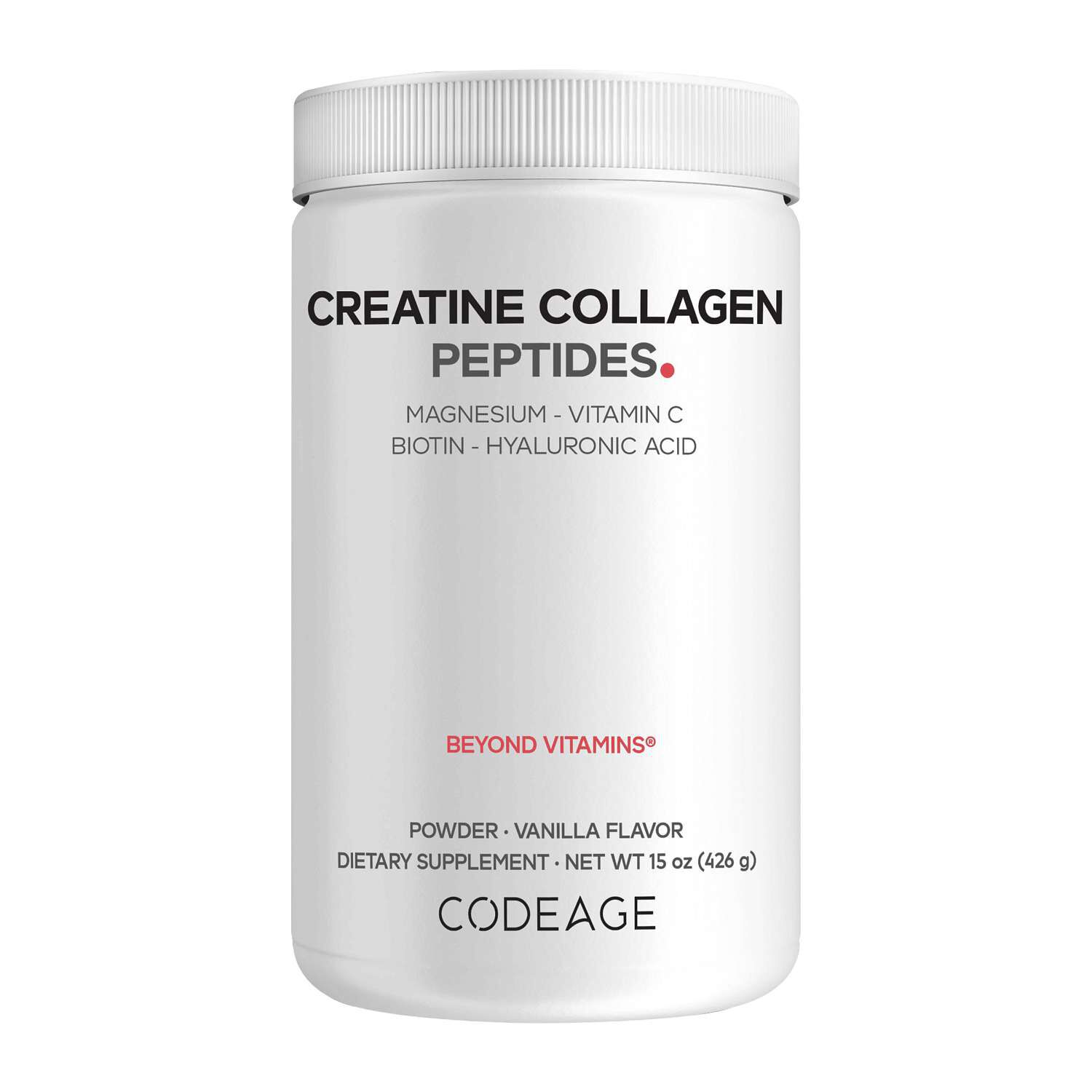
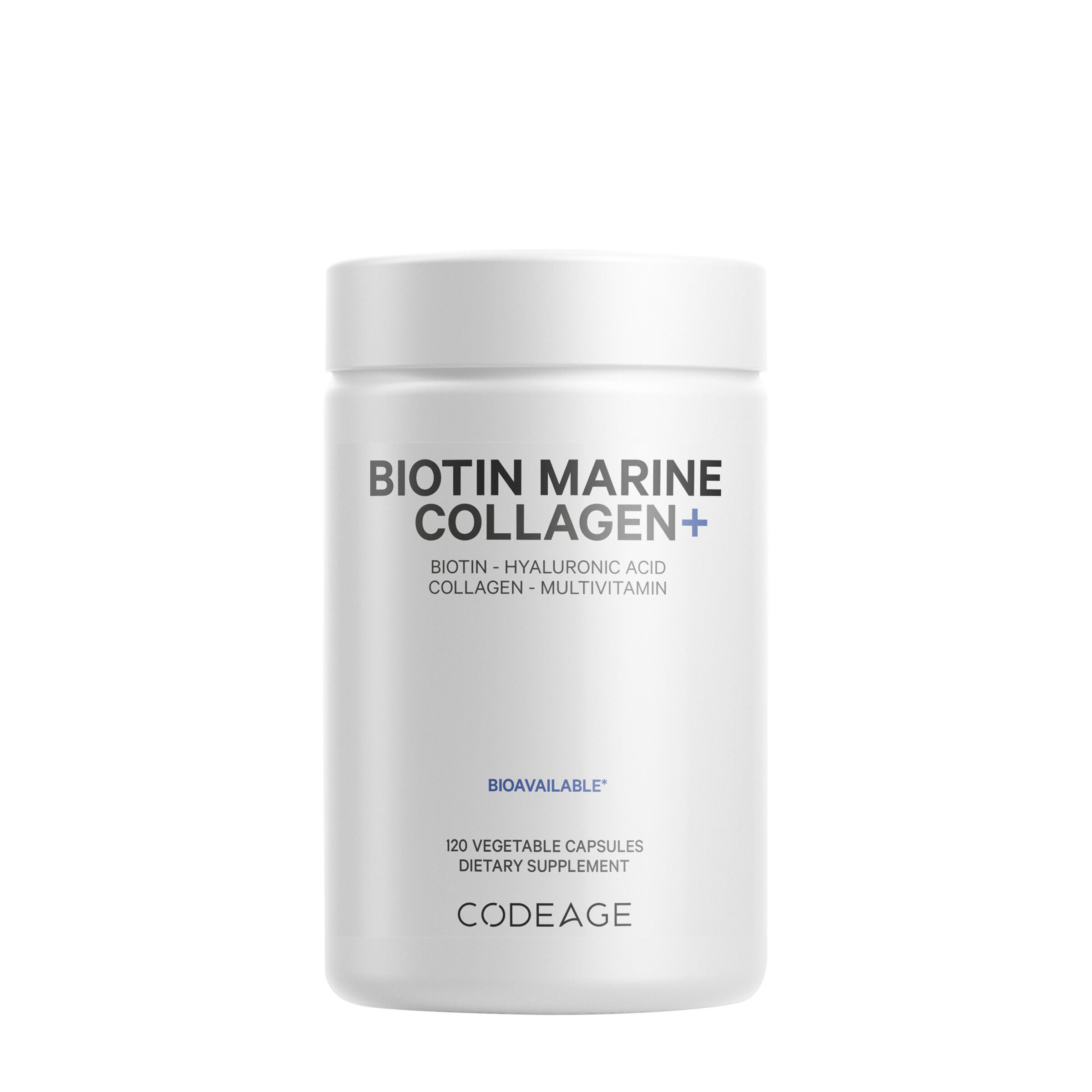

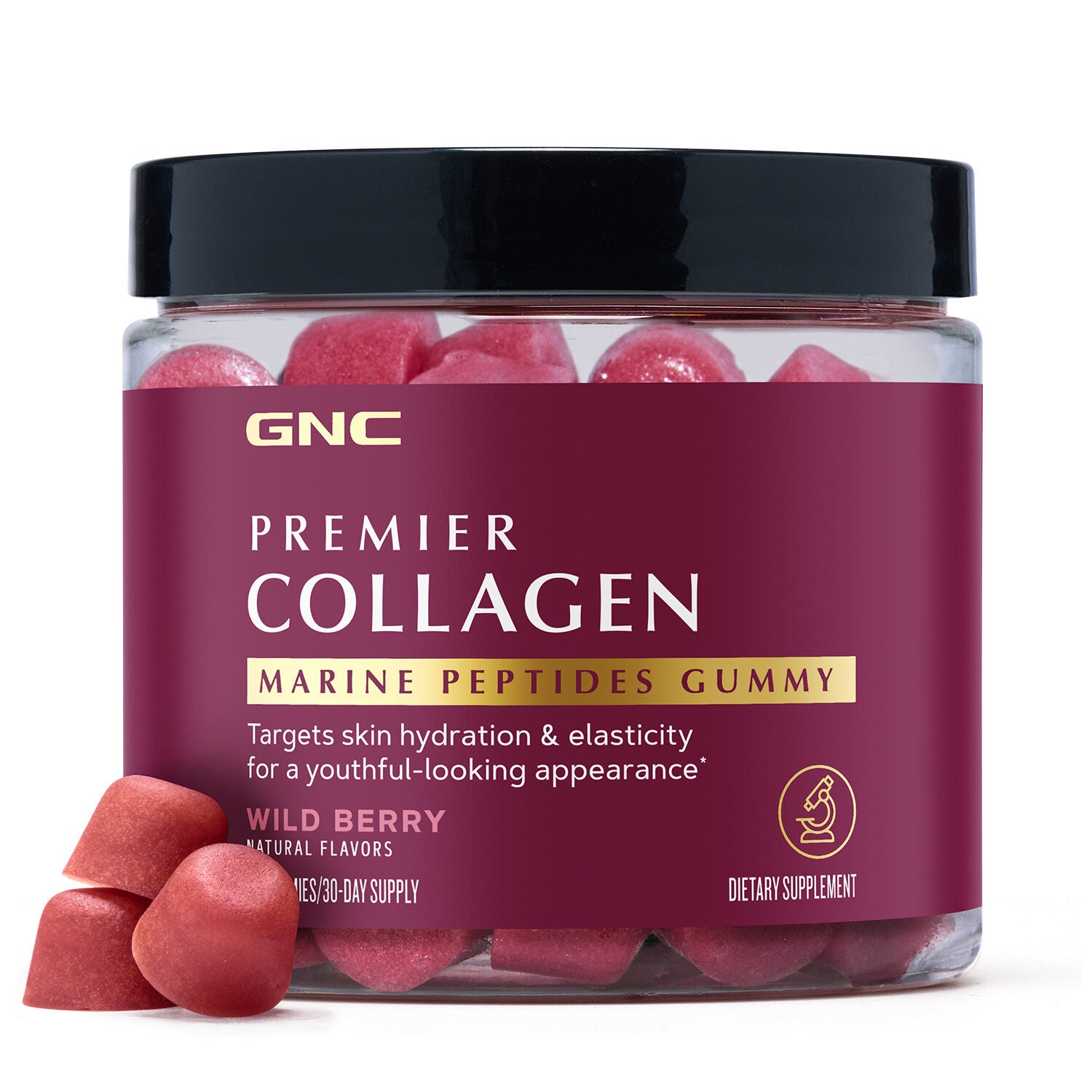
Fish collagen supplements are dietary supplements made with collagen sourced from fish, commonly from skin and bones. Often described as marine collagen, this ingredient appeals to shoppers who prefer a fish-derived alternative to collagen from cattle or pigs. Fish skin is commonly associated with type I collagen, the collagen type found abundantly in human skin and connective tissue. On a supplement label, hydrolyzed fish collagen or fish collagen peptides means the collagen has been processed into shorter protein chains. These terms describe the ingredient’s form; they do not, by themselves, establish how one formula compares with another. Collagen contains amino acids such as glycine, proline, and hydroxyproline, and its amino acid profile differs from those of milk, egg, and soy proteins. A collagen serving belongs in the context of varied eating rather than as a stand-in for every other protein source. Fish collagen may suit a pescatarian eating pattern, depending on the full formula, but it is not vegetarian or vegan. Capsule shells, flavorings, and additional ingredients also matter when matching a supplement to personal preferences. A fish-derived powder can still contain ingredients that do not fit a particular eating pattern, while a capsule shell may come from a different animal source. Species information adds another useful point of comparison: cod, pollock, and tilapia are examples of fish used for collagen ingredients, but the exact source depends on the label. Marine collagen is a broad description, not a detailed sourcing statement. Wild-caught and farm-raised sourcing descriptions address different production approaches, while traceability concerns the ingredient’s path through the supply chain. Collagen production can use fish materials remaining from food processing, but that fact alone does not establish a supplement’s environmental credentials. Specific sourcing disclosures and documented certifications offer a more meaningful basis for comparison than ocean imagery on a container.
The most practical fish collagen supplement format depends on the routine it needs to fit. A powder may work well for someone who already prepares a breakfast smoothie or keeps a shaker bottle beside a lunch bag. Capsules may suit someone who prefers a measured serving without mixing anything into food or a beverage. Serving size deserves attention in either case: one scoop, one capsule, and one listed serving are not interchangeable measurements. The Supplement Facts panel identifies the amount per serving, while the directions explain how that serving is measured. Comparing the stated grams of collagen per serving is more informative than comparing container size or the weight printed on the front alone. For powders, flavor and texture are practical considerations rather than minor details. An unflavored formula is not necessarily without a detectable taste or aroma, and a flavored formula may include sweeteners, acids, or other ingredients that change the character of a drink. Someone who enjoys a plain morning beverage may have different preferences from someone blending fruit, yogurt, and oats. Mixing instructions also vary; the label is the appropriate reference for suitable liquids and preparation methods. For capsules, the number required for a listed serving and the capsule size may matter more than flavor. Liquid and chewable formats bring their own ingredient lists, serving measurements, and storage directions. Across formats, some formulas contain only a collagen ingredient, while others include vitamin C, biotin, hyaluronic acid, or other additions. A longer ingredient list is not automatically a better match. The useful comparison is whether the formula’s contents, serving format, and directions align with the intended routine. Fish collagen often appears in beauty-focused nutrition routines, but the category name does not describe a uniform formula or an expected personal outcome. Clear ingredient information offers a firmer basis for choosing than broad language about appearance or performance.
Quality comparisons begin with details that can be checked: the fish source, the amount of collagen per serving, the full ingredient list, and any testing information provided by the manufacturer. Fish is a major food allergen in the United States, making species identification and allergen statements important parts of the label. Fish and shellfish are different source categories, and the word marine should not replace a careful review of the stated ingredients. Third-party testing can refer to different checks, including ingredient identity, stated amounts, or selected contaminants, so the testing organization and the scope of its evaluation matter. A sourcing certification addresses a different question from testing of the finished formula; neither description should be stretched beyond what its documentation actually covers. For natural collagen supplements, keep the animal source and full formula in view rather than relying on the word natural alone. After choosing a format, everyday handling becomes part of the routine. Storage directions, the printed date, and the condition of the container deserve attention before use. For powders, a clean, dry measuring utensil and a securely closed lid are practical considerations, particularly when the container sits near a kitchen sink. Capsules and liquids have their own labeled storage requirements, and the original packaging keeps directions, ingredient details, and lot information together. For a workday bag or travel kit, the package’s closure, serving measurements, and portability may be as relevant as its appearance. These details make the category easier to compare without treating every fish collagen supplement as interchangeable. A clearly identified source, a serving format suited to everyday habits, and readable ingredient and testing information create a grounded starting point for a personal supplement routine. The strongest match is not necessarily the formula with the most additions, but one whose contents and preparation requirements are easy to understand.
Best Sellers
-
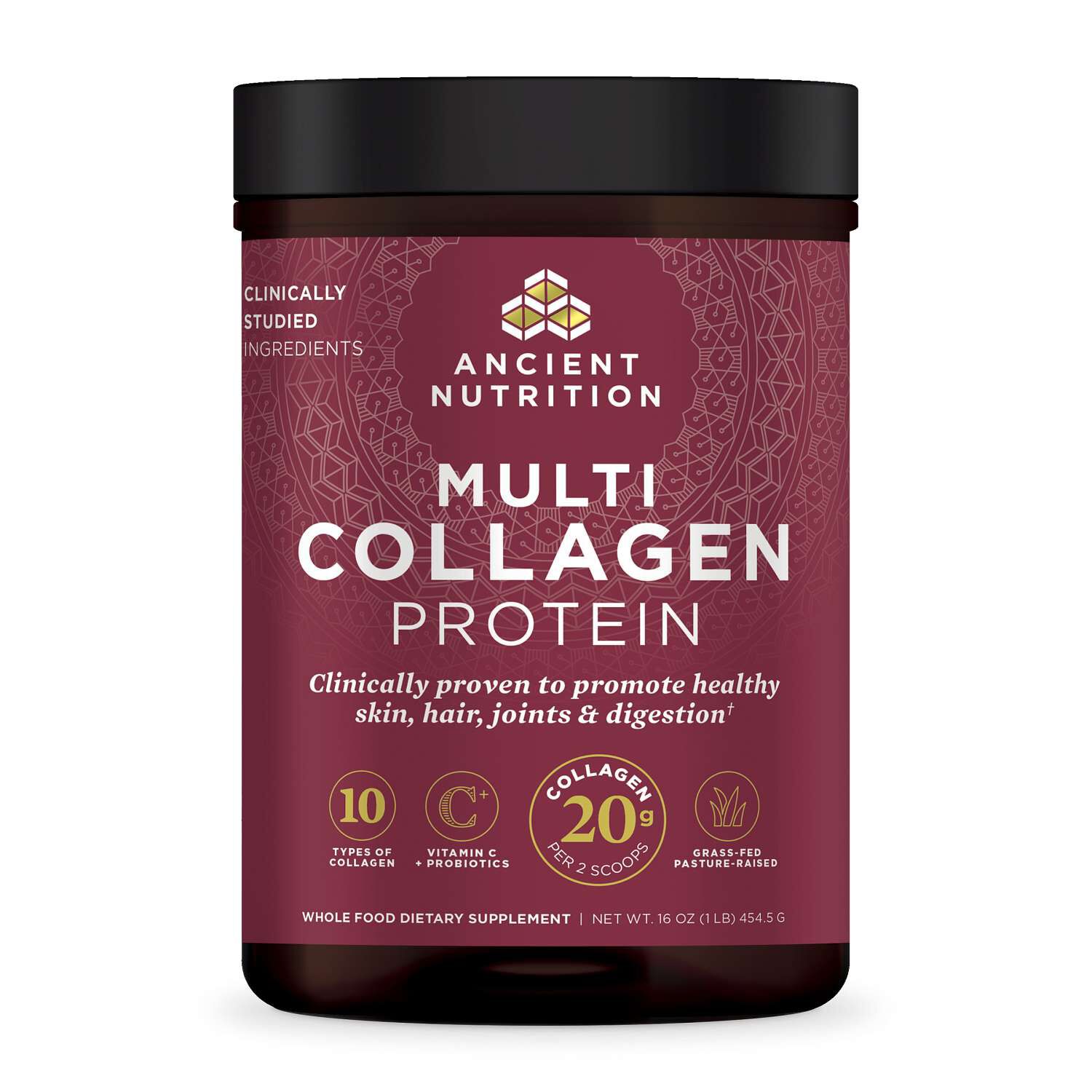 Ancient Nutrition
-
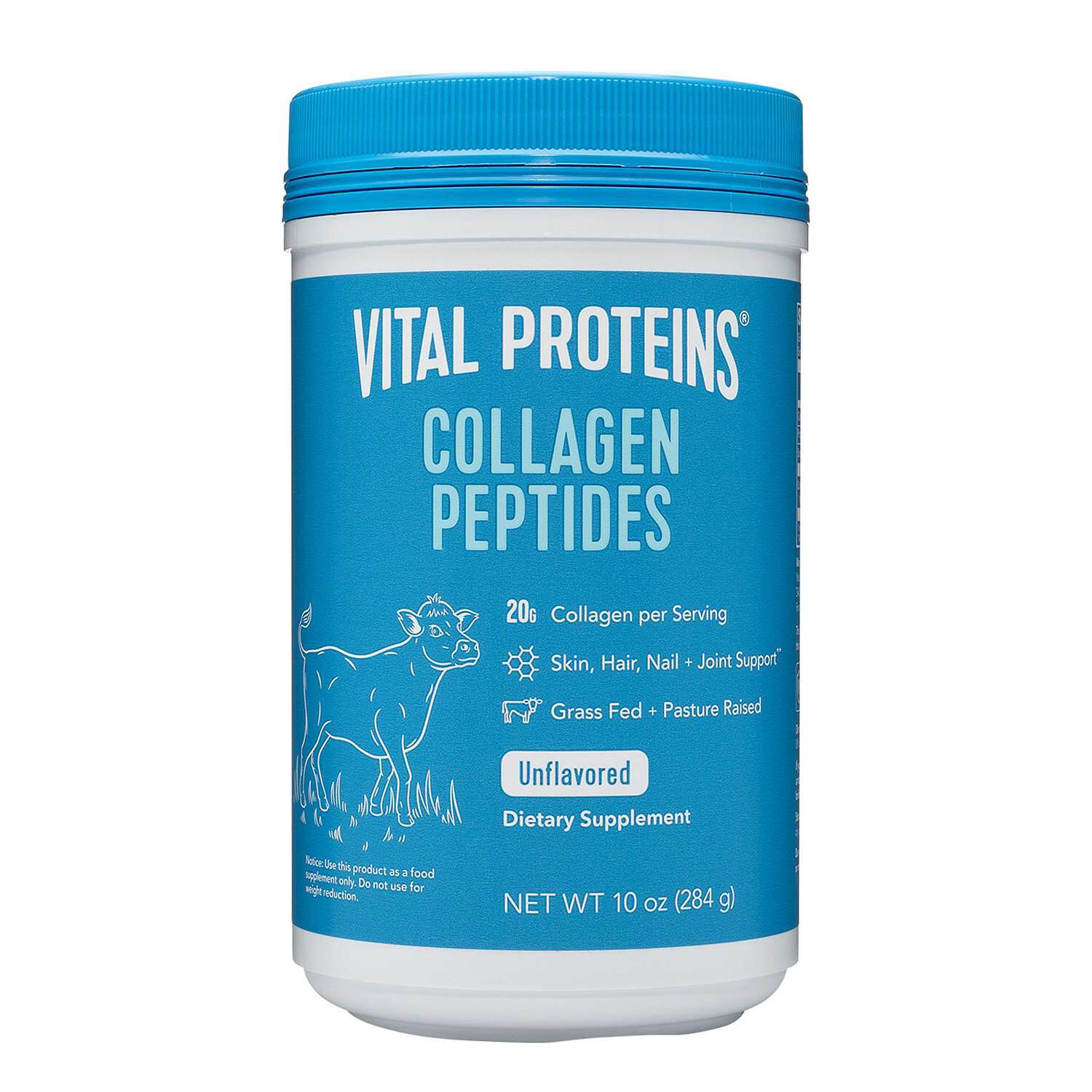 Vital Proteins
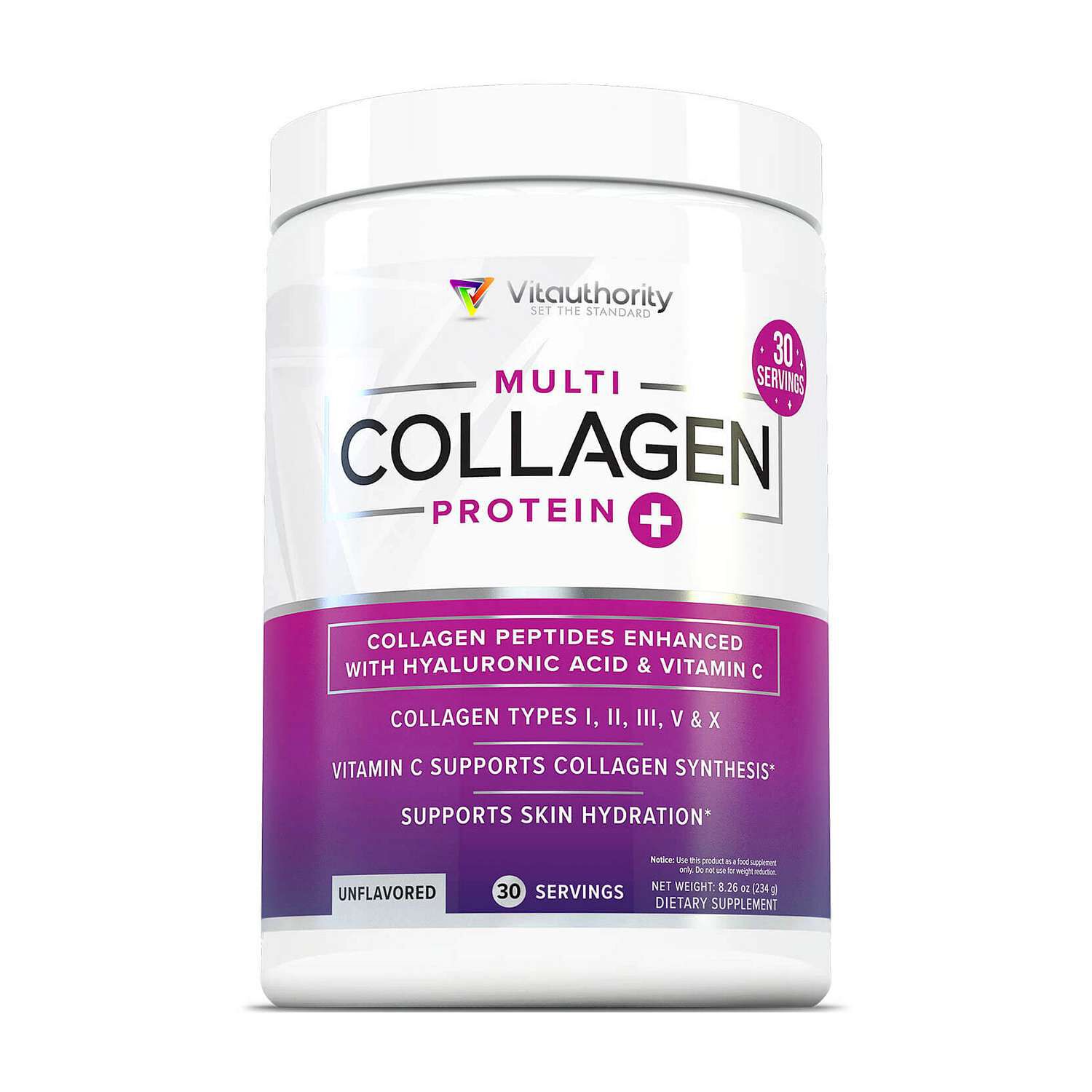
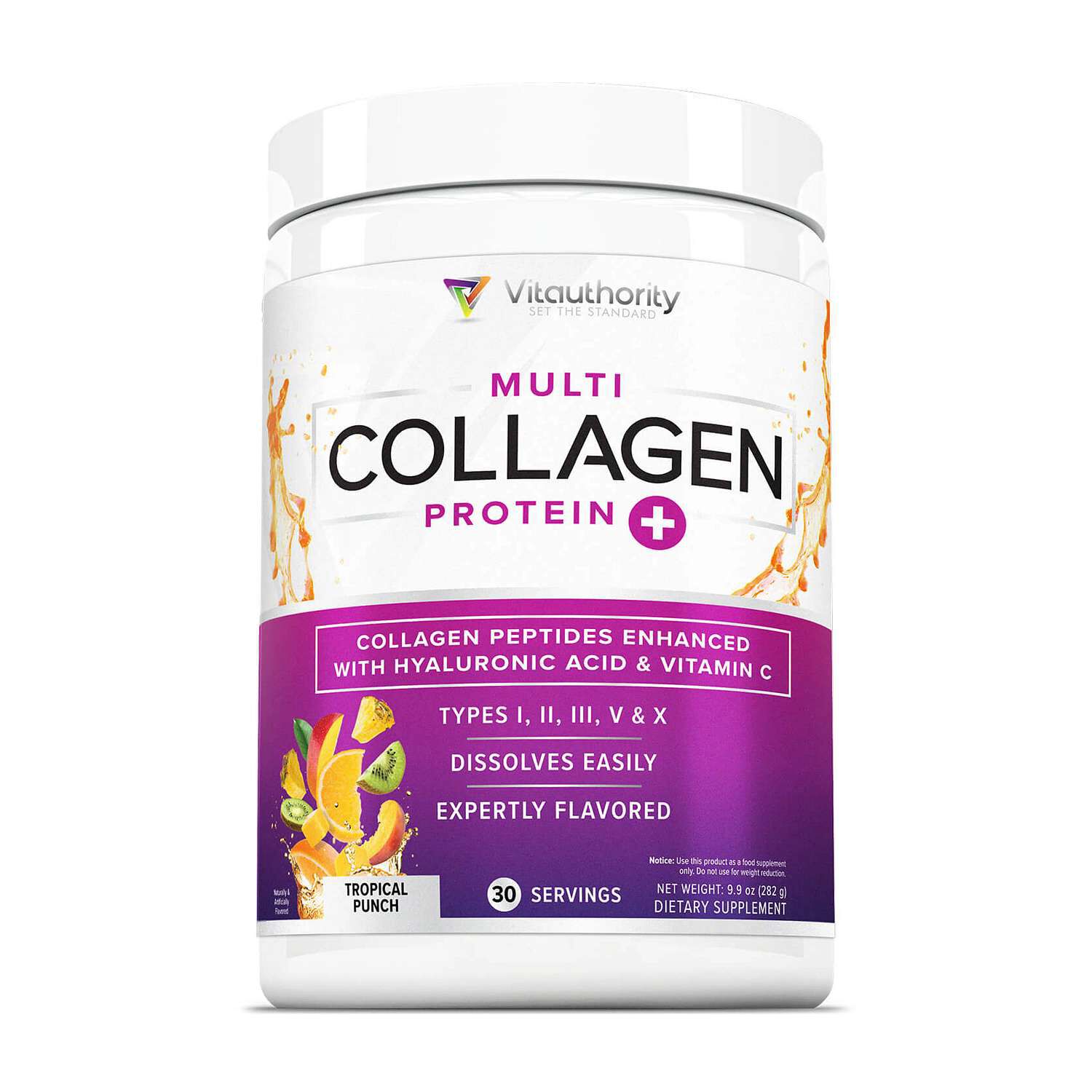
Related Pages

Top Collections
- Active Supplements
- Chronic Fatigue Supplements
- Supplements For Yoga Joint Flexibility
- Zinc Supplements | Top Brands at Great Prices | GNC
- Joint Mobility Supplement Packs
- Adult Mobility Supplements
- Supplements For Anxiety Relief Support
- Zinc Supplements For Men
- Capsule Supplements For Energy And Stamina
- Vitamins For Hair Loss