





Bioavailable Collagen Supplements
(0 Results)
Bioavailable collagen supplements are designed for those looking to support their daily wellness routine with a convenient option. These supplements may offer an easy way to incorporate collagen into your lifestyle, whether you’re at home or on the go. With a variety of formats and formulas available, finding bioavailable collagen supplements that could fit your preferences and routine might be simpler than ever. Explore options that may complement your balanced diet and active lifestyle.
-

-

-

-
-
-

-
-
-

-

-
-

-
 44$44.99
-

-

-
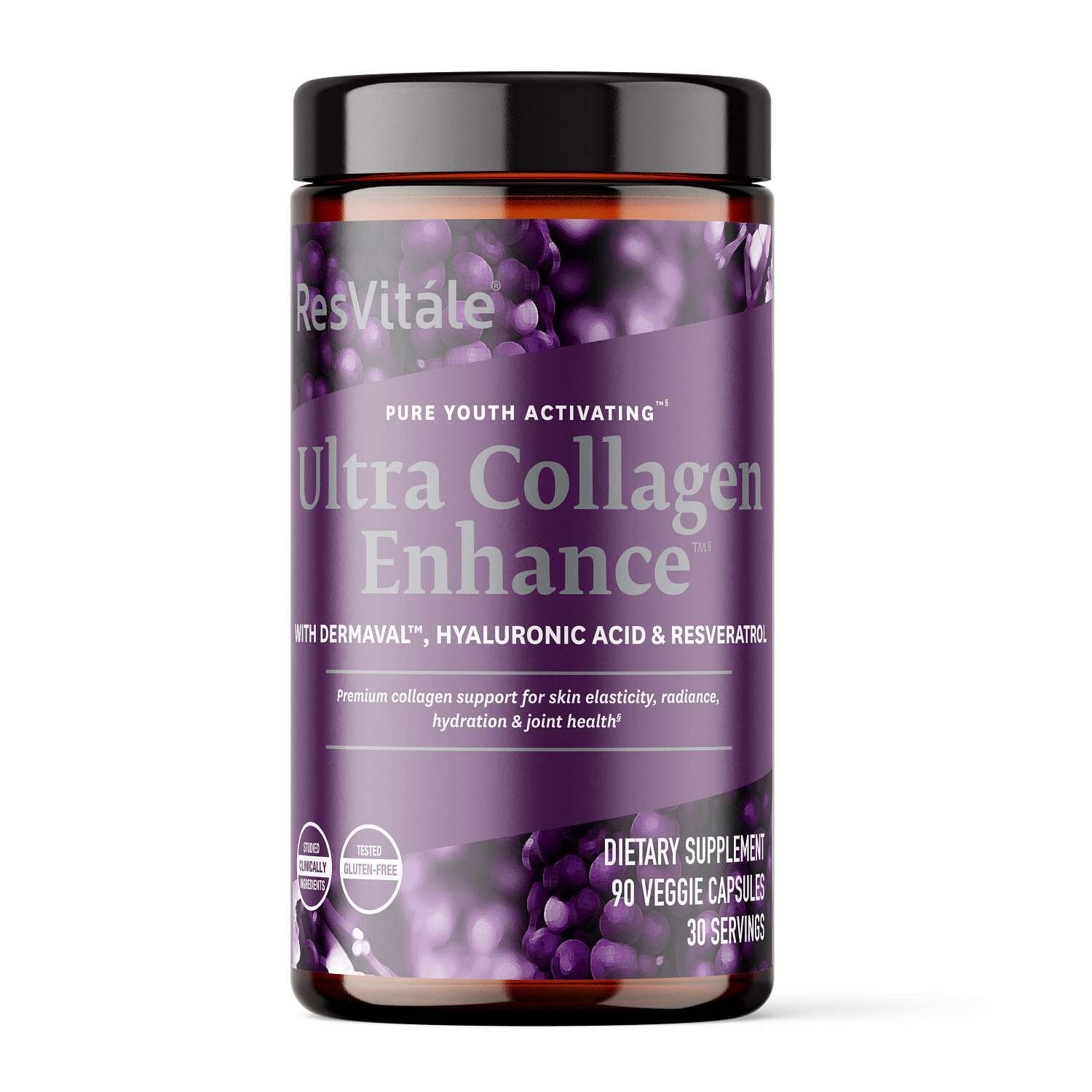
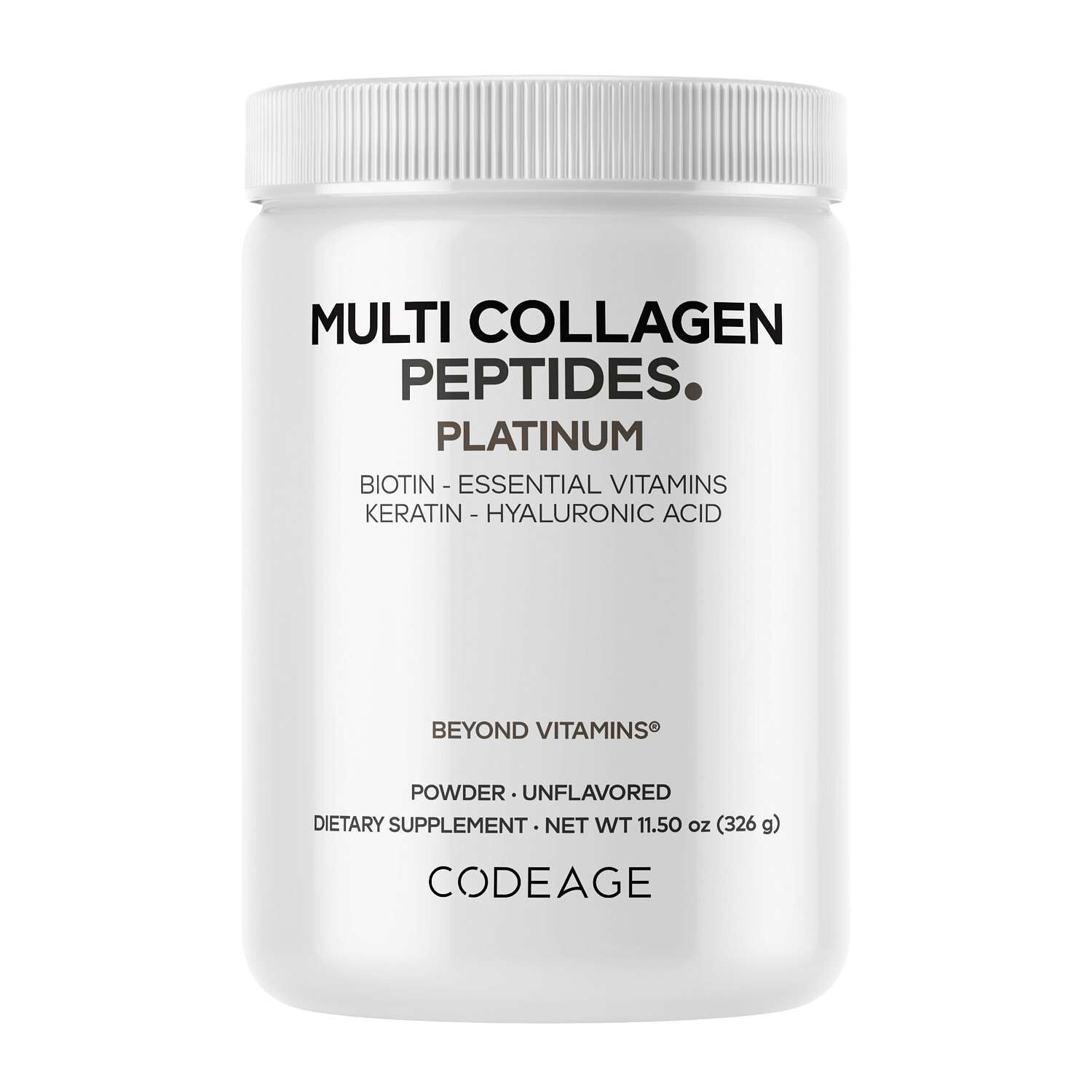
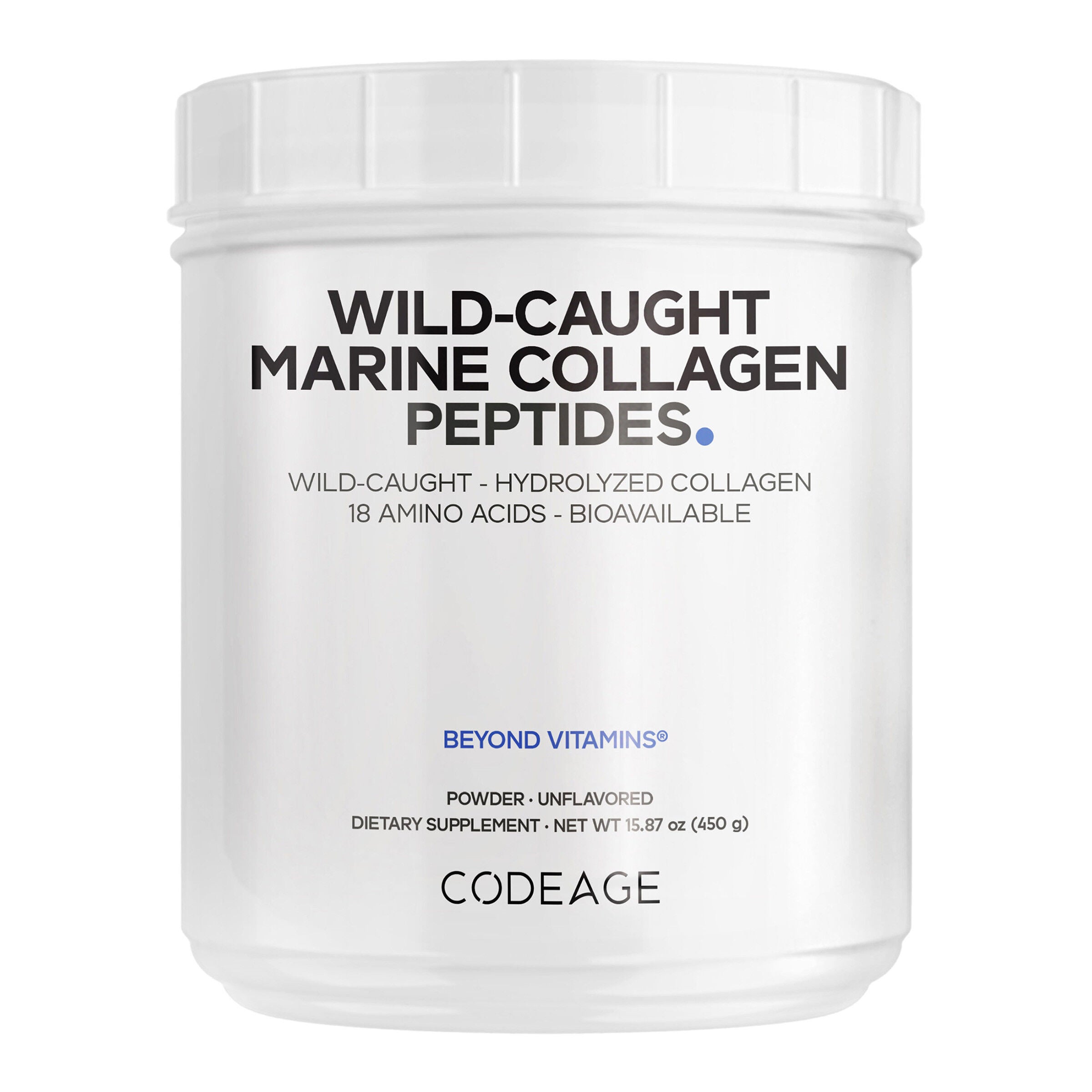
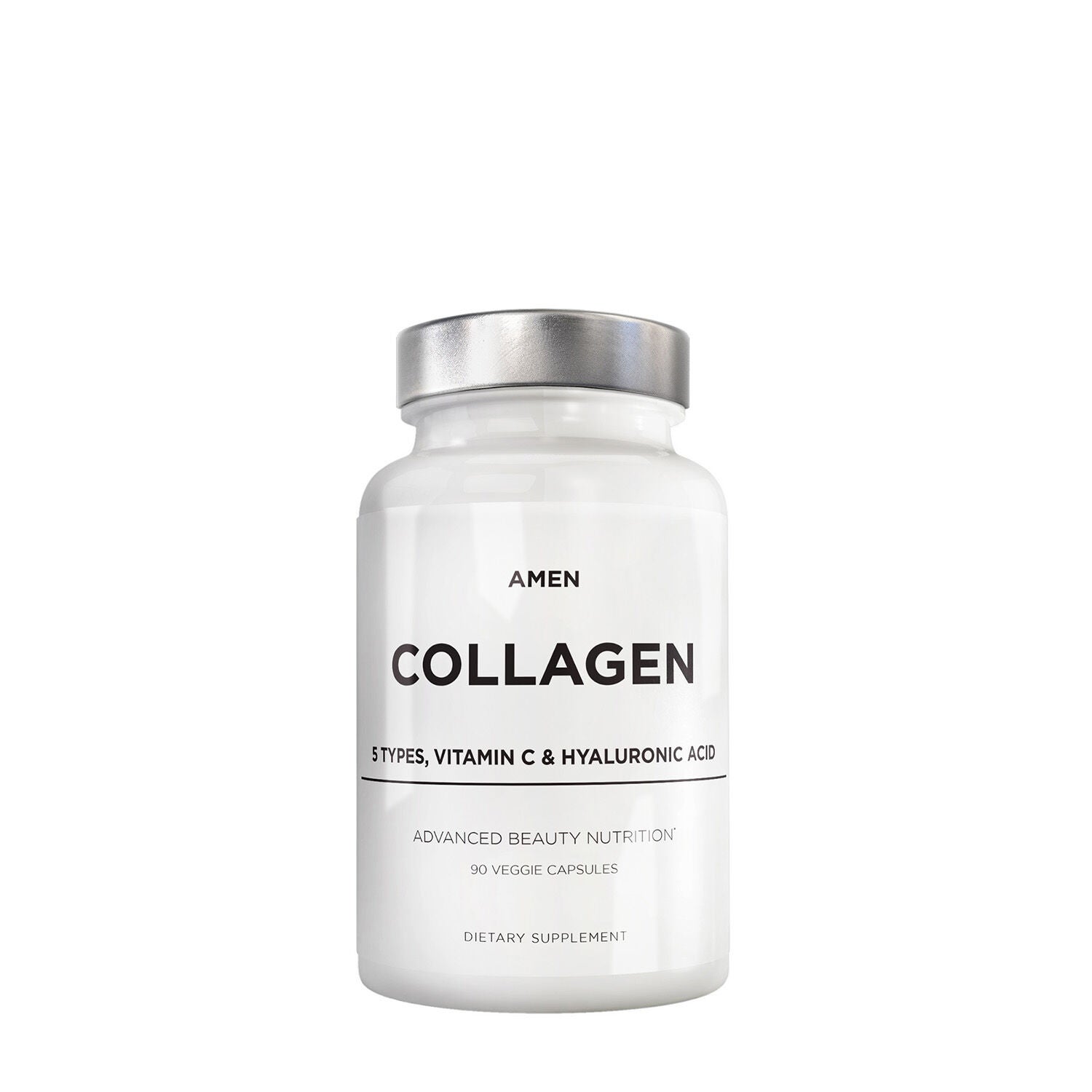

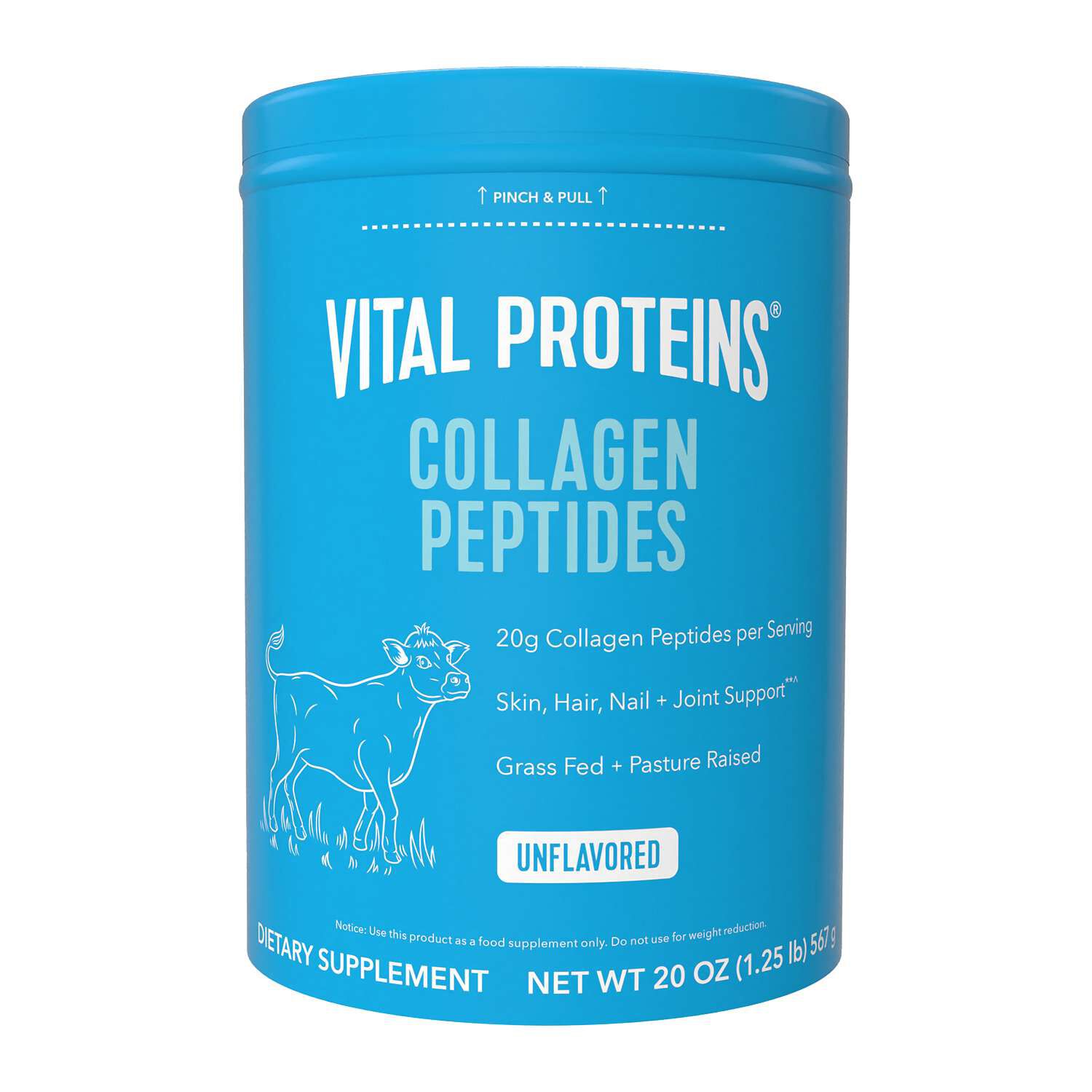
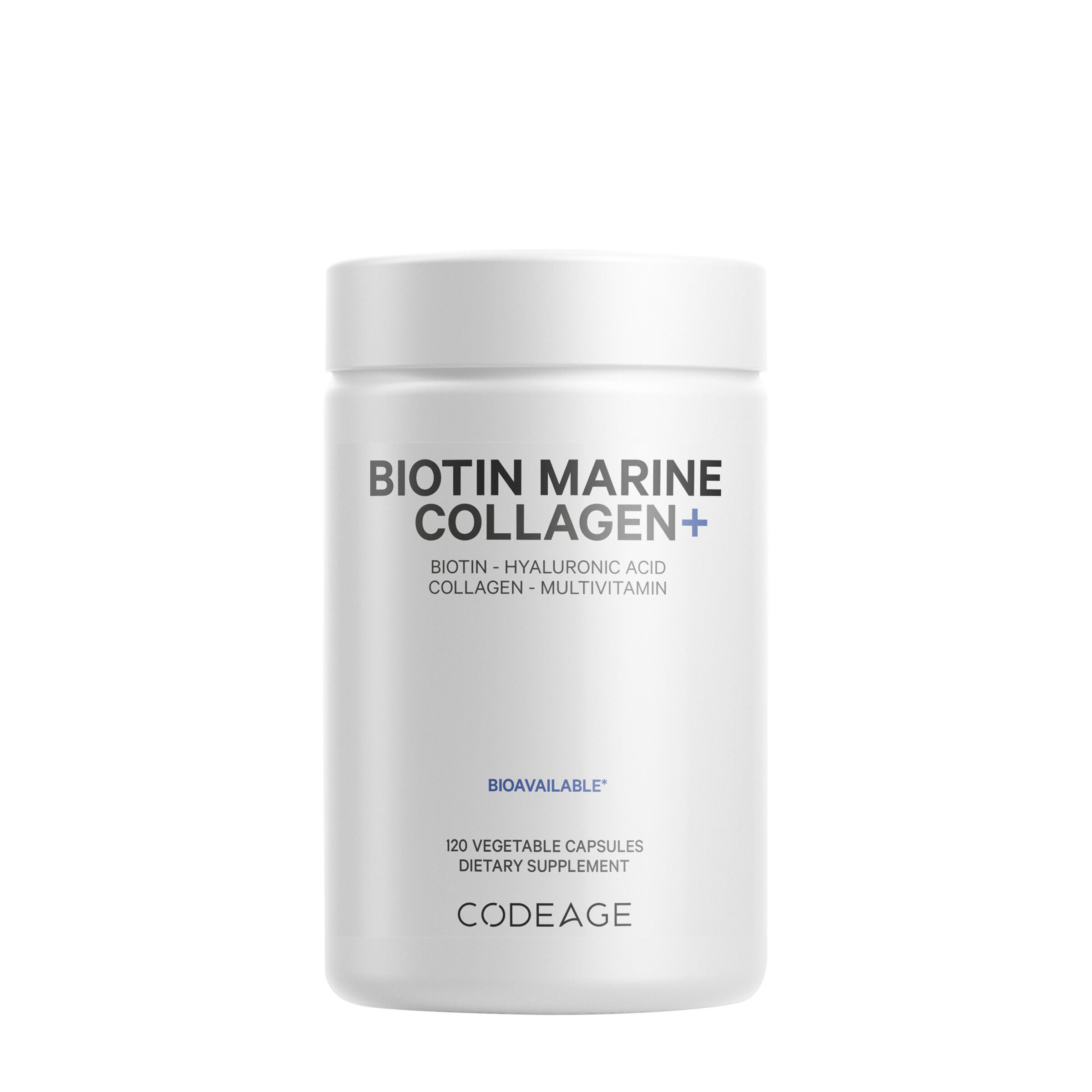
Bioavailable collagen supplements typically feature hydrolyzed collagen, also called collagen peptides, rather than intact collagen protein. Bioavailability describes how much of an ingested substance becomes available for the body to use; it is not simply another word for how easily a powder mixes into a drink. Hydrolysis uses water and enzymes to divide collagen into smaller peptide chains. These smaller fragments may be easier to digest and absorb than intact collagen, although processing methods and individual digestion can influence the outcome. The words “hydrolyzed collagen” or “collagen peptides” on an ingredient label identify this processed form. They do not, by themselves, establish that one formula will produce a particular result or outperform every other option. Collagen is an animal-derived protein with an amino acid profile that includes glycine, proline, and hydroxyproline. Common sources include bovine tissues and fish skin, making ingredient origin an important distinction for different eating patterns. Bovine collagen commonly supplies types I and III, while marine collagen commonly supplies type I. Those type numbers describe collagen structures, not a ranking of quality or absorption. Marine sourcing alone also does not establish that a supplement will be absorbed more readily than a bovine alternative. Processing details matter alongside the source. Gelatin comes from collagen as well, but it behaves differently in recipes and is not interchangeable with collagen peptides when texture matters. Likewise, plant-based formulas positioned around collagen do not contain animal collagen; their ingredients may include amino acids, vitamins, or minerals instead. For shoppers comparing bioavailable collagen supplements, the most useful starting information is straightforward: the collagen source, whether the ingredient is hydrolyzed, the amount in a labeled serving, and the other ingredients included. Together, those details provide a clearer picture of the formula than a broad statement about absorption. A stated peptide size can add context, but that measurement alone does not establish how a formula may perform for a particular person.
Format is another practical distinction, especially for a supplement intended to fit into an established daily routine. Collagen peptide powders can be measured into a drink or food according to the package directions, while capsules offer a format that does not require mixing. Liquid and chewable formats have their own serving sizes, ingredient lists, and storage directions. An unflavored powder may suit someone who wants to add it to oatmeal, yogurt, or a smoothie without choosing a particular flavor each day. Unflavored does not necessarily mean tasteless, however, and the source or other ingredients may contribute a noticeable aroma or texture. A flavored formula could be a better match for a dedicated drink, particularly when its flavor complements the other ingredients in the cup. Mixing directions deserve attention: the recommended amount of liquid, order of preparation, and stirring method can affect the finished texture. Powder that disperses smoothly is convenient, but smooth mixing is not proof of greater bioavailability. The labeled serving also matters more than the apparent size of a scoop or container. One serving may require several capsules, more than one scoop, or a measured portion of liquid. Comparing collagen grams per serving, rather than simply comparing the number of scoops or capsules, makes the differences easier to understand. A kitchen counter routine and a workday routine may call for different formats; a powder requires a suitable drink and mixing utensil, while capsules require no preparation beyond the package directions. Neither format automatically establishes better absorption. Added vitamin C, biotin, minerals, sweeteners, or flavoring ingredients create further distinctions, but a longer ingredient list is not evidence of a better fit. Some shoppers want collagen as the primary ingredient, while others prefer a combination formula. Reading the Supplement Facts panel alongside the full ingredient list makes those differences visible. Collagen also has a different amino acid profile from whey, soy, or egg protein, so equal protein amounts do not make these ingredients nutritionally interchangeable.
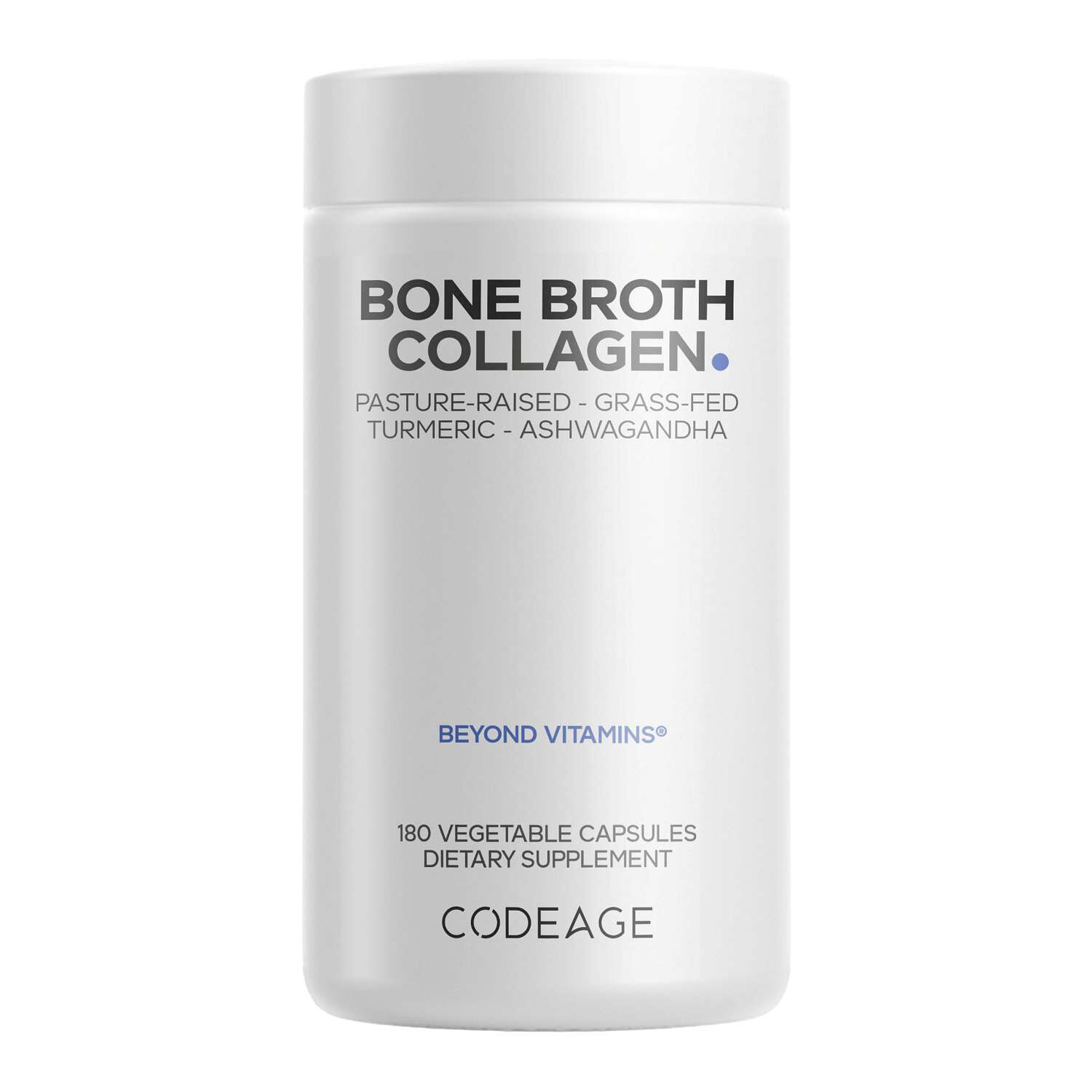
Ingredient sourcing, dietary compatibility, and packaging details round out the comparison. Fish-derived collagen deserves particular attention from anyone avoiding fish, while bovine and other animal sources may not fit certain dietary or religious practices. The collagen source is only one part of that review: capsule shells, flavoring ingredients, and manufacturing disclosures can also matter. Any dietary certification should appear on the label or supporting documentation rather than being assumed from the main ingredient. Ingredient sourcing is also a useful point of comparison when browsing Natural Collagen Supplements, alongside processing method, serving format, and the rest of the ingredient list. Descriptions such as grass-fed or wild-caught concern origin and production practices; they do not establish a particular absorption rate. Similarly, independent testing information is most useful when it identifies what was evaluated, such as ingredient identity, labeled amounts, or specified contaminants. A testing statement should not be read as evidence that a supplement will deliver a particular personal outcome. Packaging and care are practical considerations, too. A clearly printed serving panel, readable storage directions, and an intact closure make a container easier to use as directed. Follow the labeled storage instructions, close the container after use, and keep moisture out of powdered formulas. A dry measuring utensil may help limit clumping, and keeping the scoop with its original container reduces confusion between formulas with different serving measurements. Liquid formats may have additional directions after opening, so the carton and bottle information both deserve a look before either is discarded. Check the printed date and any instructions about use after opening rather than assuming every format has the same storage life. The best fit for a routine comes down to specific, visible details: a suitable animal source, clearly identified collagen peptides, an understandable serving amount, compatible supporting ingredients, and preparation that feels manageable. Those distinctions keep the focus on what the supplement contains and how it is intended to be used, without treating bioavailability as a shortcut to a certain result.
- Q: What does 'bioavailable' mean in collagen supplements?
A: 'Bioavailable' refers to how easily your body can absorb and use the collagen in a supplement. Bioavailable collagen is typically broken down into smaller peptides, making it easier for your body to digest and utilize. - Q: How is bioavailable collagen different from regular collagen?
A: Bioavailable collagen has been hydrolyzed or processed into smaller peptides, which enhances absorption compared to regular, larger collagen molecules that are harder for the body to break down. - Q: Can bioavailable collagen supplements be added to hot or cold beverages?
A: Yes, most bioavailable collagen supplements are designed to dissolve easily in both hot and cold liquids, making them convenient to add to coffee, smoothies, or water. - Q: Are there different types of bioavailable collagen?
A: Yes, bioavailable collagen supplements may contain different types of collagen, such as Type I, II, or III, each supporting various aspects of health like skin, joints, or hair. - Q: Is there a preferred time of day to take bioavailable collagen supplements?
A: There is no strict rule for when to take bioavailable collagen; it can be consumed at any time that fits your routine. Some people prefer taking it in the morning with breakfast or mixing it into their post-workout shake.
Best Sellers
-
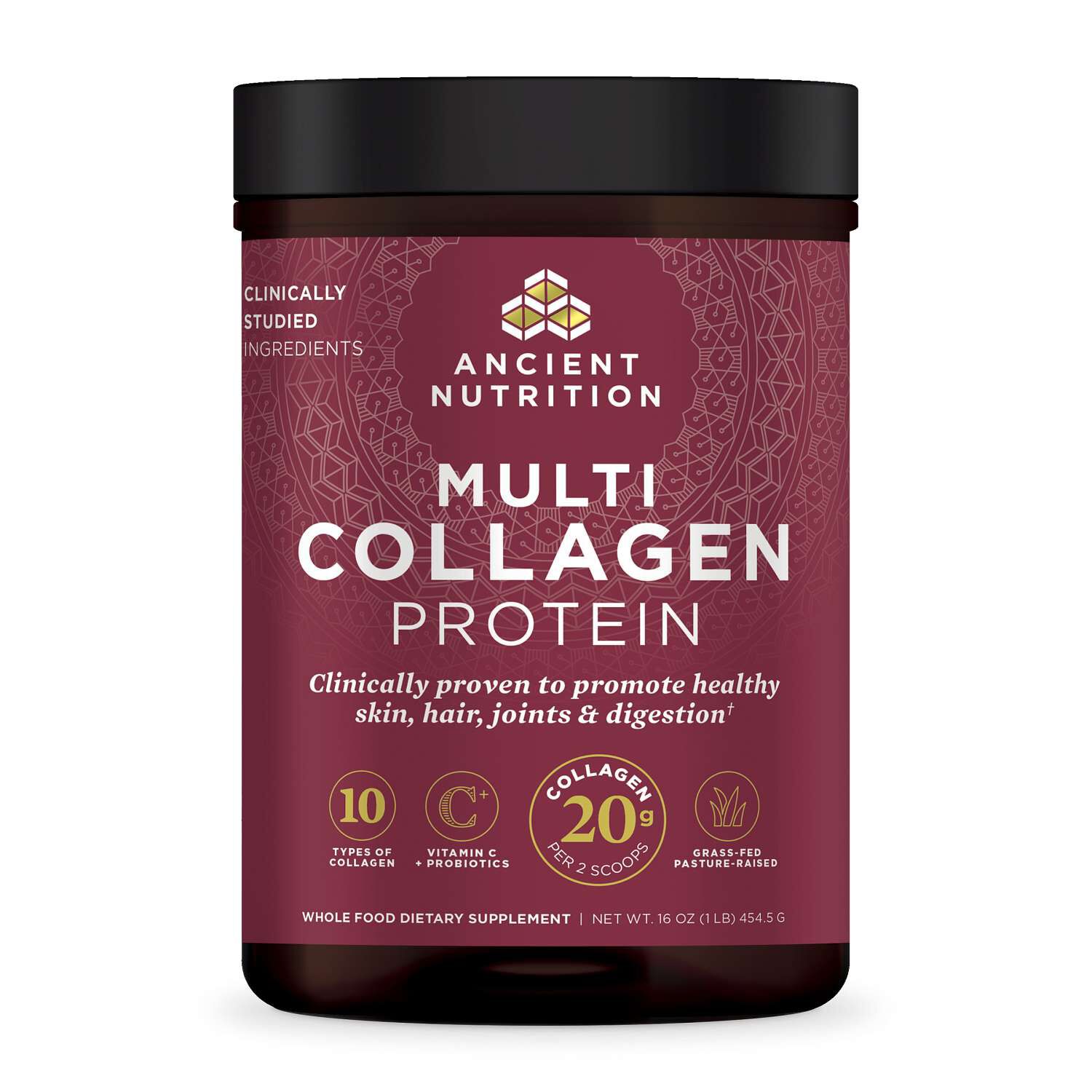 Ancient Nutrition
-
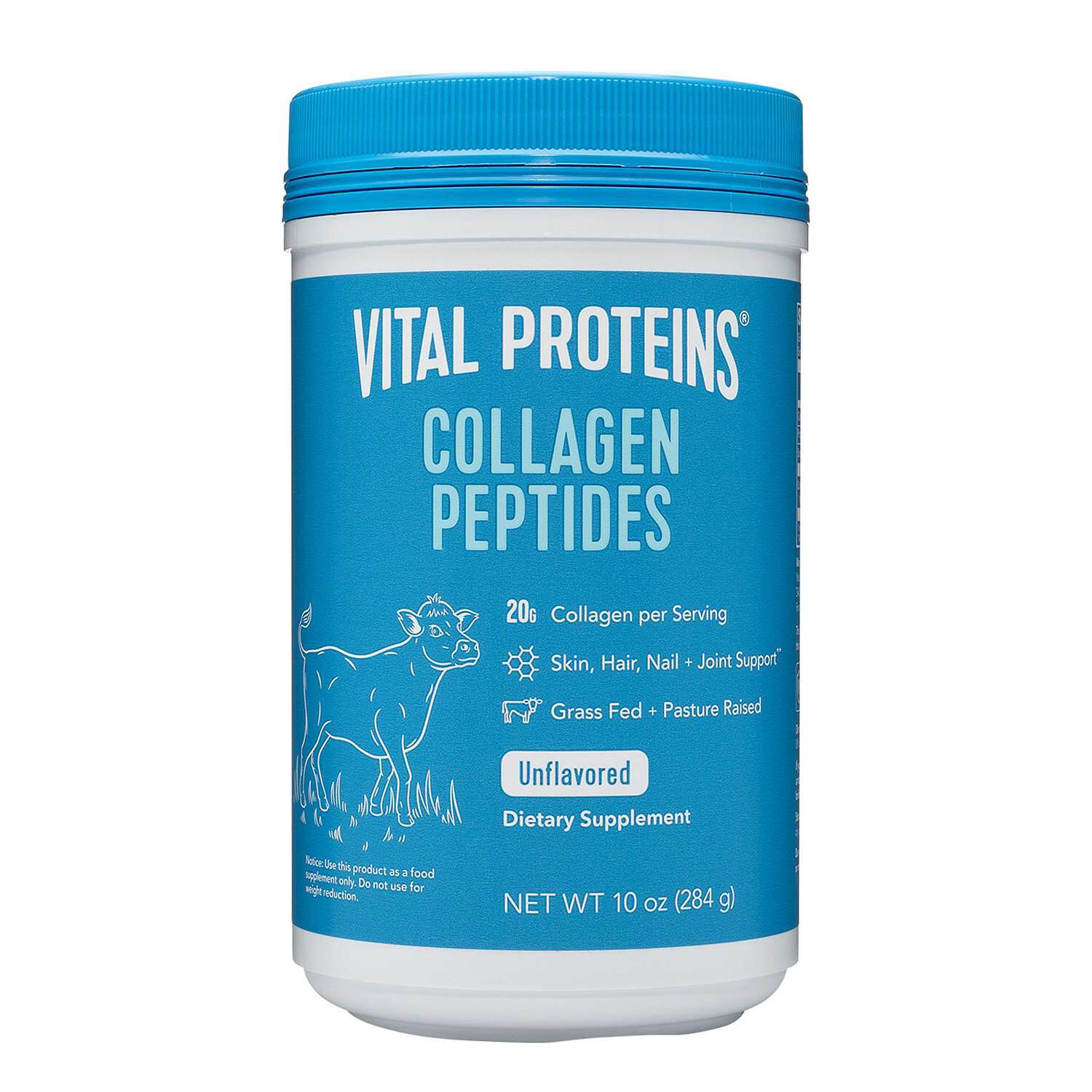 Vital Proteins
Related Pages
Top Collections
- Joint Mobility Supplement Packs
- Zinc Supplements | Top Brands at Great Prices | GNC
- Supplements For Yoga Joint Flexibility
- Supplements For Balance
- Capsule Supplements For Energy And Stamina
- Iron Supplements
- Supplements For Anxiety Relief Support
- Vitamins For Hair Loss
- Cortisol Supplements
- Adult Mobility Supplements