Liquid Collagen Protein Supplements
(0 Results)
Liquid collagen protein supplements have become a popular choice for those seeking a convenient way to support their wellness routines. With easy-to-mix formulas and a variety of flavors, these supplements may fit seamlessly into your daily regimen. Explore options that could align with your lifestyle and preferences as you discover the potential benefits of adding liquid collagen protein supplements to your routine.
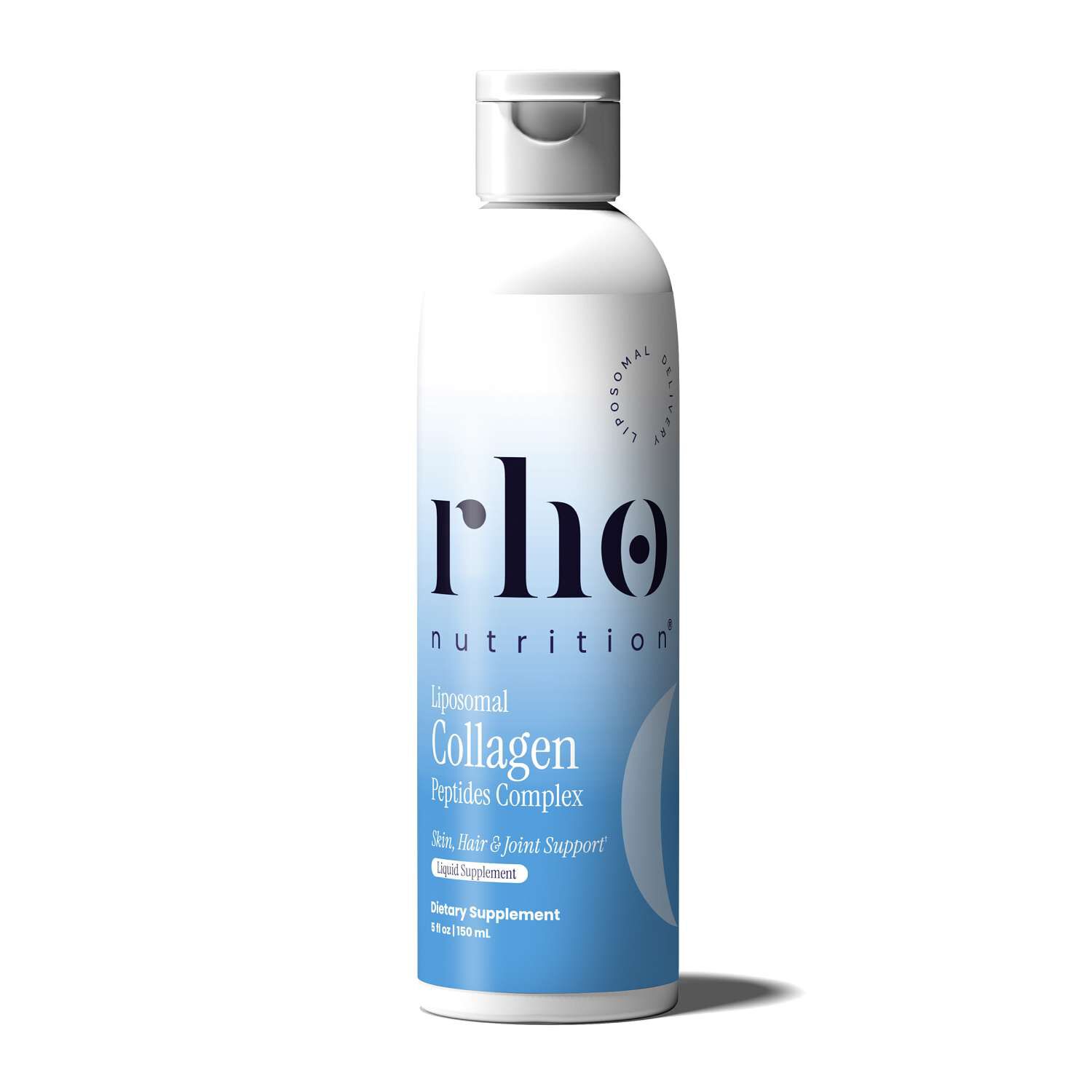
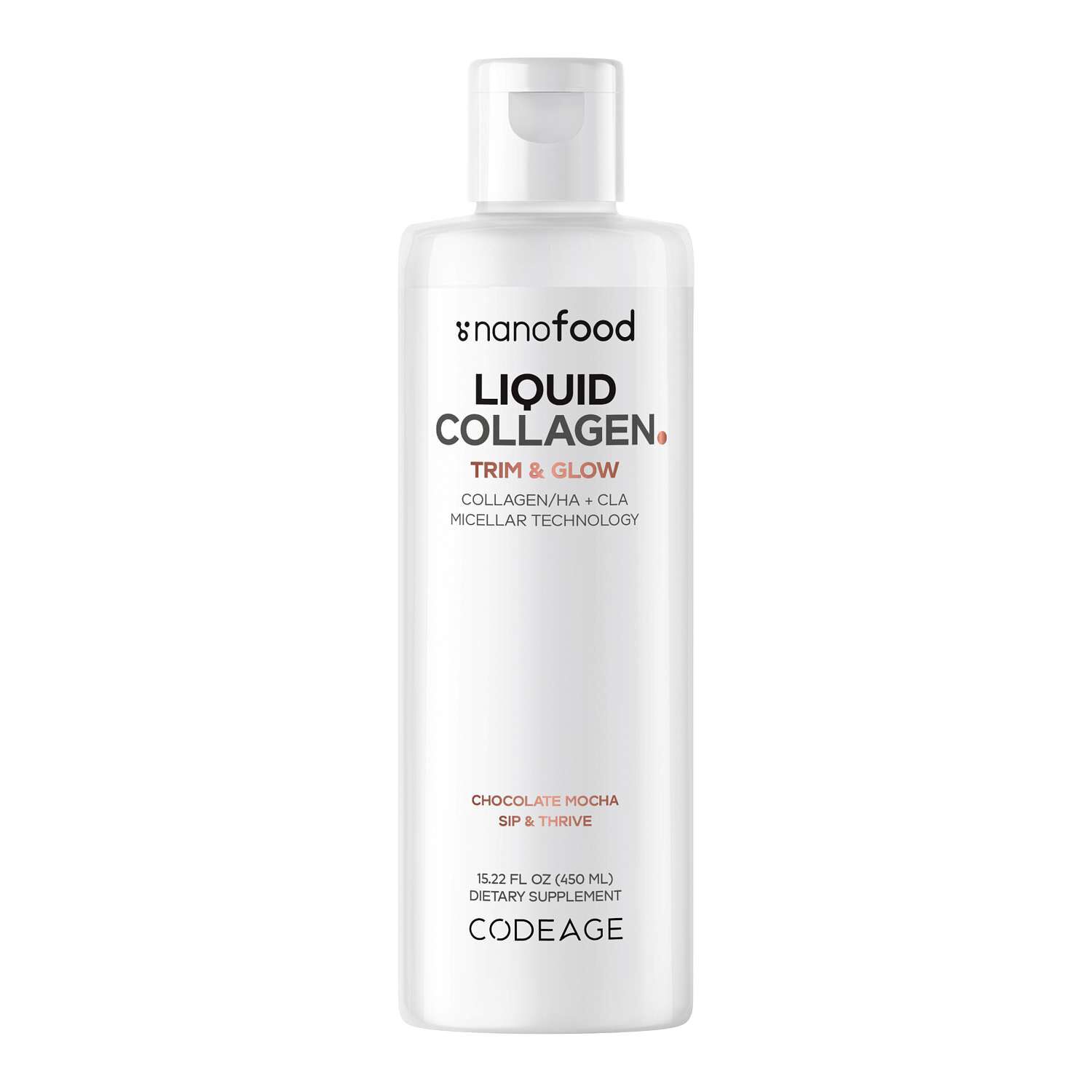


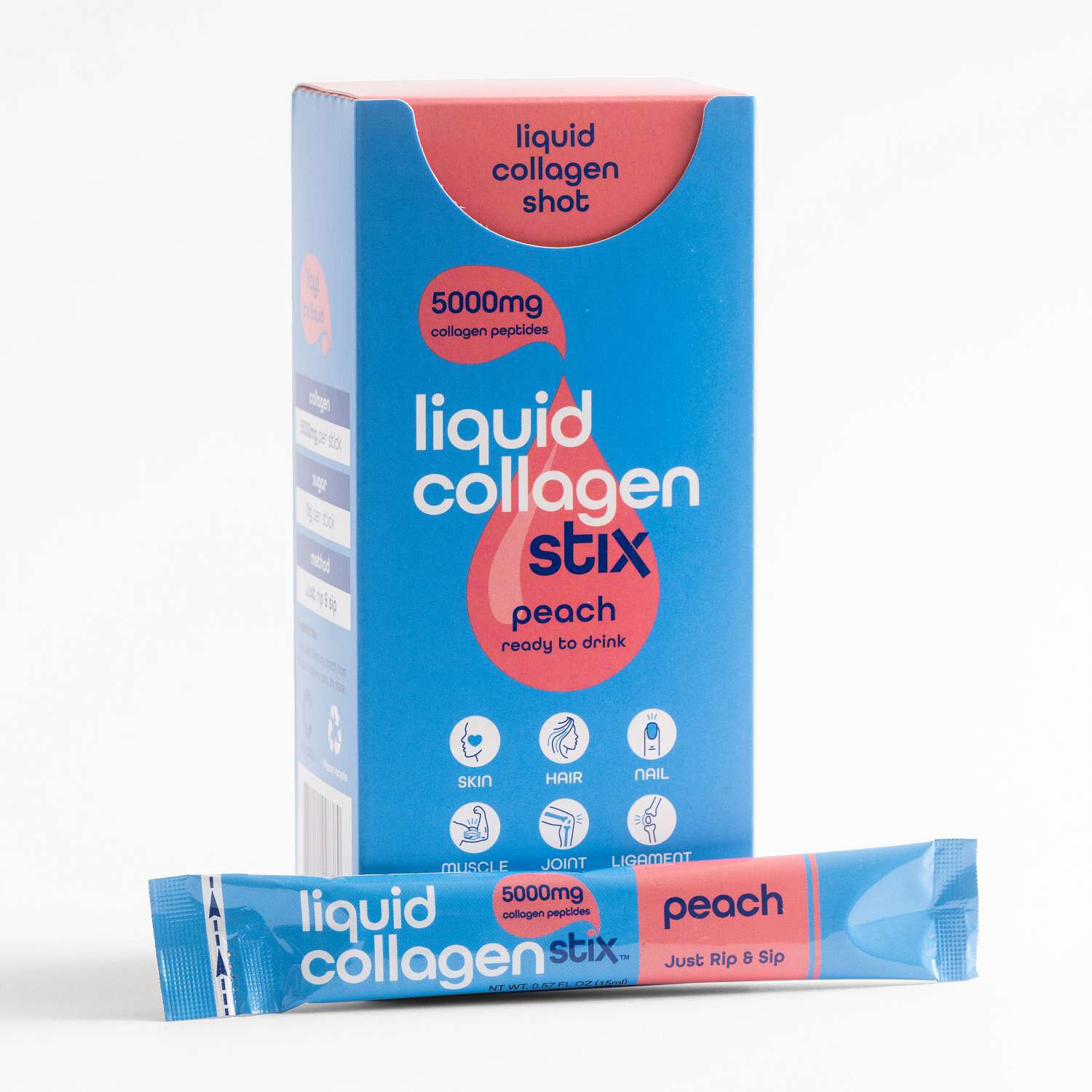
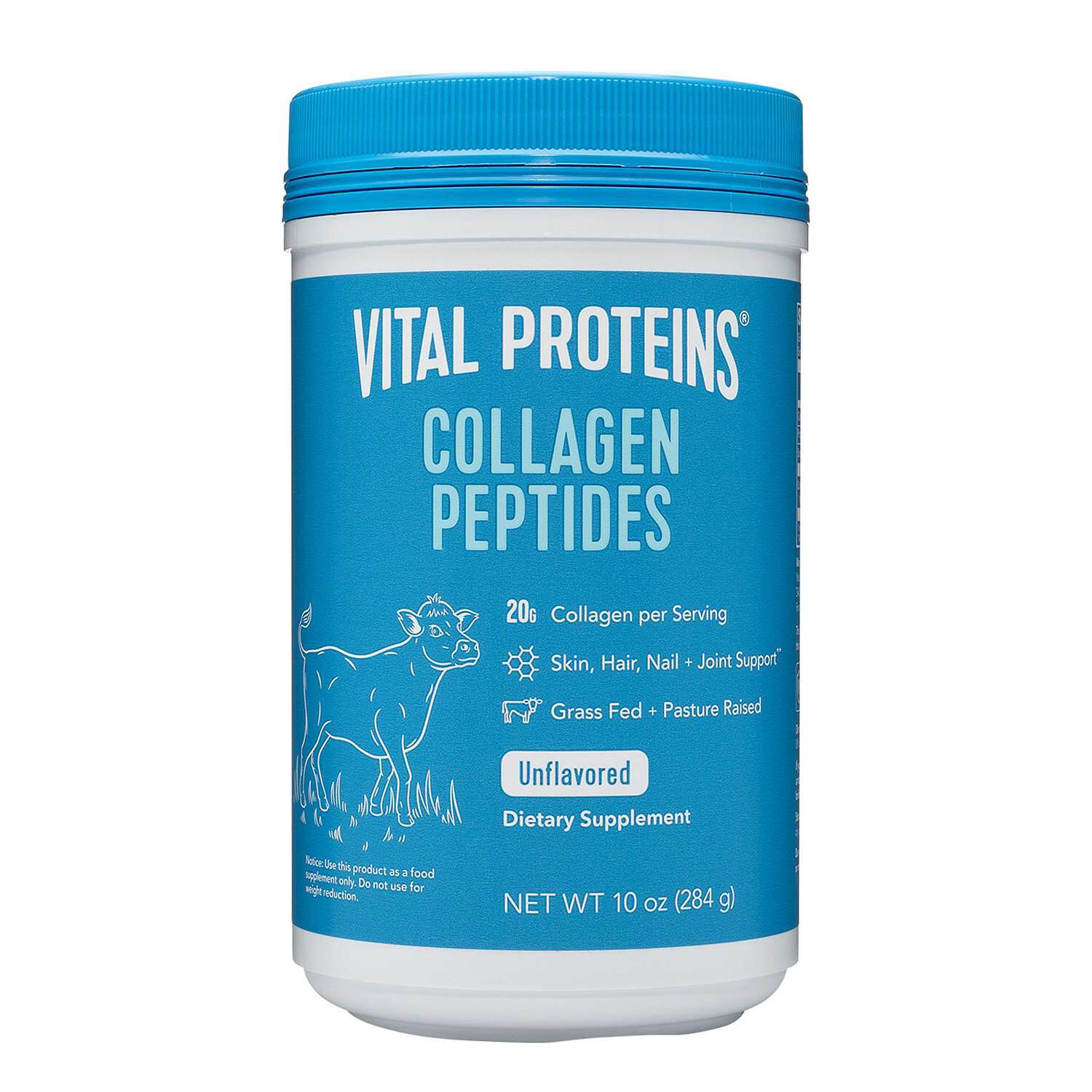
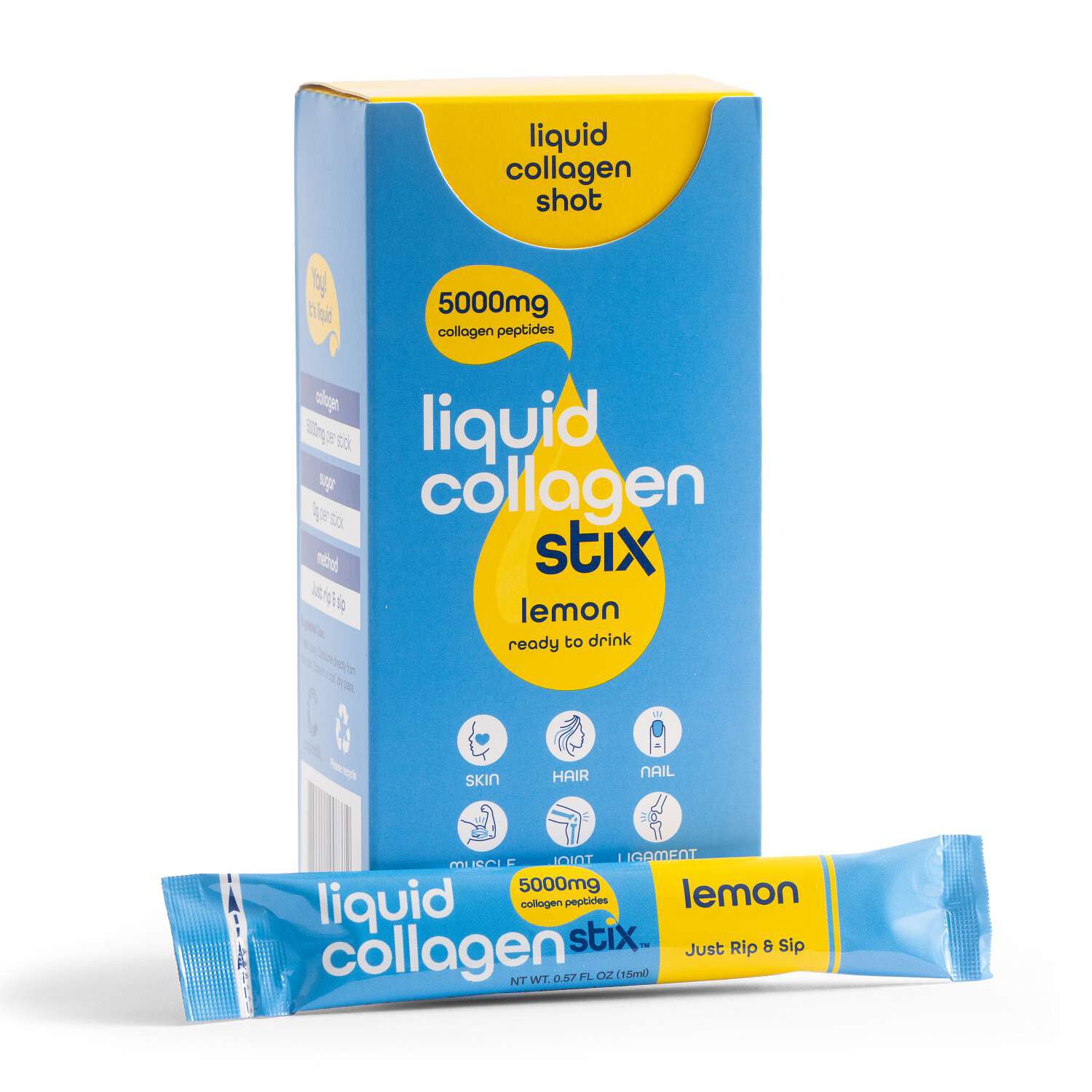
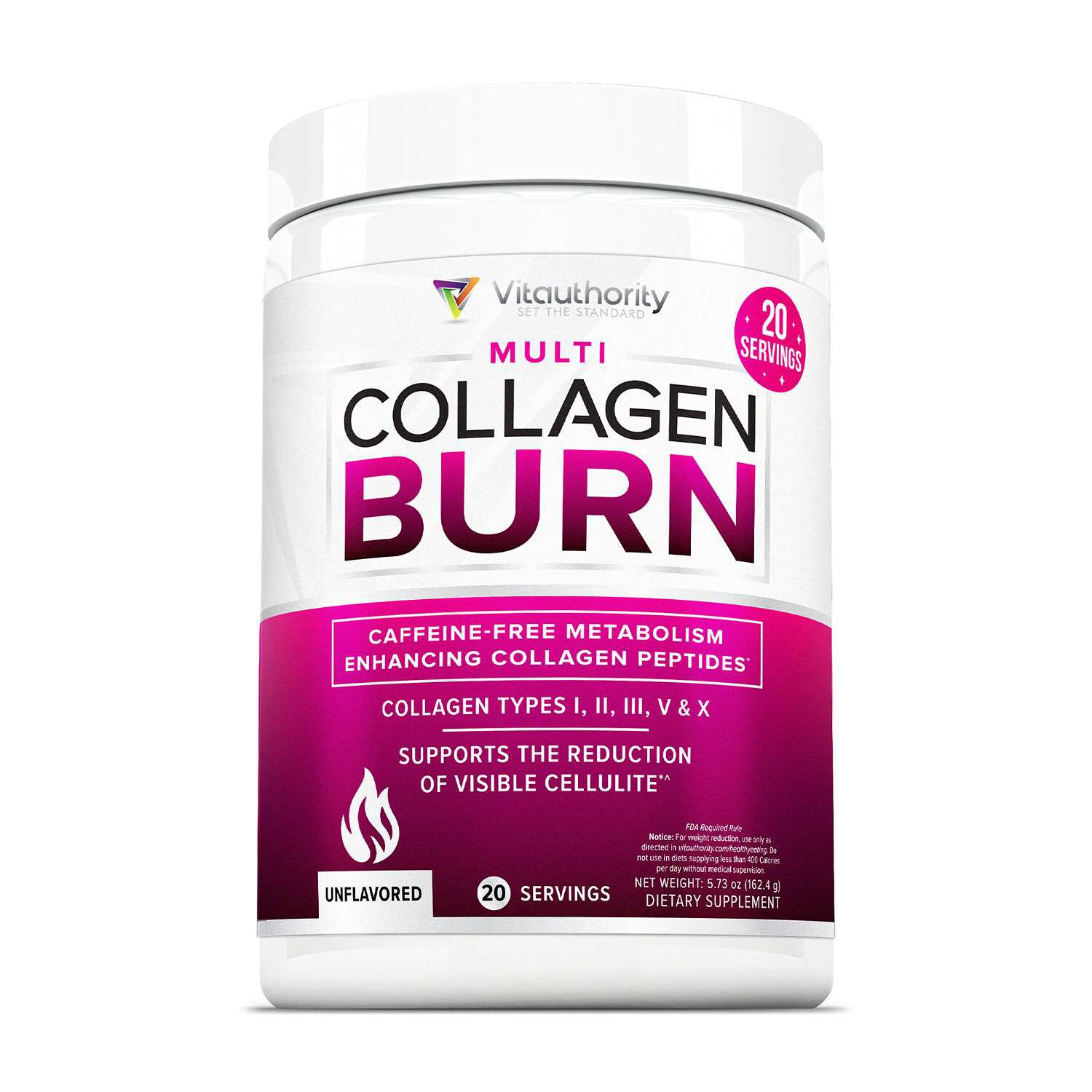
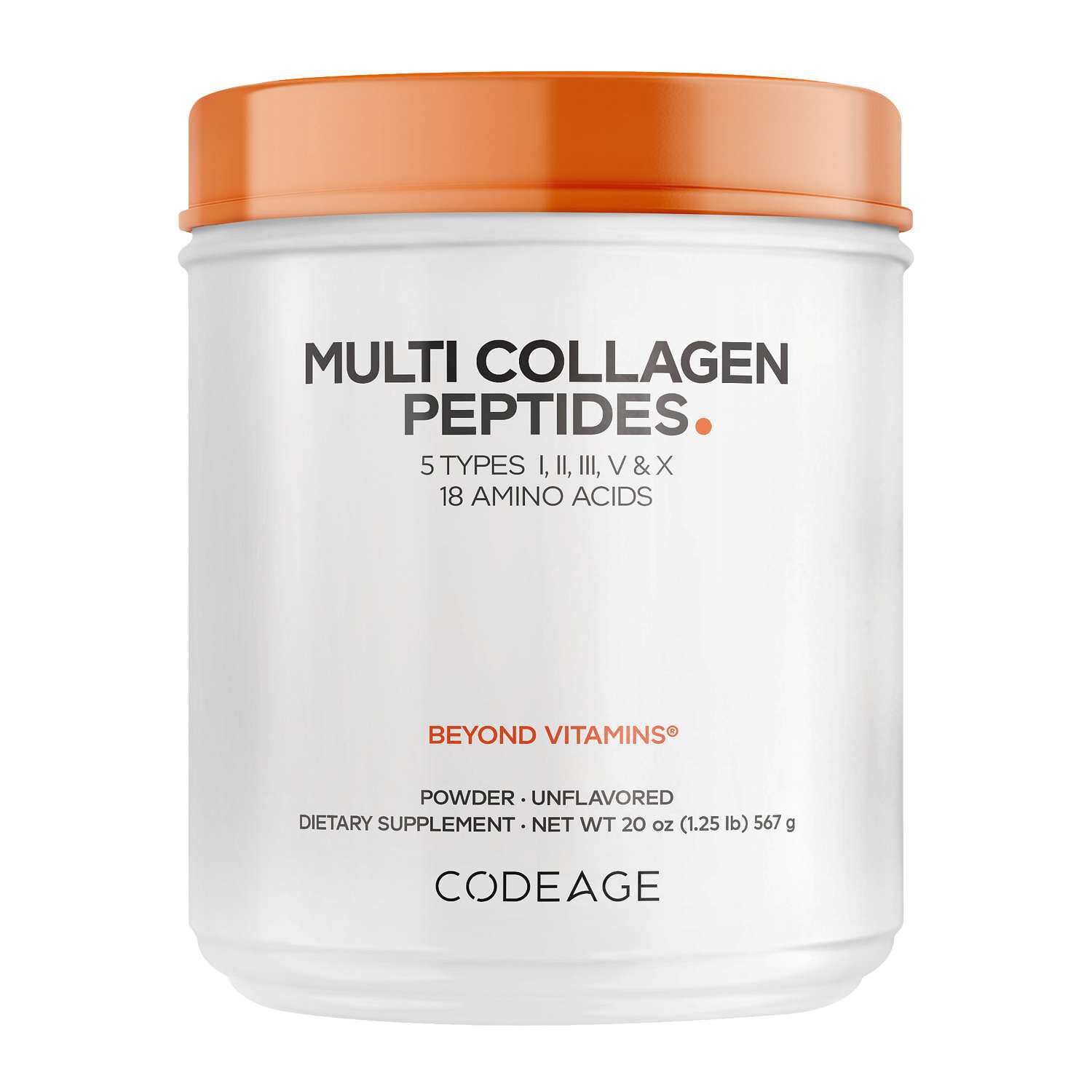
Liquid collagen protein supplements provide collagen in a liquid format, with options ranging from ready-to-drink servings to concentrates measured and mixed with a beverage. Ready-to-drink versions contain collagen already combined with a liquid base, so there is no powder to scoop or stir. Concentrated liquids require a closer look at serving and dilution directions, since a small measured portion is not necessarily intended to be consumed straight from the bottle. Collagen itself is a structural protein found in skin, bones, cartilage, and other connective tissues. In supplements, it commonly comes from animal sources such as bovine or marine ingredients. Many formulas use hydrolyzed collagen, also called collagen peptides, which means the original protein has been broken into smaller pieces during processing. That terminology describes the ingredient rather than a particular flavor, serving size, or nutritional outcome. The liquid format may appeal to adults who prefer a drink over capsules or who would rather skip preparing a powdered supplement. It also fits naturally into comparisons among collagen formats for personal care and everyday wellness routines. However, a liquid serving is not automatically equivalent to a scoop of collagen powder or a conventional protein shake. The amount of collagen, the grams of protein, and the other ingredients can differ considerably between formulas. Collagen also has a different amino acid profile from proteins such as milk, eggs, and soy, so its nutritional contribution deserves a separate look rather than an assumption that all protein sources are interchangeable. For a useful comparison, start with what the label actually measures: the amount in one serving, how that serving is prepared, and which ingredients accompany the collagen. A compact bottle and a larger container can represent very different numbers of servings. The most informative details are usually the serving instructions and nutrition panel, not the size of the package or the prominence of the word collagen on the front.
Flavor, texture, and ingredient preferences play a meaningful role in choosing a liquid collagen supplement that suits an established routine. Fruit-flavored liquids can have a sweet, tart, or concentrated taste, while unflavored options may still have a subtle character from their ingredients. Unflavored does not necessarily mean undetectable, especially when a serving is added to plain water rather than a smoothie with several ingredients. Sweeteners, fruit juice concentrates, acids, and flavorings can all influence the drinking experience. Someone who enjoys a bright citrus beverage may prefer a different formula from someone looking for a mild addition to breakfast. Check whether the liquid is intended for direct consumption or dilution before judging its flavor intensity. The nutrition panel provides another layer of comparison, including protein, calories, sugars, and serving size. When comparing two liquids, keep the portions consistent: a tablespoon, a fluid ounce, and an entire bottle are not interchangeable measures. Look for the stated collagen quantity as well as the protein amount, and note whether the formula contains other protein ingredients. Added vitamins, minerals, botanical ingredients, or other components make the ingredient list particularly important; a collagen blend is not necessarily a single-ingredient supplement. Source information also matters for dietary preferences. Bovine collagen comes from cattle, while marine collagen commonly comes from fish; other animal sources may appear as well. These distinctions are relevant to people who avoid certain animal ingredients or follow particular eating patterns. Check the actual source statement rather than relying on a flavor name, package color, or an ocean-inspired design. Anyone avoiding a particular food ingredient should also review the allergen information and manufacturing statements on the package. Collagen type designations, when listed, identify another ingredient characteristic, but they do not replace details about source and quantity. Shoppers interested in comparing sourcing preferences can also explore Natural Collagen Supplements alongside liquid formats, paying attention to the individual ingredient descriptions rather than treating a category name as a uniform specification.
Everyday practicality often comes down to the details that become noticeable after the first serving: how the container opens, whether a portion needs measuring, where the bottle belongs after opening, and how the liquid tastes in its intended preparation. A single-serving container may suit someone who wants a measured portion without carrying a separate measuring cup. A larger bottle may suit a routine centered around breakfast at home, provided there is an appropriate place to store it according to the label. For a concentrate, use the indicated measuring method rather than estimating a splash into a glass. If the directions allow mixing, the beverage choice can change the experience. A strongly flavored liquid can noticeably alter plain water, while the same serving may be less prominent in a smoothie containing fruit or yogurt. Follow any directions about shaking, dilution, or beverage preparation, and avoid assuming that every formula is suitable for hot drinks. Storage deserves the same attention as flavor. Some unopened liquids can be kept in a cabinet, while others have different requirements; after opening, refrigeration or a stated use period may apply. Keep the original packaging so the ingredient list, serving directions, and storage information remain easy to reference. A securely closed cap matters when placing a container in a lunch bag, and any refrigeration instructions still apply when taking it away from home. Check package condition and any protective seal before use, and follow the label rather than treating all liquid supplements alike. These considerations are especially useful for adults comparing a ready-to-drink option with a multi-serving concentrate, or deciding whether a liquid belongs beside their other breakfast supplies. Convenience is personal: one shopper may value a small portion taken directly as directed, while another prefers measuring a liquid into a familiar beverage. A thoughtful selection brings those habits together with the source, serving amount, nutrition information, and ingredient list. The result is a comparison grounded in what each liquid collagen protein supplement contains and how it is intended to be used, rather than expectations based on format alone.
- Q: What is liquid collagen protein and how is it different from other collagen supplements?
A: Liquid collagen protein supplements are formulated as ready-to-drink liquids or concentrates, making them easy to consume without mixing or preparation. Unlike powders or capsules, liquid collagen may be absorbed more quickly due to its pre-dissolved form. - Q: How do you take liquid collagen protein supplements?
A: Liquid collagen protein supplements are typically consumed by drinking the recommended serving directly or mixing it with water or juice. Always follow the instructions on the product label for best results. - Q: Can liquid collagen protein supplements be combined with other dietary supplements?
A: Yes, liquid collagen protein supplements can generally be taken alongside other dietary supplements such as vitamins, minerals, or protein powders. Consult with a healthcare professional if you have questions about your supplement routine. - Q: Are there different types of collagen in liquid collagen protein supplements?
A: Many liquid collagen protein supplements contain hydrolyzed collagen peptides, often sourced from bovine, marine, or poultry origins. Some products may specify the type of collagen included, such as Type I, II, or III. - Q: Do liquid collagen protein supplements have a flavor?
A: Liquid collagen protein supplements are available in a variety of flavors, including fruit and berry options. Some may also be unflavored for those who prefer to mix them into their favorite beverages.
Best Sellers
-
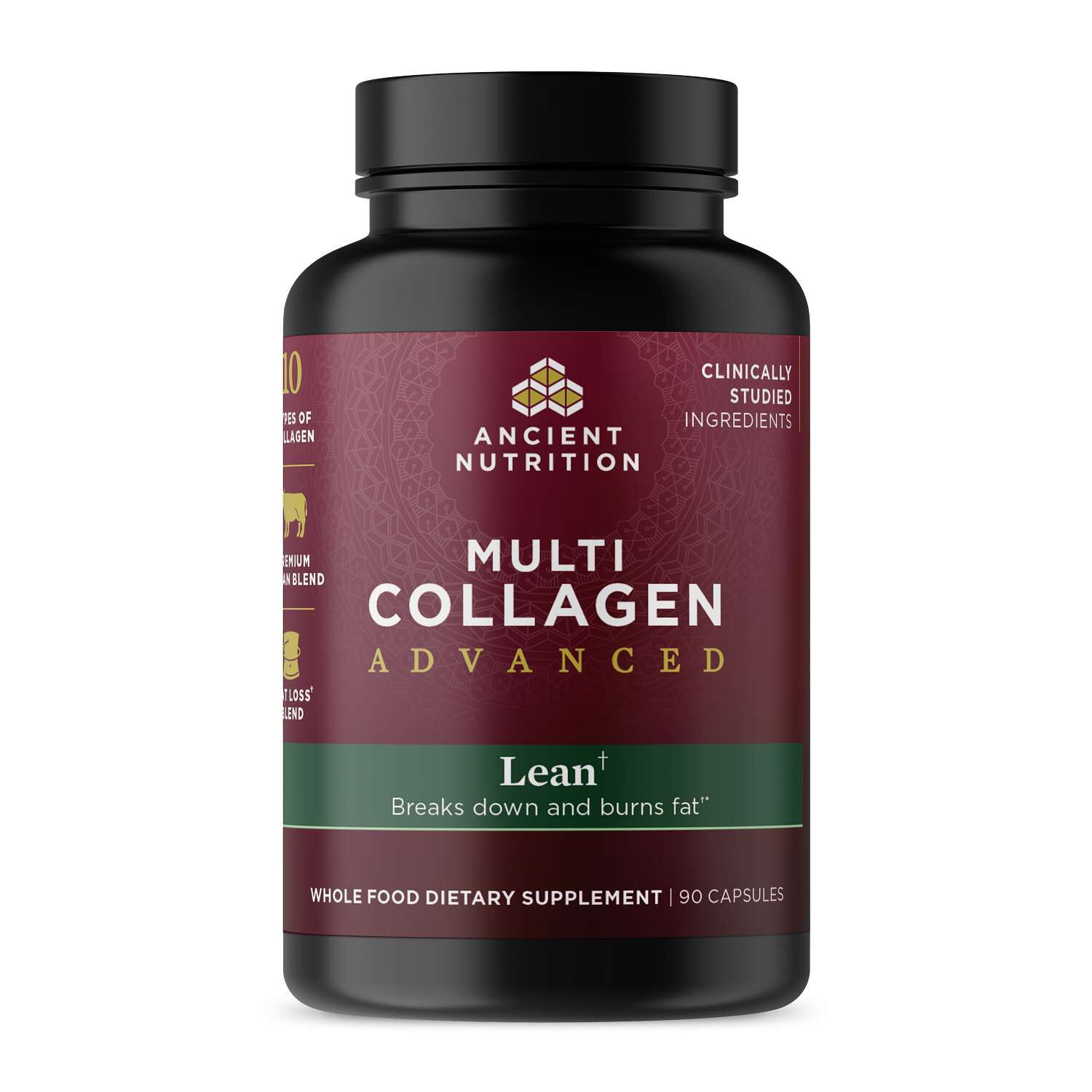 Ancient Nutrition
-
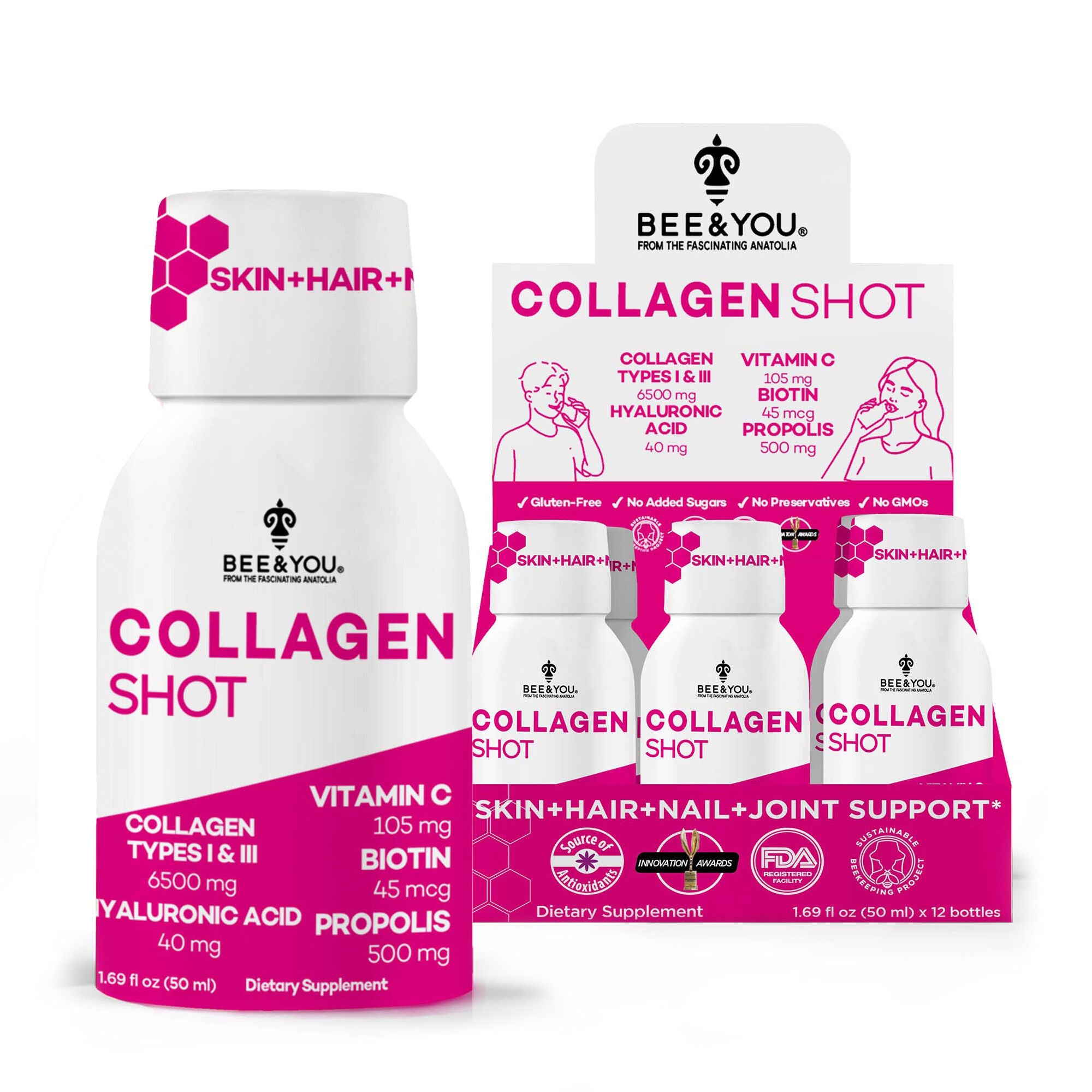 Bee And You