





Collagen Powders For Protein Shakes
(0 Results)
Collagen powders for protein shakes could be a convenient way to complement your daily routine. Blending seamlessly into your favorite beverages, these versatile powders may fit into a variety of lifestyles and wellness goals. Explore options that might suit your taste preferences and discover how collagen powders for protein shakes could become a staple in your nutrition regimen.
-
-
-
-
-
-

-
-
-

-

-

-

-
-
 44$44.99
 -

-
-
-
-
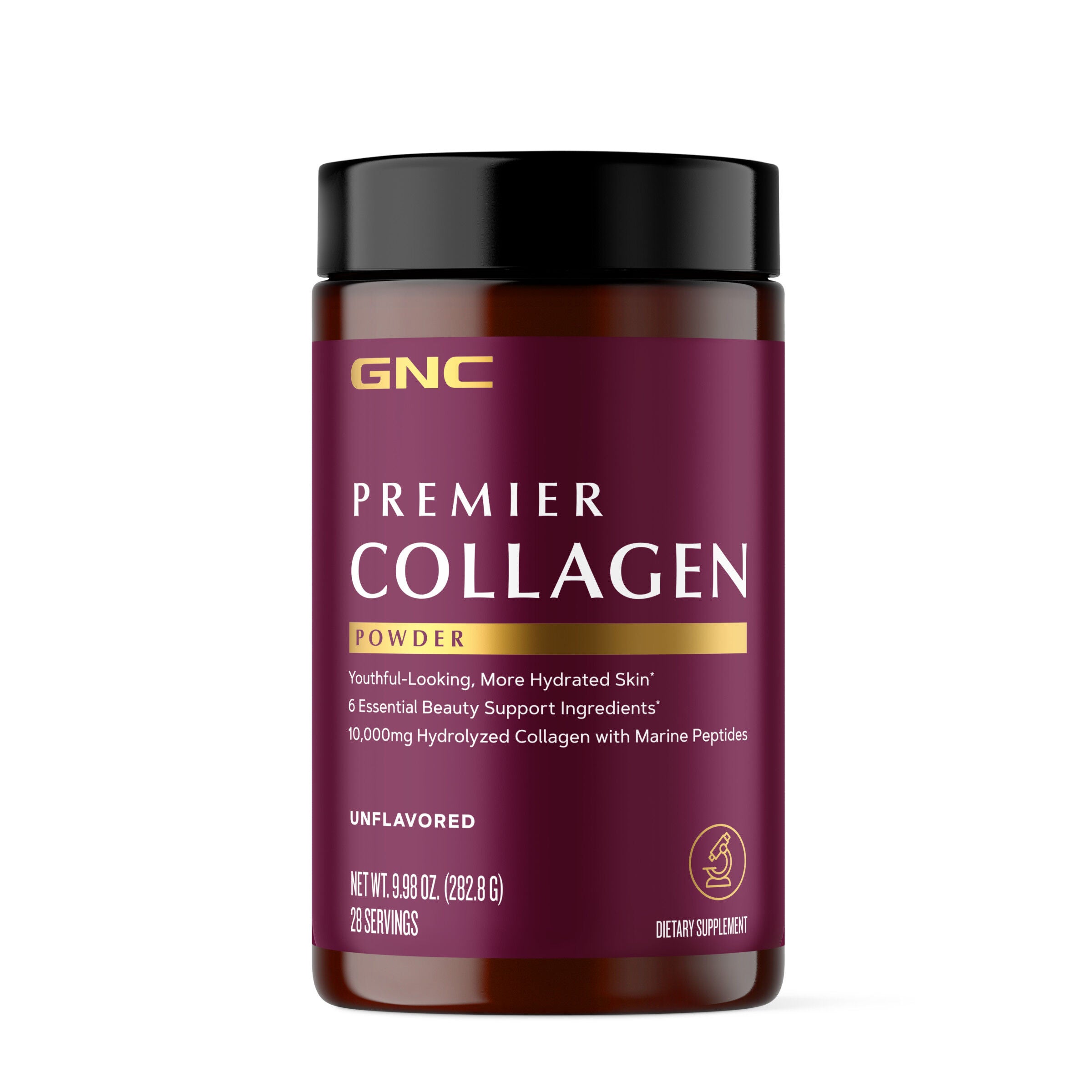
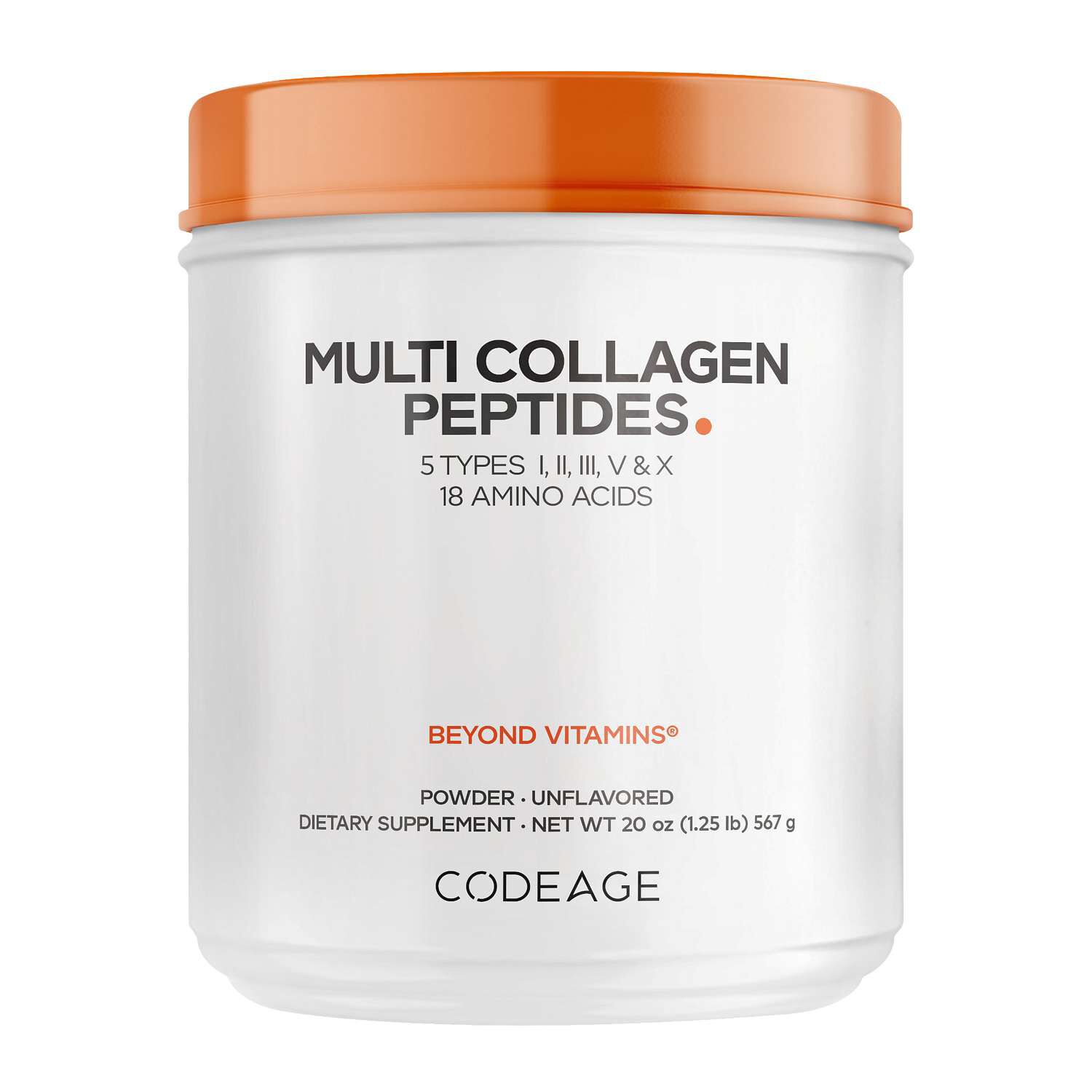
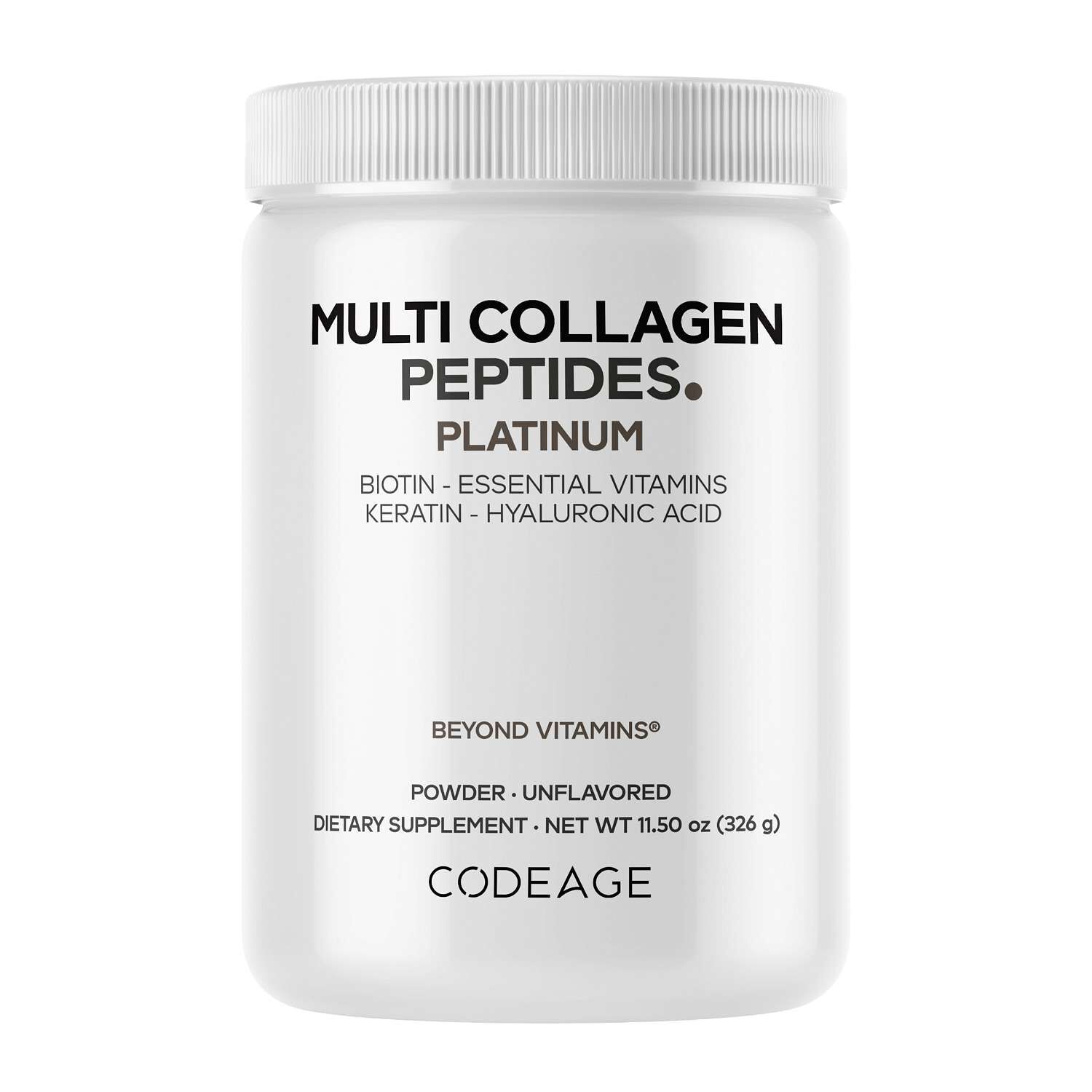
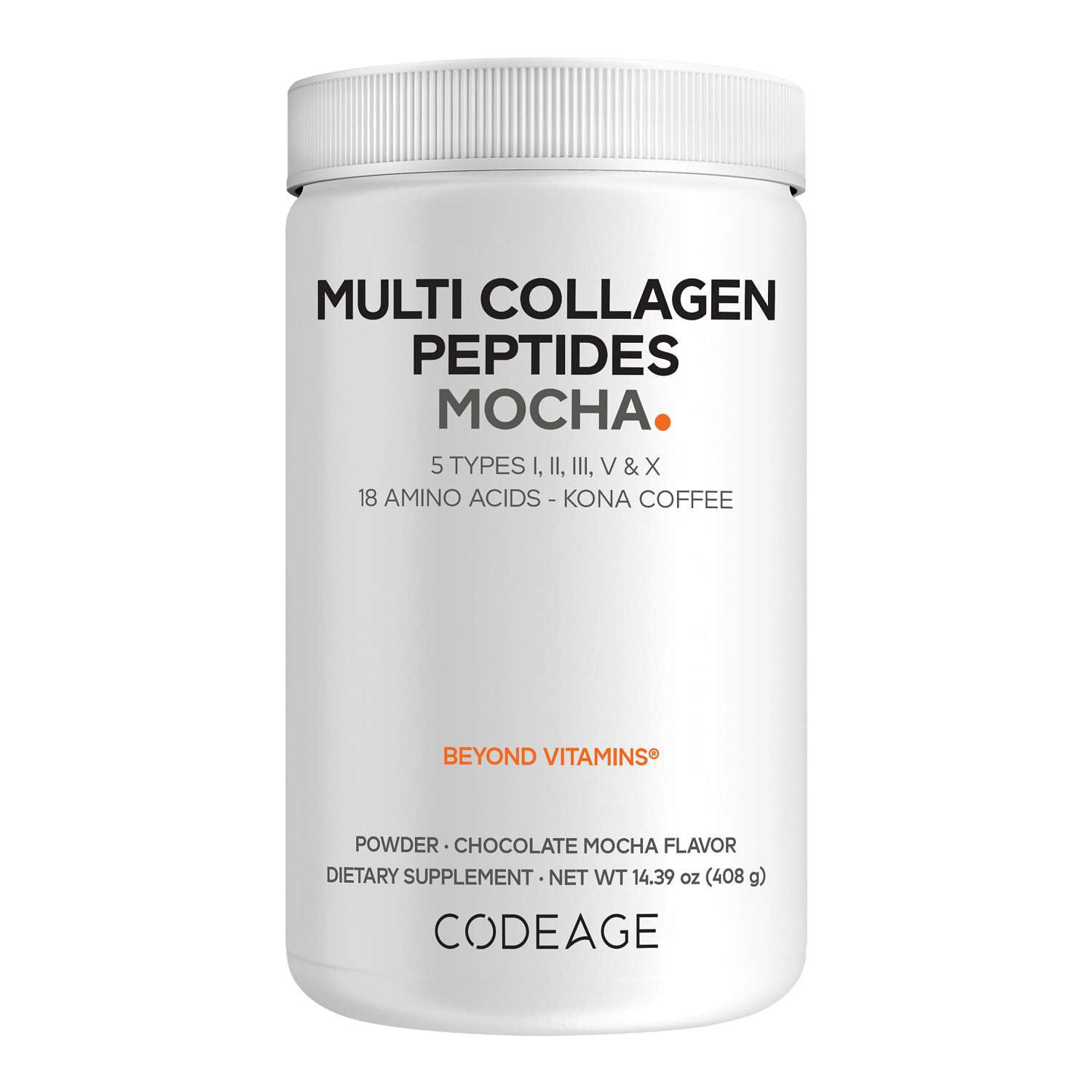


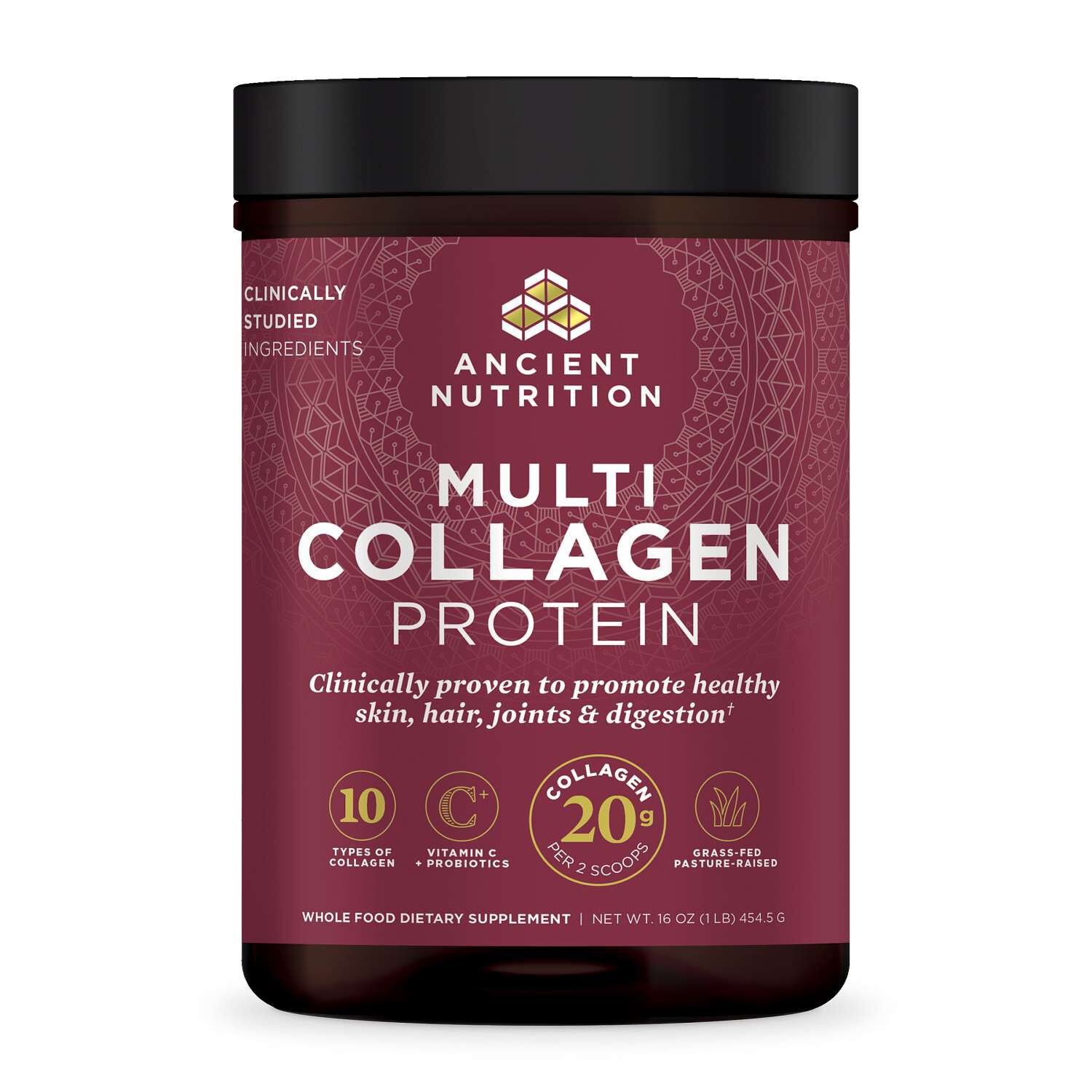
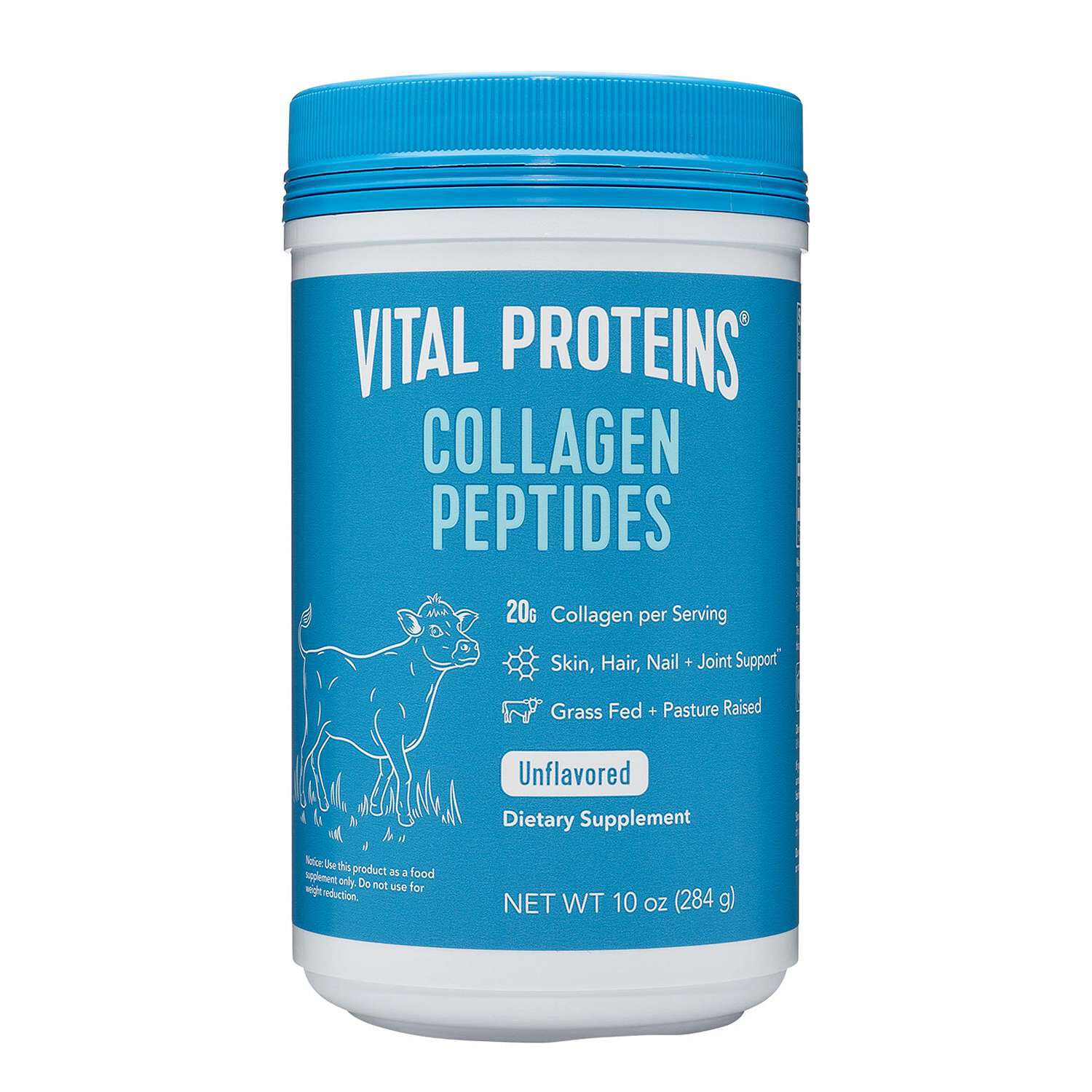
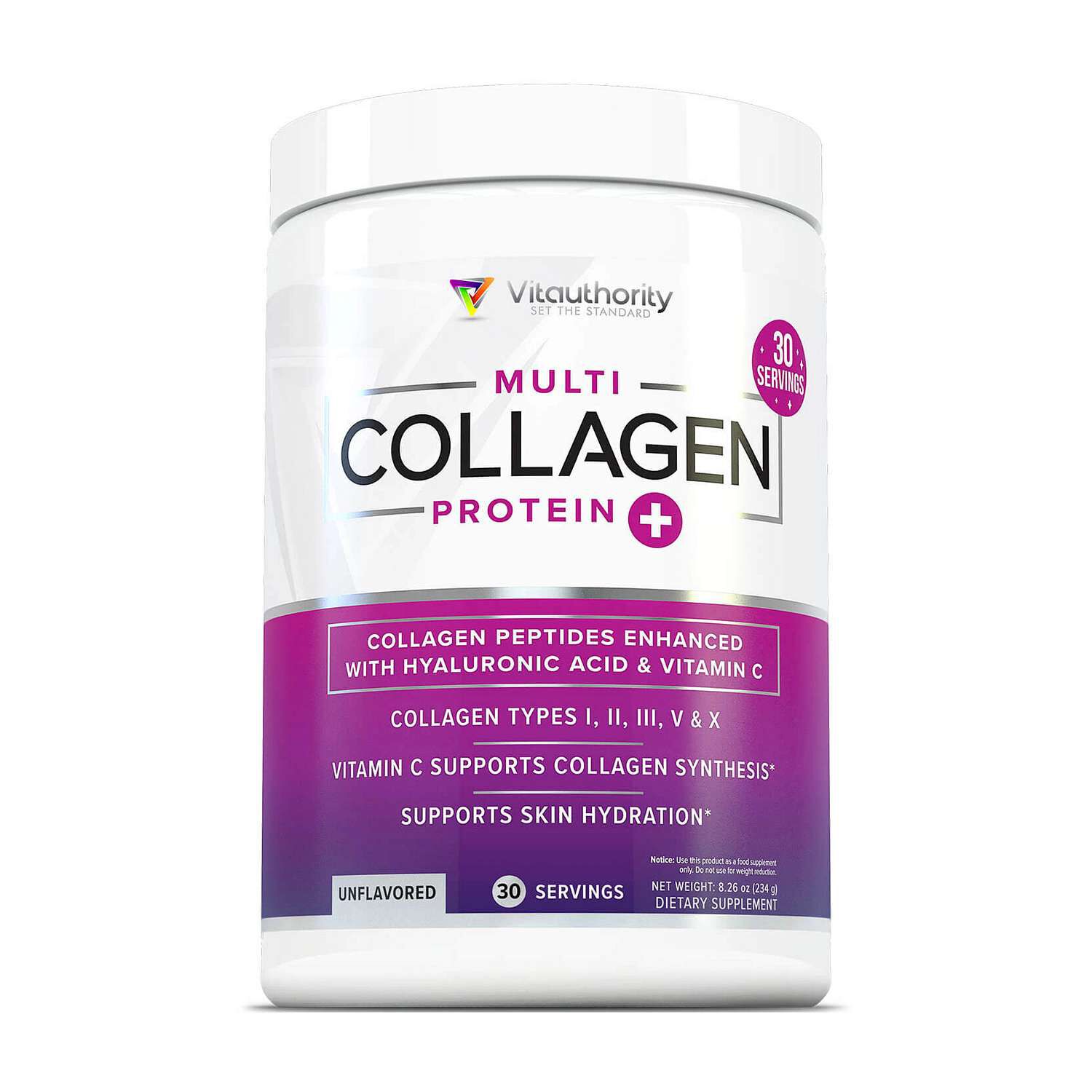
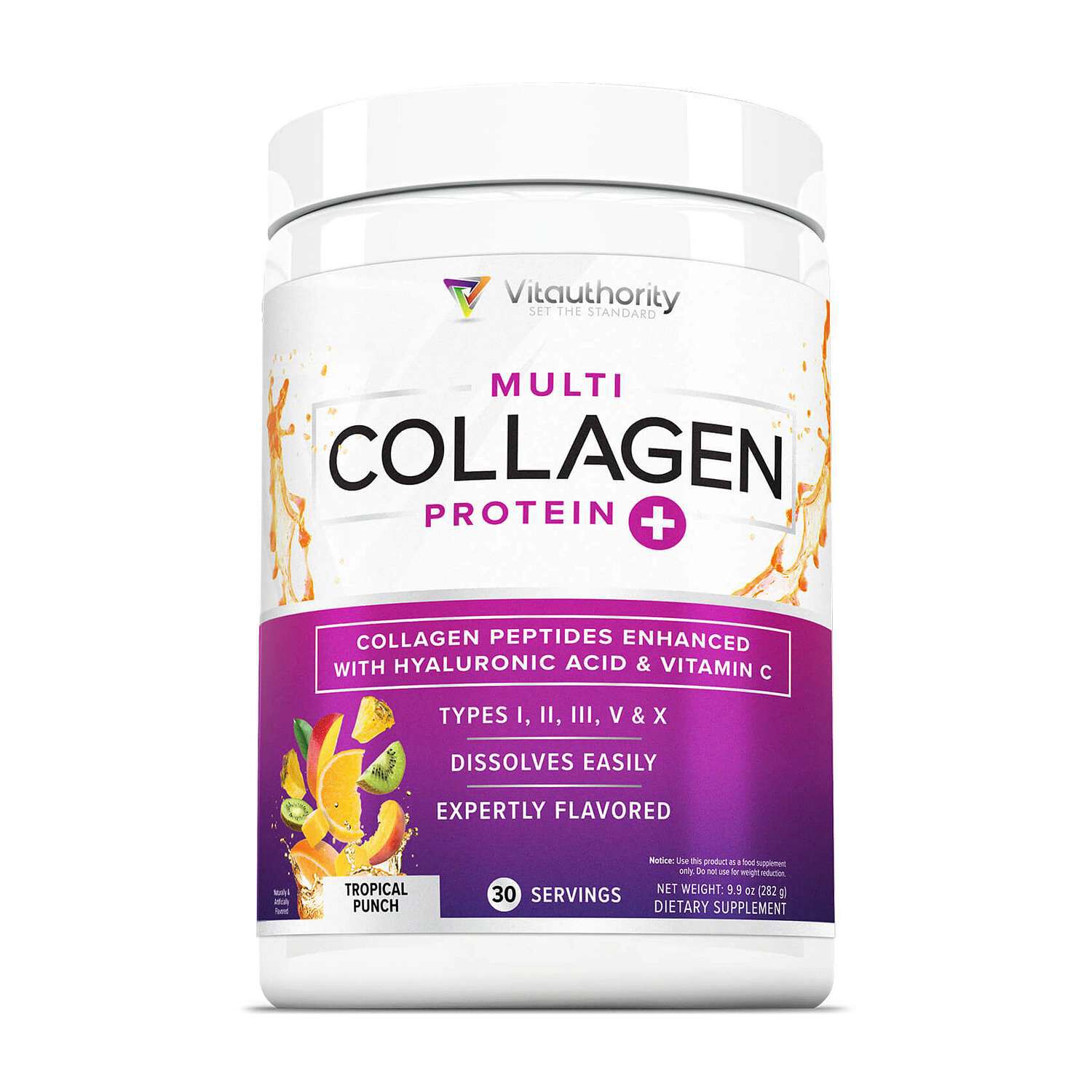
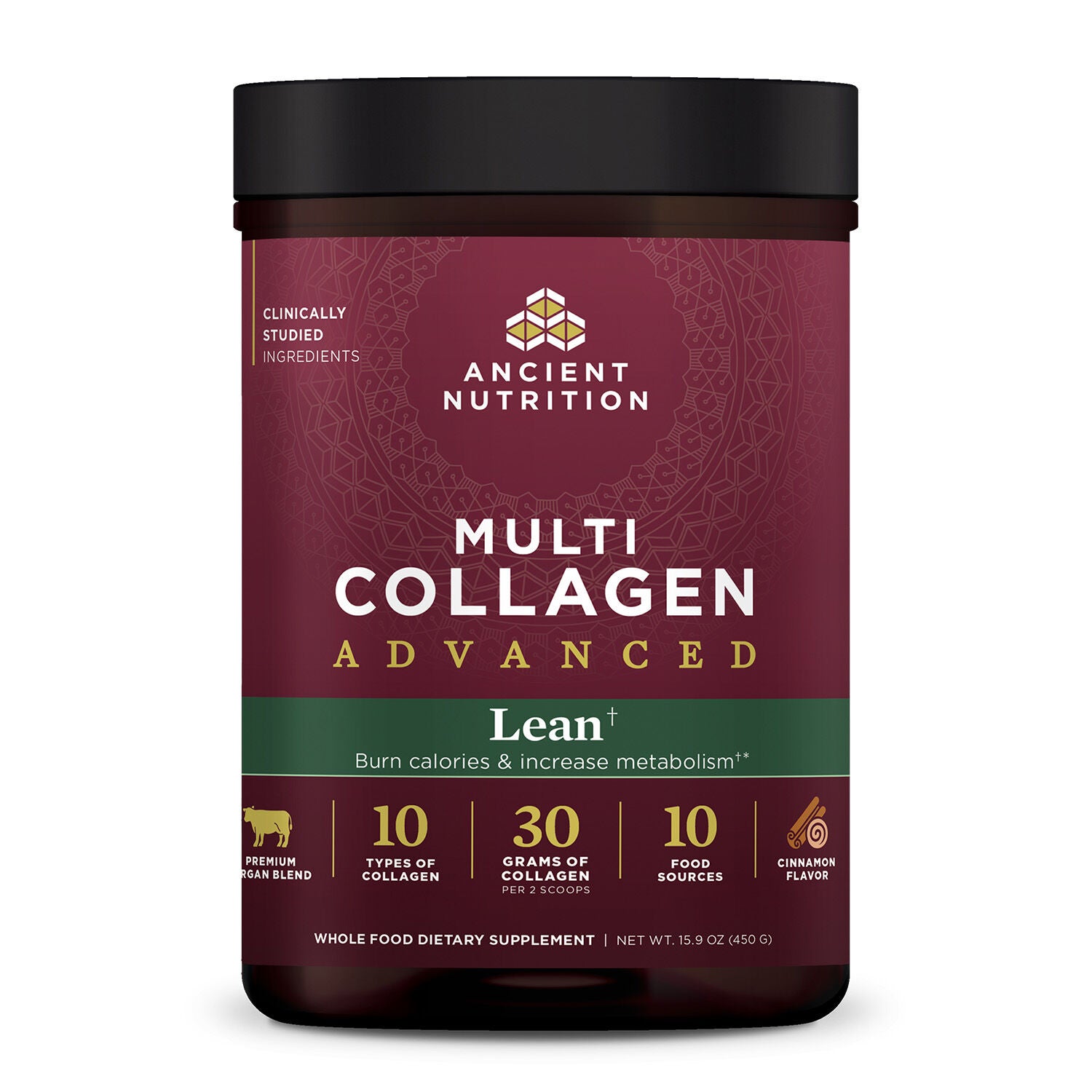
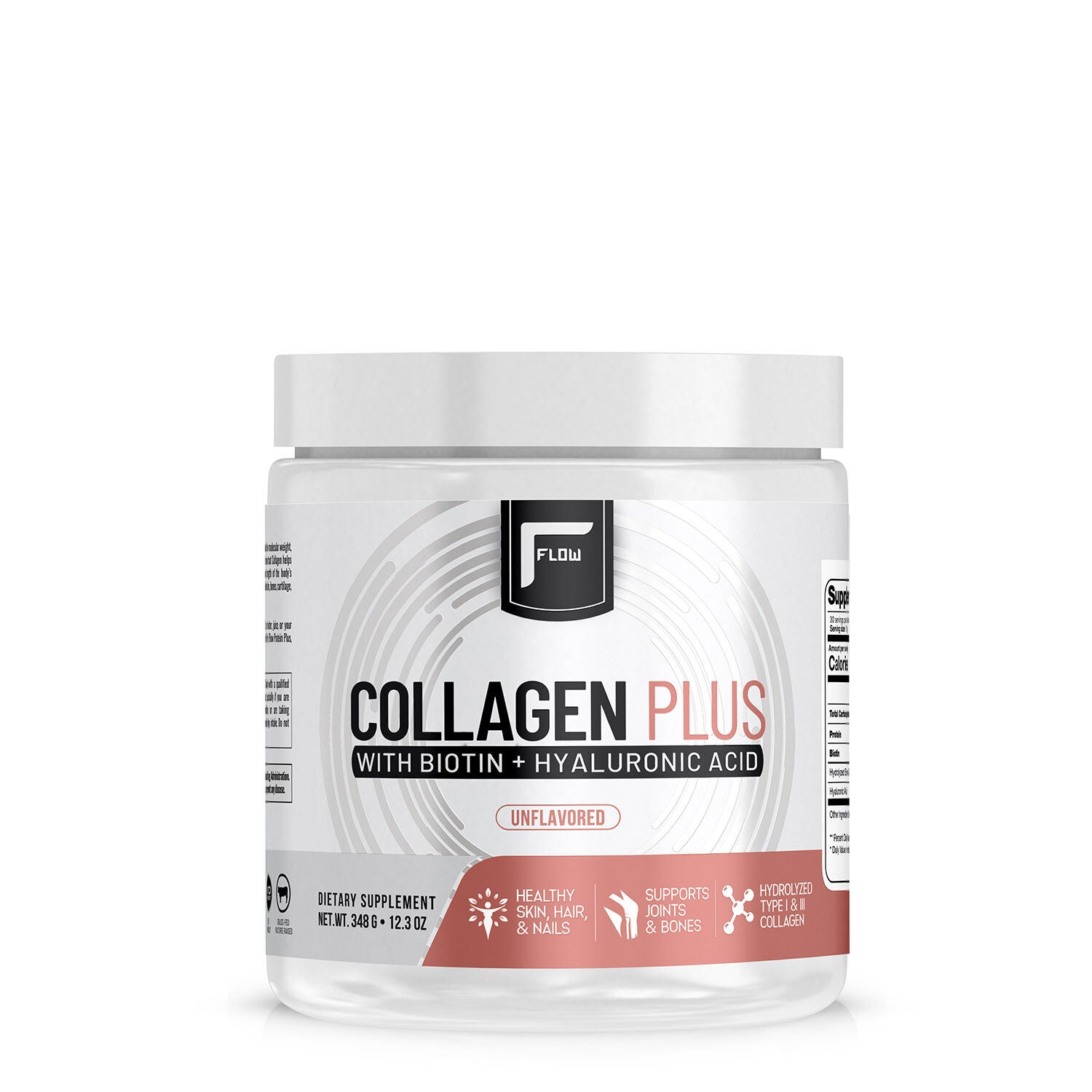
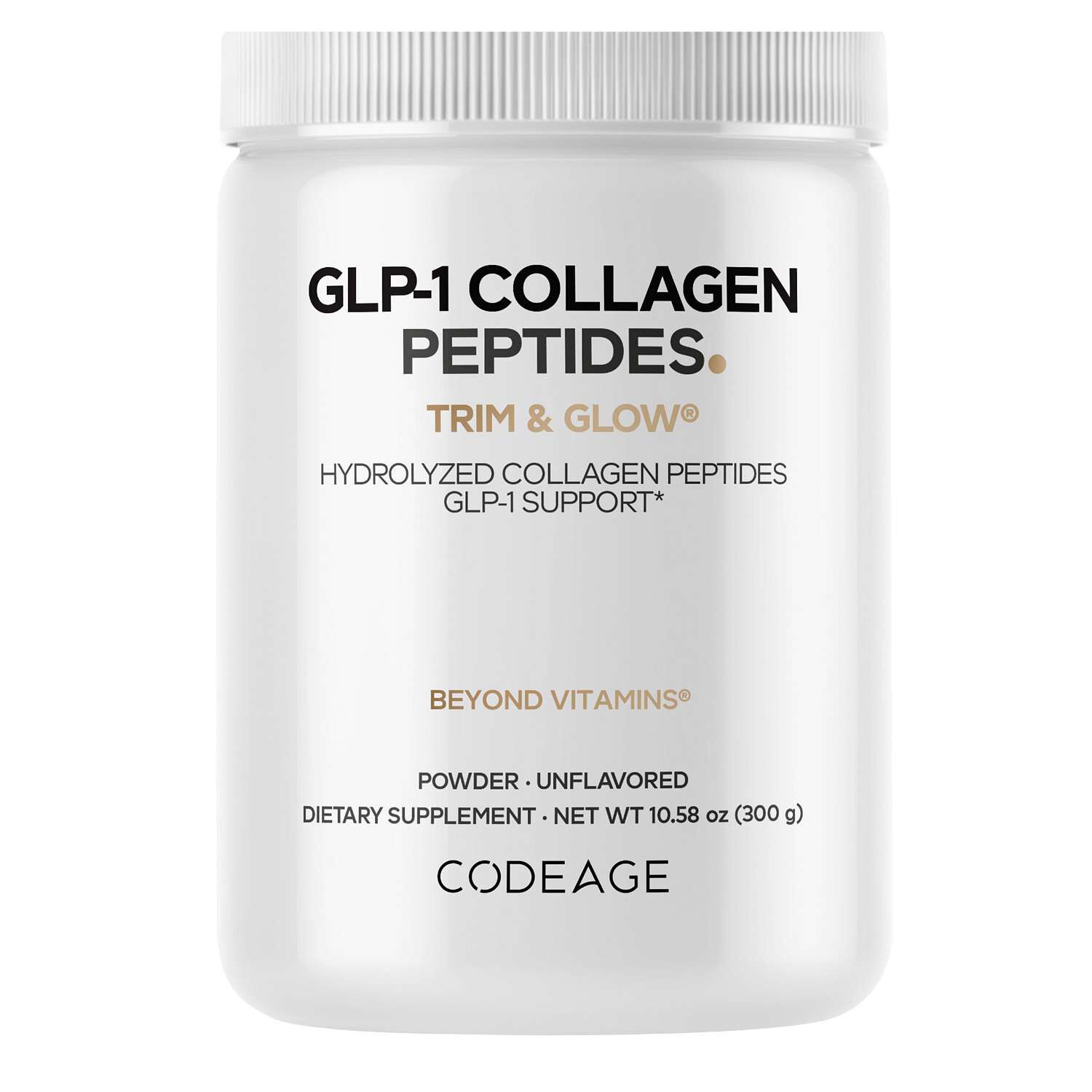
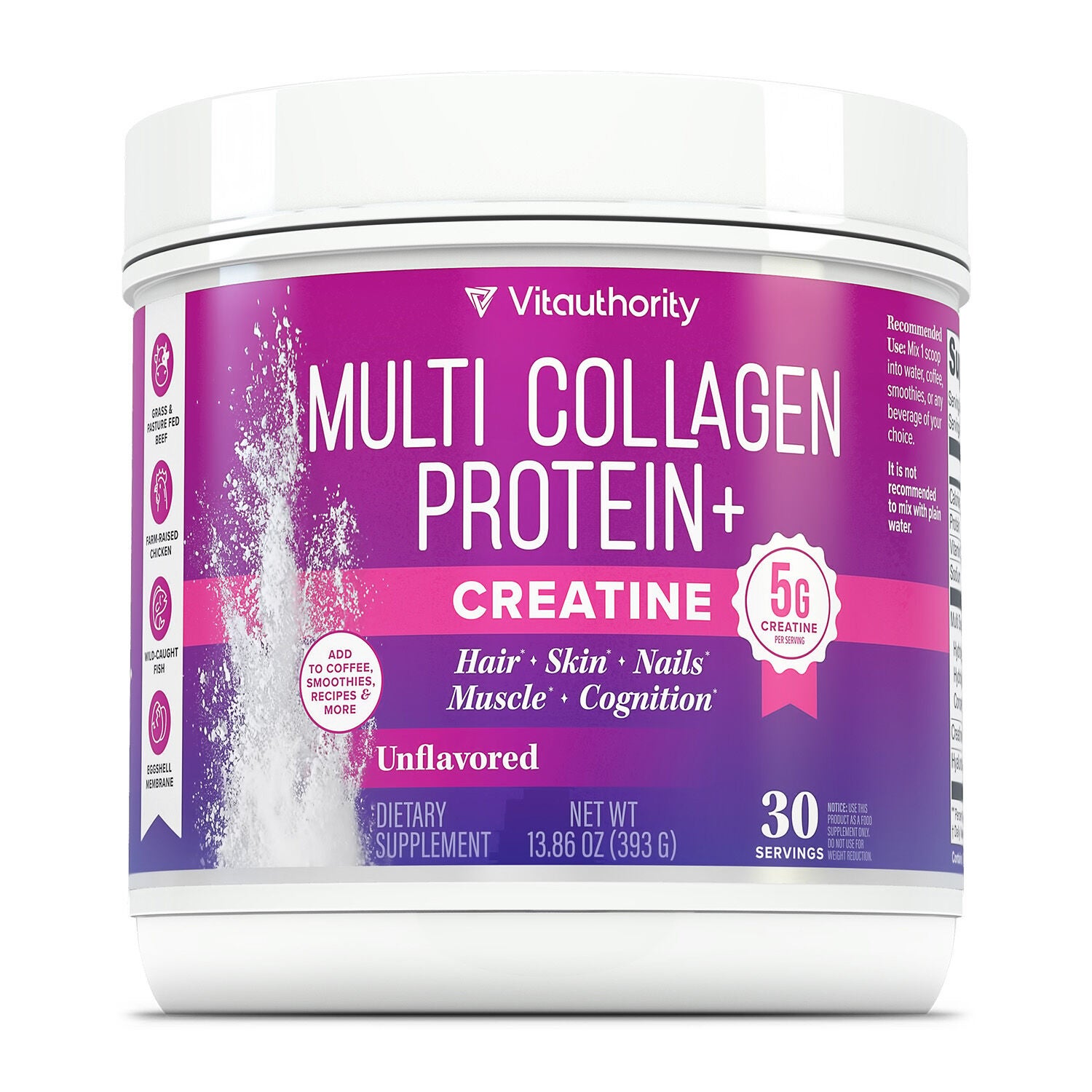
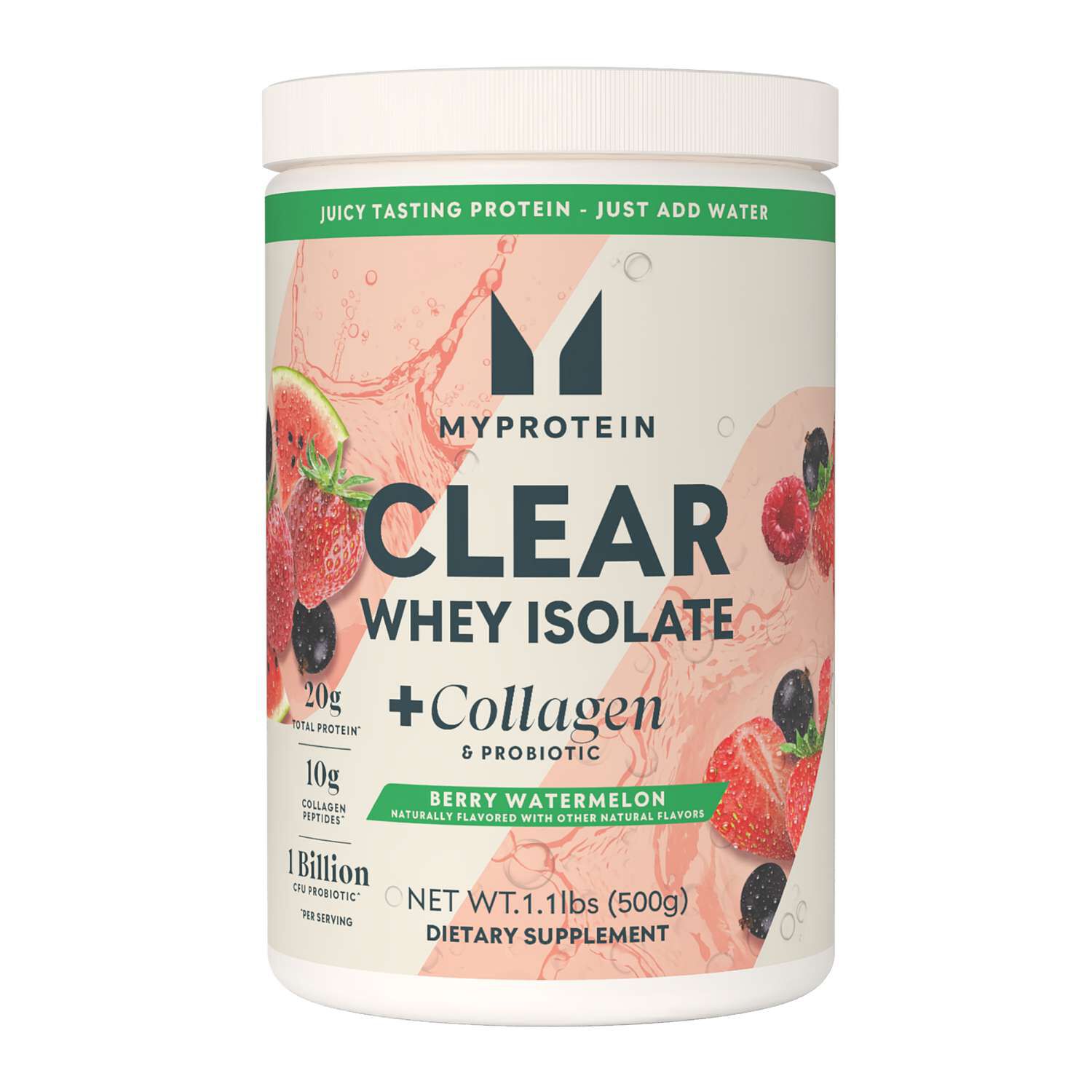
Collagen powders for protein shakes offer a powdered, animal-derived protein ingredient that fits into everything from a simple milk-and-banana blend to a thicker smoothie made with oats and nut butter. Collagen is a structural protein found in animal connective tissue, and powders commonly come from bovine or marine sources. Many formulas contain hydrolyzed collagen, also called collagen peptides, which has been processed into smaller protein fragments. That distinction matters for intended use: collagen peptides are different from gelatin, an ingredient associated with setting and thickening recipes. Hydrolyzed powders are designed for mixing into beverages, though the finished texture may vary with the formula, liquid temperature, and preparation method. Their nutritional role is also worth understanding. Collagen contains amino acids such as glycine, proline, and hydroxyproline, but collagen itself lacks tryptophan and does not have the same amino acid profile as whey, casein, or soy protein. Those proteins contain all nine amino acids that the body must obtain through food. For that reason, collagen and conventional protein powders are not nutritionally interchangeable. A shake containing both has a different composition from one made with collagen alone. Protein grams per serving, serving size, and the ingredient list provide a clearer comparison than the size of a scoop or the appearance of the container. A larger scoop does not necessarily represent more collagen, particularly when a formula includes flavorings or other ingredients. Some powders contain collagen peptides as their only ingredient, while others combine collagen with additional protein sources. The distinction is relevant for someone adding a measured portion to a familiar breakfast shake versus someone looking for a blended formula with several ingredients already included. Collagen contributes protein, but a collagen shake is not automatically a meal replacement; its overall nutritional character depends on the other ingredients in the glass. Milk, yogurt, fruit, oats, and nut butter each bring different components to the recipe, making the finished shake more than a reflection of the powder alone.
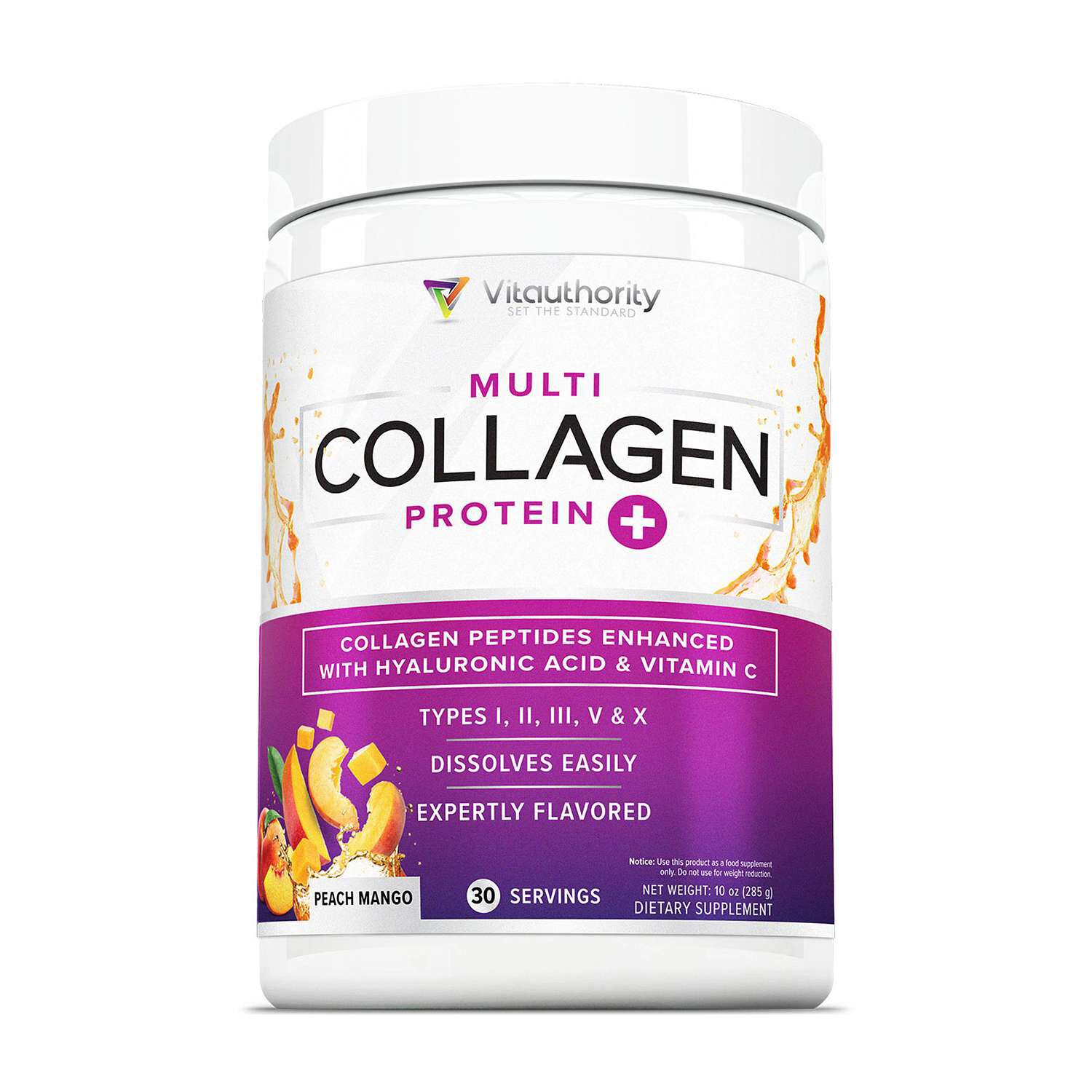
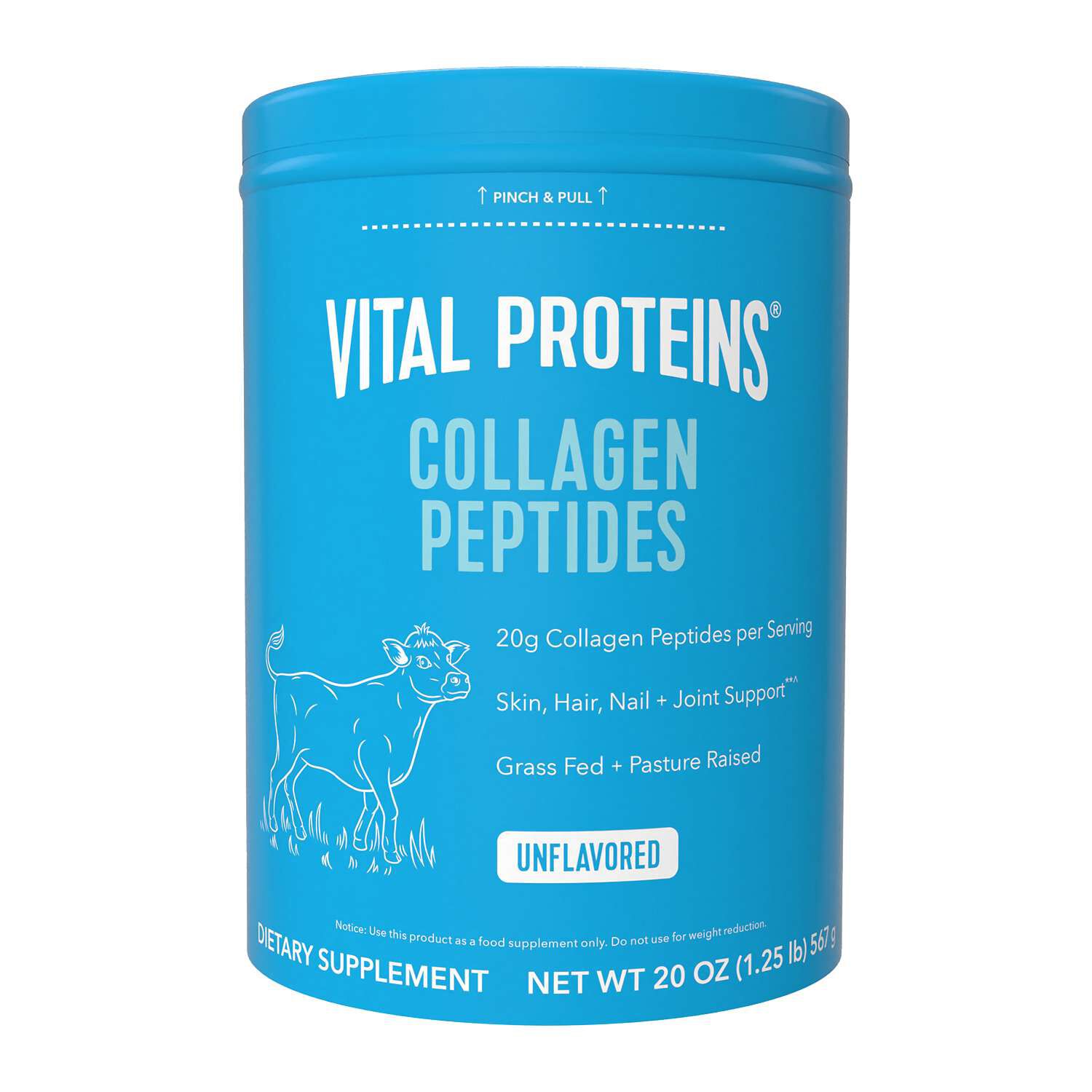
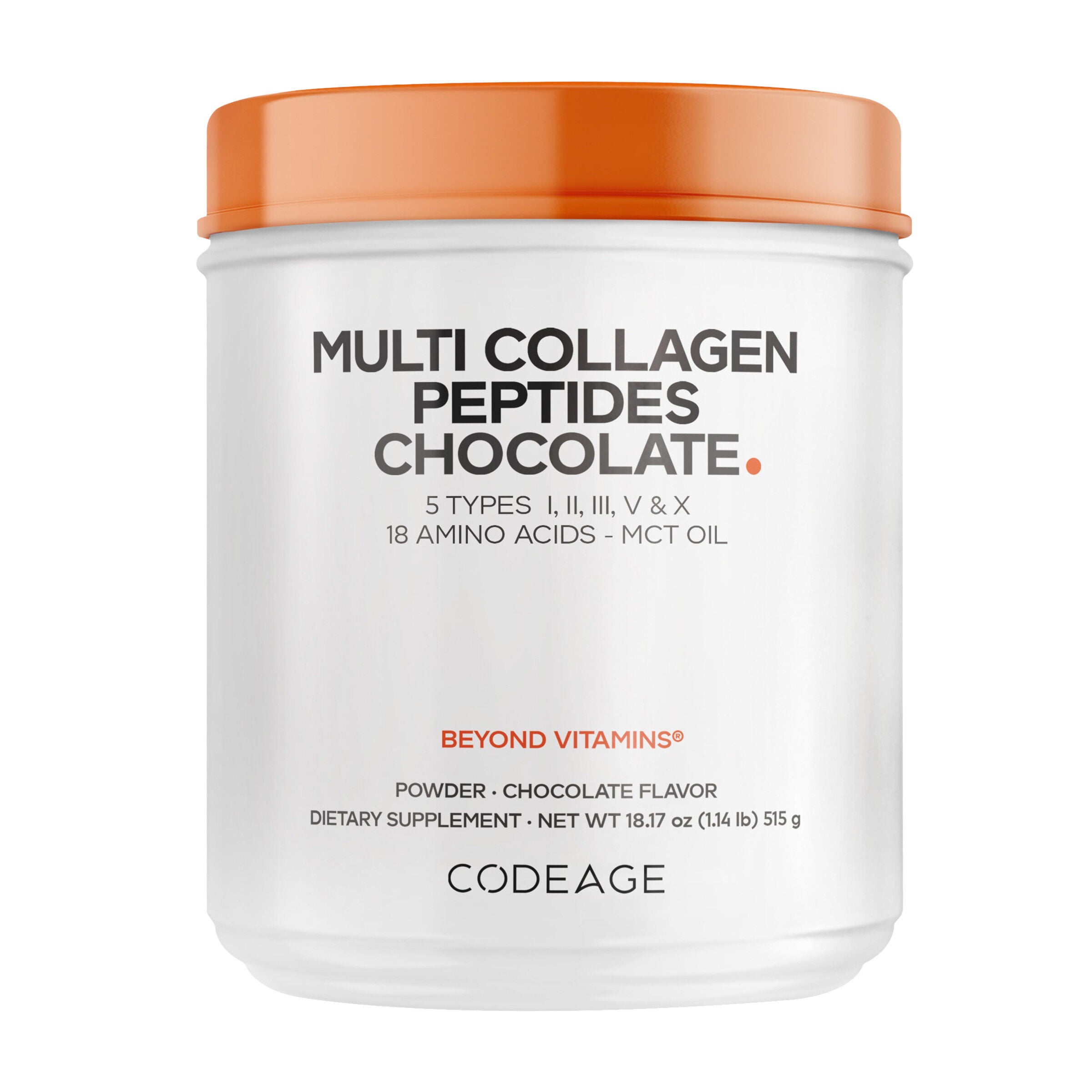
Flavor, texture, and the way a shake fits into an ordinary day are practical considerations when comparing collagen protein powders. Unflavored options are a natural match for people who alternate between berry smoothies, cocoa shakes, and coffee-inspired blends, although unflavored does not necessarily mean undetectable. The source and formulation may lend a subtle taste or aroma, especially in a drink made with water and very few other ingredients. Flavored powders offer another approach, with the powder serving as part of the recipe’s flavor base rather than simply an added ingredient. A vanilla-style blend may pair well with banana and cinnamon, while a chocolate-style blend may suit a richer combination of milk and peanut butter. Sweeteners deserve attention, too: a powder mixed with plain yogurt will have a different flavor balance from the same powder mixed with a sweetened beverage and ripe fruit. Ingredient lists distinguish formulas containing added sugars, alternative sweeteners, gums, or other components that may affect the drinking experience. Mixing performance is similarly specific to the recipe. A shaker bottle, handheld mixer, and countertop blender use different kinds of agitation, and very cold liquid may behave differently from room-temperature liquid. Following the package directions for serving size and preparation provides a consistent starting point. Adding liquid before powder may help limit dry pockets around the bottom of a shaker, while blending may suit recipes containing frozen fruit, oats, or thick nut butter. Even then, no single texture suits every preference. Someone carrying a shake to work may prefer a thinner, pourable drink, while someone enjoying breakfast at home may favor a spoonable blend with a little more body. During cooler weather, cinnamon, cocoa, and nut butter offer familiar flavor combinations without requiring a different approach to the powder itself. The most useful comparison is between formulas intended for the same preparation style, rather than between a lightly flavored drink mix and a dense smoothie recipe with several additions.
Source information, dietary preferences, and packaging add another layer to choosing collagen powders for shakes. Because collagen is animal-derived, conventional collagen powders do not fit vegetarian or vegan eating patterns. Bovine collagen comes from cattle, while marine collagen commonly comes from fish; the specific source and allergen statement on the package matter more than broad imagery or flavor names. Mixed formulas may also contain milk, soy, or other ingredients that deserve consideration for the person drinking the shake. A short ingredient list can make a straightforward powder easier to evaluate, but a longer list is not automatically less suitable when the additional ingredients serve a desired purpose, such as flavor or a second protein source. For a different formulation approach, Collagen Fiber Powders bring another ingredient category into the comparison; their serving directions and nutrition information warrant the same attention as any other shake powder. Package format matters in everyday use as well. A resealable container suits a regular kitchen-counter routine, while individually portioned packets may be convenient for a desk drawer, overnight bag, or visit with family. Neither format changes the importance of checking the labeled serving amount. Powder weight and scoop volume are different measurements, so the directions on one container should not be assumed to apply to another. Storage is generally a matter of keeping the package tightly closed in a cool, dry location and following any additional label instructions. A clean, dry scoop may help keep moisture out of the remaining powder, and the printed date provides a reference for product use. Prepared shakes call for separate care: a drink containing milk, yogurt, or other perishable ingredients belongs under appropriate refrigeration rather than sitting in a gym bag or warm car. For someone who already enjoys a morning smoothie or an afternoon shake, collagen powder may fit an established routine without requiring an elaborate recipe. A familiar liquid base, a flavor that works with usual ingredients, and clearly understood serving information offer a practical basis for choosing among these powders.
Best Sellers
-
Ancient Nutrition
-
Vital Proteins
Related Pages
Top Collections
- Daily Collagen Supplements | Top Brands & Deals | GNC
- Natural Collagen Supplements | Top Brands & Deals | GNC
- Top Rated Collagen | Shop Customer Favorites | GNC
- Cortisol Supplements
- Vitamins For Hair Loss
- Spirulina Tablets
- NAD+ Supplement Tablets
- Peptide Supplements
- Best Brand of Magnesium Glycinate
- Vitamins That Help Support Weight Gain