





Collagen And Protein Powder
(0 Results)
Shop collagen and protein powder for your nutrition routine, comparing options by protein source, ingredients, and protein per serving. Check each product’s label for serving size, preparation directions, and dietary information to help find a powder that fits your preferences.
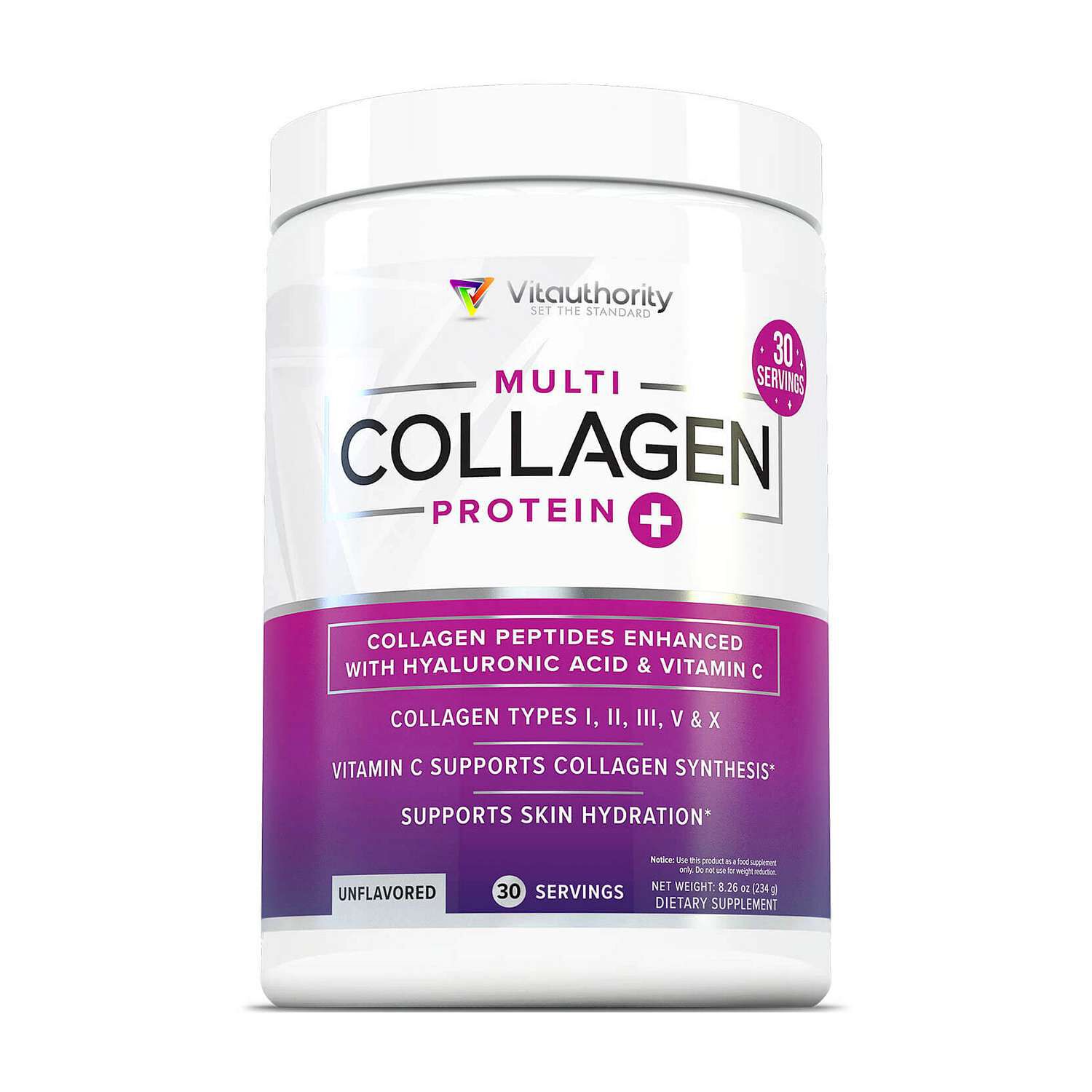
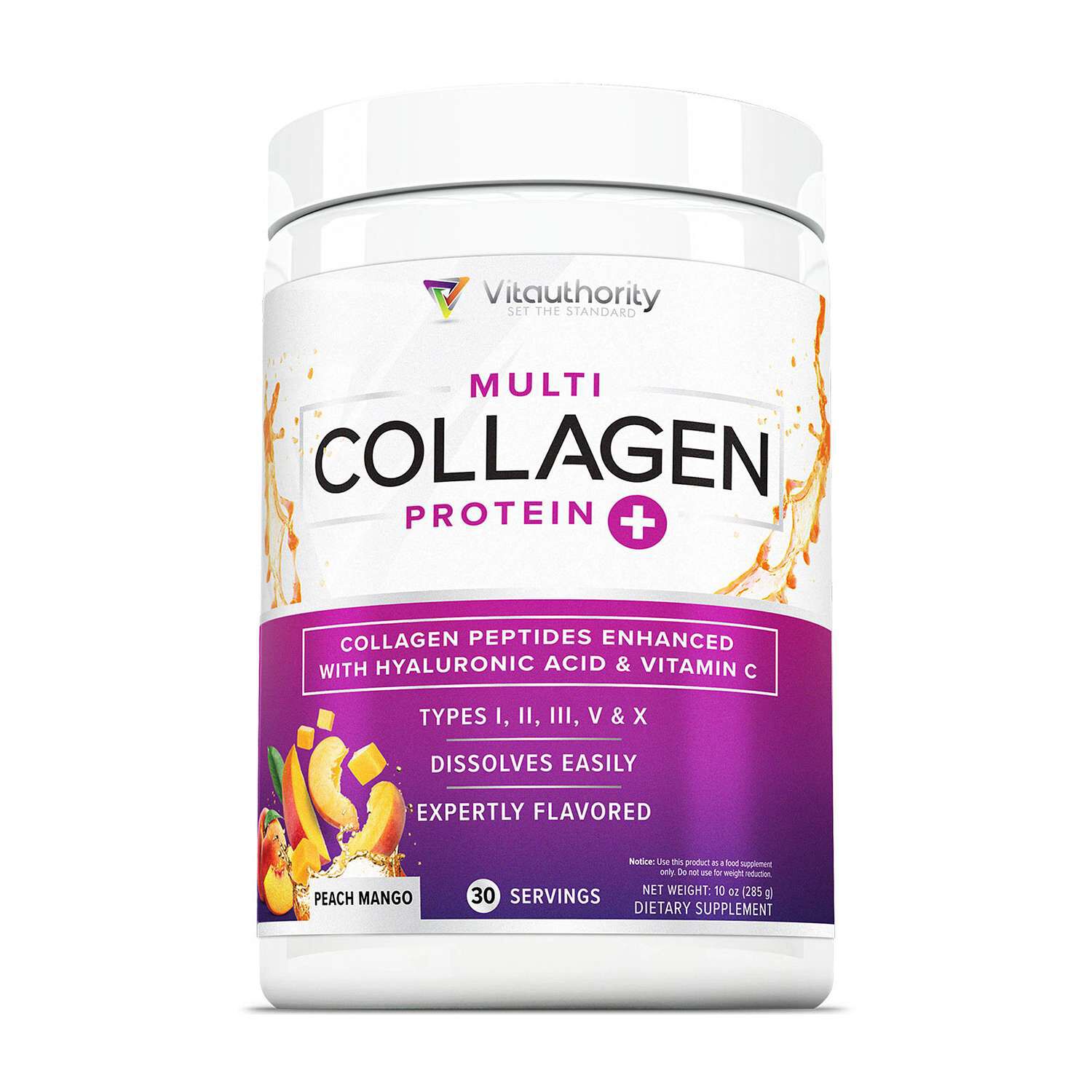
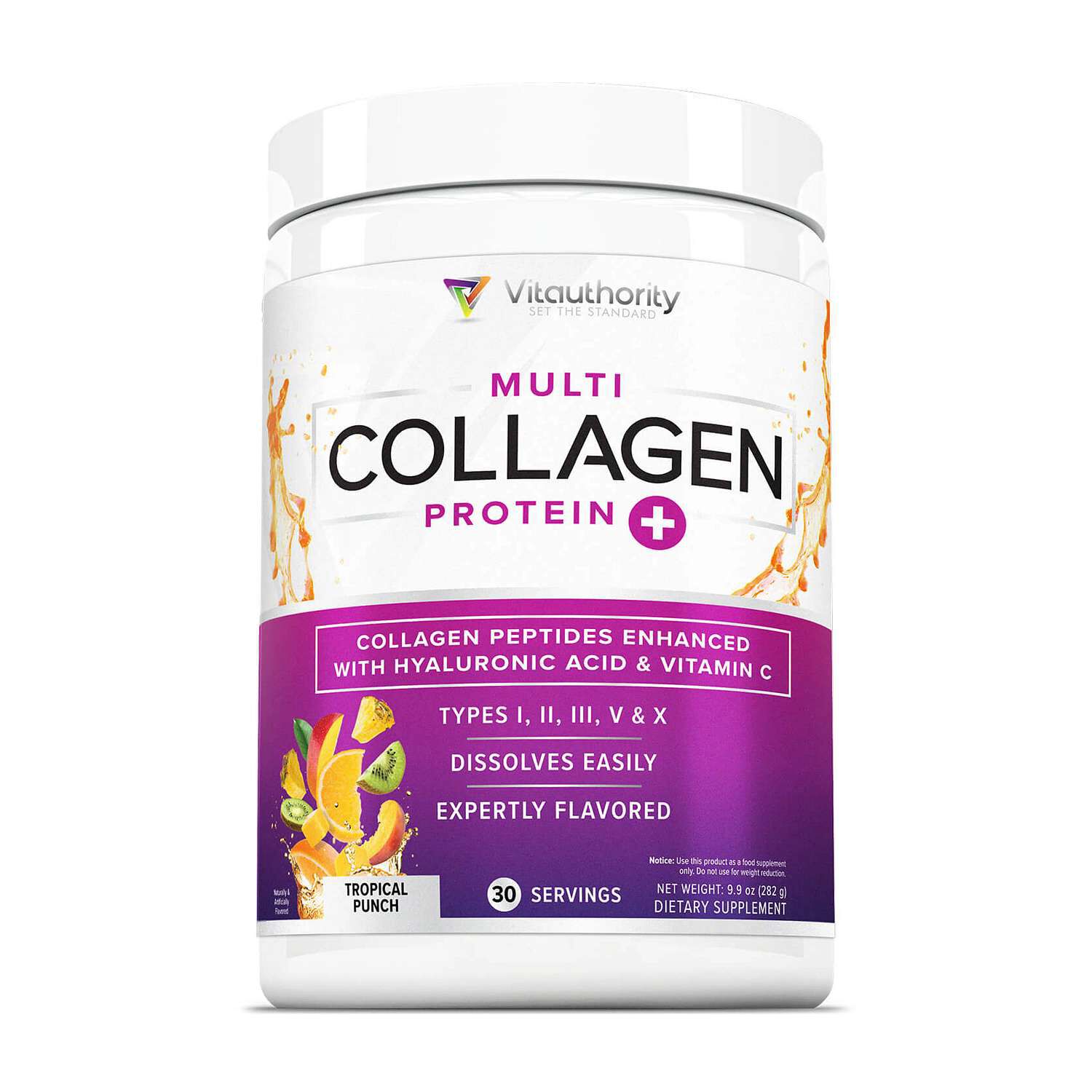


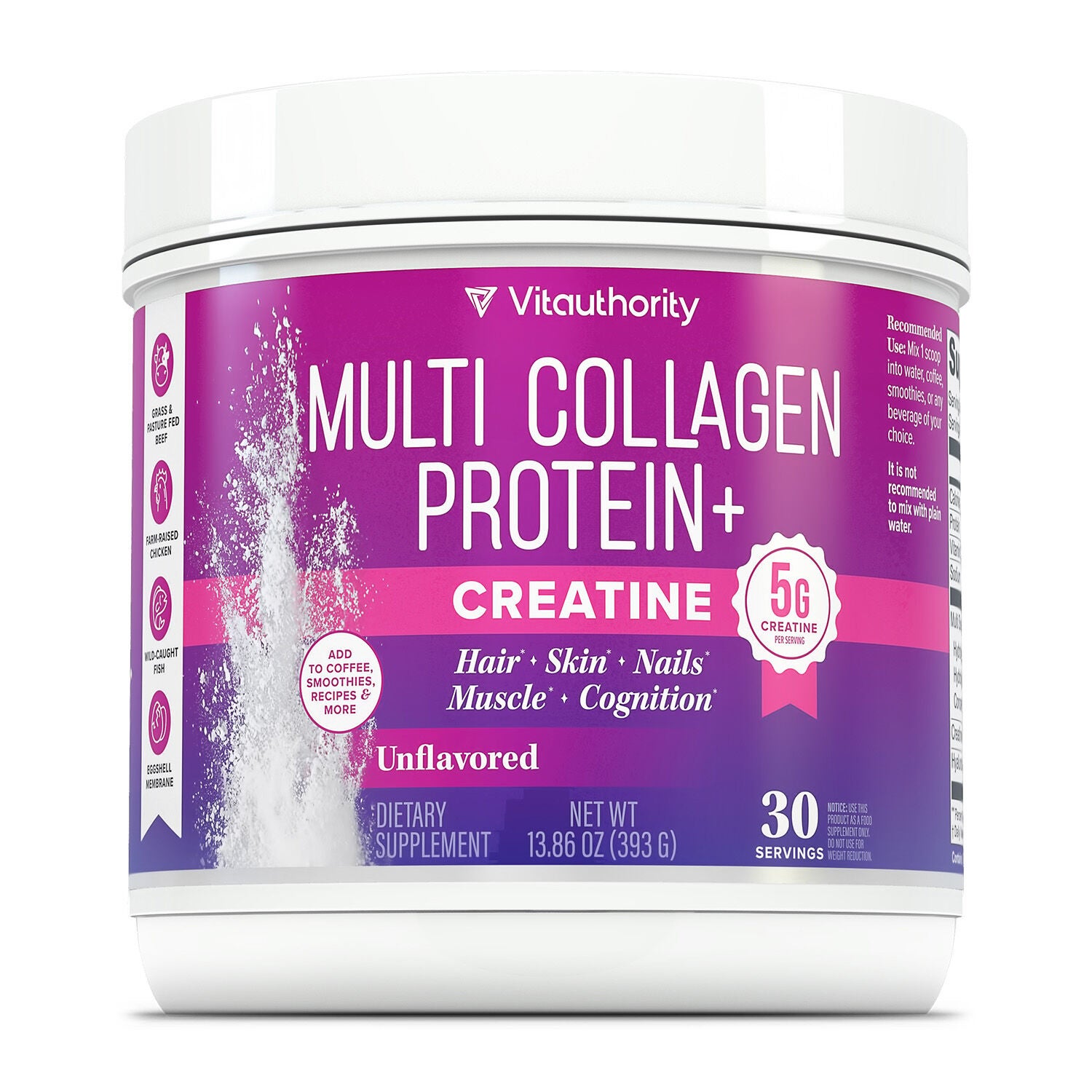
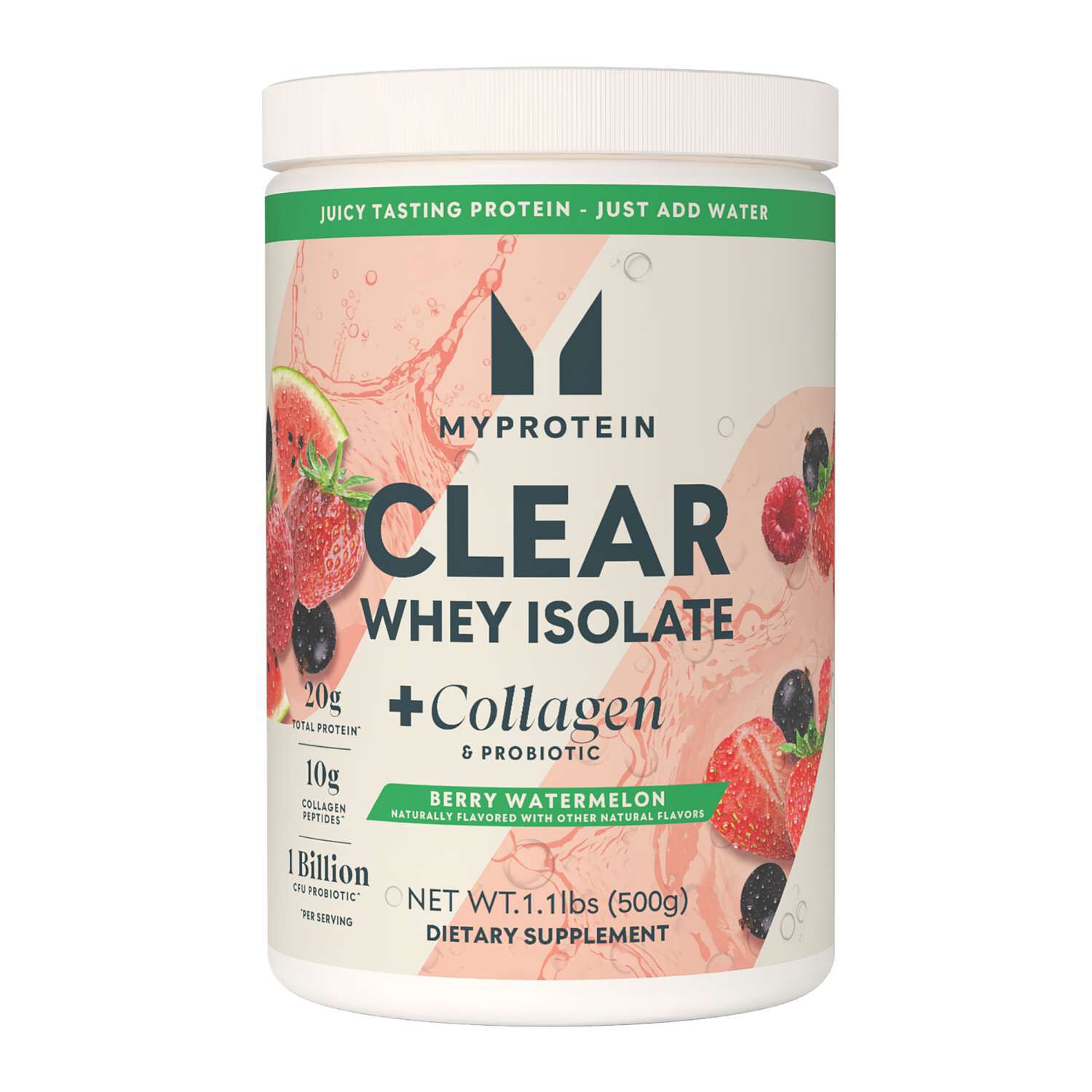
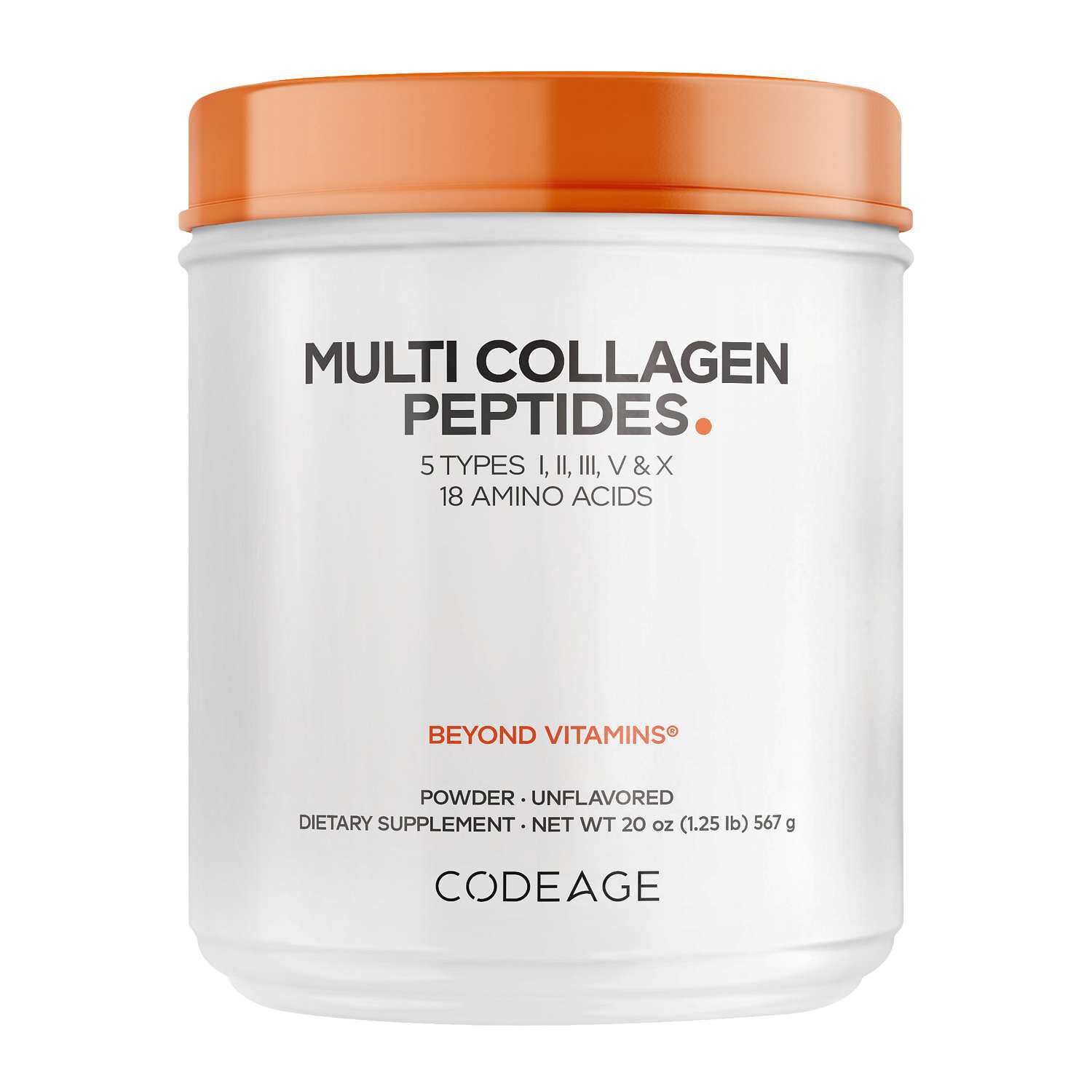
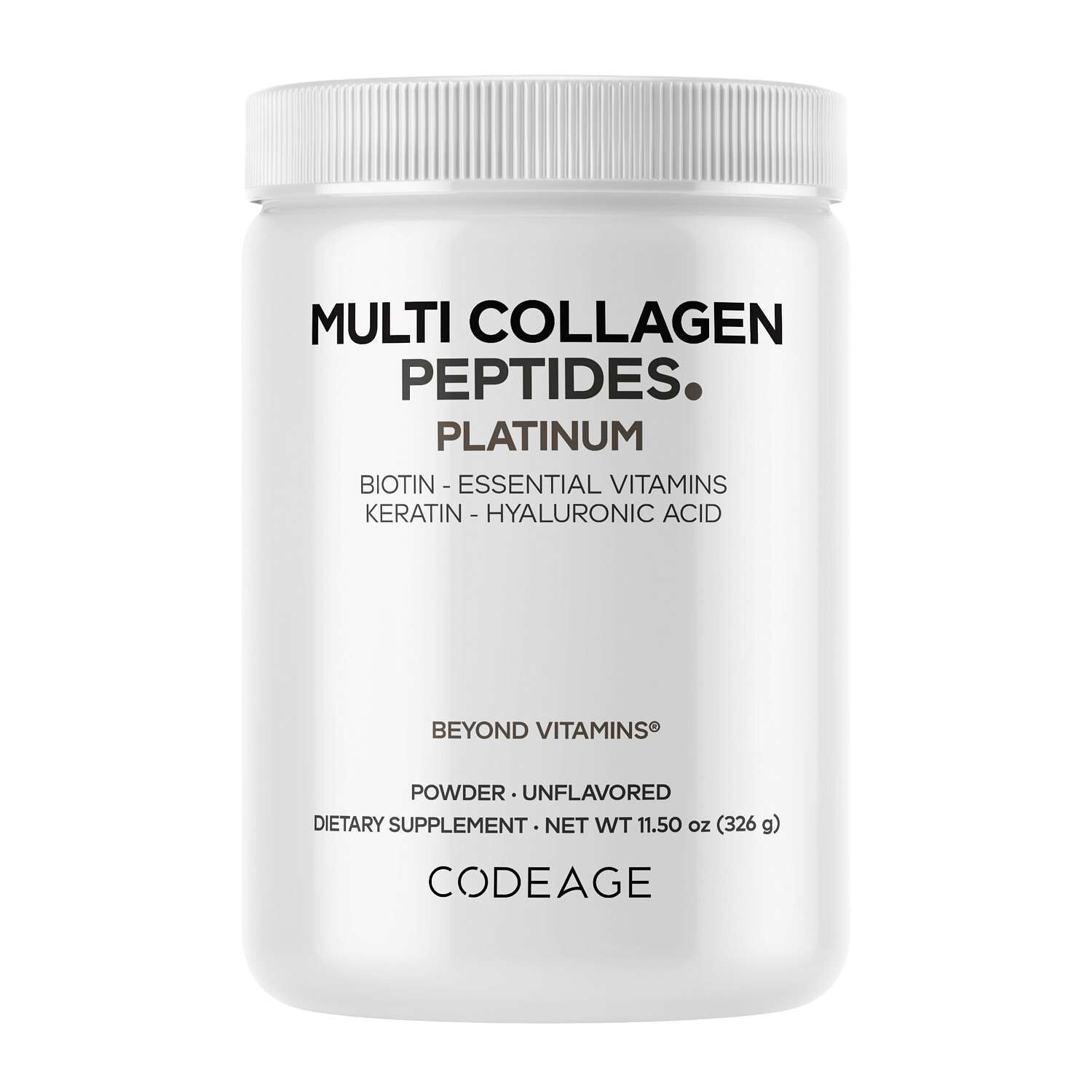
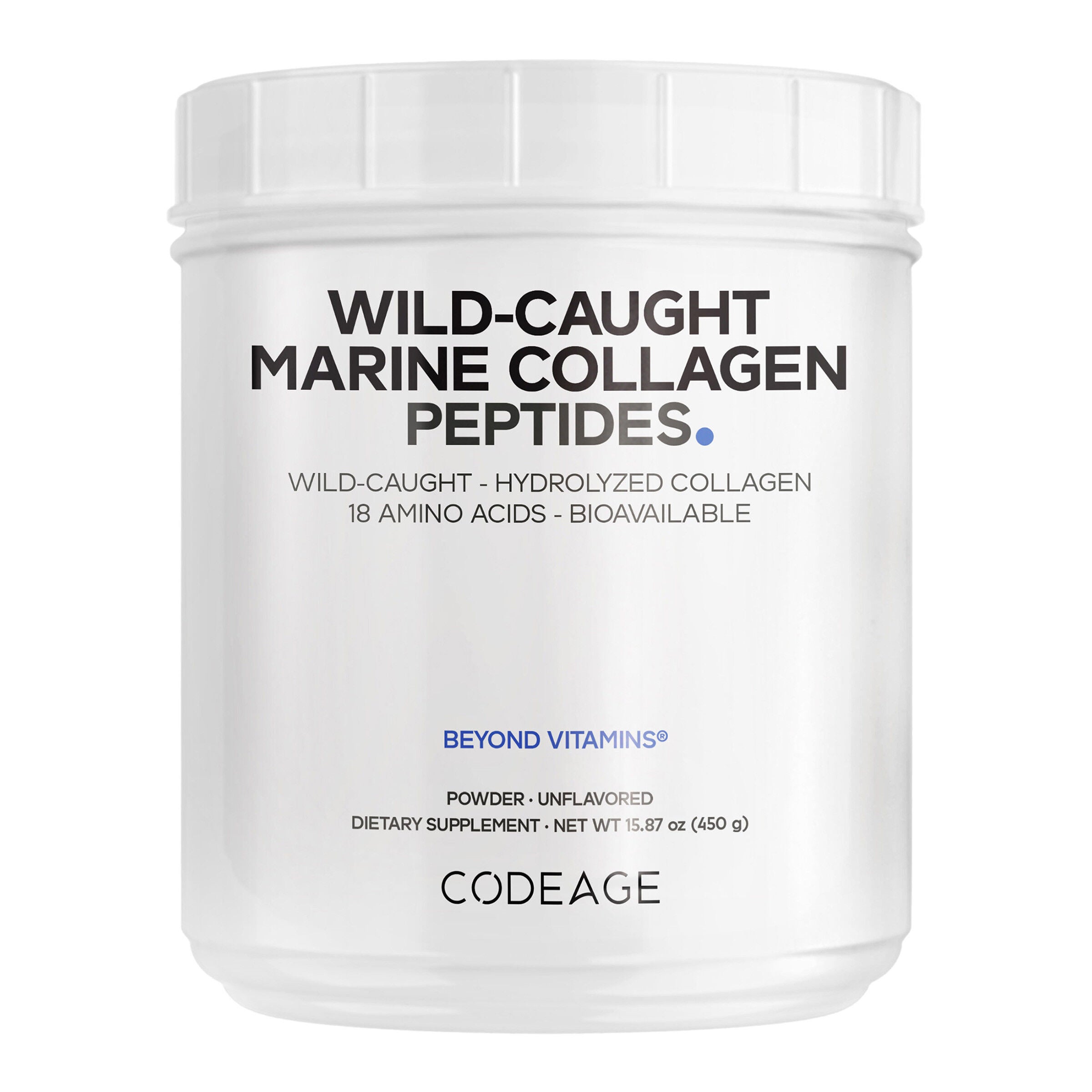

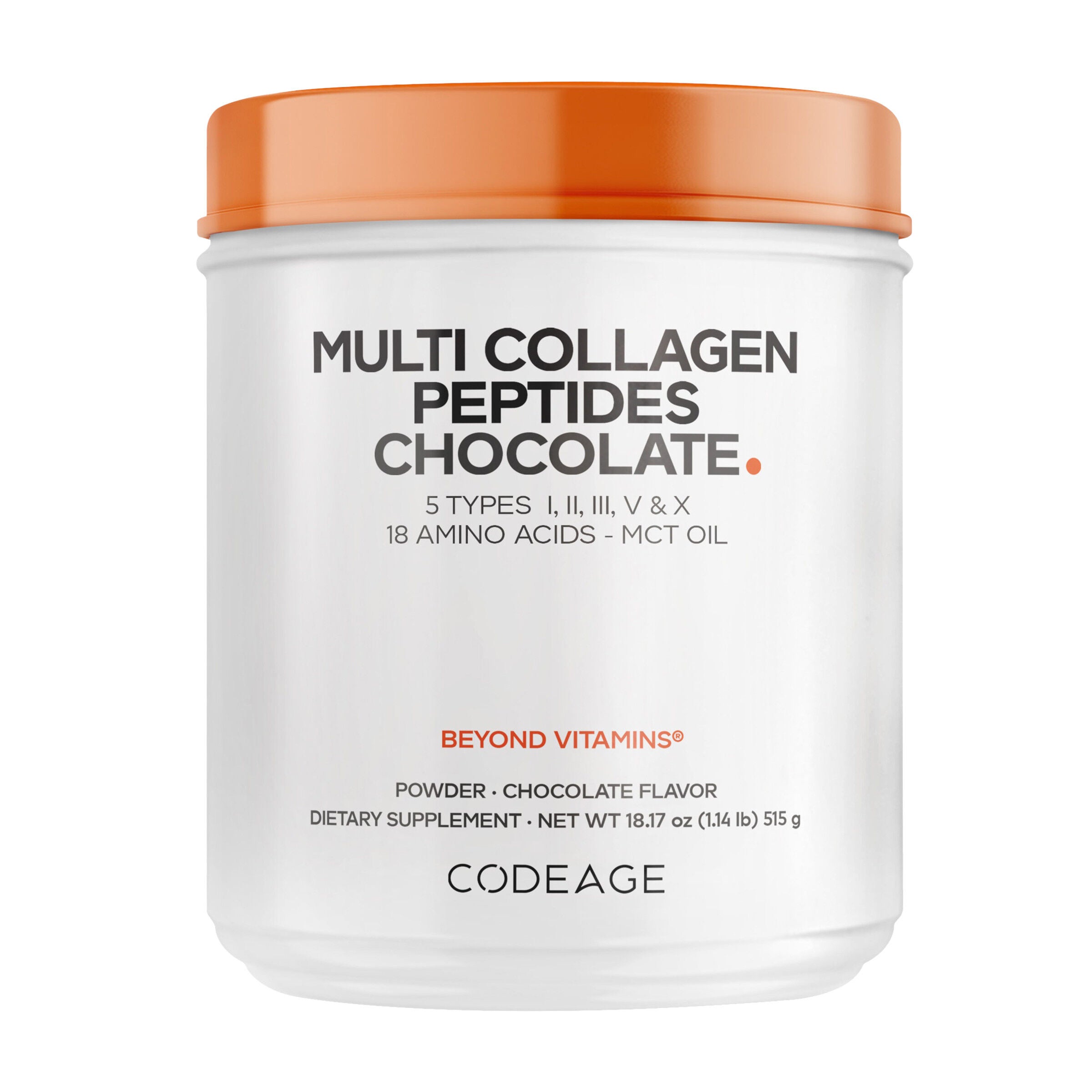

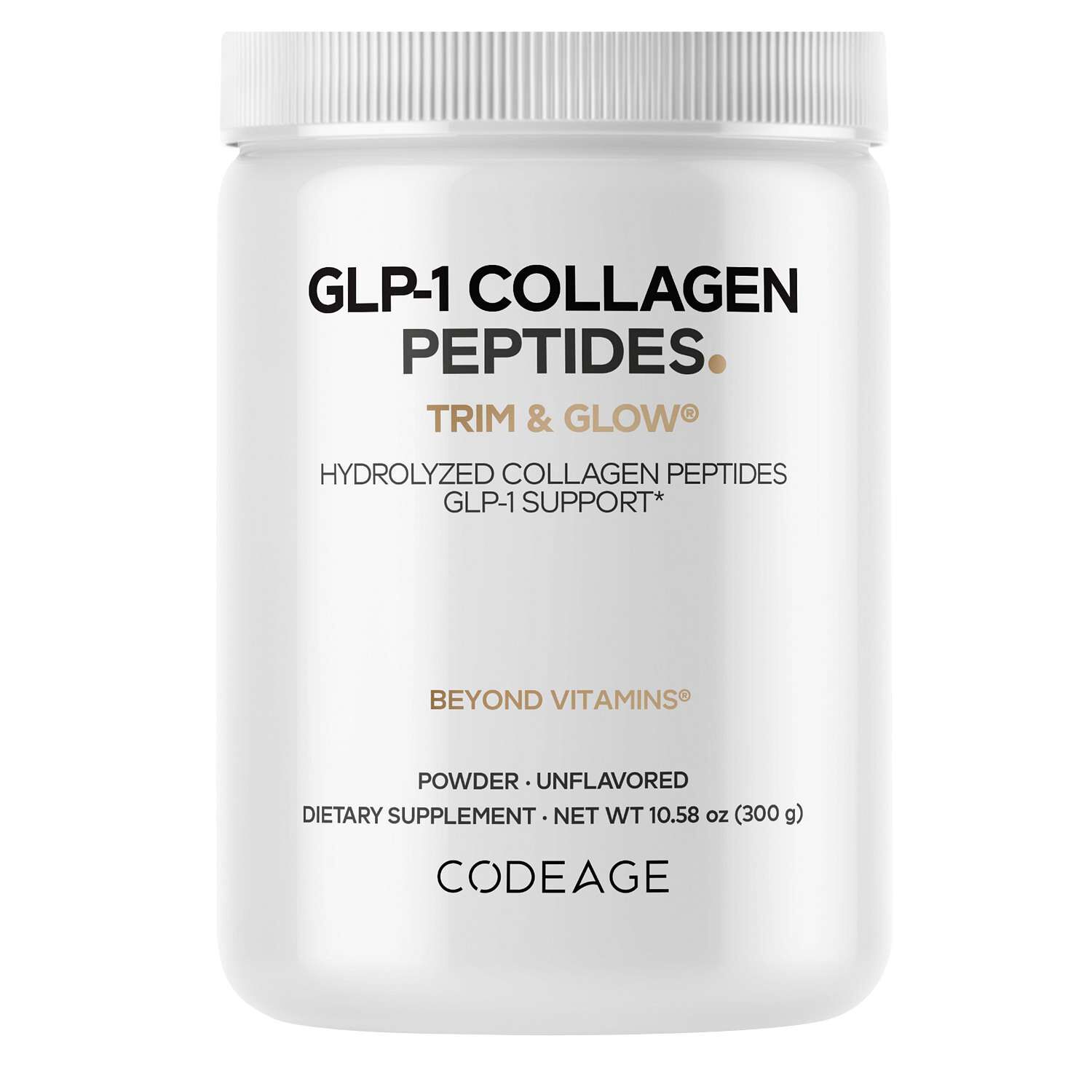
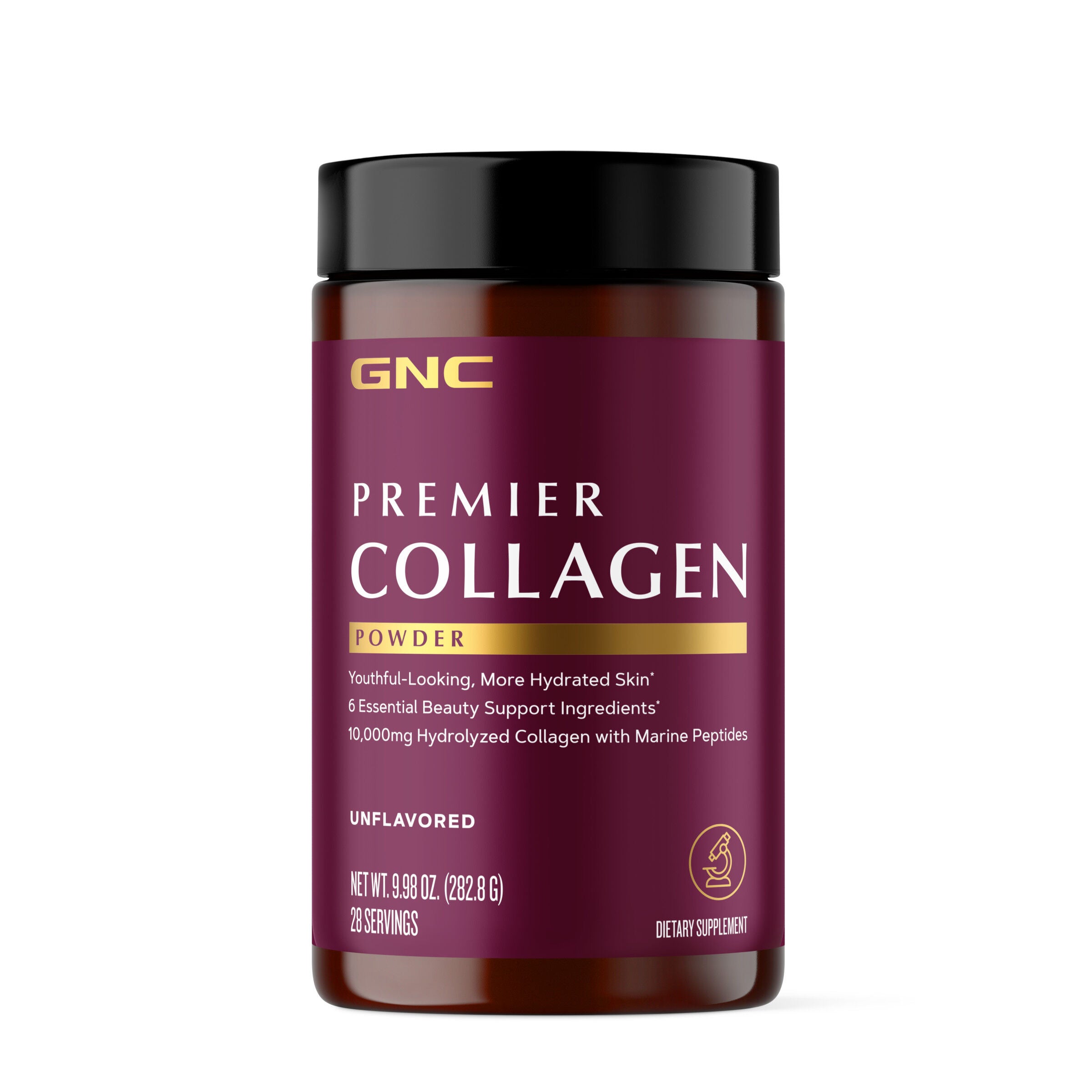

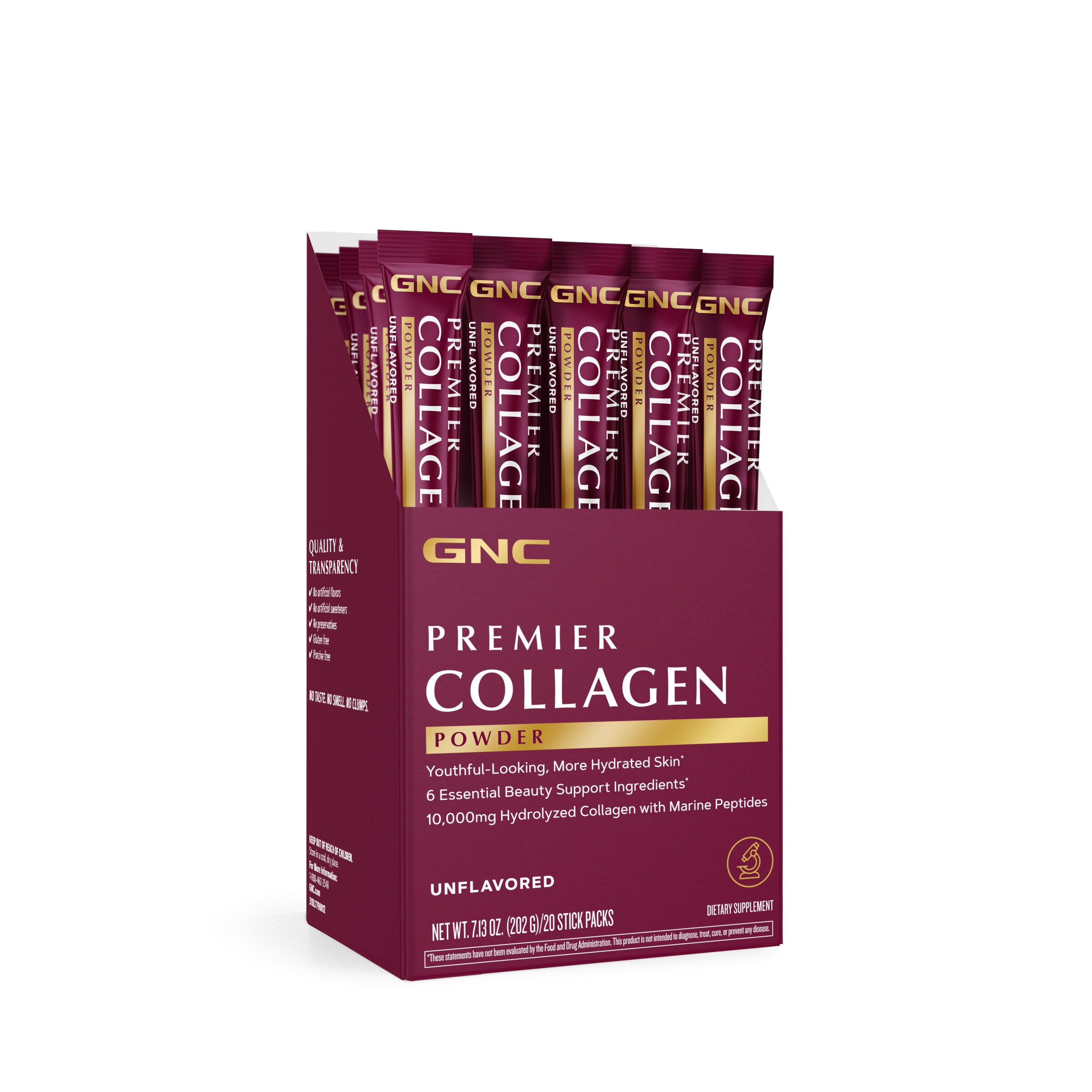
Collagen powder and other protein powders differ mainly in their sources and amino acid profiles, even when they look similar in a scoop. Collagen is a structural protein found in animal connective tissue, including skin and tendons. Collagen supplements typically come from bovine, porcine, or marine sources and contain substantial proportions of amino acids such as glycine and proline. Whey and casein come from milk, while plant-based protein powders use ingredients such as soy, peas, rice, or combinations of plant proteins. Whey, casein, and soy contain all nine amino acids that the body cannot make on its own. Collagen lacks tryptophan, one of those nine, so its nutritional role differs from that of these other protein sources. Plant proteins also vary in their amino acid proportions, which is one reason some powders combine more than one source. These distinctions matter more than whether a container simply says “protein” on the front. For adults looking to supplement protein from meals, a whey, casein, soy, or appropriately formulated plant blend may help meet that goal. Collagen may contribute additional protein, but it is not a direct nutritional substitute for every other protein powder. A person choosing something for an exercise-day shake may prioritize the amino acid profile and grams of protein per serving, while someone adding collagen to a familiar breakfast may focus on its source, flavor, and preparation directions. Neither choice needs to rest on an assumption that every powder serves the same purpose. The nutrition panel, ingredient list, and stated serving size offer a more useful comparison than scoop size alone. A scoop is a measuring tool, not a standard amount of protein across different formulas. Looking at those details together gives collagen and protein powder a clearer place among everyday foods, whether the intended use is a blended breakfast, an afternoon drink, or supplemental nutrition around an active routine.
Collagen powder and a whey, casein, or plant-based protein powder may be combined in the same shake when that preparation fits the directions on both labels. The combination brings together their respective protein sources; it does not make the differences between them disappear. Both serving sizes still count, along with any protein, sugars, or other nutrients from milk, yogurt, or additional ingredients. A banana-and-oat smoothie, for example, already has a different texture and nutrient composition from a powder mixed with water. Plain yogurt, nut butter, fruit, and oats each add their own character, so the powder is only one part of the finished drink. For shoppers considering a combination, Collagen Powders For Protein Shakes offers a focused category to explore alongside familiar shake ingredients. Flavor is a practical starting point: an unflavored powder may suit several recipes, but unflavored does not necessarily mean tasteless. A lightly flavored base may leave more room for berries or cocoa, while two strongly flavored powders could compete with one another. Texture deserves equal attention. Hydrolyzed collagen, also called collagen peptides, has been processed into smaller protein fragments and may disperse differently from a milk-based or plant-based powder. Depending on the formula, a shaker bottle may be sufficient for a simple drink, while a blender may produce a smoother mixture with oats, frozen fruit, or nut butter. Adding liquid before powder, when consistent with package directions, may help limit dry pockets around the bottom of a shaker. Thick mixtures may need more liquid than a serving prepared with water alone. Collagen peptides also are not interchangeable with gelatin in recipes that depend on setting or gelling. For oatmeal, yogurt bowls, or baked foods, preparation instructions matter because different powders may change moisture, texture, and flavor in different ways. A smaller recipe portion offers a practical way to assess the result before preparing a larger batch.
Choosing between collagen and protein powder also involves the dietary details that are easy to overlook when comparing flavor names. Animal source matters for collagen, especially for someone who avoids beef, pork, or fish. Milk-derived powders are not vegan, and collagen from animal sources is not a plant-based ingredient. Whey concentrate and whey isolate differ in composition, including their typical lactose content, but the label remains the reference for the particular formula. Milk, soy, fish, and other allergen information deserve attention on both the ingredient list and the allergen statement. A plant-based description alone does not explain every ingredient or the manufacturing environment. Beyond the protein source, formulas may include sweeteners, flavorings, gums, cocoa, or other ingredients that influence personal preference and preparation. Someone who likes a thinner drink for a commute may choose differently from someone who prefers a spoonable smoothie bowl at home. A strongly sweetened powder may be less suited to an already sweet fruit blend, while a simpler flavor may leave more room for recipe changes. Practical packaging details matter as well: serving count, scoop storage, closure design, and the space a container occupies in a cupboard all affect everyday handling. For a shared kitchen, a clearly labeled container and a dedicated scoop may make preparation more straightforward. Follow the storage directions, keep the container closed between uses, and use a clean, dry scoop rather than one just rinsed at the sink. A cupboard away from cooking steam is a sensible location when it matches the label’s instructions. Date markings and directions for opened containers are more useful than assuming every powder has the same storage life. The right fit ultimately depends on the protein source, amino acid profile, dietary preferences, preparation method, and intended use. Those details distinguish a powder suited to a simple shaker drink from one intended for a favorite breakfast recipe, without treating collagen and every other protein powder as interchangeable.
- Q: What is the difference between collagen powder and other protein powders?
A: Collagen powder contains protein derived from animal collagen. Other protein powders use sources such as whey, casein, egg, soy, pea, or rice. Their amino acid profiles differ, and some blends combine collagen with another protein source. - Q: What do collagen peptides and hydrolyzed collagen mean?
A: Collagen peptides and hydrolyzed collagen commonly refer to collagen processed into smaller protein fragments. These terms describe the form of the collagen rather than its flavor or animal source. - Q: How can you use collagen and protein powders in recipes?
A: Collagen and protein powders may work in smoothies, oatmeal, yogurt, or pancake batter, depending on the formula. Mixing the powder with a little liquid before adding other ingredients may help limit clumps. Follow the package's preparation directions. - Q: How do flavored and unflavored collagen and protein powders differ?
A: Flavored powders typically include ingredients such as cocoa, vanilla flavoring, or sweeteners. Unflavored powders do not have an added flavor profile, though they may still have a noticeable taste from their protein source. Consider the other ingredients in your drink or recipe when choosing a flavor. - Q: What information should you compare on collagen and protein powder labels?
A: Compare the protein source, ingredient list, flavor, and sweeteners. For collagen powders, look for source descriptions such as bovine, marine, or poultry. For blended powders, review which proteins are included and how they appear in the ingredient list.
Best Sellers
-
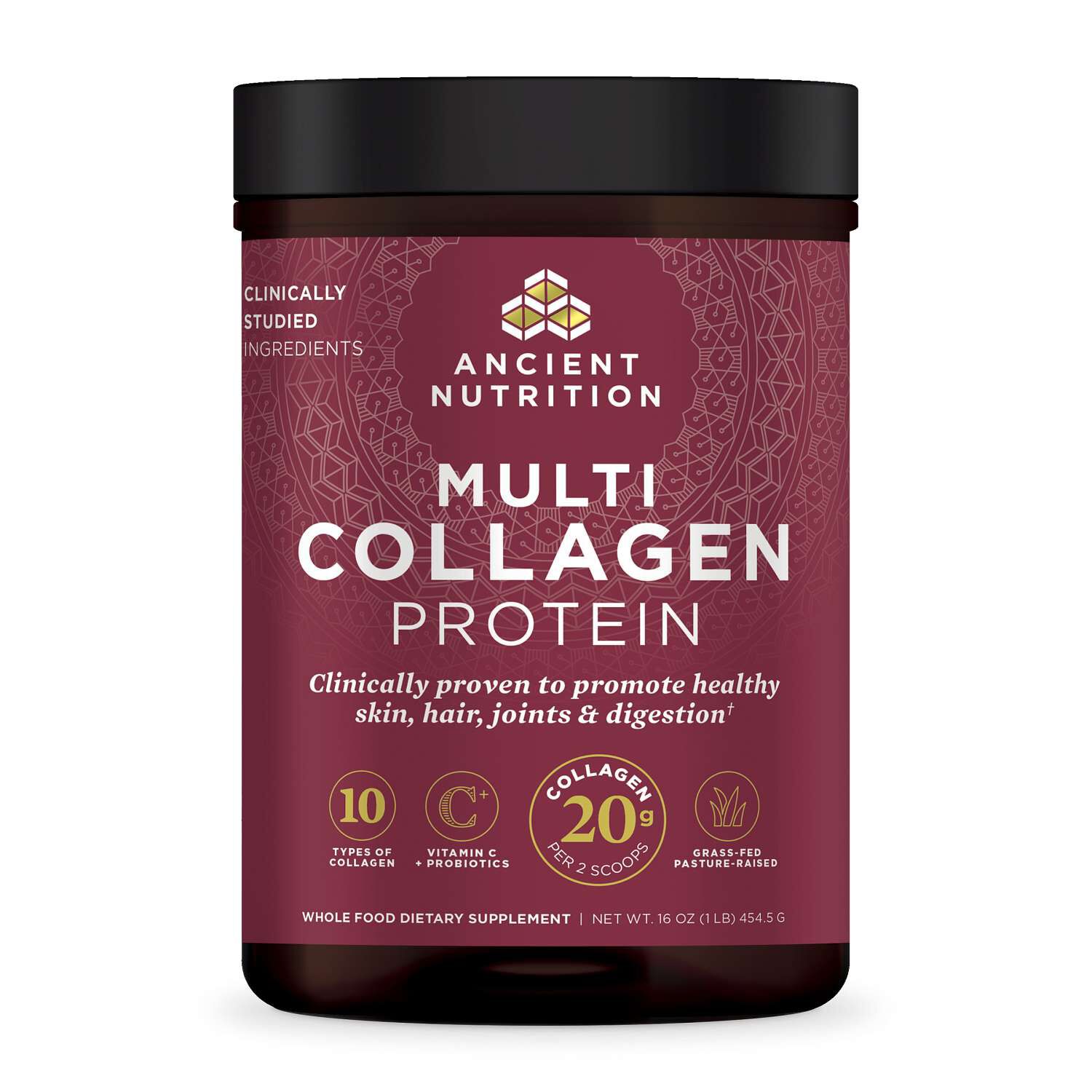 Ancient Nutrition
-
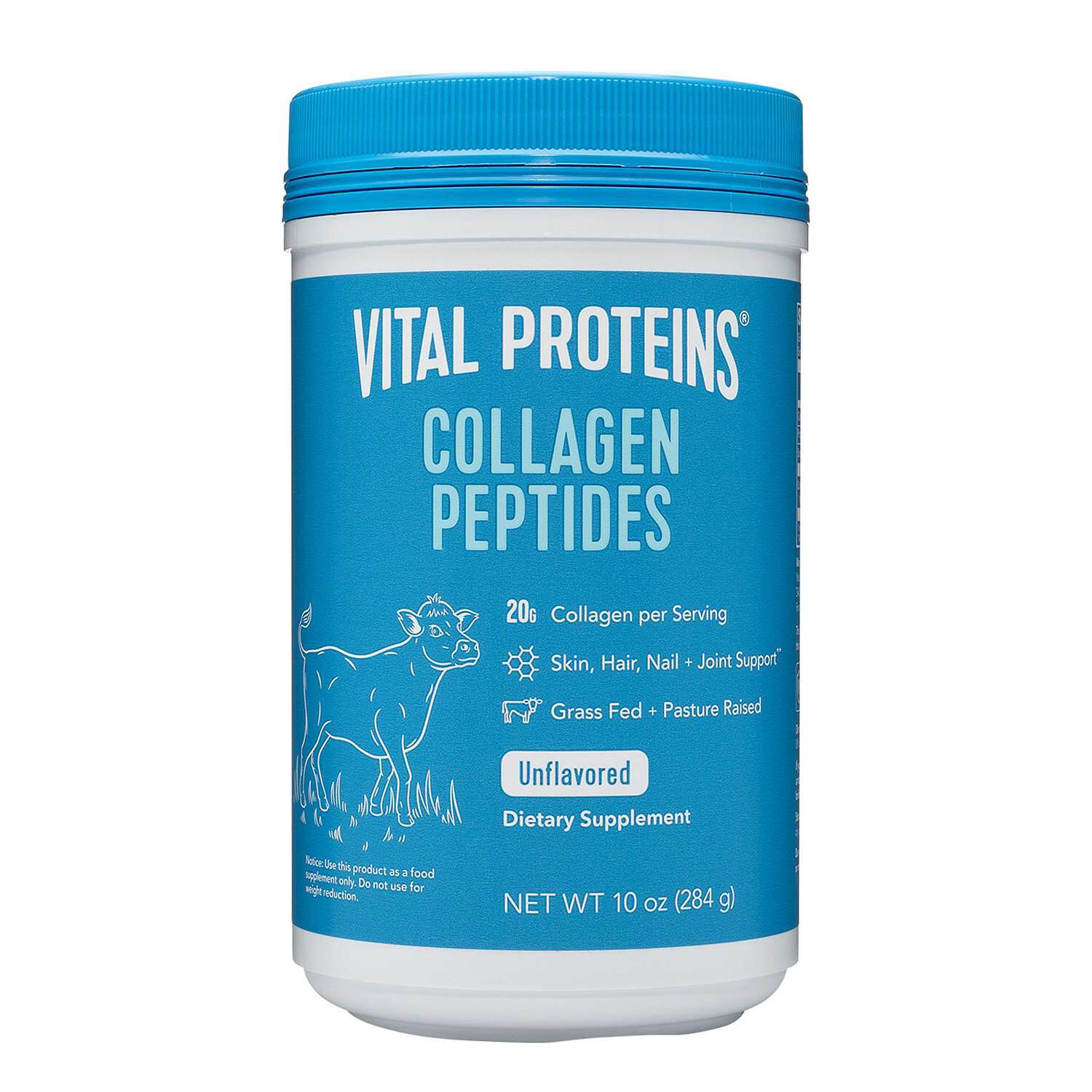 Vital Proteins
Related Pages

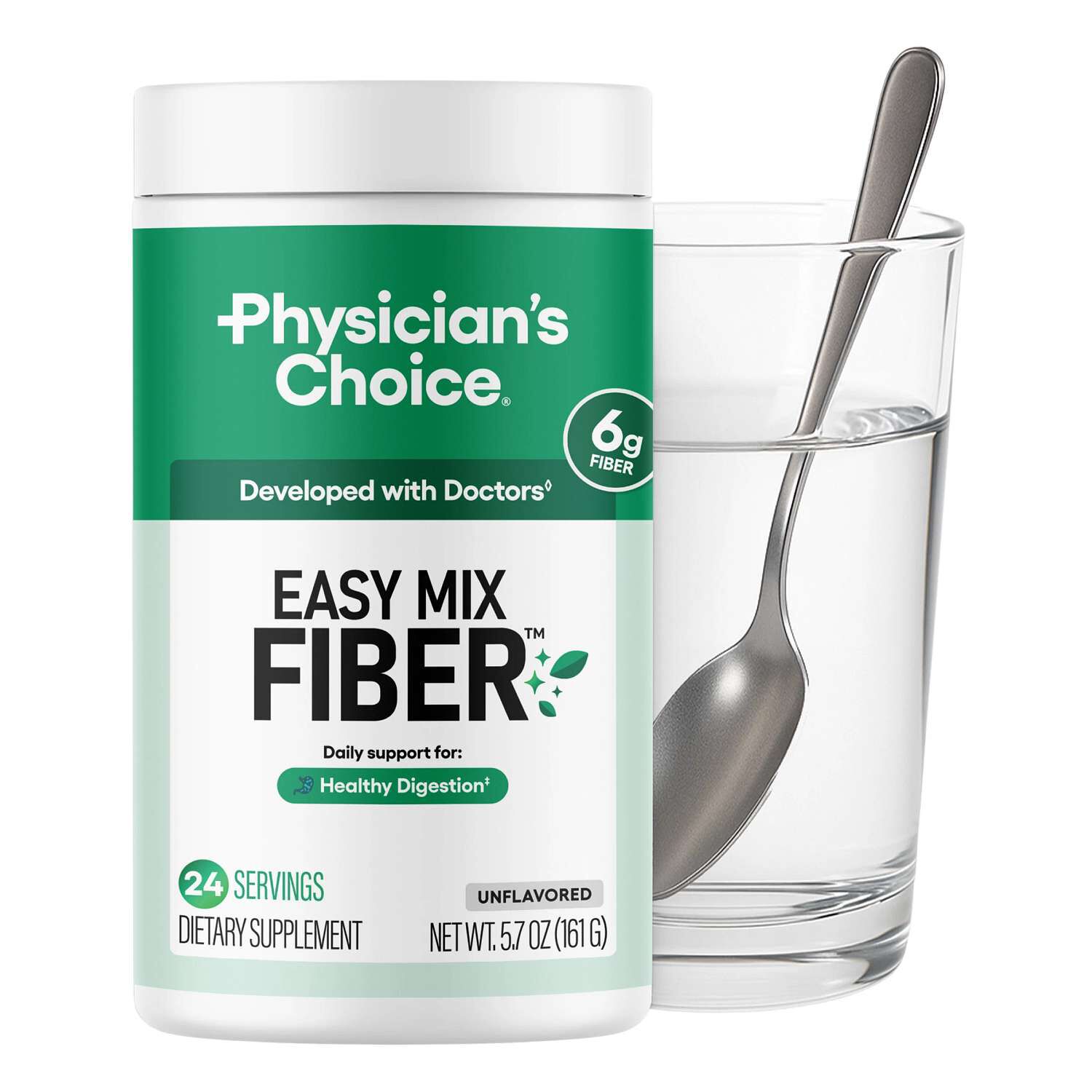
Top Collections
- Supplements For Yoga Joint Flexibility
- GLP 1 Support For Adults
- Joint Mobility Supplement Packs
- Chronic Fatigue Supplements
- Adult Mobility Supplements
- Supplements For Balance
- Supplements For Anxiety Relief Support
- Capsule Supplements For Energy And Stamina
- Zinc Supplements | Top Brands at Great Prices | GNC
- Anti Aging Supplements For Women