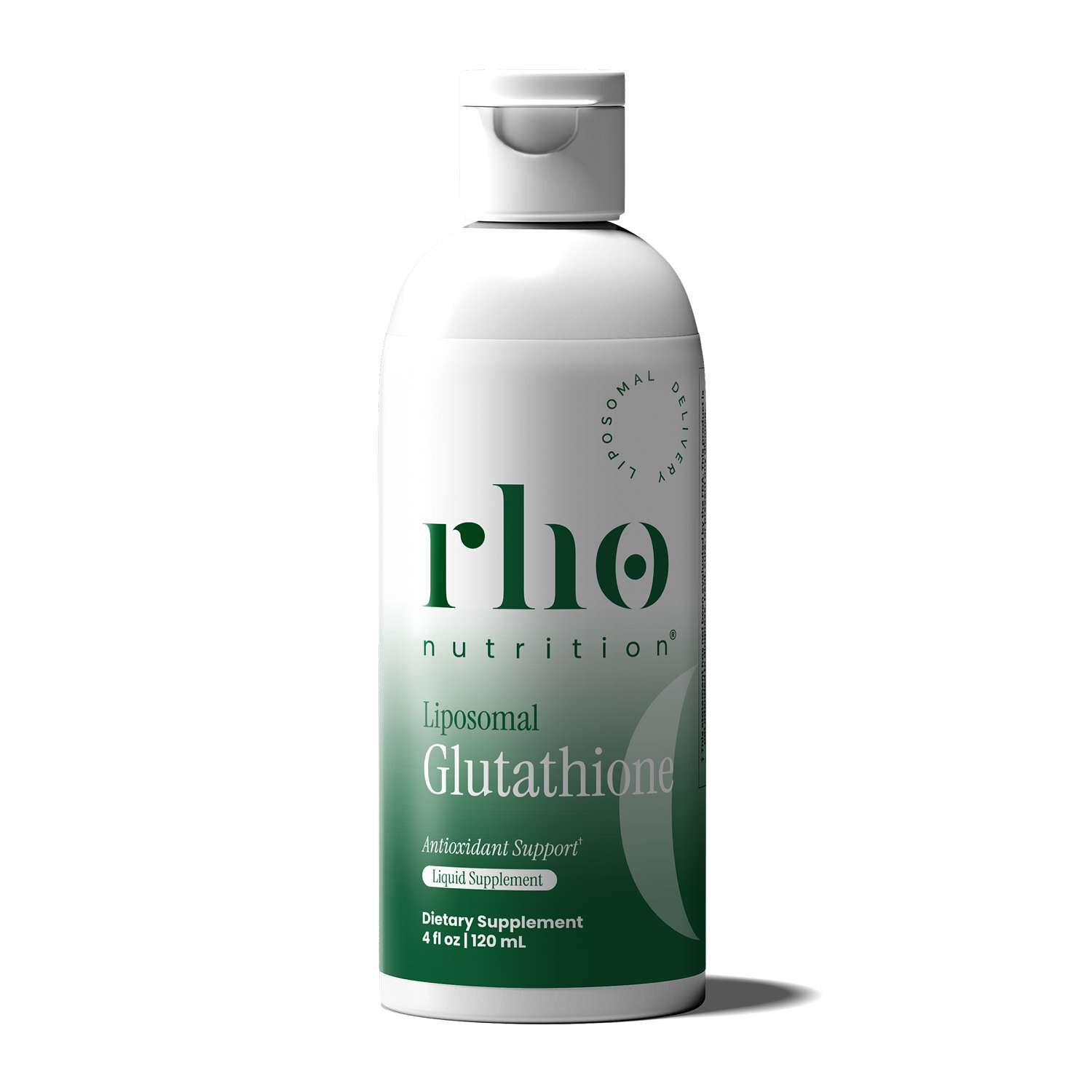
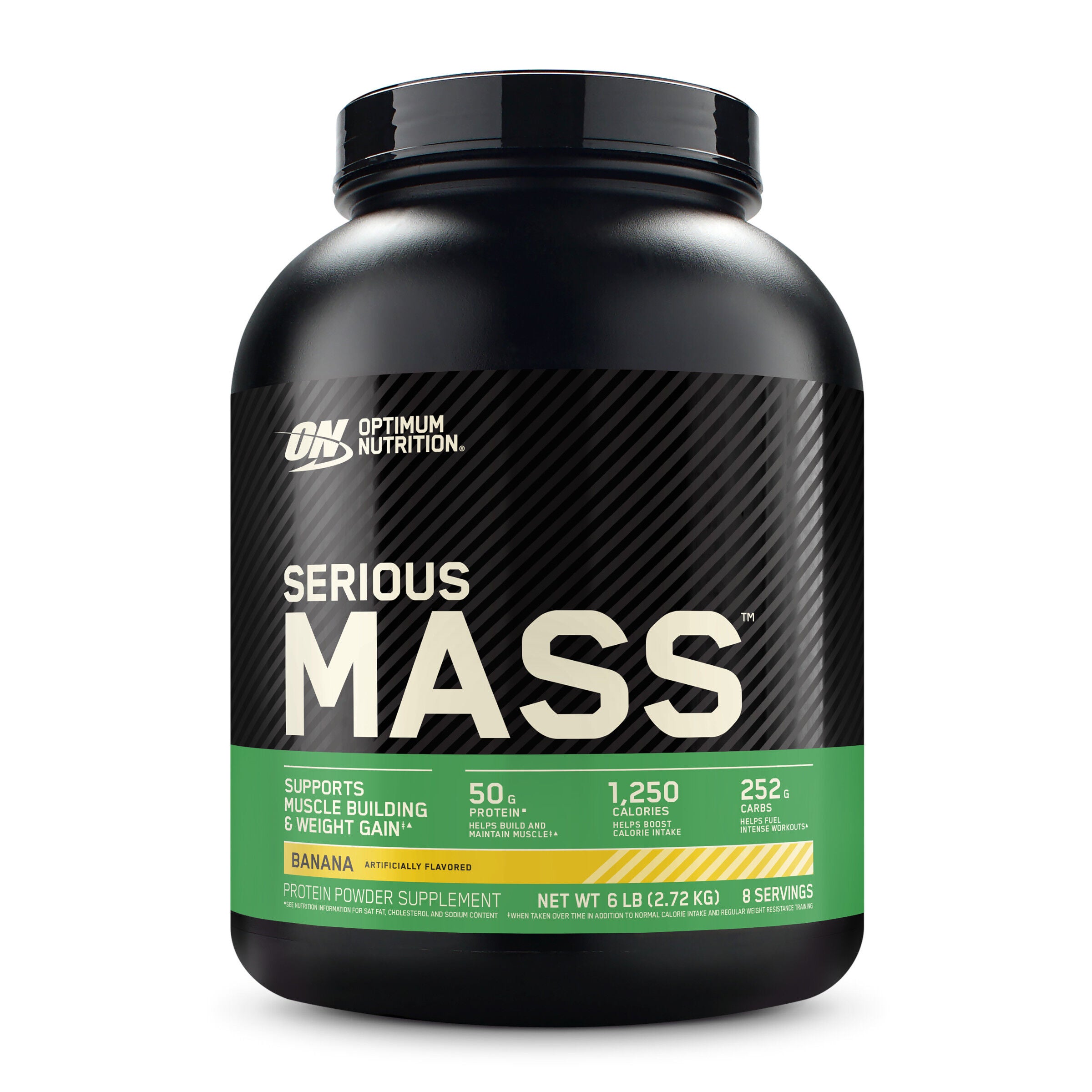
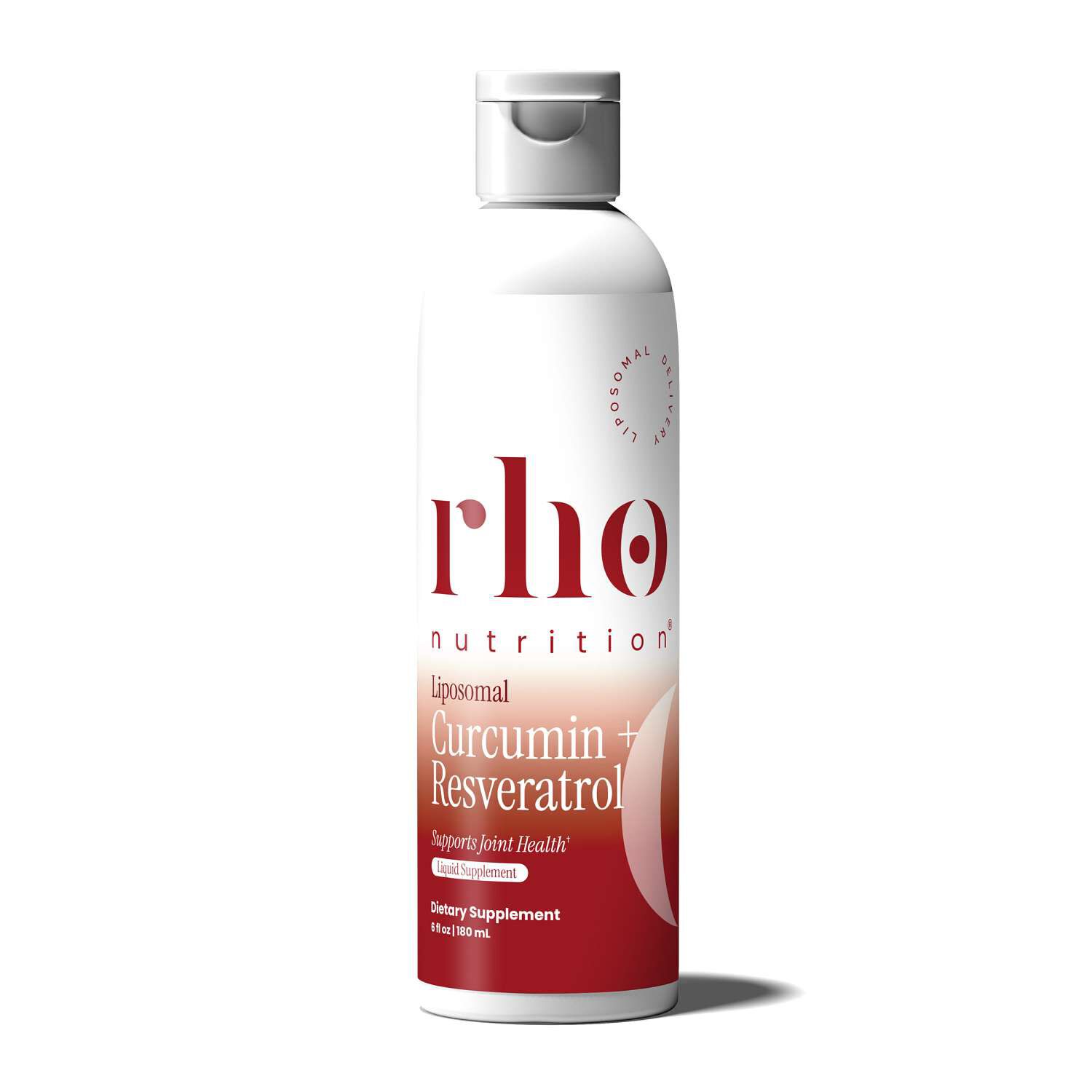
Antioxidant Supplements For Active Lifestyles
(0 Results)
Antioxidant supplements for active lifestyles may offer support for those who are always on the move. Whether you’re hitting the gym, exploring the outdoors, or balancing a busy schedule, these supplements could be a convenient addition to your daily routine. Explore a variety of options that may help you stay at your best while pursuing your fitness and wellness goals.


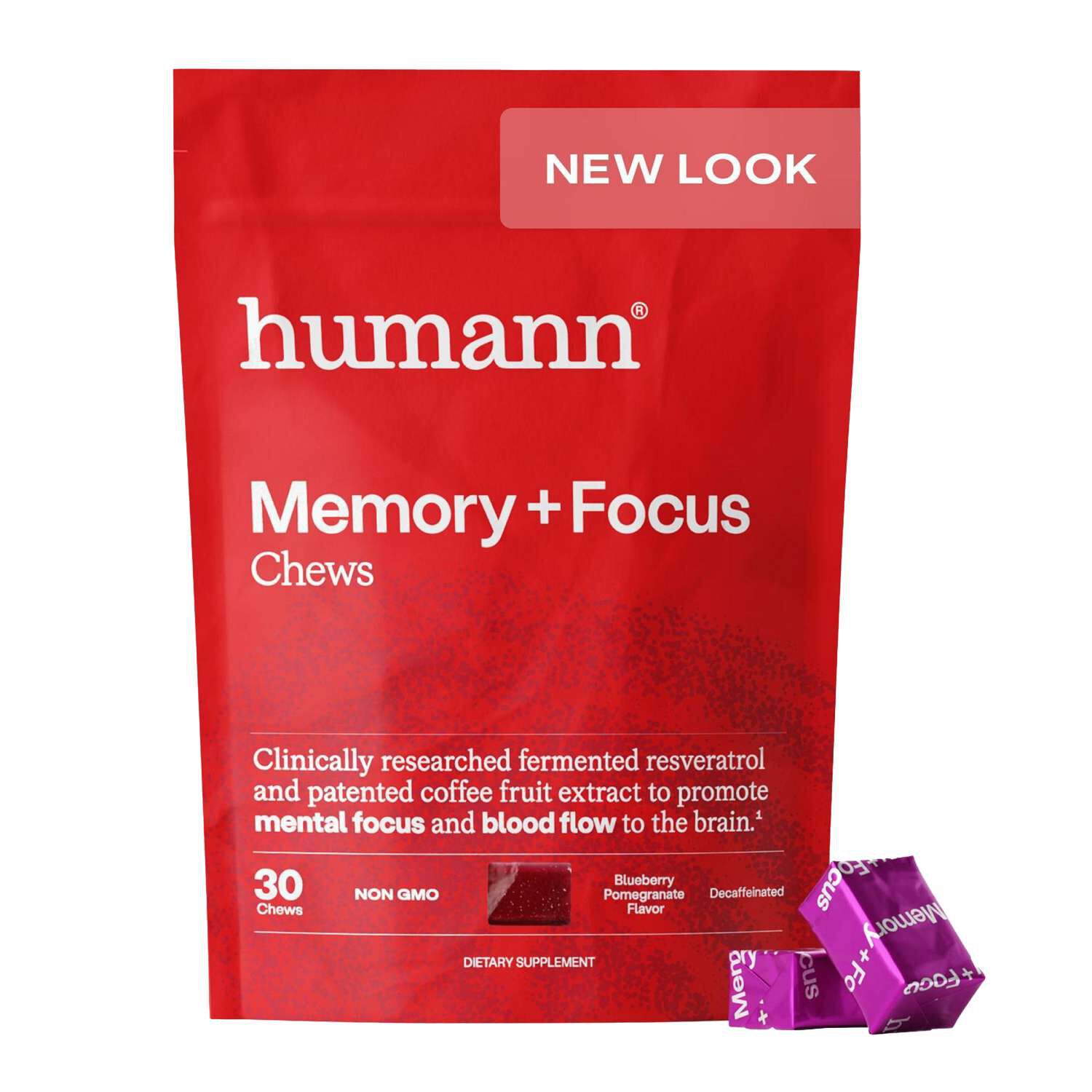
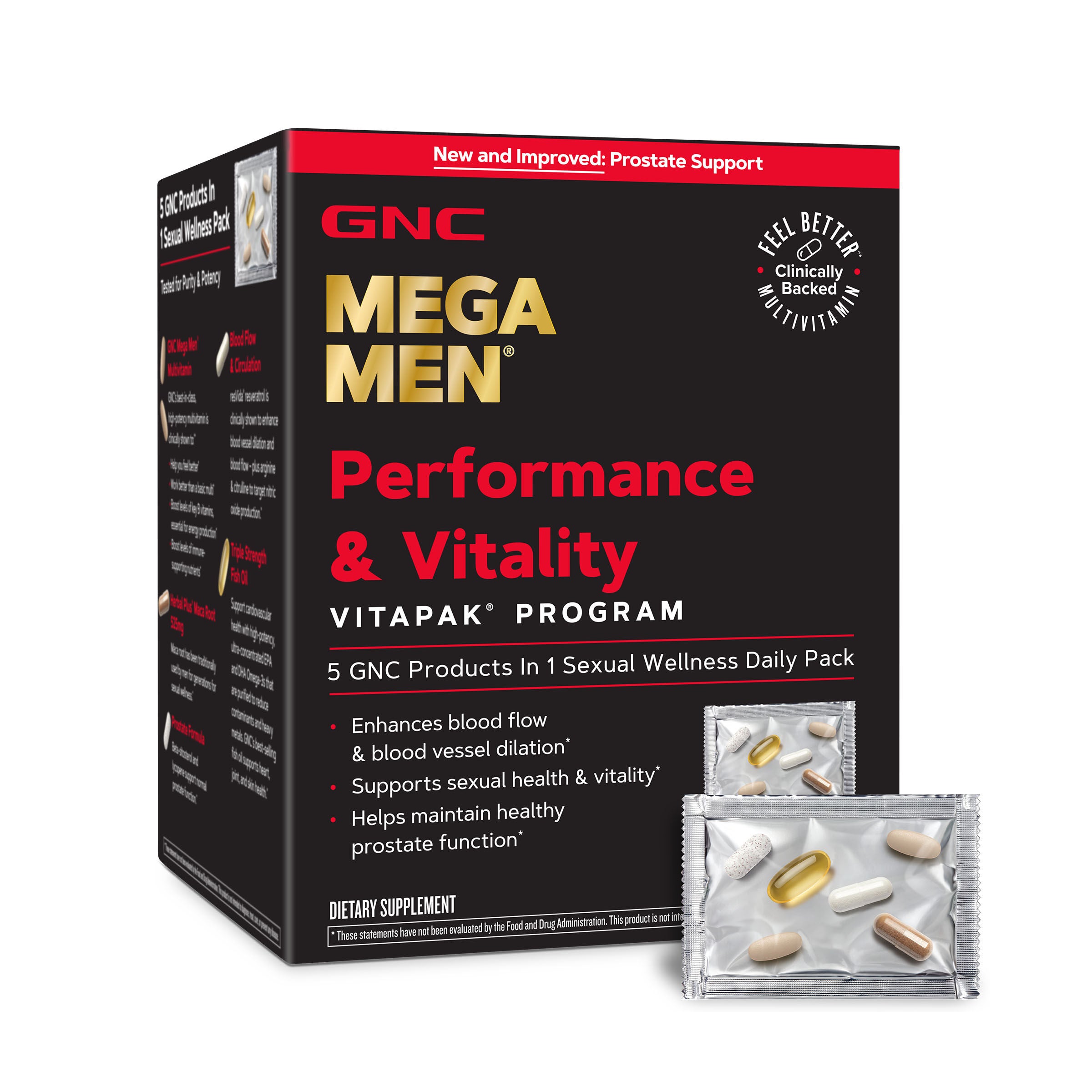
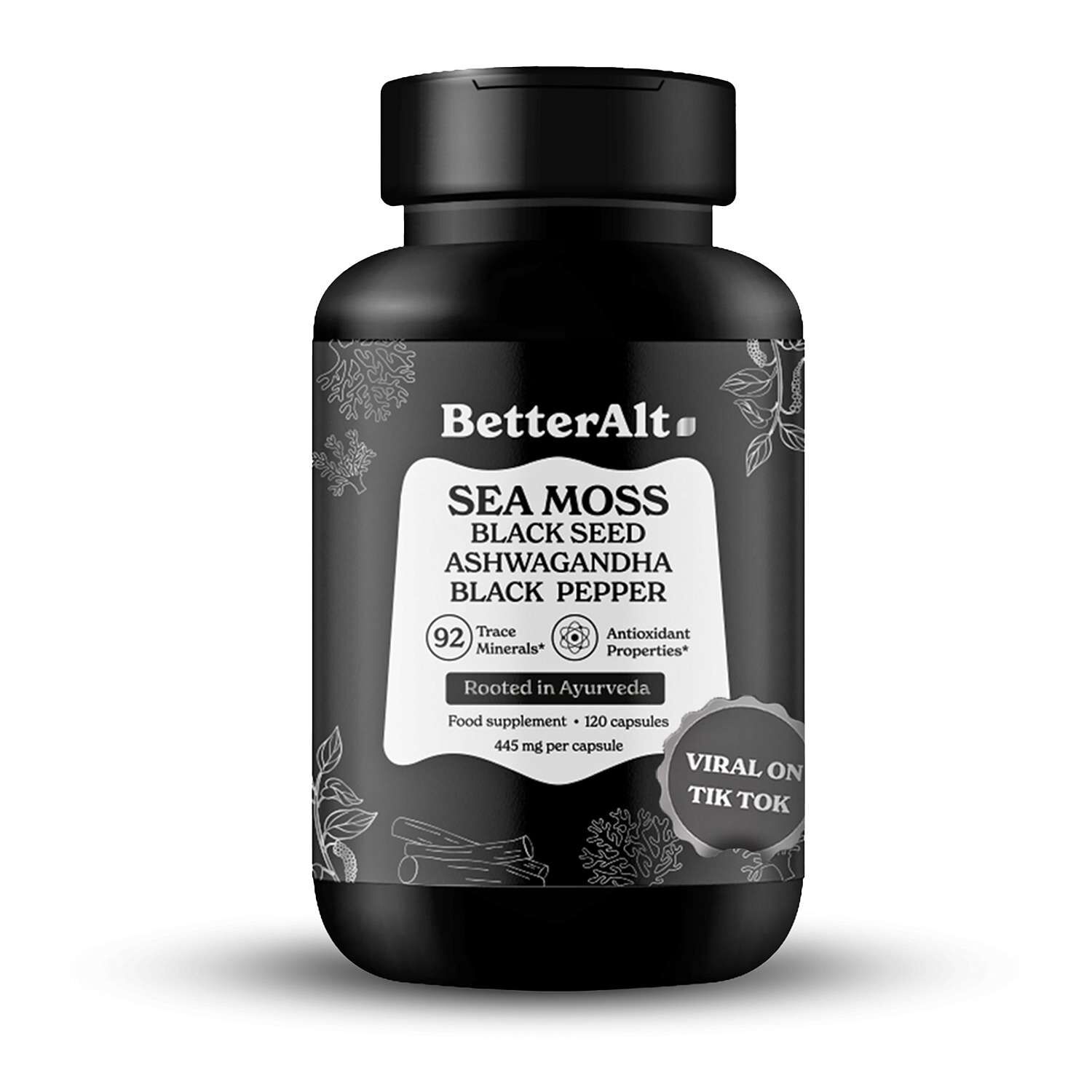


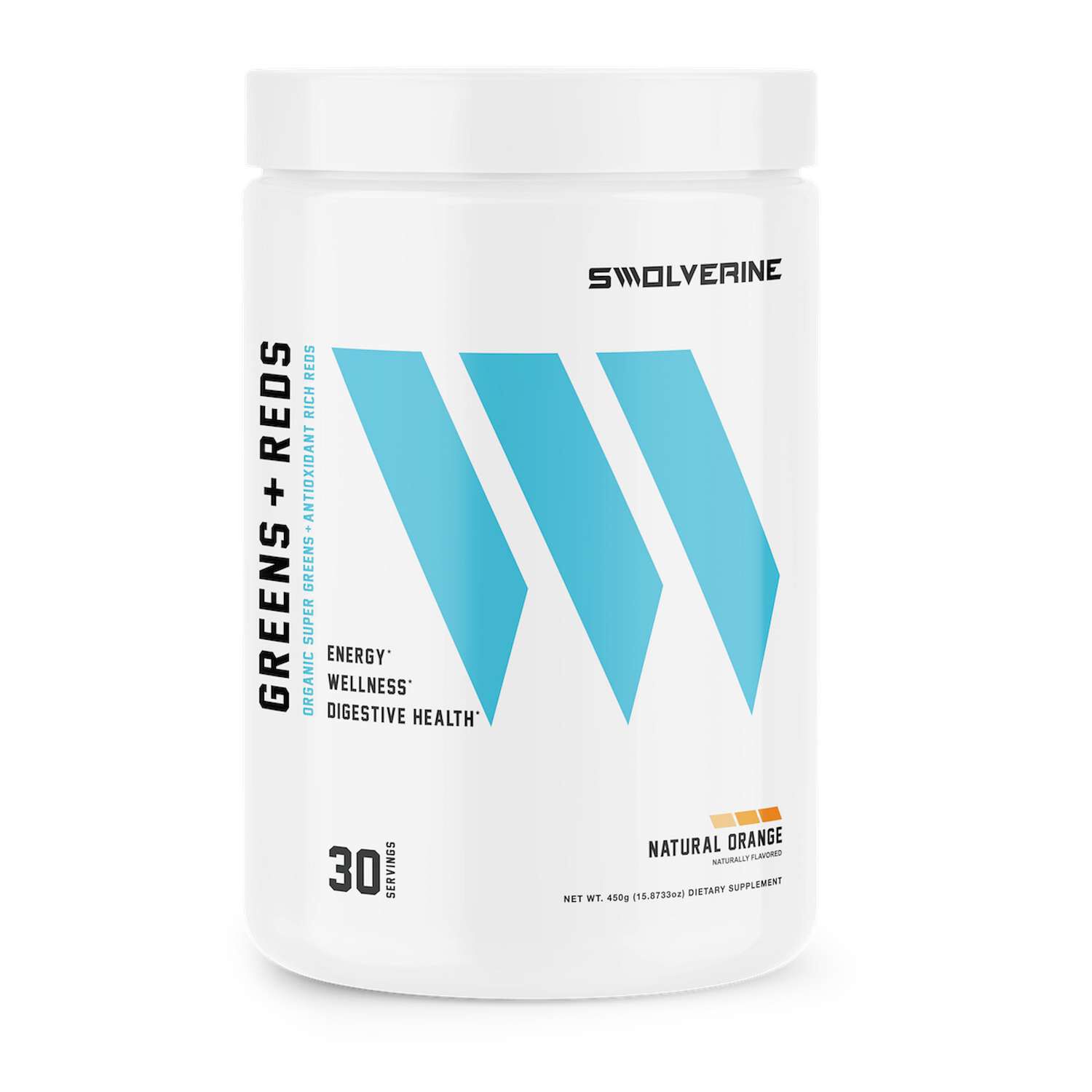


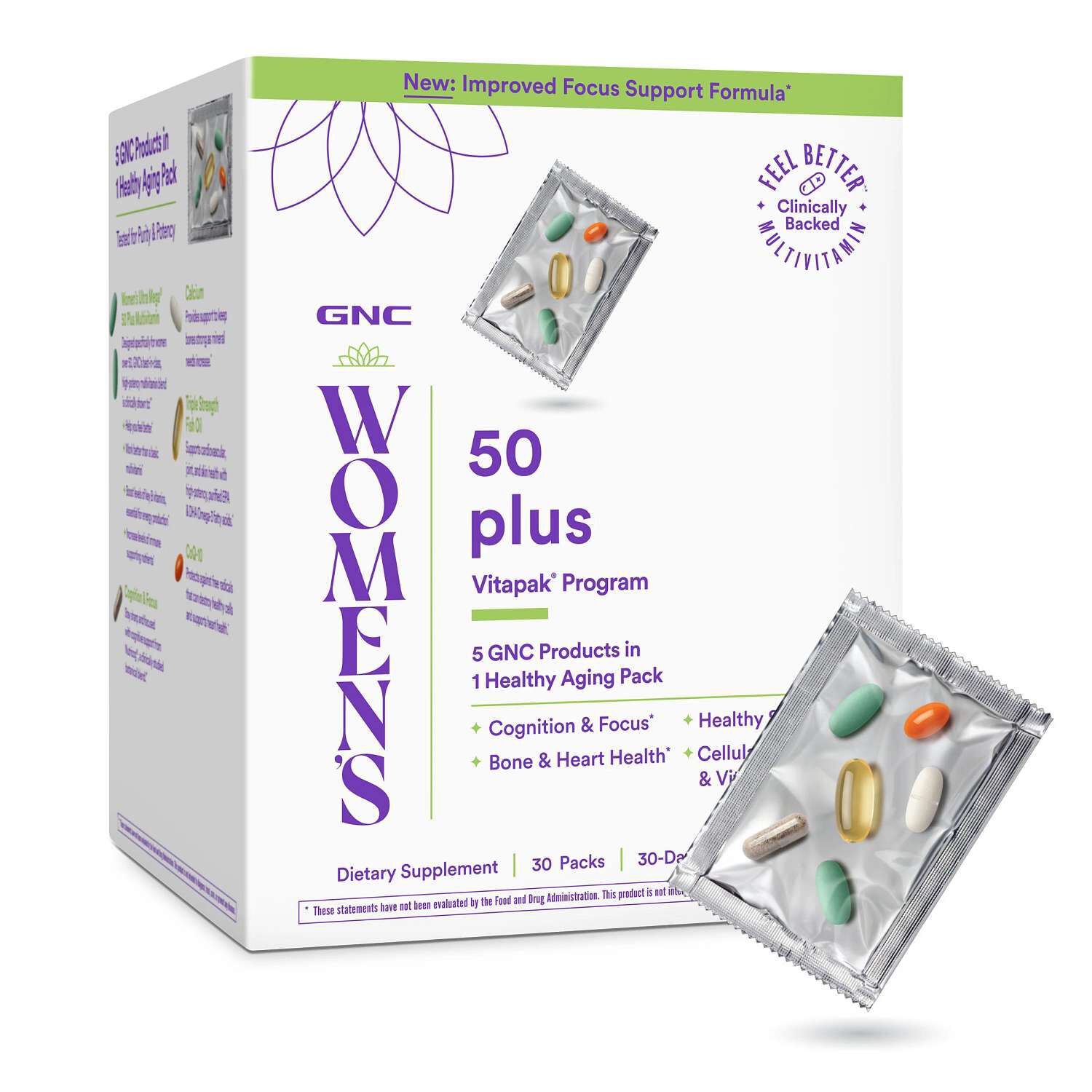

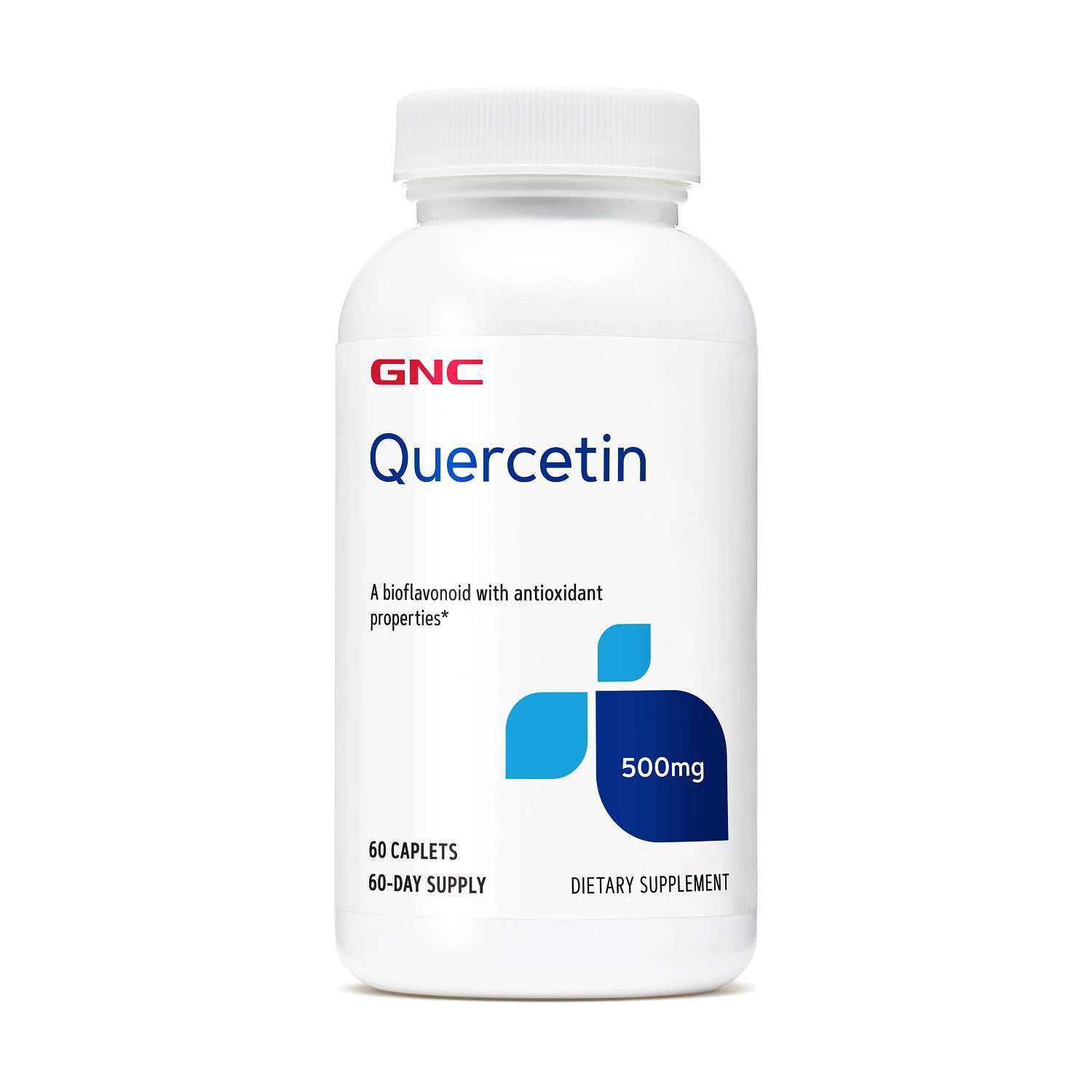
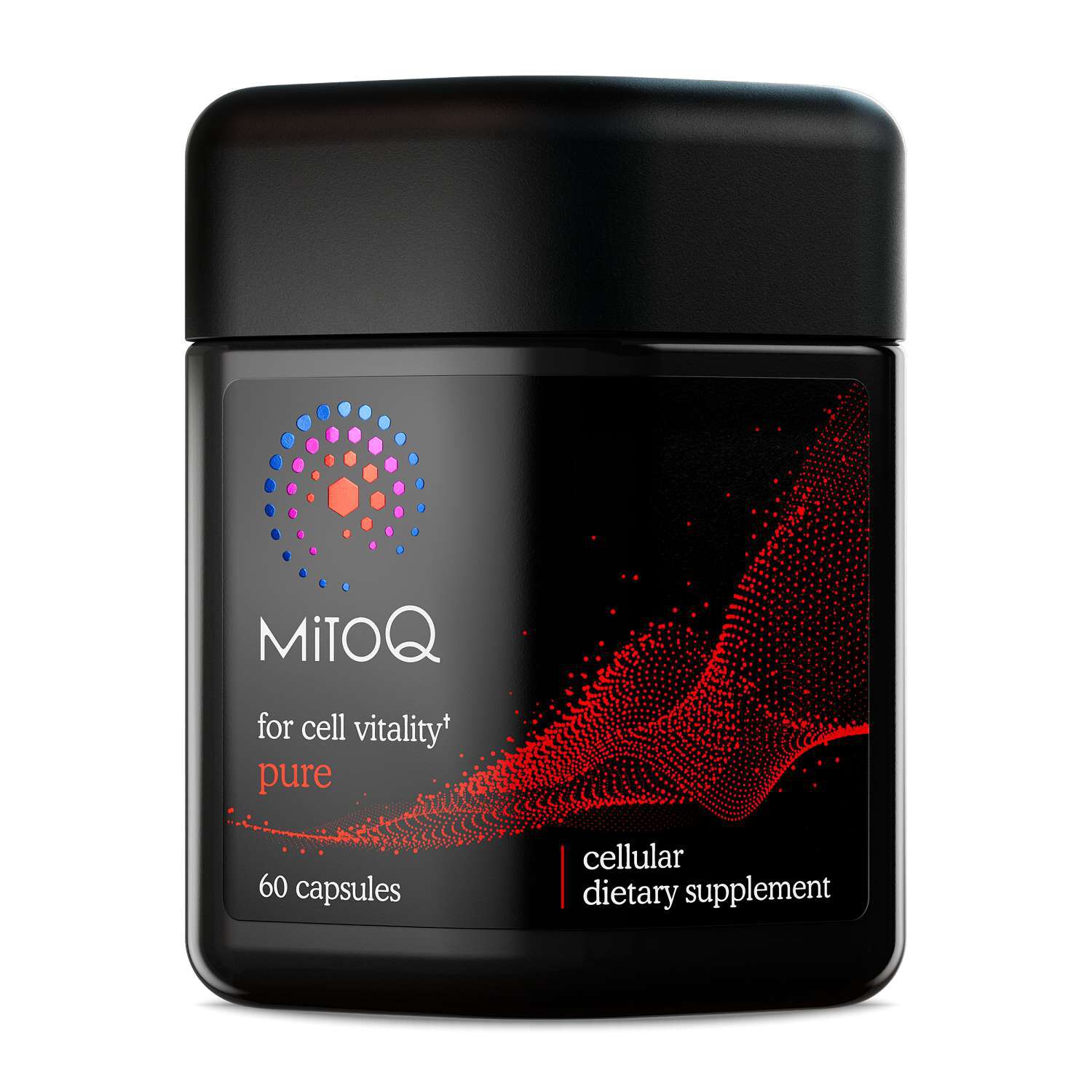

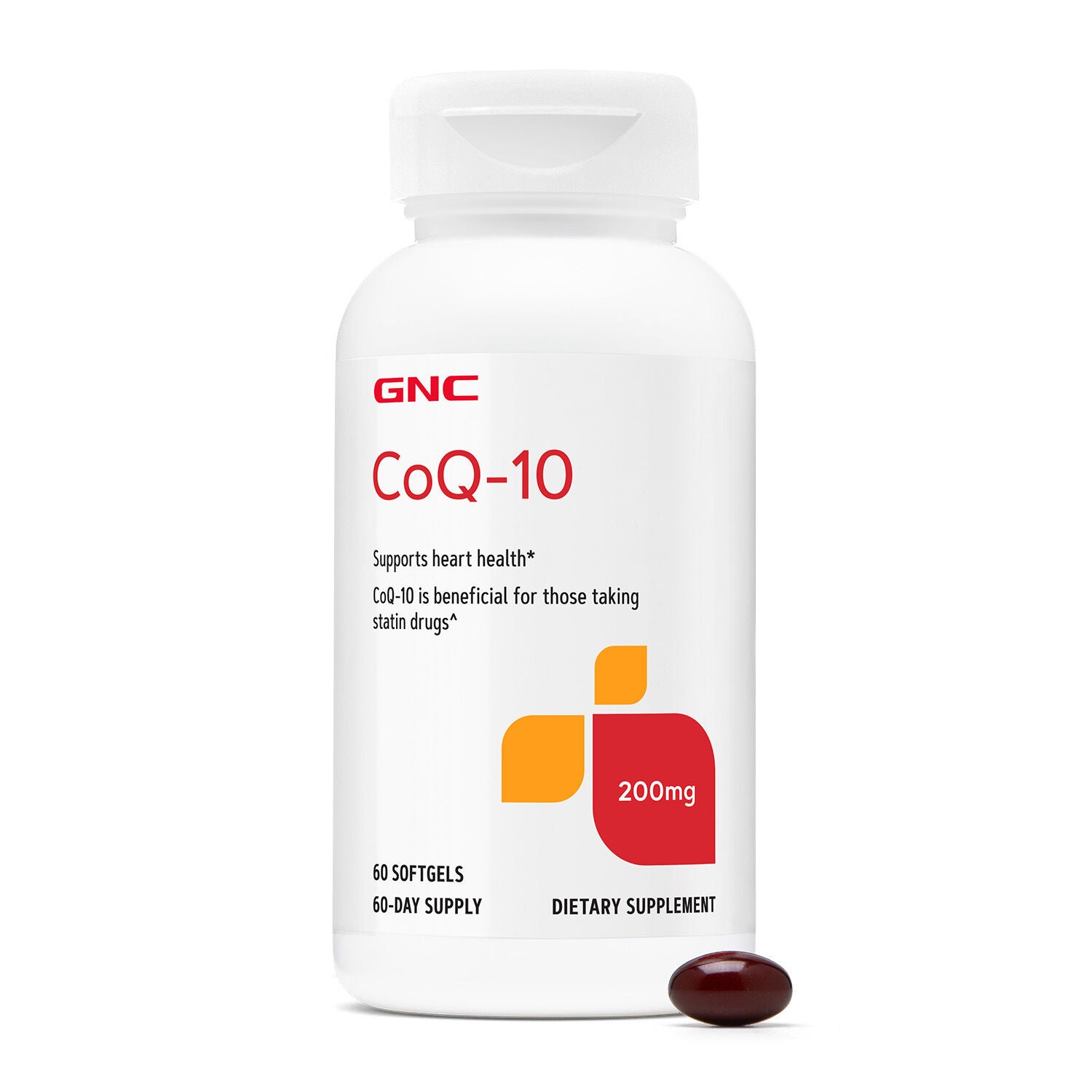


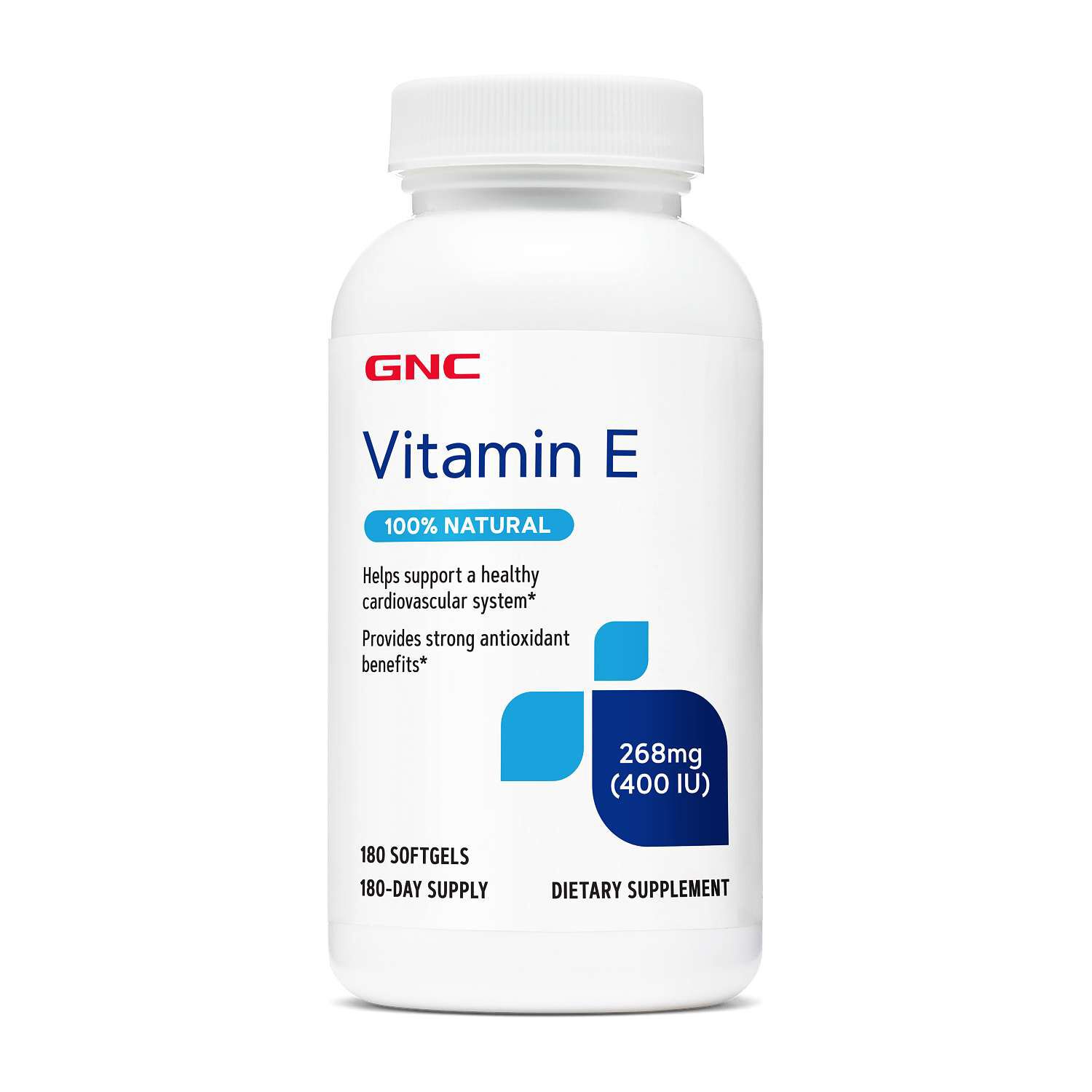
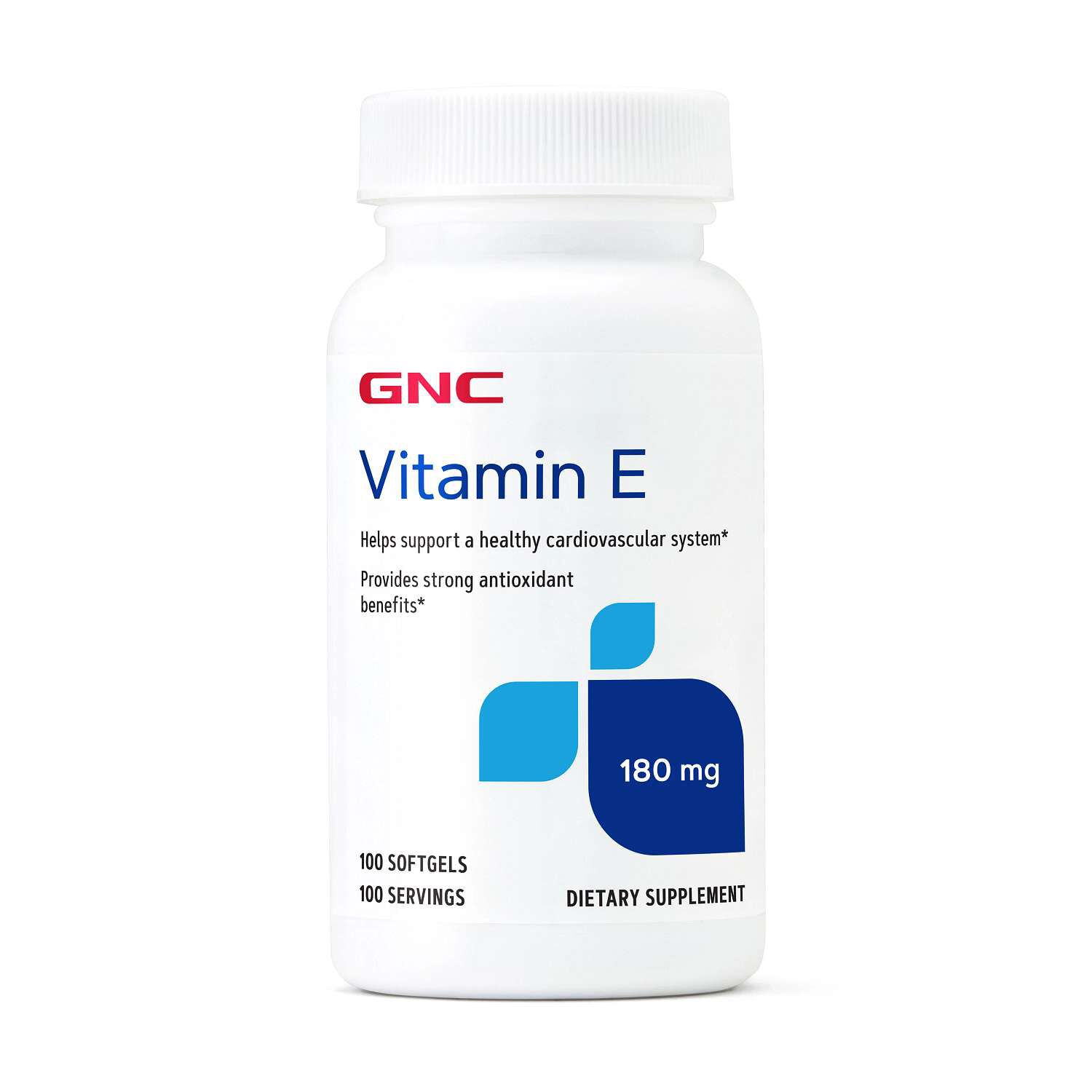
Antioxidant supplements for active lifestyles are dietary supplements made with antioxidant vitamins, other compounds, or plant-derived ingredients. The category includes formulas featuring vitamin C, vitamin E, coenzyme Q10, alpha-lipoic acid, and extracts containing compounds such as curcumin from turmeric. These ingredients differ in their sources, composition, and formulation, so the word “antioxidant” does not describe one uniform type of supplement. Vitamin C is a water-soluble vitamin, while vitamin E is fat-soluble; coenzyme Q10 and alpha-lipoic acid are different compounds rather than alternate names for either vitamin. Curcumin is a constituent of turmeric, and a concentrated extract is not the same as the turmeric used to season a meal. Those distinctions provide useful context when comparing labels across this category. For people who run, lift weights, cycle, swim, hike, or enjoy recreational sports, an antioxidant supplement may complement an established nutrition routine. Its place is alongside meals and everyday habits, rather than as a substitute for a varied diet or a shortcut to a particular athletic result. Antioxidants also occur in foods, including berries, citrus fruits, leafy vegetables, nuts, and seeds. A bowl of oatmeal with berries, a salad with colorful vegetables, or a handful of nuts brings a different mix of nutrients and food components than a capsule or tablet. Supplements provide a labeled amount of selected ingredients, while foods contribute a broader combination of carbohydrates, fats, protein, fiber, and micronutrients. An active lifestyle also looks different from person to person: a long-distance runner preparing for a weekend route has a different schedule from someone fitting a short strength session between work and dinner. That variety makes ingredient transparency and everyday practicality useful points of comparison. The category is best understood through what each formula contains, how it is presented, and how it might fit the shopper’s existing preferences, without assuming that every antioxidant ingredient serves the same purpose.
Format is often the most noticeable difference when browsing antioxidant supplements. Capsules, tablets, softgels, gummies, and powders each have their own handling, taste, and storage considerations. Capsules may suit shoppers who prefer a measured serving without mixing, while powders may appeal to those who already use a shaker or keep a drink preparation routine. Gummies have flavor and texture considerations that are different from those of a tablet, and their serving size may involve more than one piece. Softgels have an outer shell and a fill that can differ from the materials used in a hard capsule. Depending on the formula, capsule shells may contain gelatin or plant-derived materials, and other ingredients may include oils, sweeteners, flavorings, or binders. These details matter to shoppers with dietary preferences or ingredient exclusions. The Supplement Facts panel identifies serving size and declared ingredient amounts; the other ingredients list provides additional information about the formulation. A bottle’s capsule count and its number of servings are not necessarily the same, making the labeled serving size an important part of a side-by-side comparison. Single-ingredient formulas and blends also present information differently. One may focus on a named vitamin or compound, while another combines several ingredients in a single serving. A familiar ingredient name on the front label does not tell the entire story of the contents. Packaging deserves attention as well, particularly for people who carry supplements between home, work, and a training location. A secure closure, readable label, and container that fits the intended storage space are practical considerations. Storage and handling directions vary by formula, and the original container preserves access to those directions, the ingredient list, and the expiration date. Containers that remain in gym bags, lockers, or kitchen cabinets can face different conditions, so the label’s storage instructions are more useful than assumptions based on the supplement’s appearance.
Everyday routines offer a concrete way to think about intended use without turning supplement shopping into a training prescription. Someone who heads to a fitness class before work may prefer a format that requires little preparation, while a cyclist organizing meals and equipment for a longer ride may value clear serving information and a container that stays organized with other personal supplies. A recreational tennis player who already keeps several nutrition products at home may be more interested in a straightforward ingredient list than a large combination formula. Those preferences concern convenience and selection, not evidence that a particular format produces a better athletic outcome. Ingredient overlap is another useful comparison point when browsing across categories: an antioxidant formula and a multivitamin may list some of the same vitamins, even when their names and packaging look different. The labels make those similarities visible. Related selections in Vitamin Supplements for Active Lifestyles offer another way to browse vitamin-focused formats and ingredient combinations. For households where several people use supplements, keeping containers clearly identified may make daily organization simpler, particularly when similar-looking bottles have different serving instructions. For gifting, personal preferences carry more weight than the recipient’s favorite sport alone. A known preference for capsules rather than gummies, plant-derived capsule materials, or an unflavored format may be more relevant than whether the person enjoys running or lifting. When those preferences are unknown, supplements can be a highly personal choice rather than a one-size-fits-all present. Across this category, useful comparisons stay grounded in the formula, serving information, dietary preferences, packaging, and intended routine. A product’s name cannot establish how it will fit every active lifestyle, and an antioxidant designation does not establish a particular workout result. Clear labeling and a practical format may make a supplement easier to evaluate alongside the meals, activities, and other nutrition choices already part of daily life.
Best Sellers
-
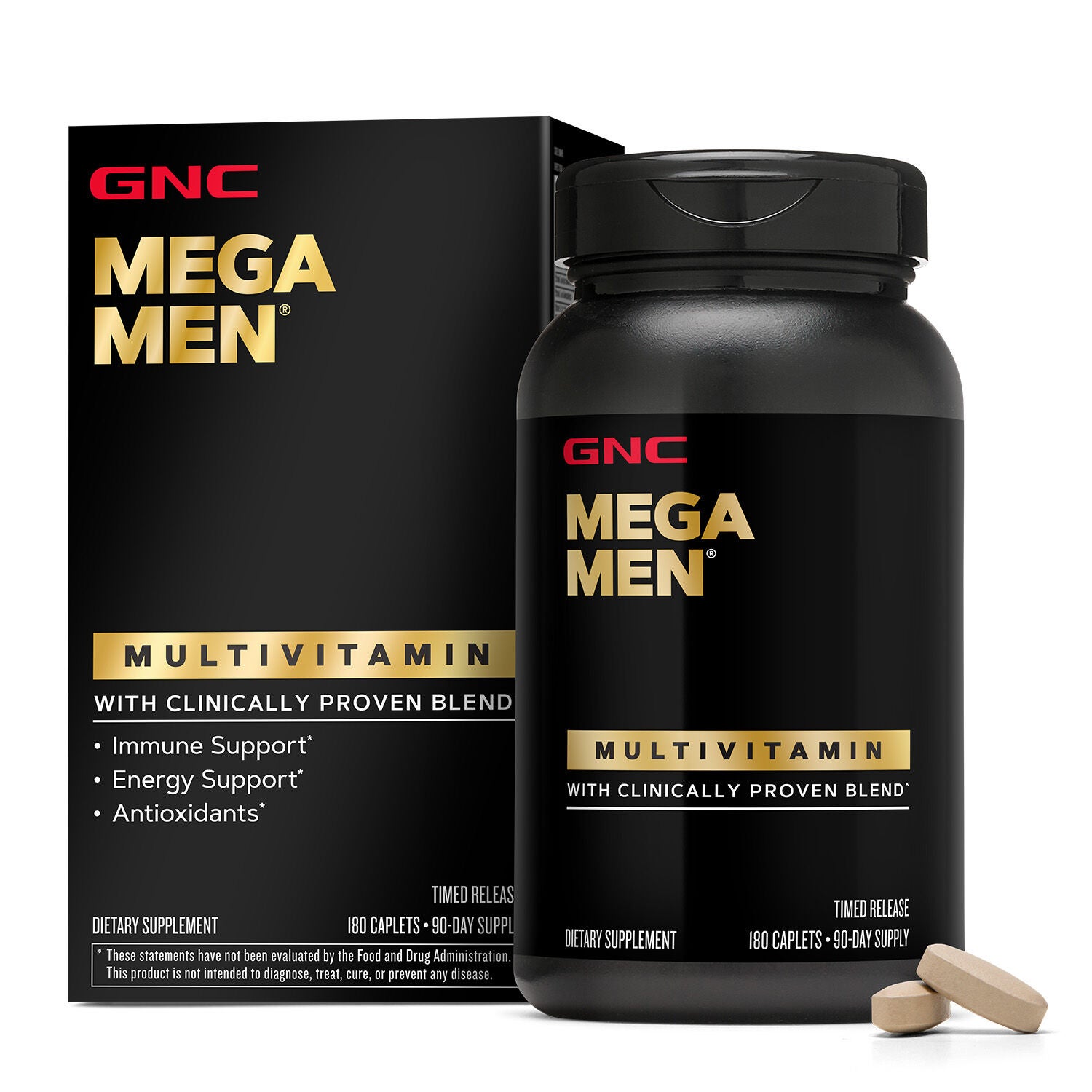 GNC Mega Men
-
 GNC Mega Men
-
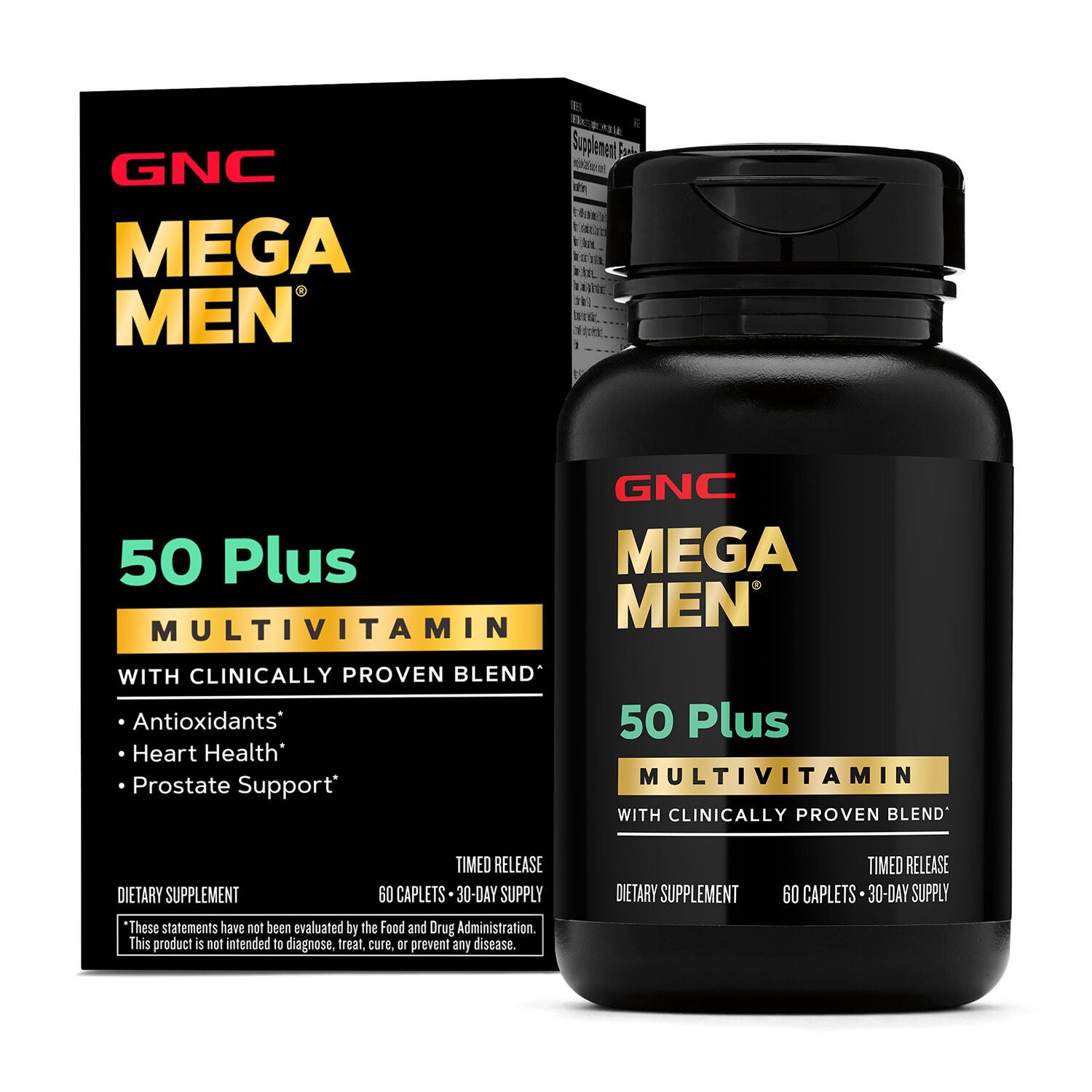 GNC Mega Men
-
 GNC Mega Men