





Antioxidant Workout Supplements
(0 Results)
Antioxidant workout supplements could be a great addition to your fitness routine for those seeking extra support during training. These supplements are designed for active lifestyles and may help you feel your best as you pursue your wellness goals. Explore a variety of antioxidant workout supplements that might suit different needs and preferences, whether you're hitting the gym or enjoying outdoor activities.
-
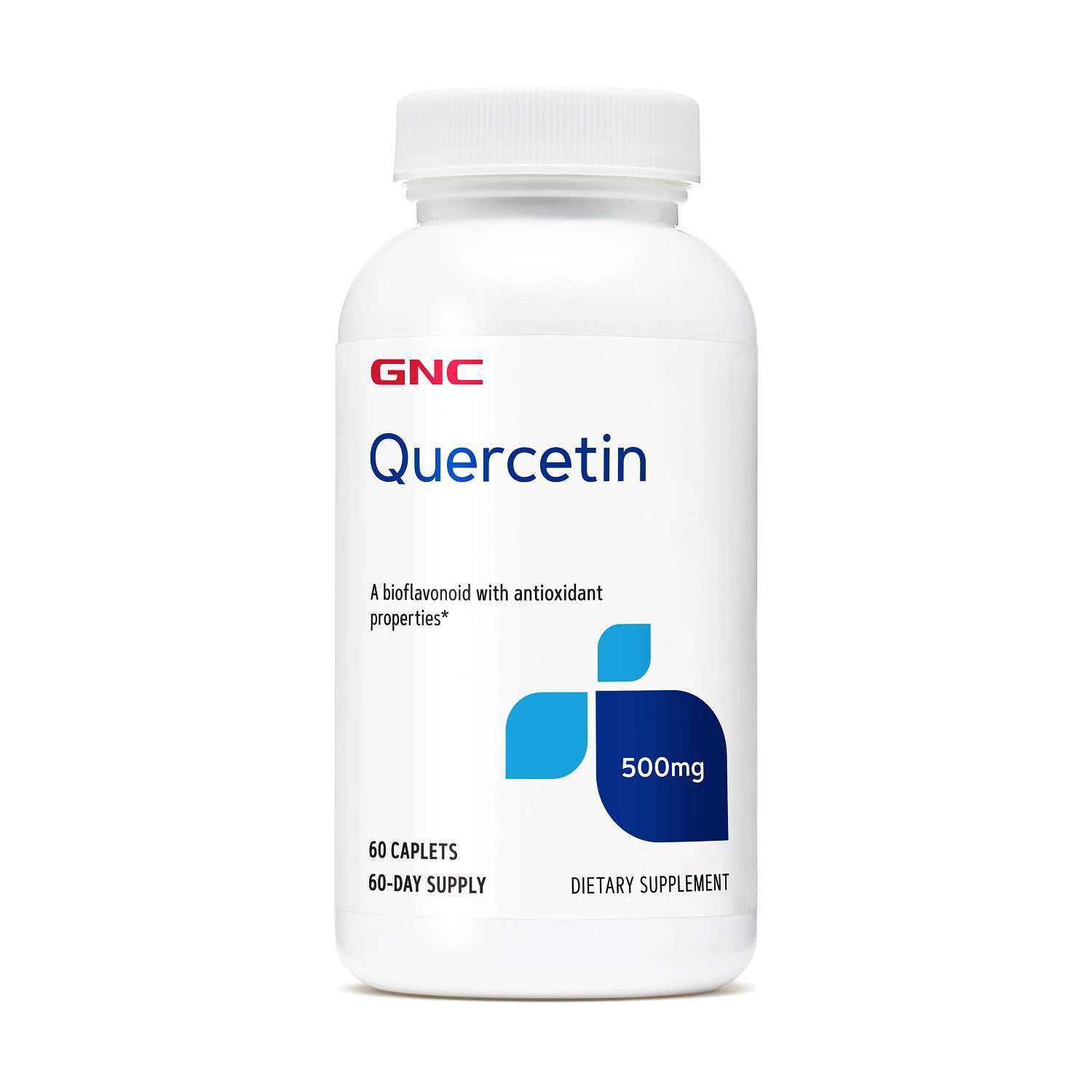
-
 Purity Products$39.99
-
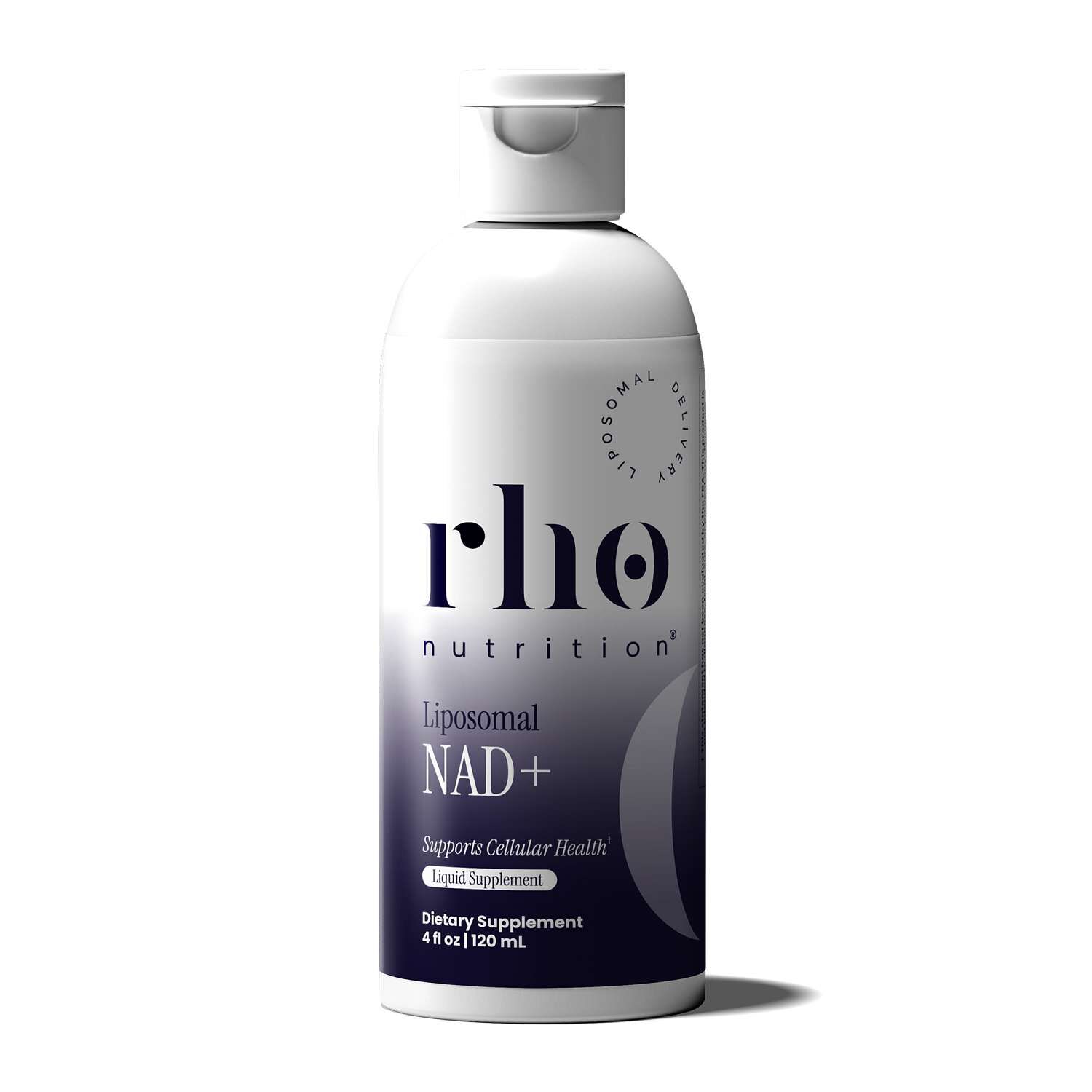
-
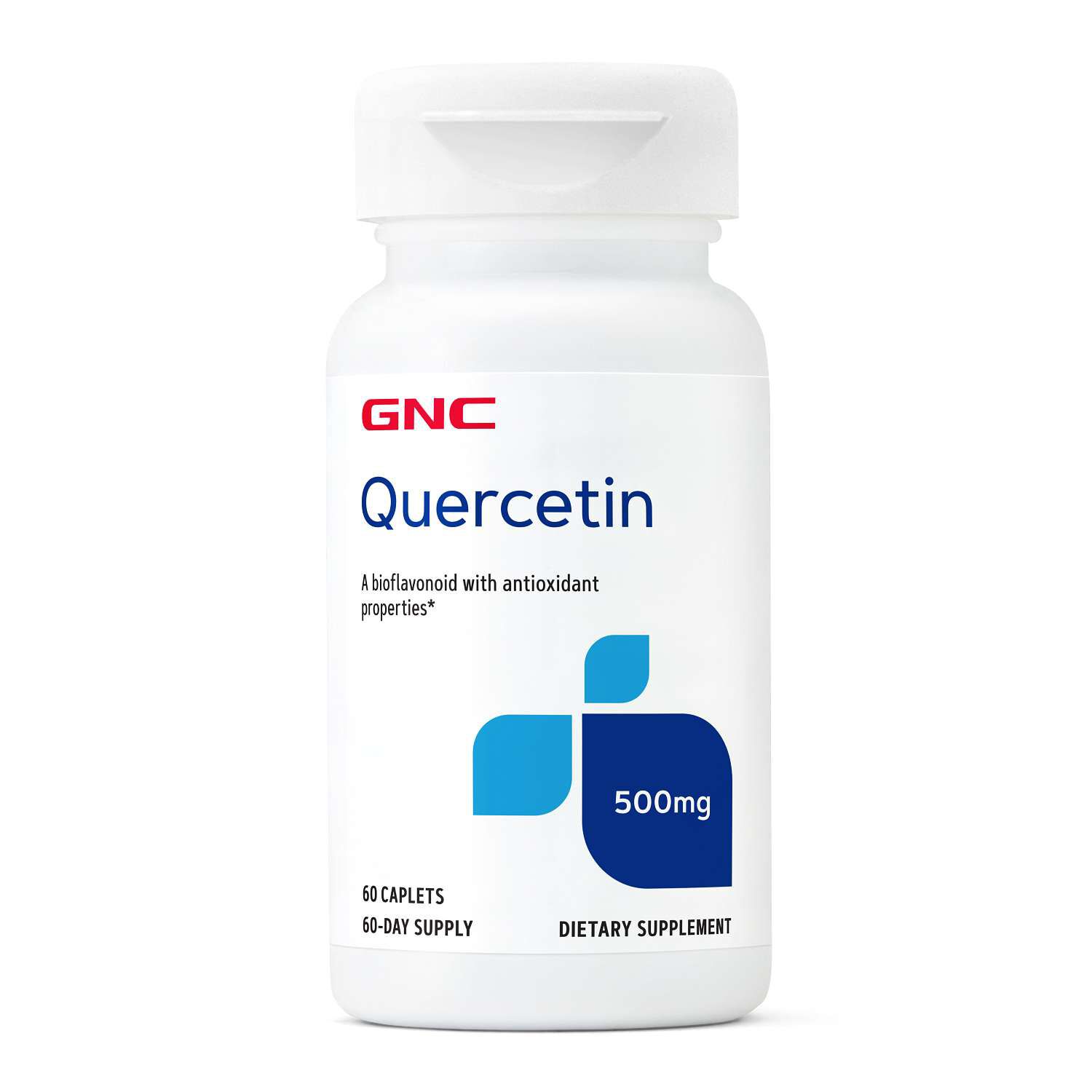 $24.99
-
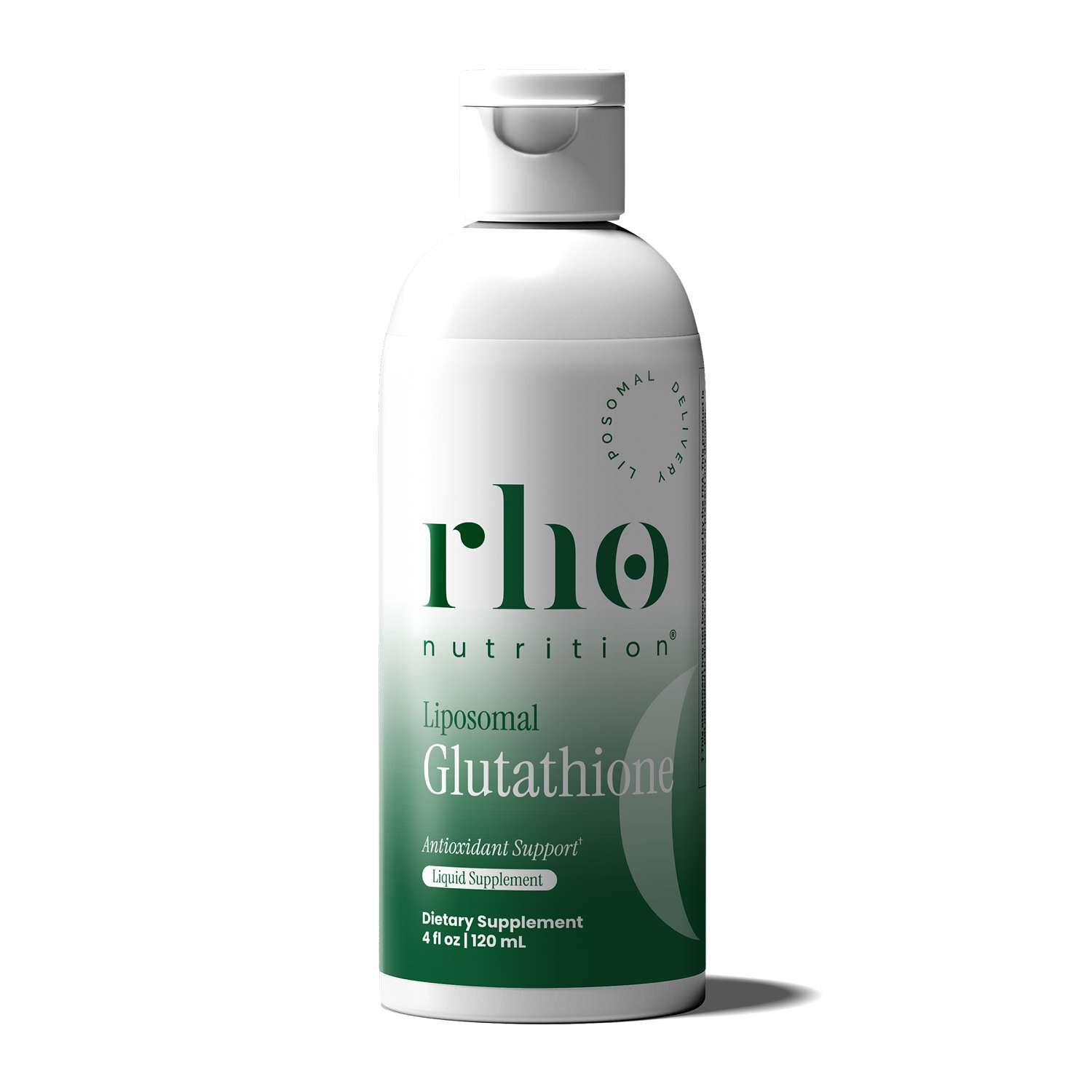
-
-

-
-

-
-
-

-
-

-
-
-

-
 GNC Preventive Nutrition22$46.99
-
-
-
-
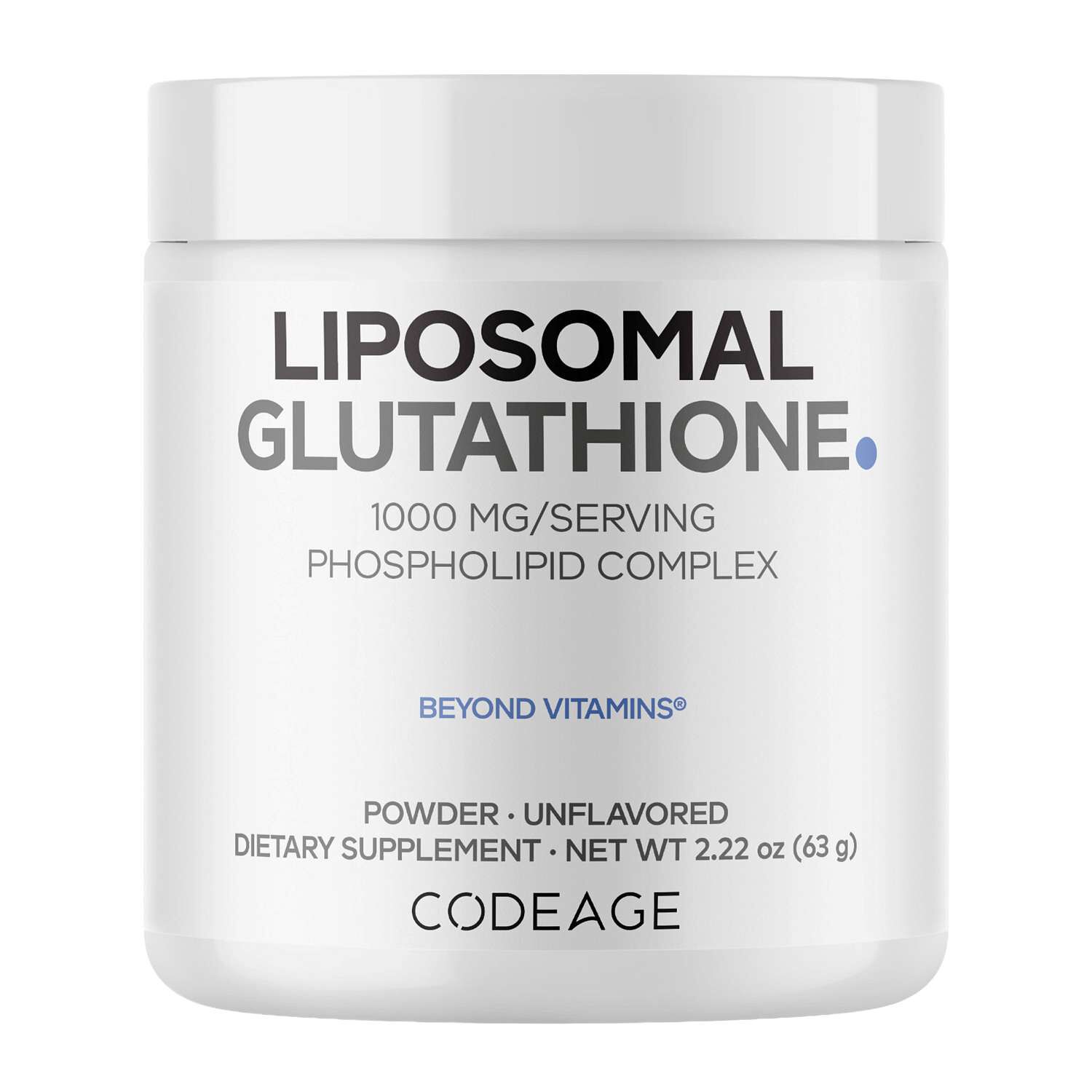


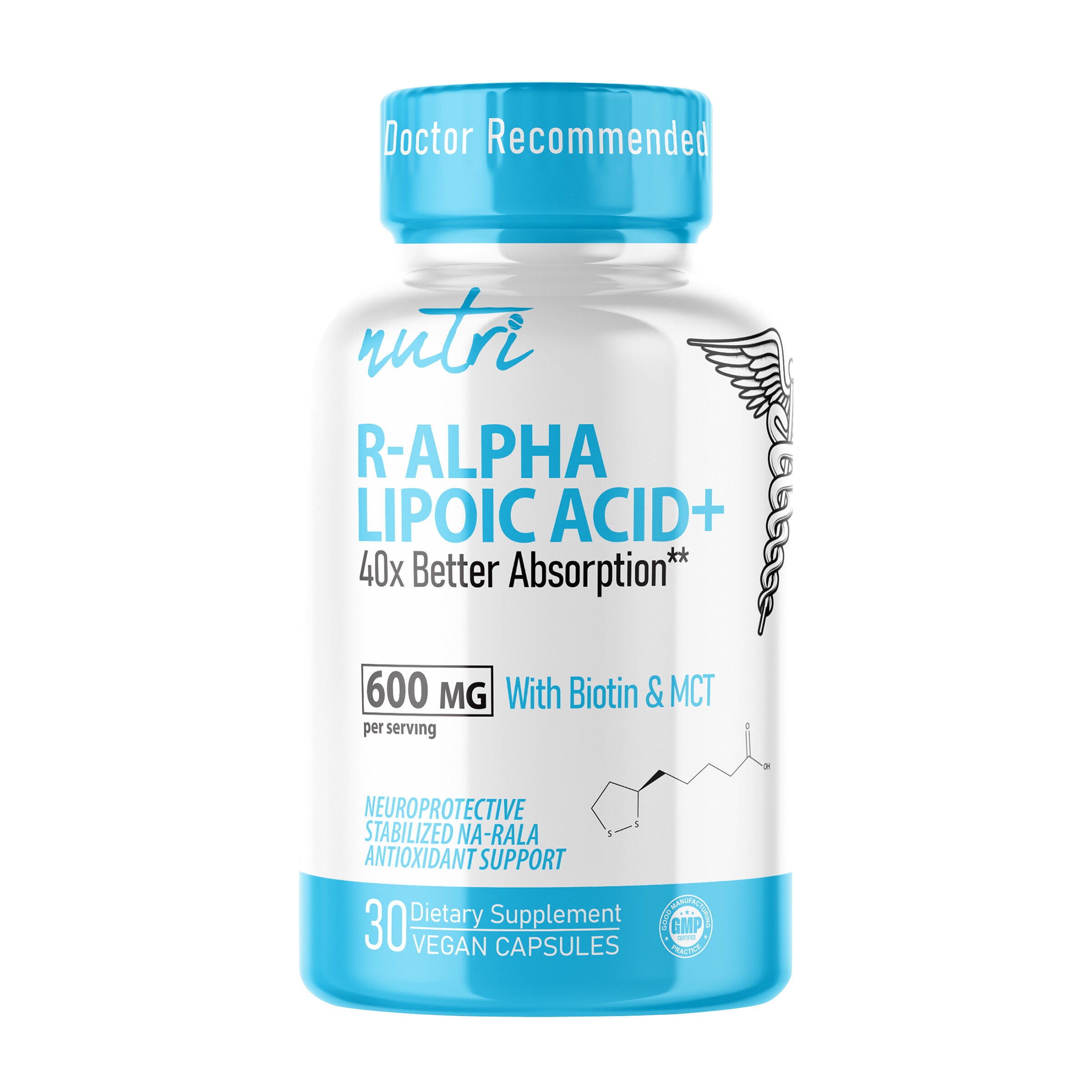
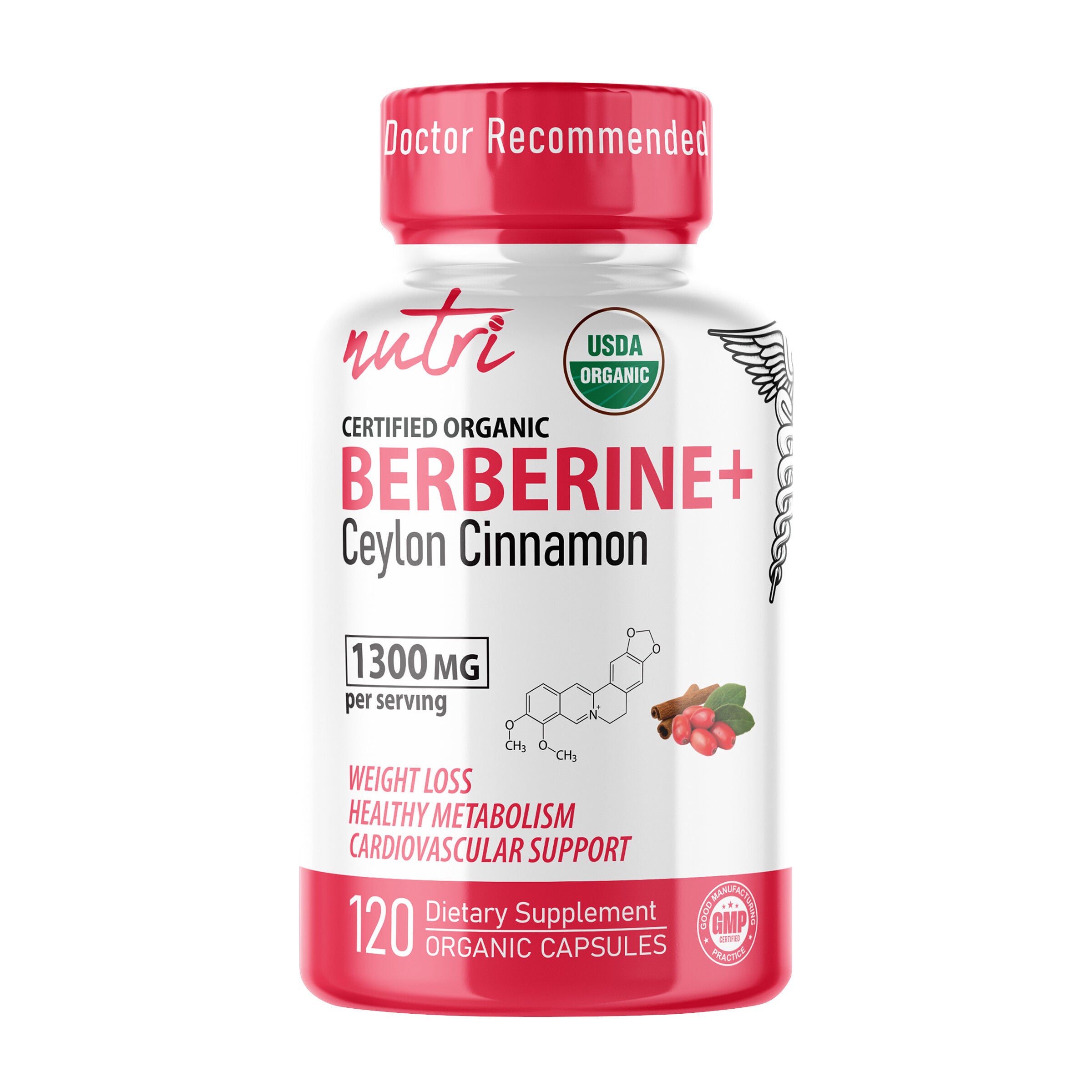
Antioxidant workout supplements are dietary supplements containing nutrients or other compounds associated with the body’s normal antioxidant processes. Common ingredients include vitamin C, vitamin E, N-acetylcysteine, often abbreviated as NAC, and plant-derived compounds such as polyphenols. Exercise involves oxygen use and cellular activity that can generate reactive molecules, and antioxidant ingredients may support the body’s normal handling of those molecules. That connection makes this category relevant to adults who run, lift weights, cycle, swim, or follow other regular training routines. It does not mean that every workout calls for an antioxidant supplement, or that a larger amount is a better match for an active lifestyle. Some research suggests that high amounts of certain antioxidants, including vitamins C and E, taken close to exercise may interfere with normal cellular signals involved in training adaptation. Antioxidant workout supplements are therefore better understood as a nutrition category than as a shortcut to faster progress. Ingredient identity, serving size, and intended use provide more useful context than the word antioxidant alone. A formula centered on a single vitamin differs from one containing several botanical ingredients, even when both appear within the same category. Likewise, a supplement intended for everyday nutritional use is not necessarily designed as a pre-workout drink or a post-workout recovery formula. The distinction matters for someone comparing a capsule taken with a meal against a flavored powder prepared in a shaker bottle. Antioxidant supplements may complement a varied eating pattern, but food remains an important part of the broader picture. Fruits, vegetables, nuts, seeds, and other foods contain a range of nutrients and plant compounds alongside their familiar flavors and textures. Protein, carbohydrate, hydration, sleep, and the structure of a training program remain separate considerations rather than jobs assigned to an antioxidant formula. For shoppers, the practical starting point is understanding what a supplement contains and how its labeled purpose fits the routine already in place, whether that routine involves a neighborhood running route, recreational sports, or regular visits to the weight room.
Format is one of the clearest differences among antioxidant workout supplements. Capsules and tablets offer measured servings without a drink to mix, while softgels have a different texture and often contain oil-based ingredients. Powders introduce considerations such as flavor, sweetness, mixing directions, and the amount of liquid needed for preparation. Someone who already carries a shaker for another part of a workout routine may prefer that familiar format, while someone who dislikes flavored drinks may find a capsule more practical. Neither format alone establishes how suitable the ingredients are for a particular person. The Supplement Facts panel provides the serving size and listed amounts, while the other ingredients section identifies components such as capsule materials, sweeteners, colors, and flavoring ingredients. A serving may consist of more than one capsule, tablet, or scoop, so the amount shown on the front of a container does not always tell the whole story. Ingredient forms matter as well: different forms of a vitamin or botanical extract can appear under similar category names, and an extract may include a stated concentration that distinguishes it from a simple powdered plant ingredient. Clear labeling makes those differences easier to compare. For adults with dietary preferences, capsule composition and ingredient sourcing may also be relevant, especially when choosing between plant-based and animal-derived materials. Allergen statements deserve attention alongside the main ingredient list. Formulas that combine antioxidants with other workout ingredients require a broader look at the label, including whether they contain caffeine or overlap with an existing multivitamin, sports powder, or daily supplement. That overlap is easy to miss when containers have different names or serve different purposes in a gym bag. Looking at the actual serving information, rather than treating each formula as an isolated purchase, creates a more accurate picture of what a routine includes.
The most useful fit is often practical rather than dramatic: a readable label, a manageable format, and an intended use that matches the shopper’s expectations. A recreational cyclist preparing for weekend rides may approach this category differently from a strength athlete following a structured training block, but neither activity makes every antioxidant formula interchangeable. Timing language also deserves careful reading. A supplement marketed alongside workout nutrition is not automatically intended for use immediately before exercise, and the directions on its own label provide the relevant preparation and serving information. For athletes whose sport has ingredient restrictions, independent testing and sport-focused certification are additional comparison points. The organization behind a certification and the testing described are more informative than an unexplained symbol on a package. Shoppers interested in another view of training-oriented choices can explore Antioxidants For Athletes while keeping ingredient type and serving information at the center of the comparison. Packaging and storage are part of everyday suitability, too. A container that closes securely, a clearly printed date, and legible storage directions matter when a supplement moves between a kitchen cabinet and a gym bag. Powders have different handling needs from sealed capsules or softgels, particularly when scoops, shaker bottles, and damp hands are involved. Original packaging keeps the ingredient list, serving directions, and storage information together, while the label specifies the conditions intended for that formula. Flavor preference and texture also influence whether a format feels convenient over repeated use; a strongly flavored powder and an unflavored capsule offer distinctly different experiences. These ordinary details deserve space beside the ingredient discussion because workout nutrition has to fit real schedules, meals, and personal preferences. Antioxidant workout supplements may have a place within that larger routine, with their role defined by the individual formula rather than an expectation of immediate changes in strength, endurance, or recovery.
Best Sellers
-
Rho Nutrition
-
Rho Nutrition
-
 Doctors' Preferred
Related Pages

Top Collections
- Daily Collagen Supplements | Top Brands & Deals | GNC
- Joint Mobility Supplement Packs
- Zinc Supplements | Top Brands at Great Prices | GNC
- Supplements For Yoga Joint Flexibility
- Supplements For Balance
- Chronic Fatigue Supplements
- Capsule Supplements For Energy And Stamina
- Cortisol Supplements
- NAD+ Supplement Tablets
- Iron Supplements