





Ashwagandha Capsules For Men And Women
(0 Results)
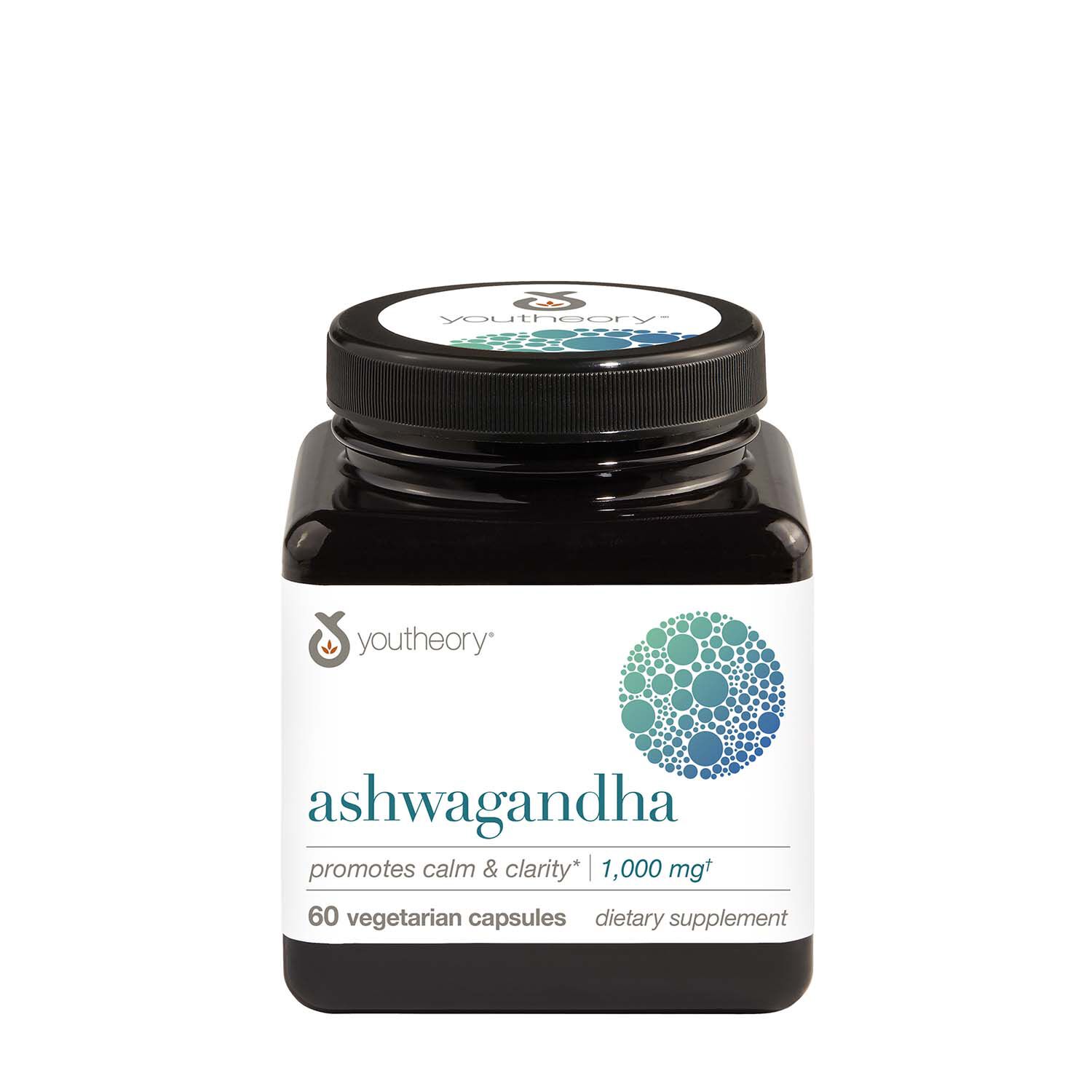
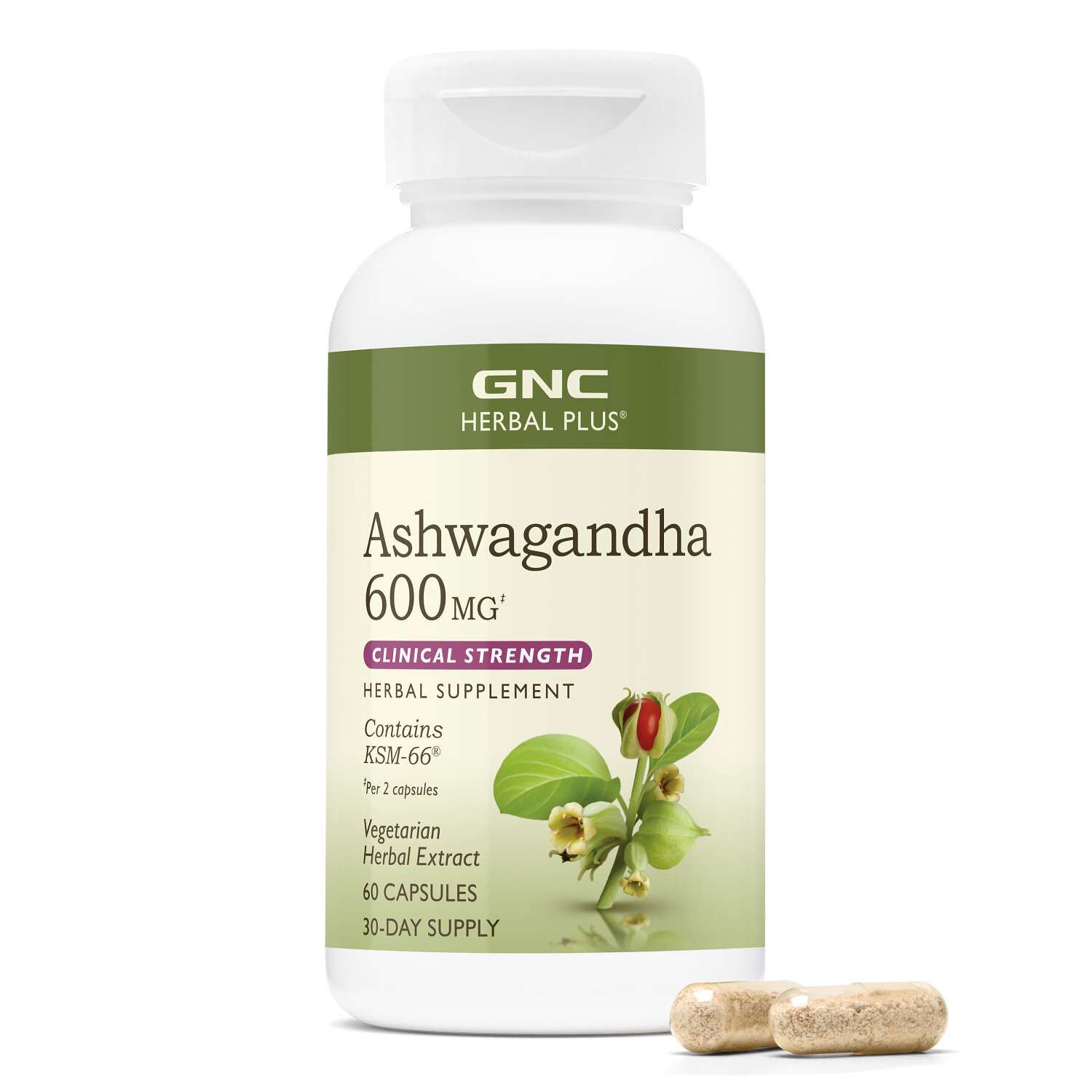
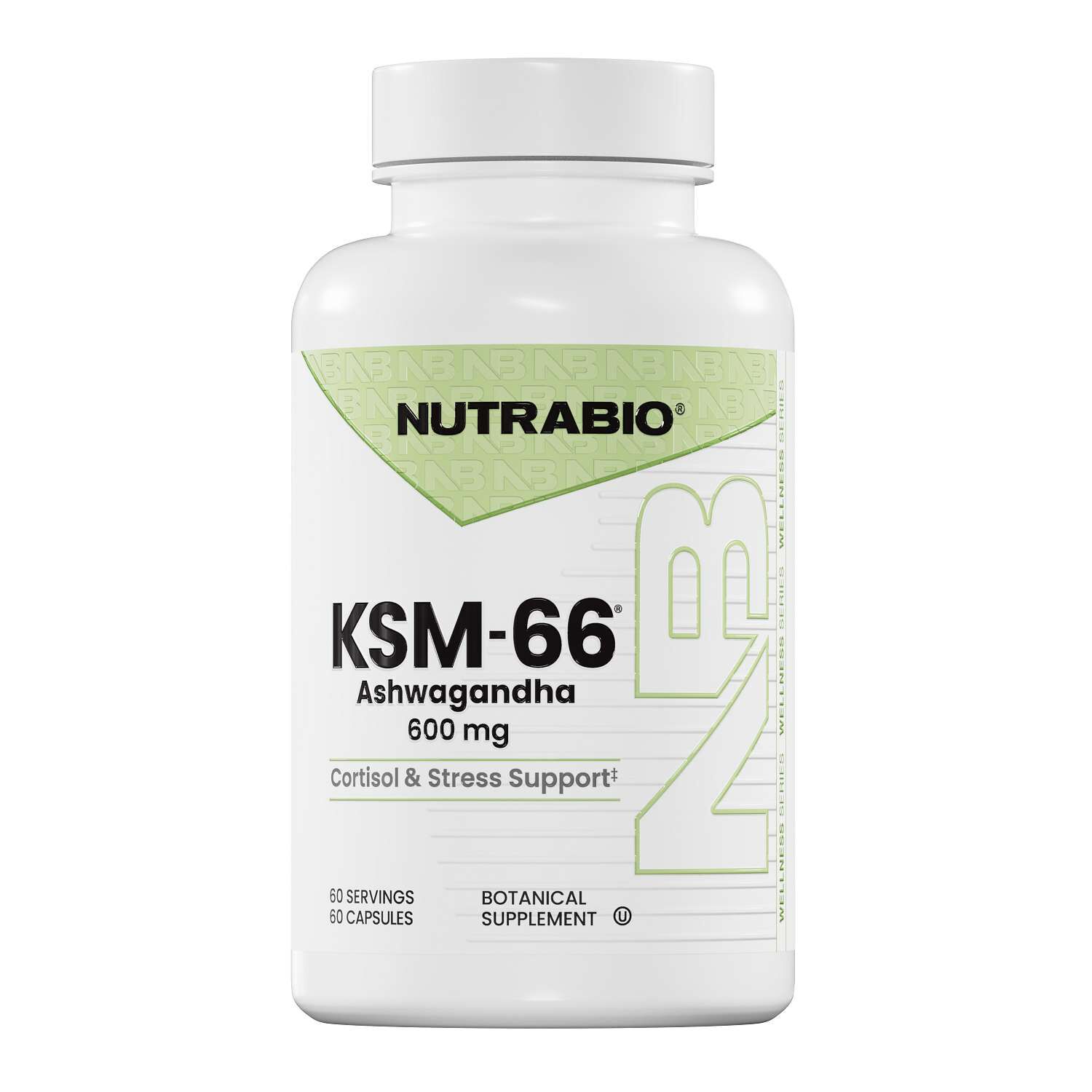
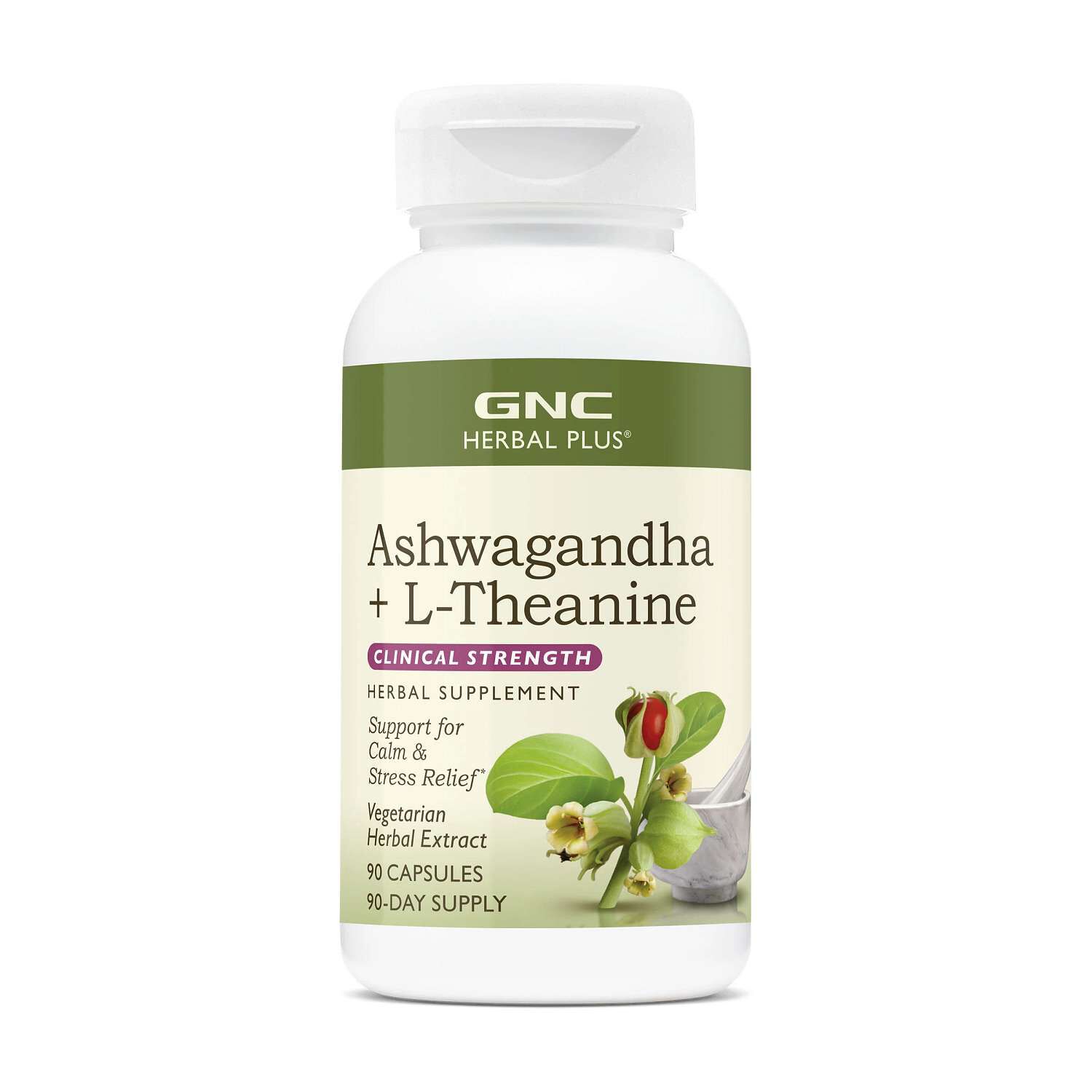
Ashwagandha capsules for men and women offer a convenient way to incorporate this traditional herb into your daily wellness routine. Sourced from the roots of Withania somnifera, these easy-to-take capsules fit seamlessly into a busy lifestyle. Whether you’re looking to support your overall well-being or simply curious about adding a new supplement to your regimen, ashwagandha capsules for men and women provide a versatile option that may complement a balanced approach to health. Explore a range of formulas designed for adults seeking simplicity and quality in their supplement choices.
-
-

-
-
-

-

-
 GNC Herbal Plus$39.99
-
 You Matter Wellness$49.99
-
-
-
-
-
-
-
-
-
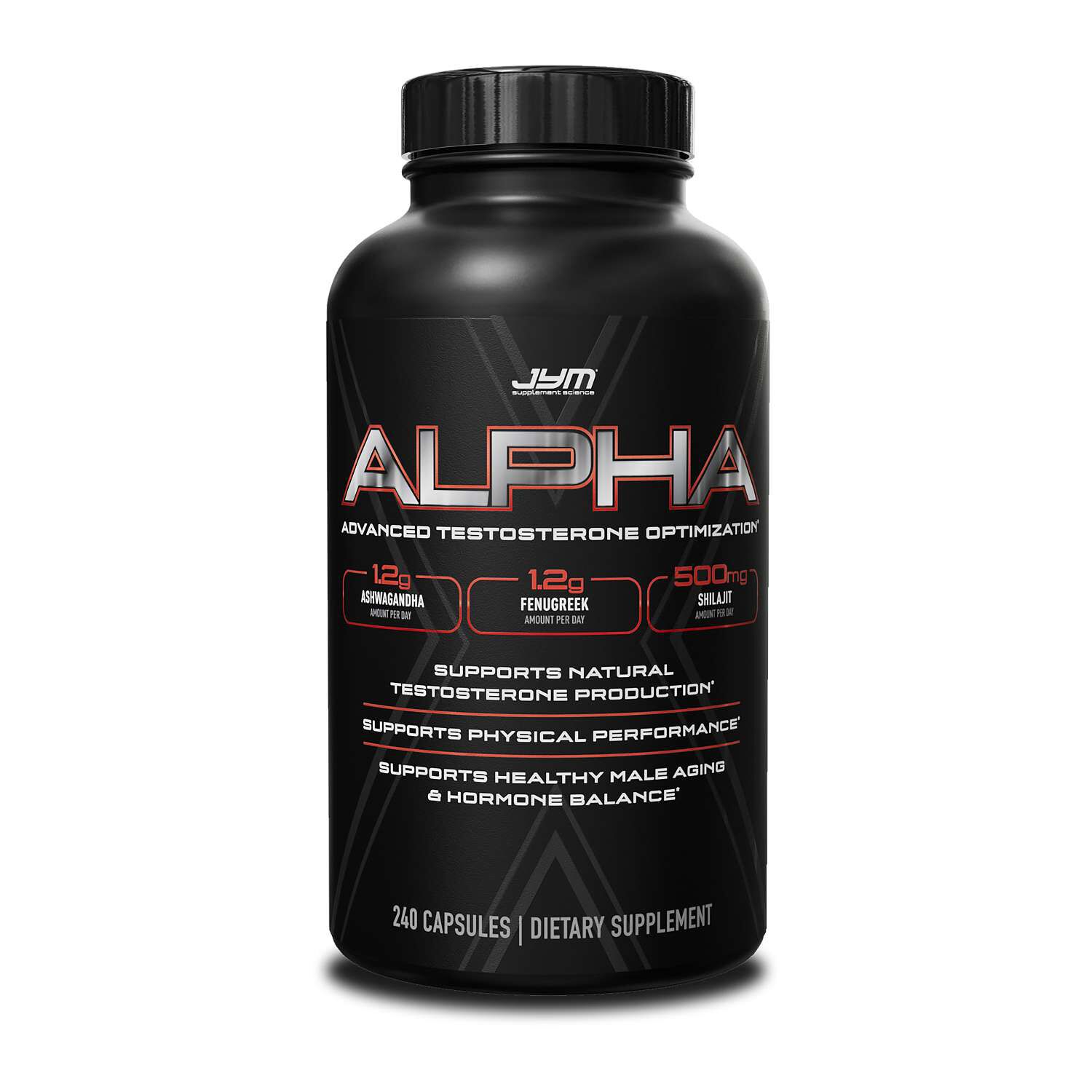
-

-

-
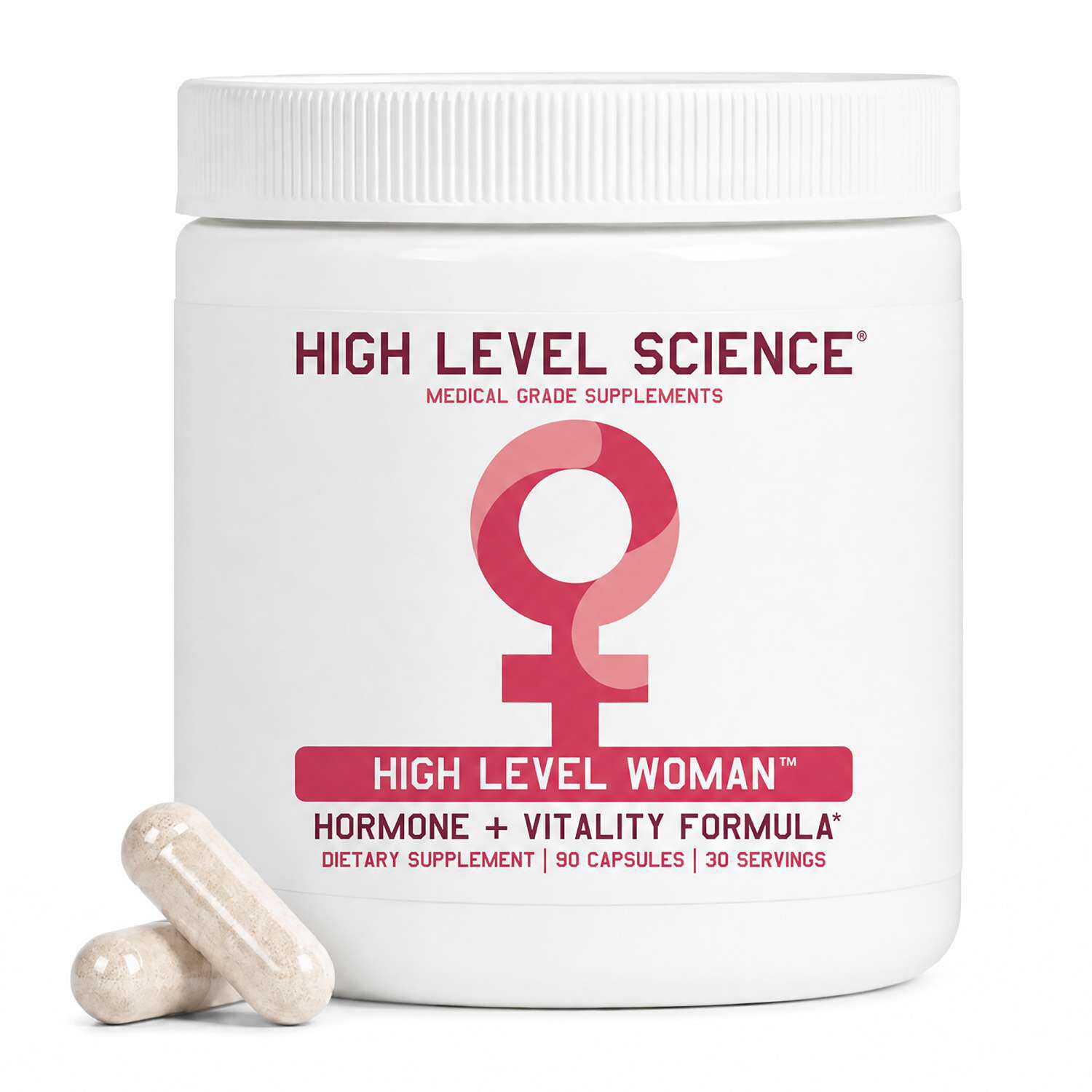
-

-
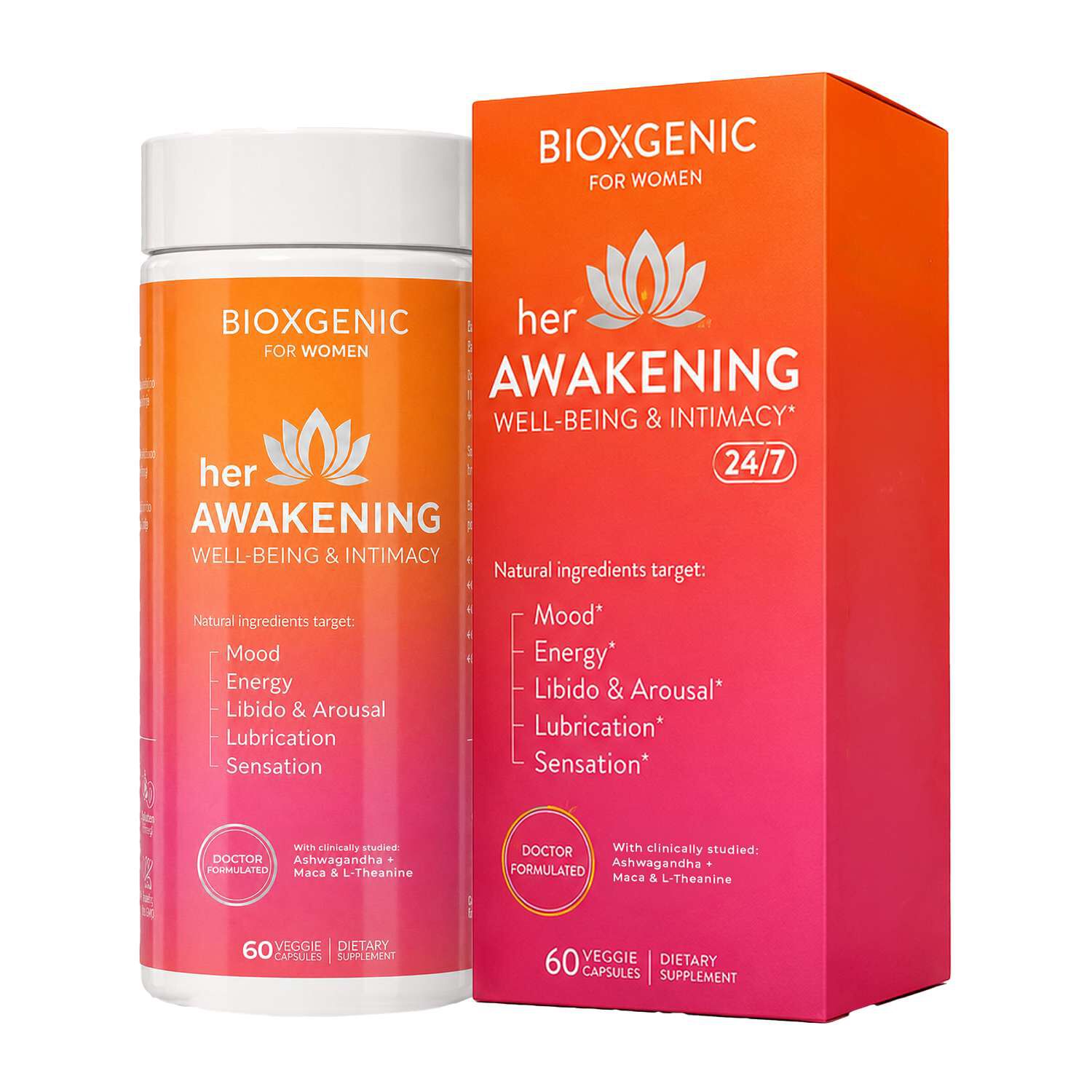 $35.99
-
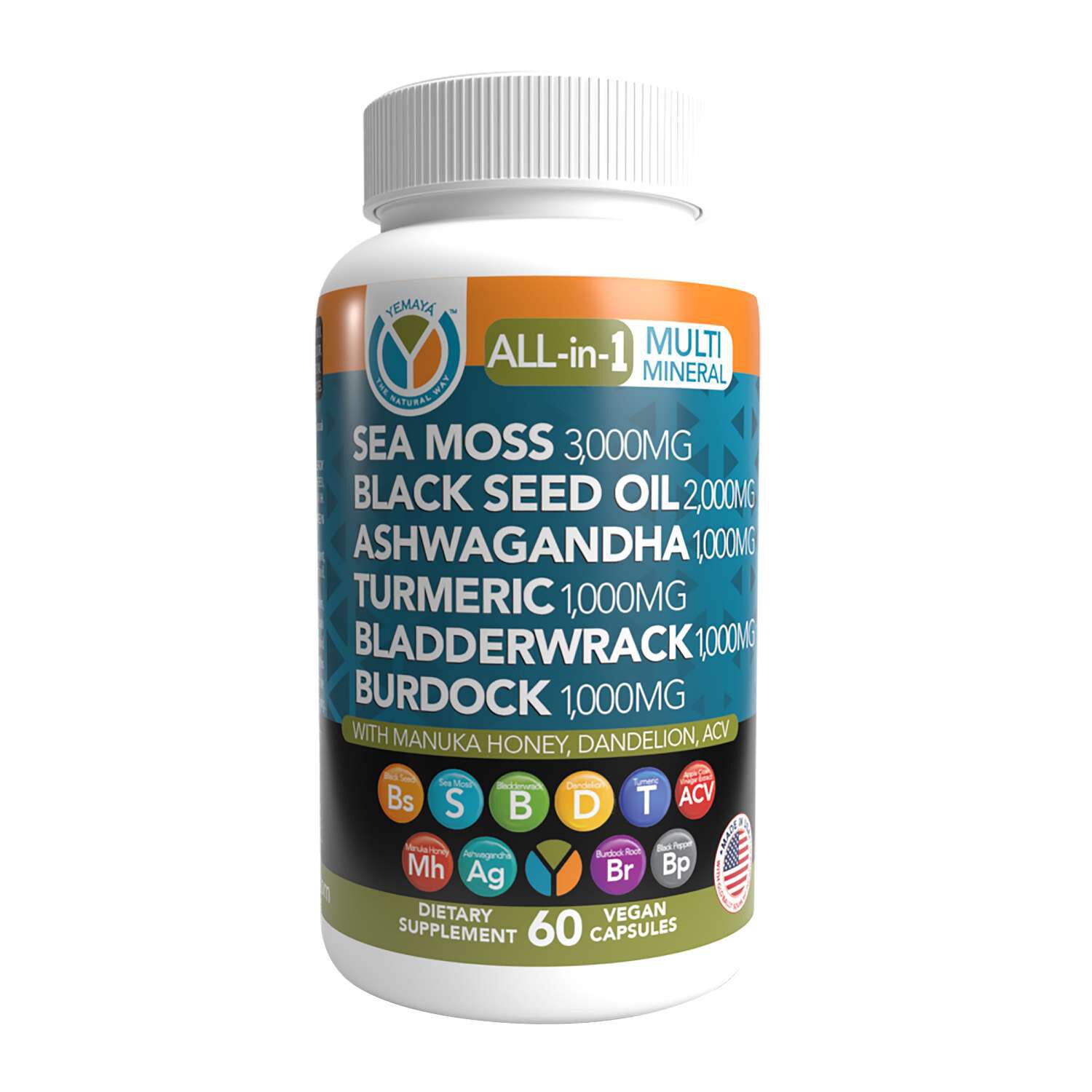 Yemaya Organics$28.99
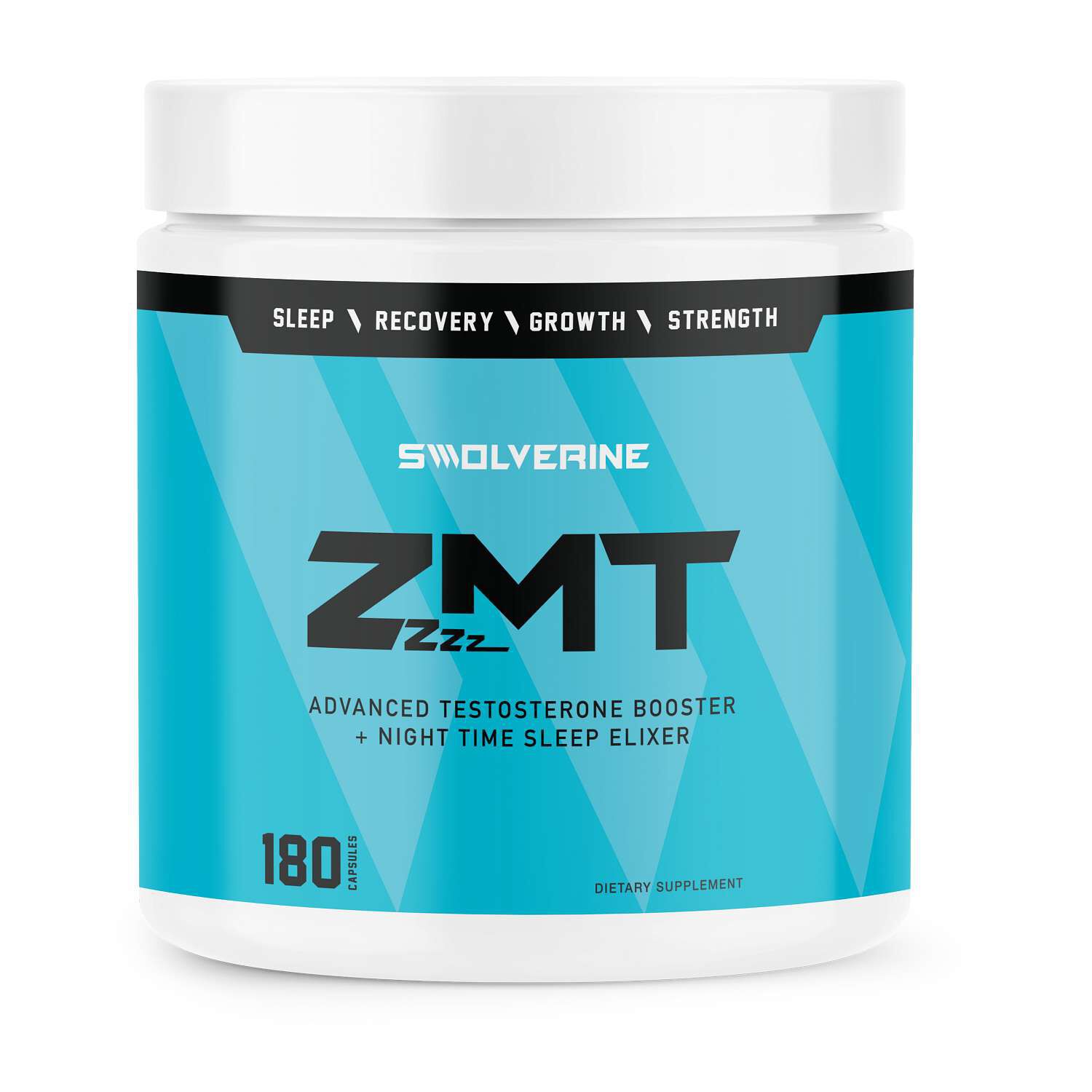
Ashwagandha capsules for men and women are dietary supplements made with ashwagandha, a botanical known by the scientific name Withania somnifera. The plant has a long history in Ayurvedic traditions, and its root is commonly used in supplement formulas. Some formulations use root powder, while others contain concentrated extracts made from the root or a combination of root and leaf. Ashwagandha may support everyday relaxation and general well-being, making it a consideration for adults interested in adding a botanical to an established wellness routine. The capsule format offers a straightforward alternative to powders that require mixing or liquids that require measuring. It may appeal to someone who prefers a supplement without a flavored drink, a chewable texture, or another ingredient added to a morning smoothie. Capsule shells enclose the botanical material, and their size, composition, and serving requirements vary by formulation. For men and women alike, those practical details often matter as much as the ingredient name on the front of the bottle. A person with an early commute may prefer a format that fits neatly beside other daily supplements, while someone with an evening wind-down routine may be looking for an option that does not involve preparing another beverage. Neither scenario determines the right timing or serving amount; those details belong to the individual product label. Gender alone also does not establish which ashwagandha formula is appropriate. Ingredient preferences, capsule materials, labeled directions, and the rest of a person’s supplement routine provide more useful context than an assumption that every man or every woman needs the same formulation. Across this category, the most meaningful distinctions are often visible in the Supplement Facts panel and ingredient list rather than in broad descriptions of the intended audience. That makes clear labeling an important part of evaluating capsules intended for regular personal use.
The differences between whole-root powder and concentrated extract deserve particular attention when comparing ashwagandha capsules. A powder contains the prepared plant material, while an extract is produced through a process that concentrates selected constituents. Withanolides are naturally occurring compounds in ashwagandha and may appear on labels as part of an extract’s standardization information. A stated withanolide percentage describes a formulation characteristic; it does not, by itself, establish how a supplement will fit an individual’s preferences or what that person will experience. Likewise, a larger milligram amount is not automatically a meaningful comparison between different forms. The plant part, preparation method, serving size, and amount per serving all contribute to understanding what a label describes. A bottle may list its botanical amount for one capsule or for a serving consisting of several capsules, so capsule count and serving count are distinct details. Some formulas focus on ashwagandha alone, while others combine it with additional botanicals, vitamins, or minerals. A shorter ingredient list may suit someone seeking a single-botanical supplement, whereas a combination formula calls for a closer look at each included ingredient and any overlap with supplements already in the routine. Capsule construction is another practical distinction. Gelatin shells and plant-based shells, including those made with cellulose-derived materials, serve different dietary preferences. The shell material alone does not describe the entire formula, so a vegan designation or another dietary attribute should come from the label rather than an assumption about the capsule’s appearance. Other ingredients may include materials used during manufacturing to support consistent filling or maintain the capsule’s form. For shoppers seeking a women-focused category, Ashwagandha Supplements for Women provides another way to browse, while the same attention to botanical form, serving information, and capsule composition remains useful. These details offer a clearer basis for comparison than capsule color, bottle shape, or the prominence of a single number on the packaging. Clear ingredient descriptions also make it easier to distinguish a simple botanical formula from a blend with a different intended use.
Practical fit extends beyond the formula itself. Capsule dimensions, the number of capsules in a labeled serving, and packaging design can influence whether a supplement feels manageable within an existing routine. Someone who already keeps several bottles in a kitchen cabinet may value an easy-to-read label and a clearly marked serving count. Someone who travels frequently may pay closer attention to container size, a secure closure, and whether the original packaging fits into a personal travel bag. Keeping the label accessible preserves the ingredient information, directions, cautions, and date markings that belong with the supplement. Storage requirements vary, but the packaging typically provides instructions concerning moisture, light, and temperature. A tightly closed container stored according to those instructions may help protect the capsules from unnecessary exposure and handling. A bathroom shelf beside a steamy shower or an open bottle near a sink creates different conditions from a dry cabinet away from splashes. The bottle’s condition also matters: a readable label, intact closure, and clear date marking are useful features throughout the period of use. Unlike a reusable accessory, a capsule supplement is intended to be consumed according to its labeling, so freshness and packaging integrity are more relevant considerations than long-term durability. Personal preference remains important, too. Ashwagandha capsules may suit adults who prefer a contained botanical format and want to avoid measuring loose powder, but they are not interchangeable with every other ashwagandha preparation. Differences in extracts, supporting ingredients, and serving directions deserve attention even when two bottles share the same main botanical. Because supplements are personal purchases, familiarity with the recipient’s stated preferences matters if they are being considered as a gift. For individual shopping, a thoughtful match comes from looking at the entire formulation and its practical requirements, with attention to how the capsule format fits an ordinary day rather than expectations based on a category name alone.
Best Sellers
-
GNC Herbal Plus
-
GNC Herbal Plus
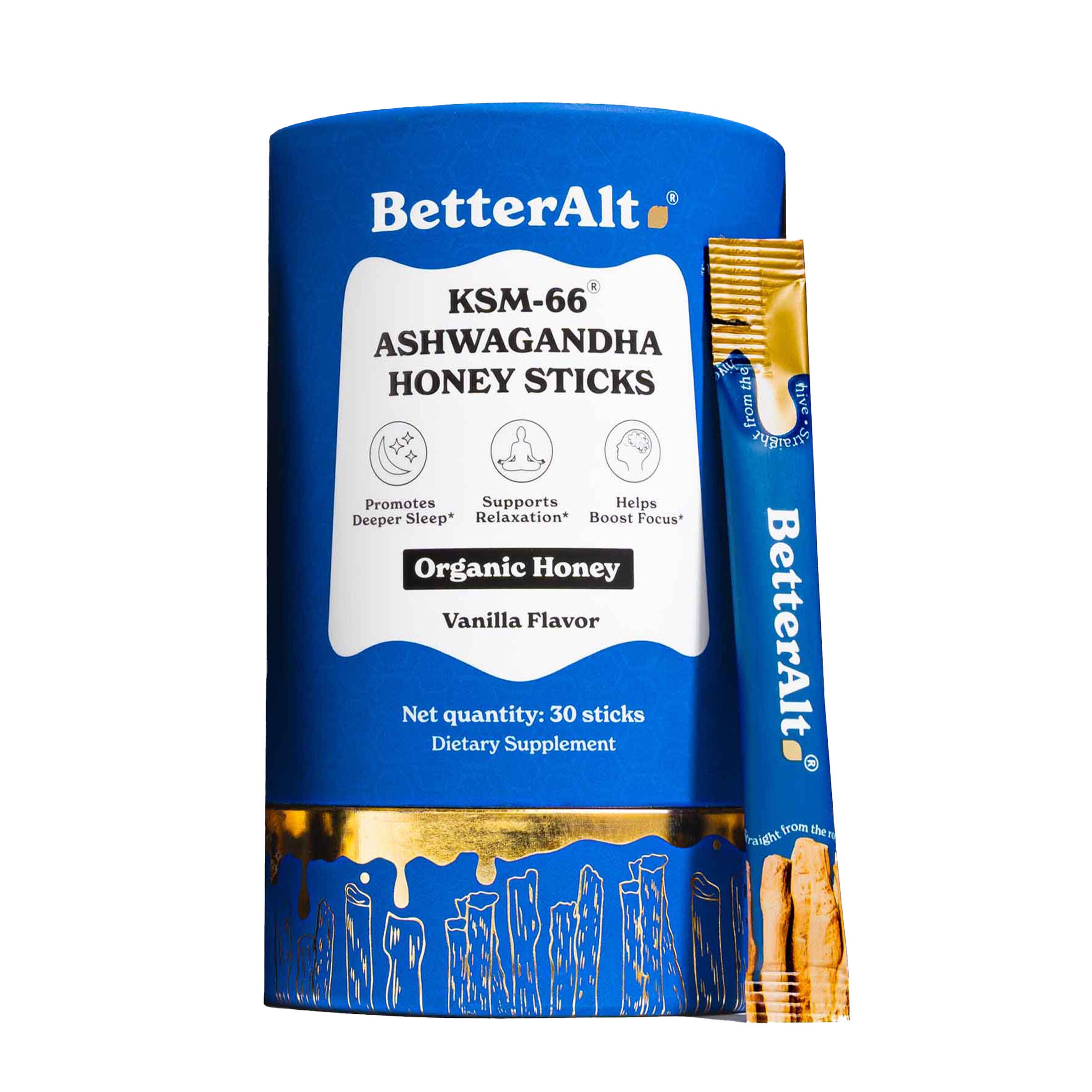
Related Pages
Top Collections
- Active Supplements
- Chronic Fatigue Supplements
- Supplements For Yoga Joint Flexibility
- Adult Mobility Supplements
- Zinc Supplements | Top Brands at Great Prices | GNC
- Joint Mobility Supplement Packs
- Supplements For Anxiety Relief Support
- Capsule Supplements For Energy And Stamina
- Zinc Supplements For Men
- Supplements For Balance