





Ashwagandha Supplements For Women
(0 Results)
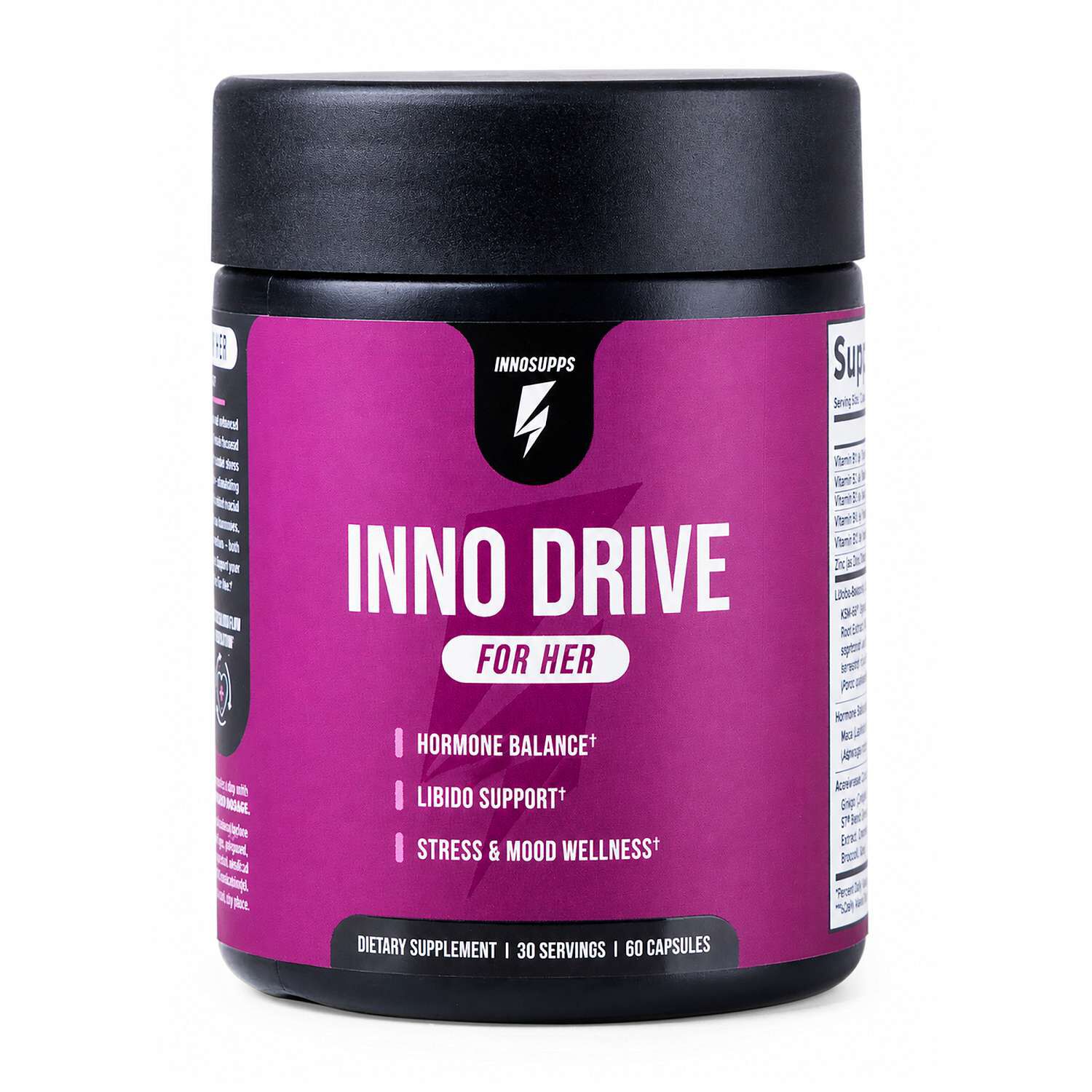
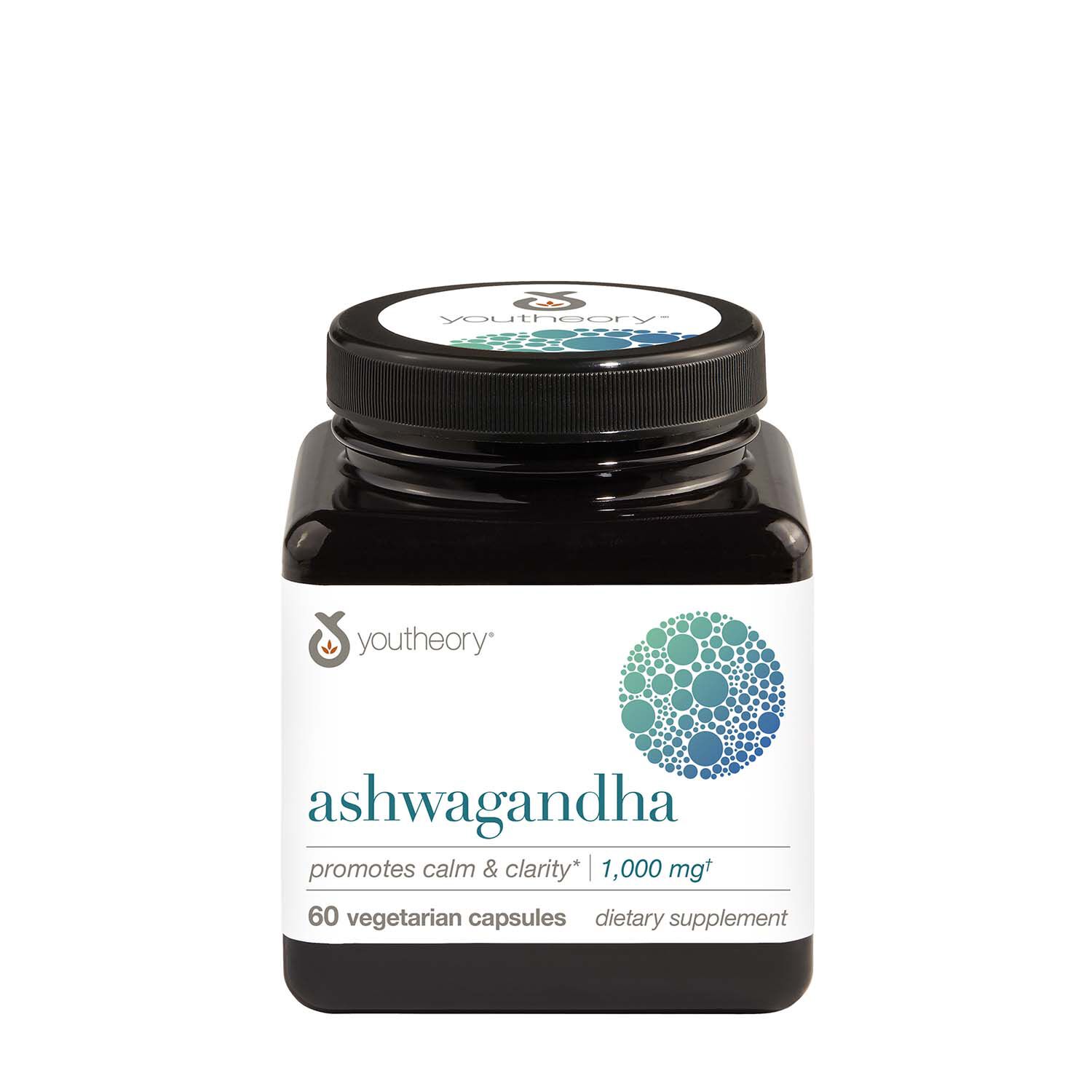
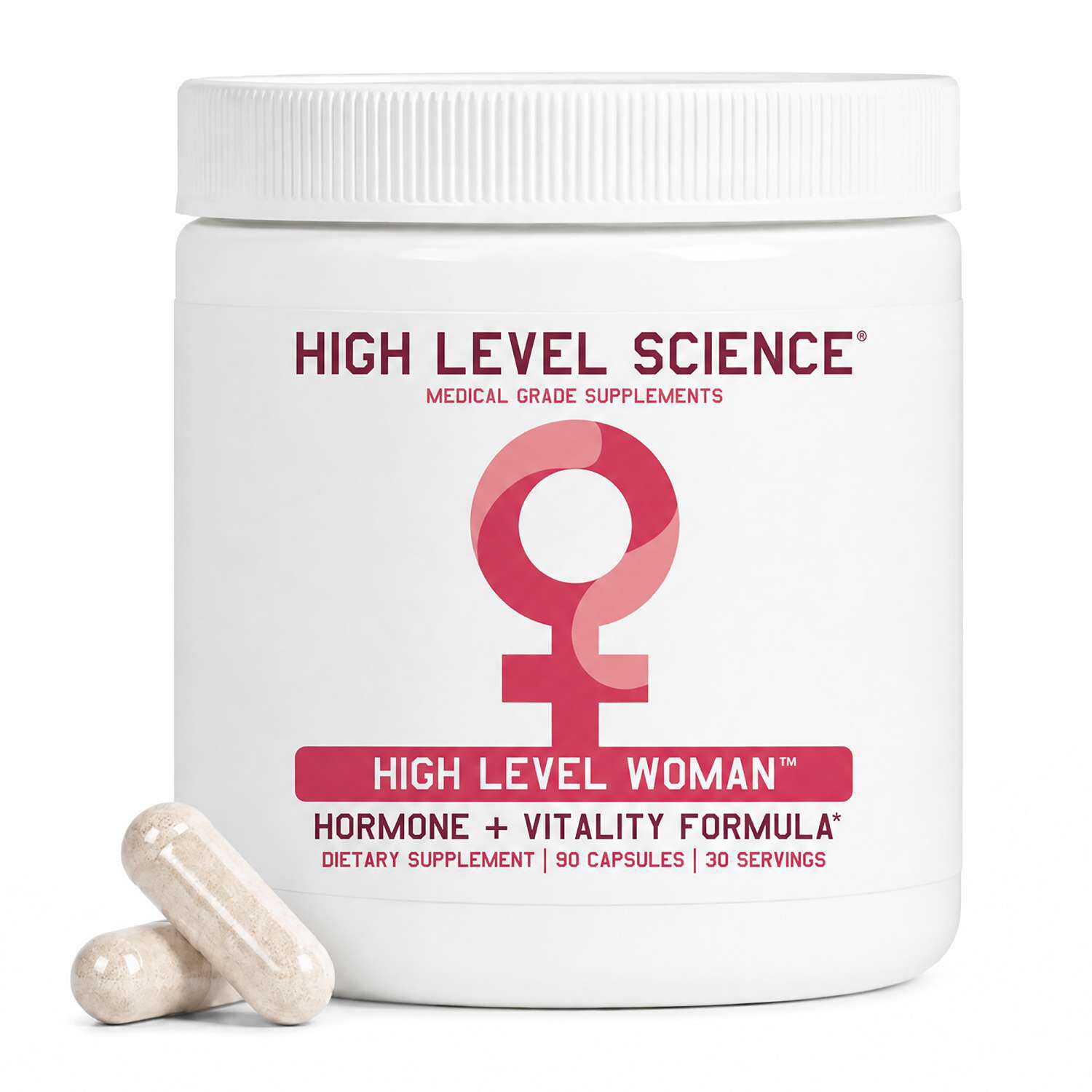
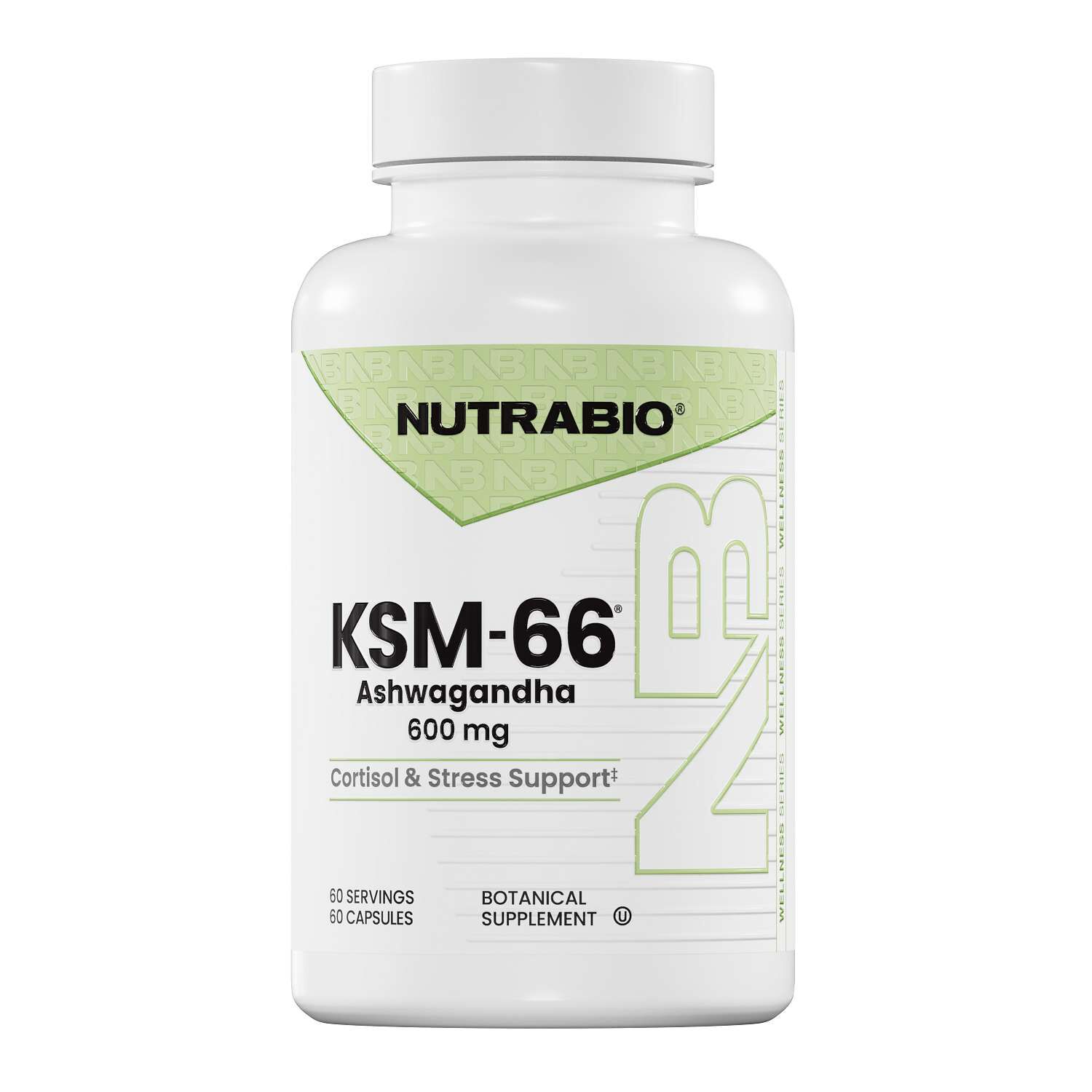
Explore ashwagandha supplements for women and compare formulas by the amount of ashwagandha per serving, additional ingredients, and suggested use. Check each product’s serving size and label directions to find an option that fits your daily supplement routine.
-
-
-

-
-

-
-

-
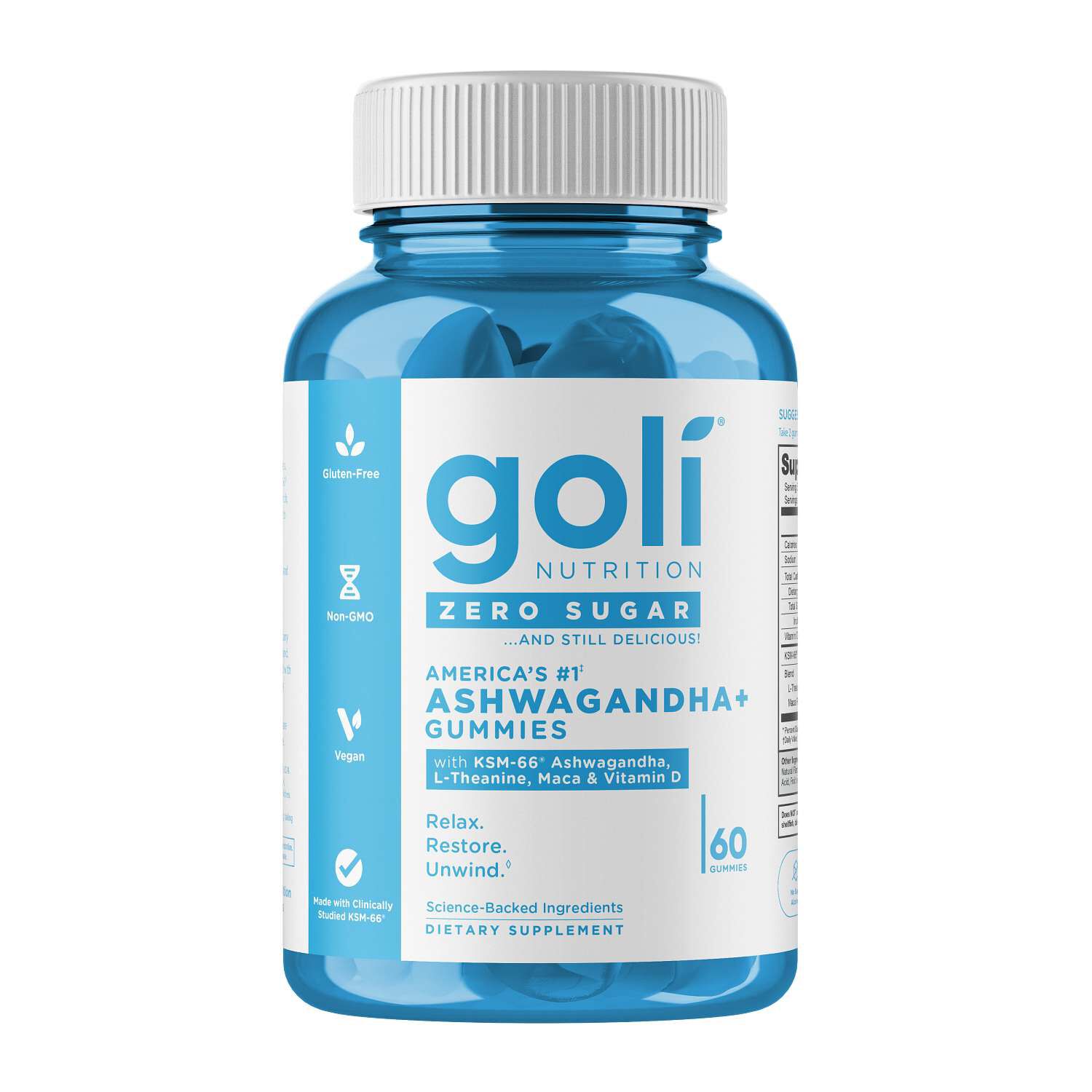 Goli Nutrition$18.99
-
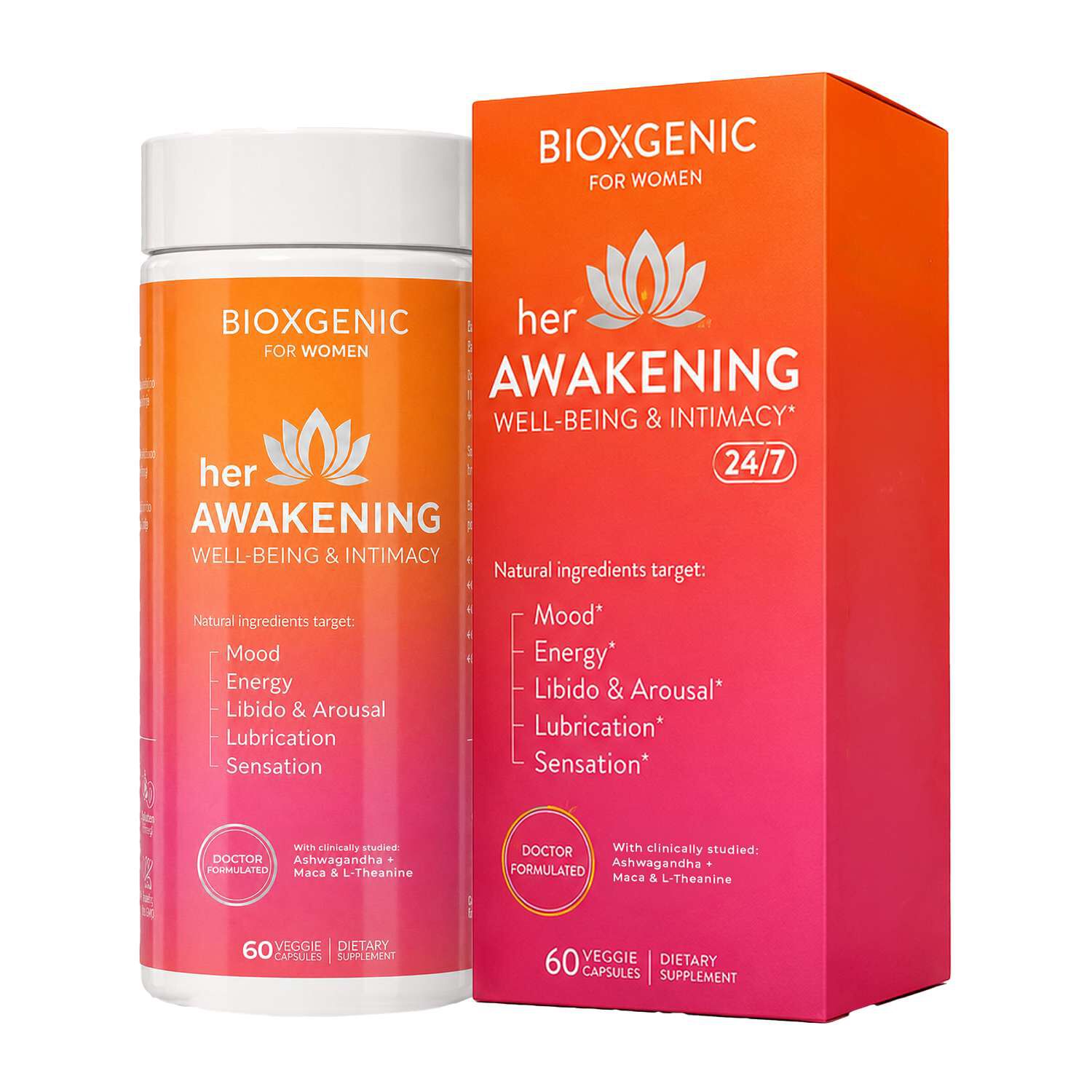 $35.99
-
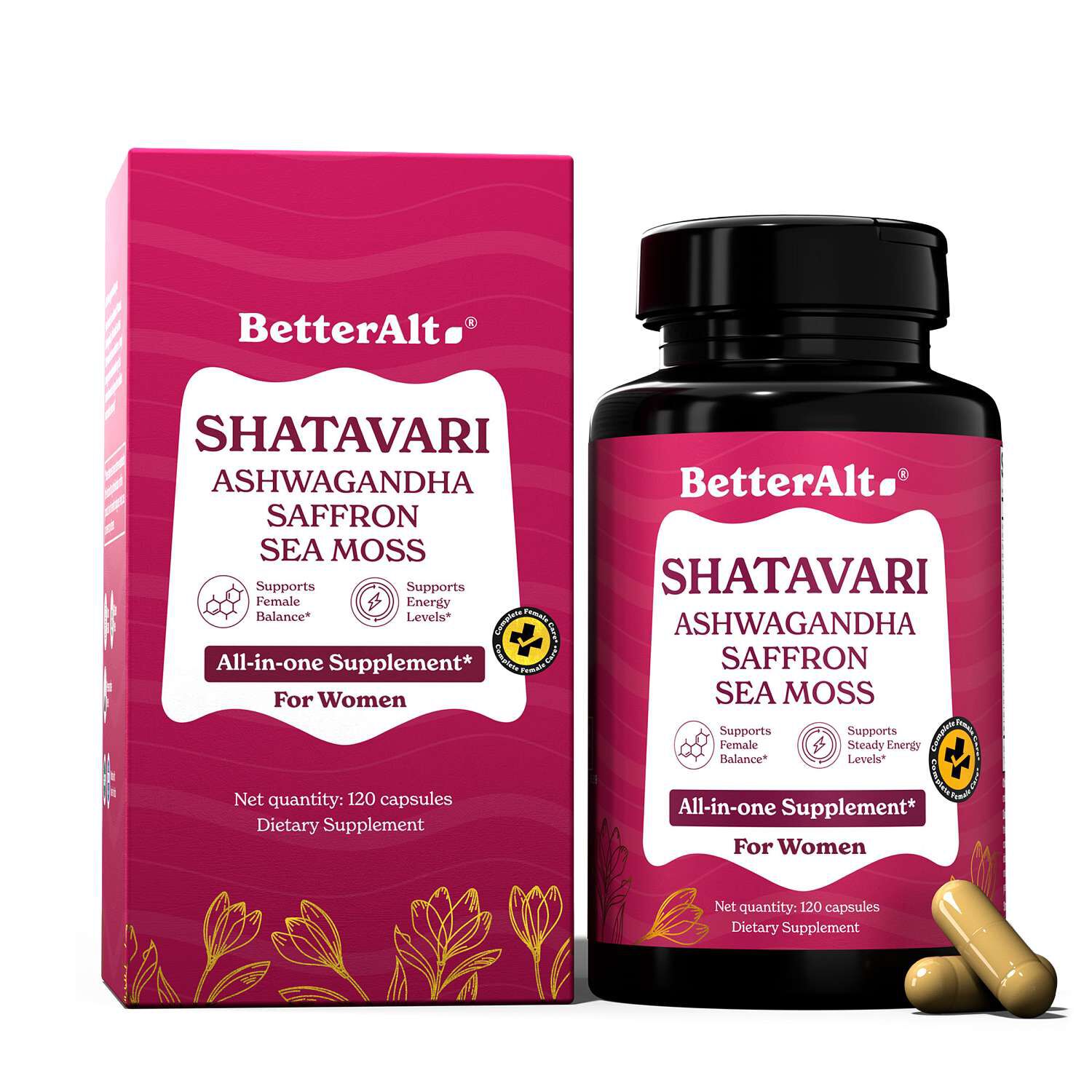 BetterAlt$39.99
-
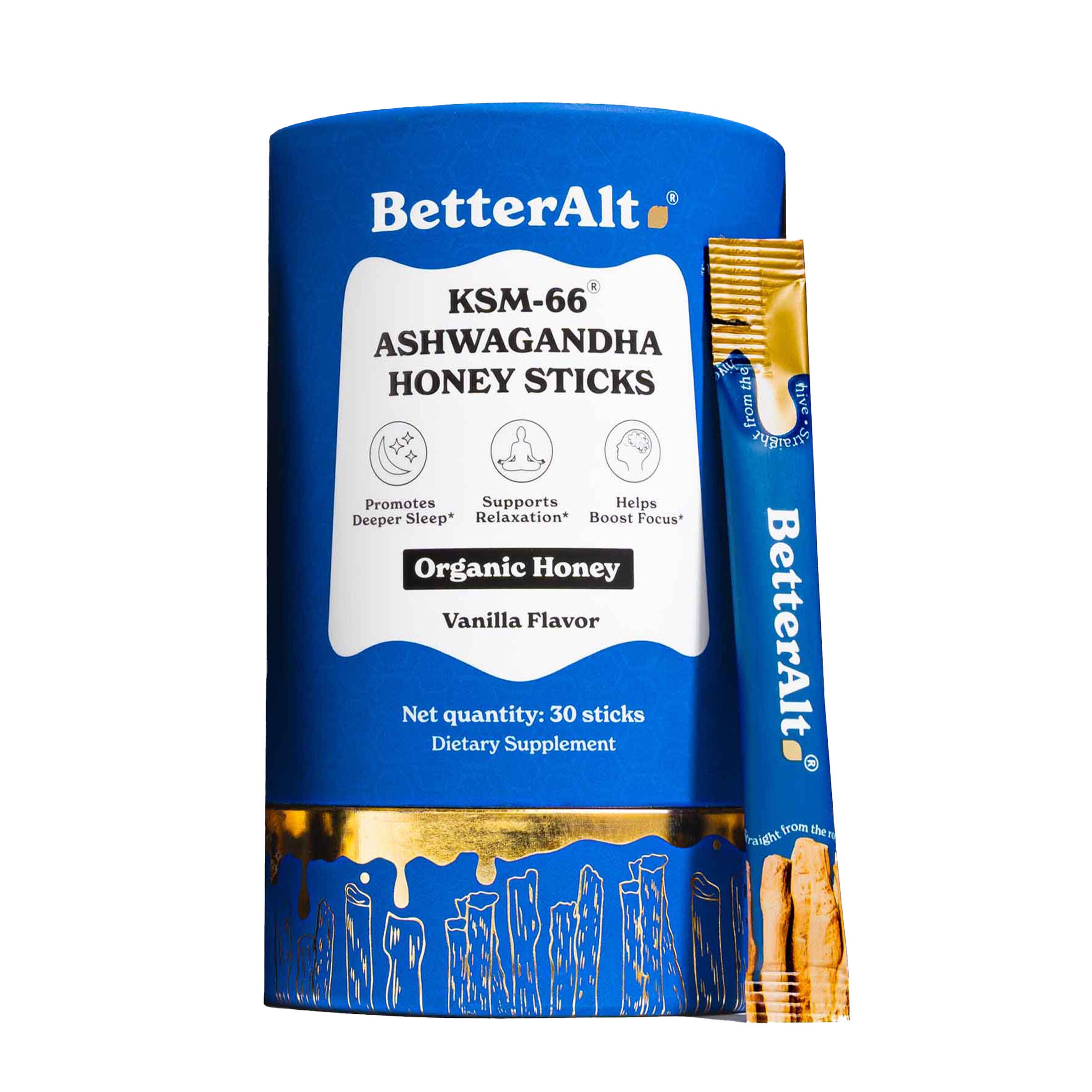
-
-
 GNC Herbal Plus$39.99
-
 $23.99
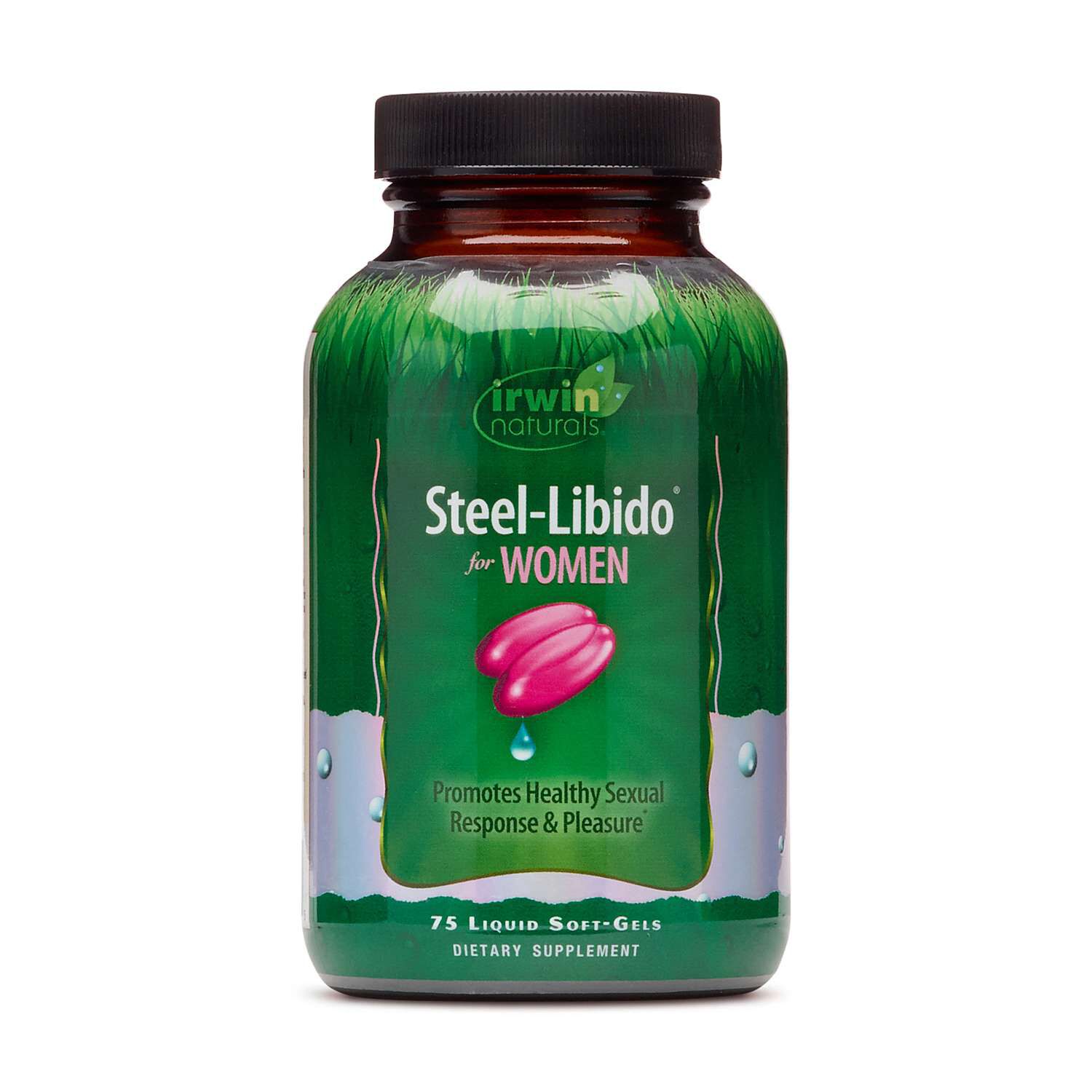
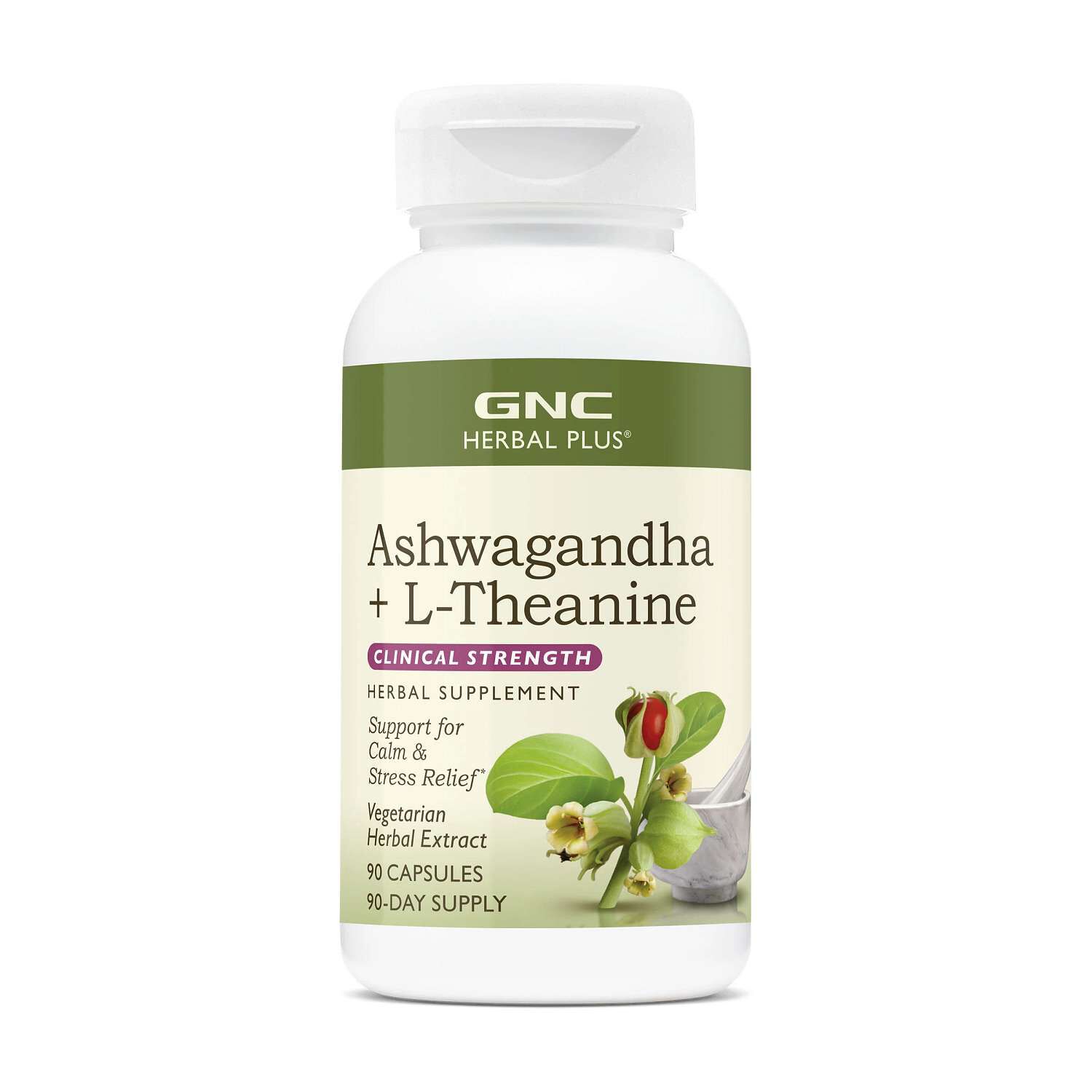
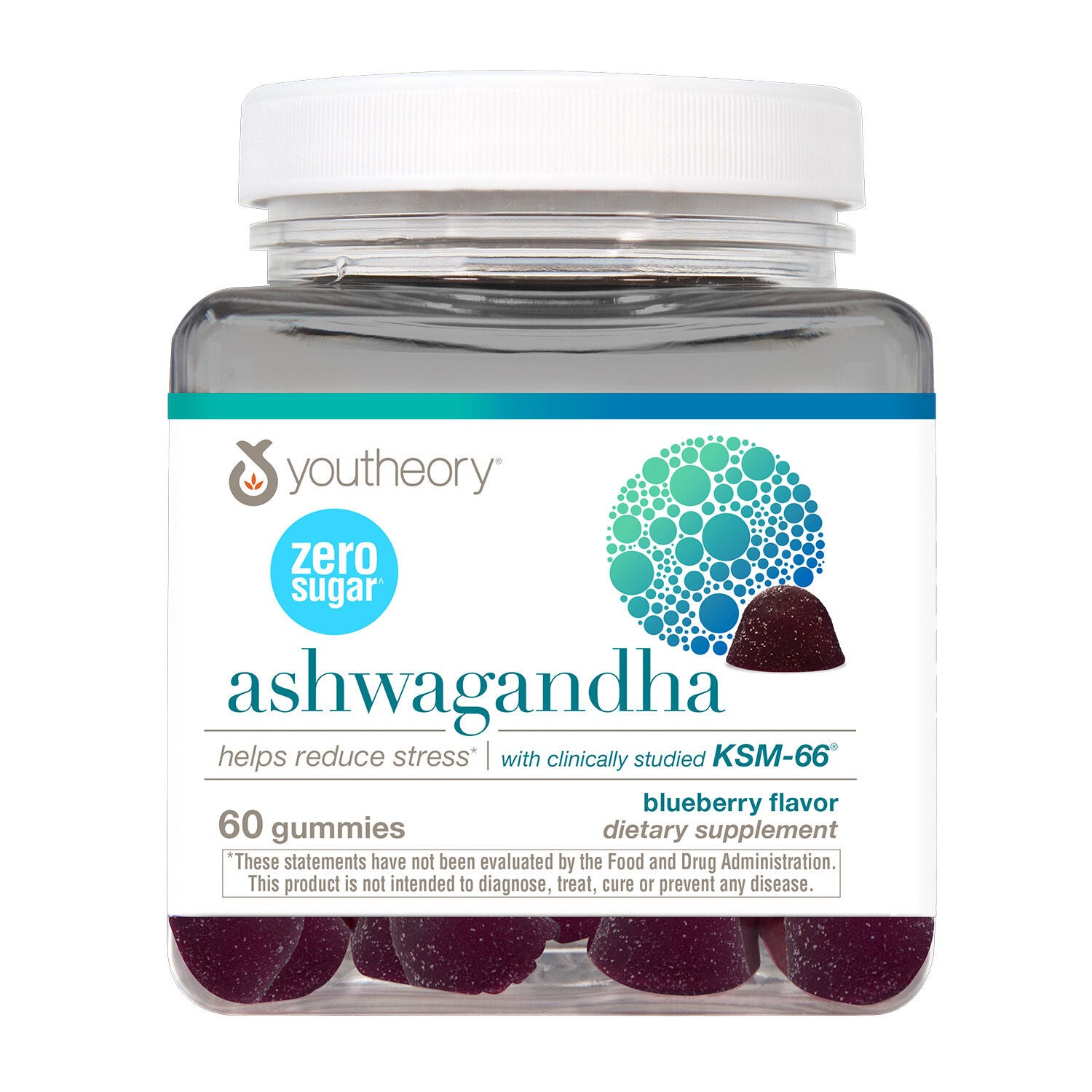
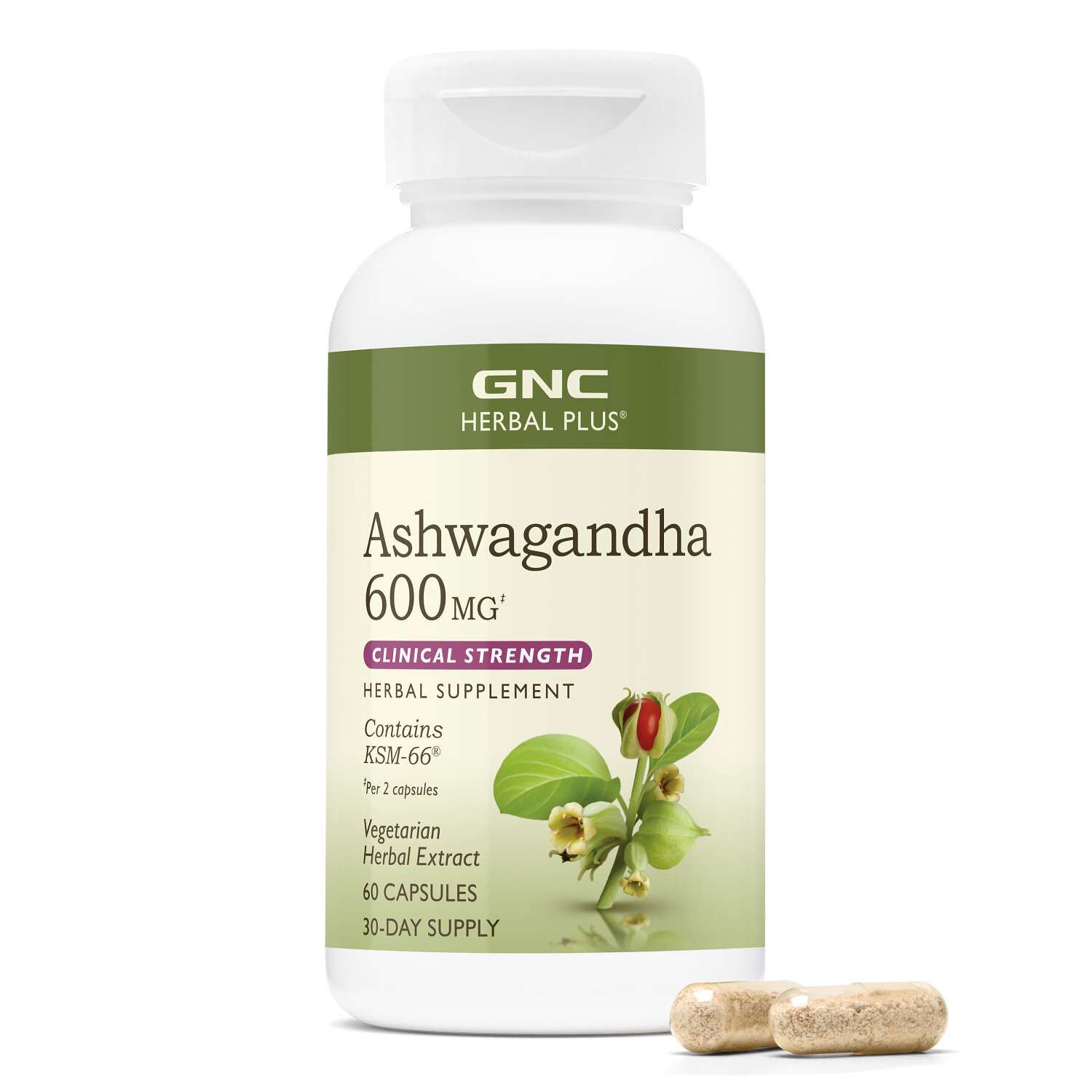
Ashwagandha supplements for women feature Withania somnifera, a botanical with a long history of traditional use, in formats such as capsules, tablets, gummies, and powders. These supplements may support everyday calm and general well-being, with product descriptions often emphasizing relaxation or everyday stress support. Ashwagandha is commonly grouped with adaptogenic herbs, but that category name does not describe a single formula, serving size, or experience. A women-focused label also does not necessarily mean the botanical itself differs from the ashwagandha found in other adult supplements. The distinctions are usually in the ingredient combination, amount per serving, format, and stated purpose. Some formulas contain ashwagandha alone, while others combine it with additional botanicals, vitamins, or minerals. That difference matters when comparing a straightforward botanical supplement with a blend intended for a broader wellness routine. The plant material deserves attention as well: an ingredient panel may identify root powder, a root extract, or an extract made from both root and leaf. Those descriptions provide more useful context than the word “ashwagandha” on the front of a bottle. Extracts and whole-root powders are different preparations, so a larger milligram number alone is not a reliable basis for judging one against another. Some labels also identify a standardized amount or percentage of withanolides, naturally occurring compounds found in the plant. This information describes the ingredient preparation; it does not establish how a particular person might feel after using it. Serving information adds another layer to the comparison. The amount shown on a label may refer to several capsules or gummies rather than one piece, and a blended formula may list several ingredients within the same serving. Looking at the botanical source, preparation, and serving description together gives a clearer picture of what each type of supplement contains. For women browsing this category, those details create a practical starting point without assuming that every formula shares the same purpose or belongs in the same routine.
Format is often the most noticeable difference once a supplement becomes part of daily life. Capsules offer a measured portion without the need to blend a powder into food or a beverage, while tablets have their own dimensions, coatings, and suggested serving counts. Capsule shells may contain gelatin or plant-derived materials, making the shell composition relevant alongside the botanical ingredients. Gummies provide a chewable format, with flavor, texture, sweeteners, and the number of pieces per serving shaping the experience. A fruit-flavored gummy and an unflavored capsule may feature the same botanical, yet feel quite different as part of a morning routine. Powders bring another set of considerations, including the supplied scoop, the amount measured per serving, and the preparation directions. Ashwagandha has an earthy flavor that may remain noticeable in an unflavored powder, especially in a simple beverage without other strong flavors. Flavored powders have their own ingredient lists, so the name on the front is only part of the picture. Someone who prefers a short ingredient list may approach the category differently from someone who places greater importance on a chewable texture or a flavored drink format. Dietary preferences also reach beyond the main botanical: capsule materials, added sugars, flavor ingredients, colors, and allergen statements all contribute to a product’s suitability for a particular shopping preference. A shared kitchen shelf makes clear labeling useful, especially when several adults keep similar-looking bottles nearby. For a desk drawer or a regularly packed overnight bag, the original container keeps the ingredient panel and directions close at hand. Shoppers comparing relaxation-oriented formulas with a different intended-use emphasis can also browse Ashwagandha Supplements For Energy Support. The presence of ashwagandha does not make every blend equivalent, so the other ingredients and stated purpose remain important parts of that comparison. Choosing between formats is less about finding one universally preferable option and more about understanding the details of the format under consideration.
Packaging, storage, and day-to-day handling round out the comparison of ashwagandha supplements for women. A bottle count describes the number of capsules, tablets, or gummies inside, not necessarily the number of labeled servings. Checking those two details together is useful when considering how a container fits into a regular routine. Powders require a different comparison because container weight, scoop size, and serving amount each describe something different. The package design matters in ordinary use, too: a securely closing lid, readable directions, and a clearly marked date are practical details for a container that may be opened repeatedly. Storage directions vary by formula, and the original packaging provides the relevant instructions for moisture, light, and other conditions. A tightly closed container and a dry storage location, where the label specifies one, are considerations for keeping the contents in their intended condition. Leaving gummies in an open dish or transferring several supplements into an unmarked jar separates them from information that distinguishes one formula from another. Product identity, suggested use, ingredient declarations, and precautions remain useful throughout the life of the container, not only during the initial comparison. The same attention applies when a familiar-looking package has a different serving description or ingredient combination. Women-focused presentation is a browsing cue rather than an indication that every adult woman has the same preferences or requirements. A single-botanical capsule, a flavored gummy, and a blended powder offer distinct ways to incorporate the ingredient into a personal wellness routine, subject to their individual labeling. None replaces varied meals, adequate rest, or other everyday habits. The clearest choice begins with a defined preference—such as a particular format, botanical preparation, or ingredient profile—and a careful match between that preference and the package details. Across the category, transparent labeling and a practical fit with daily life provide a more grounded basis for comparison than a bold front-label statement alone.
- Q: What are ashwagandha supplements for women?
A: Ashwagandha supplements for women contain preparations of Withania somnifera, a botanical with a history of use in Ayurvedic traditions. Formulas may feature ashwagandha alone or combine it with other botanicals, vitamins, or minerals. - Q: What forms do ashwagandha supplements come in?
A: Common formats include capsules, tablets, gummies, powders, and liquid extracts. Capsules and tablets offer a premeasured format, while powders can be mixed into foods or beverages according to the label directions. - Q: What is the difference between ashwagandha root powder and root extract?
A: Root powder is made from dried, ground ashwagandha root. Root extract is produced by drawing selected compounds from the root. Supplement labels identify the preparation and the amount included per serving. - Q: What does standardized extract mean on an ashwagandha supplement label?
A: A standardized extract is prepared to contain a specified amount or percentage of selected plant compounds. For ashwagandha, labels often reference withanolides, a group of naturally occurring compounds found in the plant. - Q: How do single-ingredient ashwagandha supplements differ from blends for women?
A: Single-ingredient formulas feature ashwagandha as the only dietary ingredient, though they can also contain capsule materials or other formulation ingredients. Blends pair ashwagandha with additional dietary ingredients. The Supplement Facts panel lists those ingredients and their amounts, or identifies them within a proprietary blend.
Best Sellers
-
 GNC Herbal Plus
-
GNC Herbal Plus
Related Pages
Top Collections
- Active Supplements
- Chronic Fatigue Supplements
- Supplements For Yoga Joint Flexibility
- Adult Mobility Supplements
- Zinc Supplements | Top Brands at Great Prices | GNC
- Joint Mobility Supplement Packs
- Supplements For Anxiety Relief Support
- Capsule Supplements For Energy And Stamina
- Zinc Supplements For Men
- Supplements For Balance