





B12 Caplet Form
(0 Results)
Explore the potential benefits of incorporating b12 caplet form into your daily routine. This convenient and easy-to-take supplement may support various aspects of your well-being. Perfect for those with busy lifestyles, b12 caplets offer a simple solution that could fit seamlessly into your health regimen. Whether you're looking to maintain energy or support overall wellness, b12 caplet form might be an excellent addition to your dietary supplements collection.

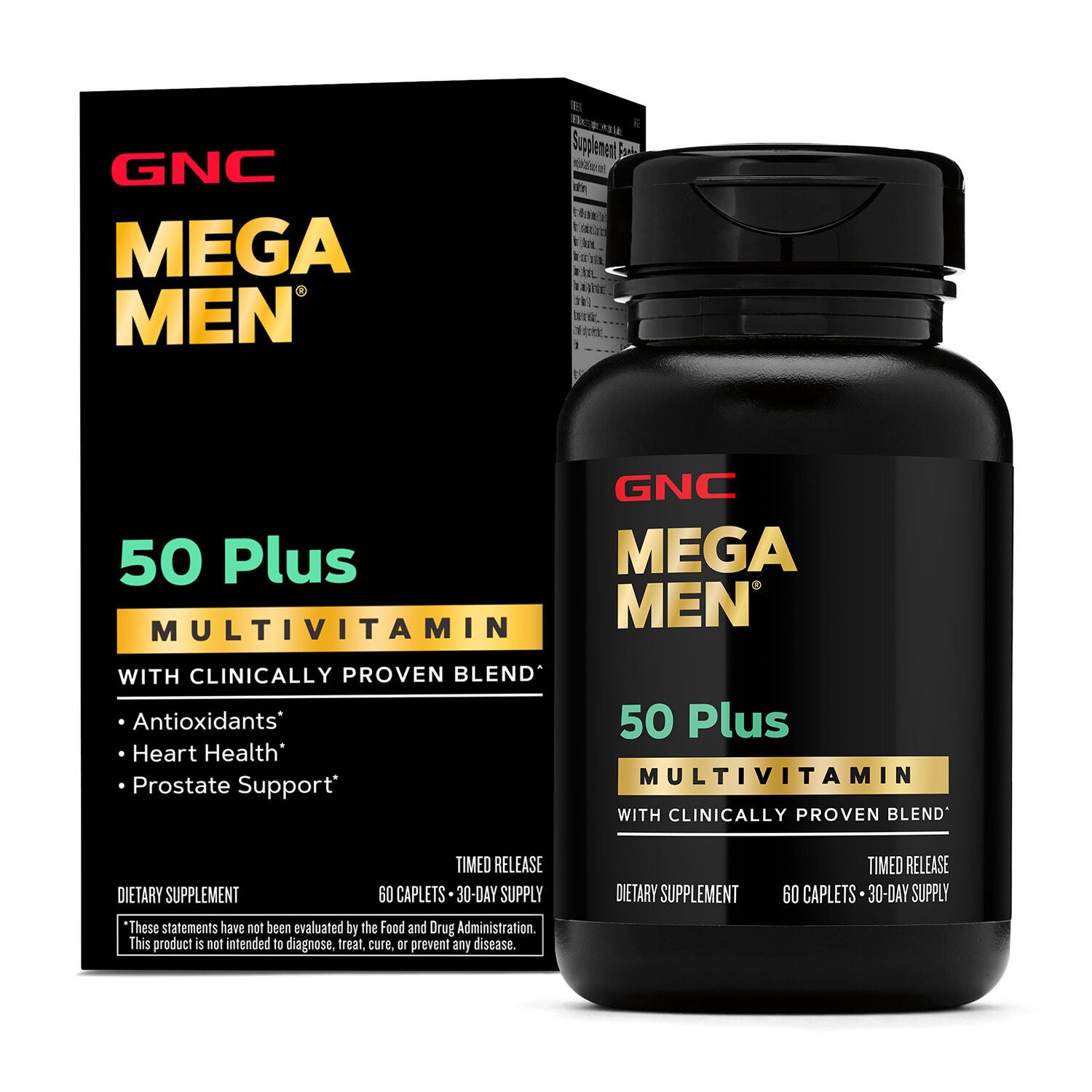
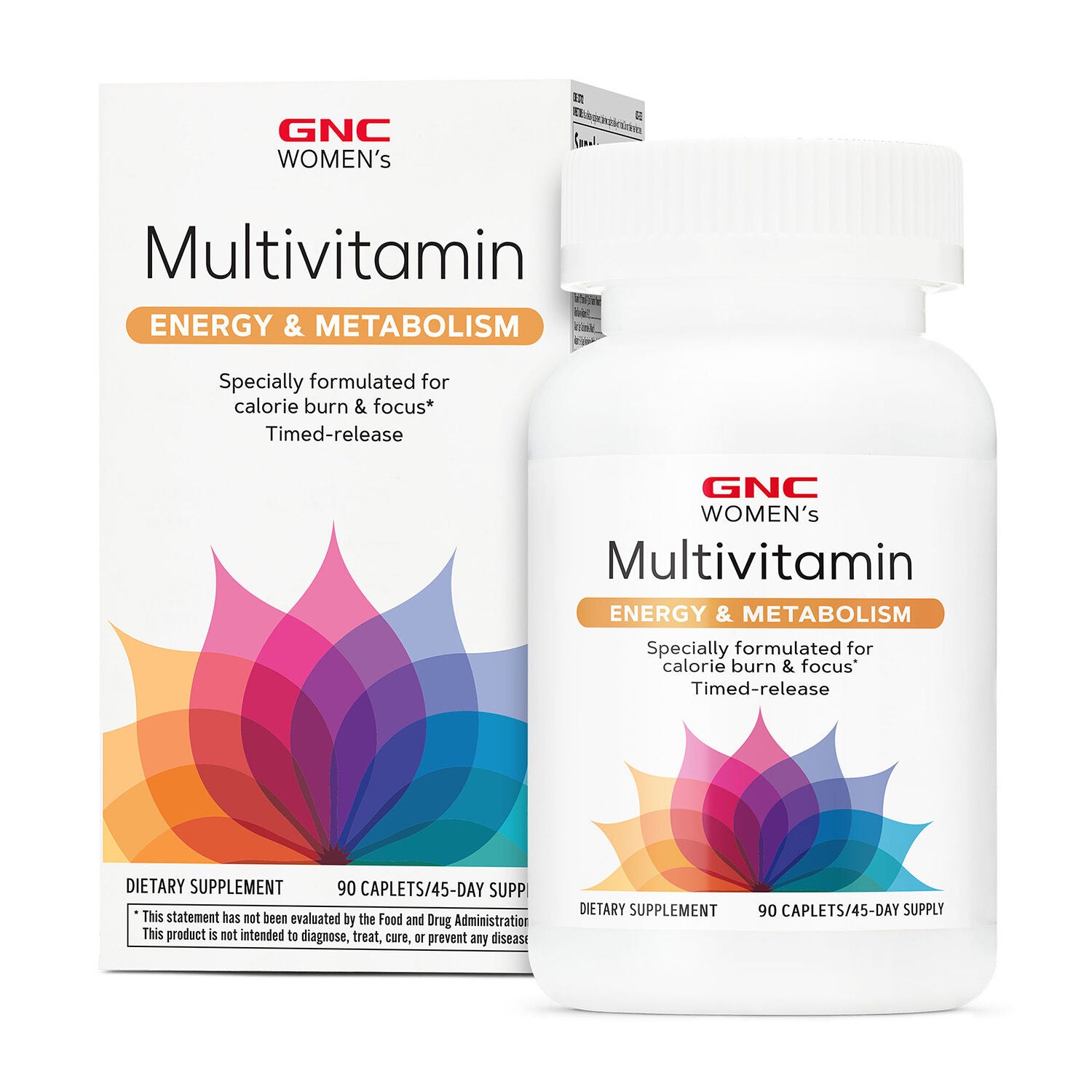

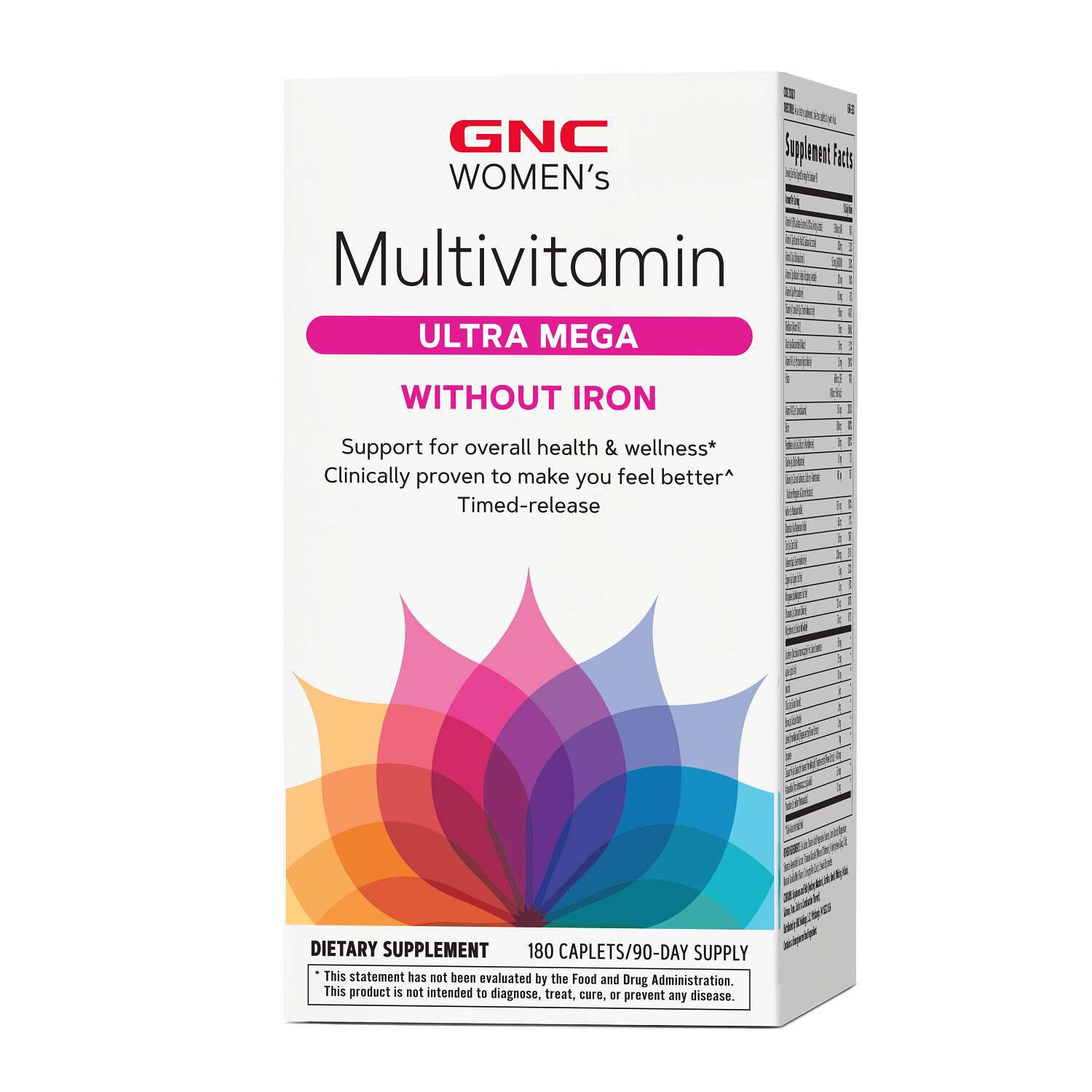


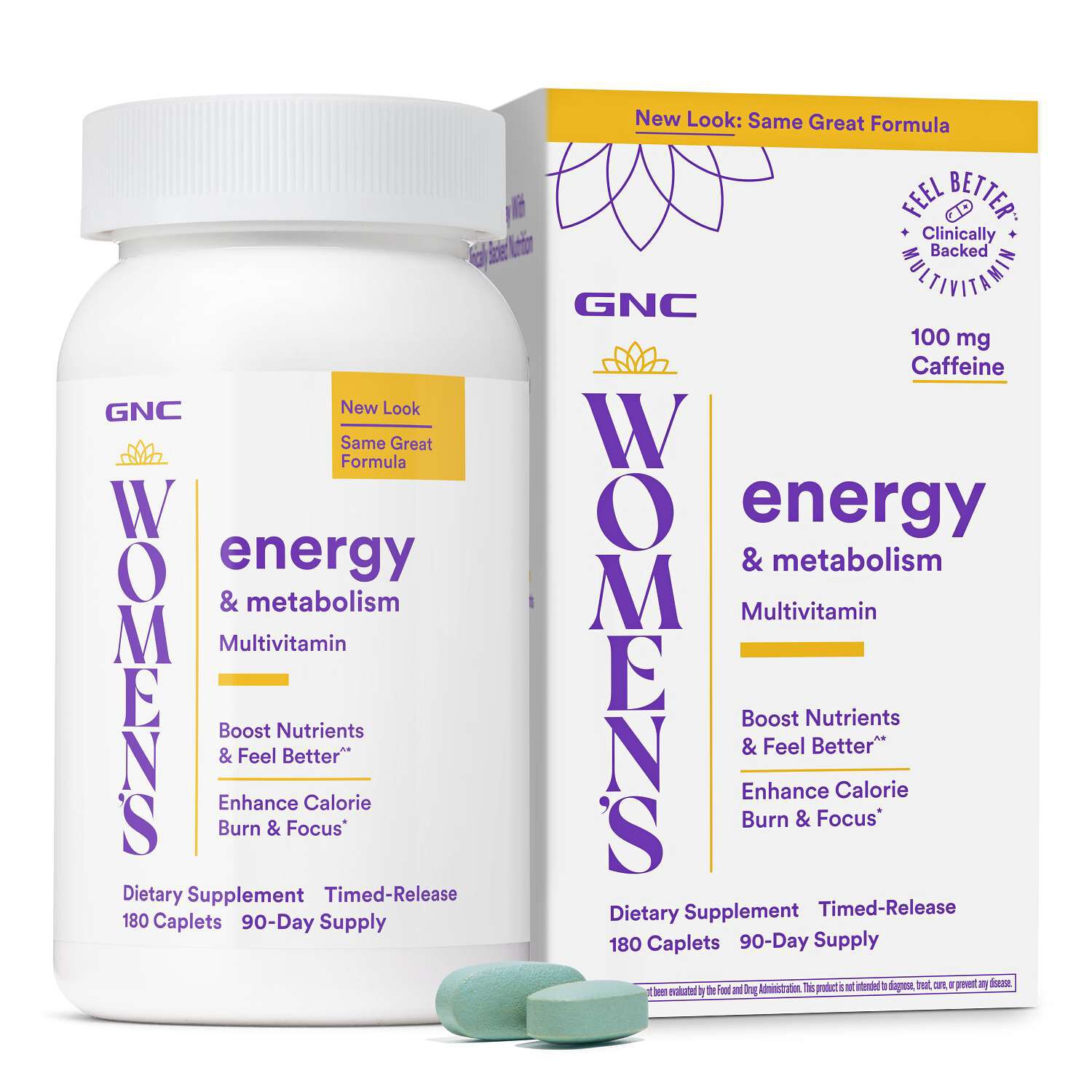
A B12 caplet is a solid, typically oblong tablet containing vitamin B12 and intended to be swallowed according to its label directions. Its elongated shape distinguishes it from many round tablets, while its compressed structure separates it from capsules, which hold ingredients inside a shell. The word caplet describes the physical format, not a different vitamin. Vitamin B12 caplets generally contain the vitamin alongside other ingredients used to form the tablet, and some have an outer coating that may provide a smoother surface. For shoppers who prefer a premeasured solid supplement, this format may fit a routine without the preparation associated with a powder or the measuring associated with a liquid. Caplets are also different from chewable tablets and tablets labeled for dissolving under the tongue; similar appearances do not mean these formats have the same directions. The product label identifies the intended method of use, serving size, and any formulation-specific instructions. Shape alone does not reveal whether a tablet has a particular release design or whether it is intended to be divided. Physical dimensions deserve attention, too. Two B12 caplets with the same stated vitamin amount can differ in length, width, thickness, coating, and texture because their ingredient blends and manufacturing methods differ. A photograph may show the general shape without making the actual dimensions clear, so written size information can be useful when comparing formats. Someone accustomed to smaller tablets may have different preferences from someone who regularly chooses an oblong caplet. Flavor descriptions are another point of distinction: a swallowed caplet is not necessarily formulated around the tasting experience associated with a chewable or dissolving tablet. These details make B12 caplet form a practical category for shoppers whose selection depends as much on the tablet’s physical characteristics and intended use as on the vitamin named on the front of the package.
Vitamin B12 is a water-soluble vitamin found in foods such as meat, fish, eggs, and dairy products, as well as foods with added B12. That dietary background gives context to the category without making every B12 supplement interchangeable. Adults comparing supplements may be considering their food preferences, an established dietary routine, or the convenience of a single-vitamin format. Someone who follows a vegan eating pattern, for example, may pay close attention to both the source of the vitamin and the other ingredients in the caplet. Cyanocobalamin and methylcobalamin are two forms of vitamin B12 commonly named on supplement labels. Those names identify the vitamin form used in the formulation; they do not describe the caplet’s dimensions, coating, or full ingredient list. Neither name alone establishes that one product is the right choice for every shopper. The Supplement Facts panel provides a more detailed view, including the amount of B12 per serving and the number of caplets that make up that serving. B12 amounts are commonly expressed in micrograms, abbreviated mcg; a microgram is one-thousandth of a milligram. Keeping the unit and serving size together matters when comparing labels. An amount stated for a two-caplet serving is different from an amount stated for one caplet, even when the numbers on the front panels look similar. The percent Daily Value is a standardized labeling reference, not a personalized serving instruction. Beyond the vitamin itself, caplets may contain binders, fillers, coating materials, or ingredients used during manufacturing. Cellulose, silica, and magnesium stearate are examples of ingredients that may appear in solid supplement formulations, though the exact combination varies. These ingredients serve different formulation purposes, and their presence is separate from the amount of B12 declared in the Supplement Facts panel. Dietary suitability also depends on the full formulation. A plant-derived vitamin ingredient does not, by itself, establish that every coating or other component meets a shopper’s preferences. Explicit dietary statements, ingredient disclosures, and allergen information provide more relevant detail than assumptions based on the caplet’s color or shape.
Everyday handling is another part of choosing vitamin B12 in caplet form. A solid tablet has a defined shape, but it still needs the storage and handling described on its package. The original container keeps the ingredient list, directions, lot information, and expiration date connected to the contents. A securely closed lid may help limit exposure to moisture, while storage away from direct sunlight and damp locations may help preserve the caplets’ physical condition. A bathroom shelf beside a frequently used sink, for instance, presents a different storage setting from a dry cabinet. The label’s storage directions take priority over general assumptions about where supplements belong. Caplets can also vary in how their surfaces feel: some have a glossy coating, while others have a more matte finish. Neither appearance alone establishes vitamin content or suitability. Packaging details such as the closure, protective seal, and legibility of the printed information matter when evaluating how a supplement will fit into an everyday routine. For someone who travels, retaining the original labeled container may make product identification simpler than carrying several unmarked tablets together. For a household with multiple supplement users, clearly separated containers may make it easier to distinguish similar-looking caplets. Containers also belong in a secure location beyond children’s reach. Comparing caplets with B12 Powder brings another practical distinction into view: caplets have a preset tablet size, while powders involve the serving measurement and preparation specified on their labels. Neither format should be assumed to share the other’s directions simply because both contain B12. The most relevant comparisons stay grounded in what the label actually states: vitamin form, amount per serving, serving size, supporting ingredients, dietary attributes, and intended method of use. Together with physical dimensions and storage requirements, those details provide a clearer picture of B12 caplets as a supplement format, beyond the familiar vitamin name on the package.
Best Sellers
Related Pages


Top Collections
- Daily Collagen Supplements | Top Brands & Deals | GNC
- Joint Mobility Supplement Packs
- Zinc Supplements | Top Brands at Great Prices | GNC
- Supplements For Yoga Joint Flexibility
- Supplements For Balance
- Chronic Fatigue Supplements
- Capsule Supplements For Energy And Stamina
- Cortisol Supplements
- NAD+ Supplement Tablets
- Iron Supplements