





Vegetarian Vitamin B12 Caplets
(0 Results)
Vegetarian vitamin B12 caplets offer a convenient option for those looking to support their daily wellness routine without compromising their dietary preferences. Perfect for individuals following plant-based lifestyles, these caplets may fit seamlessly into your supplement regimen. Explore a variety of vegetarian vitamin B12 caplets designed to help you meet your nutritional goals while aligning with your values.


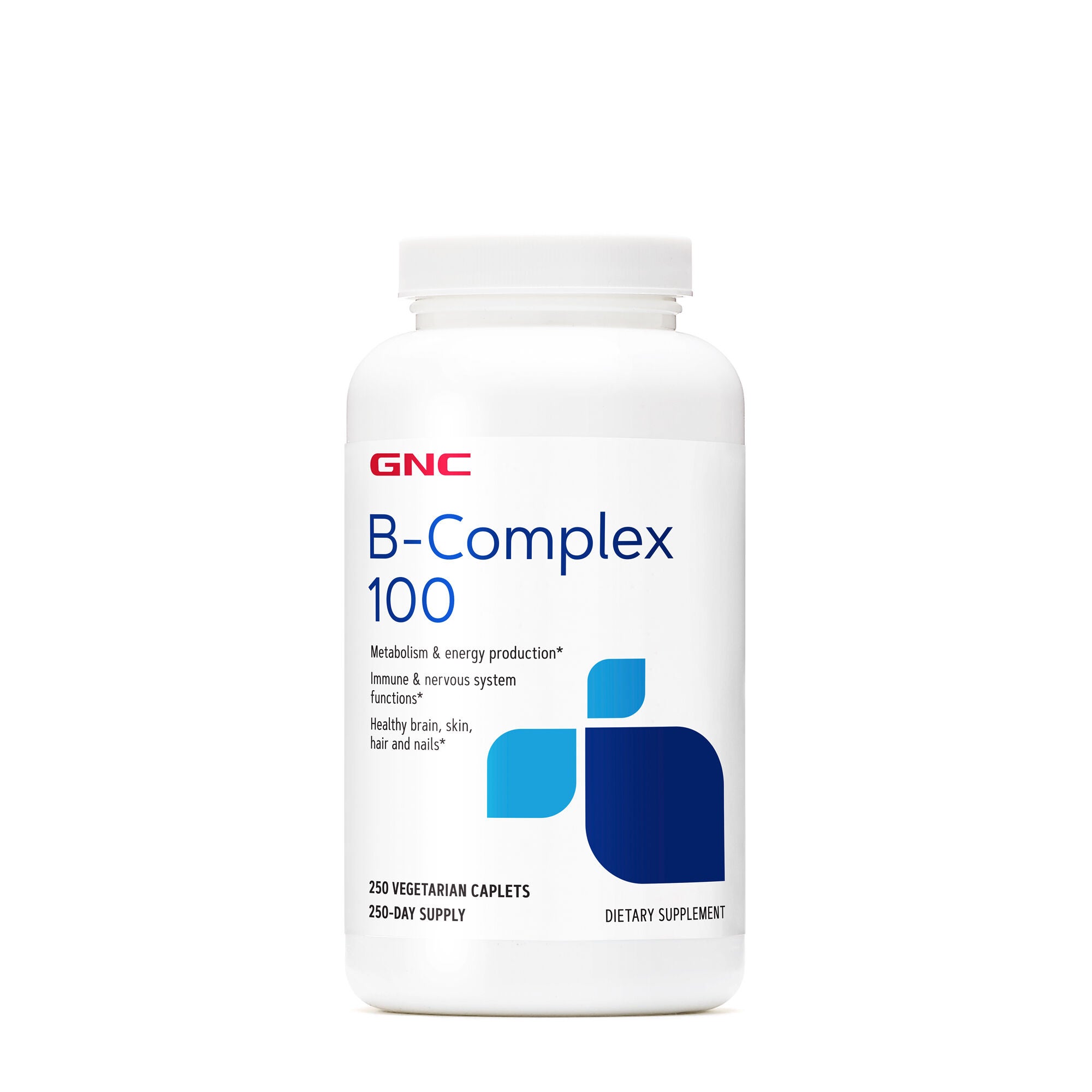

Vegetarian vitamin B12 caplets are solid dietary supplements made in an elongated tablet shape, with ingredients selected to suit vegetarian dietary preferences. They may complement vitamin B12 intake for people whose eating patterns center on plant foods, as well as those who include eggs or dairy but prefer vegetarian supplements. Vitamin B12 occurs naturally in many animal-derived foods, while some plant-based foods contain added B12 through fortification. That distinction makes this category relevant to shoppers who pay close attention to both their food choices and the ingredients in their supplements. The word vegetarian describes ingredient suitability, not a particular amount of B12, tablet size, or serving schedule. It also does not automatically mean vegan: vegetarian formulas may permit certain animal-derived ingredients that vegan shoppers avoid. The vitamin source, tablet coating, and other ingredients all contribute to whether a caplet fits a particular preference. Vitamin B12 used in supplements is commonly produced through microbial fermentation, but the finished formula deserves attention beyond the vitamin itself. Cellulose, starches, binders, and coating materials may appear among the other ingredients, with their sources and purposes varying by formula. A vegetarian statement or a clearly identified certification provides more useful context than the shape or color of the caplet. Within this category, labels may list cyanocobalamin or methylcobalamin as the form of vitamin B12. These names identify different forms of the vitamin; neither name, on its own, describes the rest of the formula or establishes vegetarian suitability. Some shoppers prefer a formula centered on B12 alone, while others compare B12 with broader vitamin combinations. A single-nutrient caplet keeps the ingredient comparison focused, especially when someone already has an established supplement routine. For a person moving toward more plant-based meals, or someone who has followed a vegetarian diet for years, the category brings together dietary preference, nutrient labeling, and the practical details of a familiar tablet format.
The physical format matters alongside the ingredient list. A caplet is generally an elongated tablet, distinct from a capsule with a separate shell and from a chewable, gummy, liquid, or dissolving tablet. Although the outline is recognizable, caplets can differ in length, width, thickness, surface texture, and coating. Product images may show the general shape, but images alone do not establish the actual dimensions. Descriptions that identify measurements or explain the intended method of use provide more concrete context. A caplet should not be assumed to be chewable, dissolvable, or suitable for dividing simply because it resembles another tablet. Directions on the package establish how that particular format is intended to be used. For shoppers comparing formats, the broader B12 Caplet Form category offers context for B12 caplets beyond vegetarian ingredient preferences. Within vegetarian selections, the Supplement Facts panel is a useful point of comparison because it identifies the serving size and the amount of vitamin B12 per serving. B12 amounts are commonly expressed in micrograms, abbreviated mcg, while the percentage Daily Value provides a separate label reference. A front-label number can mean little without knowing whether the listed serving contains one caplet or more than one. Bottle count and serving count are also different details: a container with many caplets does not necessarily represent the same number of servings. These distinctions are particularly relevant when comparing a compact bottle with a larger container or a single-nutrient formula with a combination formula. The other-ingredients panel adds another layer, covering components used to form, bind, or coat the tablet. For someone who prefers a short ingredient list, that panel may carry as much weight as the front label. For someone with strict animal-derived ingredient preferences, an explicit vegetarian or vegan designation may be the deciding feature. Together, these details describe the product more meaningfully than tablet appearance or a prominent B12 amount alone.
Intended use is another part of choosing a vegetarian B12 caplet that fits an established routine. An adult who packs breakfast for an early commute may value straightforward package directions and a container that stores neatly beside other daily supplies. Someone who prepares mostly vegetarian meals at home may be more interested in how the formula’s ingredients align with the rest of the household’s food choices. A shopper comparing several supplements may focus on whether B12 also appears in another formula, making the nutrient panels worth considering together rather than in isolation. These are different shopping priorities, and the same caplet format does not make every formula interchangeable. Age-related labeling also matters; an adult supplement should not be treated as a general-purpose option for every household member. Practical care begins with the package’s storage instructions. The original container keeps the ingredient list, serving directions, lot information, and any listed date together, rather than separating the tablets from the details needed to identify them. A dry storage location away from a steamy bathroom or a splash-prone kitchen counter may be more consistent with directions that call for protection from moisture. Closing the container as directed and storing supplements out of children’s reach are everyday considerations, regardless of the dietary preference on the label. For travel, keeping the label information accessible may make it simpler to distinguish a B12 caplet from other tablets with a similar shape. Packaging materials and disposal instructions can matter, too, particularly for shoppers who consider the container as part of their purchase. Vegetarian suitability, vitamin form, serving information, tablet dimensions, and storage requirements each answer a different question about the category. Considered together, they offer a grounded way to compare vegetarian vitamin B12 caplets without relying on a single front-label feature. The result is a category shaped by ingredient transparency and practical preferences, with room for different eating patterns and everyday routines.
Best Sellers

Related Pages


Top Collections
- Daily Collagen Supplements | Top Brands & Deals | GNC
- Joint Mobility Supplement Packs
- Zinc Supplements | Top Brands at Great Prices | GNC
- Supplements For Yoga Joint Flexibility
- Supplements For Balance
- Chronic Fatigue Supplements
- Capsule Supplements For Energy And Stamina
- Cortisol Supplements
- NAD+ Supplement Tablets
- Iron Supplements