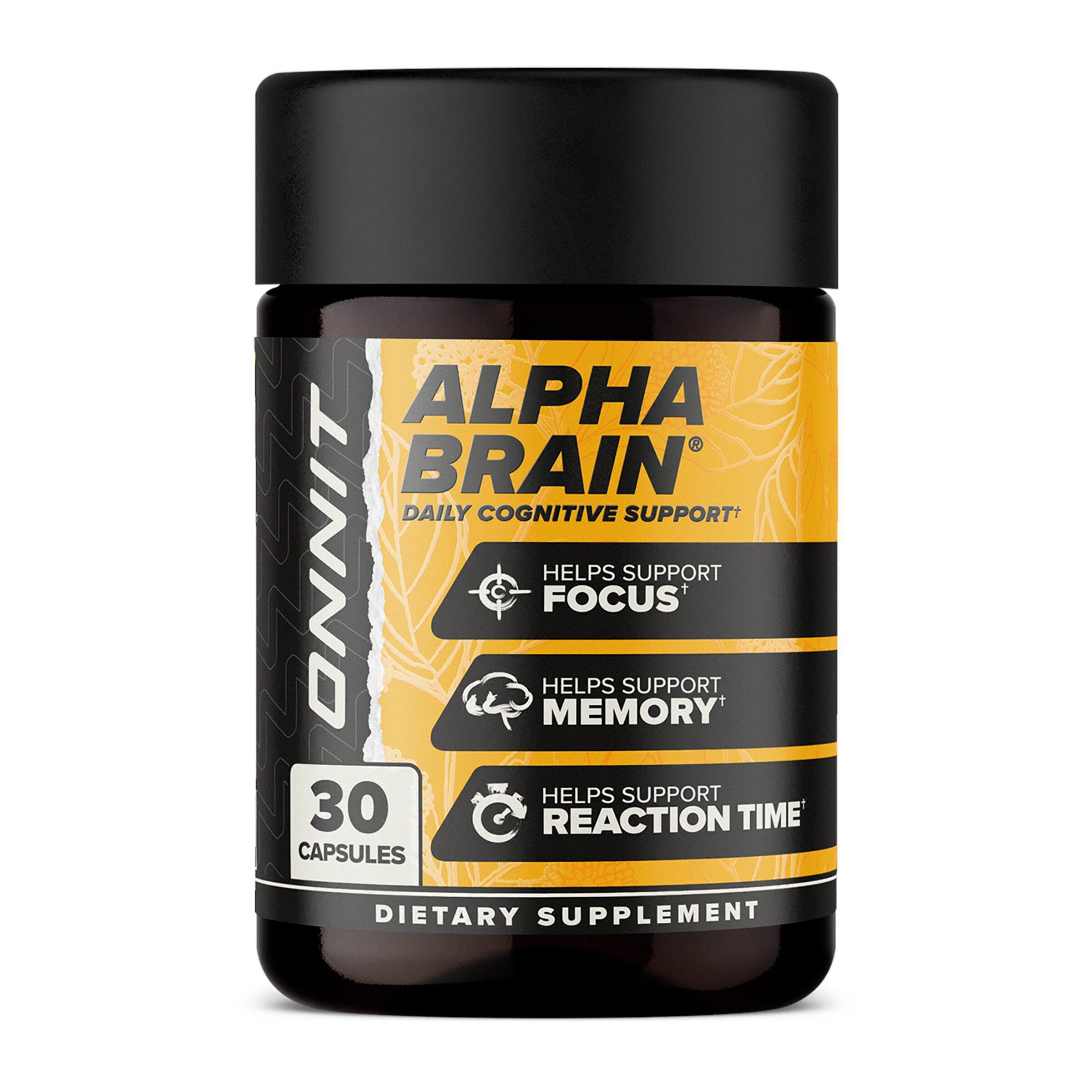
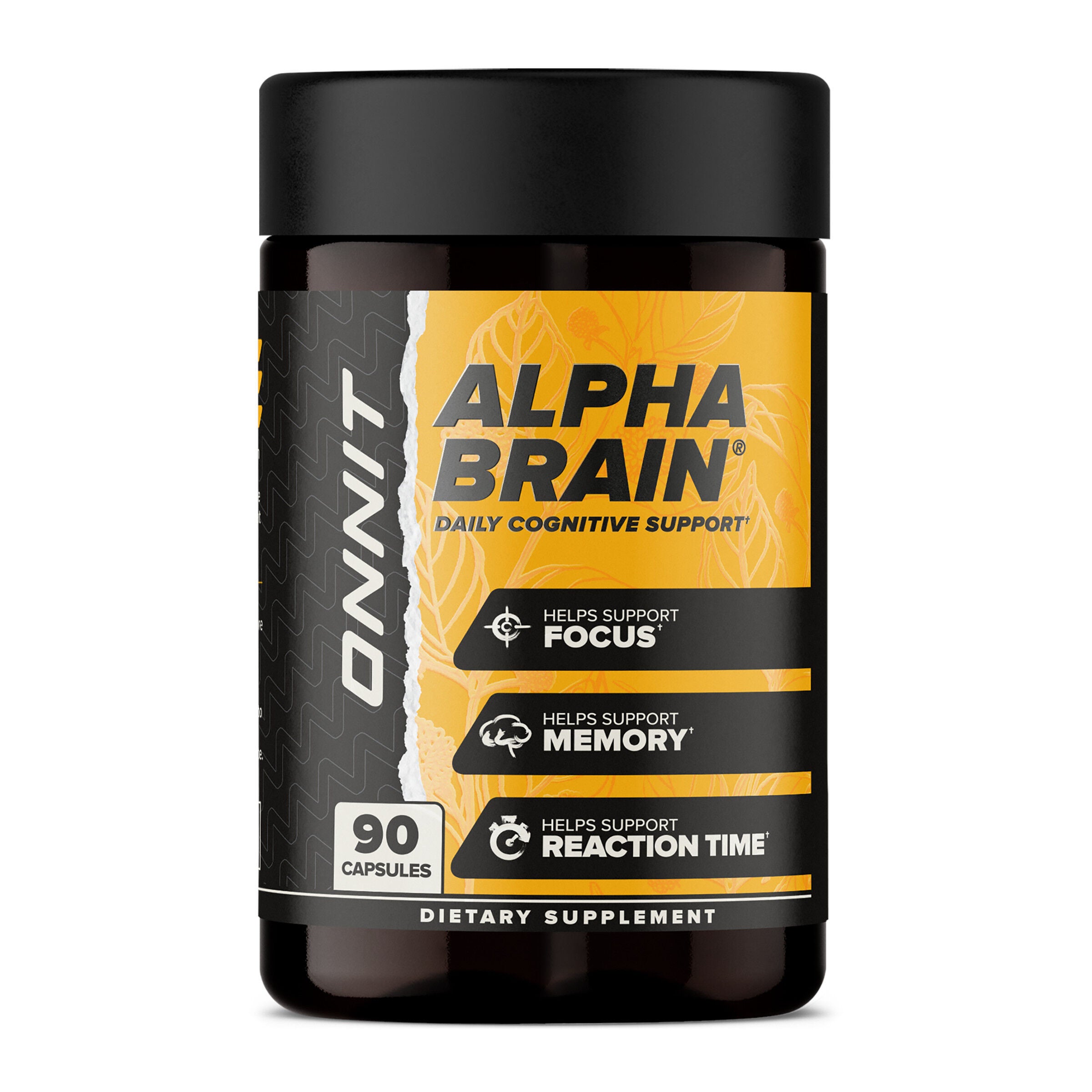
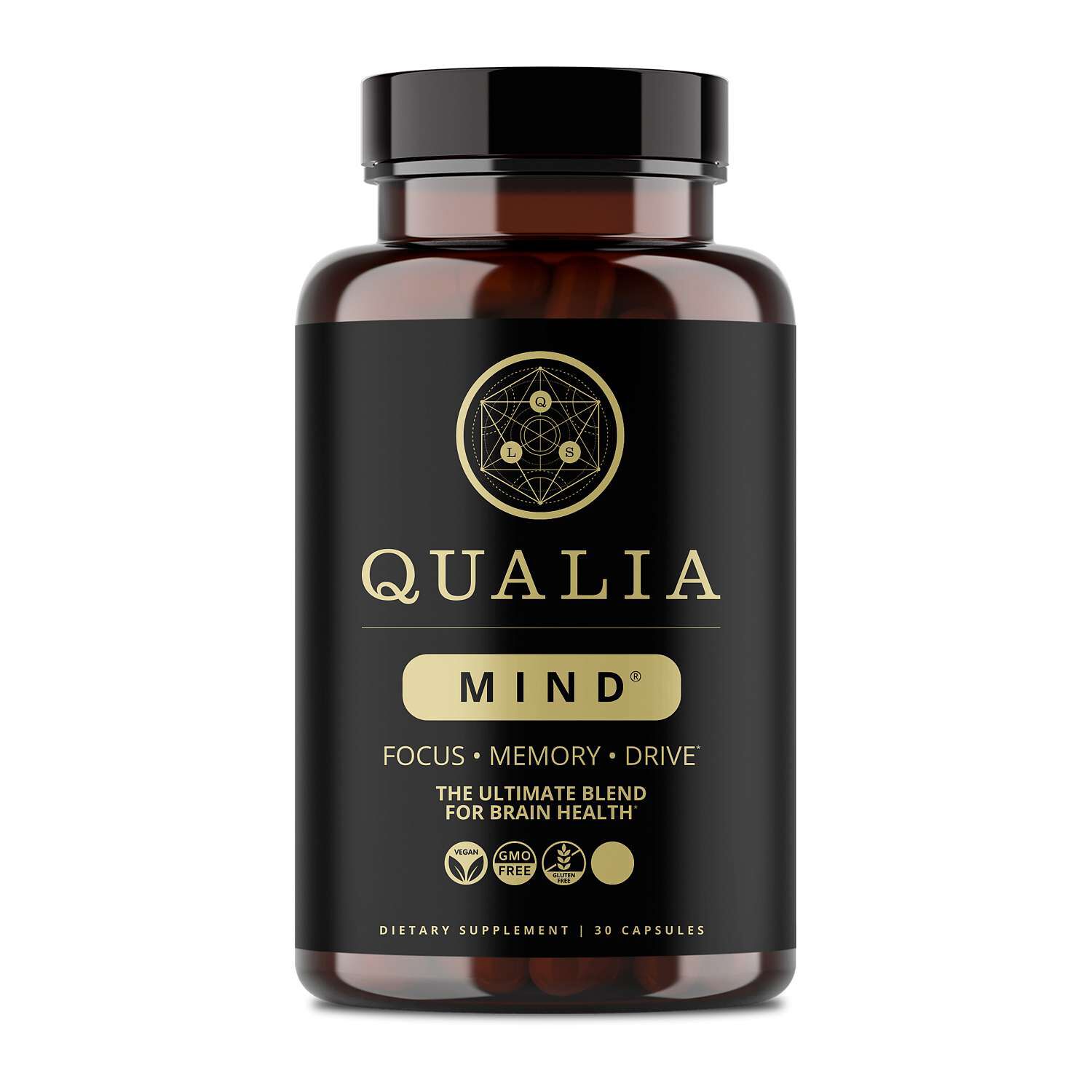
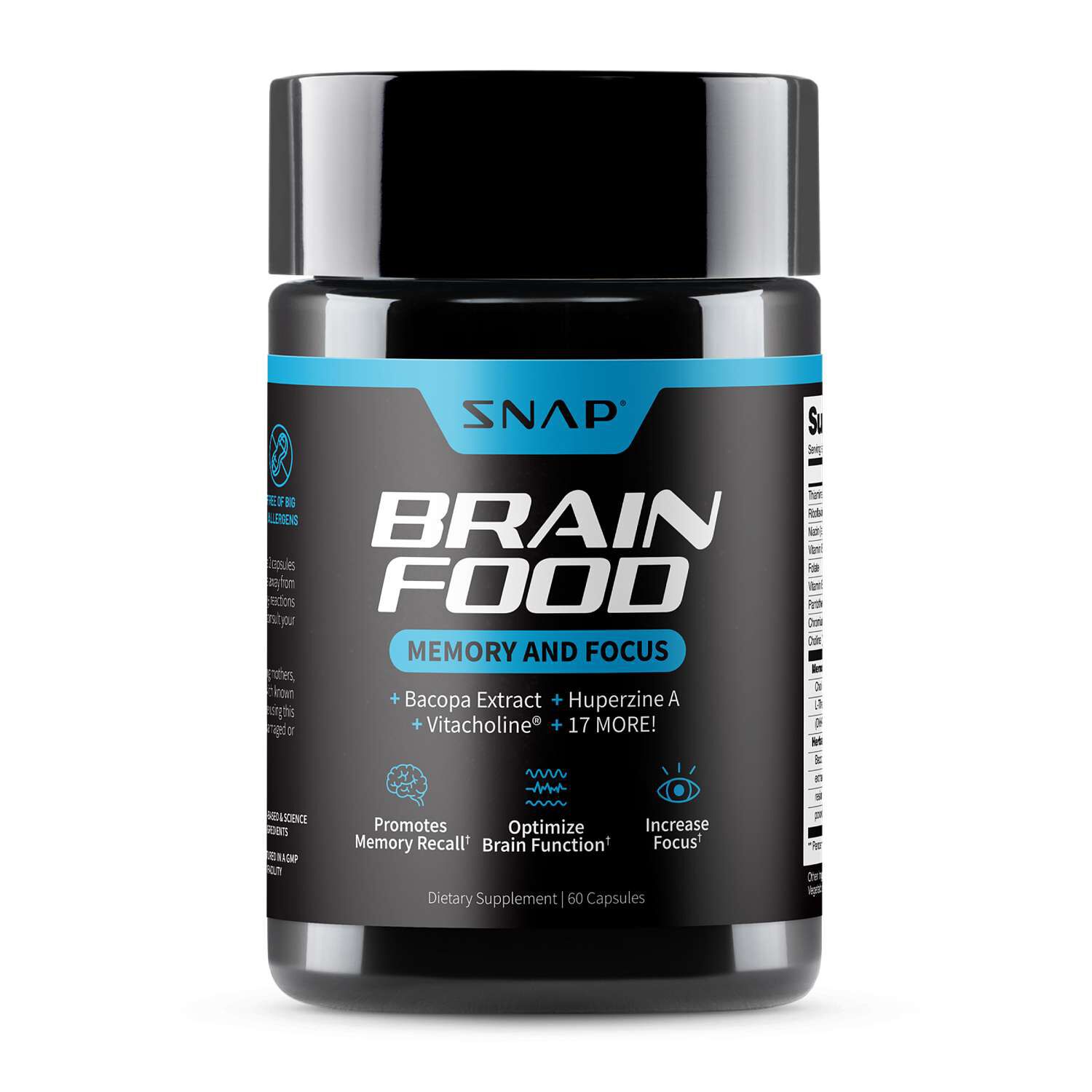
Bacopa Formulas For Focus
(0 Results)
Explore bacopa supplements for focus, with ingredient combinations and formats to compare. Review each formula's ingredients, serving directions, and dietary statements to find an option that fits your routine.


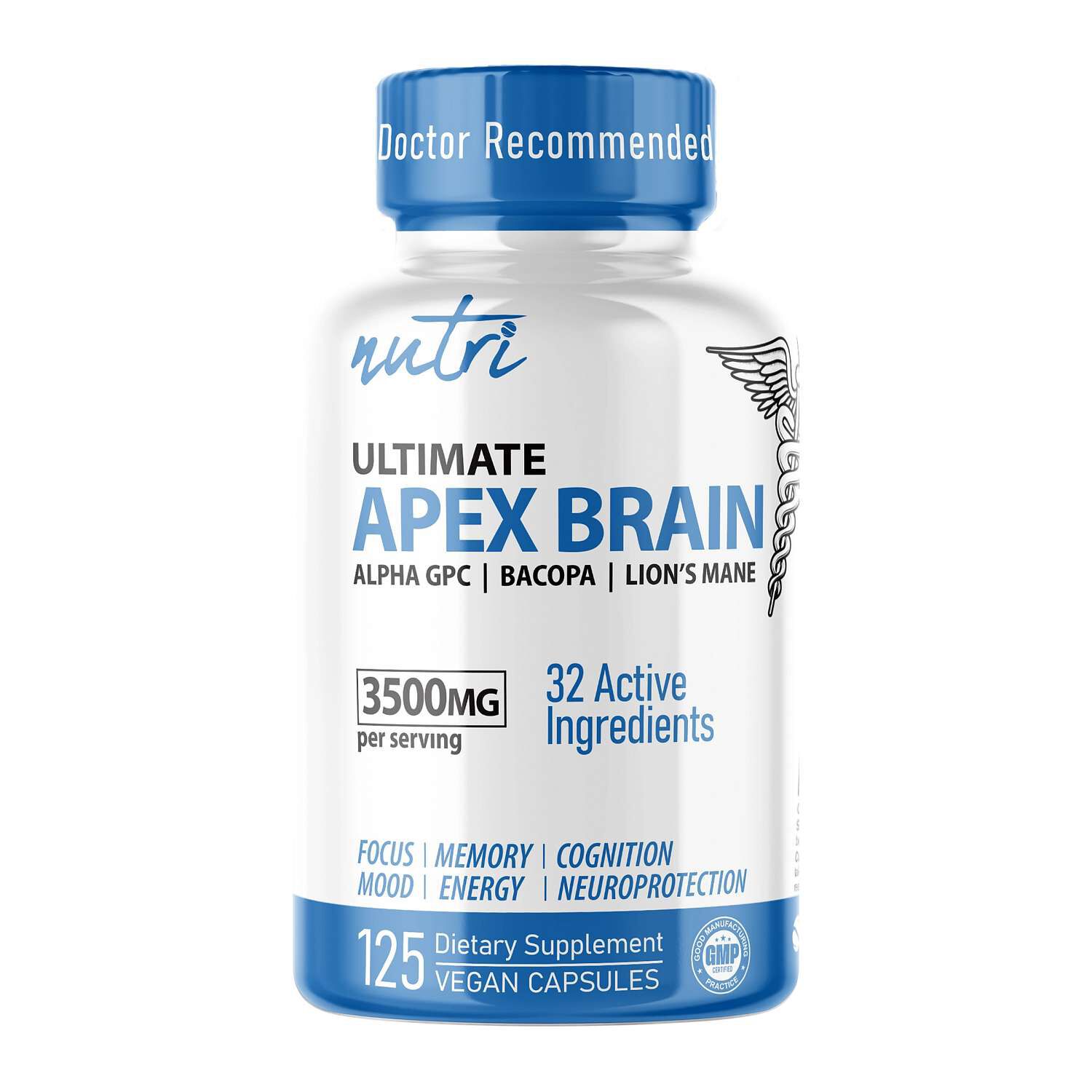
Bacopa formulas for focus are dietary supplements made with Bacopa monnieri, an herb with a long history in Ayurvedic tradition. It sometimes appears on labels as brahmi, a name also used for other plants, so the botanical name is the clearest way to identify the ingredient. Bacopa may be listed as powdered herb or as an extract, and the milligram figures for those two forms do not tell the same story. Some extracts are standardized to a stated percentage of bacosides, a group of compounds naturally found in the plant. The weight of the extract tells how much extract is in a serving, while the percentage describes the share of that extract made up of bacosides. Two labels can list the same weight of extract and still specify different proportions of bacosides. When a label shows the weight but not the percentage, the weight alone does not reveal that proportion. The term “standardized” describes a feature of the extract, not how it might perform. Focus is also a broad term on a supplement label. Staying with a dense chapter, switching between tasks, and recalling details from a meeting are different activities. Studies of bacopa have looked at measures such as attention and recall over periods of several weeks; a finding for one preparation or one task does not necessarily apply to another. That distinction helps put the category in context for adults comparing these formulas for everyday routines, from reading through course material after work to setting aside a quiet block of time for a project that calls for close attention.
A stand-alone formula puts bacopa at the center of the Supplement Facts panel, while a blend may pair it with ingredients such as L-theanine or phosphatidylserine. The panel shows whether the amount of each ingredient is listed separately or whether one figure applies to a group of ingredients. That difference matters when bacopa is the main reason for comparing formulas, or when someone wants to see whether a blend repeats an ingredient listed on another supplement in the cupboard. The word “focus” on the front of a bottle does not say whether caffeine is part of the formula. For someone who already has a regular coffee routine and prefers a supplement without caffeine, the ingredient list is more useful than the name on the front. Format is another practical distinction. Capsules and tablets come in individual pieces, while a powder calls for measuring and may have a noticeable flavor when mixed into a drink. Capsule shells can be made from gelatin or plant-derived materials such as cellulose, so the shell is worth a look for shoppers who prefer plant-based ingredients. Tablet coatings, powder flavorings, and capsule materials are generally listed apart from the featured ingredients. A look at the serving size puts the rest of the panel in context: two bottles might show the same amount of bacopa per serving even though one lists a single capsule as a serving and the other lists two. For someone who likes keeping a short routine before leaving for work, that difference may matter more than the bottle size. For someone who already mixes a drink at the kitchen counter, measuring powder may feel like a familiar step rather than another task.
Where a supplement will be kept and how often it will be carried are easy details to overlook when comparing labels. A bottle that will spend most of its time in a kitchen cupboard has different practical demands from one that goes into a work bag. A closure that stays snug matters when a bottle rides next to a notebook and a water bottle, while a readable label makes it easier to check the serving information without looking it up again. The original container keeps the ingredient list, date marking, and storage directions together. Storage directions can vary by formula, but when a label calls for a dry place, a cupboard away from the stove or sink fits that description better than a bathroom shelf exposed to shower steam. For powders, closing the lid securely and keeping moisture out of the container may help limit clumping. The date on the package is another useful detail when a supplement might spend a while in the cupboard between uses. Those practical differences can narrow the comparison: a shopper who wants to identify the bacopa extract and its stated bacoside percentage at a glance may prefer a plainly labeled stand-alone formula, while someone interested in a blend may spend more time comparing the amounts and forms of its other ingredients. Neither choice is defined by the word “focus” alone. For a broader look at how supplement formulas are grouped by intended use, Supplements For Focus And Relaxation offers a related category for comparing ingredient lists, serving formats, and the role each formula is designed to fill in an everyday routine.
- Q: What does Bacopa monnieri mean on a supplement label?
A: Bacopa monnieri is the botanical name for bacopa. You may see the botanical name, the shorter name bacopa, or a description such as bacopa extract in a formula's ingredient listing. - Q: Is bacopa the same ingredient as caffeine?
A: No. Bacopa is a botanical ingredient, and caffeine is a different compound. Some focus formulas include both, so check the ingredient list rather than assuming a bacopa supplement has no caffeine. - Q: How do bacopa formulas differ from one another?
A: Formulas can differ in their accompanying ingredients, the way ingredient amounts are disclosed, and their capsule or tablet format. Compare the Supplement Facts panel and other ingredients rather than relying on product names alone. - Q: How can I identify bacopa within an ingredient blend?
A: Look for bacopa or Bacopa monnieri in the Supplement Facts panel. If it appears within a blend, the label may show a combined amount for that blend without stating a separate amount for bacopa. - Q: Where can I check a bacopa formula's dietary attributes?
A: Review the label's dietary statements and other ingredients. For preferences such as vegan ingredients, look for an explicit statement rather than assuming that a capsule or tablet meets your preference.