





BCAA Supplements For Support In Reducing Soreness
(0 Results)
Discover how BCAA supplements for reducing soreness might support your post-workout routine. These supplements are popular with fitness enthusiasts who are looking to optimize recovery after intense exercise. Whether you’re training for strength, endurance, or just getting started on your fitness journey, BCAA supplements for reducing soreness could be a convenient addition to your daily regimen. Explore options that may help you feel ready for your next workout and keep you moving toward your goals.
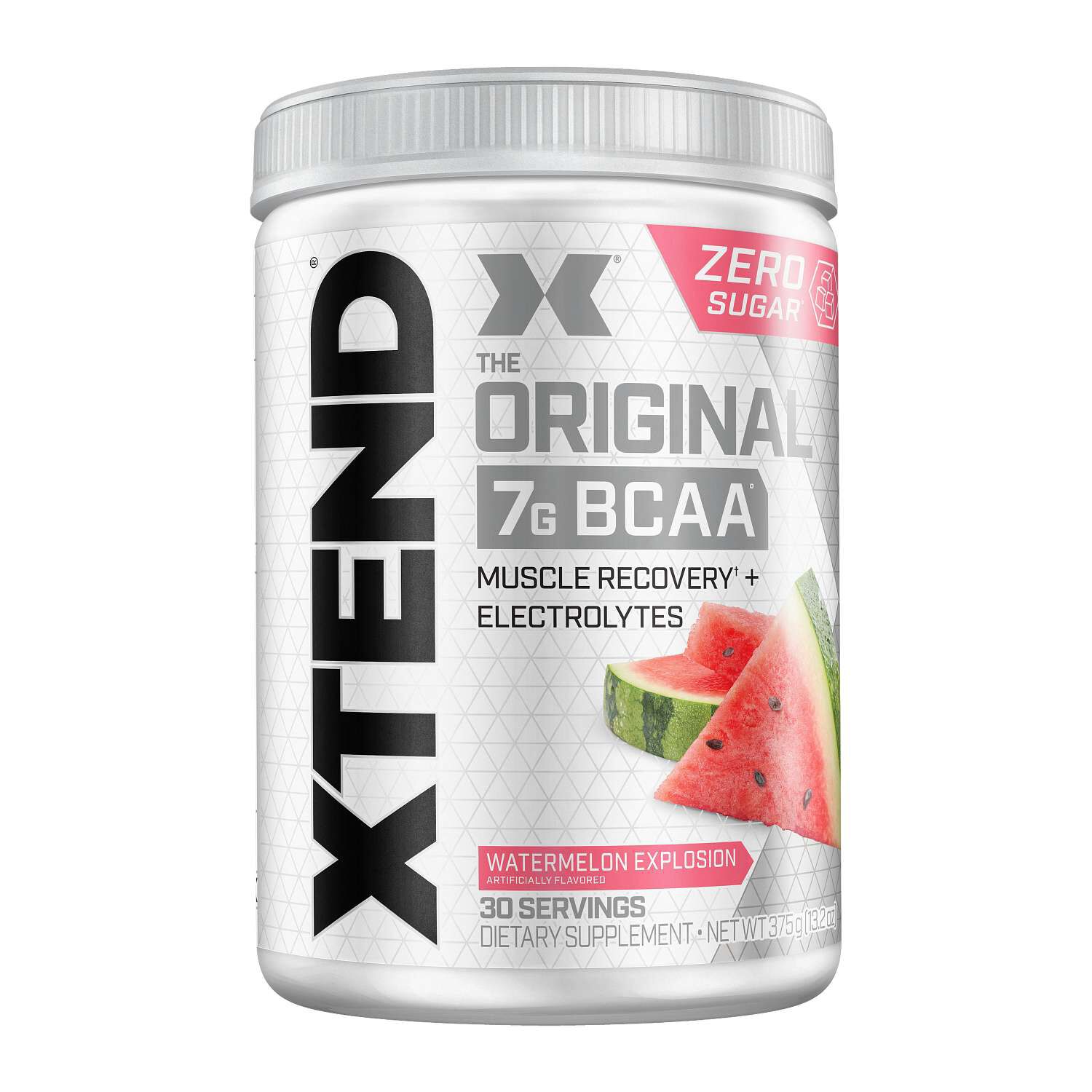
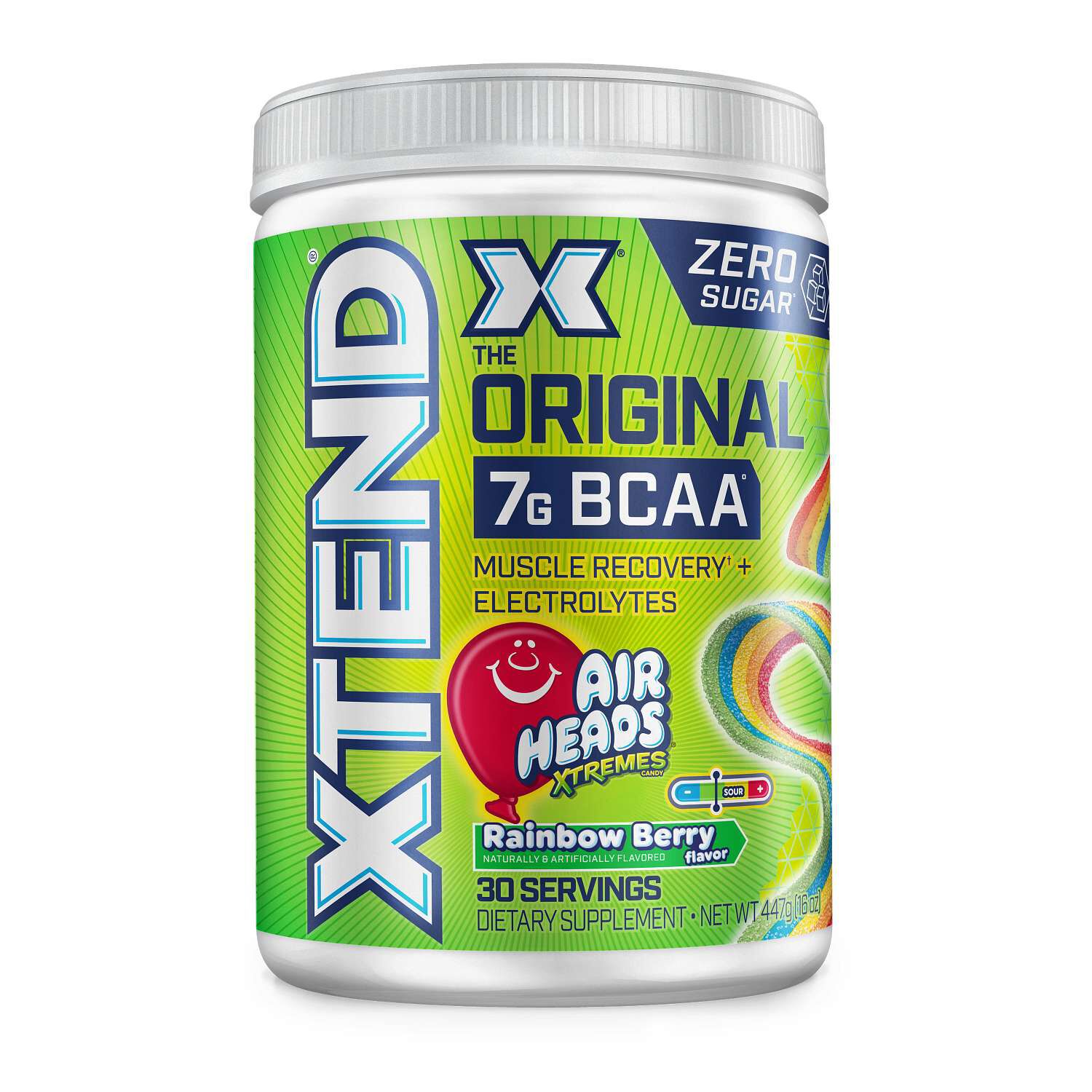
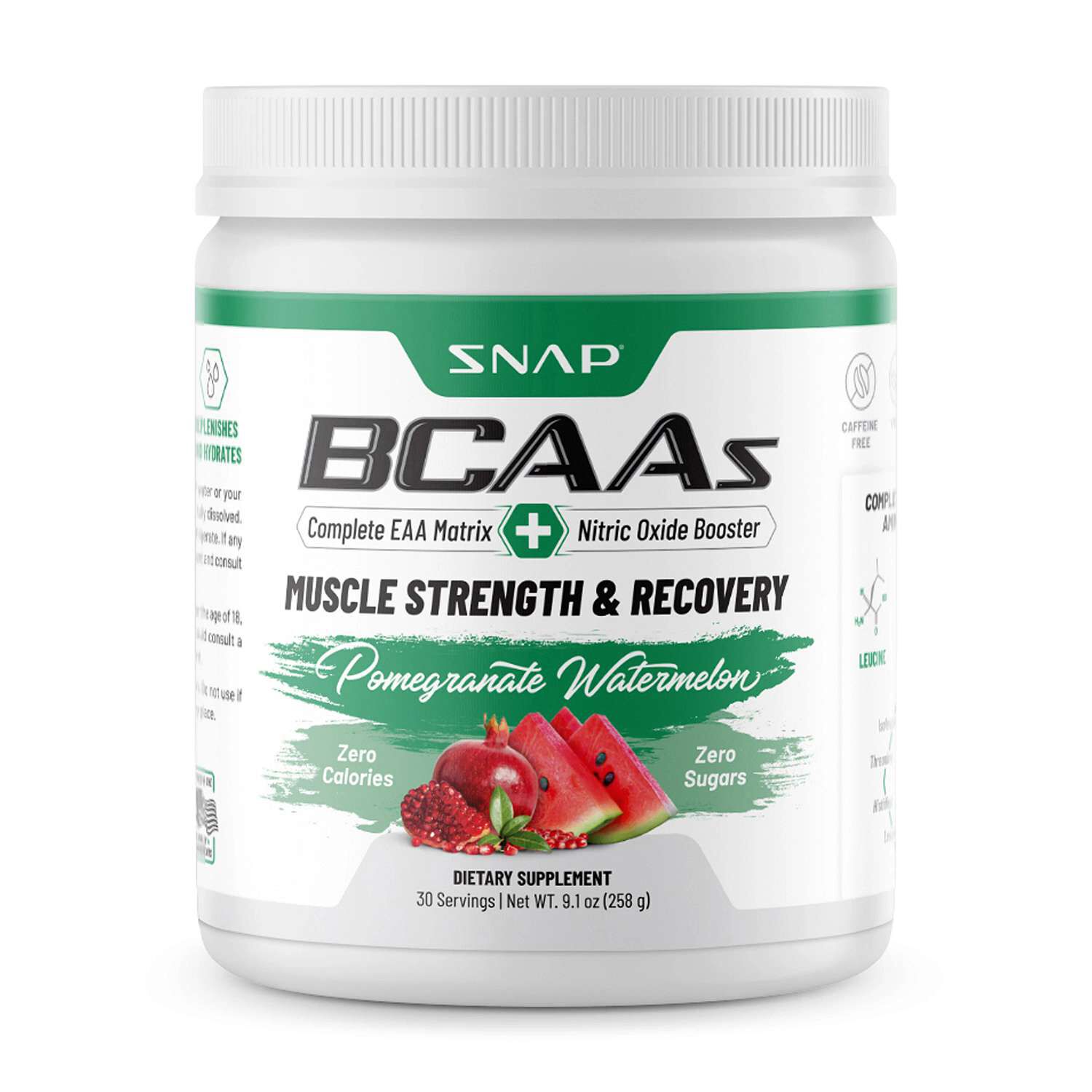

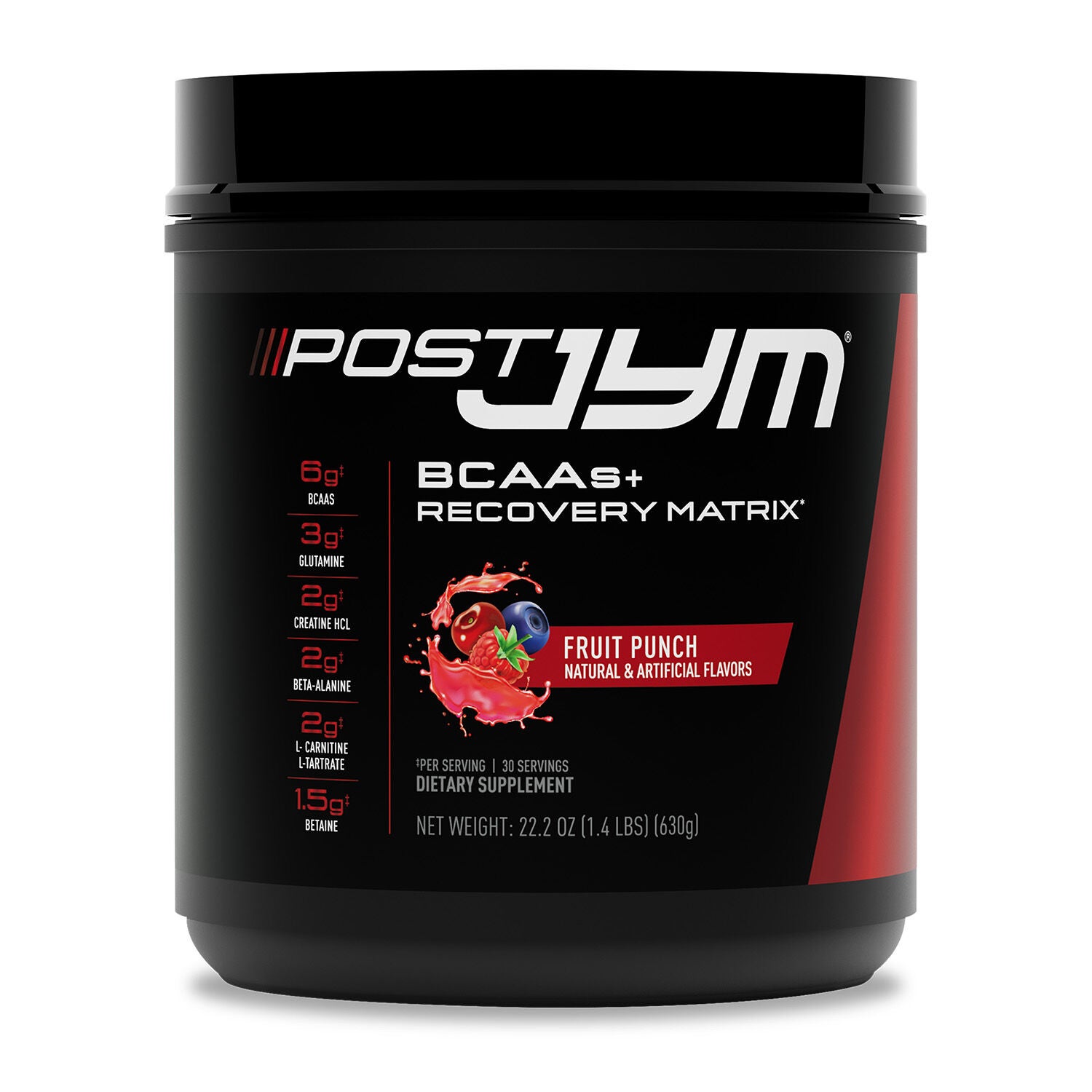
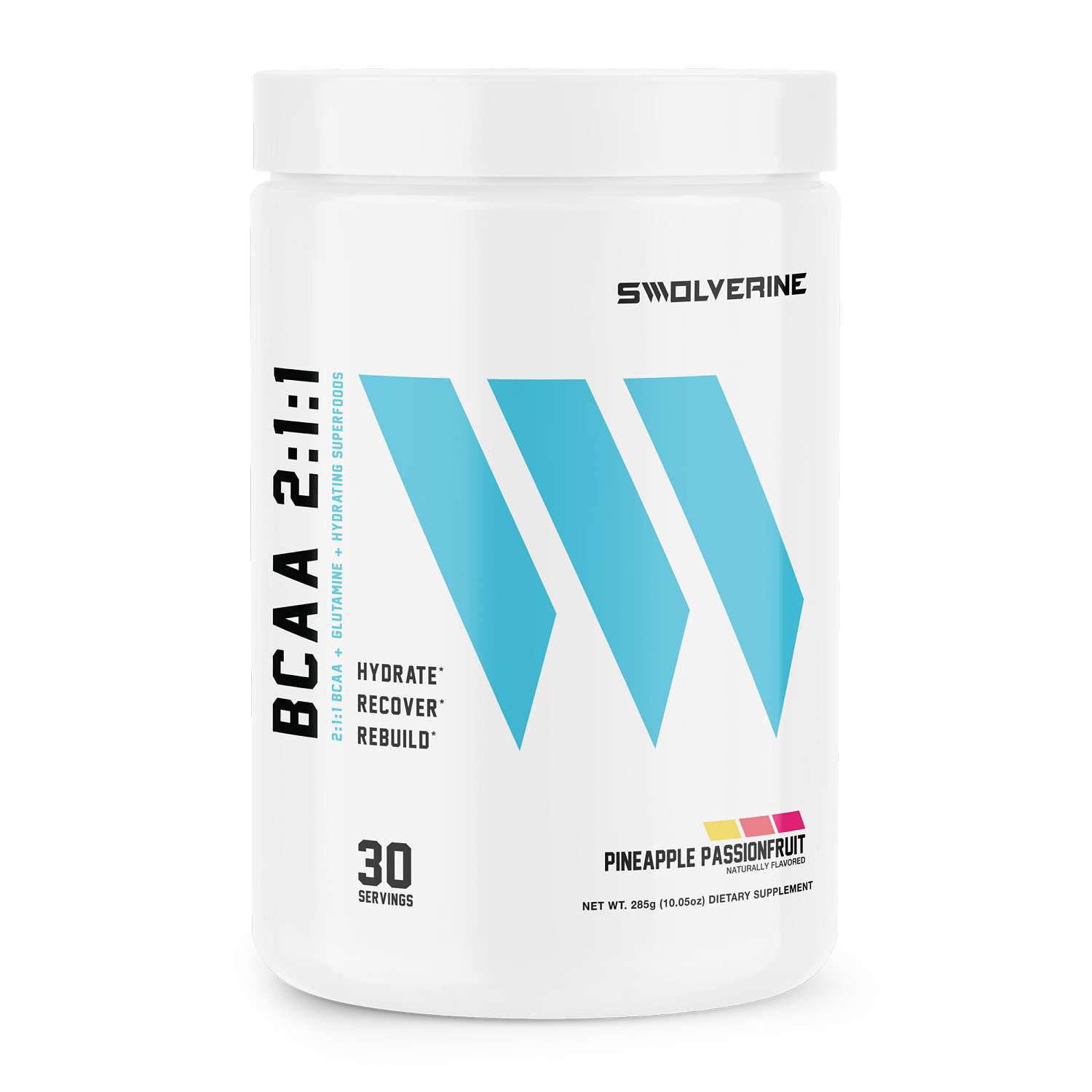

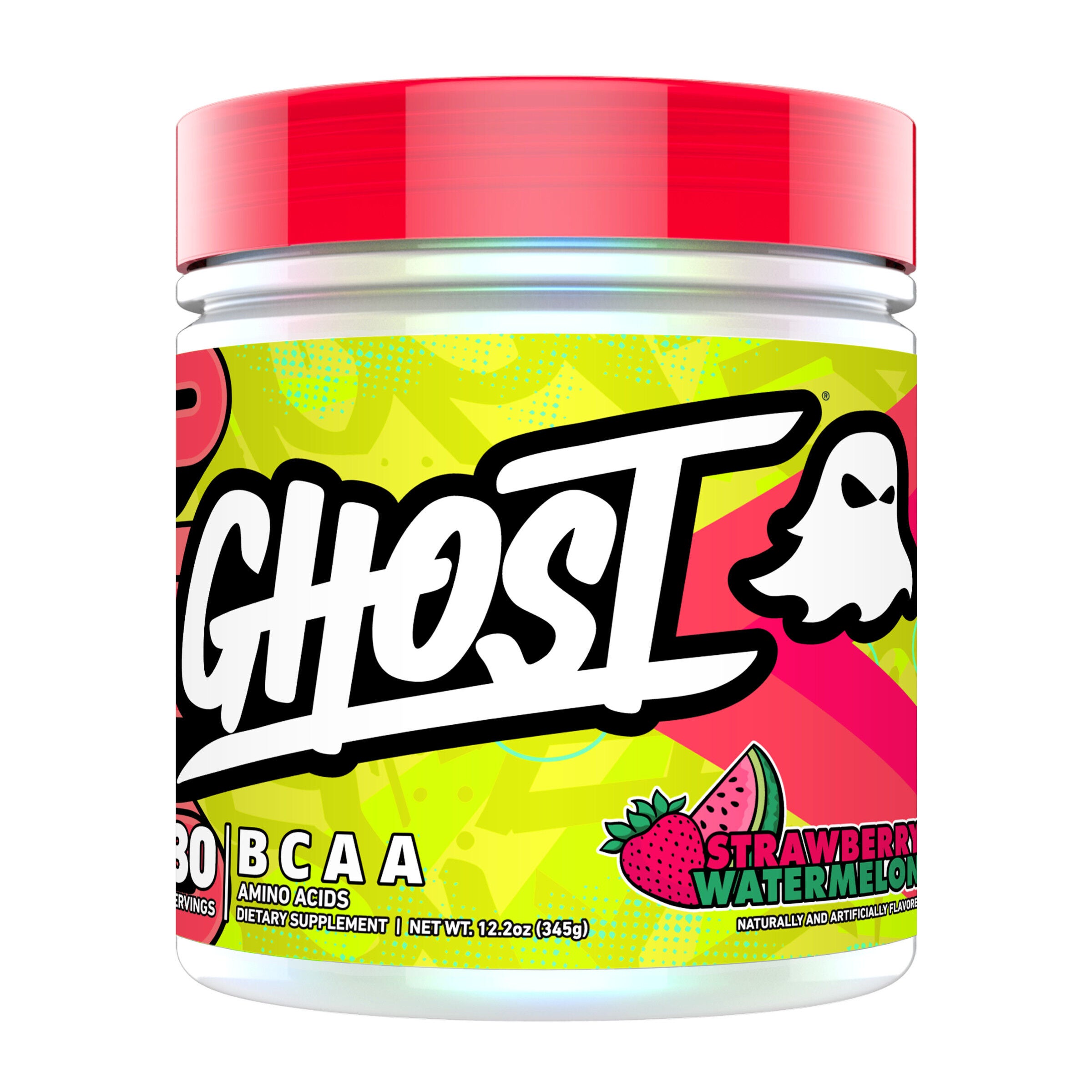
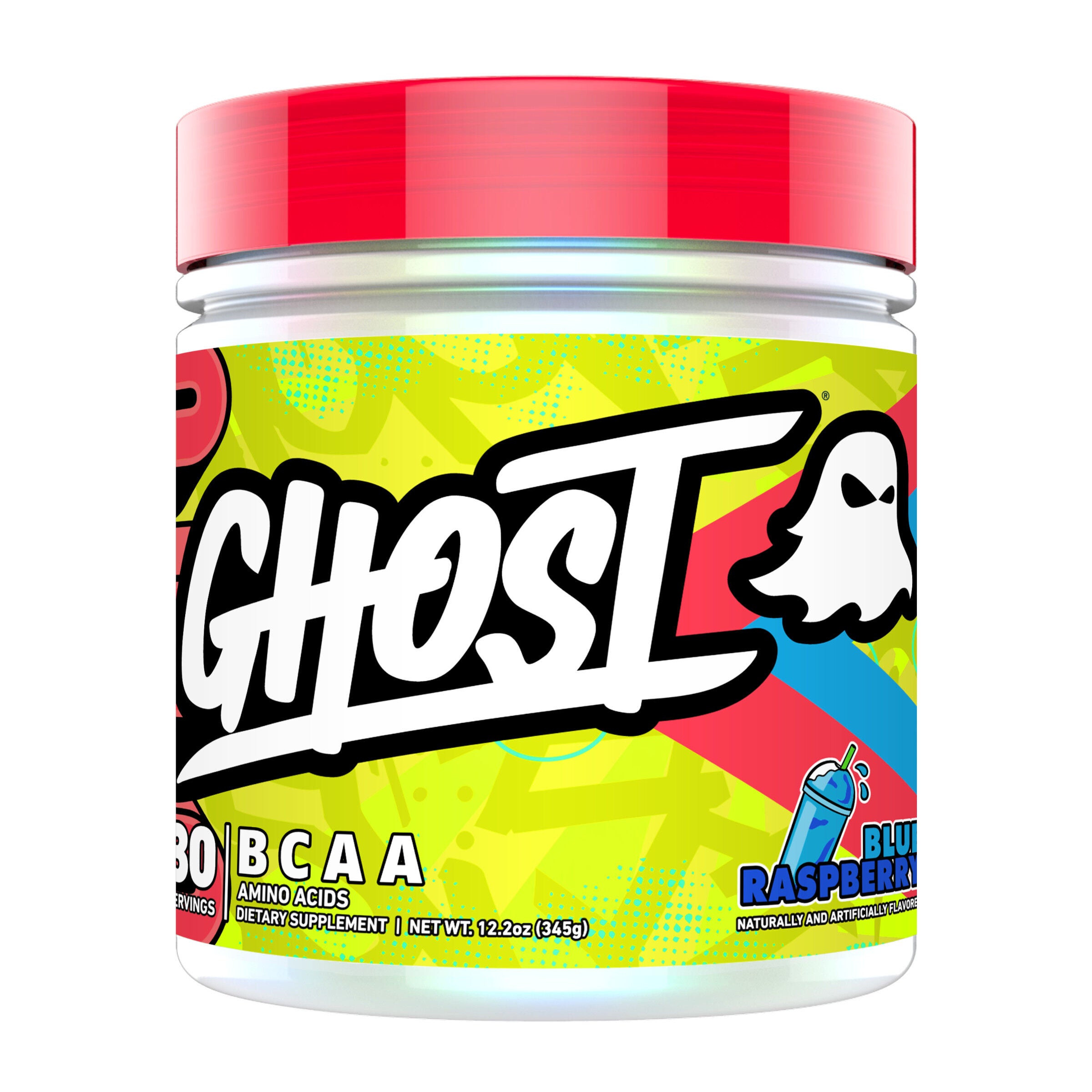
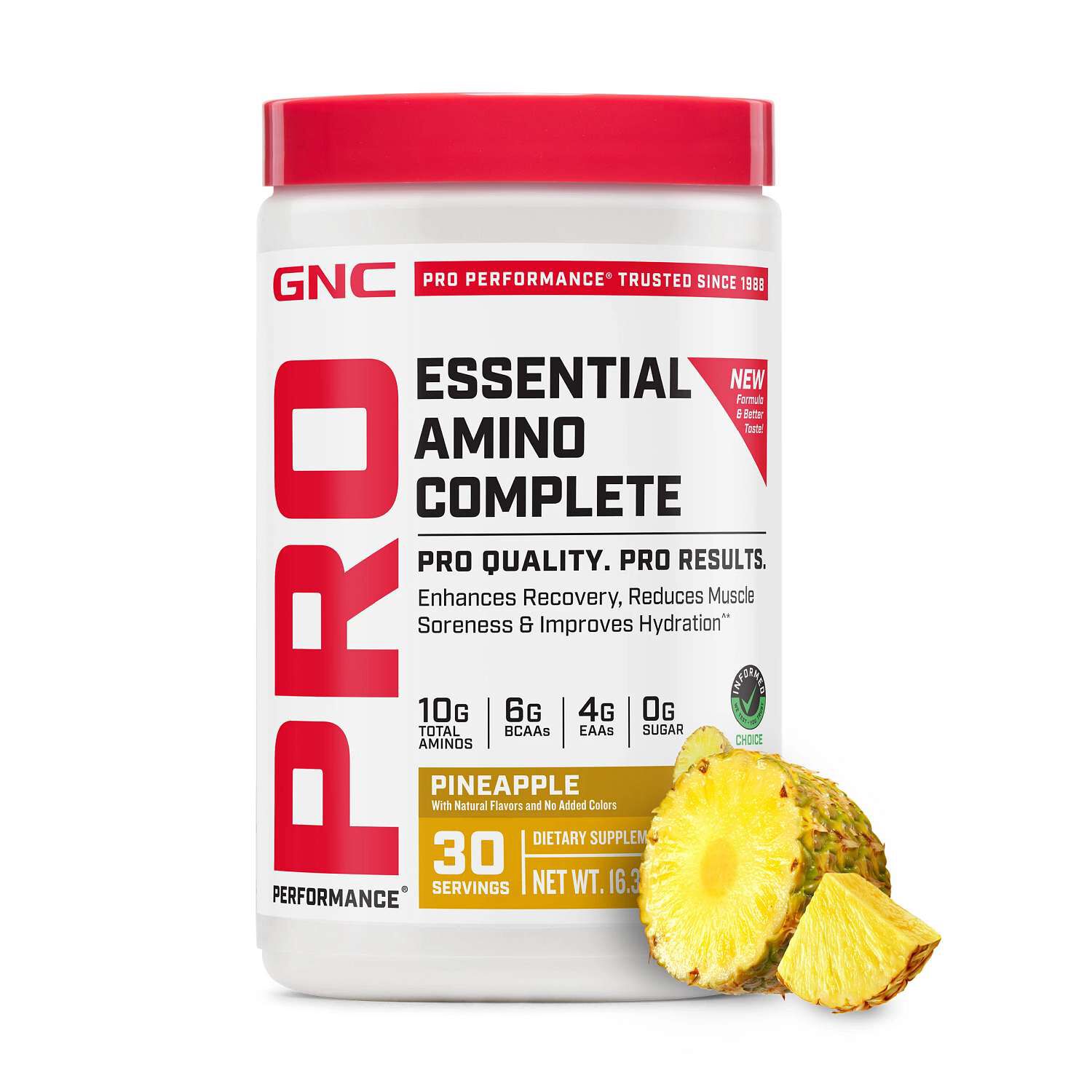
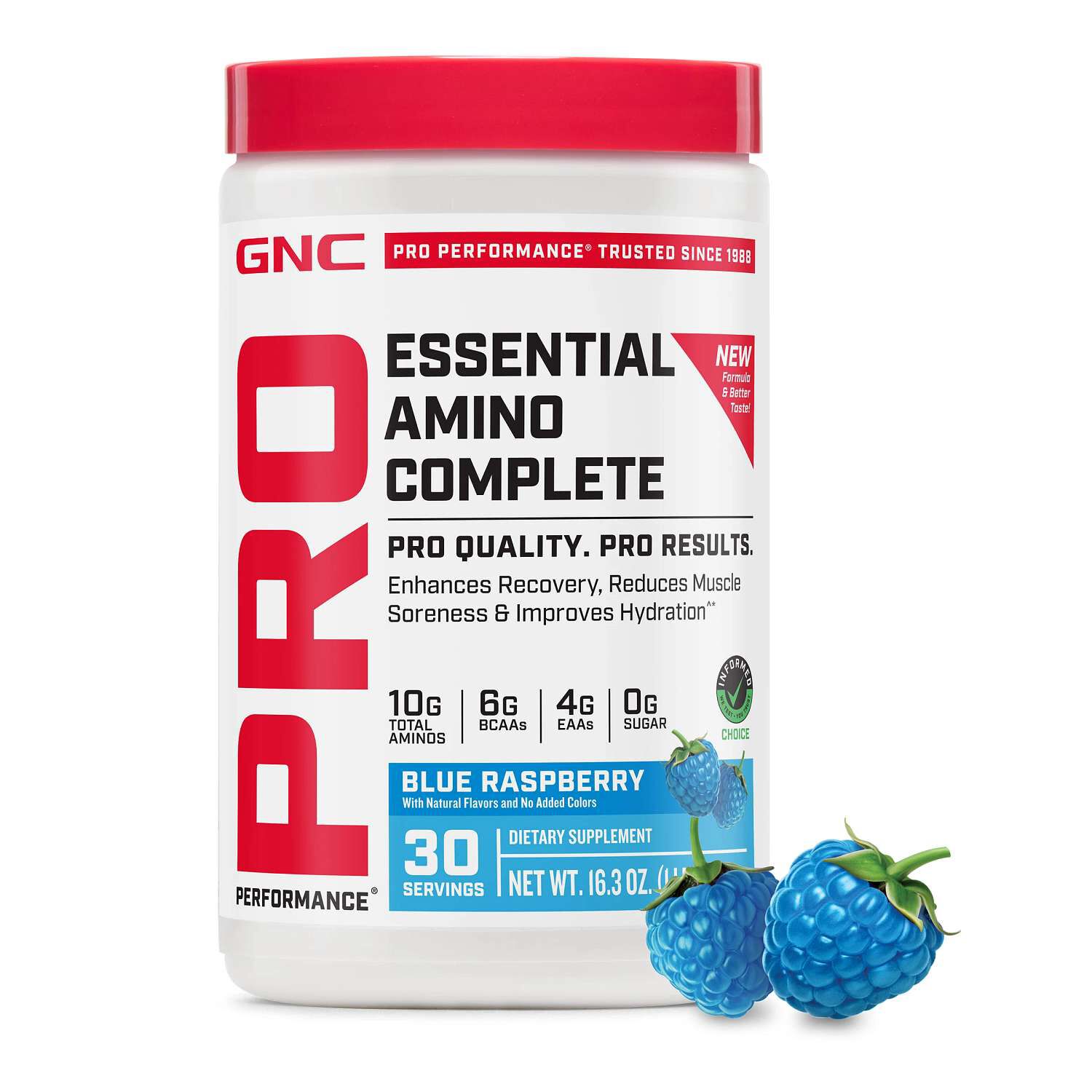
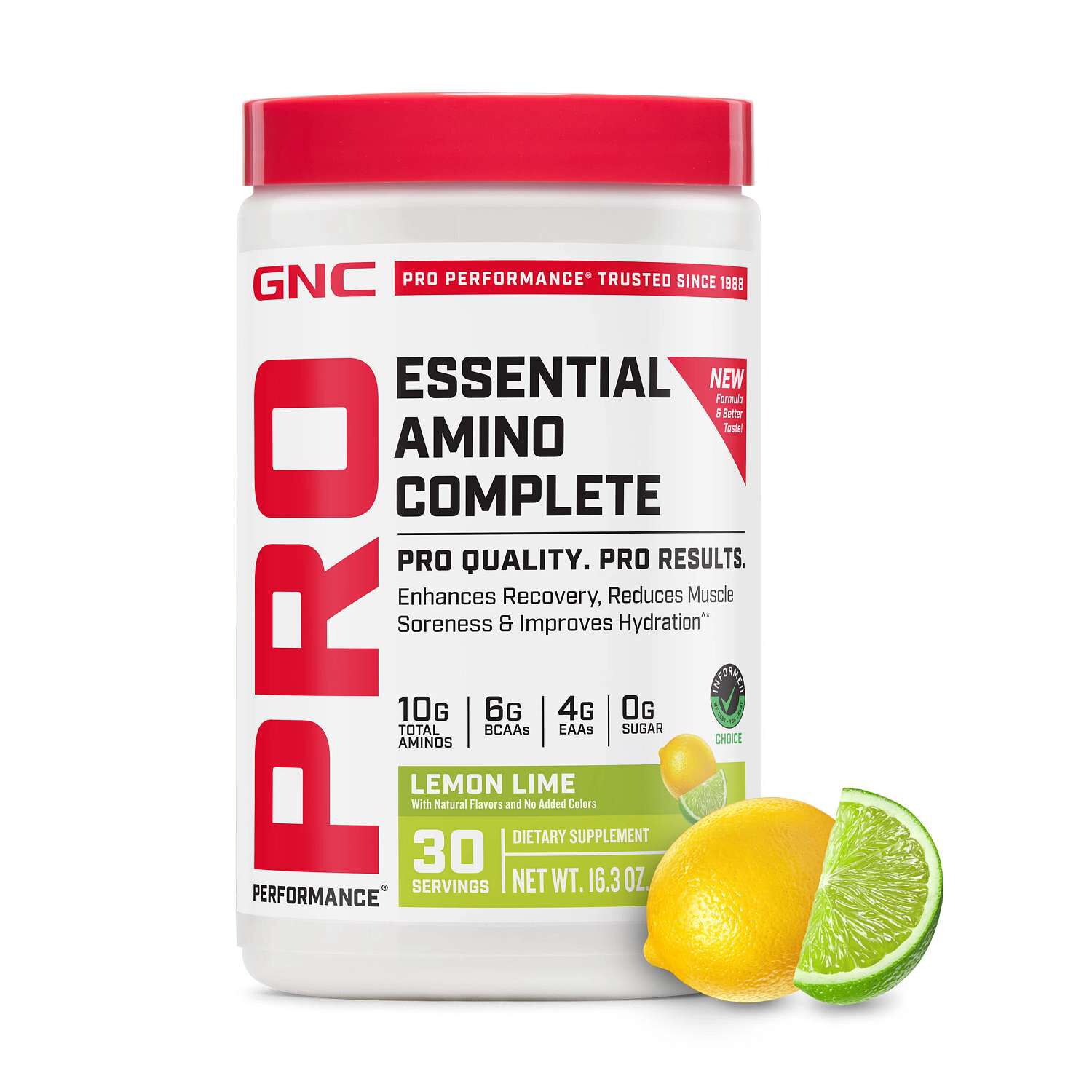
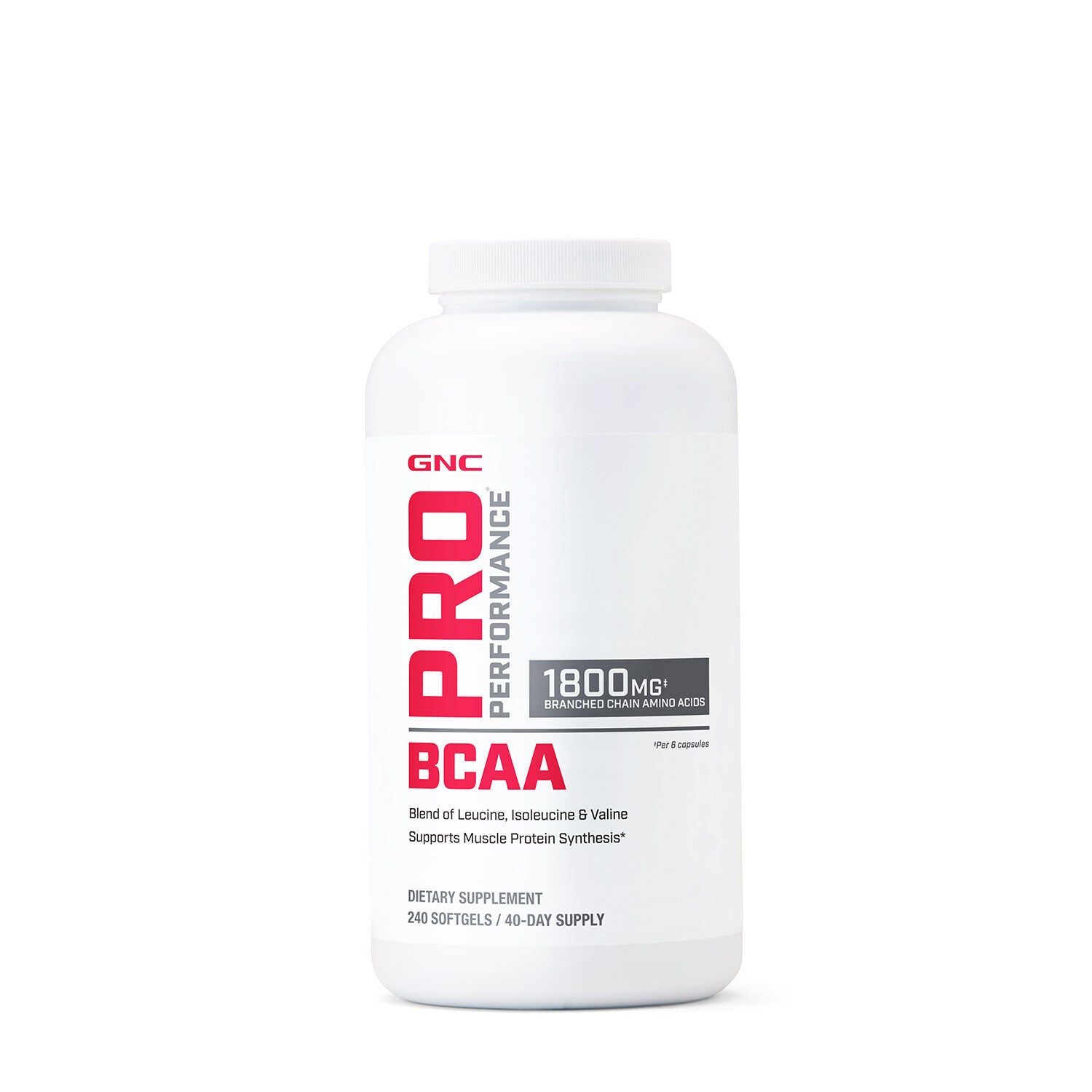
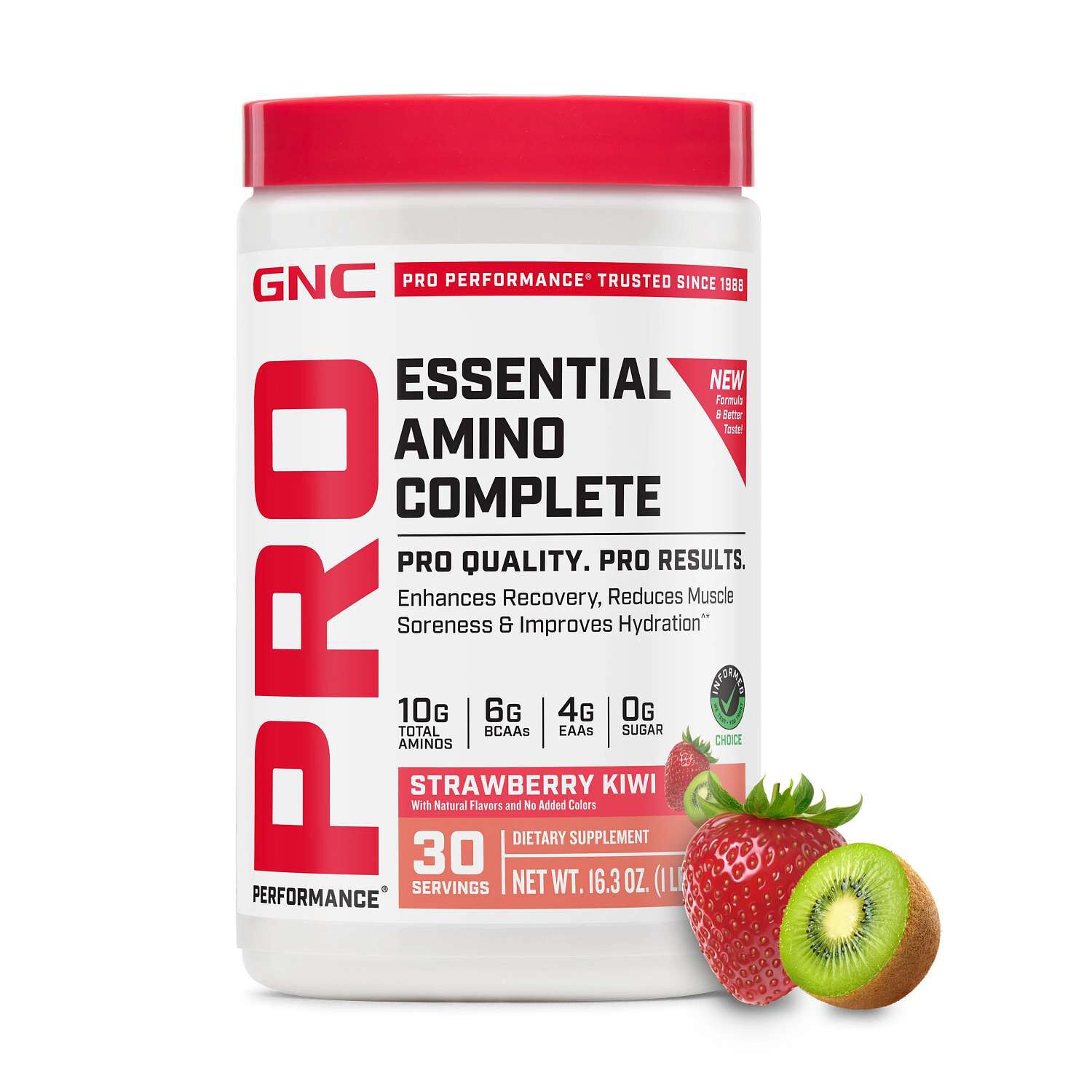
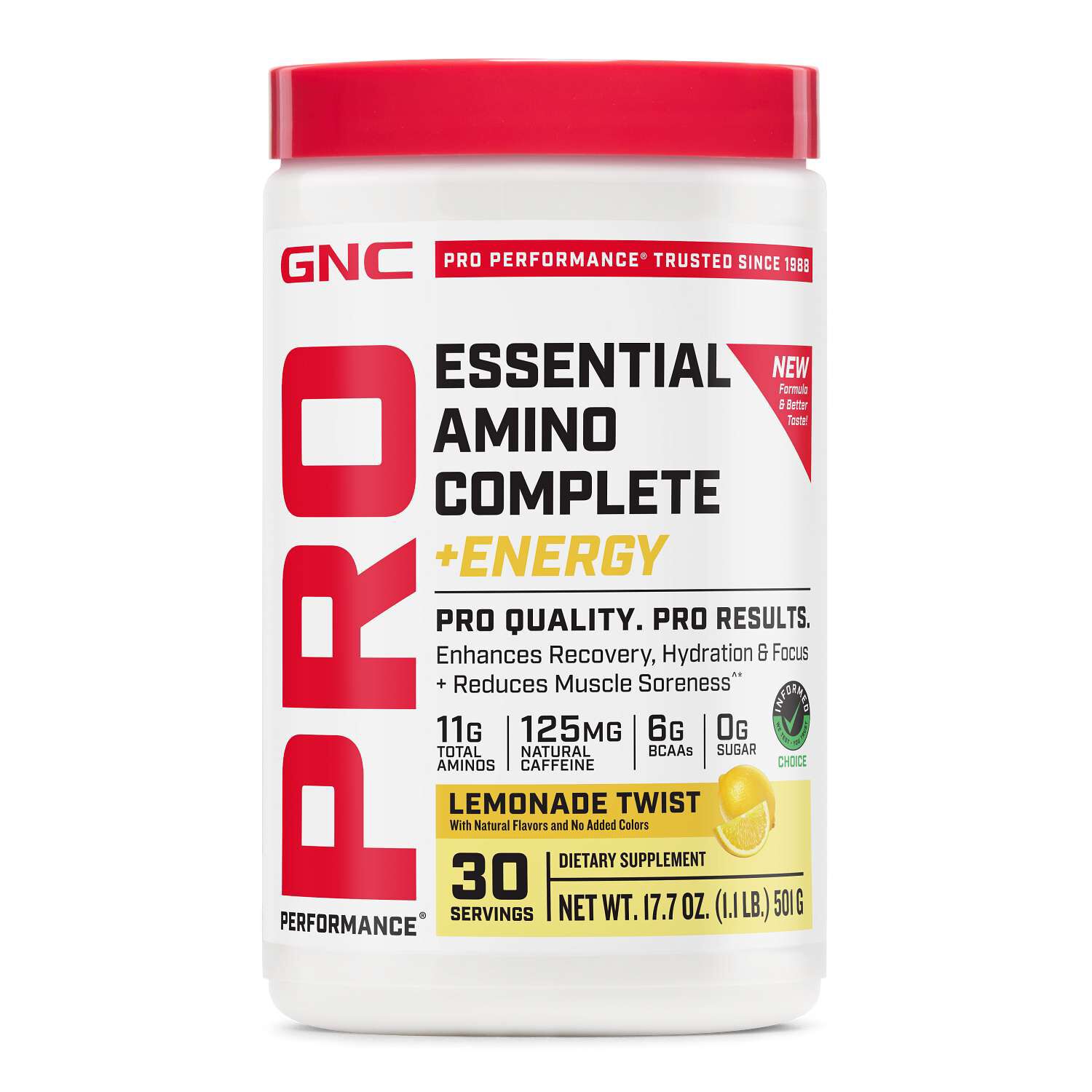

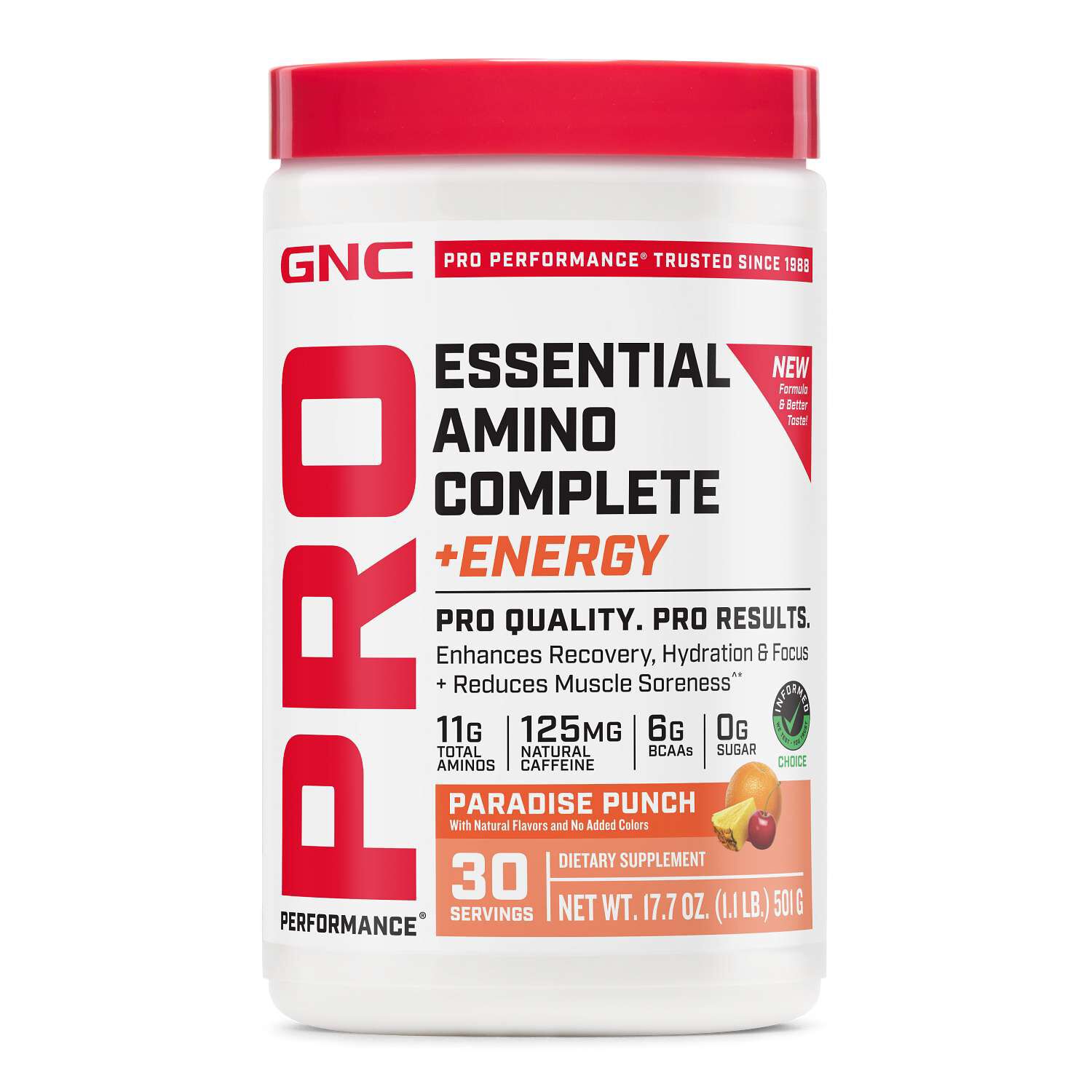


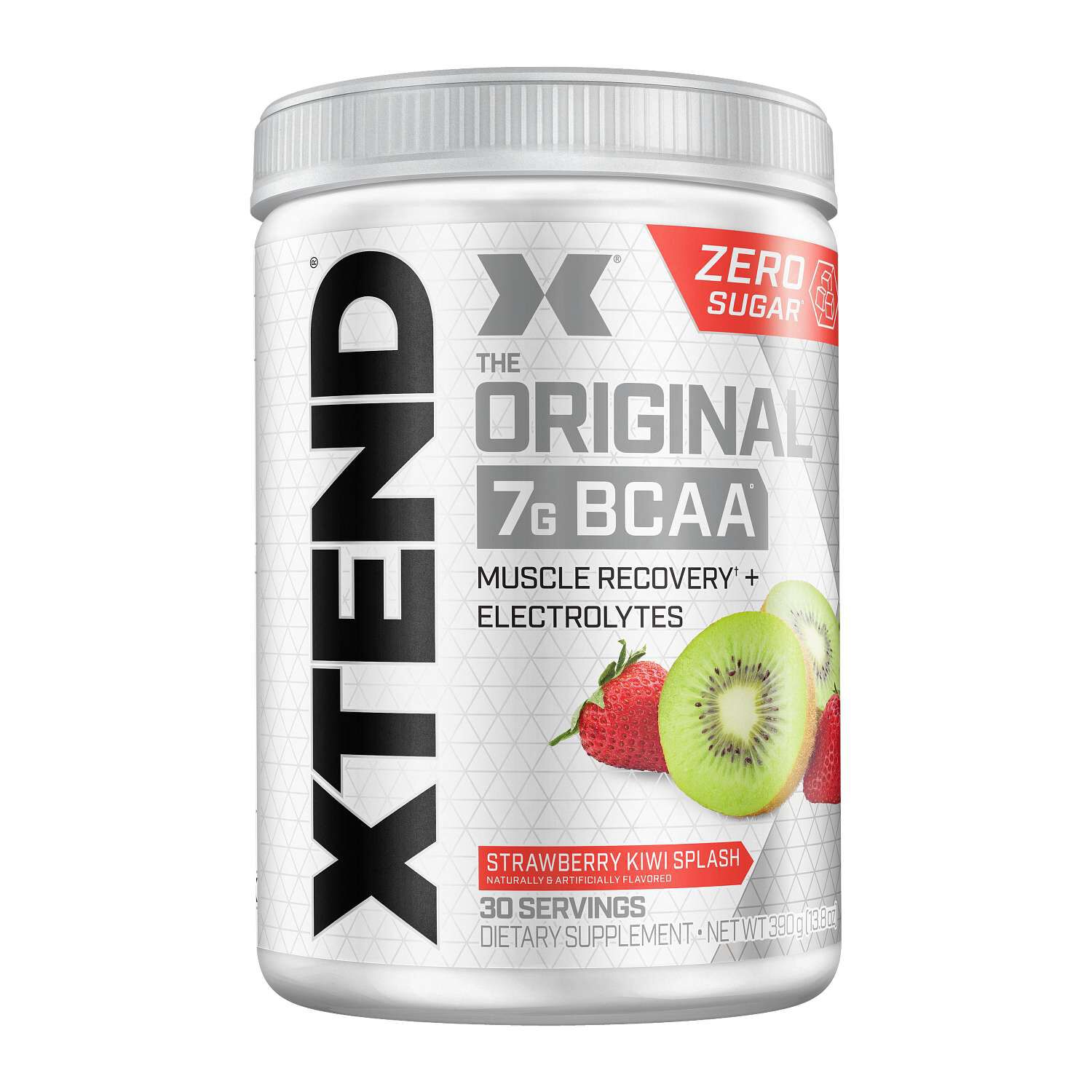
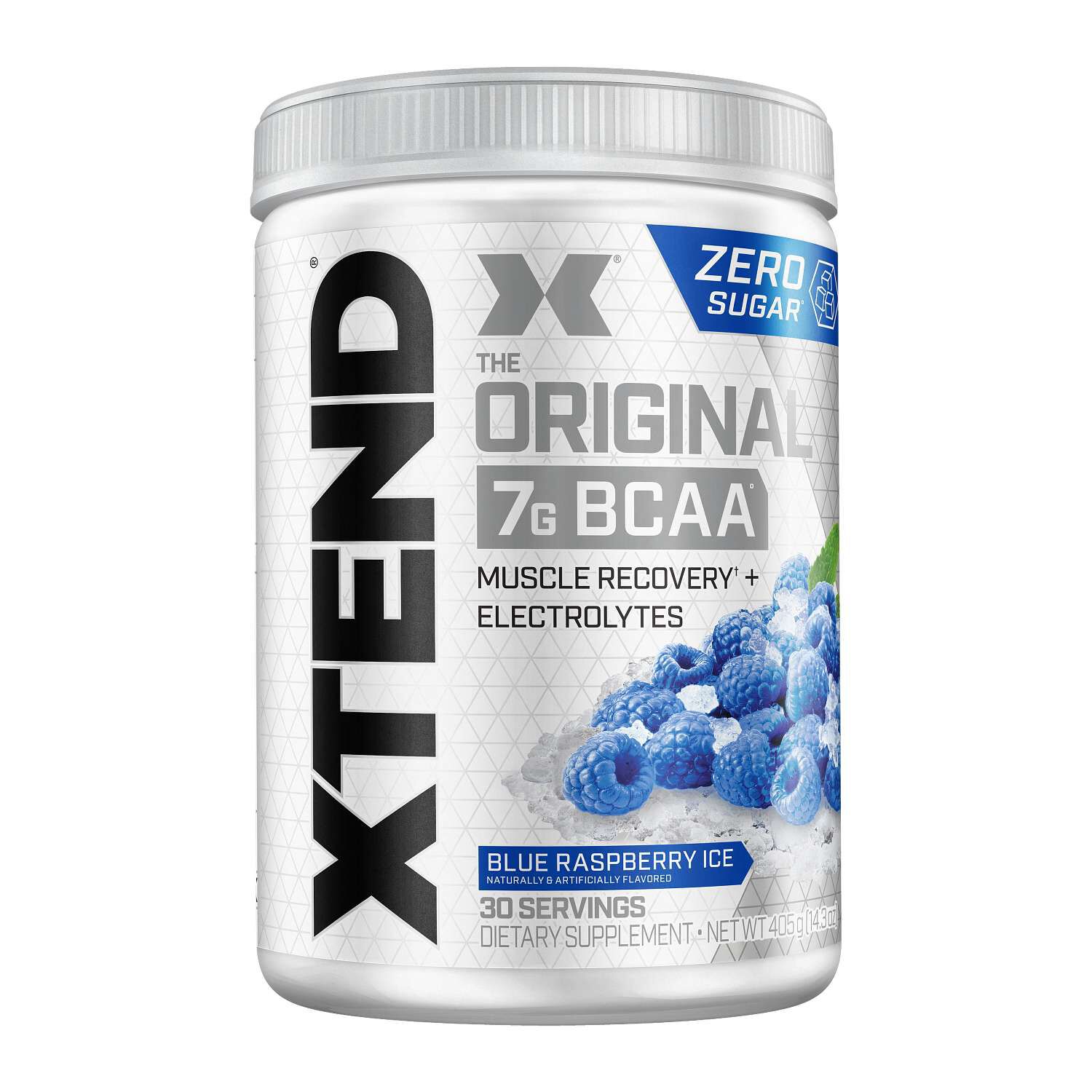
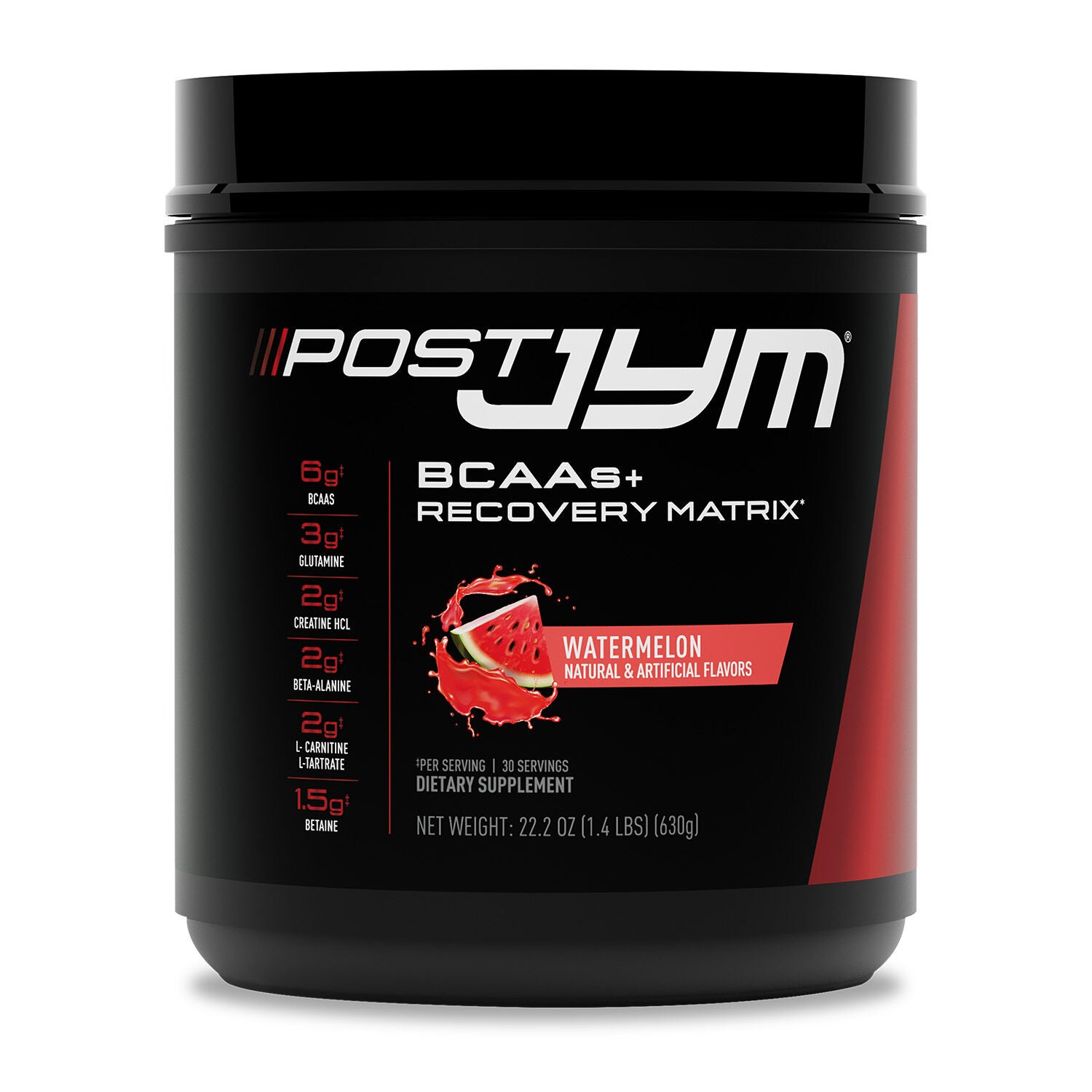

BCAA supplements may support muscle recovery and may help reduce occasional exercise-related soreness after demanding workouts. BCAA stands for branched-chain amino acids: leucine, isoleucine, and valine. These three amino acids occur naturally in protein-containing foods and are sold in powders, capsules, and other convenient formats. For someone returning to resistance training, adding a longer ride, or working through a demanding strength session, a BCAA supplement may be one part of a broader recovery routine. It is not a replacement for meals, sufficient protein, rest, or a training schedule that allows time between challenging sessions. Research on supplemental BCAAs and muscle soreness has produced mixed findings, and individual experiences may differ. Someone whose meals already supply enough protein may notice little additional benefit. Dietary habits, workout intensity, and familiarity with an activity all provide context for comparing formulas. The distinction between BCAAs and protein powder also matters: a BCAA formula focuses on three amino acids, while dietary proteins contain a broader assortment. A serving of BCAAs is not nutritionally interchangeable with a protein shake or a meal. Foods such as eggs, dairy, poultry, fish, beans, and soy can contribute protein throughout the day. A shopper comparing BCAA supplements for support in reducing soreness is therefore considering a targeted amino acid product rather than an all-purpose recovery solution. The most relevant comparison is not simply which container has the largest number on its front label, but how its ingredients and serving size fit an existing eating pattern and workout routine. For a recreational lifter who eats protein-rich meals consistently, adding another supplement may offer limited value. For someone who enjoys a flavored drink around training, the appeal may be a familiar format that fits alongside established habits. In either case, soreness alone is not a reliable measure of a workout’s value.
Format, flavor, and ingredient transparency are practical considerations when browsing BCAA supplements. Powders suit shoppers who already carry a shaker bottle and prefer a drink they can mix with water. Capsules offer a different format for those who prefer not to add another flavored beverage to their day. The amount per serving deserves attention because a scoop of powder and a serving of capsules may contain different quantities of amino acids. Serving sizes also vary between formulas, so the weight of the container does not tell the whole story. Many labels display a ratio such as 2:1:1, referring to the relative amounts of leucine, isoleucine, and valine. That ratio describes the formula; it does not, by itself, establish how someone will feel after training. A larger ratio or a longer ingredient list does not automatically make a formula a better match. Some blends contain only BCAAs and flavoring ingredients, while others include electrolytes, carbohydrate, caffeine, or additional amino acids. Those differences matter when a supplement sits alongside coffee, sports drinks, protein shakes, or other products in a daily routine. A person who trains in the evening may prefer a formula without added caffeine, while another shopper may favor an unflavored powder that keeps the beverage’s taste simple. Sweetness, tartness, texture, and mixing characteristics can influence whether a drink is enjoyable after repeated use. A bright fruit flavor might suit a large water bottle at the gym, whereas a milder option may be more appealing alongside a meal. Ingredient lists also provide information about sweeteners, colors, and ingredients that do not suit particular dietary preferences. Clearly stated amino acid amounts make comparisons more straightforward than a blend name alone. Independent testing information, when provided, offers another point of comparison, particularly for people whose sports organizations have rules about supplement use.
Intended use is another distinction among BCAA supplements. A strength-training routine, a cycling schedule, and recreational team practices can involve different demands, but the same product does not need to suit every activity. Someone carrying a gym bag from work may value a securely closed container and a serving format that is easy to transport. A runner who dislikes carrying an extra bottle may have different preferences from a lifter who keeps a shaker beside the rack. For shoppers comparing options with organized training in mind, BCAA Supplements for Athletes offers another relevant category to explore. Timing directions differ among formulas, and the label provides the intended serving instructions rather than a universal schedule for every workout. A supplement may fit before, during, or after activity depending on its directions and personal preference, but timing alone does not establish a recovery benefit. Packaging and storage also deserve consideration, especially when a container travels regularly. A lid that closes securely, an intact seal, and a clean, dry scoop are useful details for powders. Capsules likewise belong in their labeled packaging, with the closure secured between uses. Storage directions commonly address moisture and direct sunlight; a damp shaker bottle is different from a suitable place to keep dry powder. The serving count, expiration date, and preparation instructions provide practical context for how a container fits an established routine. A formula that requires more mixing or measuring than someone enjoys may be less appealing over time, regardless of its flavor description. Ultimately, BCAA supplements may have a place in a recovery-focused routine, but expectations are best kept modest and specific. Occasional soreness after unfamiliar exercise, the enjoyment of a flavored workout drink, and a preference for a particular supplement format are separate considerations. Comparing them thoughtfully keeps the focus on a product’s ingredients, intended use, and fit with everyday eating and training habits.
Best Sellers
Related Pages

Top Collections
- Zinc Supplements | Top Brands at Great Prices | GNC
- Cortisol Supplements
- Joint Mobility Supplement Packs
- NAD+ Supplement Tablets
- Best Brand of Magnesium Glycinate
- Top Rated Collagen | Shop Customer Favorites | GNC
- Iron Supplements
- Peptide Supplements
- Protein Powders For Muscle Growth Support
- Vitamins That Help Support Weight Gain