





BCAA Supplements For Outdoor Activities
(0 Results)
Exploring the great outdoors calls for energy and endurance, and bcaa supplements for outdoor activities may offer support for your active lifestyle. Whether you're hiking, biking, or enjoying a day on the trails, these supplements are designed with adventurers in mind. Find options that could fit seamlessly into your routine as you take on new challenges and make the most of every outdoor experience.
-
-
-
 $52.99
-
-

-

-

-
-

-
-
 $59.99
-
-
-
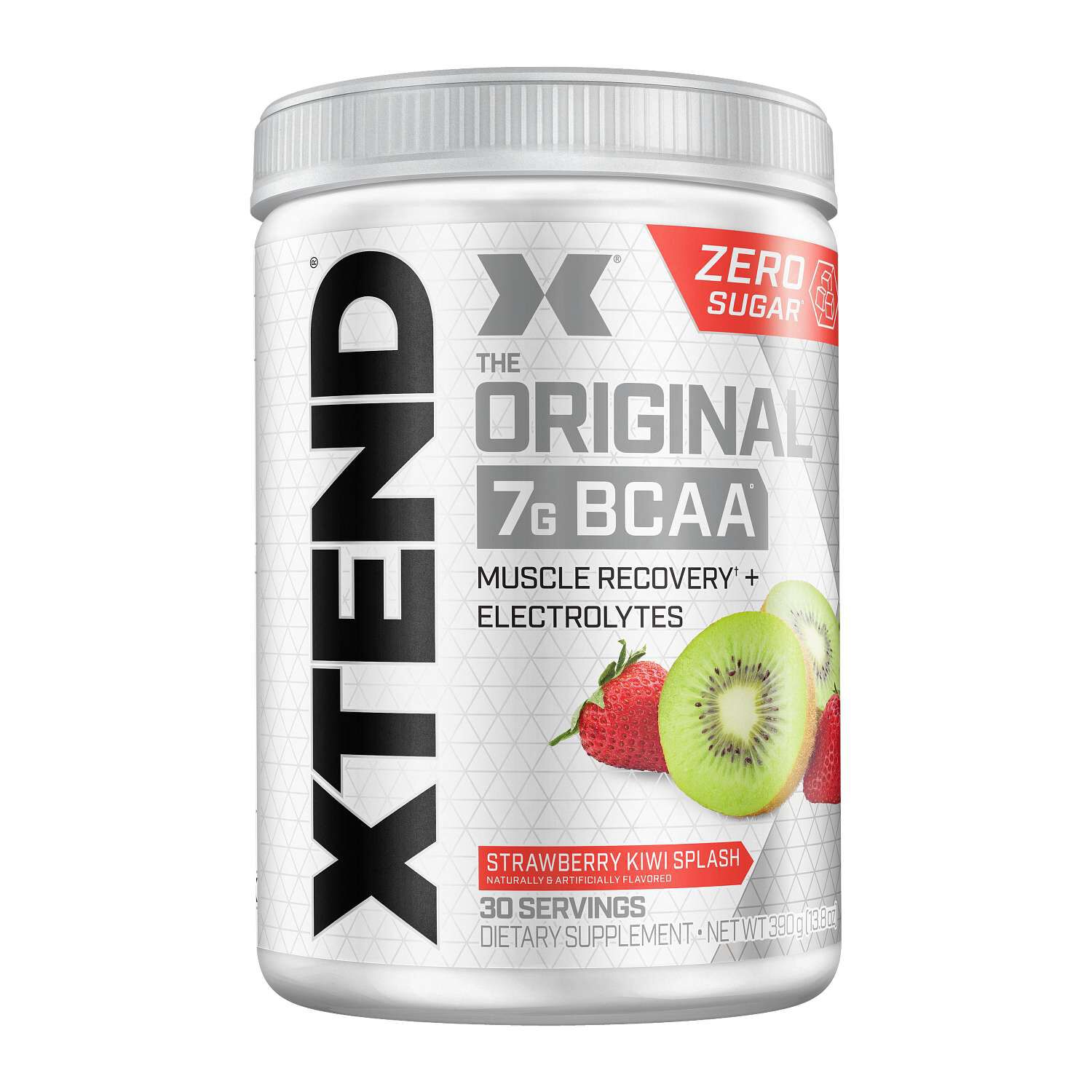
-
 NDS Nutrition$52.99
-

-
 $59.99
-
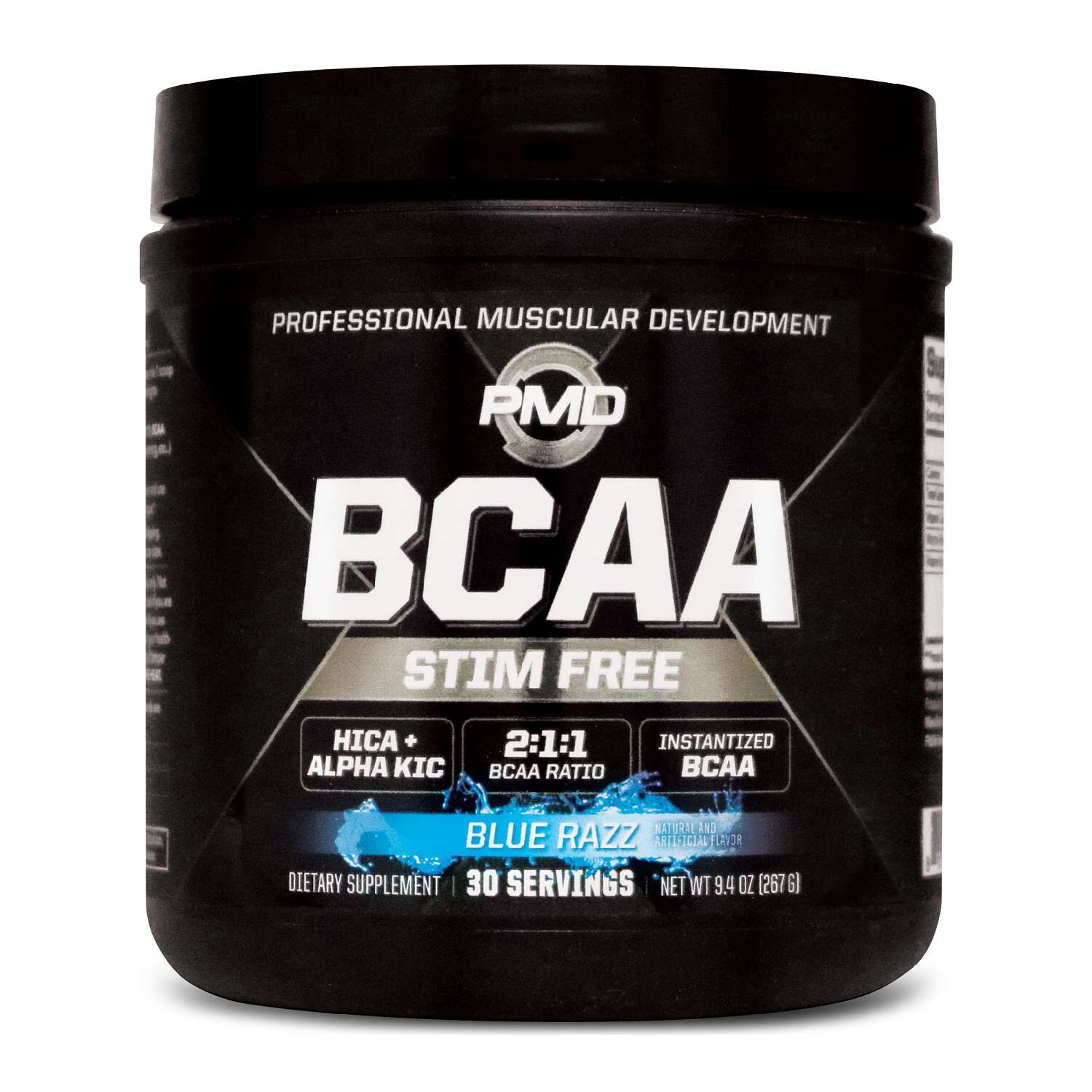 NDS Nutrition$52.99
-
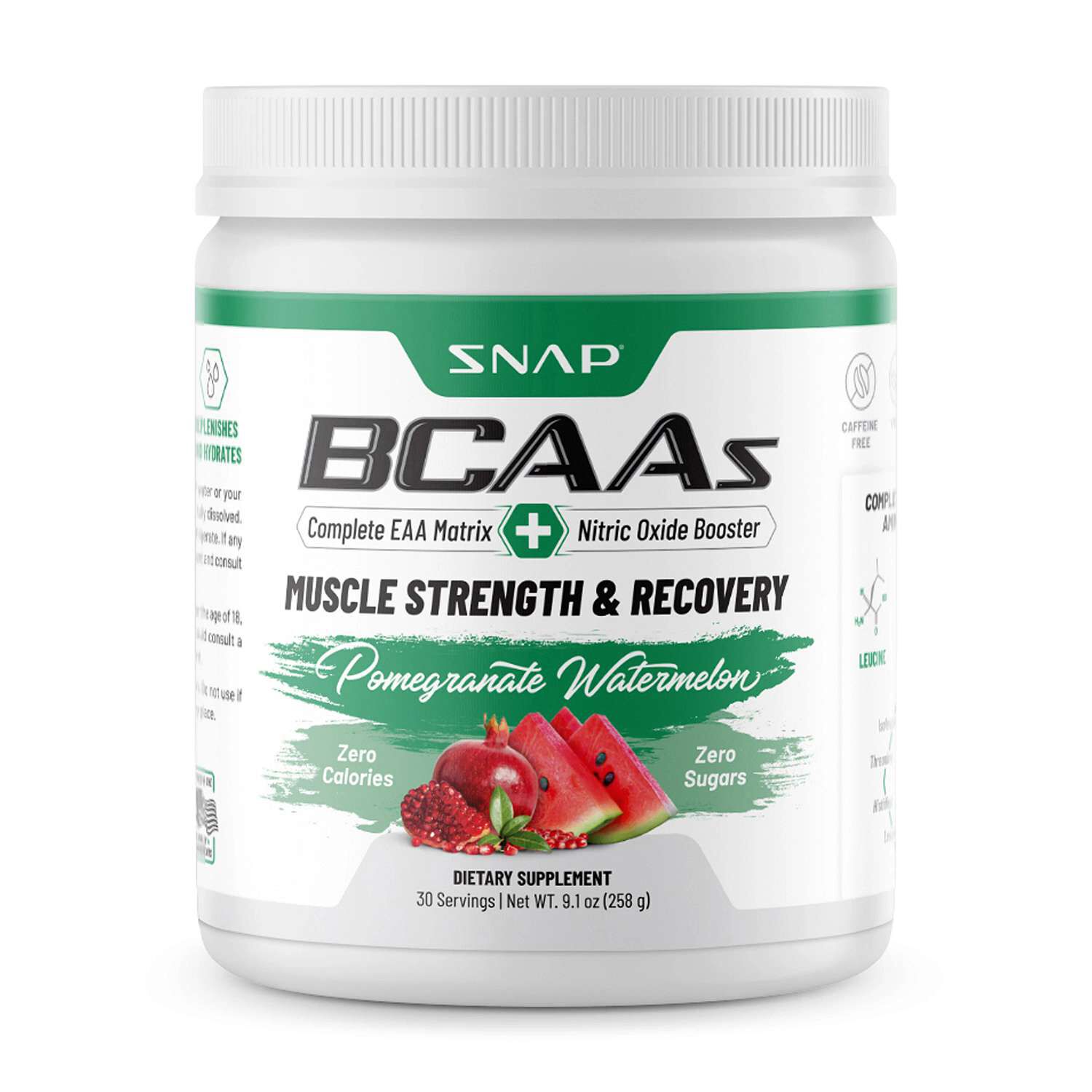
-
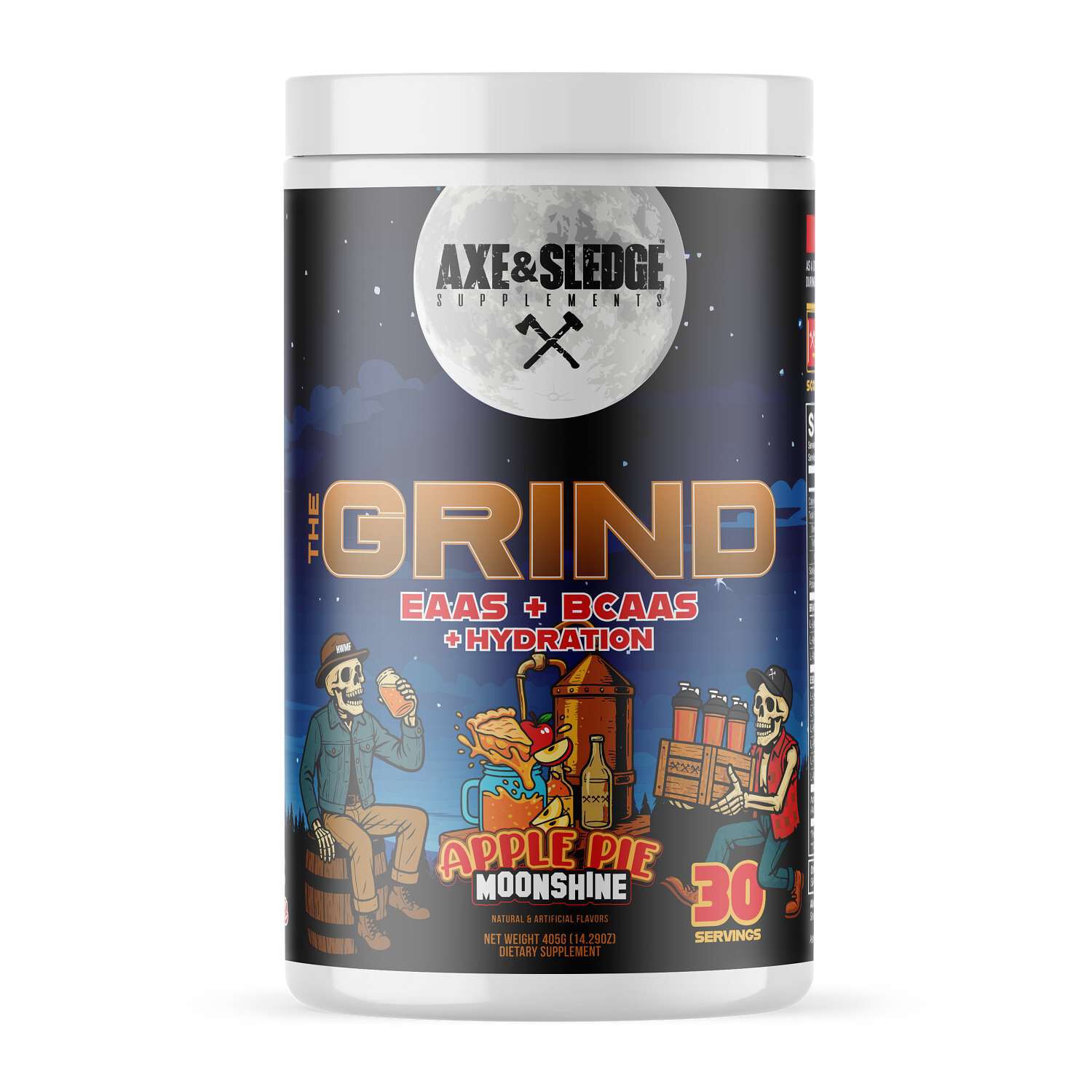
-
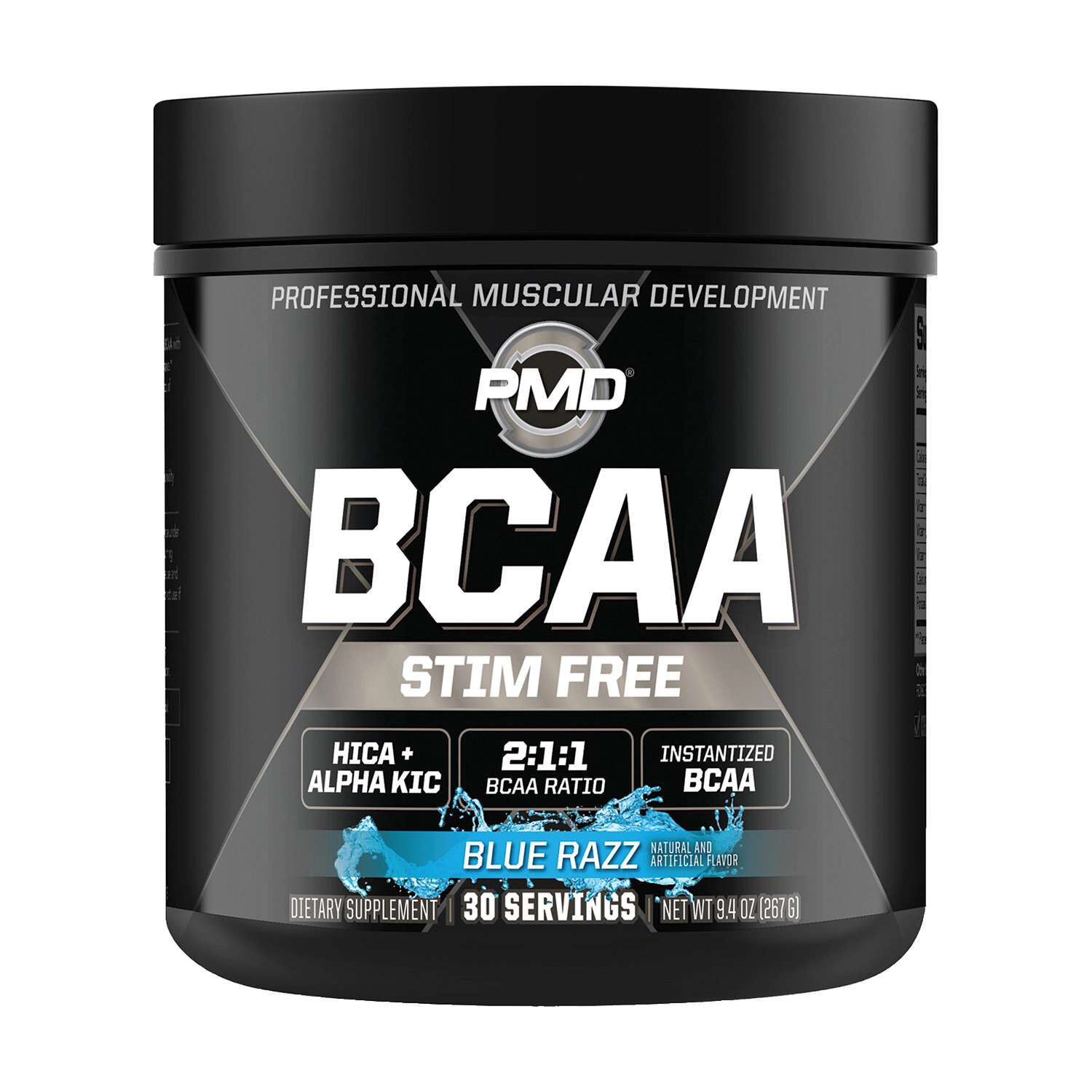
-

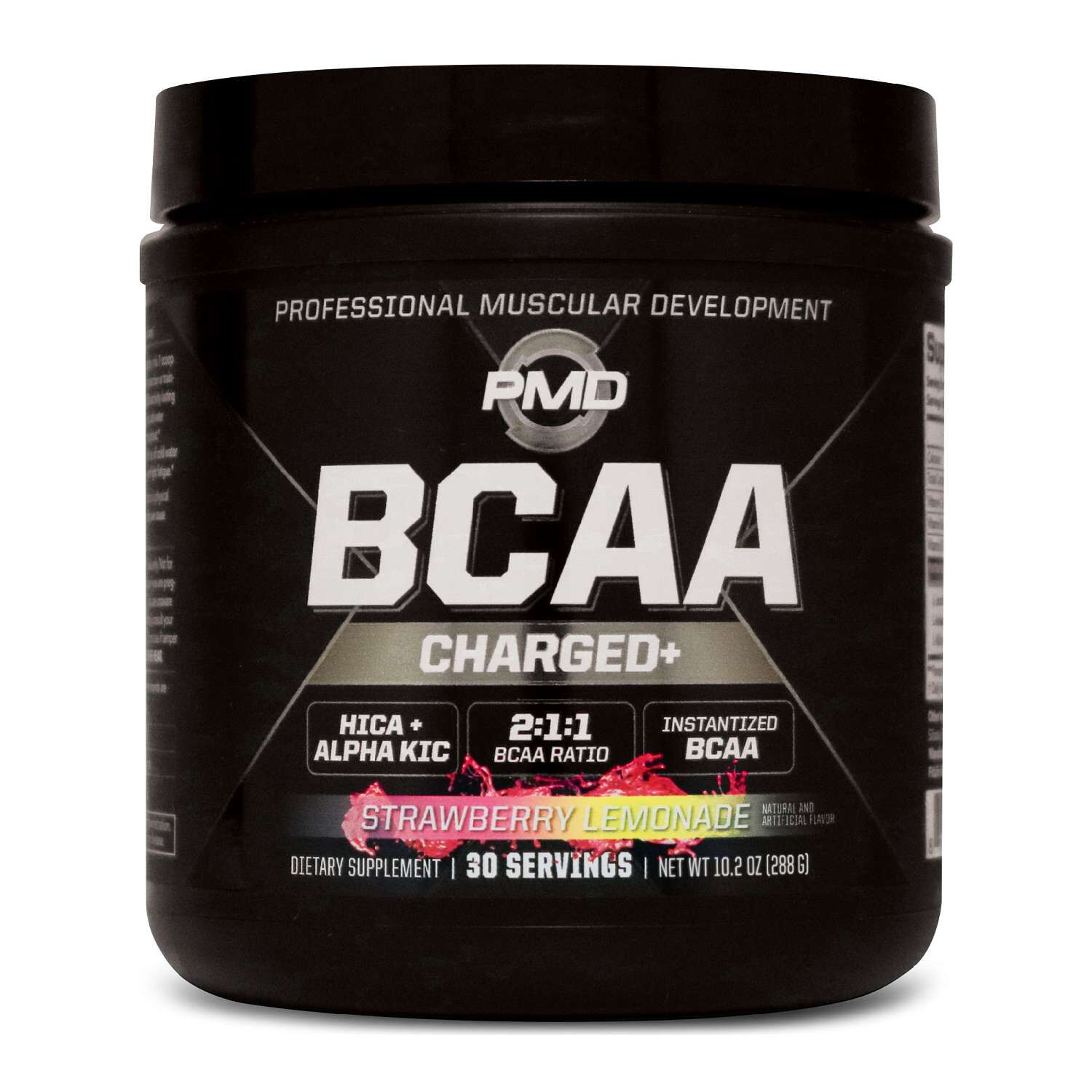

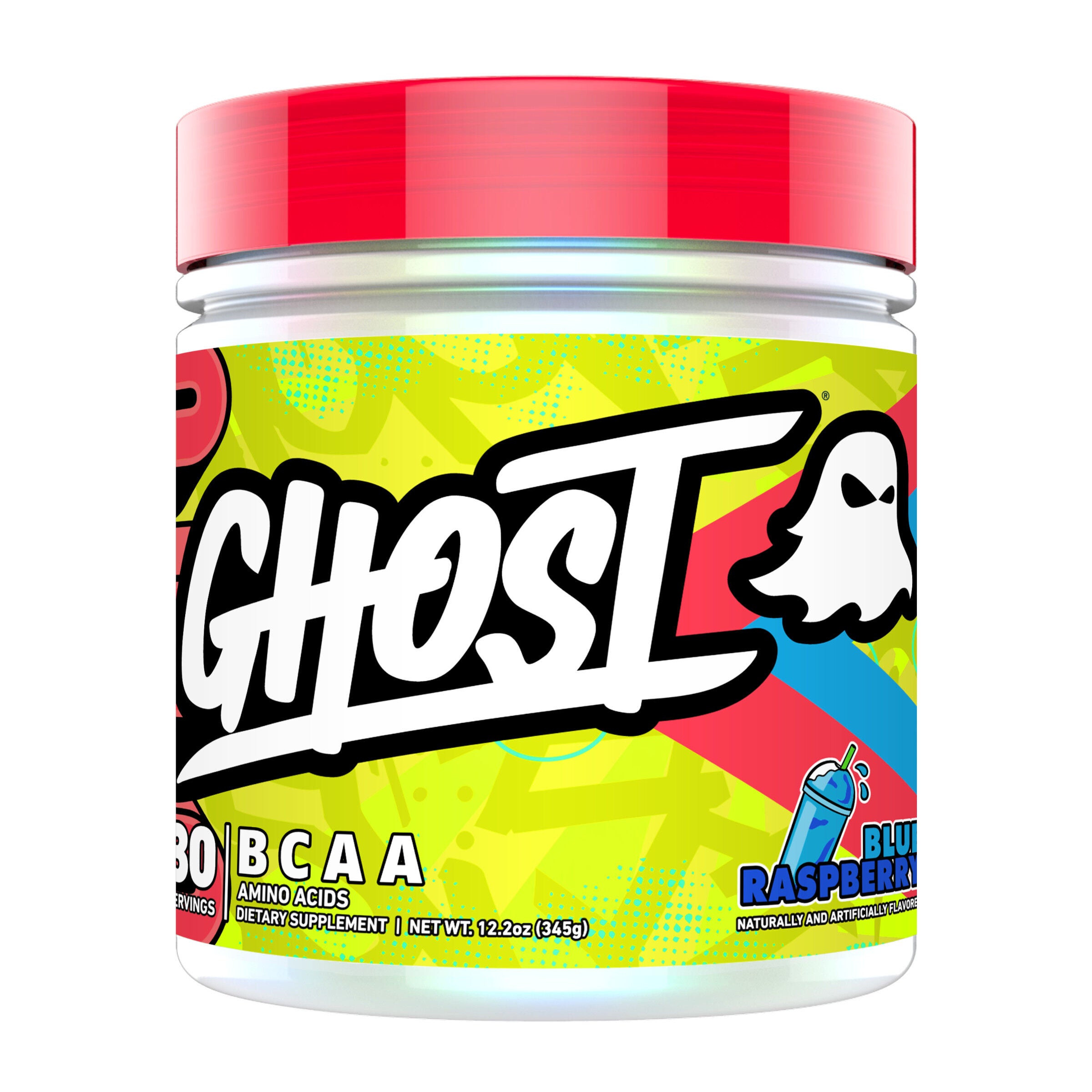
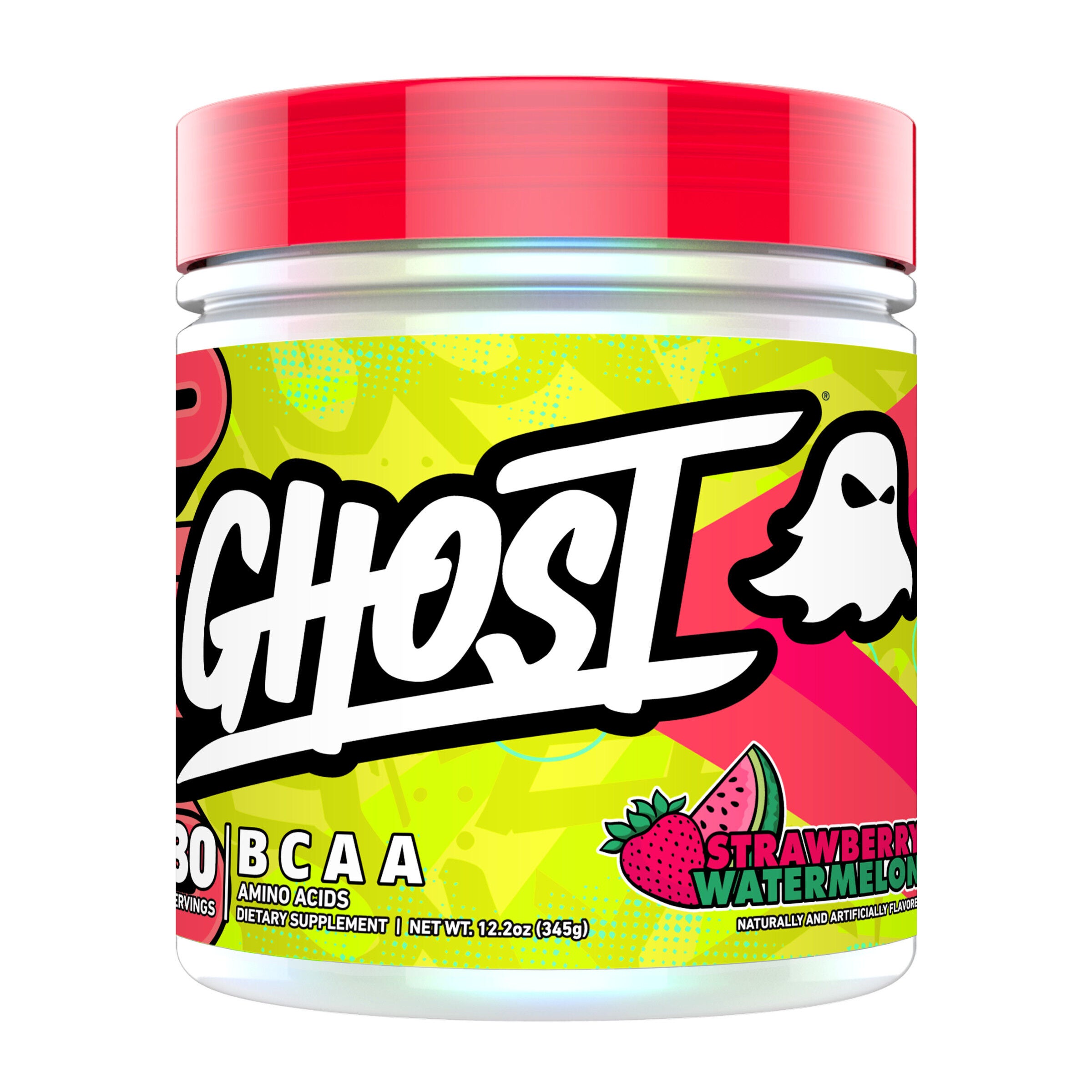
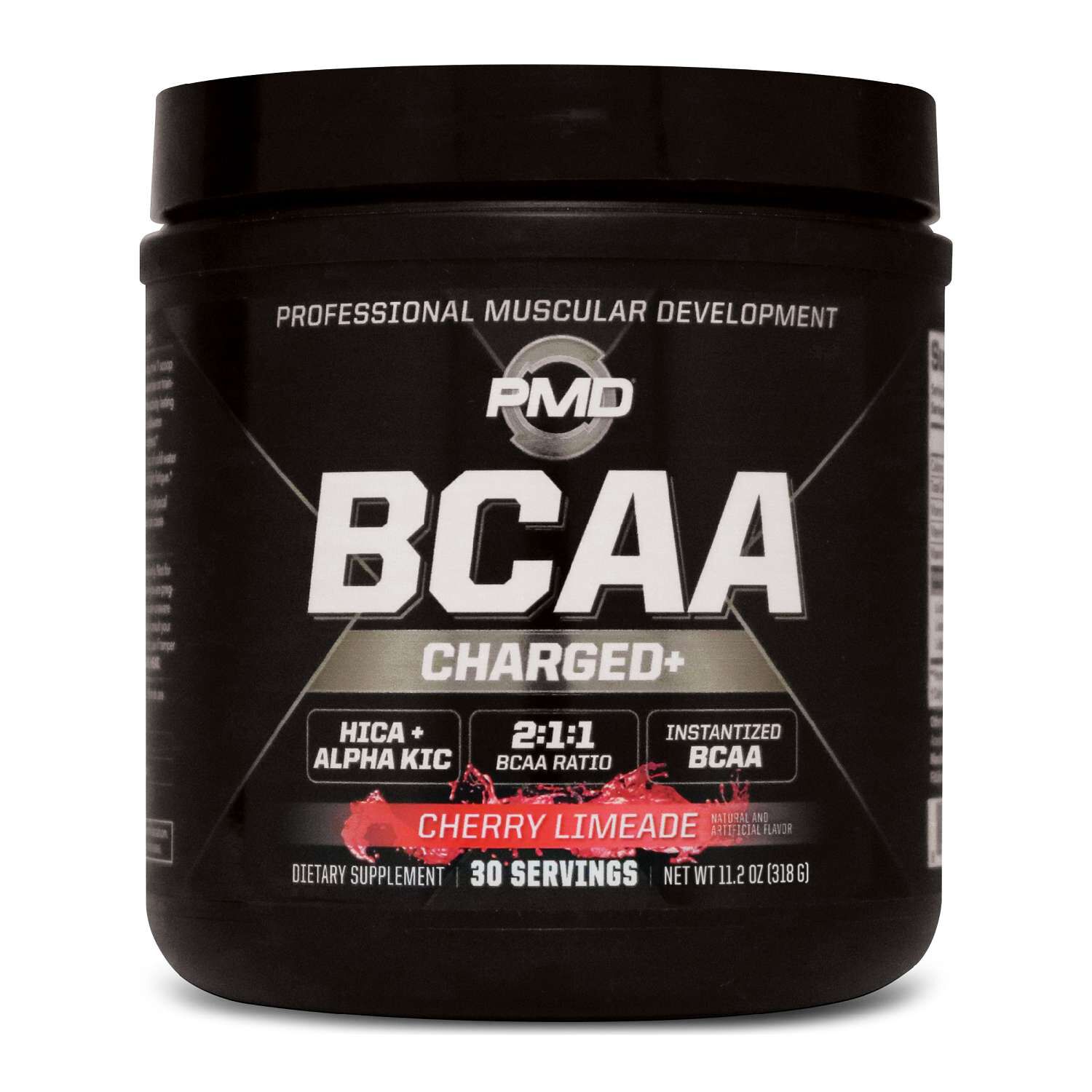
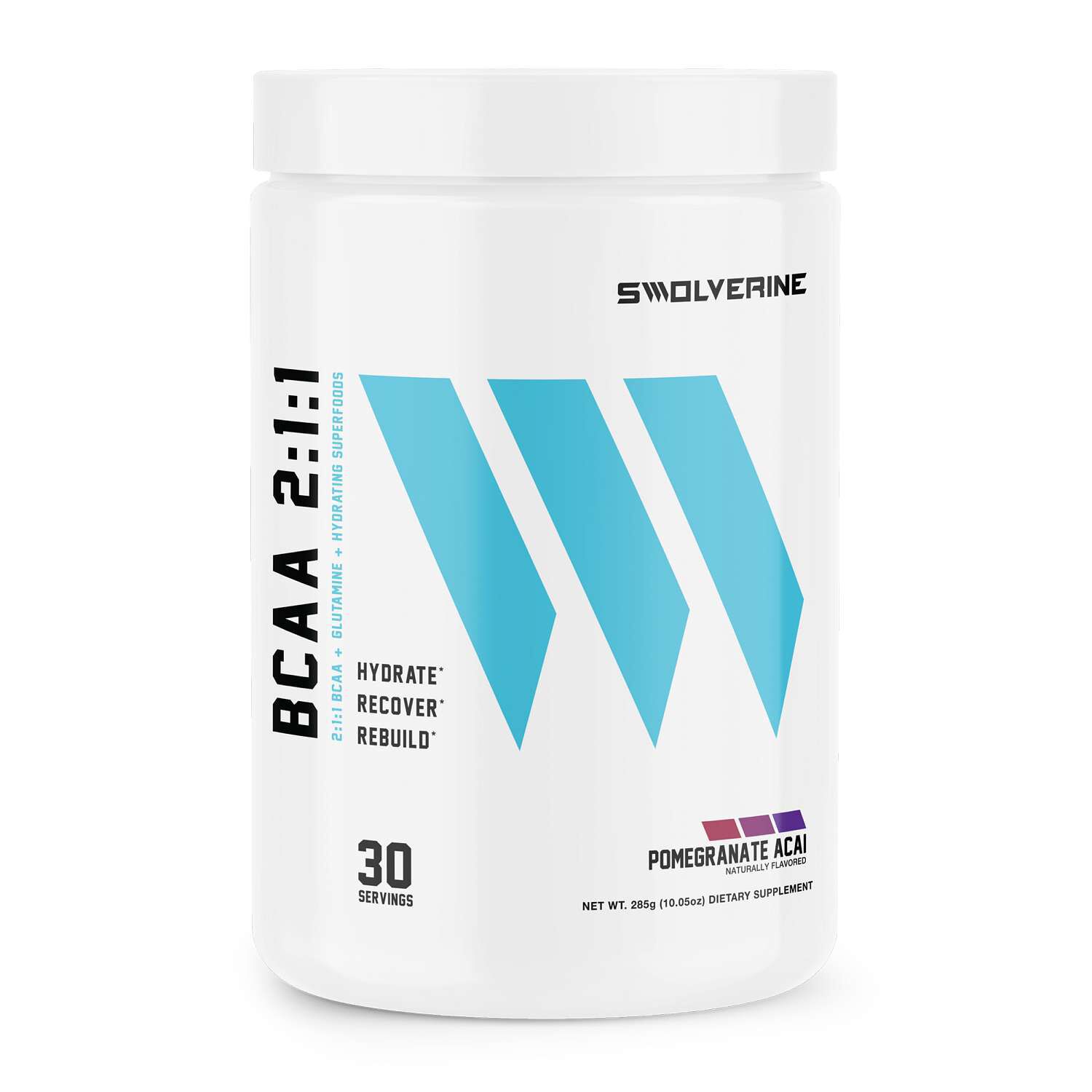
BCAA supplements for outdoor activities bring a familiar sports nutrition category into the routines of hikers, trail runners, cyclists, paddlers, and others who spend active time outside. BCAA stands for branched-chain amino acids: leucine, isoleucine, and valine. These three amino acids are building blocks of protein, and the body obtains them through food because it cannot make them on its own. Foods such as eggs, dairy, meat, and soy provide BCAAs alongside other nutrients; supplements offer a separate, measured source in formats such as drink powders and capsules. For outdoor use, the distinction between a BCAA supplement and a broader nutrition product matters. A BCAA powder is not automatically a protein shake, an electrolyte beverage, or a source of substantial carbohydrate. Some formulas combine amino acids with sodium, potassium, carbohydrates, or caffeine, while others have a shorter ingredient list centered on the three BCAAs. Those differences are worth considering when comparing supplements for a wooded loop, a gravel ride, or a day of walking between climbing routes. The amount of each amino acid per serving is more informative than a large number on the front of a container. A commonly seen 2:1:1 ratio describes two parts leucine to one part isoleucine and one part valine; it describes the proportions, not a universal measure of suitability for every activity. Serving size, ingredient transparency, flavor, and preparation directions provide additional context. Research on BCAAs and exercise outcomes varies, and a particular blend or ratio does not establish a predictable result on the trail. These supplements are best understood as optional additions to an eating routine, rather than replacements for meals, trail snacks, or drinking water. For someone who already uses sports nutrition products, an outdoor-focused choice often comes down to how comfortably the format fits existing habits and the practical details of carrying, mixing, and storing it away from home.
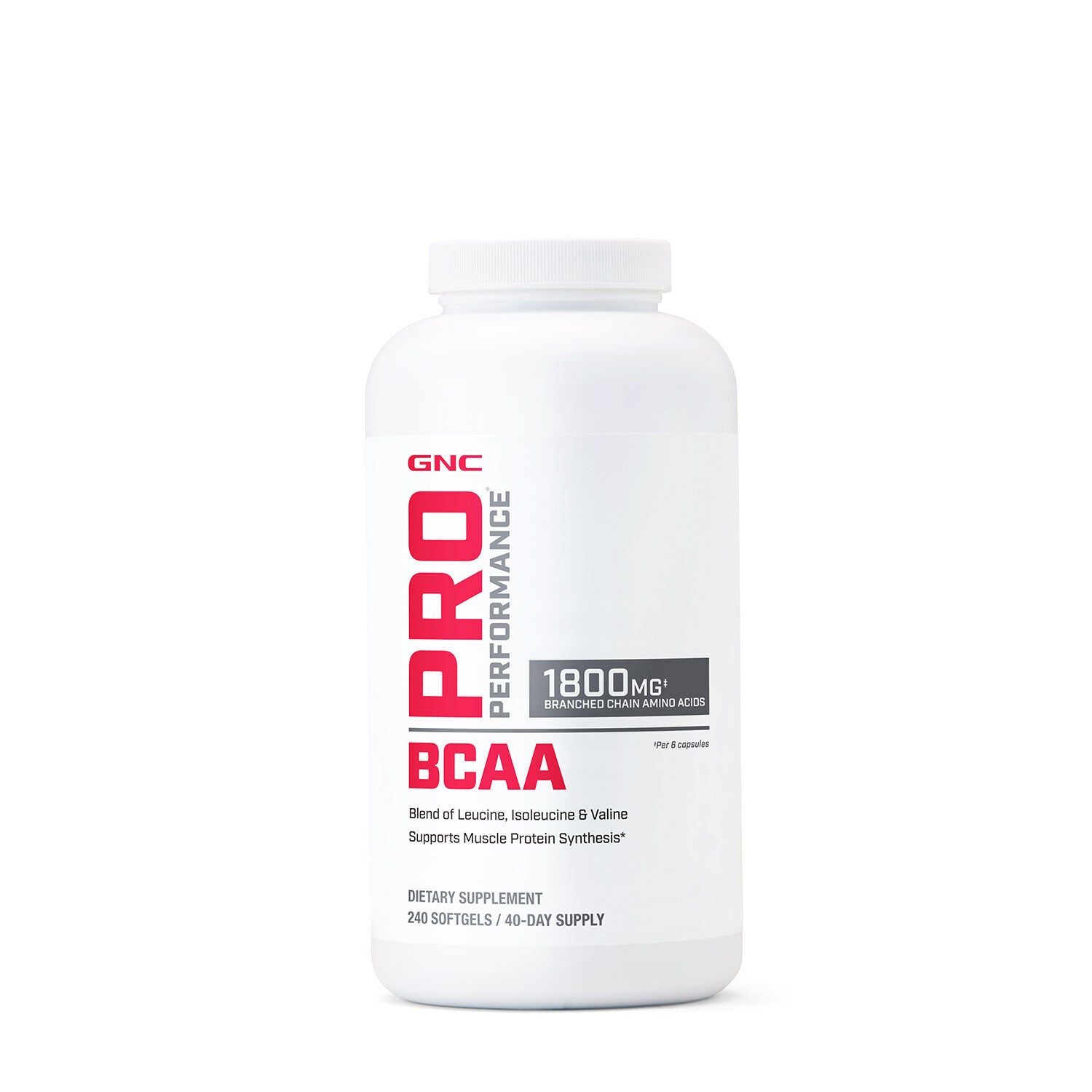
Packaging and preparation deserve close attention when comparing BCAA powders for hiking, cycling, or other outdoor activities. A resealable container suits mixing a drink before leaving home, while individually portioned packets may be convenient for a small daypack or a cycling jersey pocket. Packet dimensions, closure design, and the amount of water called for on the label all affect how a supplement fits into the rest of the gear. A serving that calls for a larger volume of water may not suit a compact bottle without adjusting the preparation to match the directions. Mixing instructions also differ: some powders call for shaking, while others can be stirred. A wide-mouth bottle offers room for adding powder, and a secure lid matters when that bottle rides beside an extra shirt, a map, or a camera. Flavor is another practical consideration, especially when a drink accompanies several hours outdoors. Citrus, berry, and unflavored options offer different experiences, although unflavored does not necessarily mean tasteless. Sweeteners, acidity, and texture can influence personal preference as much as the named flavor. Reading the ingredient list distinguishes a simply flavored amino acid powder from a formula with additional ingredients. For someone who prefers capsules, the comparison shifts toward serving count, container size, and label directions rather than taste or mixability. Whichever format fits the outing, storage requirements still apply. Original packaging preserves access to ingredient information, serving directions, and date markings, while a securely closed container helps limit exposure to moisture. A dry scoop and clean mixing bottle are sensible parts of routine care. Durable outer packaging is especially relevant when supplies share a bag with tools, footwear, or other hard-edged gear. Empty packets belong with packed-out litter, and reusable bottles need washing according to their care instructions after a flavored drink. These small details make the category less about an ambitious label and more about whether a particular format belongs in an everyday outdoor routine.
Intended use provides another way to compare BCAA supplements without treating every outing as the same experience. Someone walking a local trail before breakfast has a different packing routine from a cyclist carrying supplies for a long route or a backpacker organizing several days of food. On a shorter outing, a supplement might remain part of an at-home routine before departure or after returning; on a longer excursion, portability and access to suitable drinking water become more relevant. Preparation timing should follow the product label rather than assumptions that every BCAA formula belongs at the same point in an activity. Added ingredients deserve the same attention as the amino acids themselves. A blend containing electrolytes has a different composition from one without them, but the presence of sodium or potassium alone does not describe how it compares with a dedicated electrolyte mix. Similarly, a flavored BCAA drink can contain little carbohydrate, so it should not be confused with the food carried for an extended outing. Comparing the nutrition information across drinks, snacks, and other supplements also makes overlapping ingredients easier to recognize. Dietary preferences matter, too: ingredient sourcing, capsule materials, sweeteners, and allergen statements can help distinguish options that otherwise look similar. Clear label information is particularly useful for shoppers seeking vegetarian or vegan formats, since those attributes should not be assumed from the category name. For someone choosing a gift for an outdoor enthusiast, an established preference for a certain format or flavor is a more useful starting point than guessing which performance claim might appeal to them. The most relevant choice is often the one that matches how the recipient already packs, prepares drinks, and approaches sports nutrition. Shoppers exploring a related fitness theme can also browse BCAA Supplements for Spring Fitness. Across outdoor pursuits, thoughtful comparisons center on clearly stated amino acid amounts, appropriate preparation, practical packaging, and personal preferences, with realistic expectations about what a supplement contributes to the wider routine.
