





BCAA Supplements For Spring Fitness
(0 Results)
Get ready to refresh your routine with BCAA supplements for spring fitness. As the days get longer and outdoor activities pick up, many people look for ways to support their training goals. BCAA supplements for spring fitness may be a convenient option to add to your daily regimen as you focus on wellness this season. Explore a wide variety of options designed to fit your unique preferences and help you stay motivated throughout your spring fitness journey.

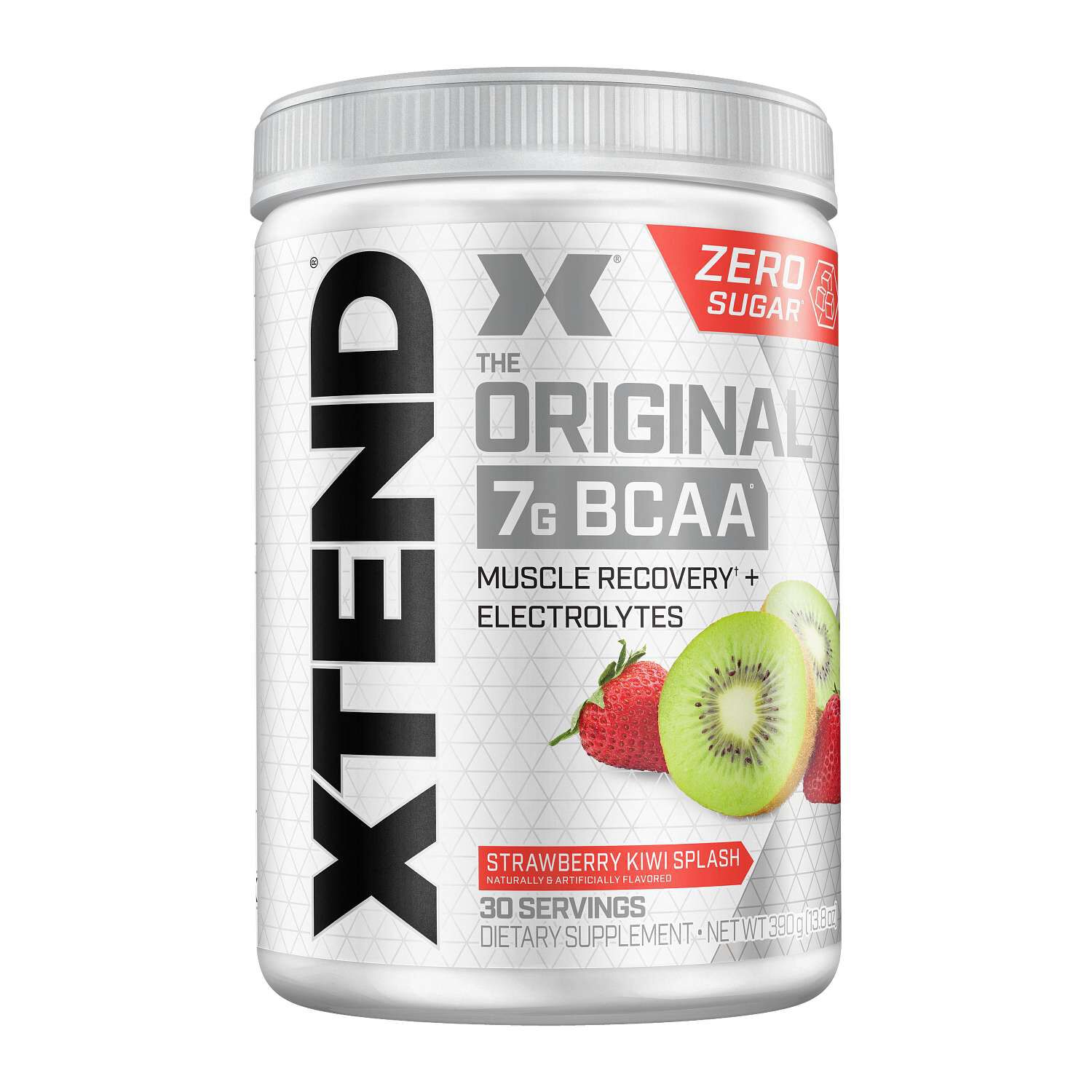
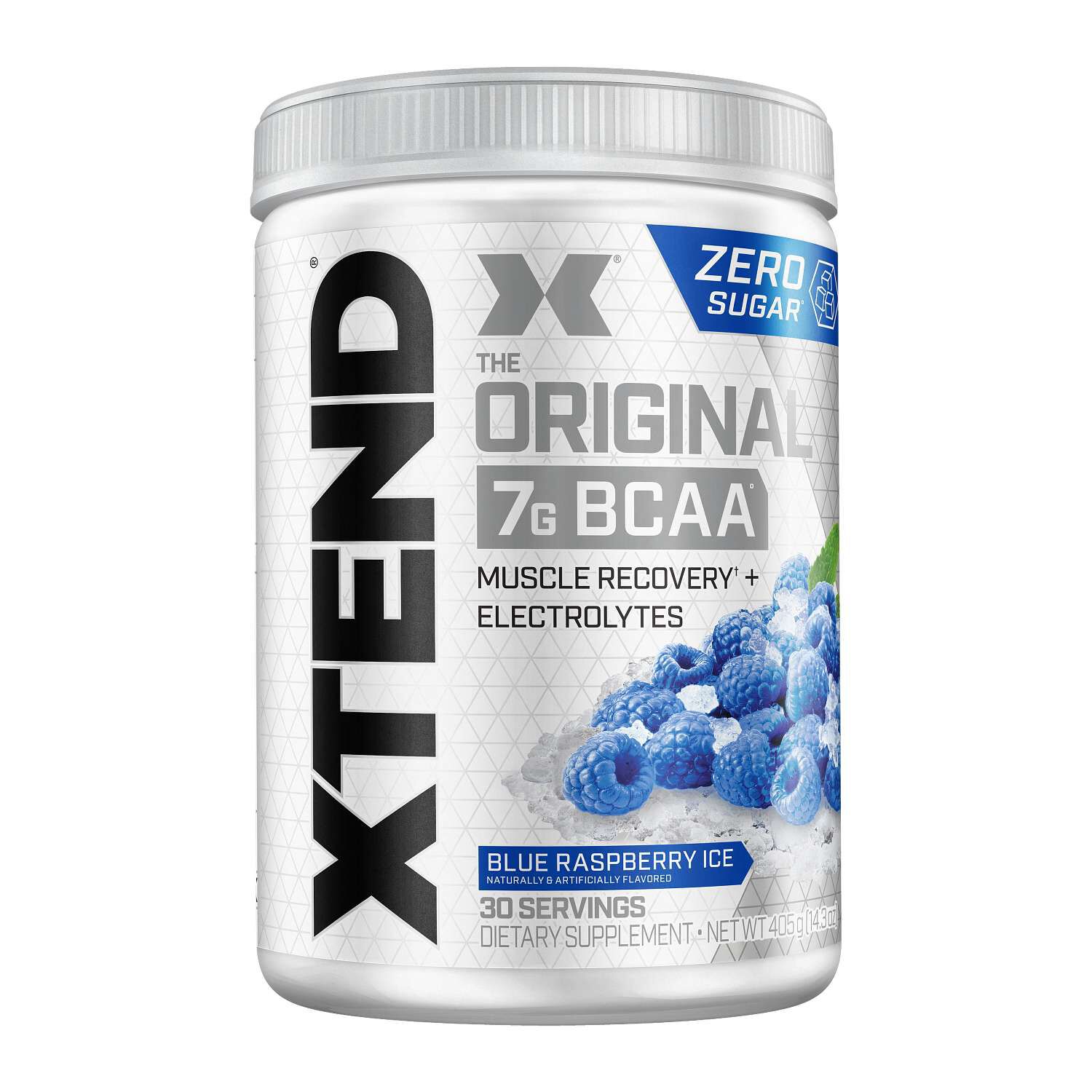
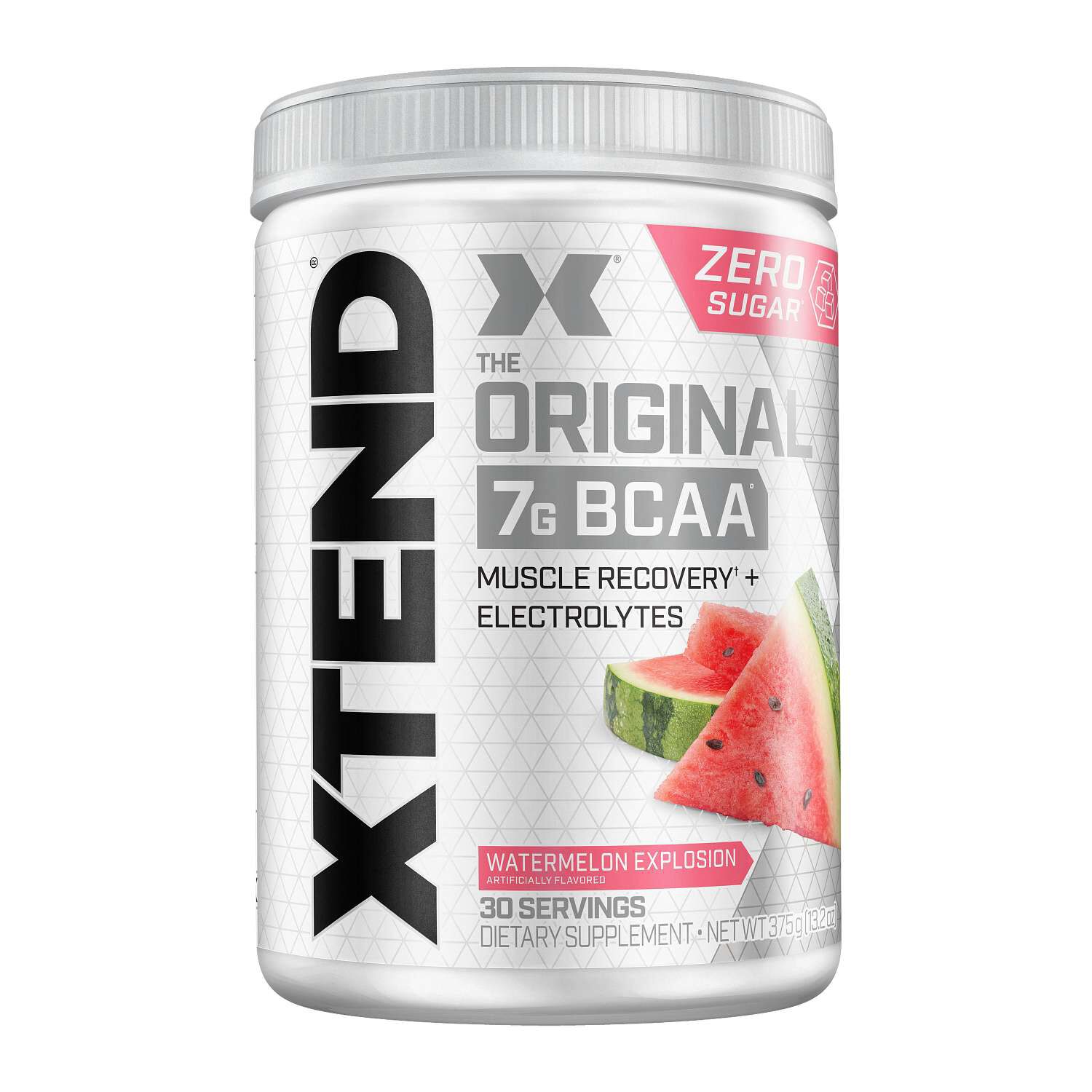
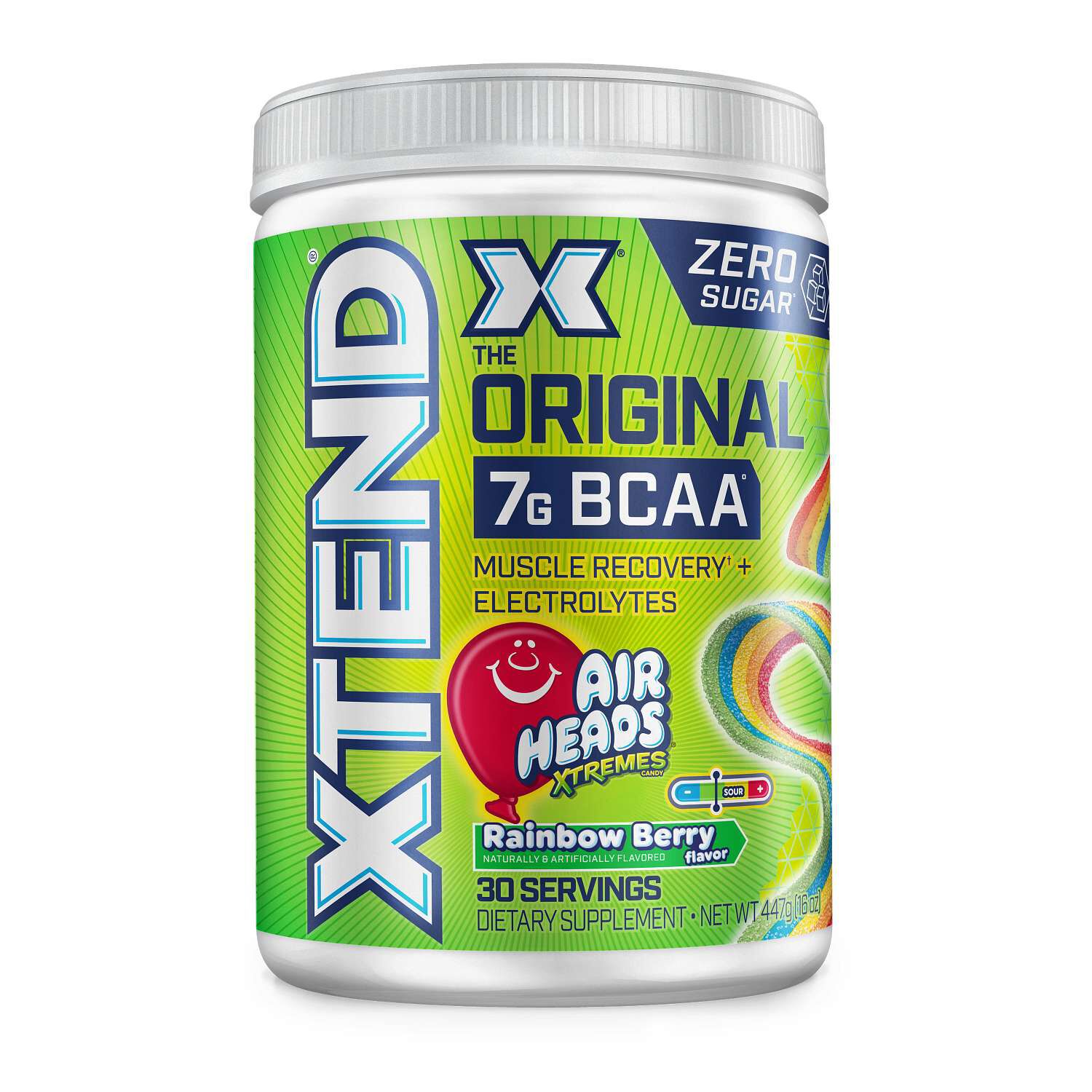
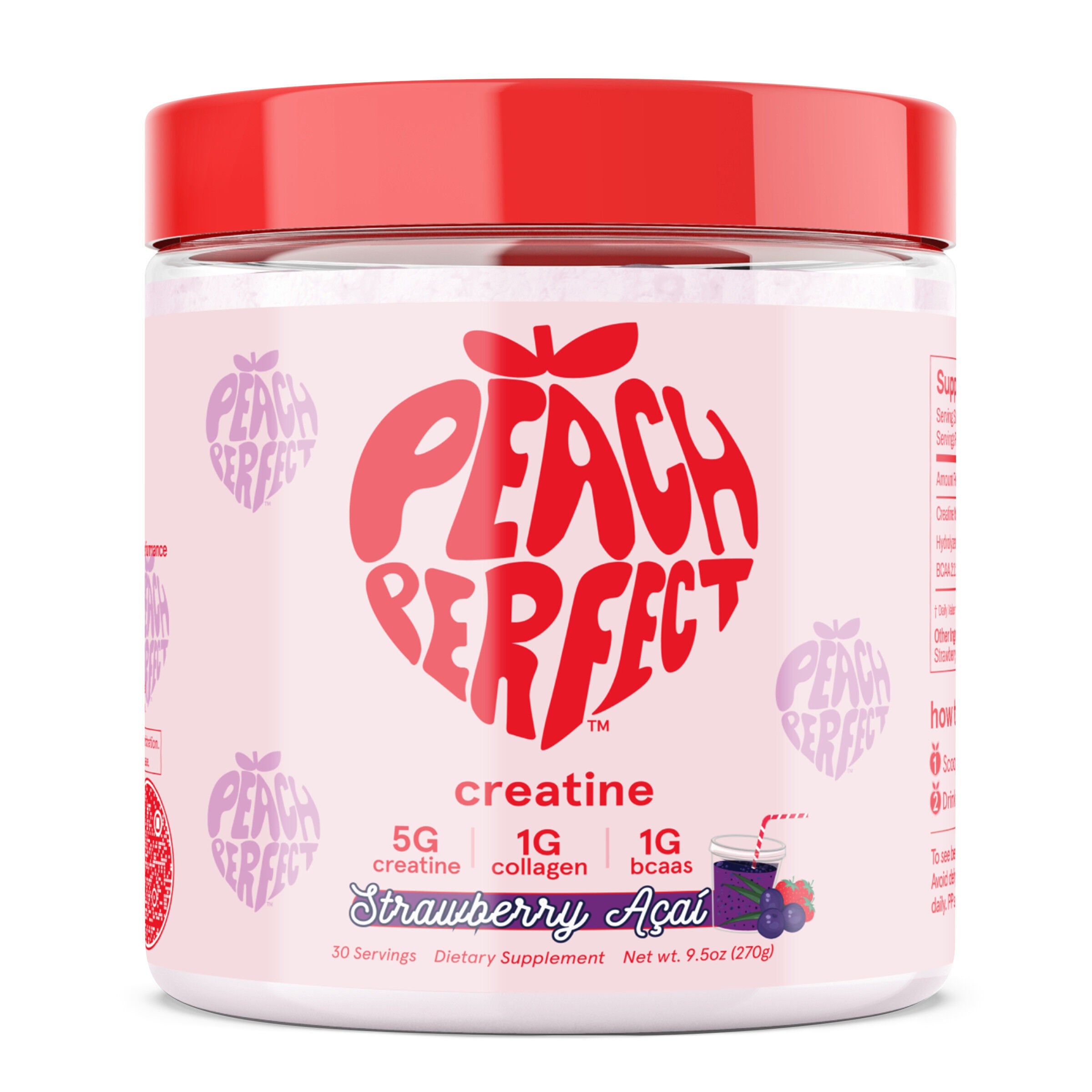

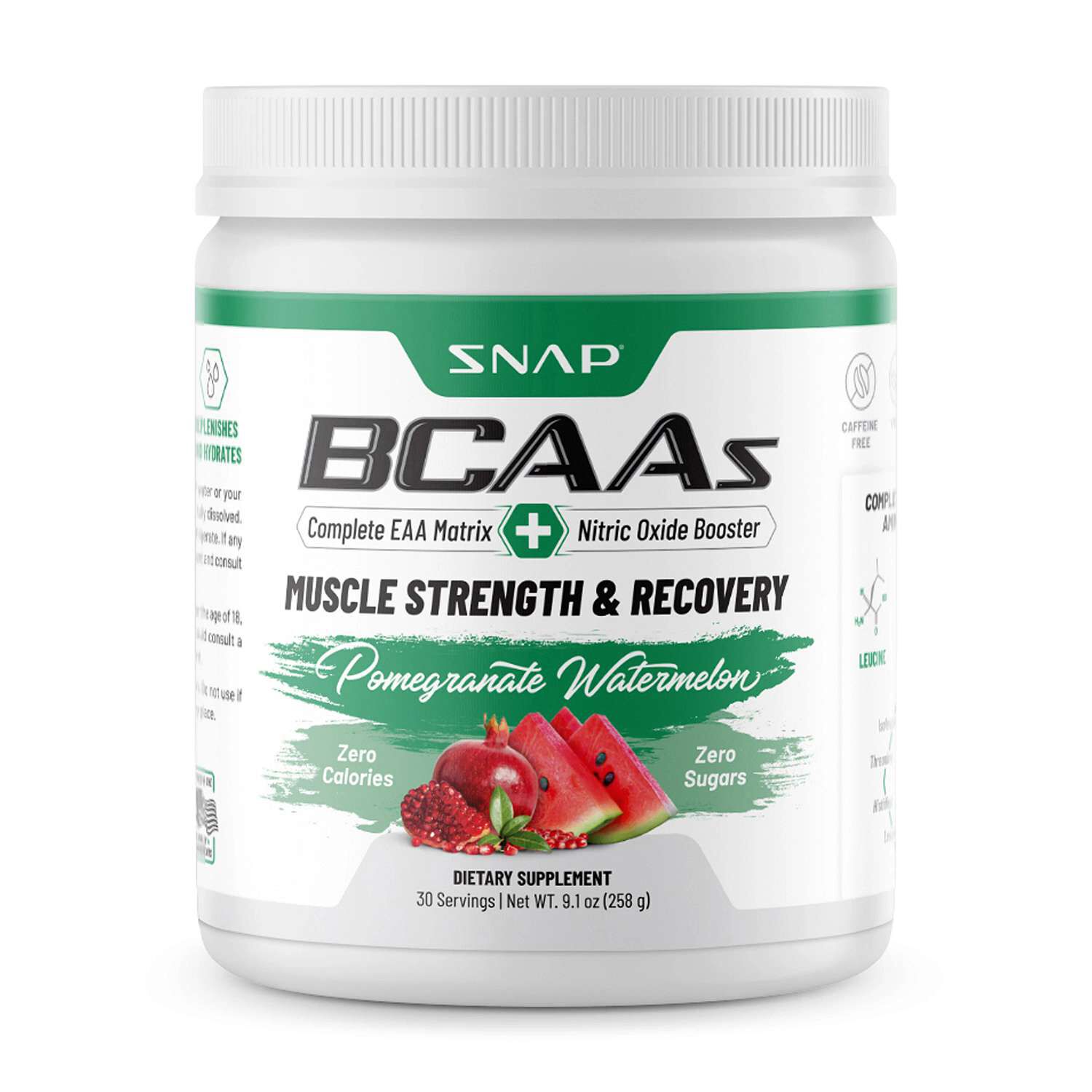

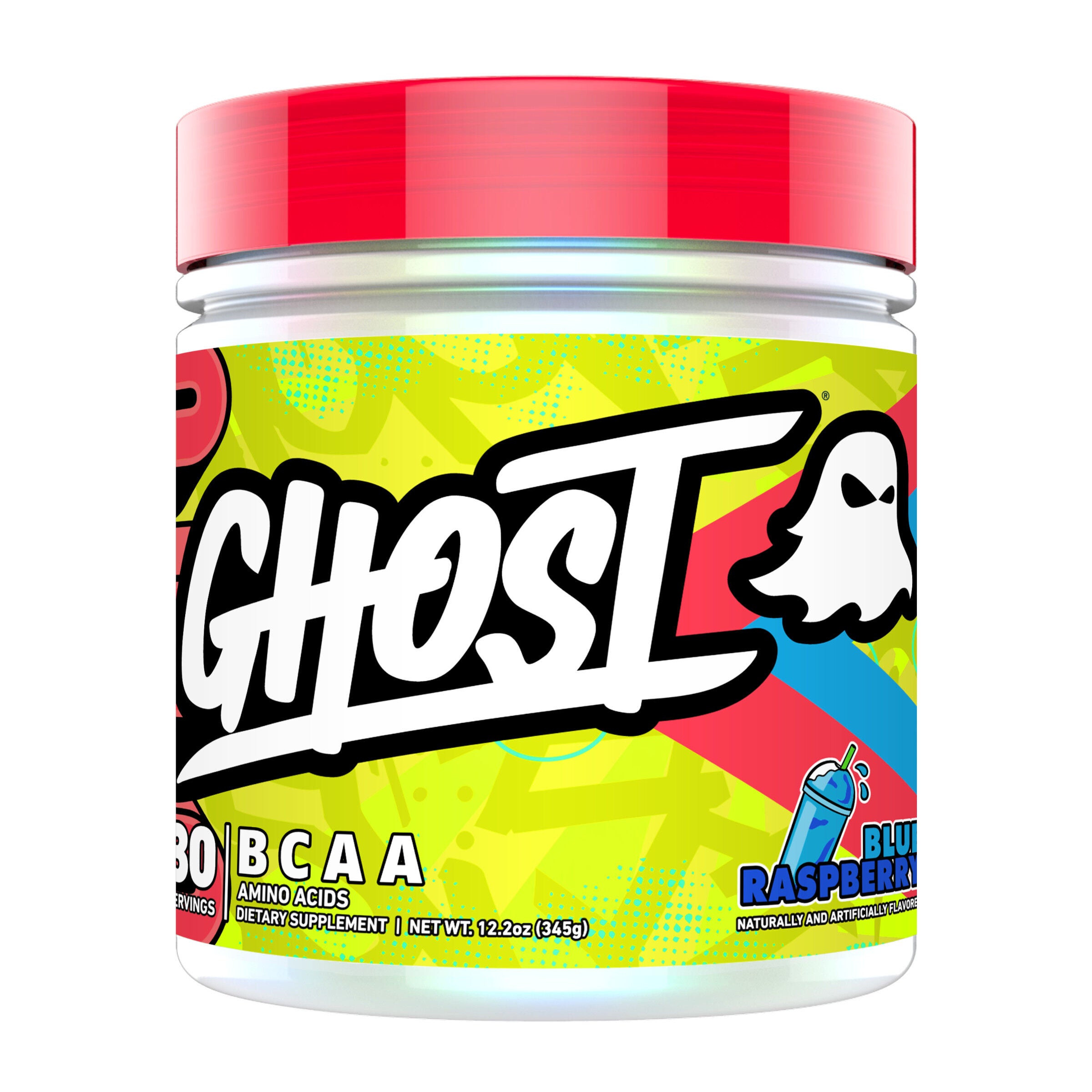
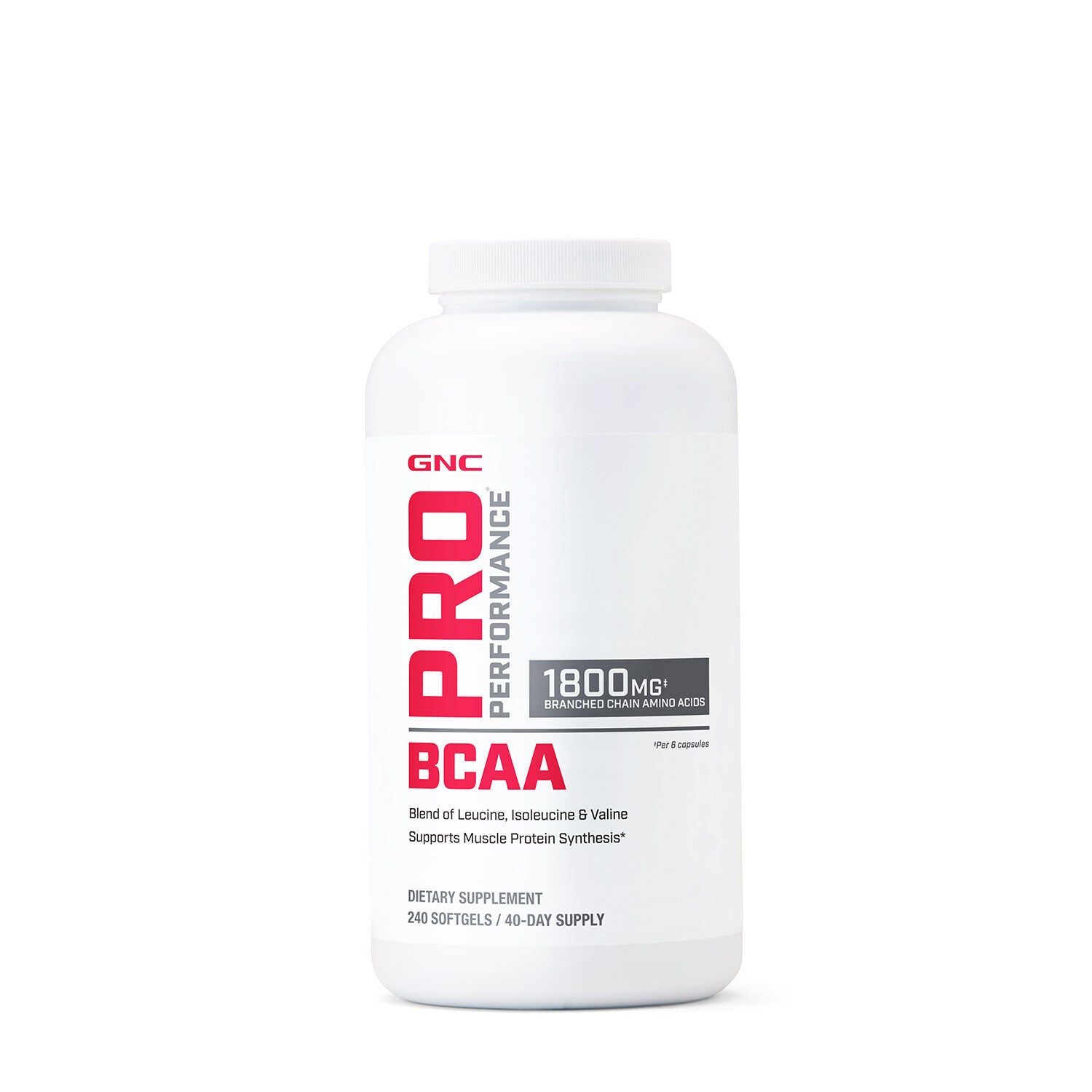
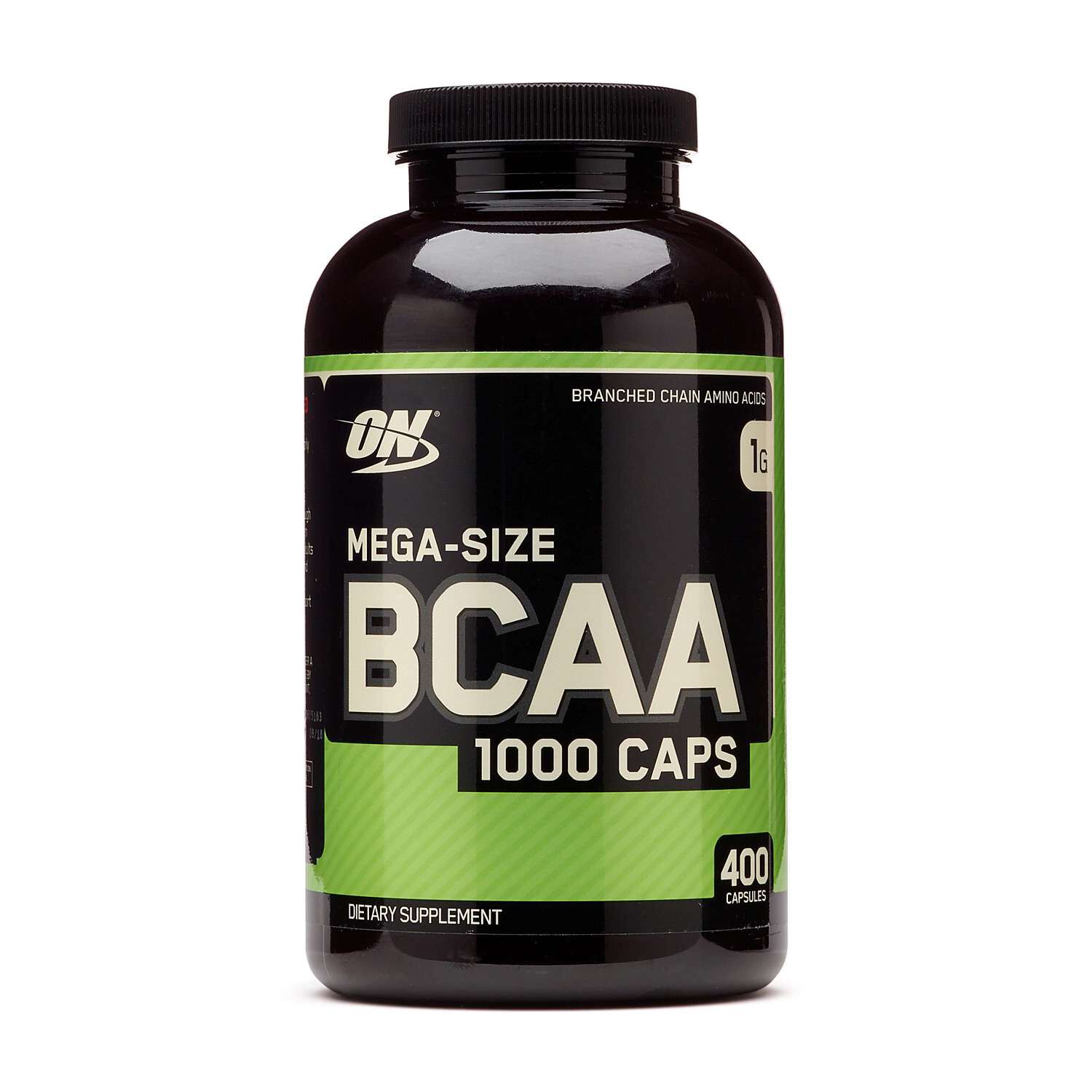


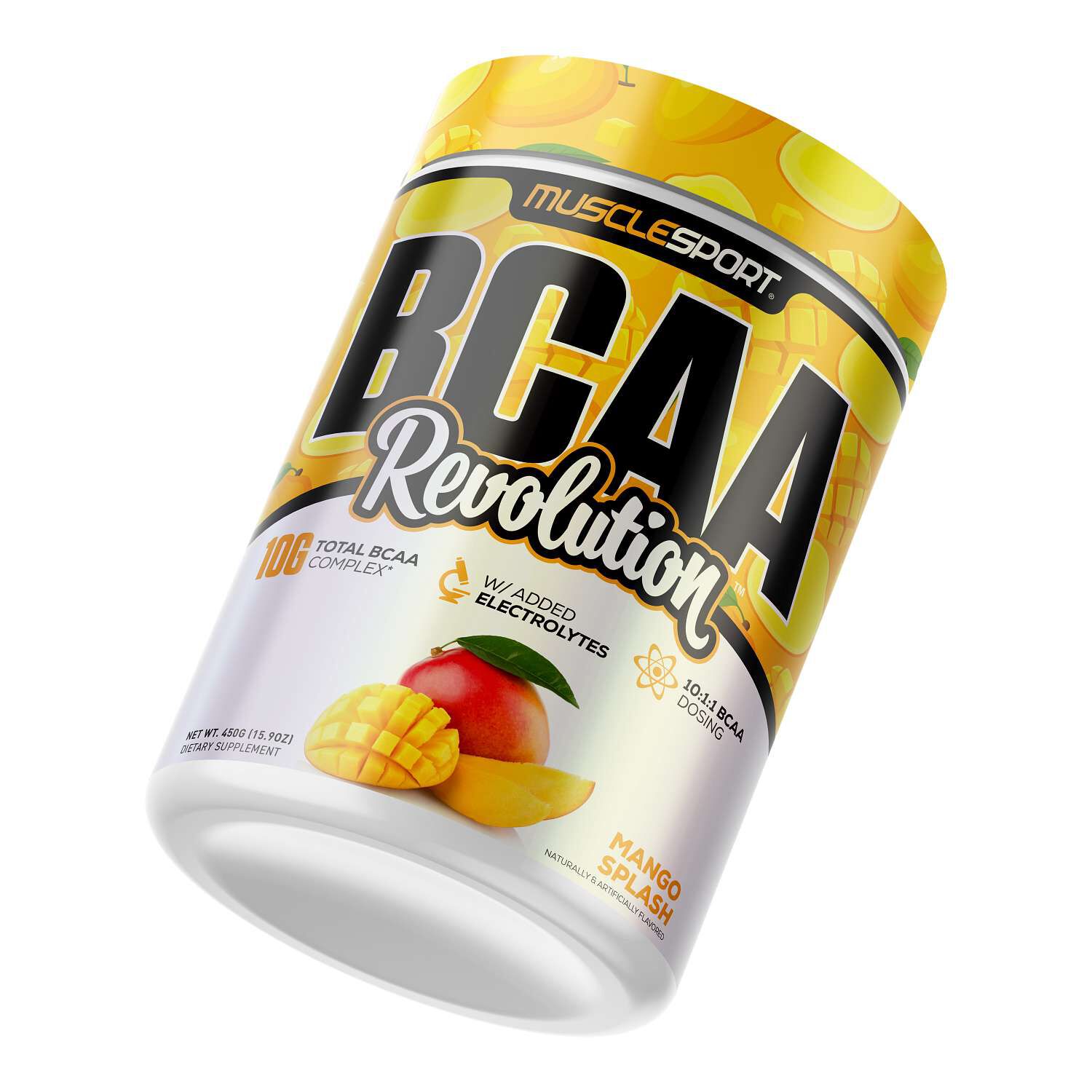


BCAA supplements for spring fitness bring a focused amino acid category into workout routines that might include strength training, neighborhood runs, weekend hikes, and outdoor circuit sessions. BCAA stands for branched-chain amino acids: leucine, isoleucine, and valine. These three amino acids occur naturally in protein-containing foods and are also offered together in supplement formulas. Amino acids are the building blocks of proteins, and BCAA supplements emphasize this particular trio rather than the broader amino acid profile associated with many dietary protein sources. For shoppers planning spring workouts, these supplements may complement an established fitness nutrition routine, including the time set aside for recovery after exercise. Their place in that routine depends on the formula, personal preferences, and the directions printed on the package—not simply whether a workout happens indoors or outside. Powder and capsule formats offer different ways to incorporate BCAAs into a busy day. Powders are intended for mixing with water and often come in fruit-inspired flavors, while capsules provide a format without a flavored beverage to prepare. Someone heading from a morning gym session to the office might prefer the simplicity of capsules, while a runner who already carries a shaker bottle might favor a powder. Serving sizes, mixing directions, and suggested timing vary by formula, so a scoop or capsule count should not be assumed to match across packages. A workout that starts with dumbbells and ends with a walk through the park also illustrates why practical preferences matter: bottle size, flavor intensity, and the amount of preparation can shape how a supplement fits the outing. BCAA supplements are distinct from protein powders, sports drinks, and meal replacements, even when their flavors or packaging look similar. They are best understood as a specific supplement category, not a stand-in for meals, drinking water, or a varied approach to workout nutrition. Spring fitness can involve many different activities, and the most relevant format is one that suits the shopper’s actual schedule rather than an imagined training routine.
Formula details offer a clearer comparison than a bold name on the front of a package. Many BCAA supplements use a 2:1:1 ratio of leucine to isoleucine to valine, meaning the formula contains twice as much leucine as either of the other two amino acids. That ratio describes the relative proportions; it does not reveal the number of grams in a serving. Two powders with the same ratio can contain different amounts of BCAAs, and a powder serving may differ substantially from a capsule serving. Other ratios also exist, but a larger first number does not by itself establish that a formula is better suited to a particular workout. The listed amino acid amounts and serving instructions provide useful context alongside the ratio. Some formulas focus on BCAAs, while others include additional ingredients such as sodium, potassium, glutamine, or caffeine. Those additions make ingredient-by-ingredient comparison worthwhile, especially for shoppers who already use other workout supplements. A blend containing electrolytes is not necessarily equivalent to a dedicated electrolyte product, and the presence of caffeine changes the composition even when the flavor sounds like an ordinary fruit drink. For an early strength session or an evening workout, preferences around caffeine can be as relevant as the amino acid ratio. Taste and texture matter, too. A lightly flavored drink may suit someone who sips between sets, while a more pronounced citrus or berry flavor may appeal to someone who prefers a distinct-tasting workout beverage. Sweeteners, sugar content, colors, and serving volume vary, and mixing a powder according to its directions provides a more meaningful impression of its intended flavor than judging the dry powder alone. Shoppers with dietary preferences can also compare ingredient sourcing, capsule materials, and any clearly stated dietary designations. The presence of amino acids alone does not establish that every ingredient meets a particular preference. Allergen statements and package disclosures offer additional context, while named third-party testing programs may provide information about what a product has been evaluated for. These details help distinguish formulas without relying on broad performance language.
Everyday handling is another part of how BCAA supplements fit spring fitness plans. A powder kept on a kitchen shelf has different practical demands from one packed for a trail outing or carried between a desk and a gym locker. Packaging with a secure closure, a readable label, and accessible serving directions can make regular use more straightforward. Powder containers generally require careful closure and storage according to the label, since moisture introduced by a damp scoop or an open lid can affect the powder’s condition. A clean, dry scoop and a dry mixing bottle are useful companions, and shaker bottles need regular washing with attention to the lid, threads, and mixing insert. Capsules also require the storage conditions stated on their packaging; leaving any supplement in a parked vehicle or an exposed bag is different from keeping it in an appropriate storage space. For workouts away from home, practical considerations extend to how much equipment someone wants to carry. A long park loop may call for a different bag arrangement than a short session at an outdoor exercise station, and a secure bottle closure matters when the bottle shares space with clothing or a phone. The related selection of BCAA Supplements For Outdoor Activities offers another way to explore this category through the activities surrounding its intended use. Spring training plans may combine indoor lifting with outdoor movement, but supplement preferences do not need to change simply because a workout location does. Familiar flavors, manageable preparation, and clearly understood serving directions can remain relevant across both settings. As a fitness-related gift, BCAA supplements may suit someone who has already expressed a preference for the category, particularly when the giver knows the recipient’s preferred format and dietary requirements. Personal taste and ingredient preferences make this a more individual choice than general workout accessories. Whether intended for a regular gym routine, recreational running, or weekends spent moving outdoors, BCAA supplements offer a focused selection to compare by composition, format, flavor, and practical fit.
