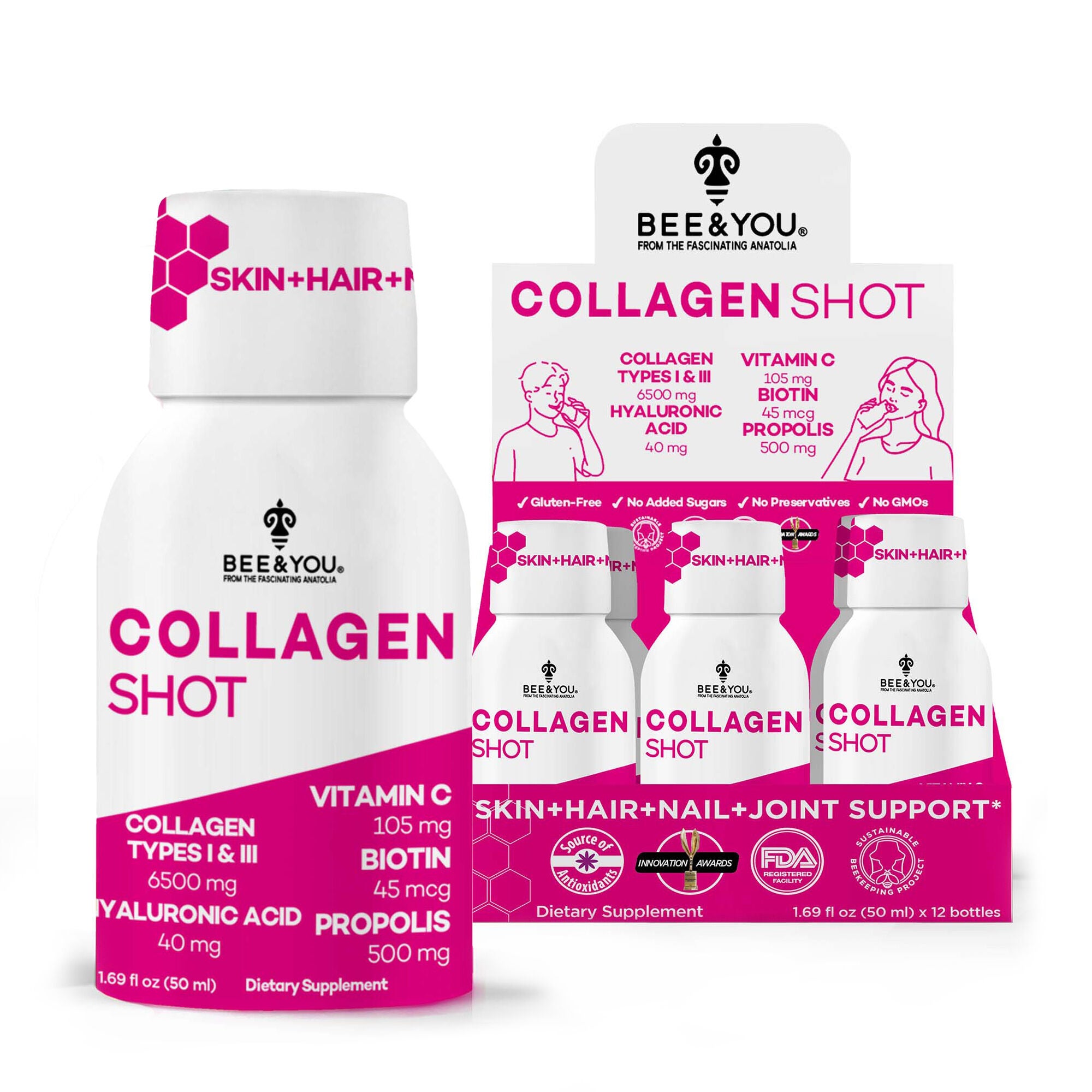


Bee Supplements For Health
(0 Results)
Buzzing with potential, bee products could be a natural powerhouse for those seeking to support their health and wellness journey. From honey to royal jelly, these treasures from the hive might offer a variety of benefits that cater to different needs. Rich in nutrients and antioxidants, bee products may enhance your daily routine by providing support for overall well-being. Whether it's the soothing qualities of propolis or the energy-boosting potential of bee pollen, incorporating these natural wonders into your lifestyle could be an exciting step toward achieving your health goals. Explore the possibilities and discover how bee products might complement your path to vitality.


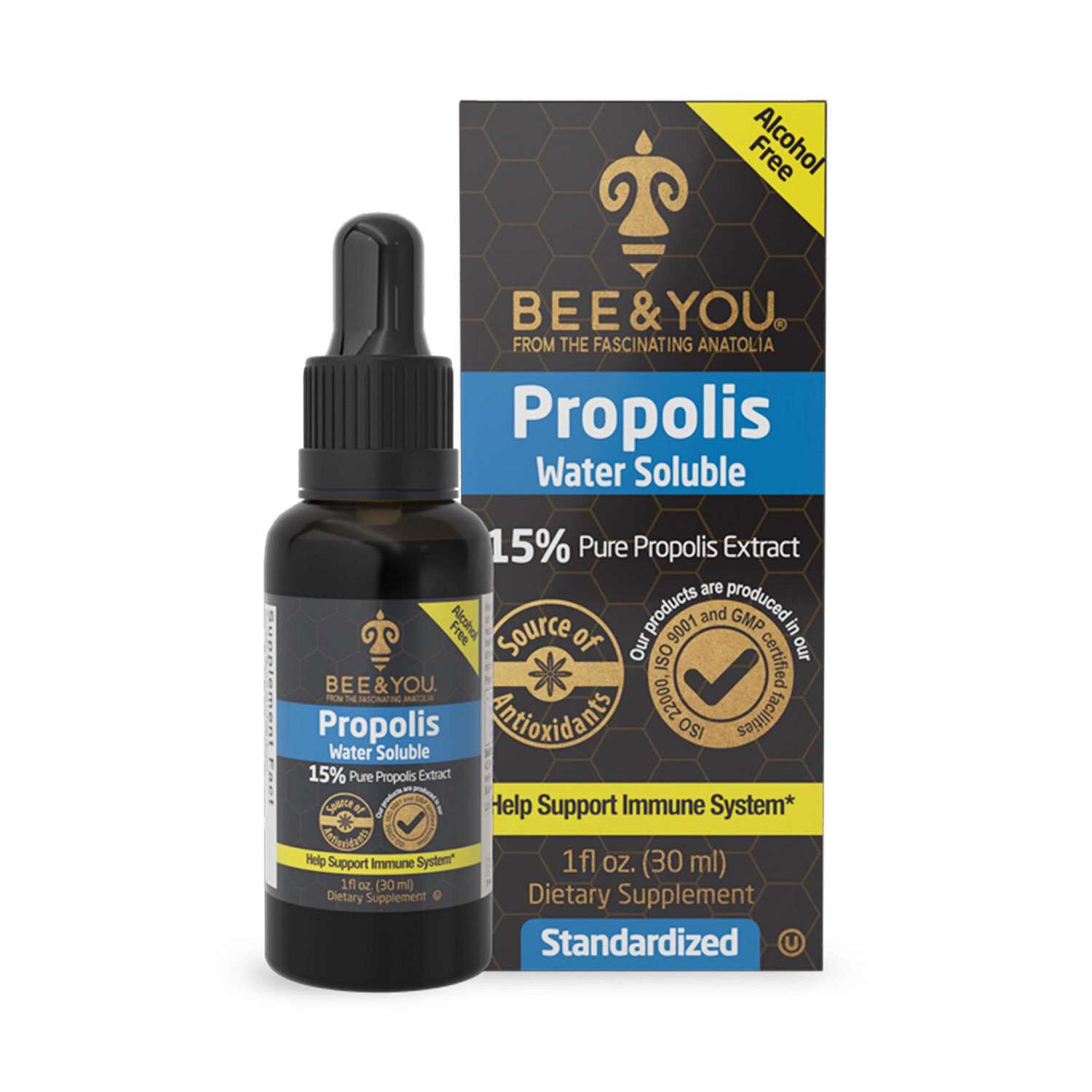


Bee supplements bring together several distinctive ingredients gathered or produced within the hive, including bee pollen, royal jelly, and propolis. Each has a different origin and character, which may make it useful to compare the ingredient, format, serving directions, and intended purpose before choosing a supplement. Bee pollen consists of flower pollen collected by bees and may provide protein, amino acids, B vitamins, and plant compounds such as flavonoids. It is often selected by adults seeking a simple addition to a daily wellness routine, particularly in capsule, softgel, or granule formats. Royal jelly is a nutrient-rich substance produced by worker bees and fed to developing bees; as a supplement, it may appeal to shoppers looking for a bee-derived ingredient with a long history of traditional use. Propolis is a resin-like material gathered from plants and used by bees within the hive. People may choose Propolis Supplements as part of a personal routine centered on traditional botanical and hive ingredients. Research on many bee-derived supplements remains limited, so product descriptions and responsible serving guidance may be more useful than sweeping promises. A closer look at the Supplement Facts panel may help shoppers compare the amount of each ingredient, serving size, added vitamins or minerals, and any blends included in the formula. Some products may fit easily beside breakfast, while others may be more convenient with an afternoon beverage or another familiar part of the day. Following the label can help keep the routine simple, especially when trying a new format for the first time.
These supplements may be chosen by adults who enjoy exploring traditional ingredients, shoppers building a varied wellness cabinet, or family members searching for a thoughtful gift for someone interested in natural products. A bee-derived supplement could make a fitting present for a parent who enjoys morning routines, a friend who keeps a careful pantry of wellness items, or a host who appreciates distinctive ingredients with a story behind them. Since capsules, softgels, powders, and granules can suit different preferences, format deserves attention alongside the ingredient itself. Capsules may work well for someone who prefers a tidy, measured serving, while granules may be easier to mix into yogurt, oatmeal, or a smoothie when the label allows that use. Taste can also matter: bee pollen may have a floral, earthy character that varies with the flowers visited by the bees, while royal jelly and propolis may have stronger, more distinctive notes in certain preparations. Reading the directions before opening a container may help shoppers understand whether a product is intended to be taken with food, stored away from heat and moisture, or used in a particular serving pattern. During the warmer months, a cool cupboard away from direct sunlight may be preferable for storage, while cooler weather may bring more interest in steady indoor routines and comforting morning beverages. These products may also appeal to people who like to keep their supplement choices connected to nature, seasonal food traditions, and the familiar image of a busy hive working among flowering fields. They are intended for human use when sold as dietary supplements; pollen patties, hive feed, essential-oil formulas, and microbial products belong to beekeeping care and should not be confused with supplements selected for personal use.
Careful shopping matters because bee-derived ingredients are not a fit for everyone. People with a known bee allergy or strong seasonal pollen allergies may wish to avoid these products, and anyone who is pregnant, breastfeeding, preparing for a procedure, or taking blood thinners may benefit from speaking with a qualified healthcare professional before use. A product label may identify the source of the ingredient, suggested serving, other ingredients, allergen information, and storage guidance, giving shoppers practical details for a more informed choice. It may also be helpful to introduce one new supplement at a time so the routine remains easy to understand and any personal sensitivity can be noticed promptly; individuals with questions about suitability should rely on advice from their healthcare professional rather than guesswork. Selecting a reputable retailer, checking the seal and expiration information, and storing the container according to its directions can support good household habits. Bee supplements may be used alongside a balanced eating pattern, regular movement, restful sleep, and other everyday wellness practices, but they should not be viewed as a substitute for a varied diet or professional care. Whether the goal is to explore bee pollen, learn more about royal jelly, or choose a propolis formula, the best starting point may be a clear label, a realistic routine, and an ingredient that fits comfortably into the shopper’s preferences. Like the gentle hum heard around a garden on a bright afternoon, these products may add a small, distinctive note to a broader approach to everyday wellness.