





Honey Supplements
(0 Results)
Discover nature's golden elixir with our selection of honey supplements. Packed with an array of health-boosting properties, honey supplements offer a delicious and convenient way to support your well-being. Whether you're looking to enhance your immune system, soothe a sore throat, or simply add a touch of sweetness to your day, our range of honey-infused products has something for everyone. Explore our collection and unlock all that this natural wonder has to offer for your health and vitality.


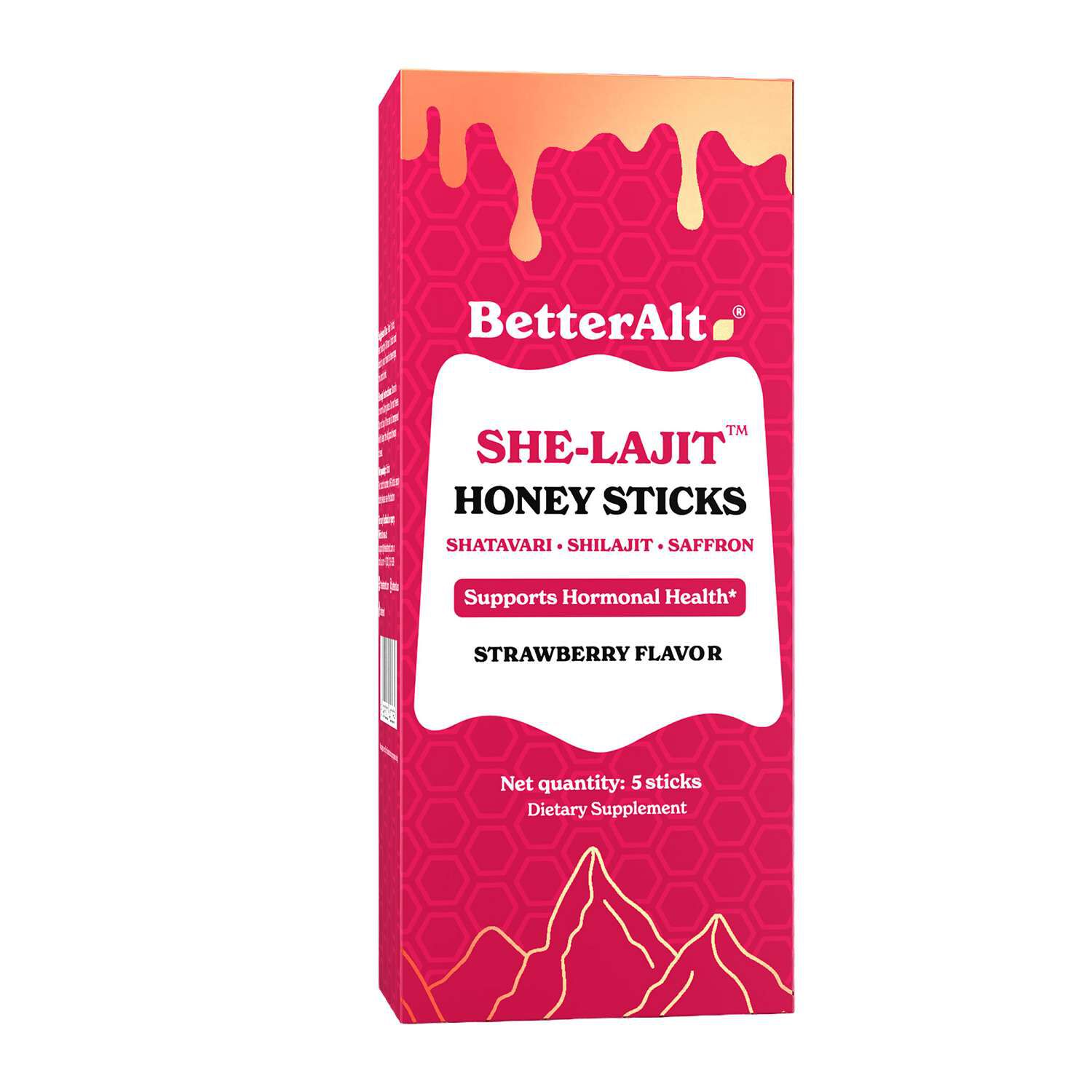
Honey supplements bring a familiar bee-derived ingredient into a range of dietary supplement formats, but the category does not describe one standardized formula. Some formulations contain honey itself, while others use dried honey or combine honey with additional ingredients. Honey is a sweet, viscous food made by bees from flower nectar. It consists primarily of sugars, especially fructose and glucose, along with water and smaller amounts of naturally occurring compounds such as organic acids, enzymes, and plant-derived substances. Typical honey contains about 80% sugars, although its exact composition varies with the nectar source and handling. That background matters when comparing honey supplements: the presence of honey alone does not establish the amount in a serving, the purpose of a blend, or the characteristics of the finished formula. Floral origin also contributes to honey’s individuality. Clover honey often has a mild, familiar sweetness, acacia honey is generally delicate, and buckwheat honey tends toward a darker color and a more pronounced, molasses-like flavor. Those distinctions are most noticeable in formats where honey remains a prominent ingredient rather than a small component of a larger blend. Color alone does not establish quality, and darker honey is not automatically the better choice for every preference. Processing adds another point of difference. Raw honey commonly refers to honey that has not undergone substantial heat treatment, while filtration and other processing methods can change its appearance and the amount of suspended material. These descriptions concern how honey is handled; they do not, by themselves, establish what a supplement might do. A clear ingredient list, a stated serving size, and an explanation of the formula offer more useful context than a familiar honey image on the front of a package.
The practical differences among honey supplements often begin with format, texture, and how a serving fits into an ordinary day. A honey-containing liquid may appeal to someone who prefers a spoonable format, while a powder could suit a routine that already includes mixing beverages. Capsules or chewable formats may be preferable for someone who does not want the sticky texture associated with liquid honey. Each format has its own details to compare. A liquid calls for attention to the stated measuring method; a powder has mixing directions and a serving amount; a capsule has a count per serving that may differ from the number someone initially expects. For example, a person packing a work bag may value a securely closed container and a format that requires little handling, while someone using a supplement at home may place more importance on flavor and texture. Neither situation makes one format universally better. The label also distinguishes a dietary supplement from an ordinary honey-based food: a Supplement Facts panel and a Nutrition Facts panel communicate different kinds of information. Honey-flavored wording is another distinction worth noticing because flavor does not necessarily indicate a substantial quantity of honey. Ingredient order, the named form of honey, and any stated amount help clarify its role. Dried honey may be combined with a carrier ingredient to create a powder, and a chewable formula may contain other sweeteners, binders, or flavorings. Those ingredients are part of the finished format rather than evidence that it is equivalent to a spoonful of honey. Serving size matters when reviewing sugar content, too. A small serving and a larger serving cannot be compared fairly by looking only at the package’s front panel. For people with established food preferences, details such as capsule material, added flavors, and ingredient sources may be just as relevant as the honey component itself.
Care and storage are especially relevant to honey’s distinctive consistency. Liquid honey can crystallize over time as some of its sugars form crystals, changing a smooth texture into a thicker or grainier one. Crystallization alone does not mean that honey has spoiled, and different floral sources can crystallize at different rates. A finished supplement, however, contains its own combination of ingredients, so its storage directions take precedence over general information about a jar of honey. Honey’s concentrated sugars and natural acidity contribute to its keeping qualities, but moisture exposure, handling, and added ingredients affect the finished product. A supplement’s dated label remains more relevant than broad statements about honey lasting indefinitely. Keeping the closure secure, avoiding the introduction of water, and using a clean, dry utensil where appropriate are practical ways to care for a honey-containing liquid. Powders have different concerns, including moisture that may cause clumping, while capsules and chewables have their own package directions. Original packaging keeps the ingredient list, serving information, and storage details together, which is useful when several supplements share a cabinet. Bee-derived ingredients also deserve individual attention rather than being treated as interchangeable. Honey comes from nectar, whereas propolis is a resinous material bees produce using substances collected from plants. Bee pollen is different again, consisting of pollen gathered by bees rather than honey. A blend may combine more than one of these ingredients, but each should be identified on its own terms. For a closer look at that neighboring category, Propolis Supplements For Adults provides a separate place to explore propolis-focused formulations. Honey supplements are best understood through this combination of ingredient identity, format, serving information, and intended use rather than through assumptions about everything made by bees. Whether choosing for a familiar daily routine or considering a gift for someone whose supplement preferences are already known, those concrete details make the category easier to navigate without confusing flavor, food traditions, and formula composition.
Best Sellers
Related Pages


Top Collections
- Daily Collagen Supplements | Top Brands & Deals | GNC
- Joint Mobility Supplement Packs
- Zinc Supplements | Top Brands at Great Prices | GNC
- Supplements For Yoga Joint Flexibility
- Supplements For Balance
- Chronic Fatigue Supplements
- Capsule Supplements For Energy And Stamina
- Cortisol Supplements
- NAD+ Supplement Tablets
- Iron Supplements