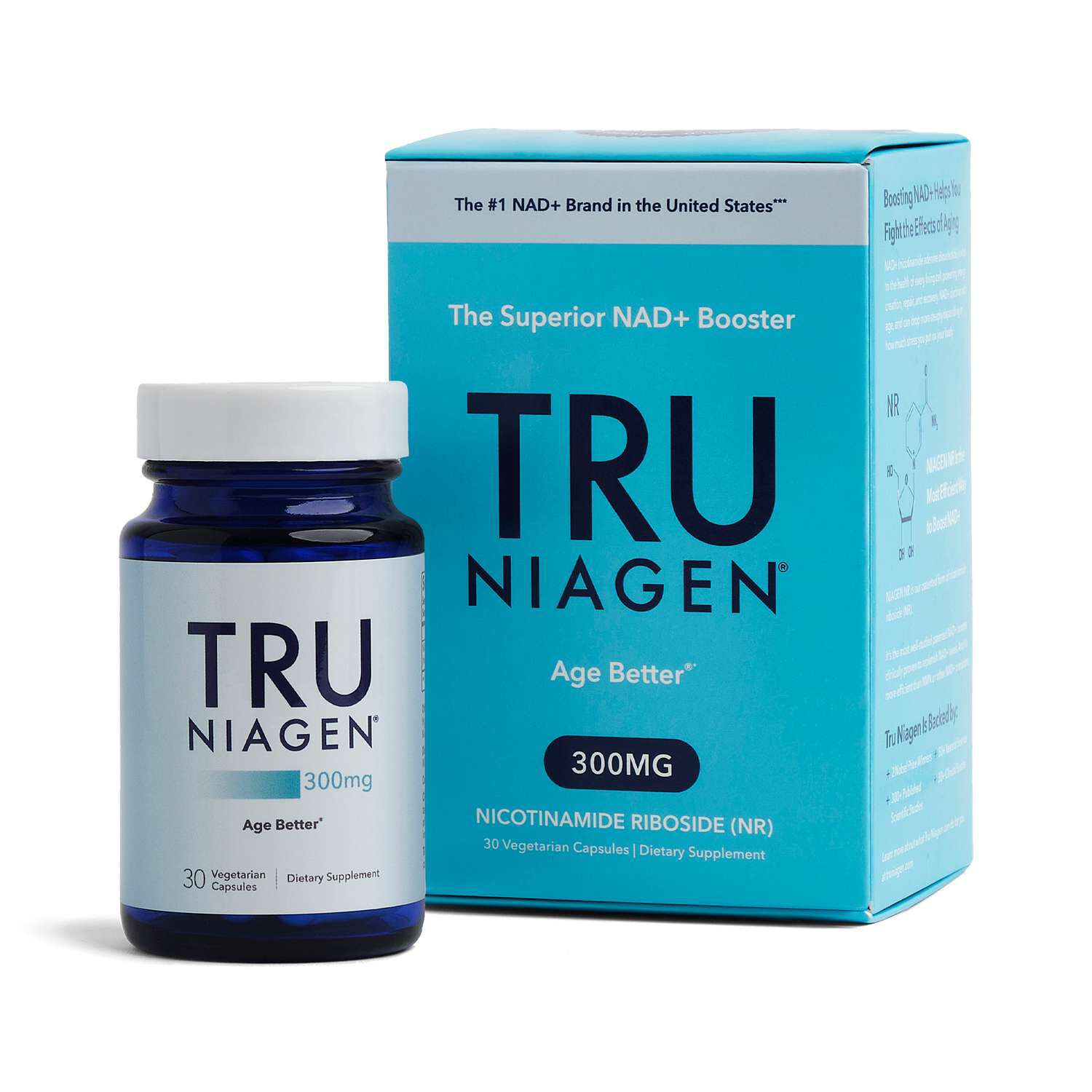


Berberine And Chromium Capsules For Adults
(0 Results)
Berberine and chromium capsules for adults are a popular choice for those interested in supporting their overall wellness routines. These supplements are often selected by individuals who want to explore different options as part of a balanced lifestyle. With a variety of formulas available, berberine and chromium capsules for adults may fit seamlessly into your daily regimen, offering a convenient way to incorporate these ingredients into your supplement lineup. Explore the selection to find options that align with your personal wellness goals.
-
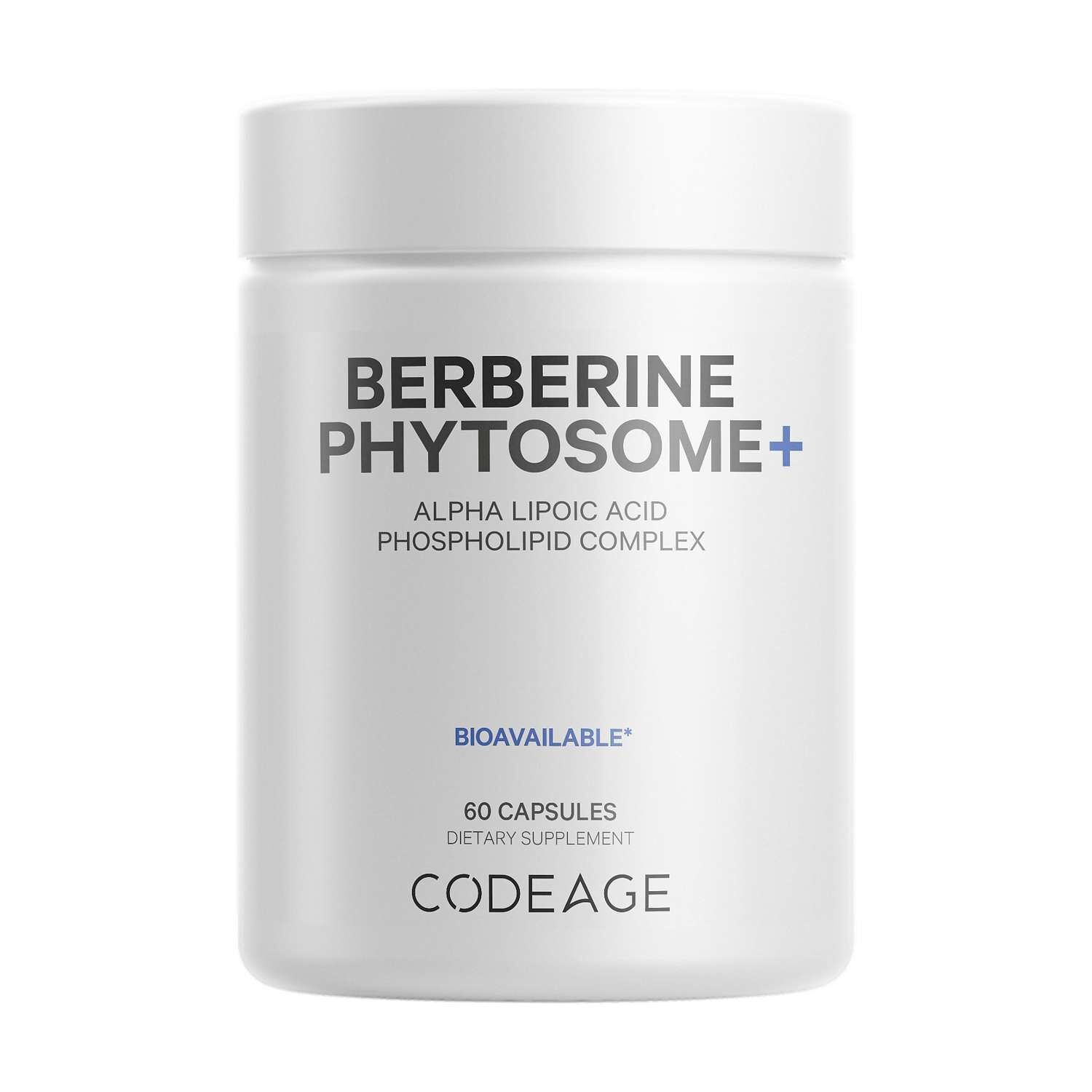
-
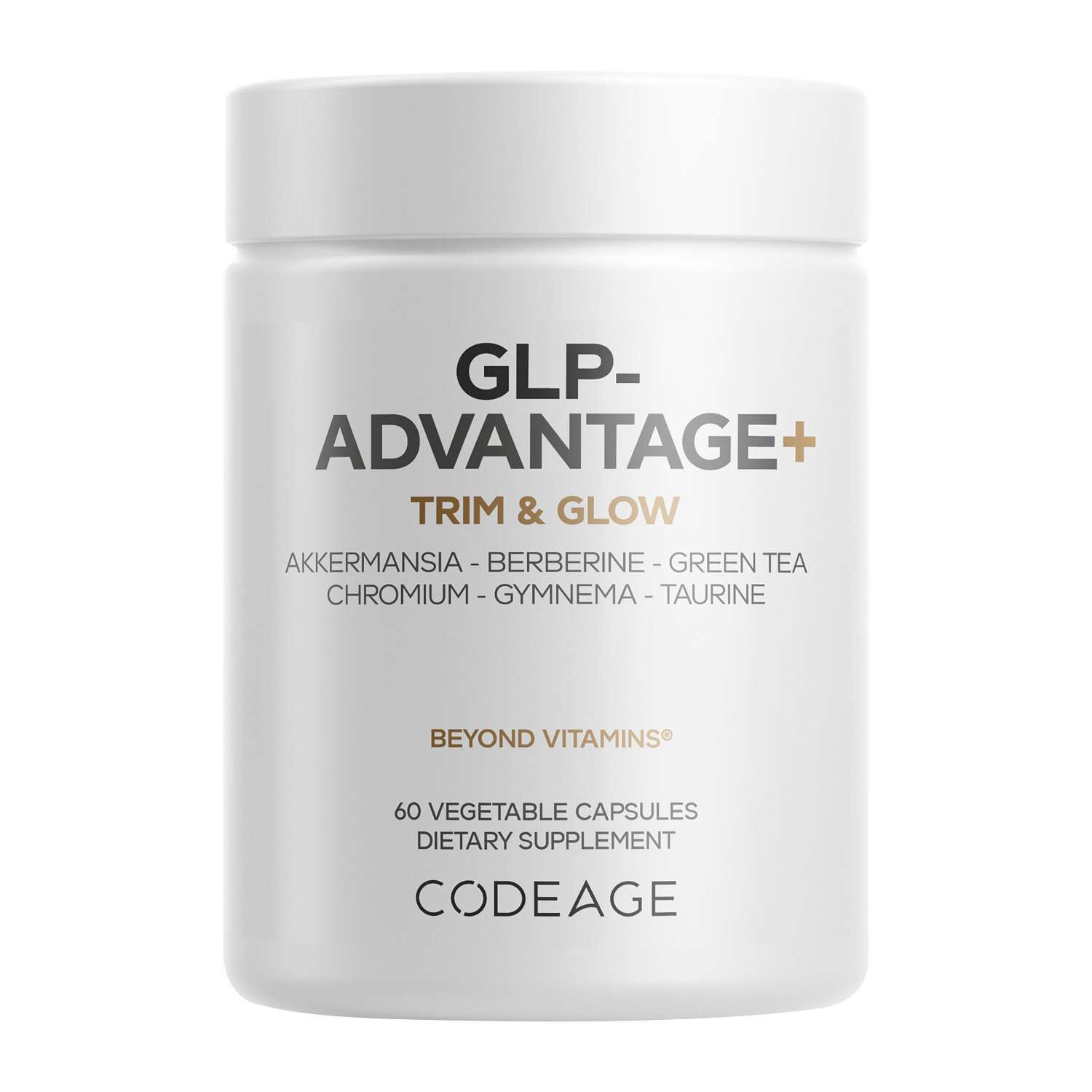
-
 $52.99
 -

-

-
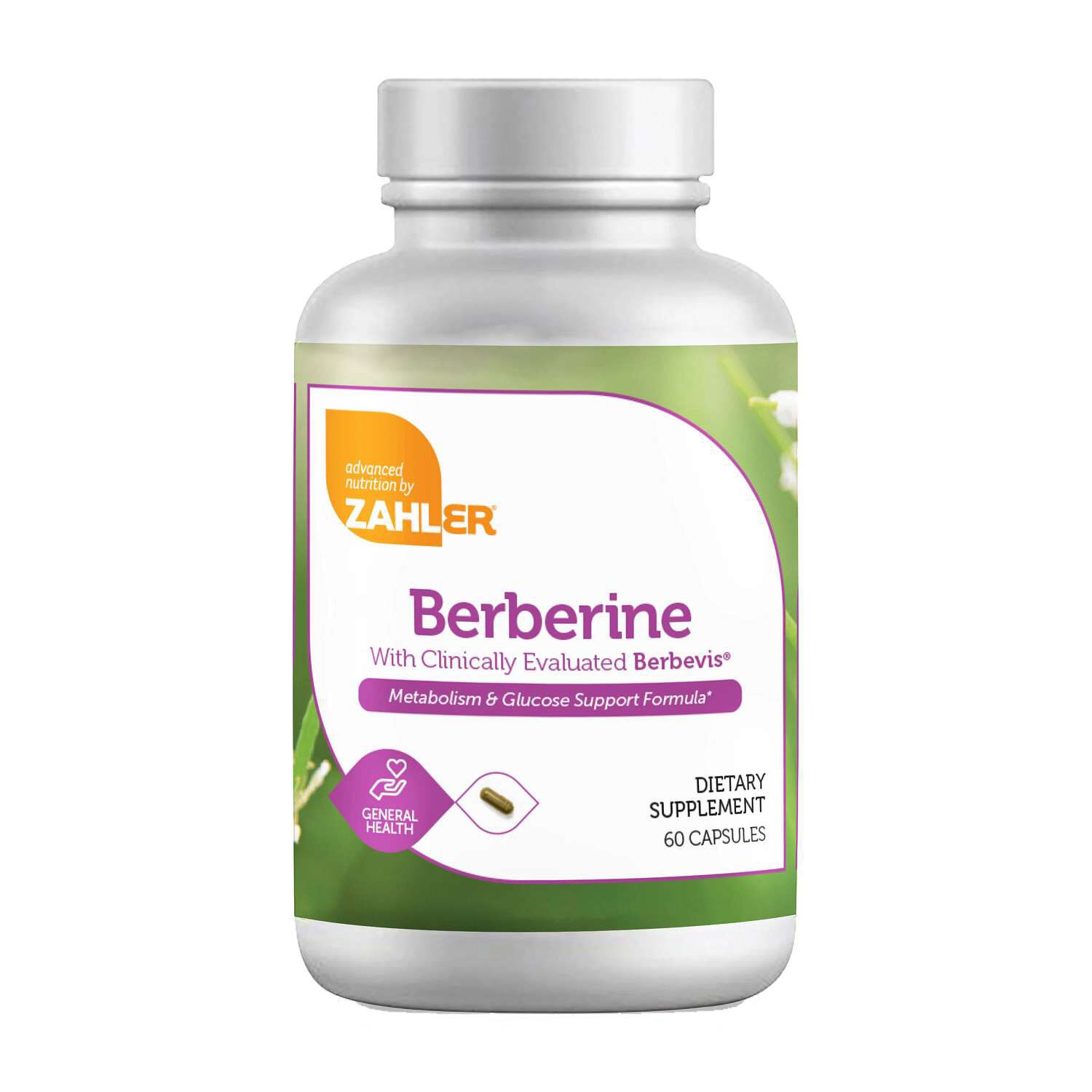
-
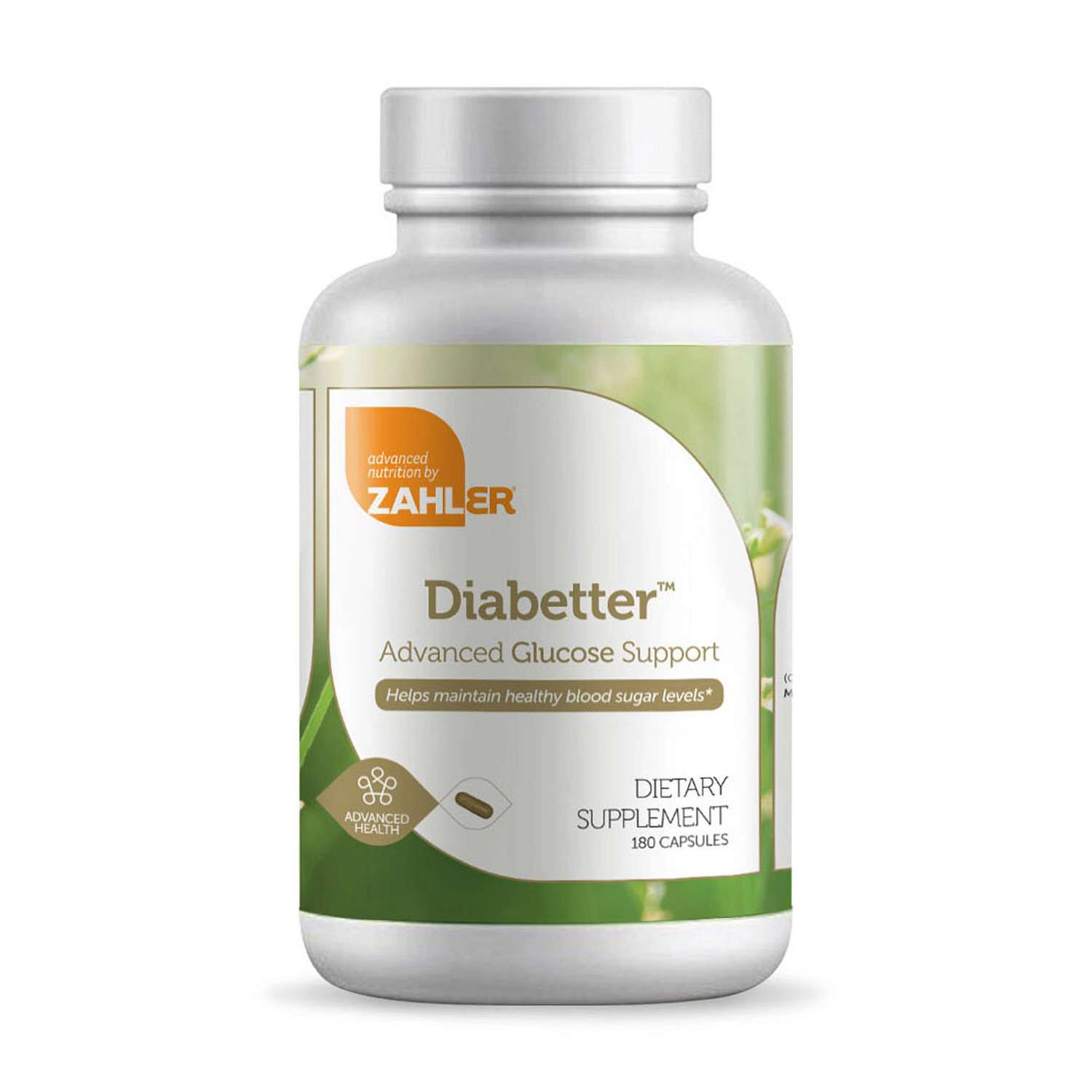


Berberine and chromium capsules for adults bring together two distinct dietary supplement ingredients in a familiar capsule format. Berberine is a naturally occurring plant compound classified as an alkaloid, while chromium is a trace mineral found in small amounts in various foods. In supplement labeling, berberine may appear as berberine hydrochloride, often abbreviated as berberine HCl, and chromium may appear in forms such as chromium picolinate or chromium polynicotinate. Those names describe ingredient forms, not interchangeable measurements or a uniform formula. Products in this category can differ in ingredient sources, amounts per serving, capsule materials, and the presence of other ingredients. The category name alone does not establish that every formula contains both ingredients, so the Supplement Facts panel is the clearest place to confirm the contents. For adults who prefer capsules over powders or liquids, this format may offer a practical option without mixing or measuring a scoop. Capsule dimensions and serving sizes still vary, making the physical format worth considering alongside the ingredient information. A small bottle with a simple front label can contain a formula that calls for more than one capsule per serving, while a larger bottle does not necessarily represent more servings. Berberine amounts are commonly expressed in milligrams, abbreviated mg, and chromium amounts are commonly expressed in micrograms, abbreviated mcg. These are different units, so the numbers should not be compared as though they describe equal quantities. The panel also distinguishes the quantity of chromium from the name of the compound that supplies it. Familiarity with that layout makes it easier to understand what a formula contains without relying on a prominent number on the front of the package. Rather than treating all berberine and chromium capsules as the same purchase, a useful comparison considers the ingredient forms, labeled serving size, capsule composition, and intended adult use together.
The capsule shell and supporting ingredients deserve attention of their own, particularly for shoppers with dietary preferences or ingredient exclusions. Capsule shells can be made with gelatin or plant-derived materials such as hypromellose, which may also be identified as a cellulose-based capsule. A plant-derived shell describes one part of the product; it does not, by itself, establish the dietary attributes of every ingredient inside. The Other Ingredients section provides additional detail about materials used in the shell and during manufacturing, including ingredients used to help powders flow or maintain consistency during capsule filling. These components are separate from the ingredients and amounts listed in Supplement Facts, but they remain part of the finished capsule. A shopper who avoids animal-derived materials, for example, has a different checklist from someone looking for a formula without a particular food ingredient. Clear dietary statements and specific certifications are more informative than assumptions based on a capsule’s appearance. Manufacturing statements also matter: an ingredient list and a statement about shared equipment communicate different information. For a closer look at this aspect of the category, Berberine Supplements For Adults With Dietary Restrictions provides a related shopping focus. Beyond dietary considerations, a straightforward two-ingredient formula and a blend containing additional botanicals offer different ingredient profiles. Neither a longer list nor a shorter list establishes a better match for every adult. The distinction is what each person wants to compare and how clearly the label identifies each component. Botanical source names, plant parts, and extract descriptions can add useful context when provided. An extract amount is also different from a stated amount of a particular constituent, so similar-looking numbers do not always describe the same thing. For someone seeking a familiar ingredient form, precise naming may be more useful than broad language about sophistication or strength. That attention to detail keeps the comparison grounded in the actual formulation rather than package design.
Everyday practicality is another part of choosing berberine and chromium capsules for adults. A person who prefers a compact bottle for a frequently used cabinet may prioritize packaging dimensions, while someone with a neatly organized supplement shelf may value a readable label and a cap that is comfortable to handle. These are small details, but they shape the experience of storing and handling the product. The number of capsules in a container, the number of capsules in a labeled serving, and the stated servings per container answer separate questions. A container with 60 capsules, for instance, represents a different number of servings depending on whether the listed serving is one capsule or two. That arithmetic describes the package rather than establishing an appropriate amount for an individual. Directions and caution statements are specific to each formula; a general category description is not a substitute for those details. Adult labeling is likewise an intended-use designation, not a statement that a formula suits every adult. For storage, the package instructions provide the relevant conditions, and a dry location away from moisture and direct light is a common consideration. Keeping the label readable and the container properly closed preserves access to ingredient information, the lot code, and the expiration date. If capsules travel in a bag or organizer, retaining the original package information may make later reference easier. Packaging condition also deserves attention, including the closure and any tamper-evident feature described on the container. Unlike a reusable household accessory, a dietary supplement is evaluated through its formulation, packaging, and dated labeling rather than long-term wear. These capsules are generally a personal purchase, with ingredient preferences and individual circumstances taking precedence over gift presentation. A thoughtful category comparison therefore brings several concrete details into view: what the formula contains, how those amounts are expressed, what the shell is made from, and how the container fits an established routine. Clear labeling and practical packaging may help make that comparison more manageable without turning a supplement into a claim about a particular outcome.
Best Sellers
-
 Rho Nutrition
 -
 Rho Nutrition
 -
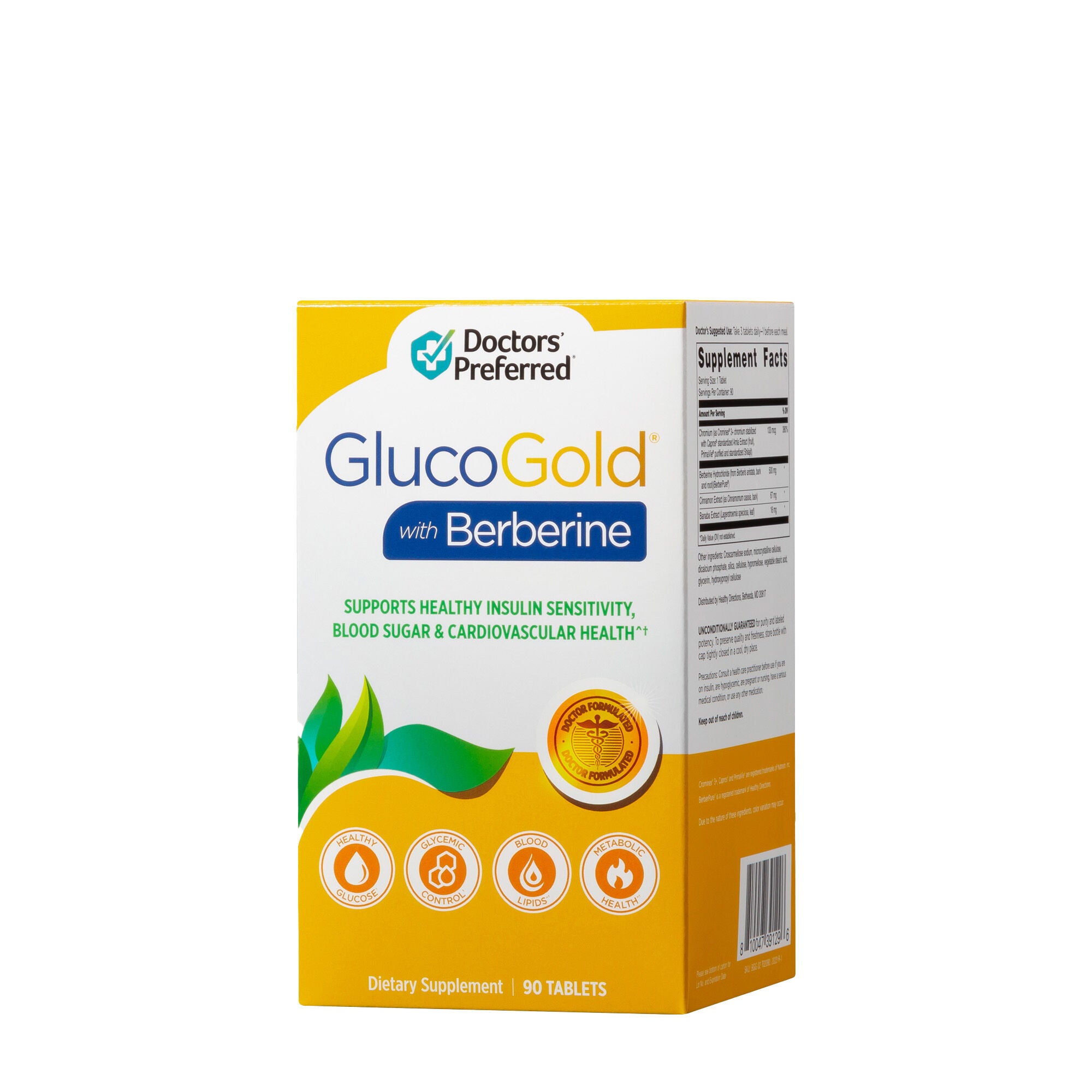 Doctors' Preferred