

Berberine Phytosome Supplements For Insulin Sensitivity
(0 Results)
Berberine phytosome supplements for insulin sensitivity have become a popular choice for those interested in supporting their wellness routines. These supplements may appeal to individuals seeking new ways to maintain balanced nutrition and overall vitality. With a focus on quality ingredients and innovative formulations, berberine phytosome supplements for insulin sensitivity could be a valuable addition to your daily regimen. Explore options designed to fit a variety of lifestyles and wellness goals.
-

-
-
-

-
 $52.99
 -
-
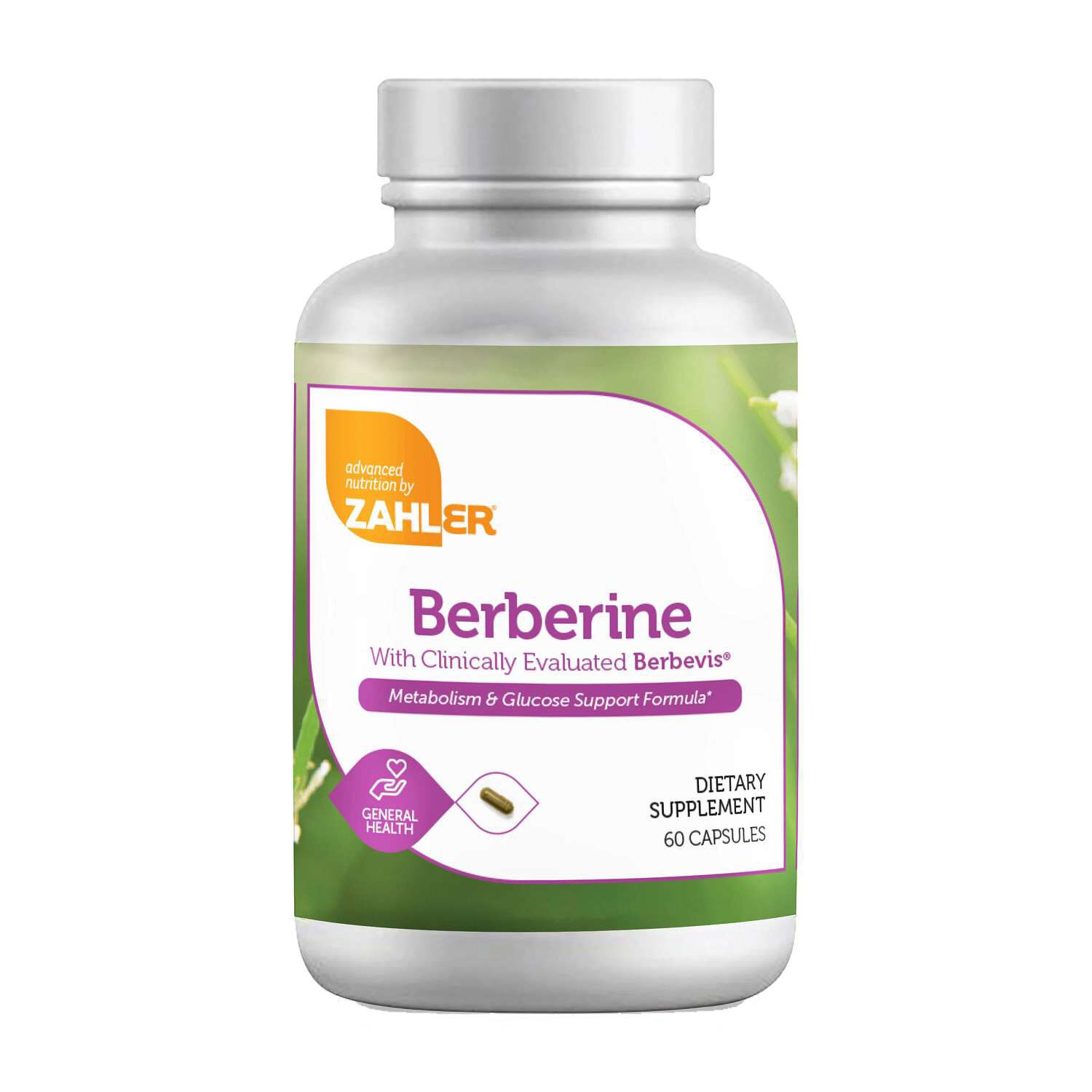

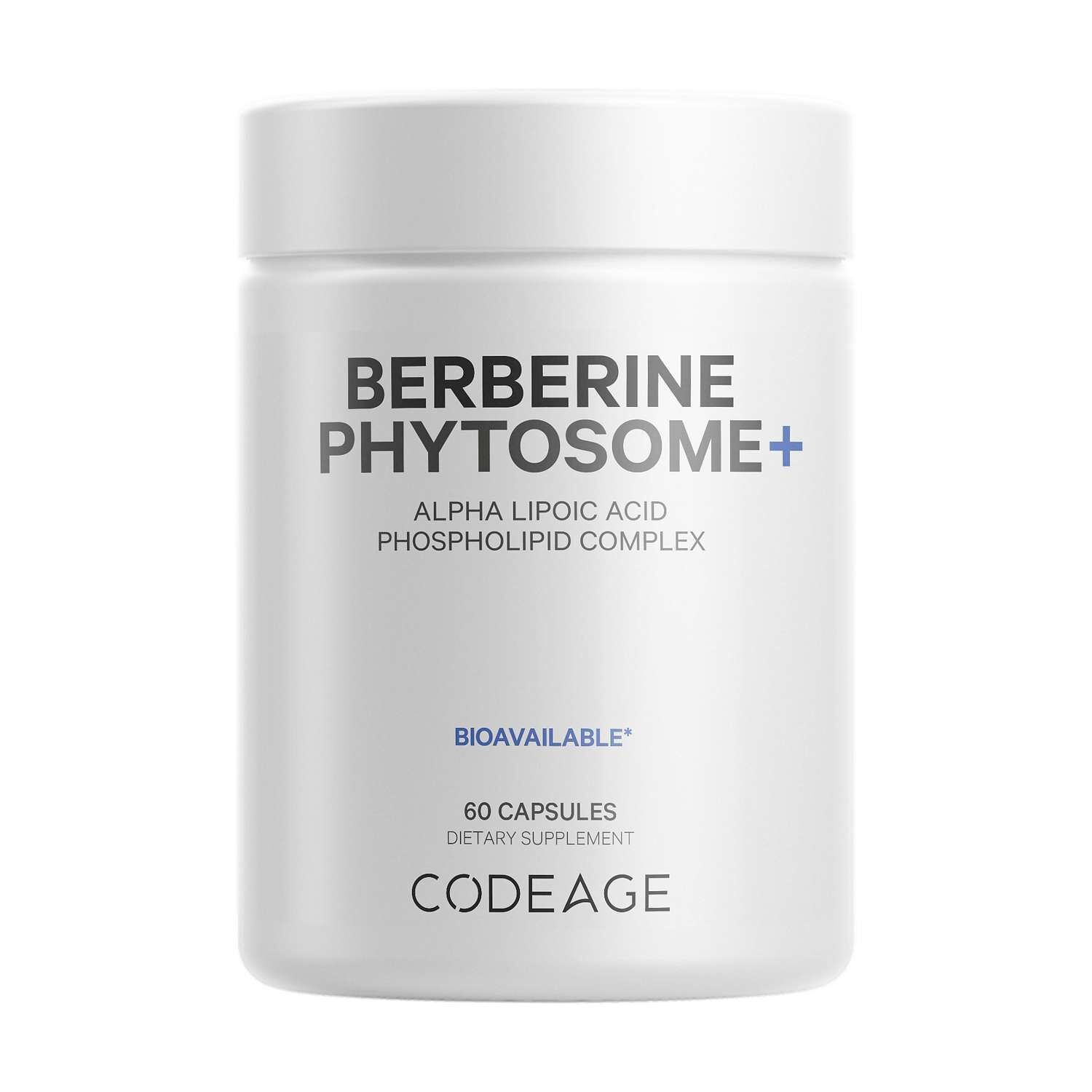
Berberine phytosome supplements pair a plant-derived compound with a phospholipid-based formulation, offering a distinct format for adults exploring berberine as part of a personal wellness routine. Berberine is a naturally occurring alkaloid found in several plants, while phospholipids are fat-like molecules used in certain supplement delivery systems. In a phytosome formulation, these components are associated in a complex that may influence how readily the berberine is absorbed. The term describes the formulation approach, not a separate botanical ingredient or a measure of strength. For shoppers browsing berberine phytosome supplements for insulin sensitivity, that distinction provides useful context: the ingredient, the delivery system, and the labeled serving each describe a different aspect of the product. Insulin sensitivity refers to how responsive the body’s cells are to insulin, a hormone involved in moving glucose from the bloodstream into cells. That background explains the interest in this category, but a category name or an absorption statement does not establish a particular health outcome. A phytosome label also does not mean that every formula has the same composition, serving size, or supporting ingredients. Some formulas focus on berberine within a phospholipid complex, while others include additional nutrients or botanical ingredients. The plant source, extract description, and source of the phospholipids may appear in different parts of the label, making the full ingredient information more useful than a single phrase on the front of a bottle. Sunflower-derived phospholipids, for example, describe a formulation material rather than the source of the berberine itself. Details like these help distinguish the botanical component from the materials used to carry it. This category is most relevant to adults who are already considering berberine and want to compare formulation types without treating familiar ingredient names as interchangeable. A clearly described formula gives shoppers a better understanding of what is in each serving, how the supplement is presented, and which details deserve a closer look when comparing options.
The most meaningful differences between berberine phytosome supplements often appear in the Supplement Facts panel rather than in prominent package wording. A milligram amount can refer to a named complex, an extract, or a stated quantity of berberine, depending on how the manufacturer presents the formula. Those descriptions are not automatically equivalent. Where the label supplies both the weight of the complex and the amount of berberine it provides, the two figures describe different things; the phospholipid portion is part of the formulation rather than additional berberine. Serving size adds another practical distinction. A bottle labeled with an amount per serving may require more than one capsule for that serving, so capsule count alone does not describe the number of labeled servings inside. For someone comparing two bottles side by side, the useful comparison includes the serving size, the ingredient amounts on that basis, and the accompanying directions. A larger number on the front panel does not, by itself, establish a more suitable option. Capsule materials matter as well. Some capsules use gelatin, while others use plant-derived materials such as cellulose derivatives, and the capsule shell is separate from the ingredients contained inside it. Other ingredients may include materials used during manufacturing or to help maintain the contents’ physical consistency. Dietary preferences, ingredient sensitivities, and preferences about animal-derived materials make those details relevant even when two formulas share the same featured botanical. The phospholipid source and any allergen statements provide additional context that the word phytosome alone cannot supply. Capsule dimensions, when provided, may also matter to someone who finds larger capsules inconvenient. A person who prefers a short ingredient list may look differently at a focused formula than someone comparing combinations of nutrients and botanicals. Neither preference changes what the label says: the intended use, serving information, and ingredient disclosures remain specific to that formula. Clear comparisons keep those distinctions visible instead of reducing an entire supplement to its milligram amount or delivery-system name.
Fit within an everyday routine involves more than the featured ingredient. Berberine phytosome supplements are typically presented as oral dietary supplements, and their labeled directions describe the intended way to use that particular formulation. Timing and serving instructions can differ, so a routine associated with one berberine format should not be assumed to apply to another. Someone organizing a small kitchen cabinet may value a bottle with easy-to-read directions, while an adult who regularly packs an overnight bag may pay closer attention to container size and a secure closure. These are practical considerations rather than indicators of product effects. Packaging also carries information that can be easy to overlook after purchase, including the lot identifier, date marking, storage directions, and any protective seal instructions. Keeping the original label accessible preserves those details for later reference. For capsule products, durability is better understood as packaging integrity and care during storage than as the kind of wear expected from clothing or equipment. A firmly closing lid and protection from moisture and direct light can matter, with the package’s own storage language remaining the relevant reference. Beyond handling, a thoughtful comparison separates formulation questions from expectations about personal results. A phospholipid complex may change absorption characteristics, but that possibility does not establish how an individual will respond or make different berberine preparations interchangeable. Customer reviews may describe bottle design, capsule format, or the ease of following package directions; they do not establish another person’s outcome. Shoppers comparing single-focus and combination formulas can also explore Berberine and Chromium Capsules for Adults as a related category with a different ingredient emphasis. Chromium is a mineral, whereas phytosome describes a formulation approach, so the two terms answer different questions about a supplement. The clearest selection process centers on accurately described ingredients, understandable serving information, suitable capsule materials, and practical packaging. Together, these details make the category easier to compare while keeping the focus on what each label actually communicates.
Best Sellers
-
 Rho Nutrition
 -
 Rho Nutrition
 -
Doctors' Preferred