Post Workout Creatine
(0 Results)
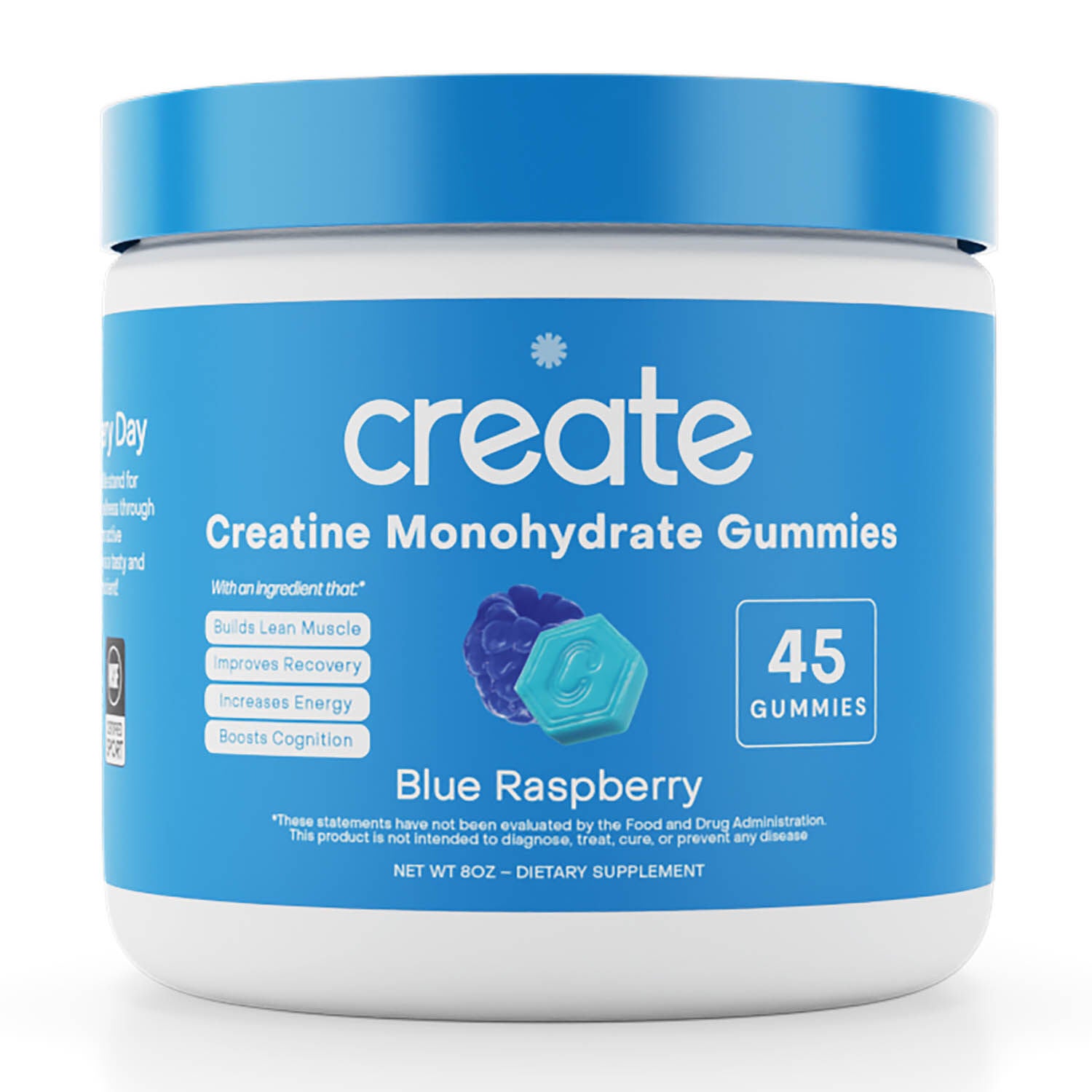
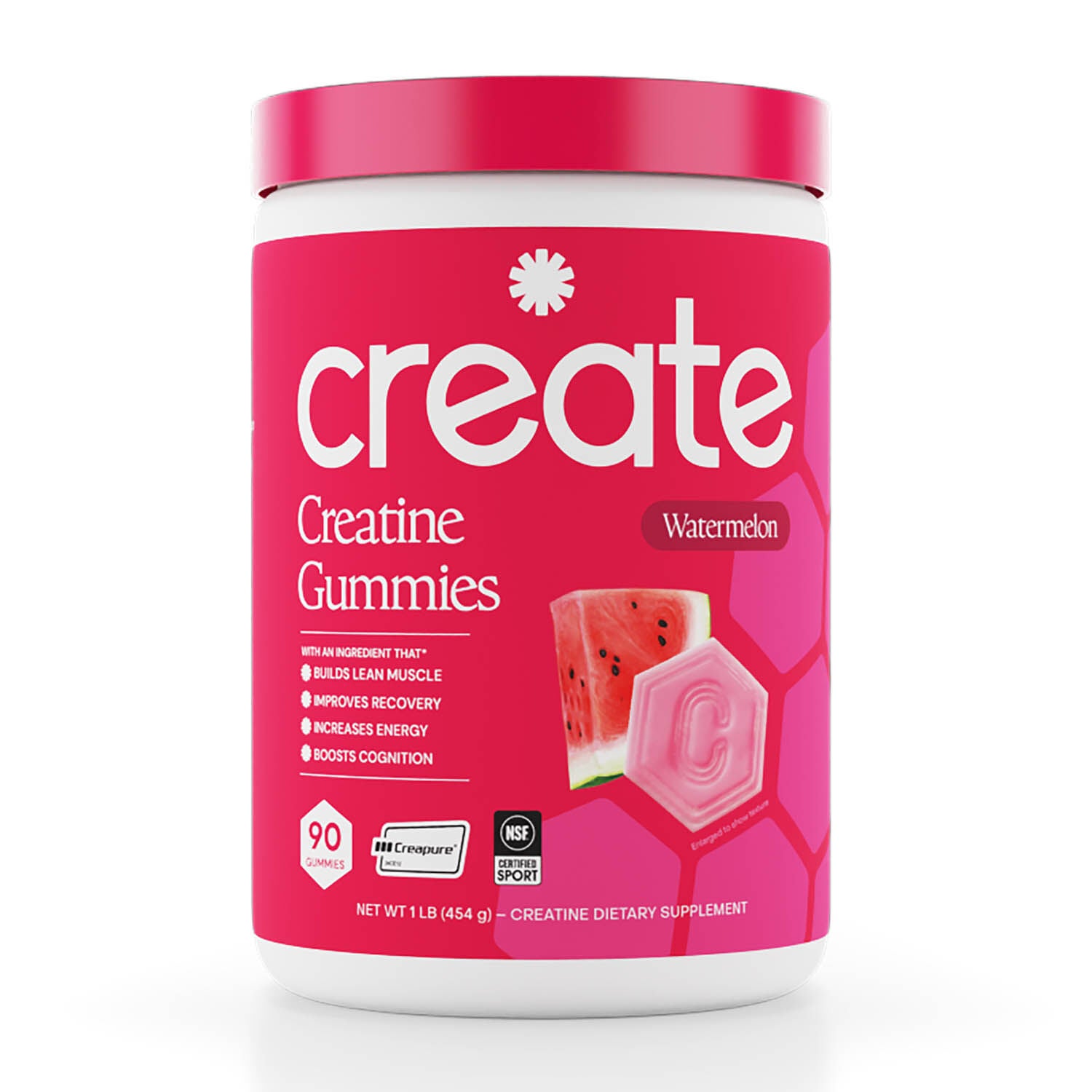
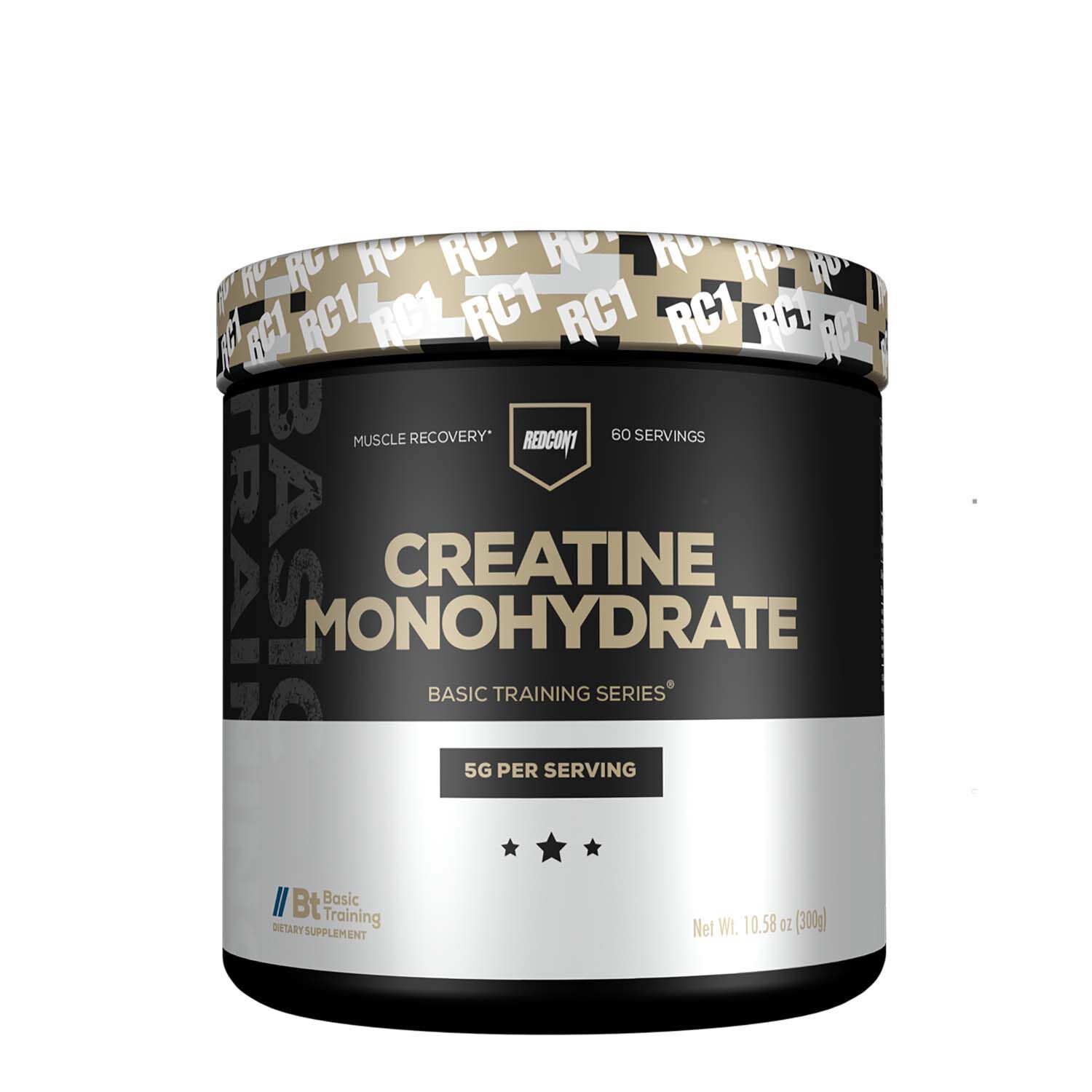
Enhance your post-workout routine with our selection of premium creatine supplements. Designed to support muscle recovery and growth, creatine is a popular choice for athletes and fitness enthusiasts looking to maximize their performance in and out of training sessions. Whether you're aiming to increase strength, power, or endurance, incorporating creatine into your regimen can help you reach your fitness goals faster. Discover our range of high-quality creatine products to take your workouts to new heights.
-
-
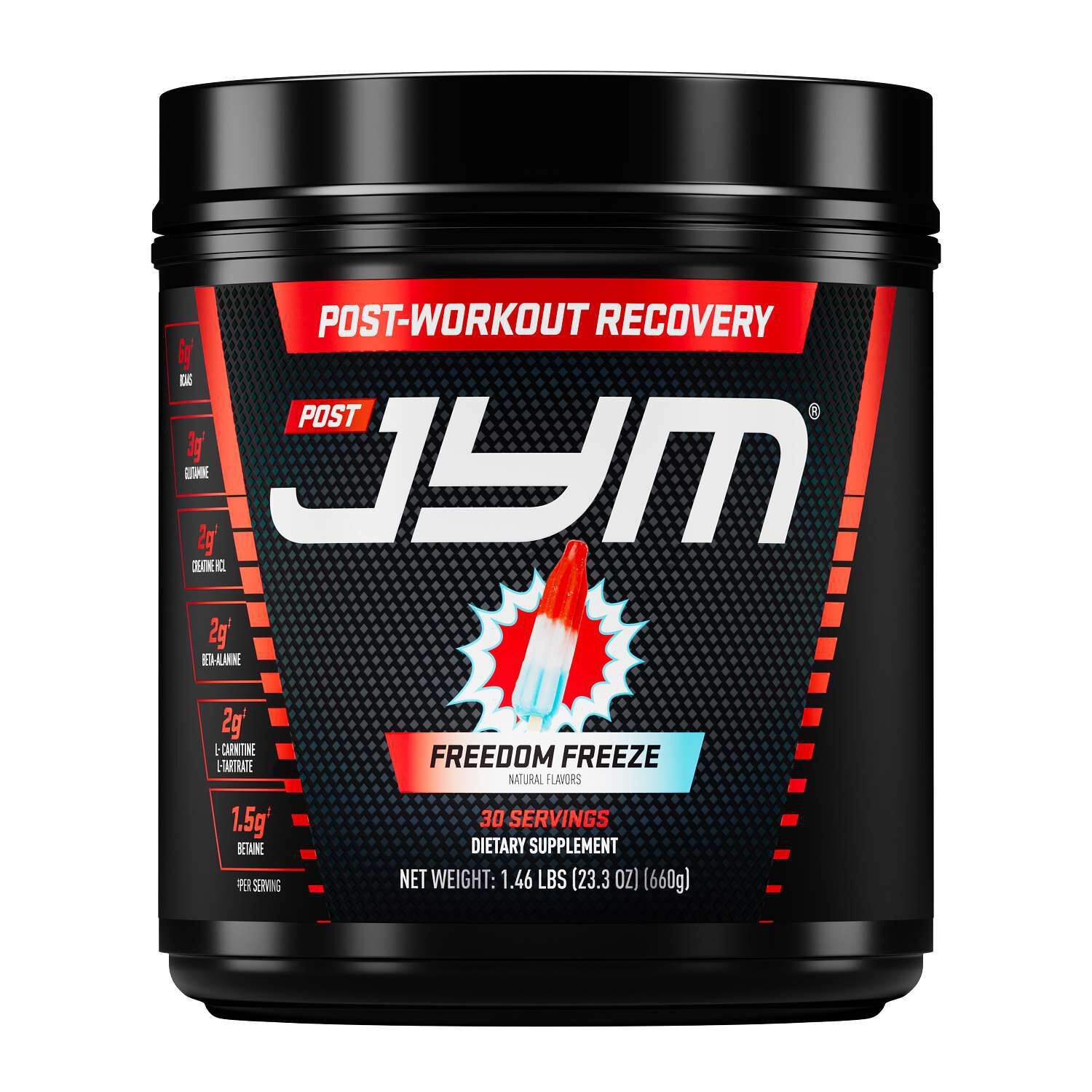
-
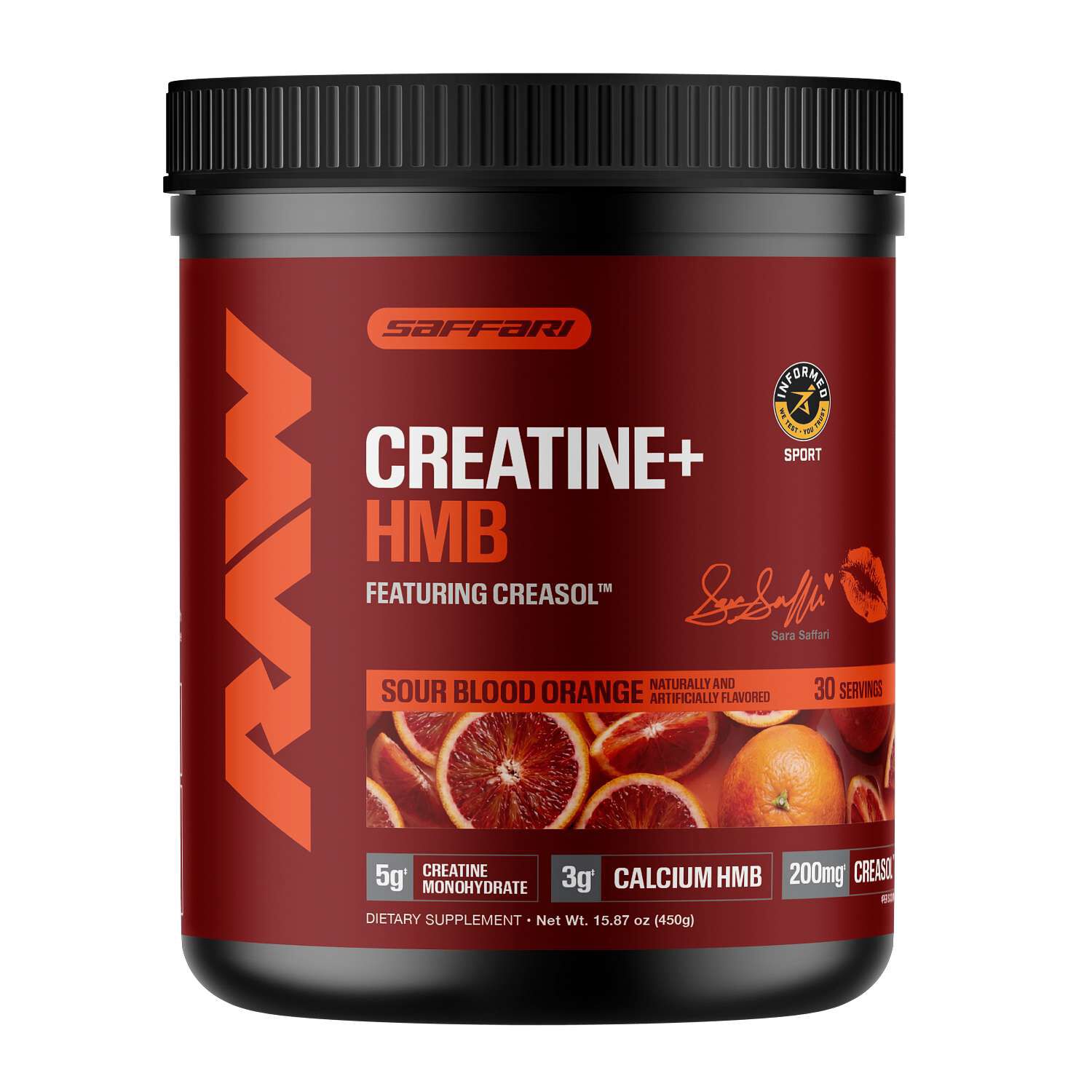
-
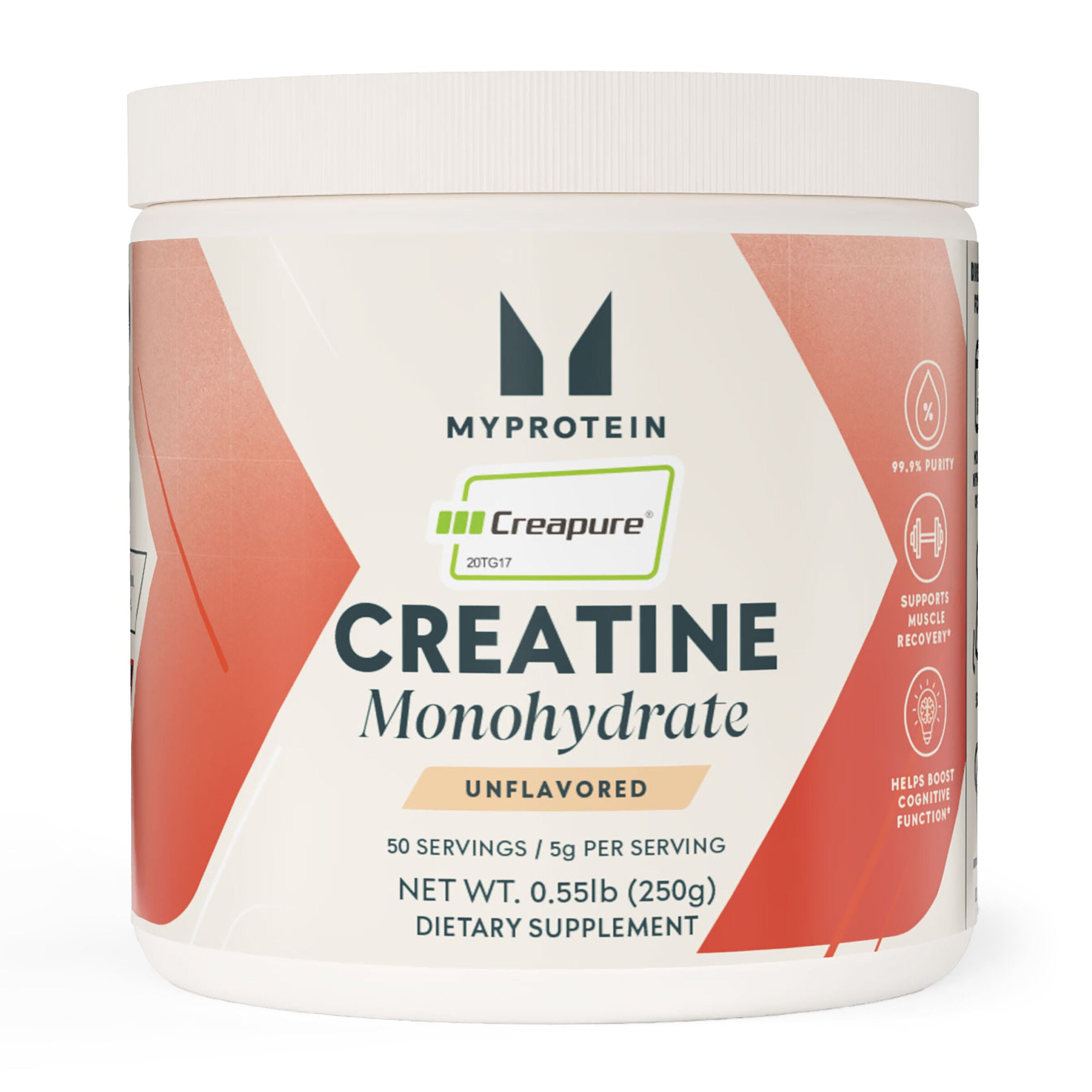
-
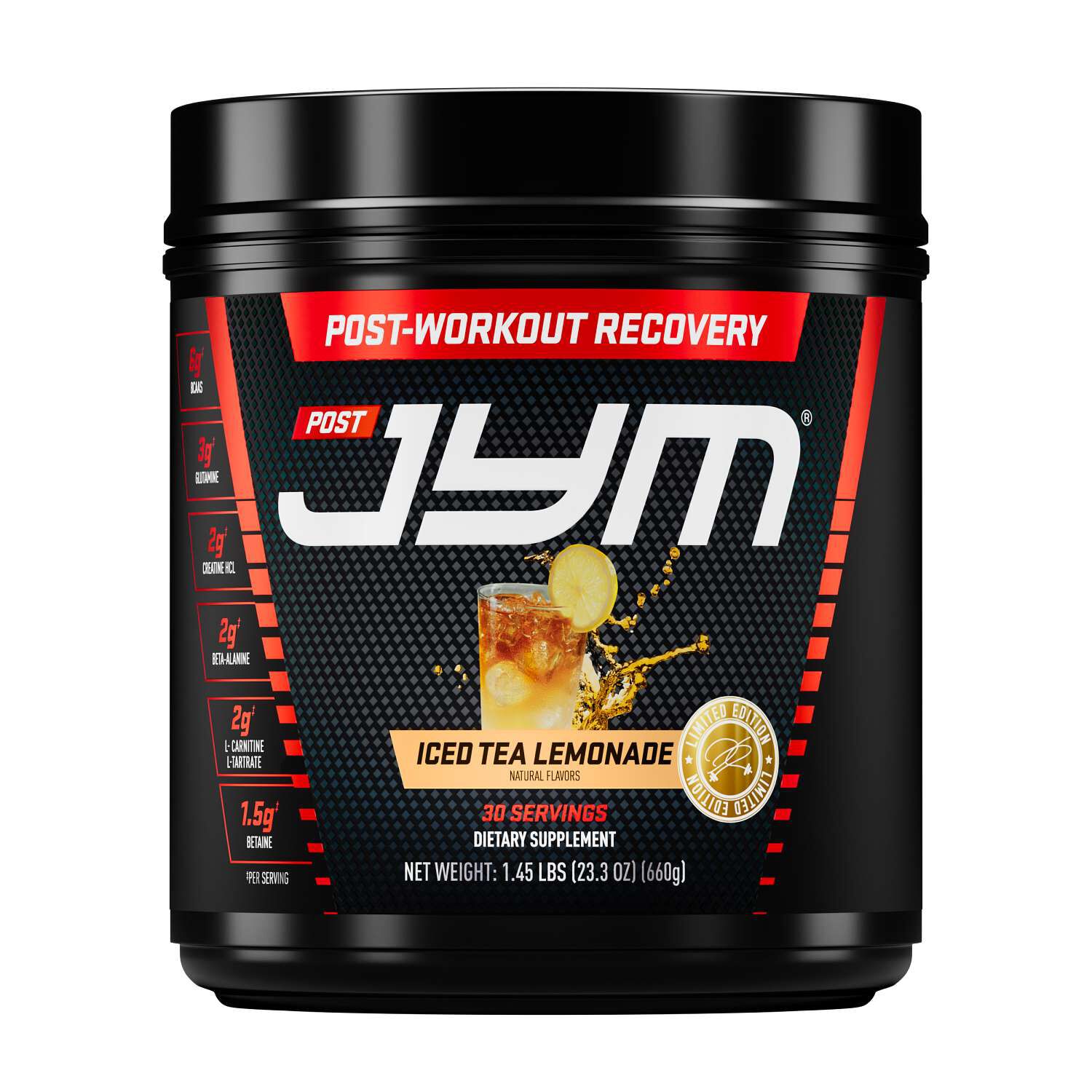
-

-
-
-
-
-
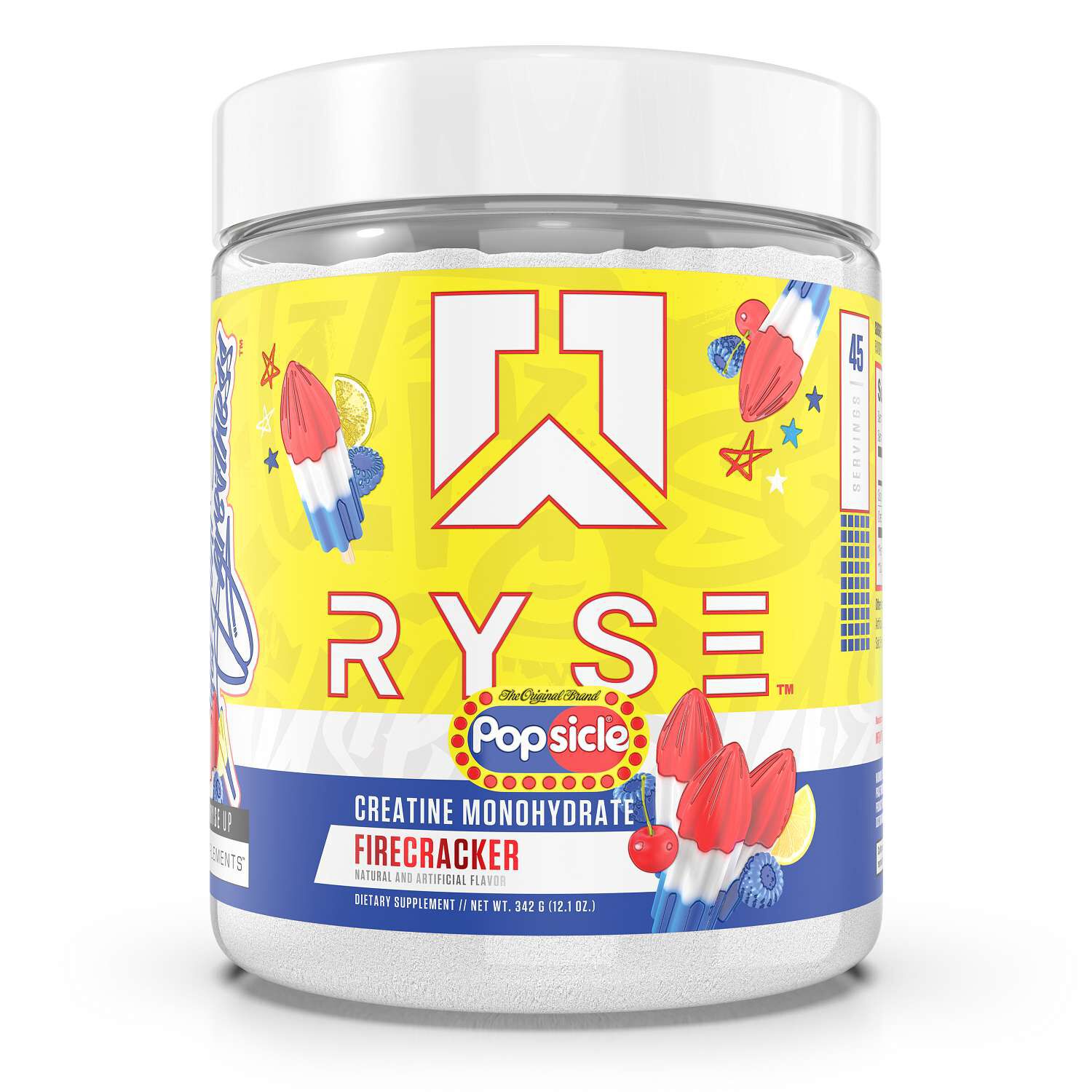 $24.99
-

-
-

-

-

-

-

-

-
 Angry Supplements$49.99
-
 Angry Supplements$29.99
-
-

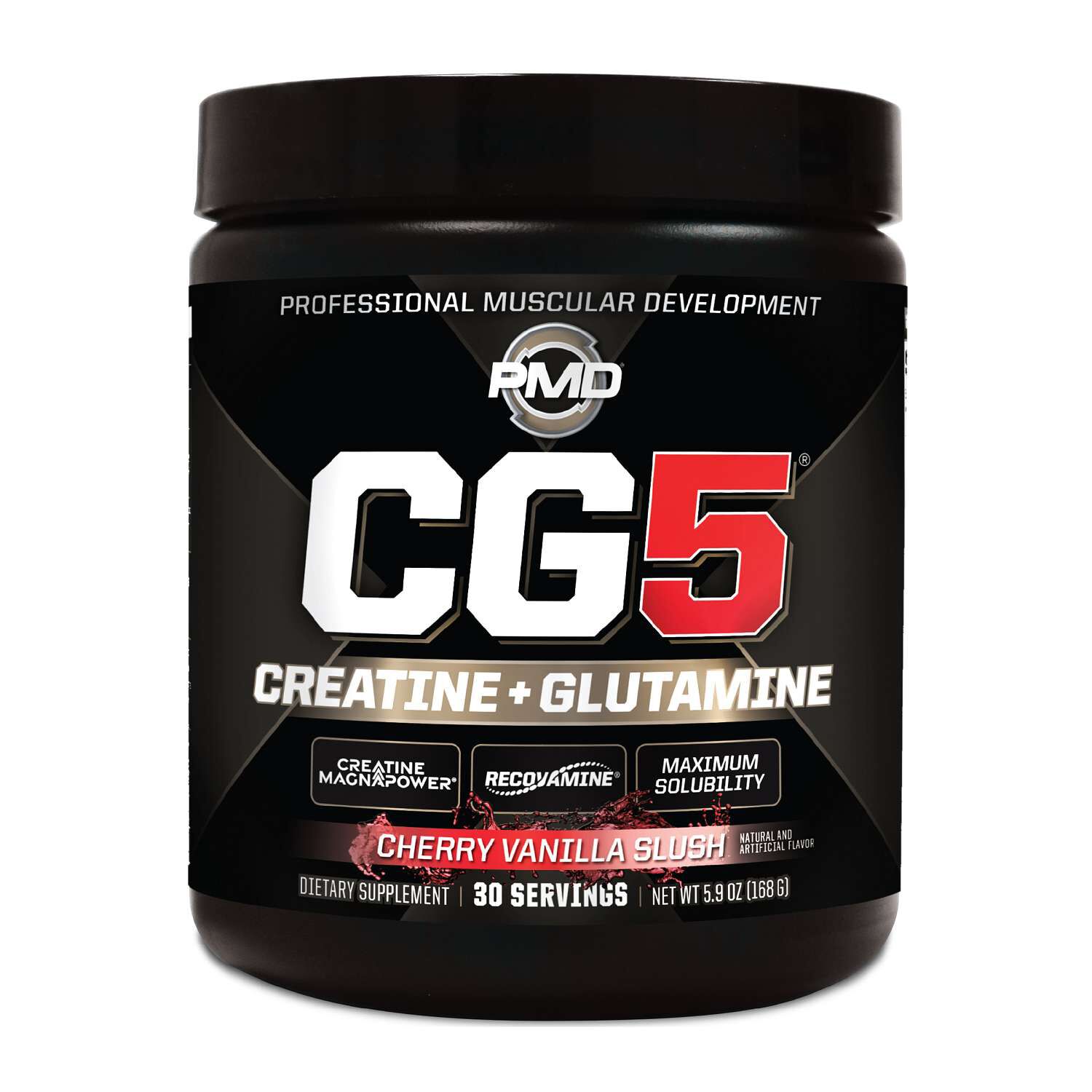
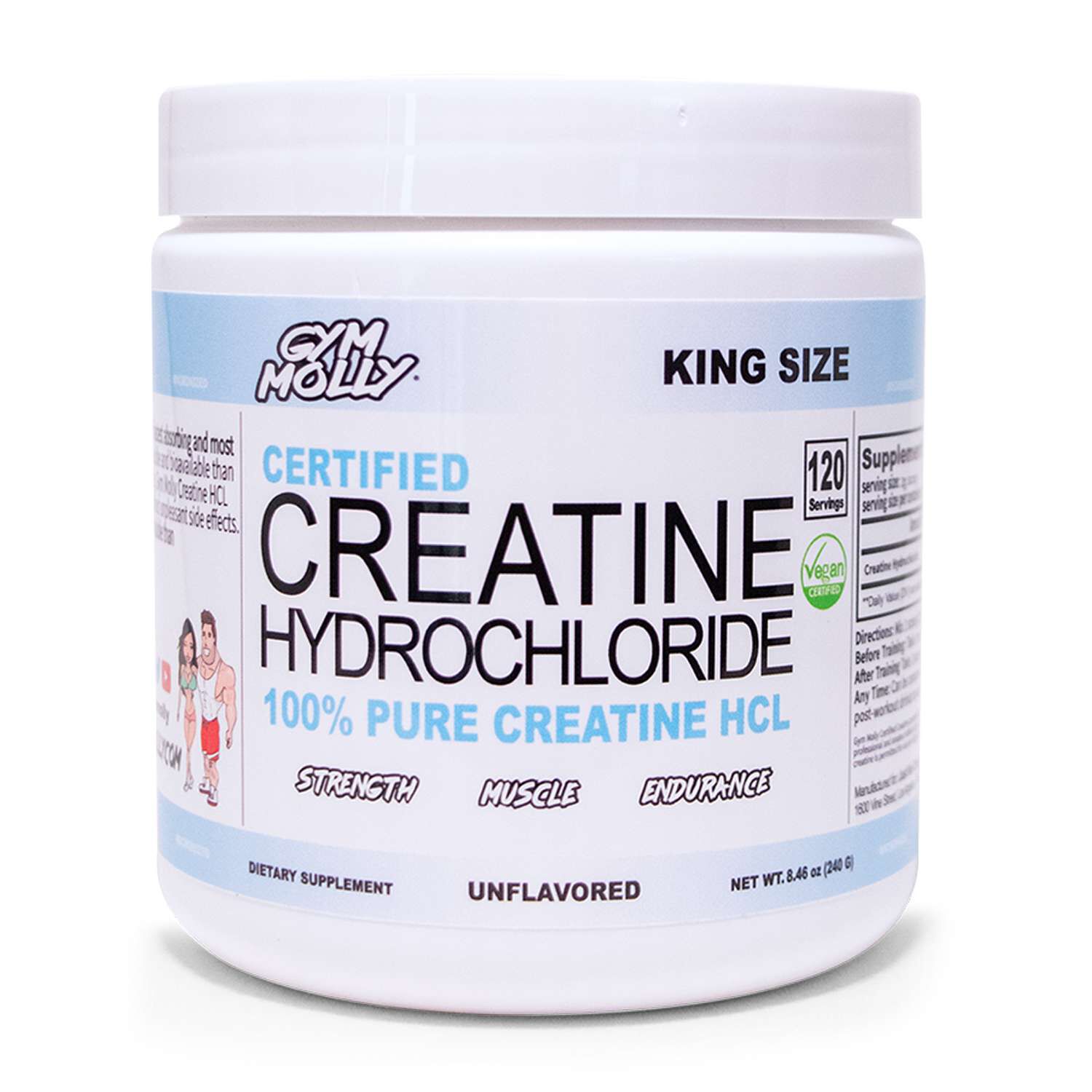
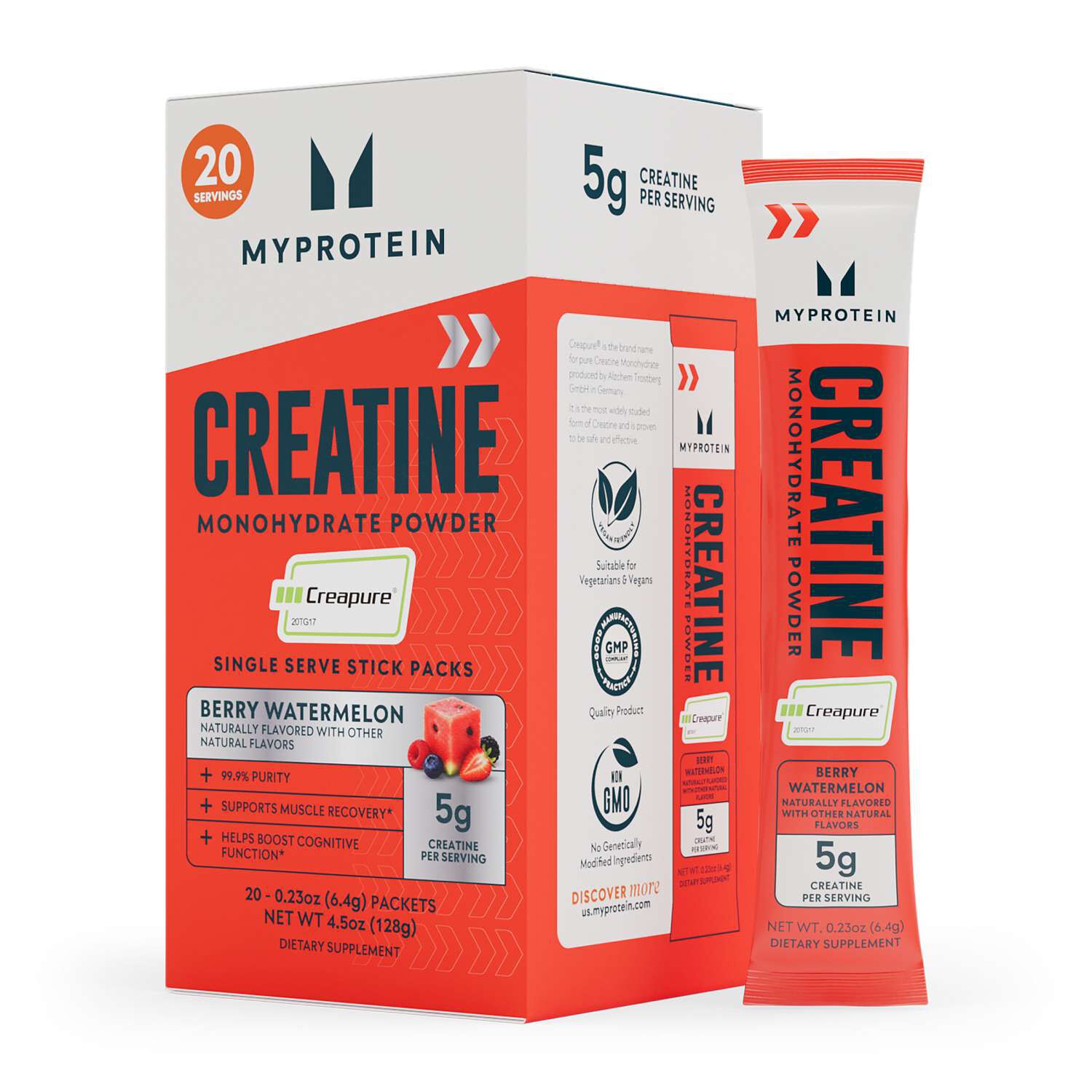
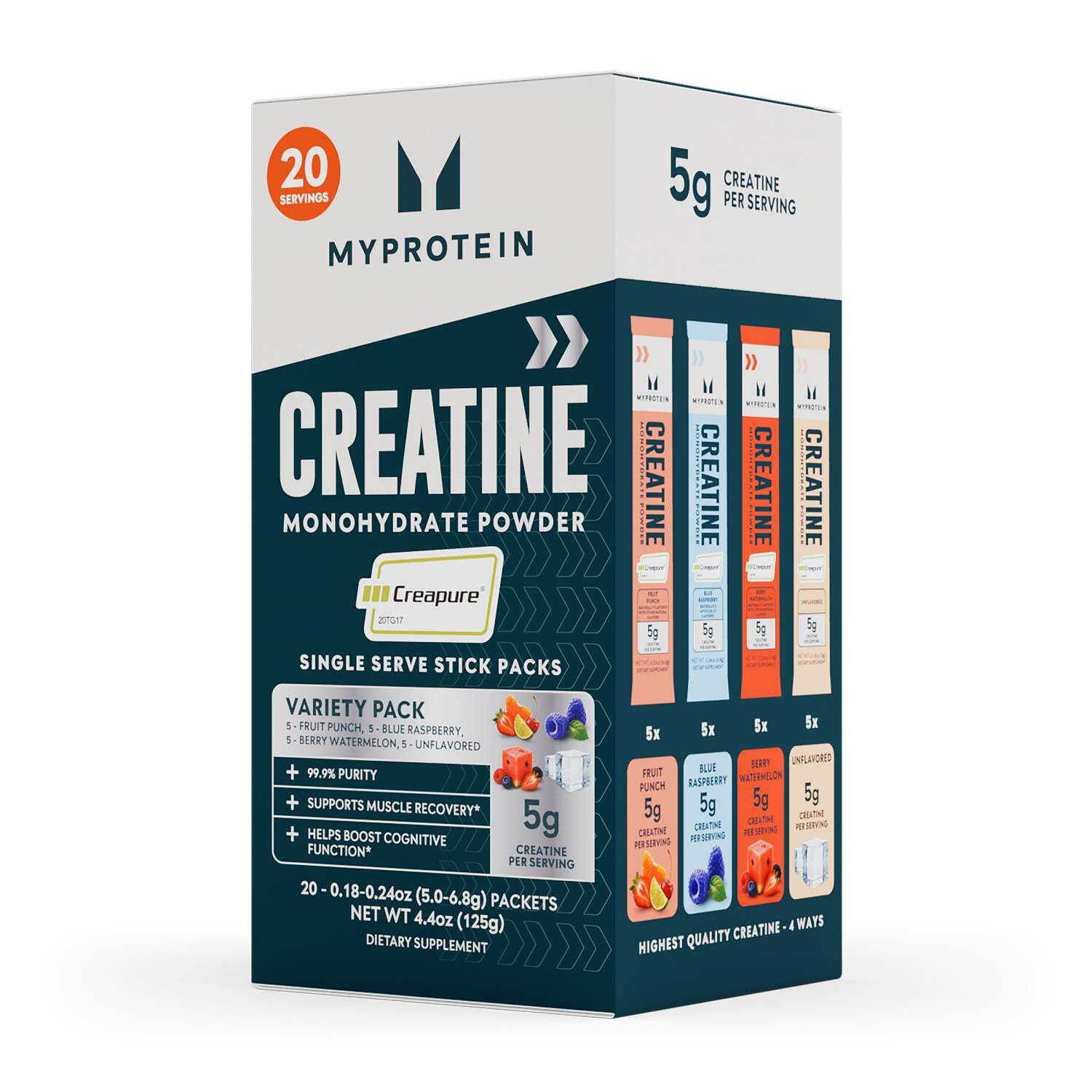
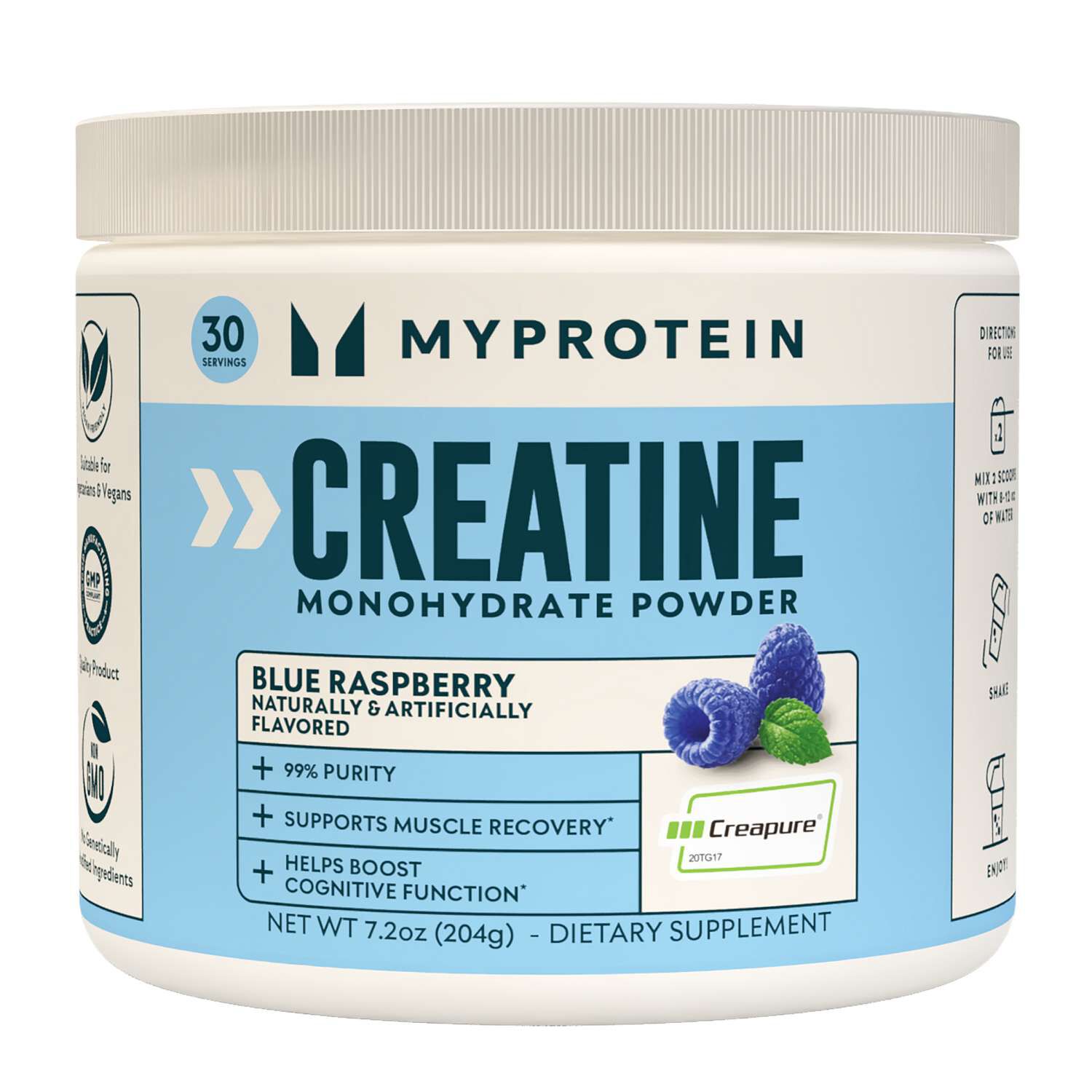
Post workout creatine describes creatine supplements intended to fit into a routine after exercise, whether that means a shake after lifting or a drink alongside a meal at home. Creatine is a compound found naturally in the body and in foods such as meat and fish. As a sports nutrition supplement, it may support strength and performance during repeated bouts of short, high-intensity exercise, particularly alongside consistent resistance training. The phrase “post workout” describes an occasion for use rather than a separate type of creatine: a formula does not need a special after-exercise ingredient to fit that part of the day. For shoppers comparing post workout creatine, the practical distinction often comes down to the form, the amount of creatine per serving, and how comfortably the product fits an established routine. Timing alone should not be treated as a reason to expect different results; regular use according to the product label may matter more than taking it at a precise moment after the last set. Someone who already prepares a protein shake after training may prefer a powder that fits that familiar ritual, while someone heading straight from the gym to work may find a capsule format more convenient. Neither format makes a training routine effective on its own, and expectations belong in the context of exercise, everyday eating habits, and individual goals. Creatine is distinct from protein, even when the two appear in the same drink. Protein supplies amino acids, while creatine serves a different role in sports nutrition. A post workout creatine supplement is therefore not automatically a protein shake, meal replacement, or broad recovery formula. Reading the ingredient list makes those differences clearer than relying on the front label alone. The most useful comparisons begin with what is actually in each serving and continue with details that matter in daily use, from flavor and serving size to the need for a shaker bottle.
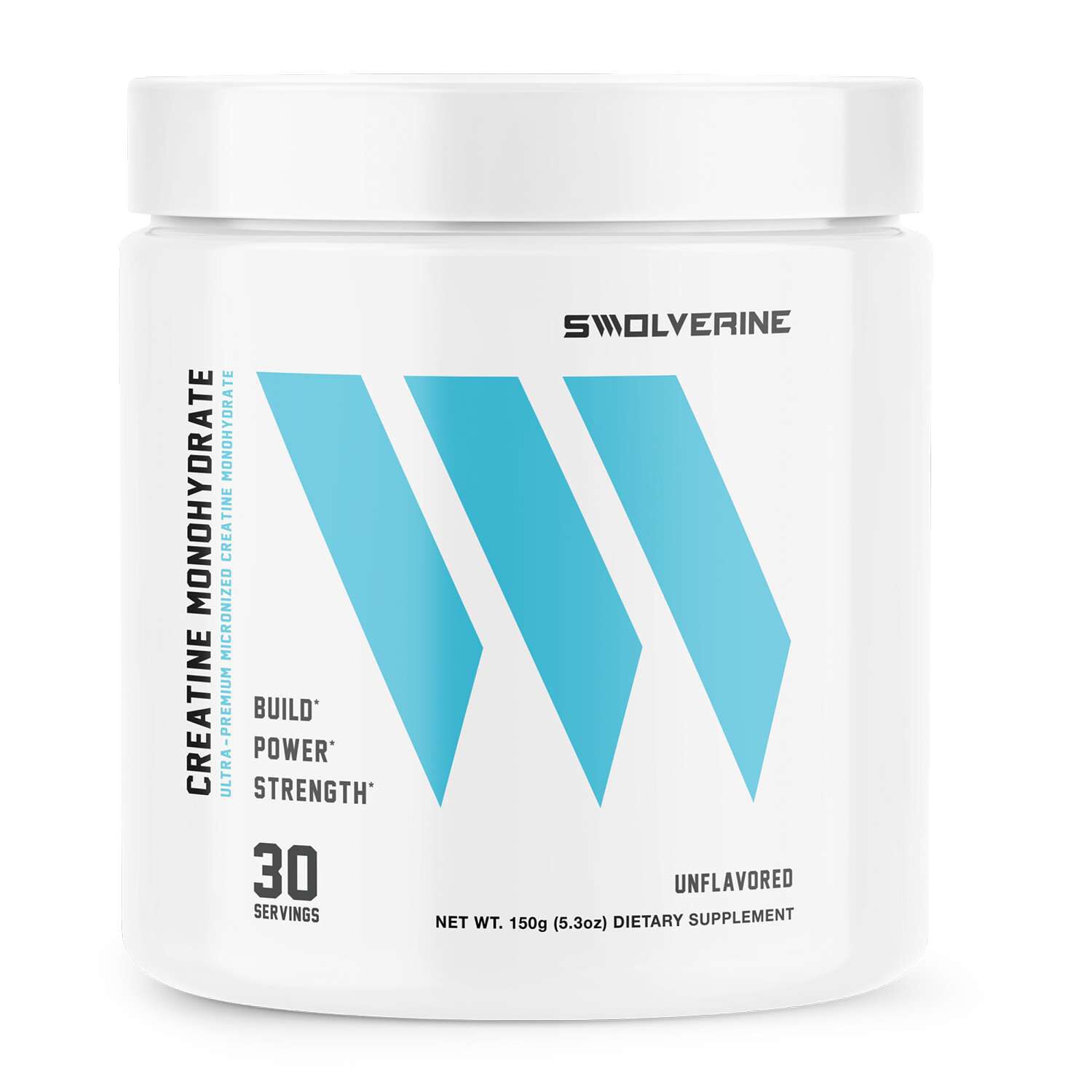
Creatine monohydrate is a widely studied form and a familiar starting point when comparing ingredients. Products may contain creatine as the sole active ingredient or combine it with other sports nutrition ingredients, such as amino acids, carbohydrates, or electrolytes. A shorter ingredient list offers a straightforward way to identify what a product contains, while a blended formula calls for a closer look at each listed component and its stated amount. Serving size deserves particular attention because the weight of a scoop is not necessarily the weight of the creatine inside it. Flavoring and other ingredients contribute to the serving weight, and a capsule serving may consist of more than one capsule. For powders, texture is another meaningful distinction. Micronized creatine refers to smaller particles, which may disperse more readily in a drink; the term does not, by itself, establish a greater performance benefit. An unflavored powder may suit someone who rotates between chocolate protein shakes, fruit smoothies, and plain water, although unflavored does not always mean undetectable in taste or texture. A flavored option offers a defined taste profile but deserves consideration alongside whatever else goes into the same shaker. A citrus drink paired with a creamy shake, for example, creates a different experience from keeping the two separate. Capsules avoid the mixing step, but their serving count and shell ingredients remain relevant to shoppers with format or dietary preferences. Ingredient statements, allergen information, and any third-party testing details can add useful context to the comparison. Testing programs differ in what they evaluate, so a named certification is most meaningful when its scope is clear. Packaging also matters: a resealable container suits a fixed spot in a kitchen cabinet, while individual portions may fit more easily into a gym bag. These details do not determine results, but they do distinguish products that otherwise look similar at a glance.
The intended use of post workout creatine extends across many adult training routines, including weightlifting, sprint-focused sessions, and recreational sports that involve repeated bursts of effort. A shopper working through a structured strength program may prioritize a clearly stated creatine amount and a simple formula, while someone whose sessions alternate between the gym and a sports field may place greater value on portability. For those looking more broadly at the period after exercise, Creatine For Recovery offers a related product category to explore. Recovery language still deserves a careful reading: a creatine product is not interchangeable with every supplement used after training, and added ingredients should be evaluated on their own terms rather than assumed to serve the same purpose. Practical fit also includes what happens between workouts. Label directions establish the intended serving and use pattern, including any guidance for days without exercise; the post workout category name alone does not supply those directions. When comparing a standalone creatine product with a mixed sports nutrition formula, noting any overlapping ingredients may make the choice clearer. At home, product care is generally a matter of following the package’s storage instructions, keeping the closure secure, and using a clean, dry scoop. Moisture exposure may change a powder’s texture and make it less convenient to measure or mix. The printed date, intact packaging, and readable directions are more useful purchasing considerations than assumptions about how long a large container ought to last. Container size is best understood alongside the labeled number of servings and the space it will occupy, whether that is a narrow pantry shelf or a dedicated supplement drawer. In a gym bag, a tightly closed container or protected individual portion may be more practical than a loosely packed scoop of powder. These ordinary details help distinguish a supplement that suits an existing habit from one that requires extra equipment or preparation. Across powders, capsules, and blended formulas, a thoughtful comparison centers on transparent labeling, suitable ingredients, manageable preparation, and realistic expectations for how creatine may complement ongoing training.
Best Sellers
-
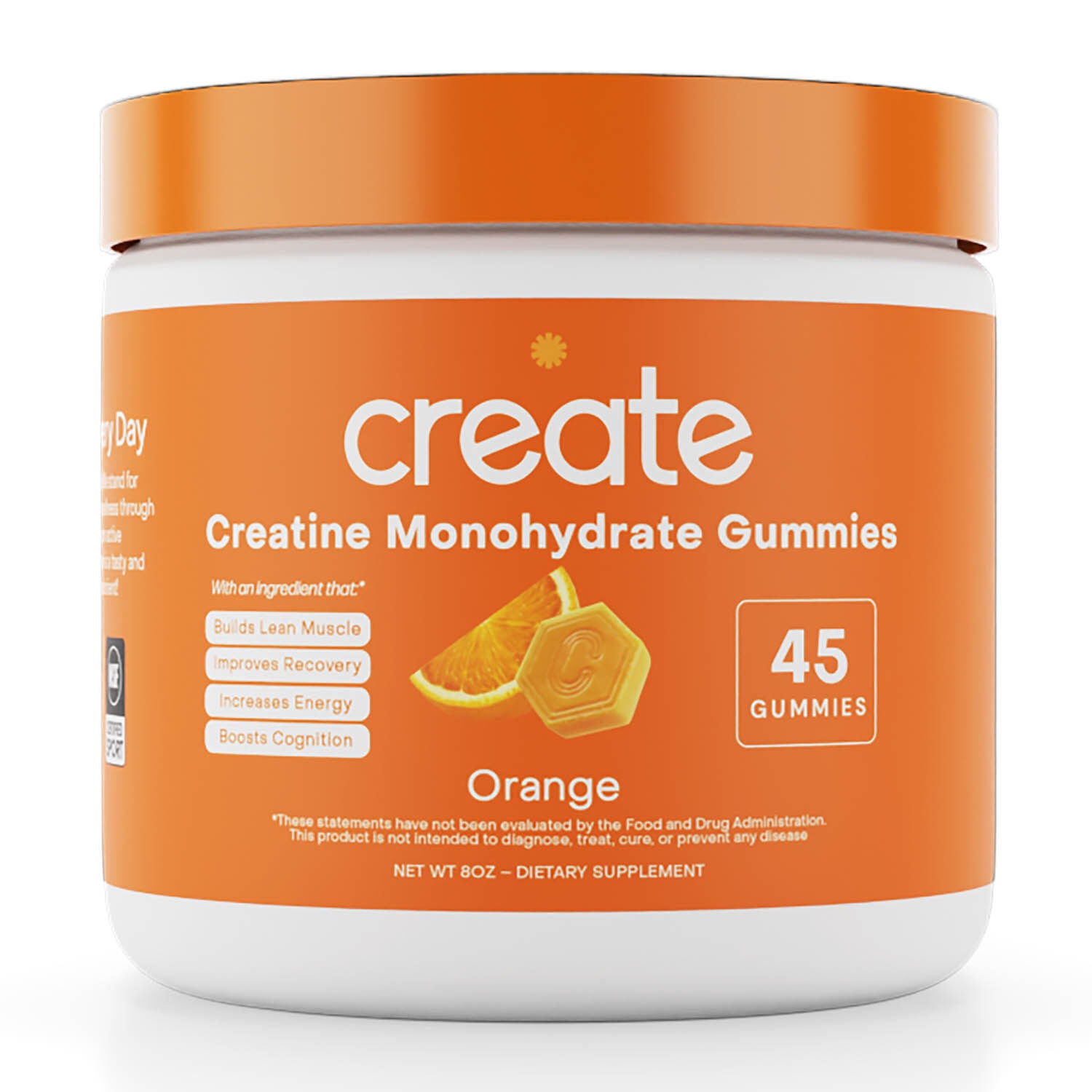 Create Wellness