





High Fiber Supplements For Women
(0 Results)
High fiber supplements for women could be a convenient way to support your daily nutrition goals. With a variety of options available, these supplements may fit easily into different lifestyles and routines. Whether you’re looking to add more fiber to your diet or seeking extra support for your wellness journey, high fiber supplements for women might offer a simple solution to help you meet your needs. Explore the selection and discover options that could align with your personal preferences.
-
-

-
-

-
-
 209$34.99
 -
-
-
-

-

-

-

-

-

-

-
-
-

-

-
 Divine Health$44.99
 -
 $26.99
 -
 $16.99
 -
 $26.99
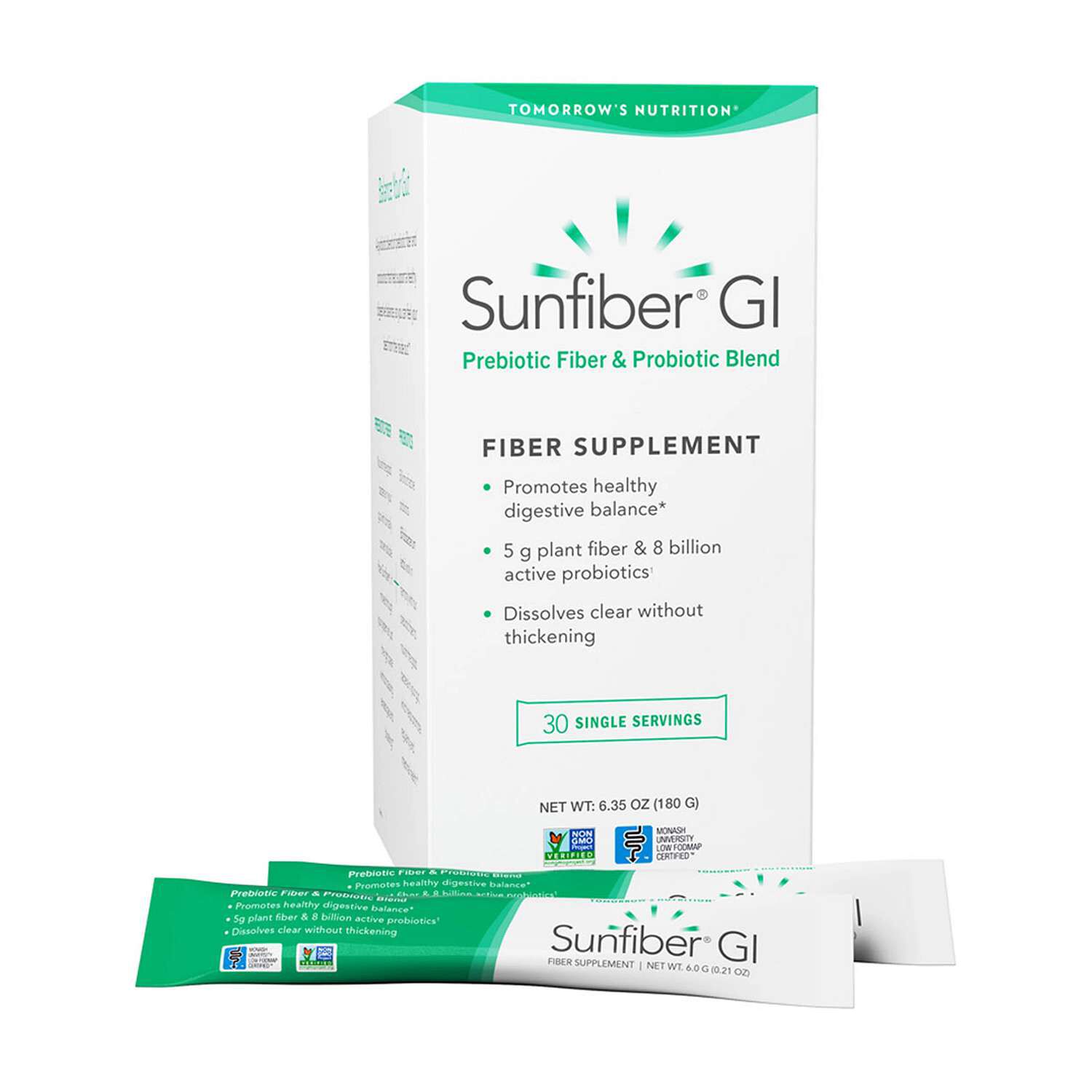
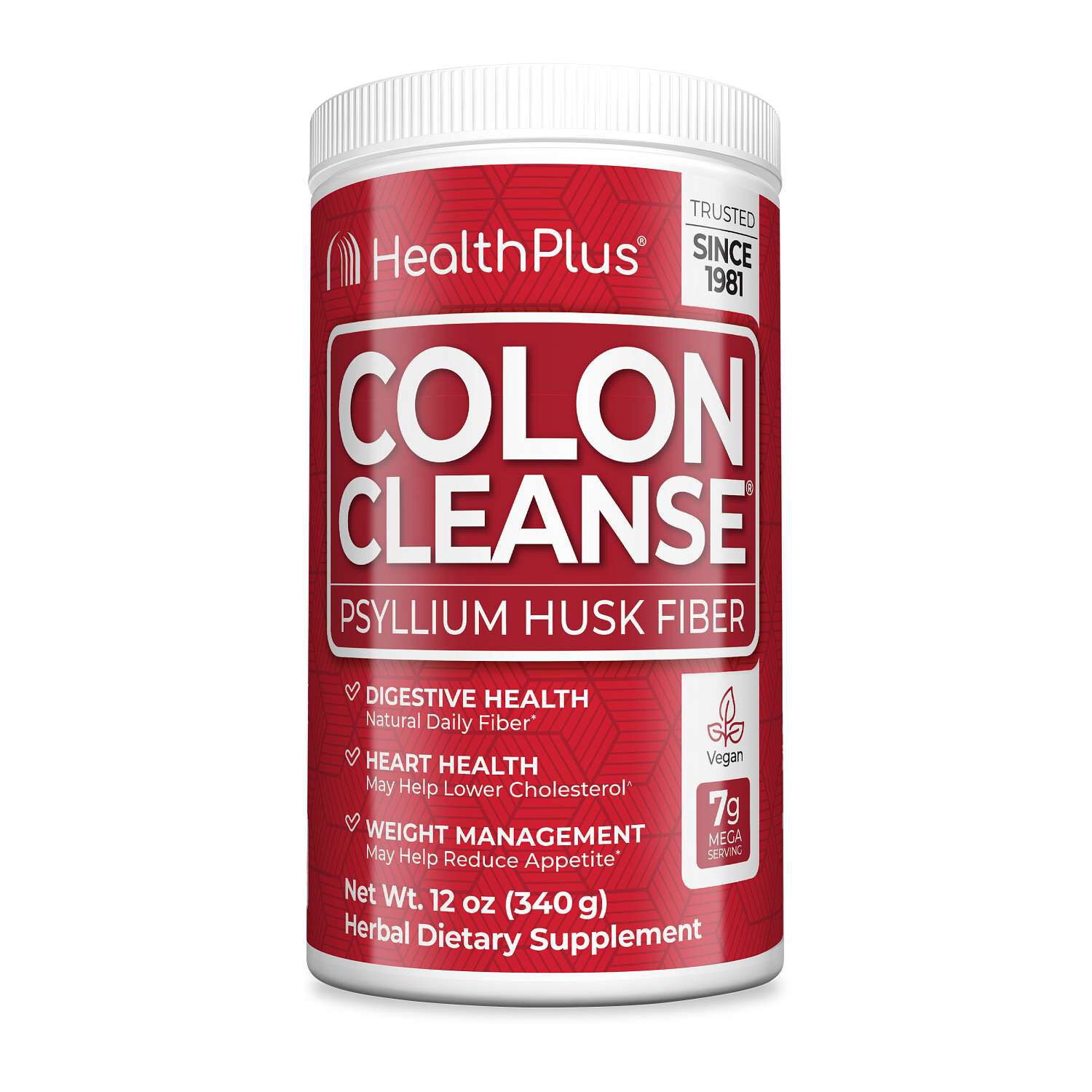
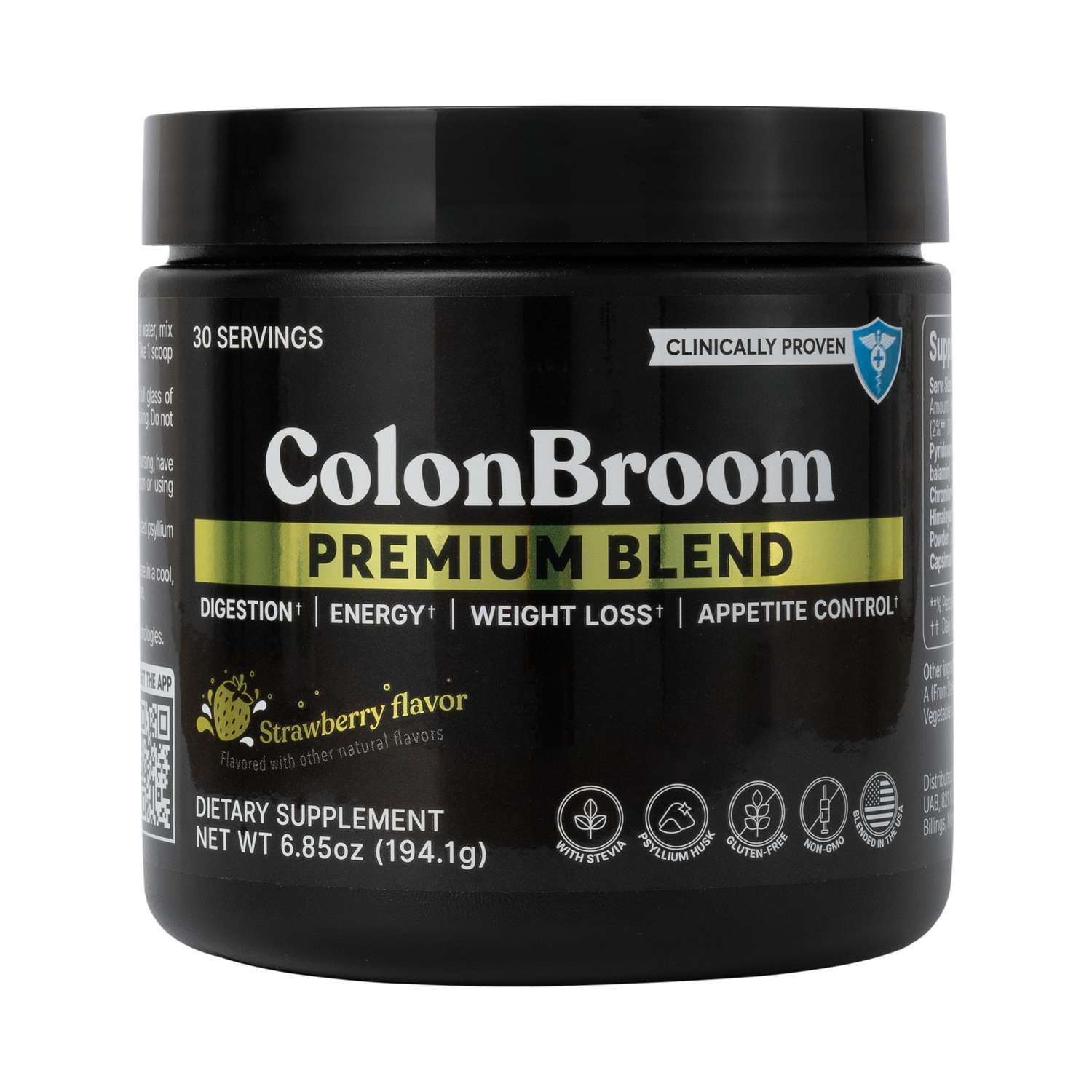
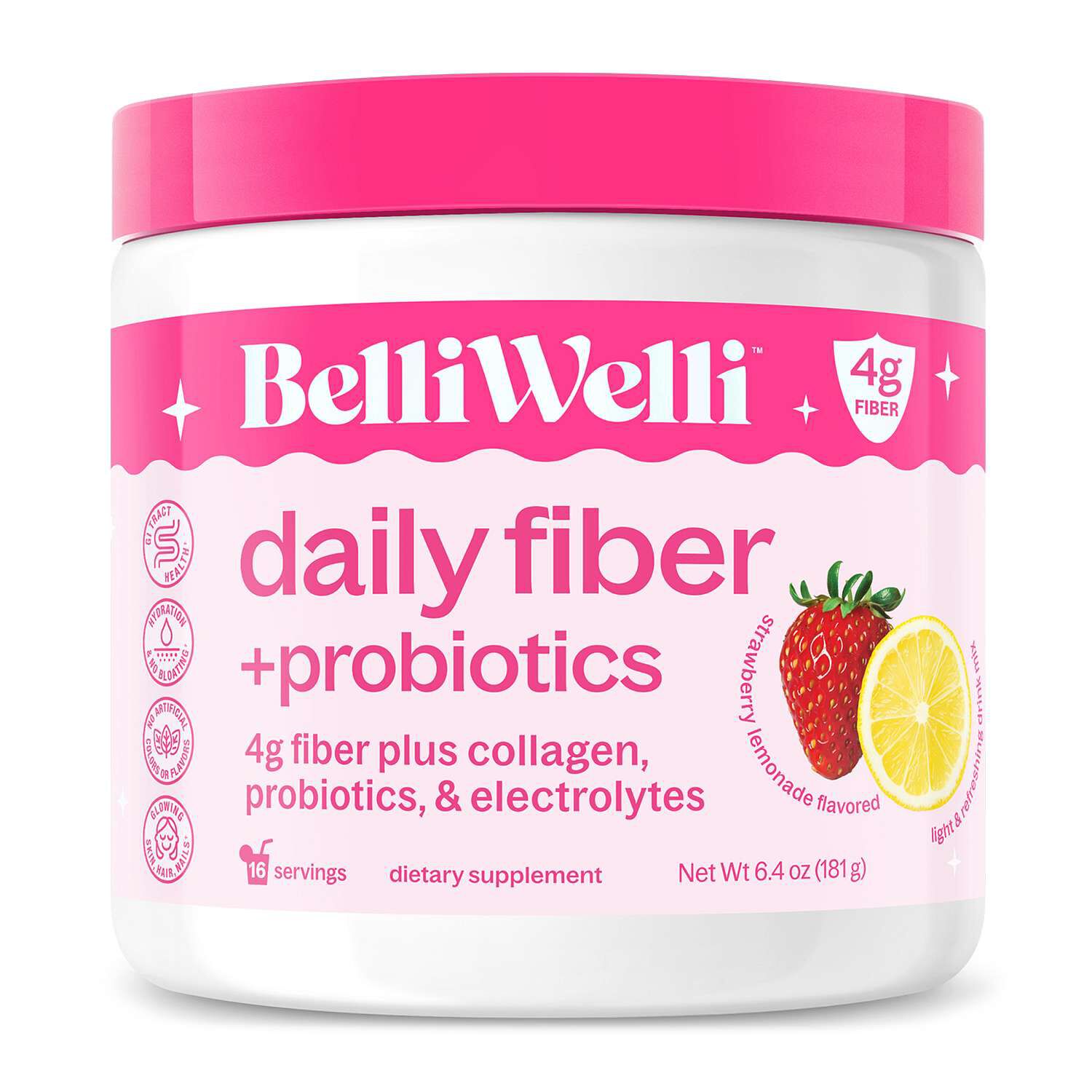
High fiber supplements for women offer a range of formats for shoppers who want to include supplemental fiber in an everyday nutrition routine. Dietary fiber is a type of carbohydrate found in plant foods such as oats, beans, lentils, fruits, vegetables, nuts, and seeds. Supplements provide fiber in a measured serving, with powders, capsules, and chewable formats offering different approaches to preparation and portability. The most useful comparison begins with the source of fiber and the grams of dietary fiber listed per serving, rather than the size of the container or the wording on the front label. Soluble and insoluble fiber describe two broad categories: soluble fiber dissolves in water, while insoluble fiber does not. Some sources contain both. Psyllium husk, for example, contains soluble and insoluble fiber, while inulin from chicory root is a source of soluble fiber. Partially hydrolyzed guar gum is another soluble fiber ingredient, and methylcellulose is a cellulose-derived ingredient used in some fiber formulas. These names describe different ingredients, not interchangeable versions of the same formula. Depending on the source and preparation, a fiber powder may create a thicker texture or remain less noticeable in a beverage. That distinction matters to someone who enjoys a substantial breakfast smoothie as much as it does to someone who prefers a lighter drink alongside lunch. A formula marketed toward women still deserves the same close look at its fiber source, serving size, other ingredients, and directions. The women’s designation alone does not explain how much fiber a serving contains or what preparation involves. Supplemental fiber belongs within a broader view of everyday eating, alongside the variety and textures of fiber-containing foods. For women comparing high fiber supplements, the practical goal is finding a format whose ingredients, flavor, and preparation requirements match their preferences, without assuming that every formula offers the same experience.
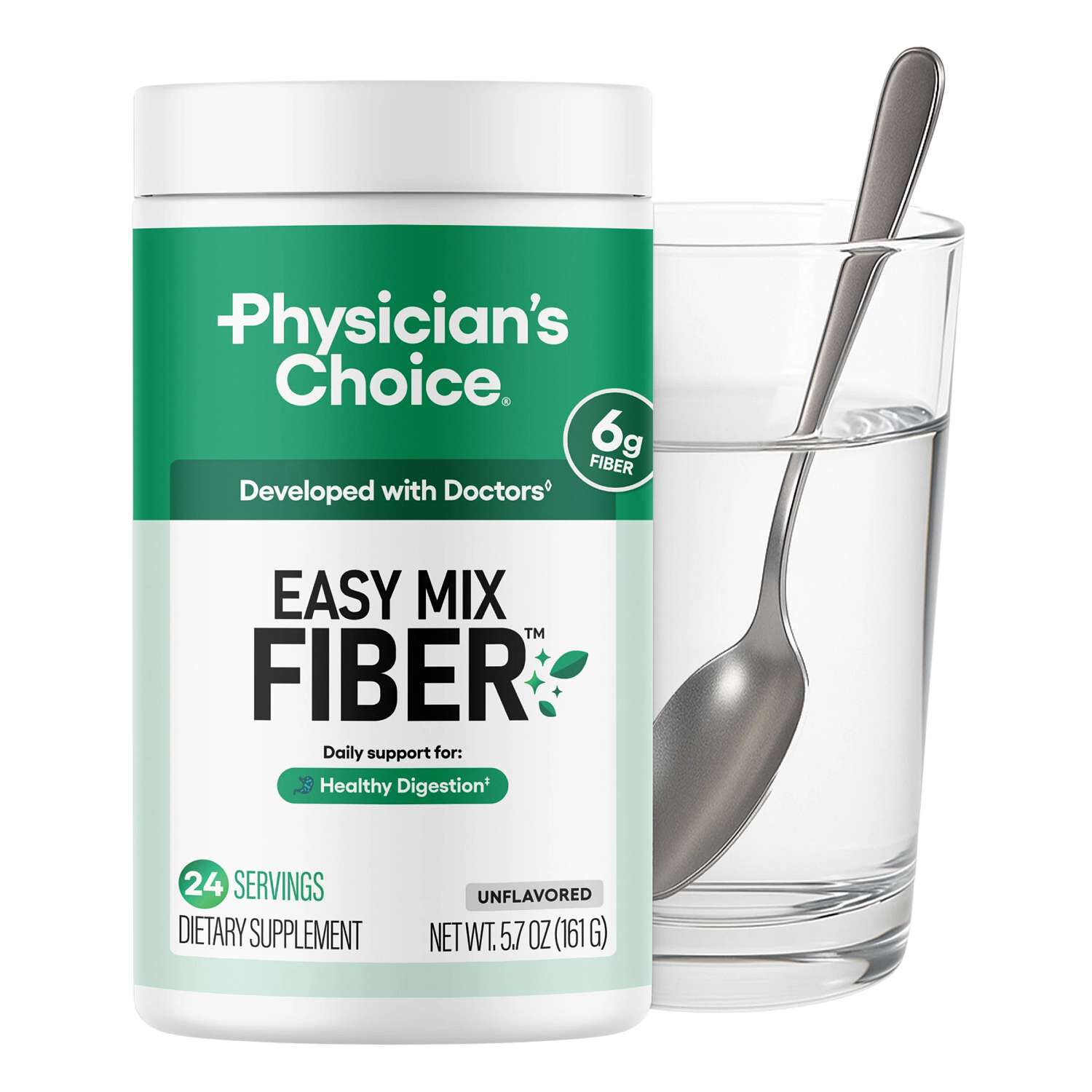
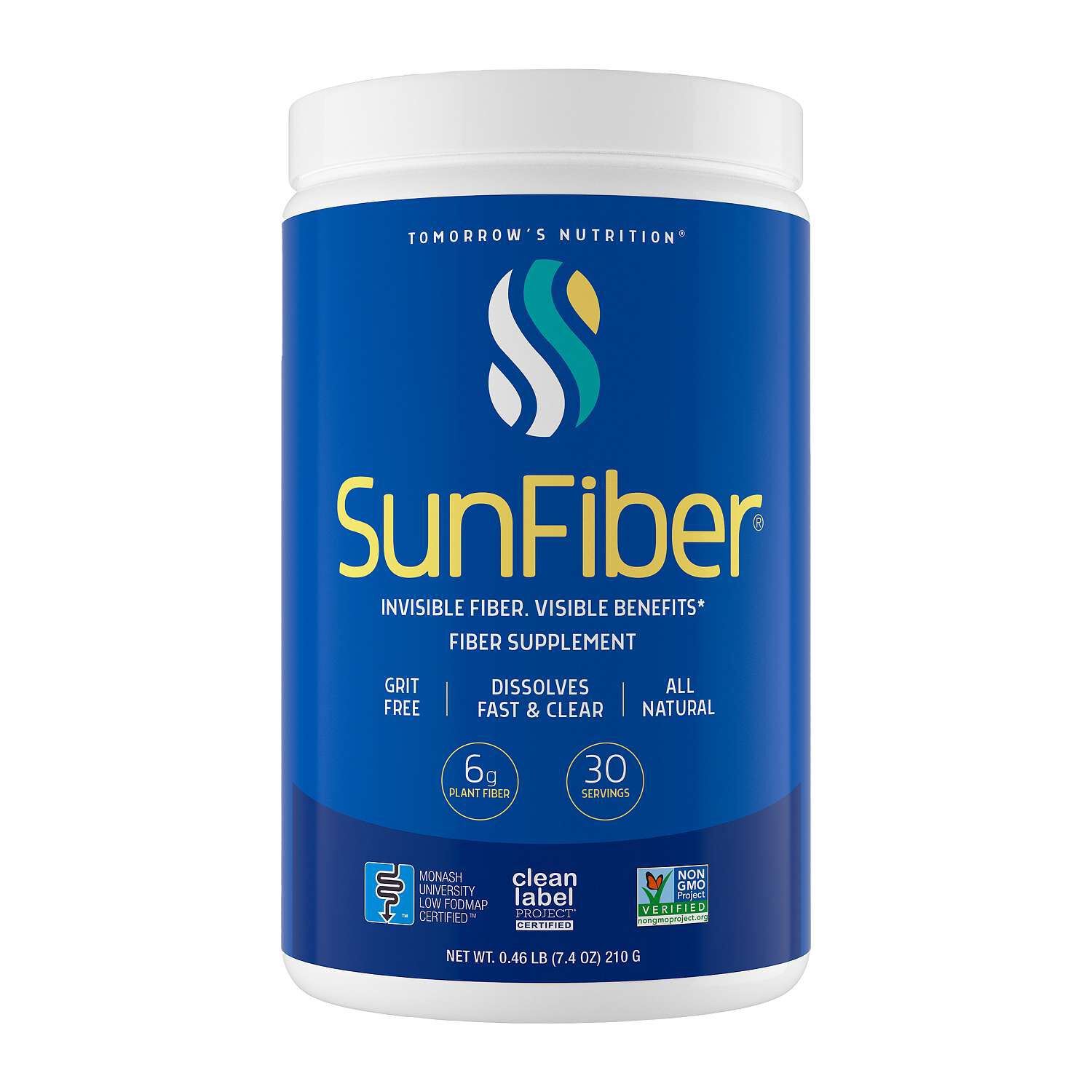
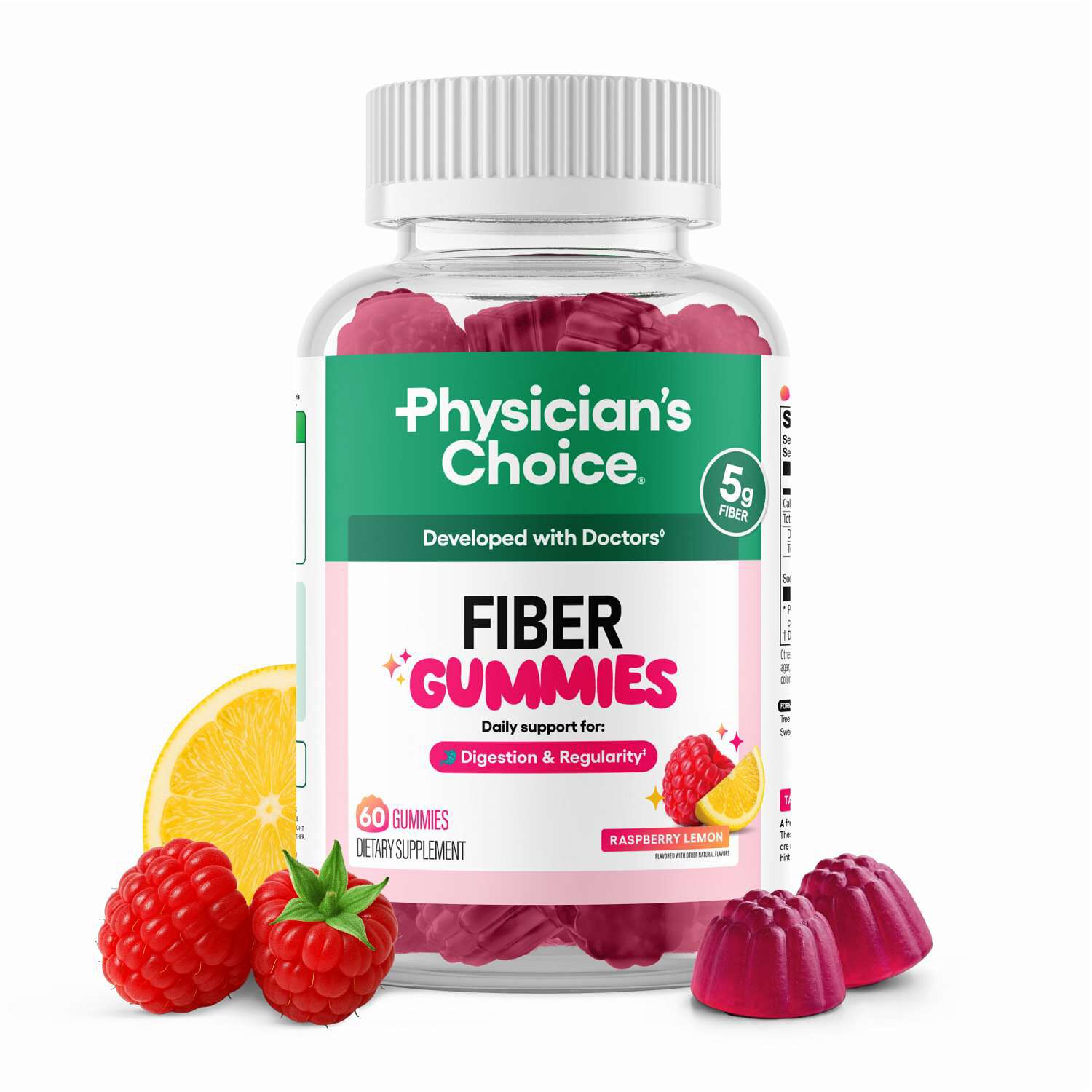
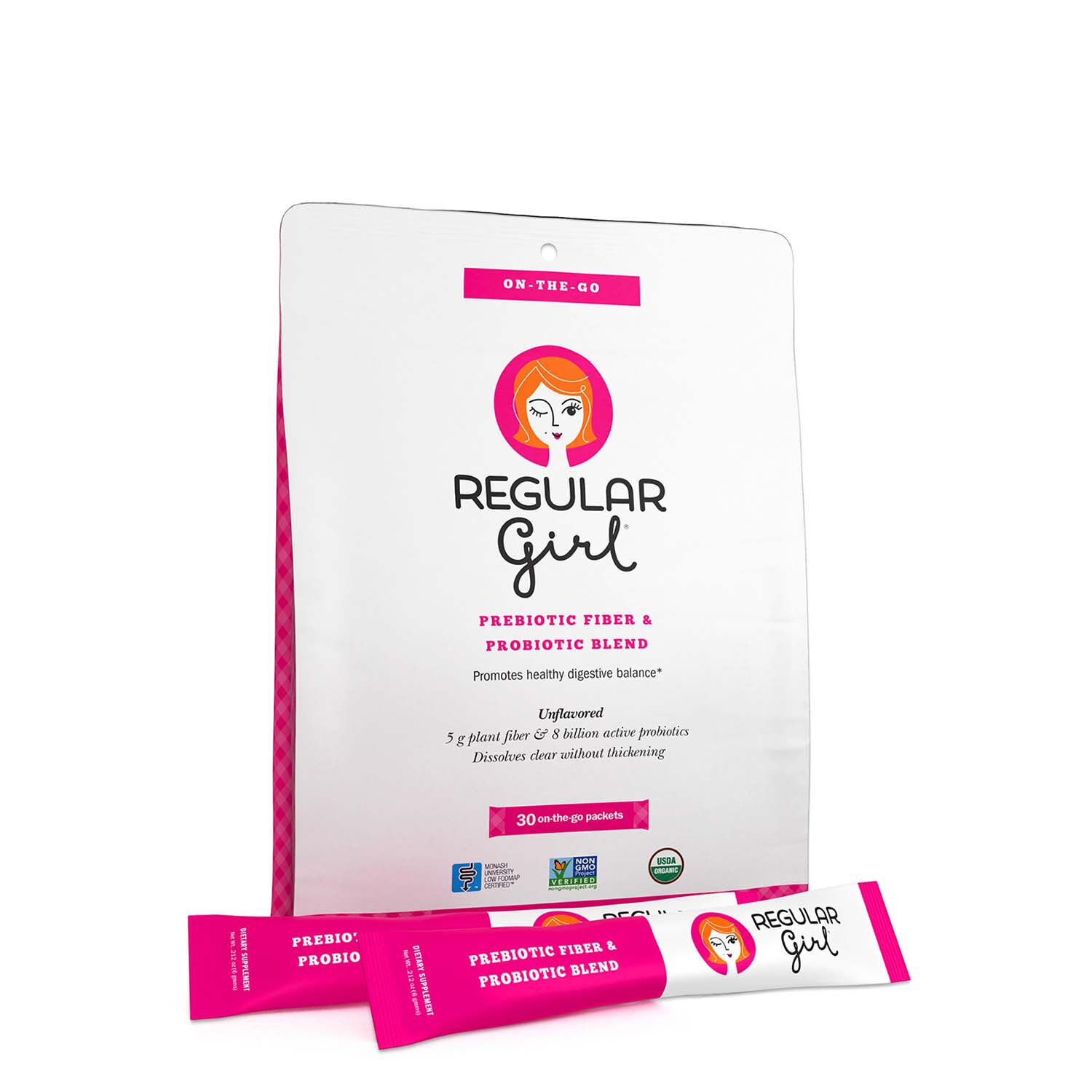
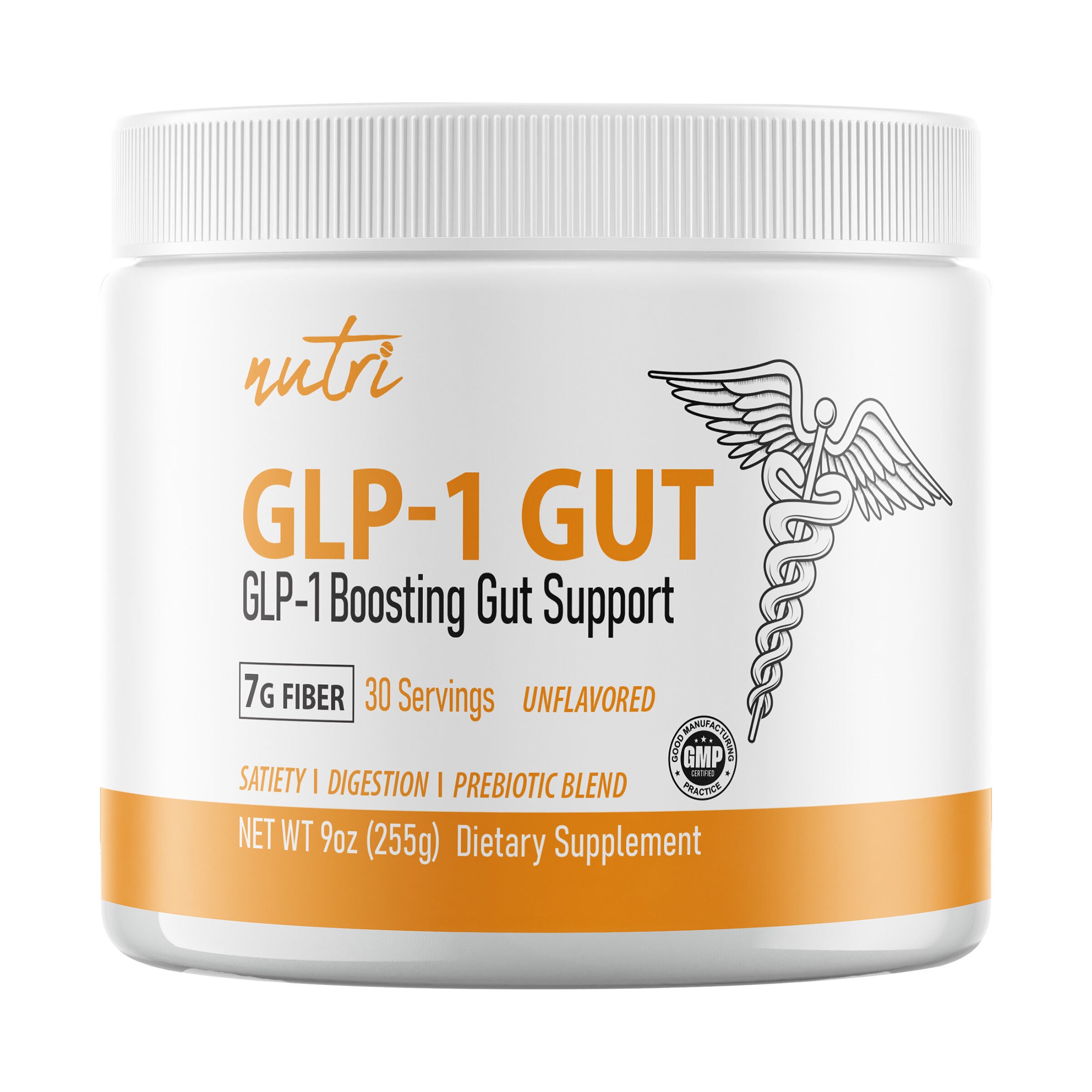
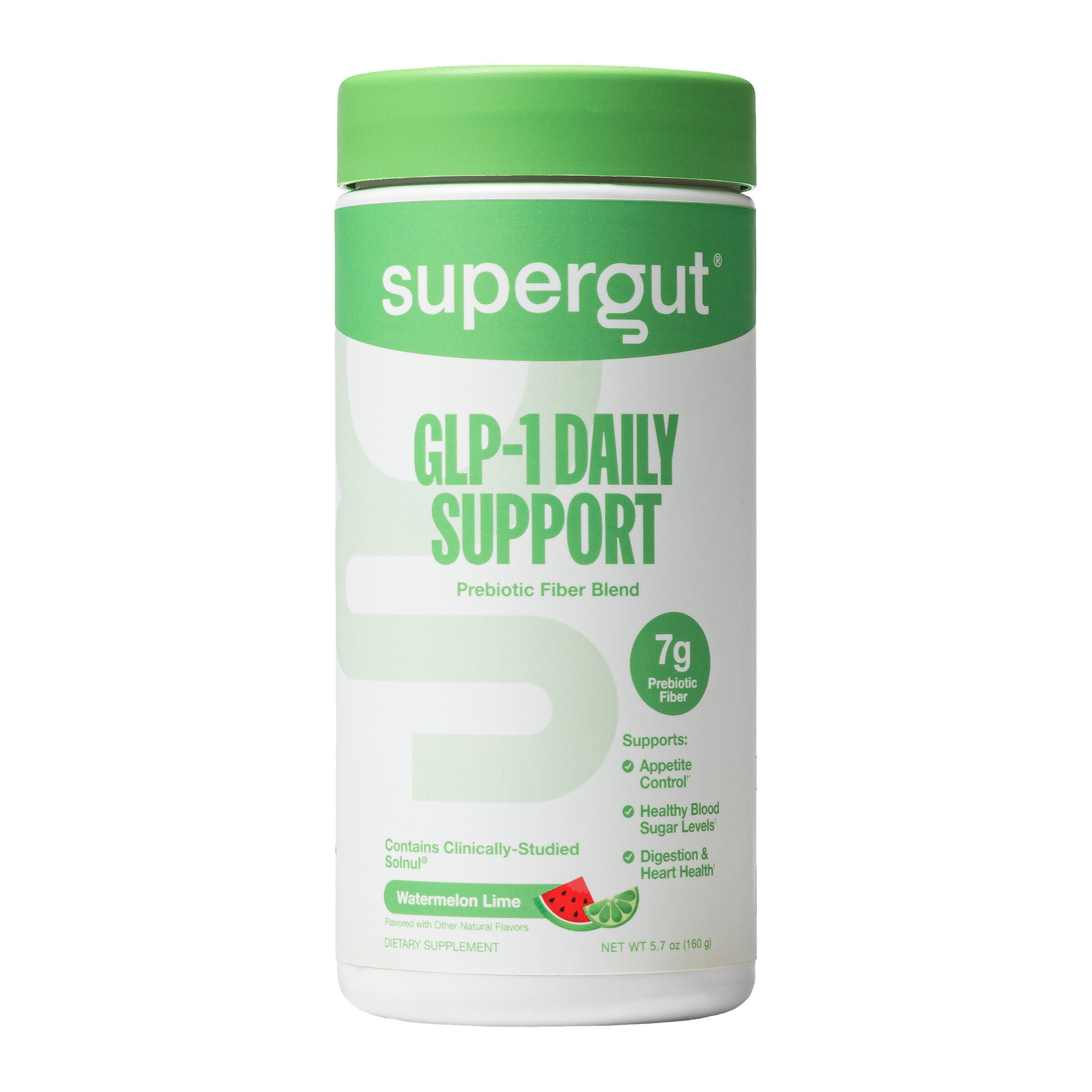
Powdered fiber supplements are worth comparing closely because the details of mixing can shape the daily experience. A container with a scoop allows servings to be measured according to its label, while individually portioned packets offer a different kind of convenience for a desk drawer or travel bag. Unflavored does not necessarily mean undetectable: the fiber source and other ingredients may influence the aroma, mouthfeel, or thickness of the finished drink. Flavored powders introduce another consideration, especially for someone who already has a preferred breakfast beverage. A fruit-flavored formula and an unflavored formula can involve quite different ingredient lists, including sweeteners, colors, or flavoring ingredients. Preparation directions clarify the intended amount of liquid, the mixing method, and whether the serving should be consumed promptly after mixing. Those details are more informative than assuming every powder belongs in coffee, yogurt, or a smoothie. For a woman whose morning includes packing lunch and heading out the door, a preparation method with fewer steps may be a better fit than one requiring extra measuring and cleanup. Capsules offer an alternative to a mixed drink, but the number of capsules in a serving is an important distinction. One capsule is not necessarily one serving, and a capsule serving should not be assumed to contain the same grams of fiber as a scoop of powder. Gummies and other chewable formats bring their own flavor and texture preferences into the comparison. Their serving sizes, fiber amounts, sugars, and sweeteners deserve the same attention as those of powders and capsules. Across formats, the grams of dietary fiber per labeled serving provide a consistent point of comparison. Container weight, scoop size, or the number of pieces alone cannot supply that information. Intended use also matters: a powder designed for mixing has different handling requirements from a capsule or chewable, even when the fiber source sounds familiar. The best match for a personal routine may depend as much on these everyday details as on the format itself.
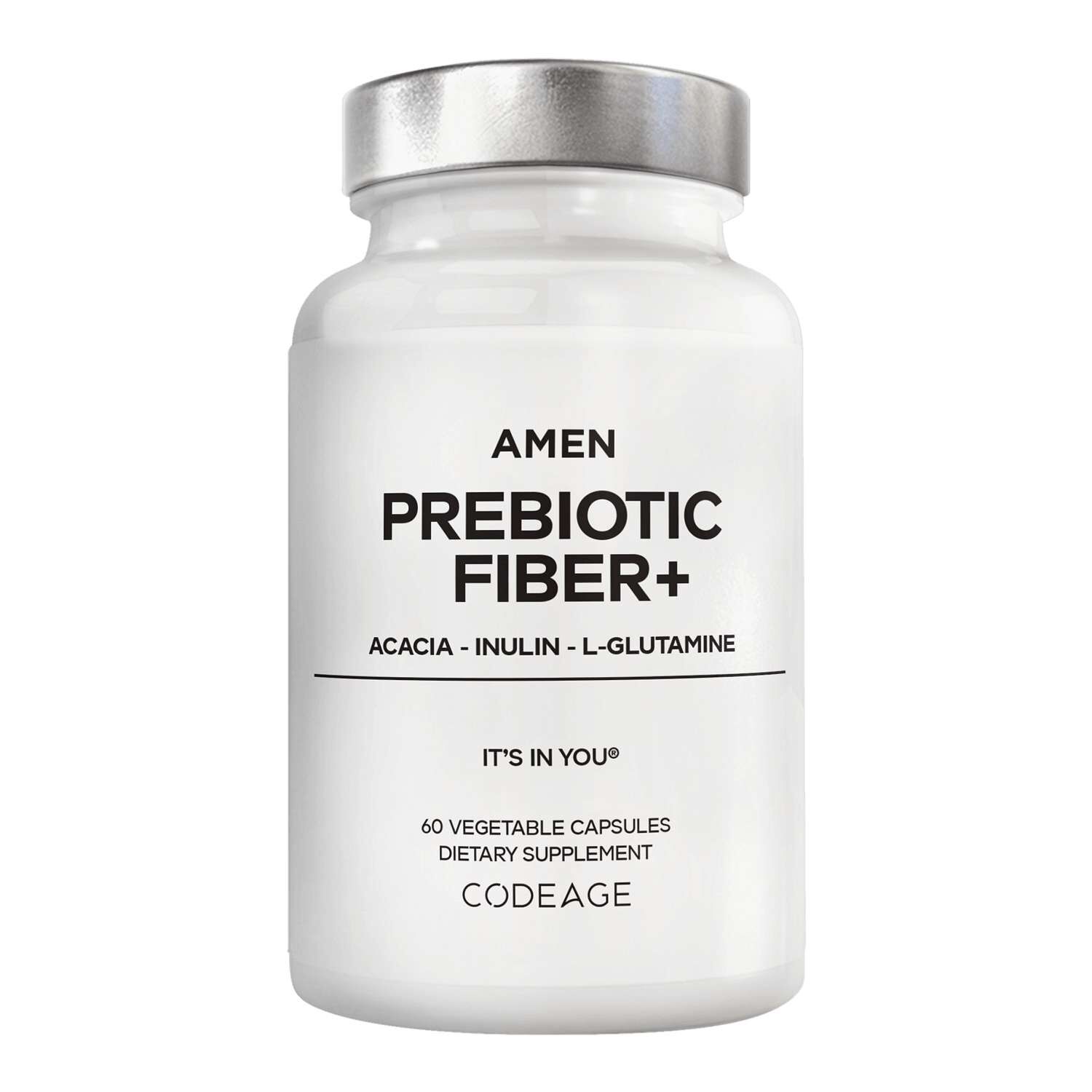
Ingredient transparency is another useful way to compare high fiber supplements for women. A single-source formula centers on one fiber ingredient, while a blend includes more than one; neither description, by itself, establishes which will suit an individual’s preferences. Some formulas also include vitamins, minerals, botanical ingredients, or live cultures. Those additions make the full label relevant, particularly for shoppers who already use other nutritional supplements and want to understand where ingredients overlap. The word prebiotic also appears on some fiber labels, but it is not another name for every type of fiber. Looking at the named ingredient provides a clearer picture than relying on a broad category term. Women with dietary preferences can review ingredient sources, capsule materials, and allergen statements rather than assuming that all powders, gummies, or capsules share the same composition. A plant-derived fiber ingredient, for instance, does not describe every other ingredient used in the finished formula. Packaging deserves attention, too. A wide-mouth container may make scoop access easier, while a securely closing lid is a practical feature for repeated use. Individually wrapped portions involve less measuring but more separate packaging to manage. Storage directions and the date printed on the package matter across formats; the original container keeps preparation instructions and ingredient information close at hand. A dry measuring utensil and a properly closed package are sensible considerations when handling powders, with the label serving as the reference for storage and use. For a broader look at everyday formats, the Daily Fibers Supplement collection offers another way to explore the category. Whether the preference is a measured powder beside the breakfast dishes or a capsule format packed with everyday belongings, a thoughtful comparison comes back to clear, concrete details: fiber source, dietary fiber per serving, preparation, flavor, and the full ingredient list. Together, those details make it easier to distinguish formulas and choose a supplement that fits an established routine.
Best Sellers
-
Tomorrow's Nutrition
-
Physician's Choice
-
Tomorrow's Nutrition
