





Moringa Green Superfood
(0 Results)
Discover the potential benefits of incorporating moringa green superfood into your daily routine. Known as a nutrient-rich powerhouse, moringa may offer an array of vitamins, minerals, and antioxidants that could support overall wellness. Whether you're looking to bolster your energy, support digestive health, or explore new ways to nourish your body, moringa green superfood might be the versatile addition your lifestyle needs. Explore how this vibrant superfood could complement your journey toward optimal health and vitality.
-
-

-

-

-
-
 $15.99
-
-

-

-

-

-
-
-
-

-
 $32.99
-

-
 4$59.99
-
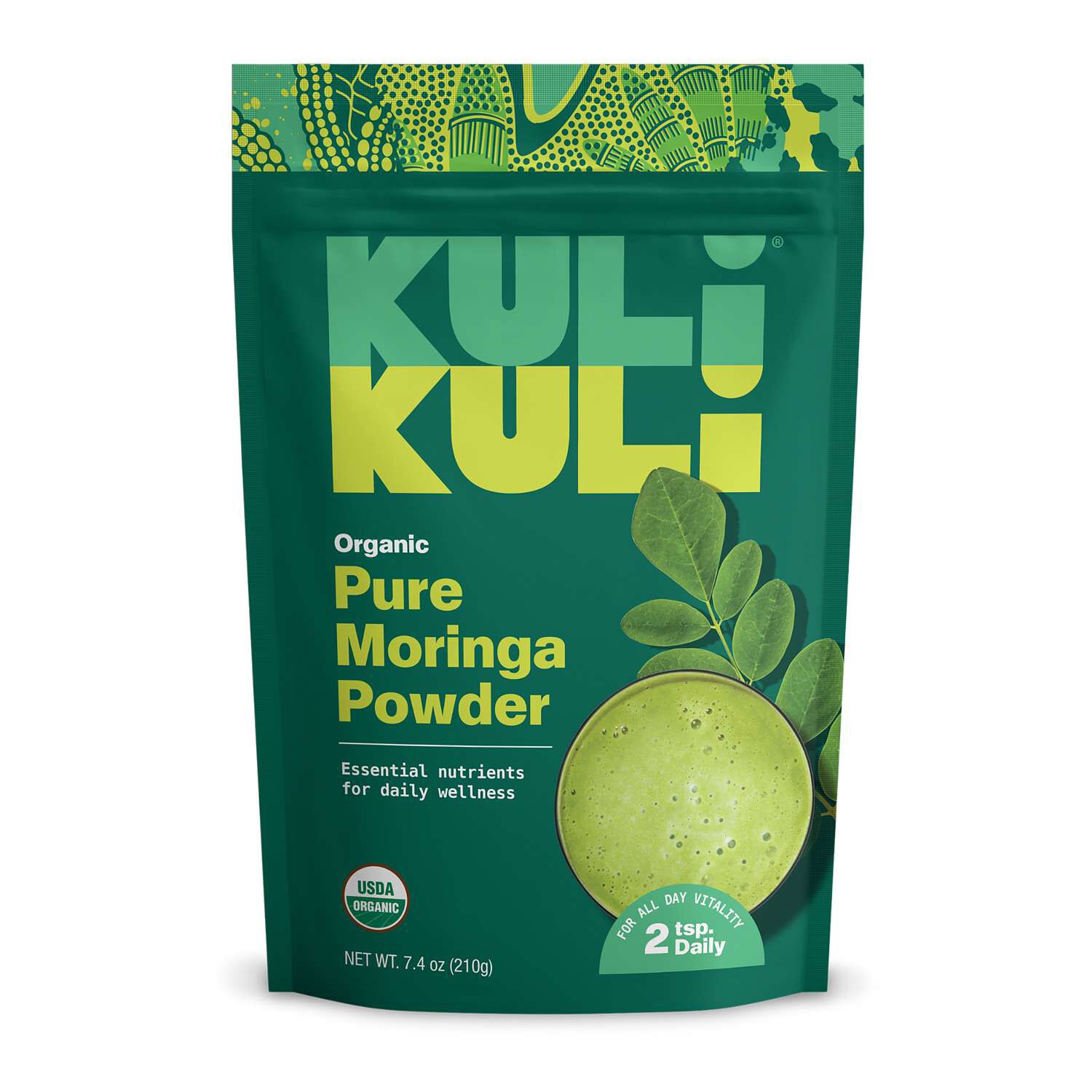
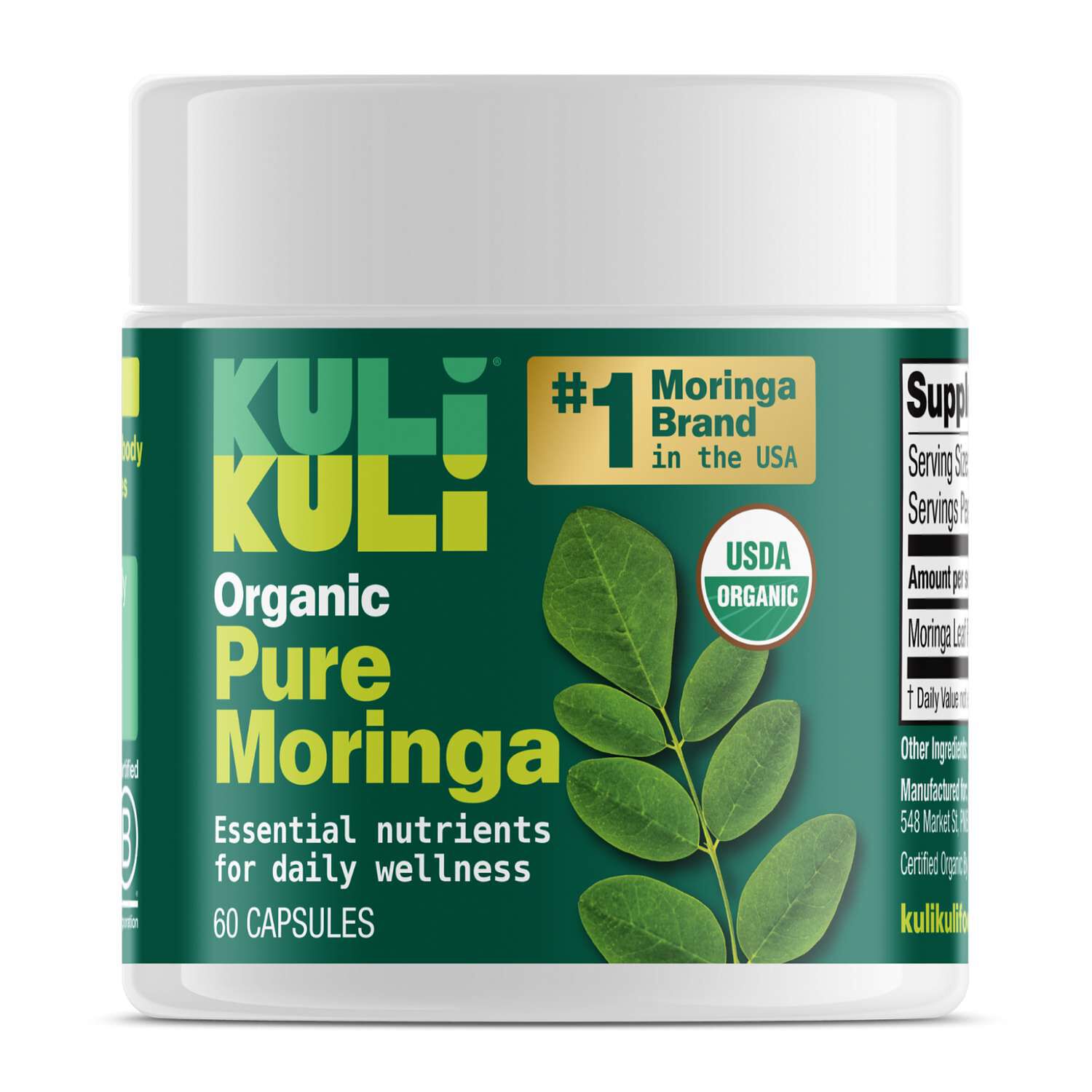
Moringa green superfood products center on the leaves of Moringa oleifera, a tree native to the Indian subcontinent and cultivated in tropical and subtropical regions around the world. Its leaves have a history of culinary use, and drying and milling them produces the fine green powder commonly associated with moringa supplements. The flavor is earthy and grassy, with a mild bitterness and sometimes a peppery finish. Comparisons to matcha describe part of that green, leafy character, although moringa and matcha come from different plants and have different ingredient profiles. Moringa appears in several formats, including loose leaf powder, capsules, tea, and liquid extracts. Each format has its own preparation method, serving directions, and place in a daily routine. Powder suits shoppers who enjoy choosing how an ingredient fits into food or drinks, while capsules may appeal to those who prefer not to incorporate a leafy flavor into breakfast. Tea offers a brewed preparation, and extracts require attention to their individual labels because concentrations and other ingredients differ. The word superfood is a broad description rather than a standardized nutritional specification, so the ingredient list and labeled nutrient information offer a more useful basis for comparison. Moringa leaves contain naturally occurring vitamins, minerals, and plant compounds, but the amounts in a finished product depend on the portion, processing, and formula. A small serving of dried leaf powder should not be assumed to provide the same nutritional contribution as a serving of fresh vegetables. Leaf powder also differs from products made with moringa seeds or other parts of the tree. Clear identification of the plant part helps distinguish a straightforward leaf ingredient from a formula with a different composition. For shoppers exploring moringa for everyday food preparation or a supplement routine, those distinctions make the category easier to understand without relying on sweeping descriptions.
Loose moringa powder brings the most flexibility to the kitchen, particularly for people who already make smoothies, yogurt bowls, or blended drinks. Its fine texture works well in mixtures with some body, where the leaf particles have other ingredients to mingle with rather than settling at the bottom of a glass of water. A banana and oat beverage smoothie offers a mellow backdrop for the grassy flavor, while pineapple, mango, or a squeeze of lime introduces a sharper contrast. Plain yogurt with fruit is another setting where the green color and earthy character have room to fit naturally. The package serving directions remain the reference when adding powder to food; a recipe containing several portions calls for a different calculation than a single glass. Unlike sugar, milled leaves do not dissolve away, so a drink may retain a little texture even after stirring. A blender or shaker may help distribute the powder, while mixing it into a small amount of liquid before adding the remaining ingredients may make hand stirring easier. Moringa can also appear in savory preparations, including dips, dressings, and soups, where its leafy flavor sits alongside herbs, citrus, or other vegetables. Color matters as much as flavor in some recipes: a green powder will be more noticeable in pale yogurt than in a dark berry smoothie. For someone who enjoys experimenting in the kitchen, that visible change is part of choosing where the ingredient belongs. For someone who prefers a familiar breakfast without adjustments, a capsule format may be a better match. Tea takes a different approach, emphasizing the experience of steeped leaves rather than incorporating the whole powder into a meal. Tea bags and loose leaves also involve different cleanup routines, with loose leaves requiring a suitable strainer. These practical differences often matter more to everyday use than an elaborate recipe or a long list of suggested pairings.
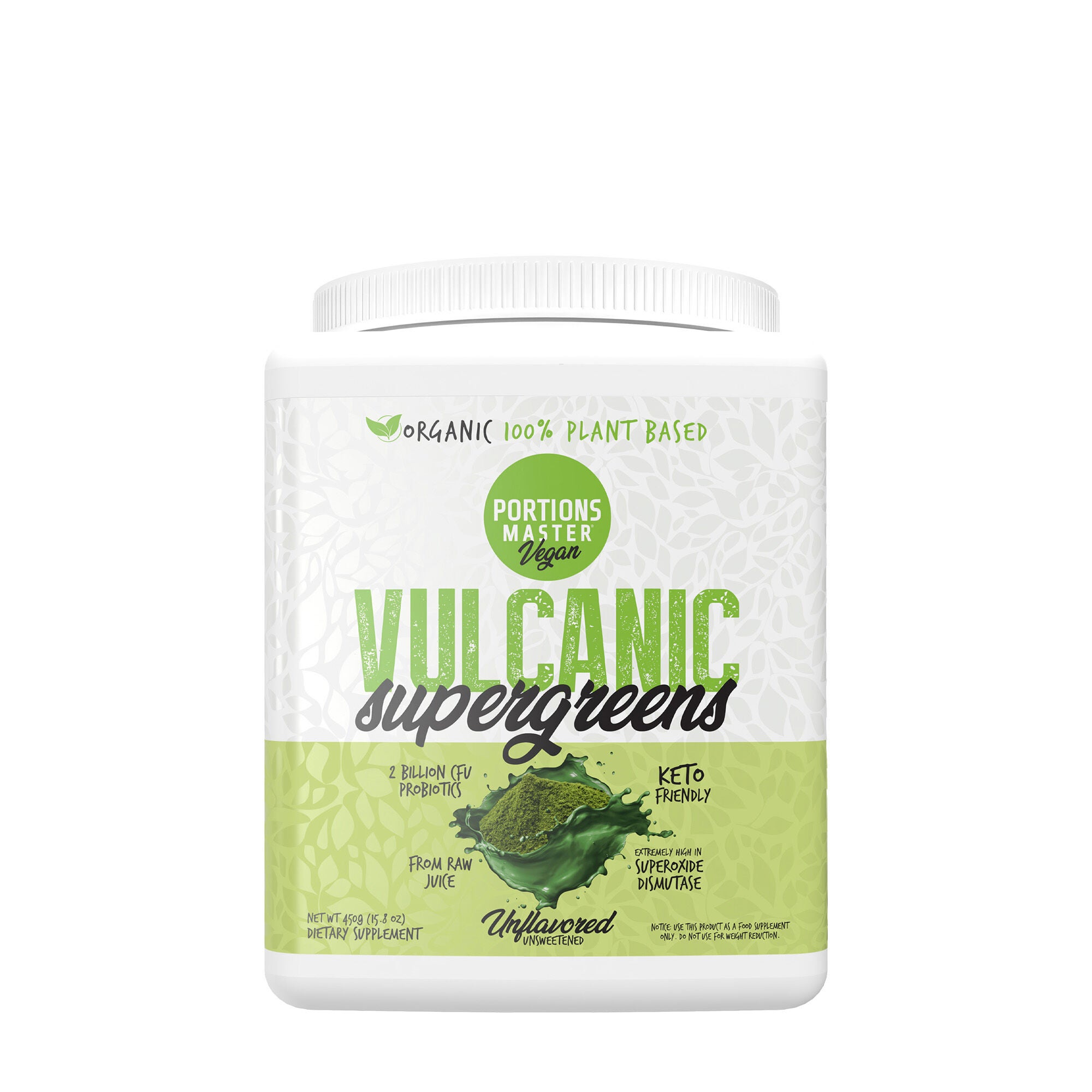
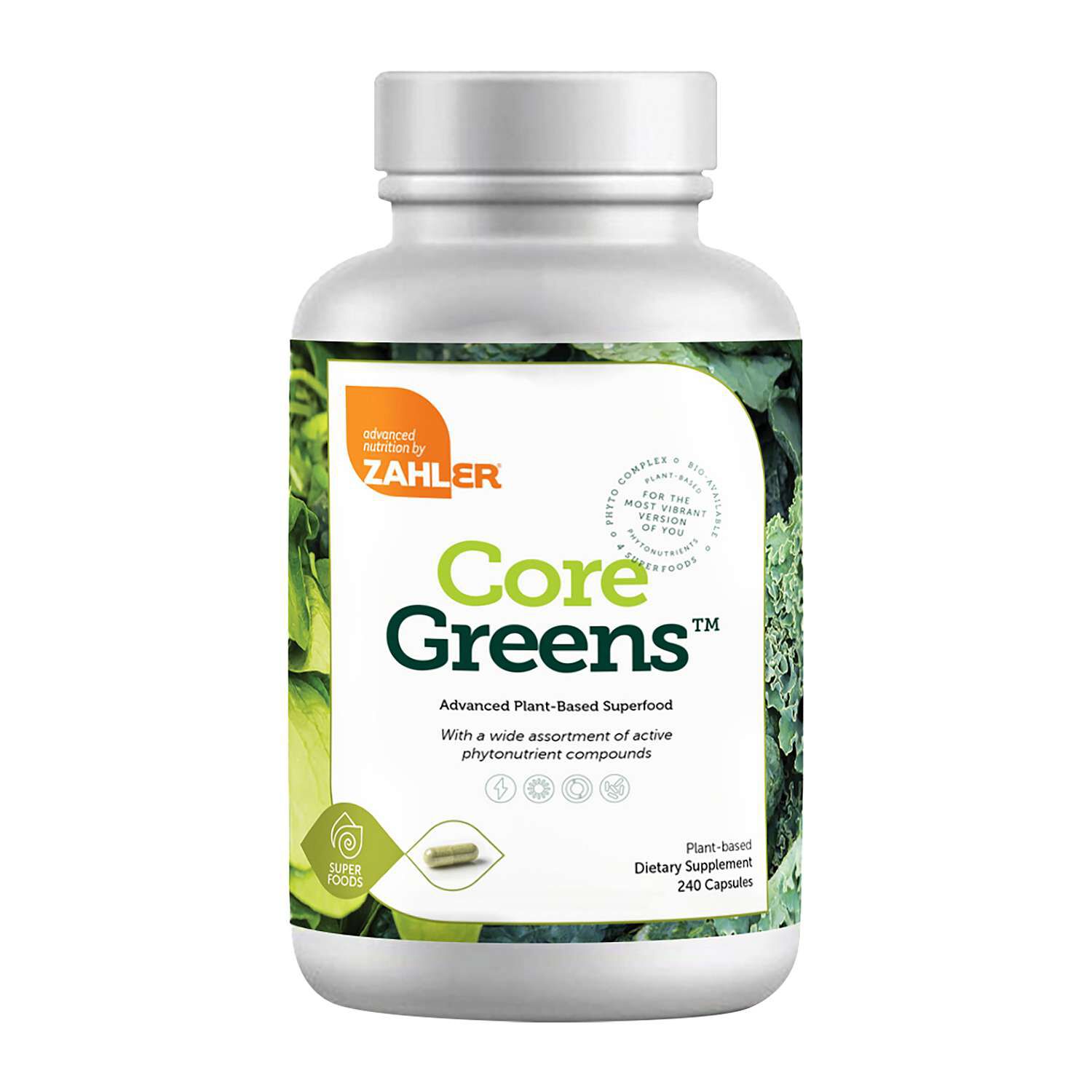
Comparing moringa products starts with the ingredient panel, the form of the leaf ingredient, and the labeled serving size. A single-ingredient powder is different from a greens blend that includes moringa alongside grasses, algae, fruit powders, or other botanicals. The name on the front of a container does not explain how much of each ingredient a serving contains, particularly when several ingredients are grouped together. Capsules introduce another set of details, including capsule count per serving, the material used for the shell, and any additional ingredients listed on the label. Someone who prefers a plant-based capsule can look for a clearly identified shell material rather than assuming every capsule uses the same construction. For shoppers comparing moringa-focused options with a broader botanical category, Advanced Plant Based Superfood Capsules offers another place to examine formats and ingredient combinations. Dietary preferences also deserve a close reading of the package, since an organic designation, a plant-based description, and an allergen statement each communicate different information. An organic designation concerns production standards; it does not establish a particular taste or nutrient amount. Packaging is another practical consideration, especially for powders used a little at a time. A container with a lid that closes securely, or a pouch with a dependable resealable closure, may be easier to manage through repeated use. A dry measuring utensil helps keep moisture out of the package, and storage directions explain how to care for the contents between servings. Powder left around a pouch closure can interfere with a neat seal, making a clean rim a small but useful detail. Capsules and tea bags have their own storage instructions, so keeping them in their labeled packaging preserves the preparation information and date markings. The most suitable moringa green superfood format is ultimately the one that matches the intended use: a leaf powder for recipes, a brewed tea for a familiar beverage ritual, or capsules for shoppers who prefer a measured format without a mixing step.
Best Sellers
-
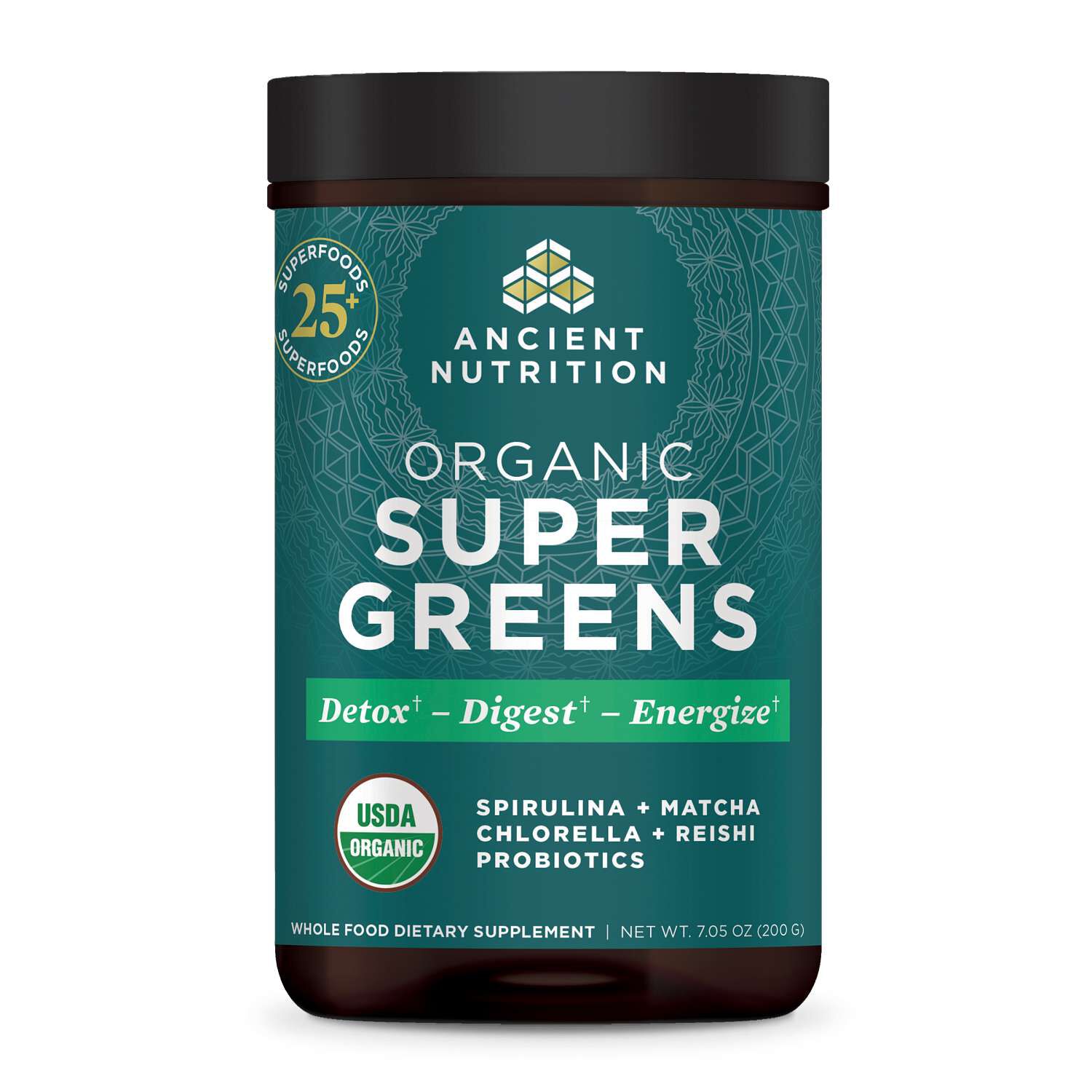 Ancient Nutrition
-
Amazing Grass
Related Pages

Top Collections
- Daily Collagen Supplements | Top Brands & Deals | GNC
- Joint Mobility Supplement Packs
- Zinc Supplements | Top Brands at Great Prices | GNC
- GLP 1 Support For Adults
- Supplements For Yoga Joint Flexibility
- Supplements For Balance
- Capsule Supplements For Energy And Stamina
- Adult Mobility Supplements
- Chronic Fatigue Supplements
- Vitamins For Hair Loss