





Plant Based Superfood Supplements
(0 Results)
Discover a wide selection of plant-based superfood supplements to nourish your body and elevate your wellness routine. Packed with essential vitamins, minerals, and antioxidants, these supplements are carefully crafted to support your overall health and vitality. From organic greens powders to nutrient-rich superfood blends, explore our range of plant-based options to help you feel your best from within. Whether you're looking to boost your immunity, increase energy levels, or simply enhance your daily nutrition, our plant-based superfood supplements are designed to help you thrive naturally.
-
 $32.99
-
-
-
-
-
 4$59.99
-
 4$59.99
-
-
-

-
-
-

-
-

-

-
-

-
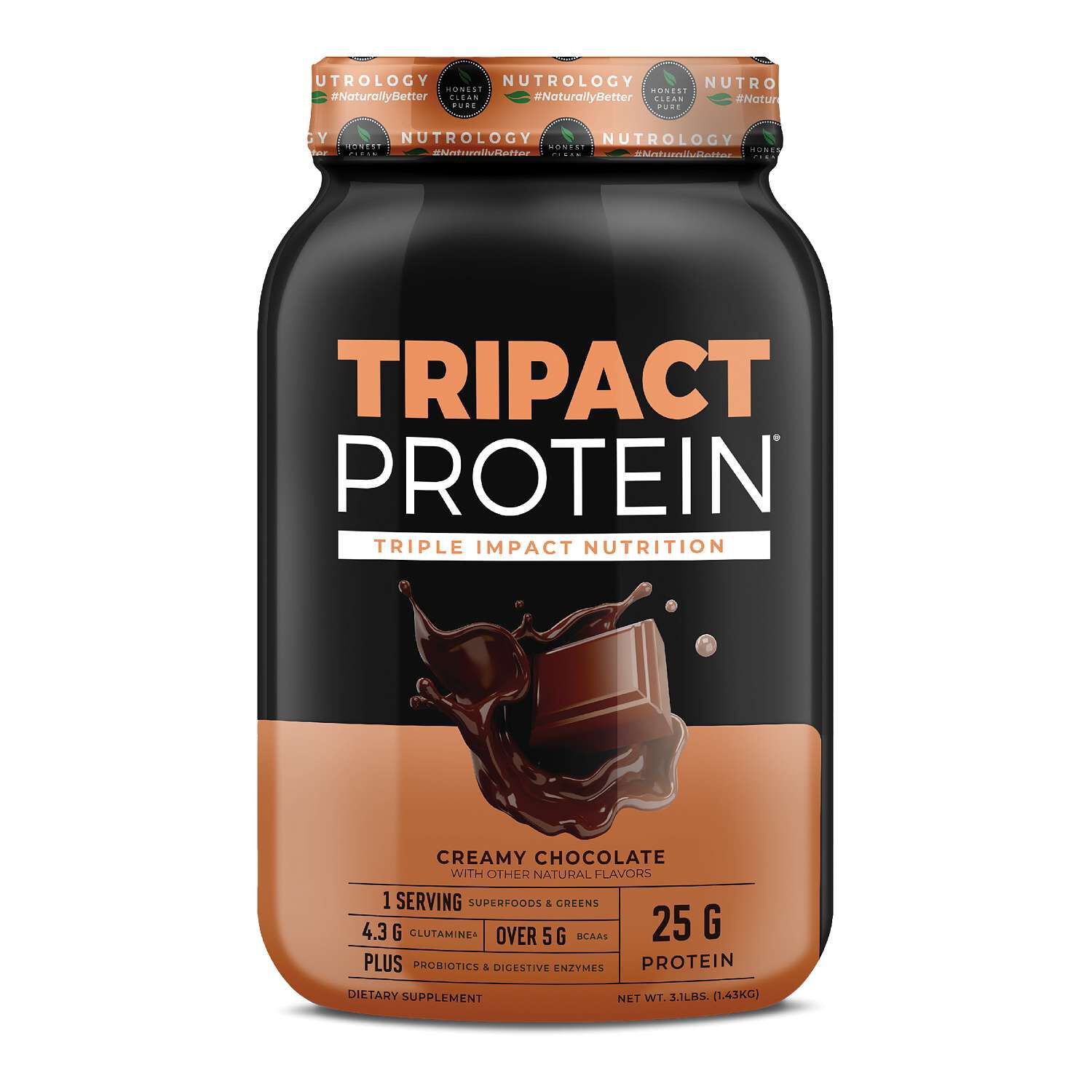
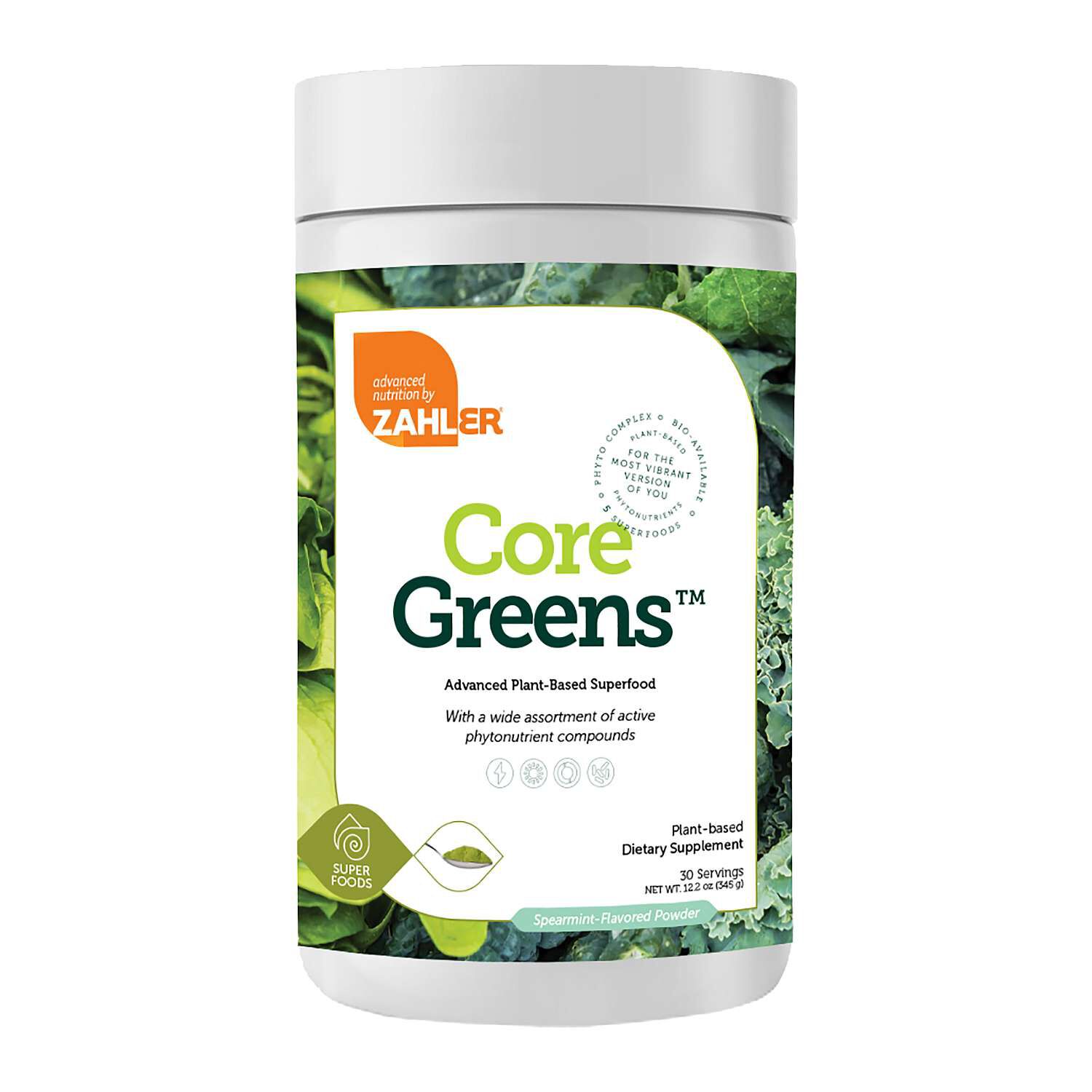
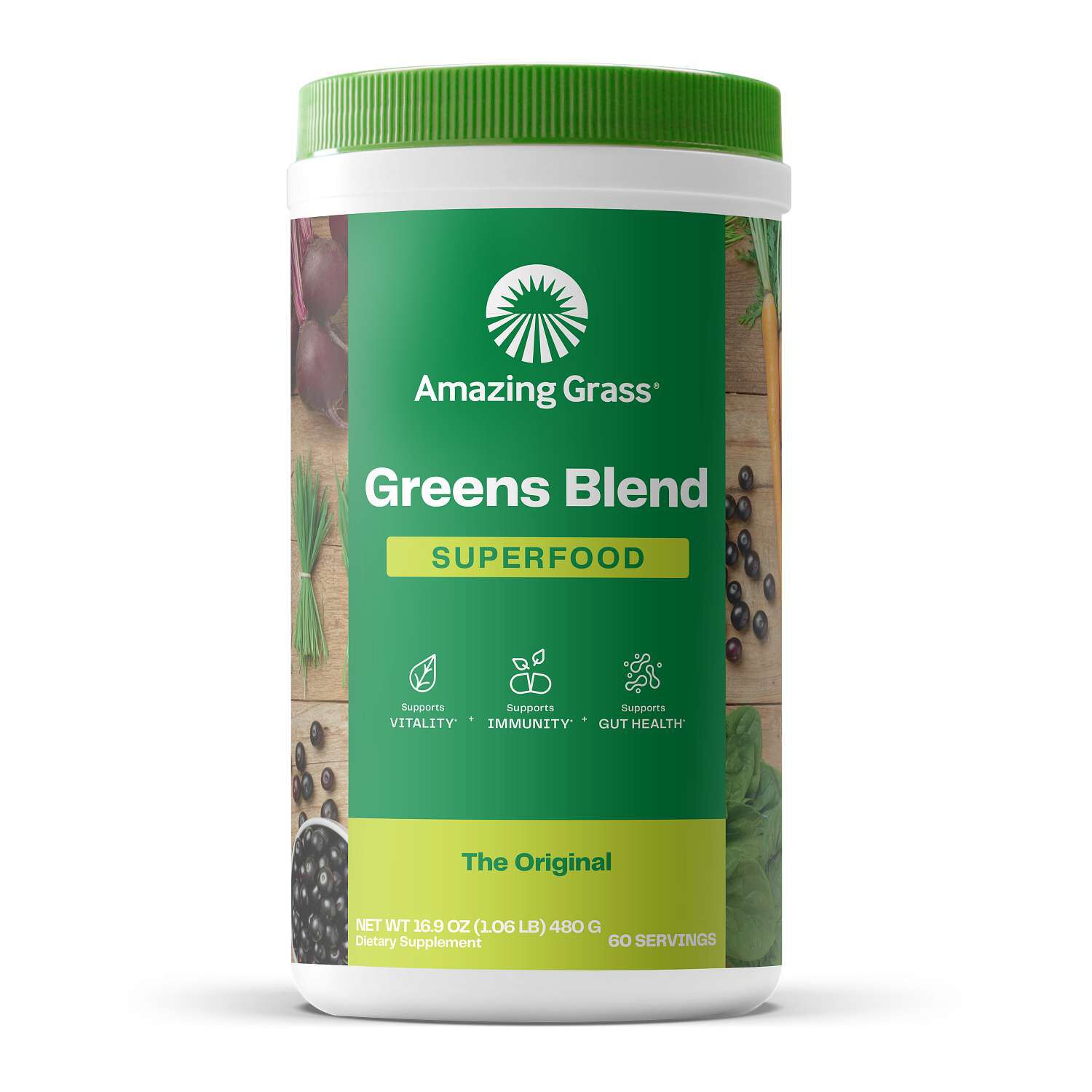
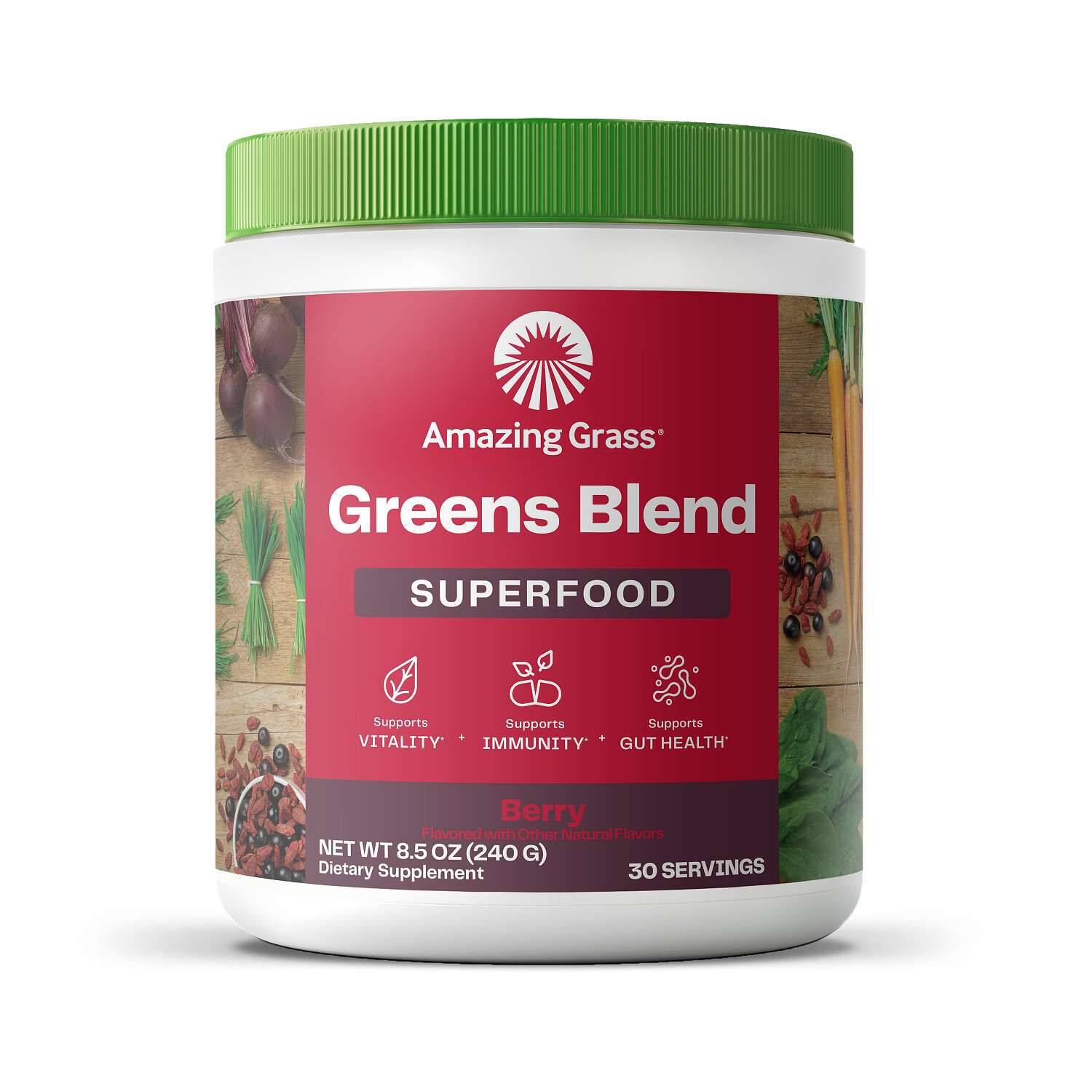
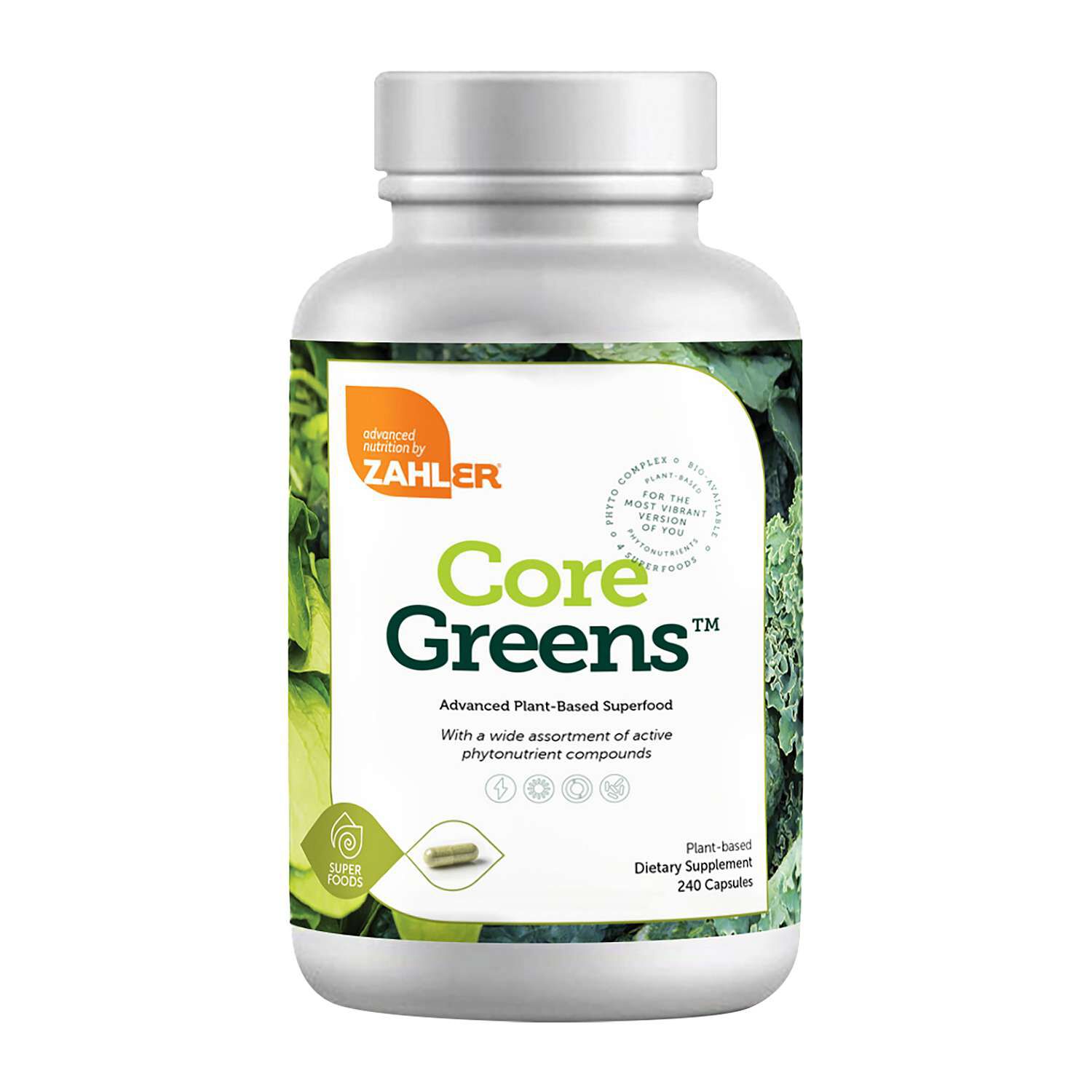
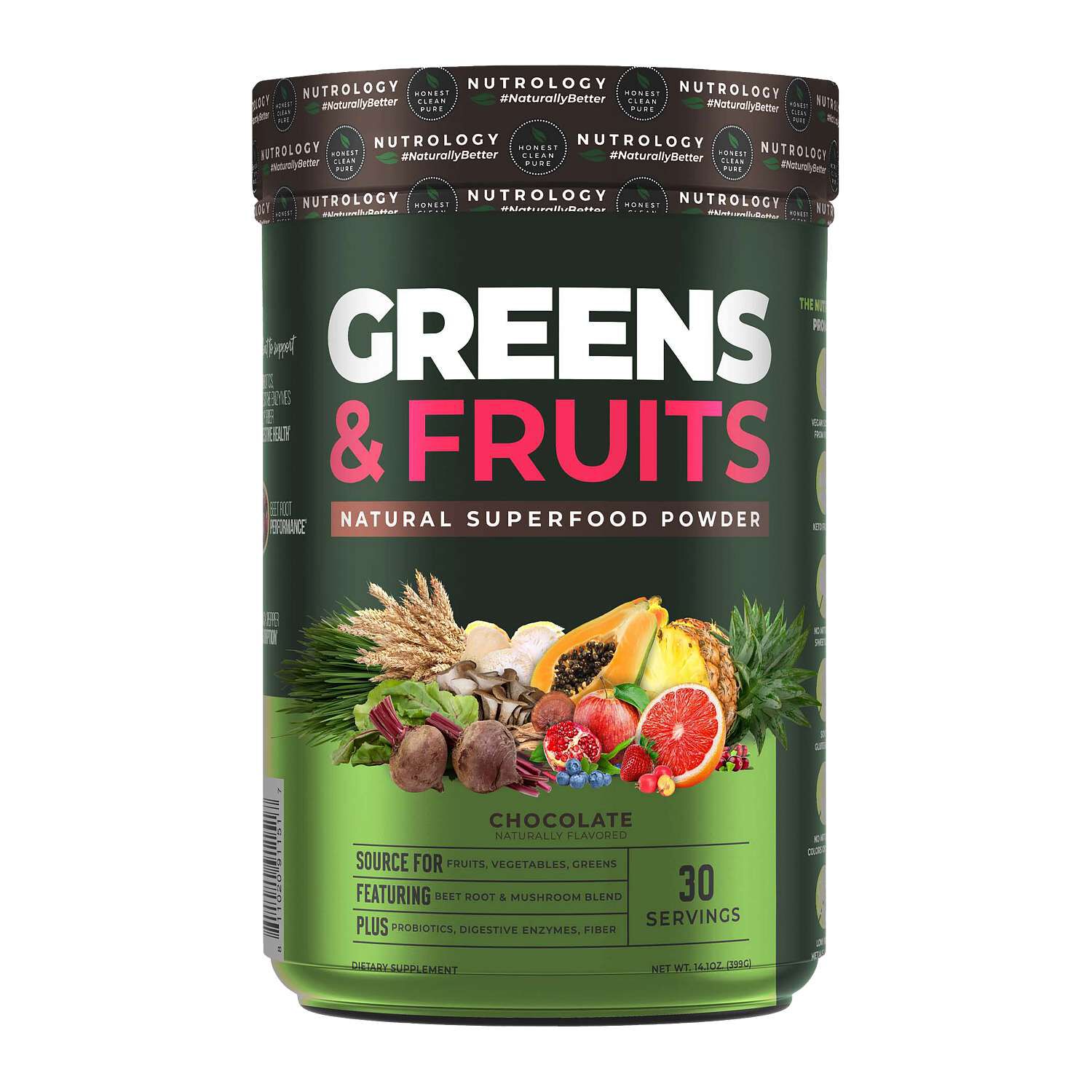
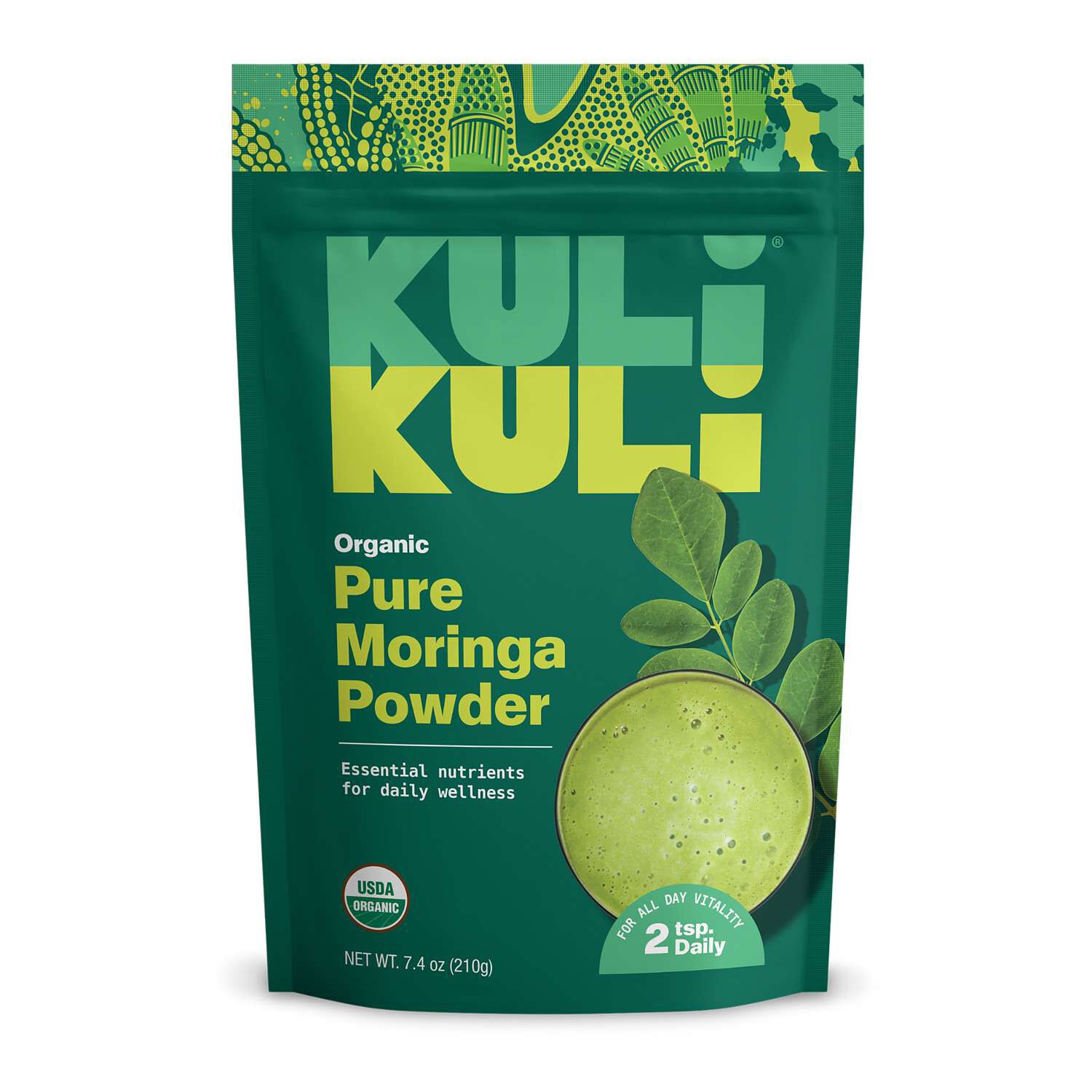
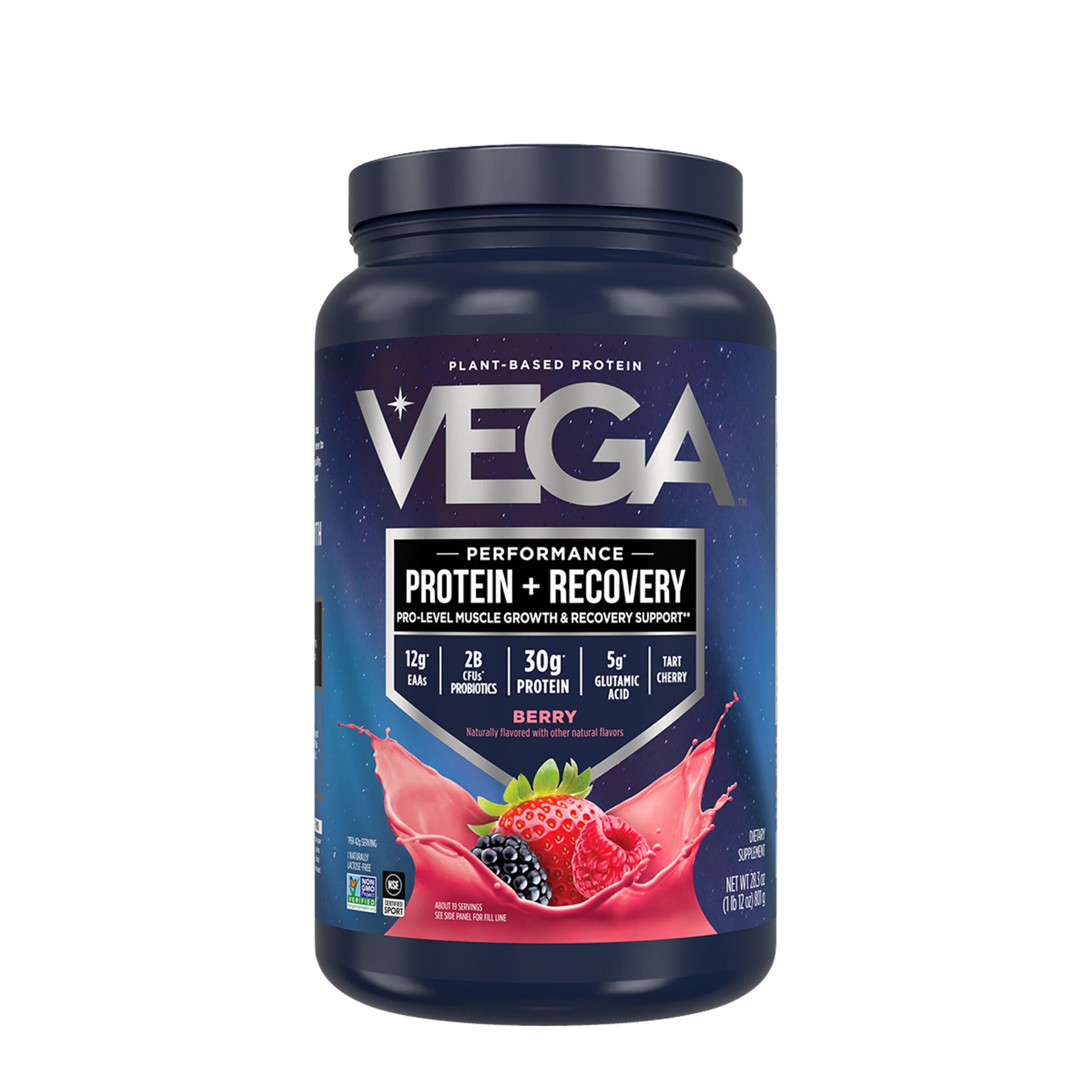
Plant-based superfood supplements bring ingredients such as leafy greens, berries, grasses, seeds, and algae into formats designed for everyday routines. The category includes greens powders, fruit and vegetable blends, capsules, and formulas that pair plant ingredients with protein. “Superfood” is a broad descriptive term, not a standardized measure of nutritional value, so the ingredient list and nutrition panel tell a more useful story than the name alone. A blend built around spinach, kale, and barley grass differs from one centered on pea protein, pumpkin seed protein, and fruit powders, even when both feature similar imagery on the container. Greens-focused formulas generally emphasize concentrated plant ingredients, while protein blends list protein as a more prominent part of their nutritional profile. Neither format automatically has the same composition as a meal, and a long ingredient list does not establish the amount of each ingredient in a serving. For someone who enjoys a morning smoothie, a scoopable powder may fit naturally alongside familiar ingredients such as banana, oats, and a preferred beverage. Someone who would rather keep supplements separate from food might prefer capsules, following the package directions. These formats serve different preferences rather than representing a single best choice for everyone. Plant-based superfood powders also sit within the broader category of Superfood Supplements, where ingredient sources and formula styles vary. Their intended role is supplemental: a greens blend is not interchangeable with the vegetables on a plate, and a small serving of fruit powder is not nutritionally identical to whole fruit. The distinctions matter because processing, serving size, and formulation all influence what appears on the label. For shoppers comparing options, the most relevant starting point is the kind of formula that suits the intended use, whether that means a plant-focused addition to breakfast, a measured serving mixed with water, or a protein-containing blend for an established shake routine. That practical distinction makes the category easier to understand without treating every green powder or berry blend as the same thing.
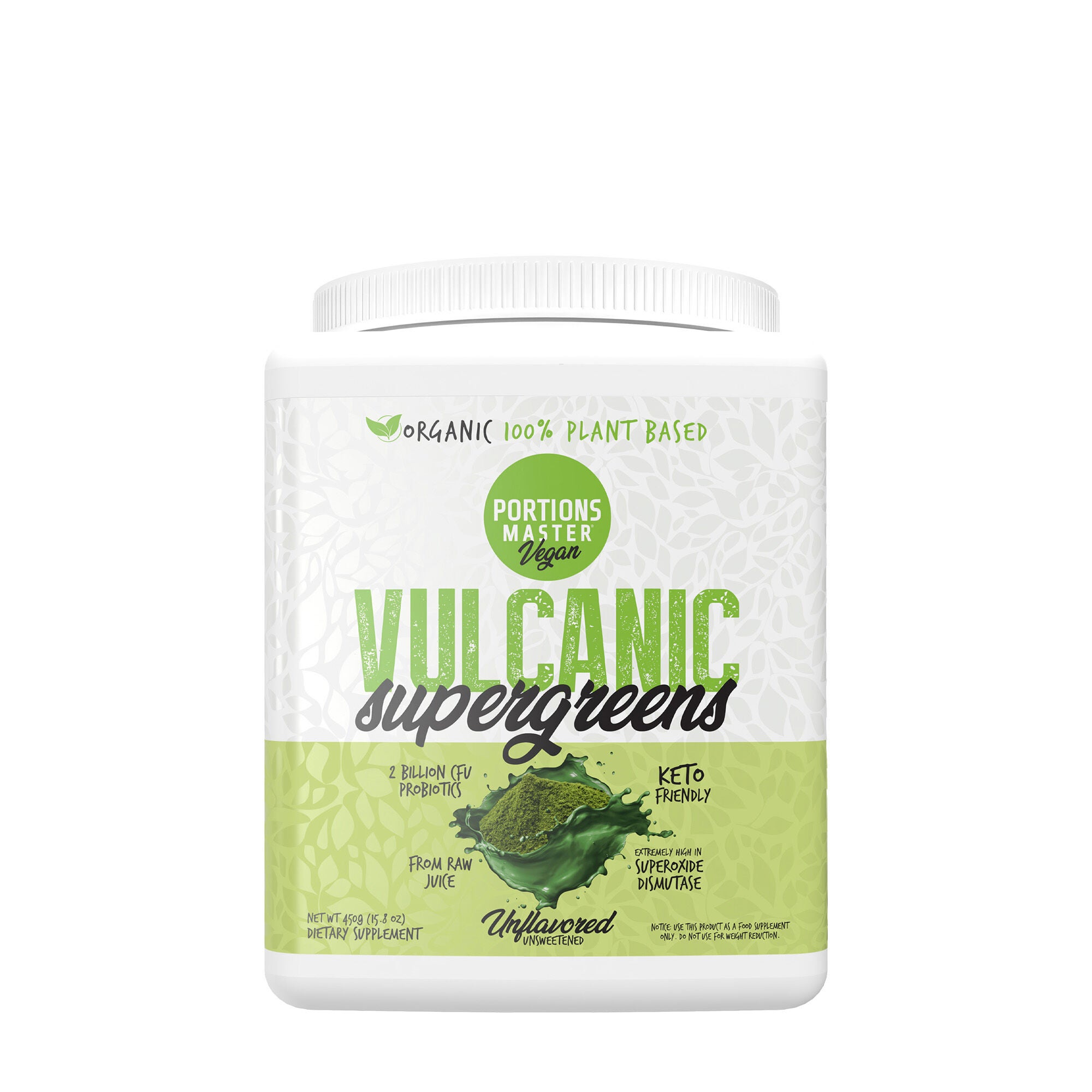
Ingredient transparency is particularly useful when comparing plant-based superfood supplements. Some labels disclose individual ingredient amounts, while others group several ingredients into a blend with one combined weight. Those approaches provide different amounts of detail about the serving inside the container. A formula with many named fruits and vegetables does not necessarily contain more of any one ingredient than a shorter formula. Likewise, the presence of a vitamin-rich plant does not, by itself, establish a meaningful amount of that vitamin in the finished serving; declared nutrient amounts provide a firmer basis for comparison. Fiber and protein deserve their own look, since neither is assured simply because a powder comes from plants. A greens formula with a small serving size can have a very different nutrition panel from a larger serving of a plant protein blend. Calories, added sugars, sodium, and listed vitamins and minerals offer additional points of comparison without relying on color, flavor, or front-label descriptions. Plant-based wording also should not substitute for checking every ingredient when a strict vegan eating pattern matters. Capsule materials, added ingredients, and allergen statements are relevant alongside the featured plants. People avoiding certain ingredients can review both the main ingredient list and any statements about shared manufacturing equipment. Organic certification describes production practices; it does not establish how much protein, fiber, or any particular vitamin a serving contains. Added tea extracts, coffee ingredients, or other sources of caffeine merit attention for shoppers who prefer to keep those ingredients out of an evening routine. Sweeteners and flavorings matter for a different reason: they shape how a powder fits with the foods and drinks someone already enjoys. An unsweetened greens blend may suit a fruit smoothie, while a vanilla-flavored protein and superfood blend may pair better with oats or a plain plant-based beverage. A clearly stated serving size, understandable directions, and specific ingredient information offer useful context for those everyday choices. Comparing equal serving amounts where practical also helps separate differences in formulation from differences in scoop size.
Taste, texture, packaging, and storage are part of living with a plant-based superfood supplement after the initial selection. Leafy greens and grasses often have earthy or grassy notes, while berry ingredients can introduce tartness and deeper color. Cocoa, vanilla, and fruit flavorings create other profiles, but the finished taste depends on the full formula rather than a single featured ingredient. An unflavored powder is not necessarily tasteless. In a simple glass of water, the character of the plants may be more noticeable than in a smoothie with banana and nut butter. Finely milled ingredients do not always dissolve, so some settling or suspended particles can occur. Mixing directions are useful here: the recommended liquid amount and method provide a starting point for preparation. A shaker bottle may suit a straightforward powder-and-water routine, while a blender may distribute a powder more evenly through a thicker mixture of fruit, oats, and a preferred beverage. Ingredients such as gums or lecithin serve formulation purposes related to texture or mixing, and their presence is separate from the number of plants listed on the label. Packaging also affects convenience. A resealable container belongs in a routine with room for measuring and mixing, while individually portioned packets may suit a desk drawer or travel bag. Capsules avoid the flavor and mixing considerations of powders, although their serving directions can call for more than one capsule. For any format, the package instructions govern serving size and storage. Keeping the closure secure and using a clean, dry scoop may help limit moisture entering a powder container. The printed date, intact packaging, and any directions for use after opening are more useful measures of storage suitability than assumptions based on appearance alone. There is no need for a complicated preparation ritual: a consistent place in the cupboard, the appropriate measuring tool, and a familiar mixing vessel may make the routine more manageable. The strongest match is a formula whose ingredients, nutritional profile, serving format, and preparation requirements align with how it will actually be used.
Best Sellers
-
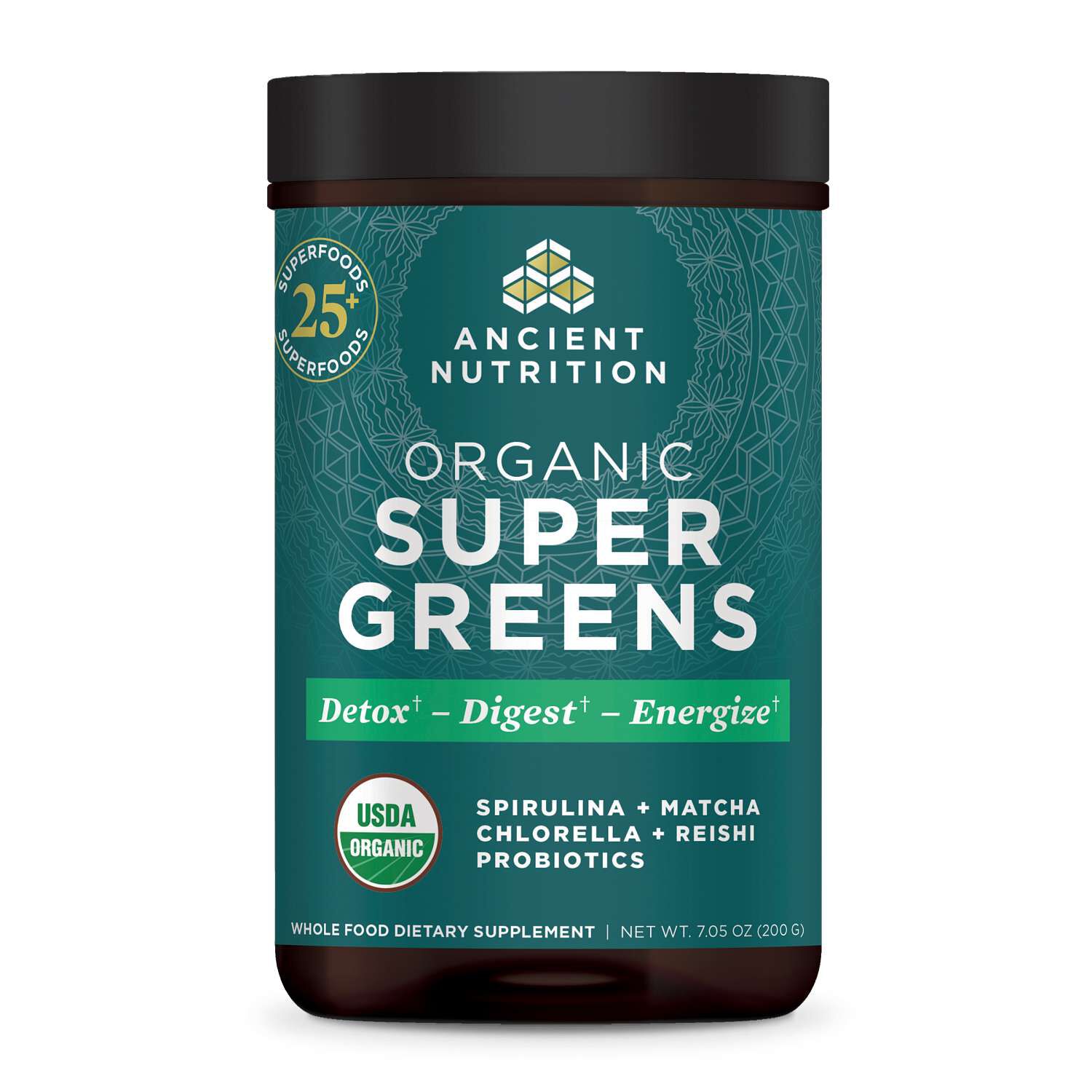 Ancient Nutrition
-
Amazing Grass


