





Best Prenatal Vitamins
(0 Results)
Expecting mothers understand the importance of proper nutrition during pregnancy, and finding the best prenatal vitamins could support a healthy journey for both mom and baby. These specially formulated supplements might provide the necessary nutrients that are crucial during this critical time. From folic acid to iron, prenatal vitamins may help bridge any nutritional gaps in a balanced diet. Discover options that could be beneficial for you and your growing baby with our selection of the best prenatal vitamins available.
-
-

-

-

-
-

-

-
-

-
-

-
 Portions Master$24.99

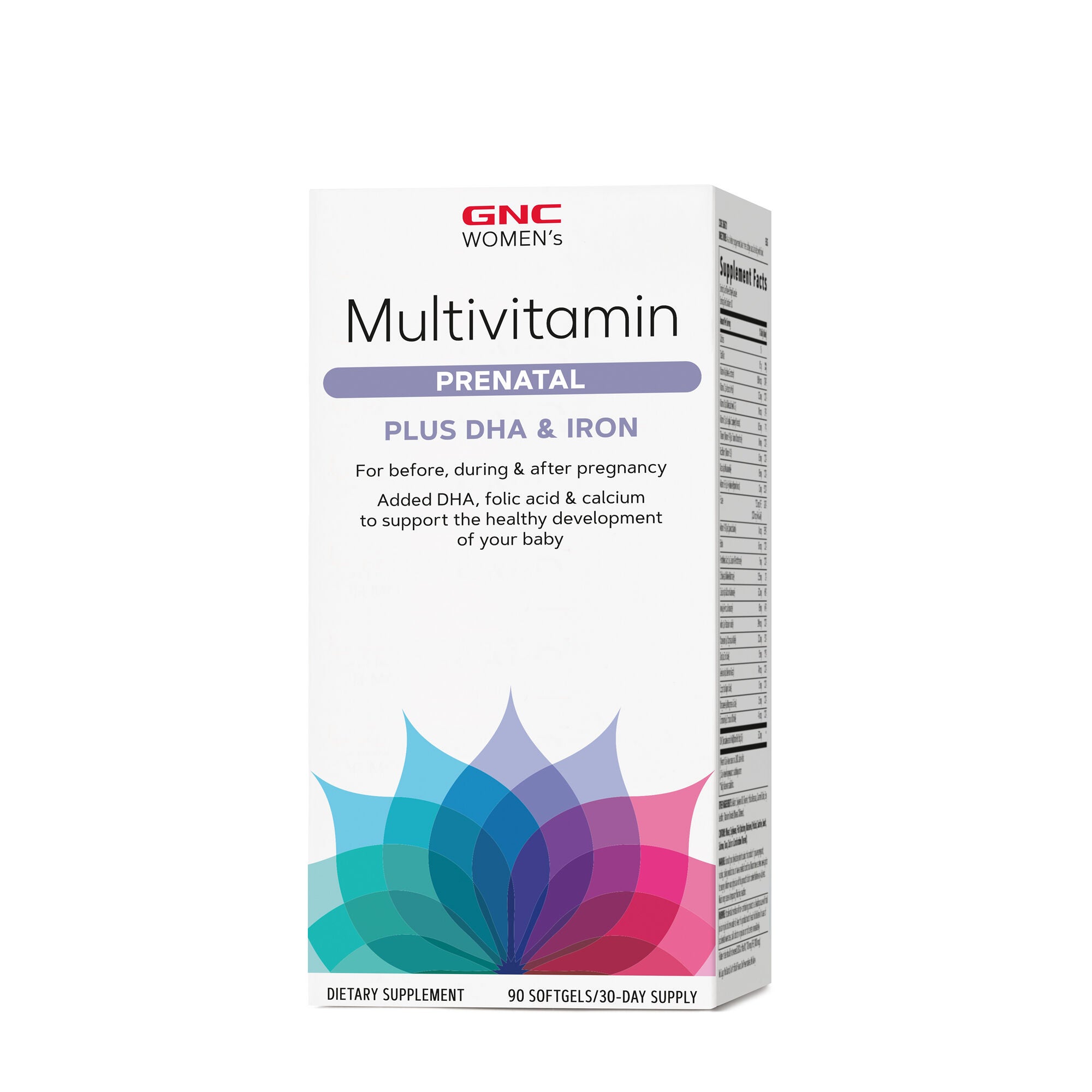
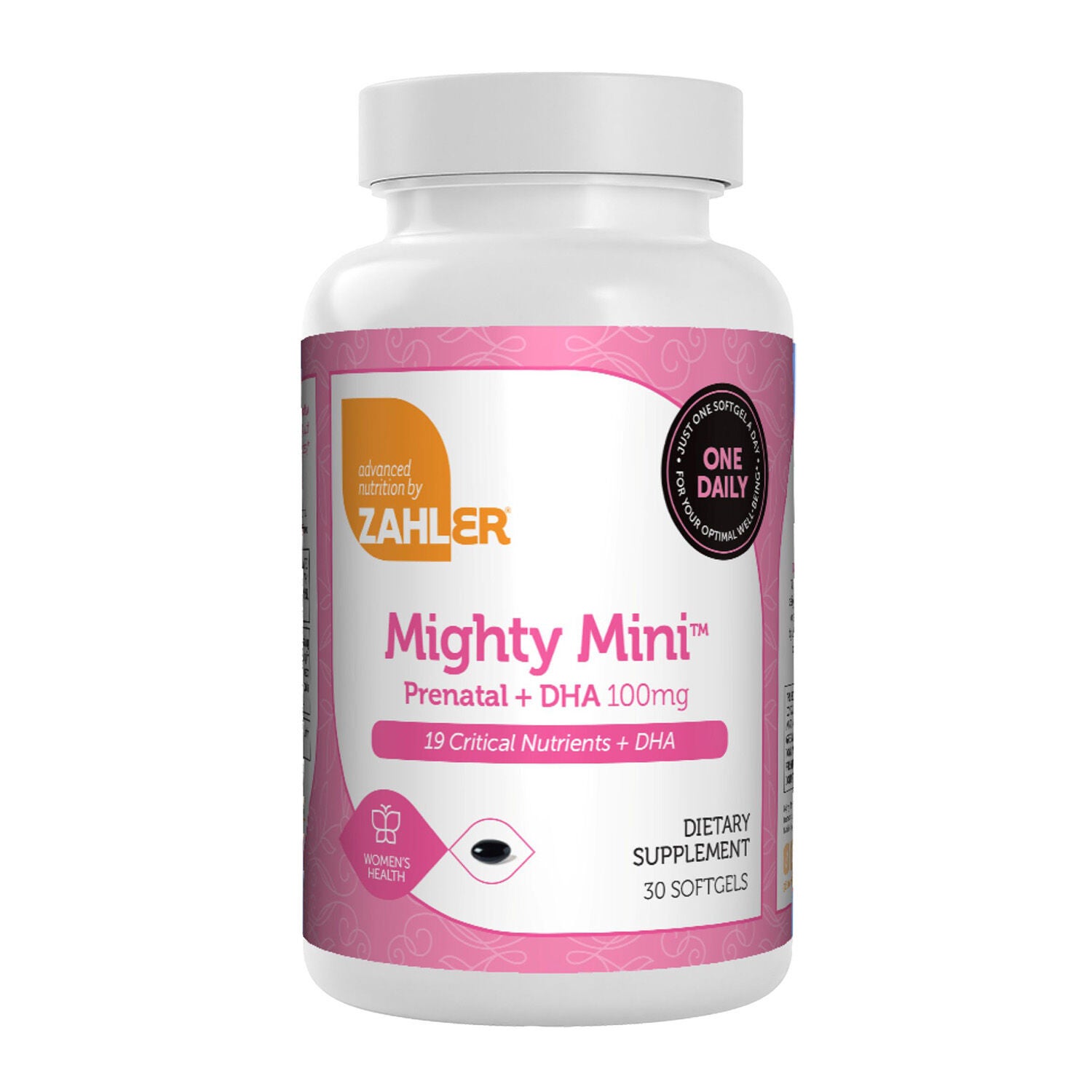
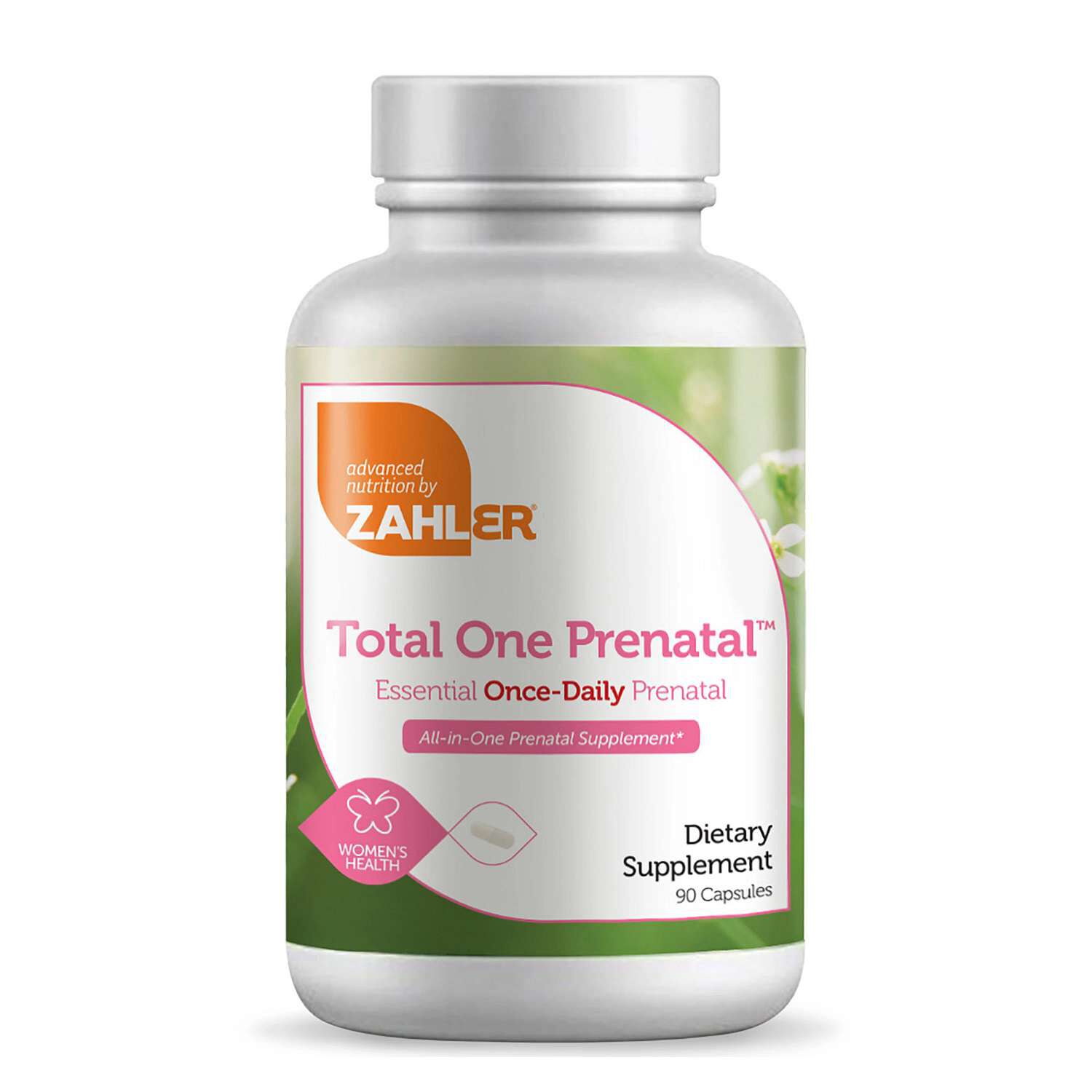
The best prenatal vitamins for an individual depend on the formula, serving size, ingredient preferences, and how comfortably the format fits into everyday life. Prenatal vitamins are supplements formulated for people planning a pregnancy, people who are pregnant, and, in some cases, those shopping for a postpartum routine. They are not interchangeable with every everyday multivitamin, and the word “prenatal” does not mean that every bottle contains the same ingredients or amounts. Formulas may include folate, iron, iodine, vitamin D, vitamin B12, zinc, and other vitamins and minerals, while some also include choline or an omega-3 ingredient such as DHA. The Supplement Facts panel offers a more useful comparison than the length of the ingredient list or the size of the bottle. It identifies the nutrients included, the amount in each serving, and the number of capsules, tablets, softgels, or gummies that make up that serving. A bottle with a large piece count might contain fewer servings than another bottle if its serving requires several pieces. Similarly, a prenatal with DHA might combine ingredients in one format or include a separate softgel, creating a different daily experience even when the packaging looks similar. For someone who prefers a simple bottle beside a breakfast place setting, the number of pieces per serving can matter as much as the ingredient lineup. Someone who dislikes flavored supplements might prefer an unflavored capsule, while another person might be more interested in a chewable format. The best prenatal vitamin comparison accounts for these practical differences without treating one style as the universal winner. Labels intended for a particular stage, including preconception or postpartum, also deserve attention because similarly named formulas can have different compositions. Clear labeling and a format that matches personal preferences make the category easier to navigate, while nutrient suitability remains an individual consideration rather than something a product ranking can establish.
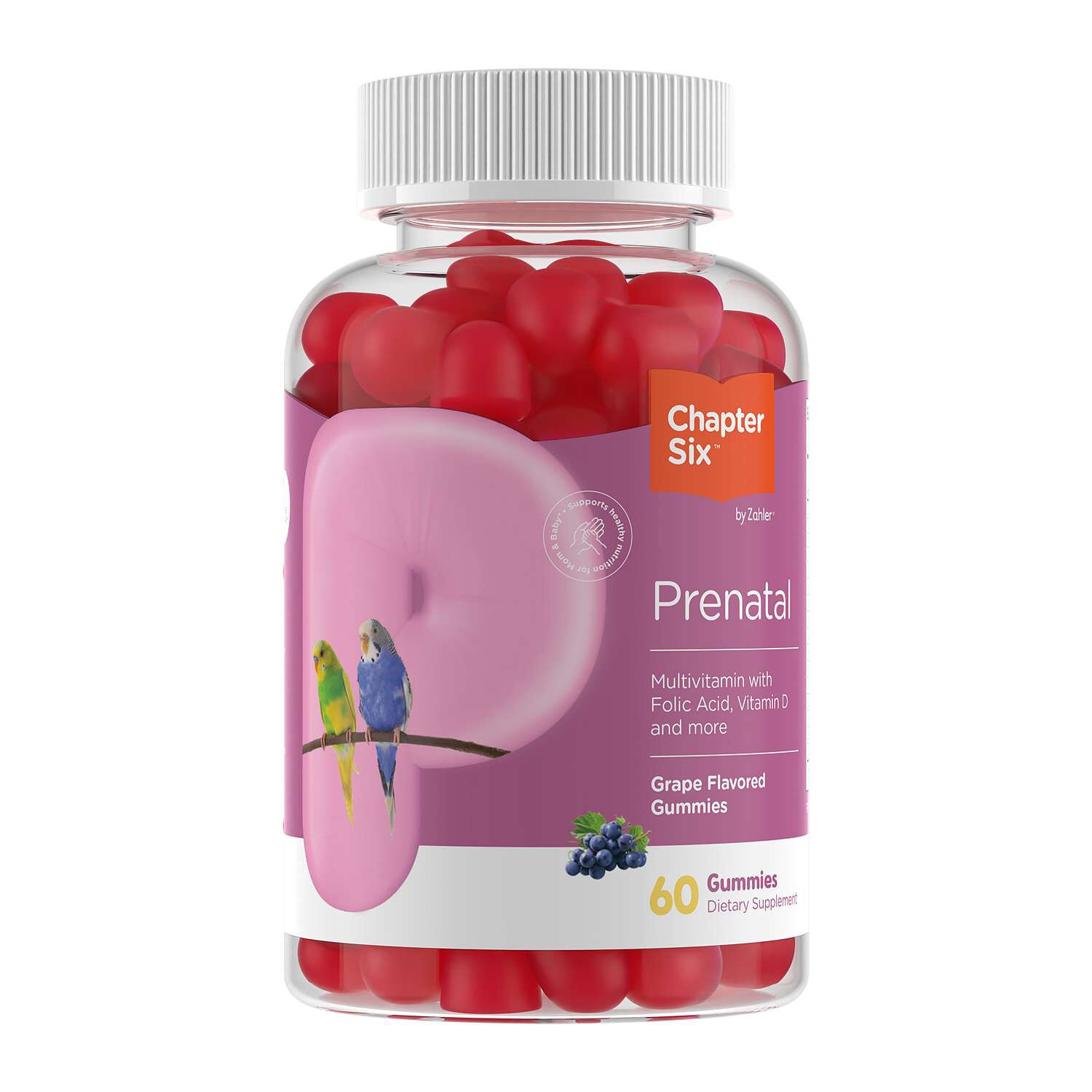
Prenatal capsules, tablets, softgels, gummies, and powders each have distinct physical characteristics worth considering. Capsules have an outer shell that may be made with gelatin or plant-derived materials, and tablets are compressed into a solid form that may have a coating. Softgels often contain oil-based ingredients and have a smooth outer shell; their shell material and ingredient sources are separate details on the label. Gummies offer a chewable texture and usually include flavoring, sweeteners, and a gelling ingredient such as gelatin or pectin. Their texture, serving count, sugar content, and nutrient composition can differ considerably from those of tablets or capsules. A gummy prenatal should not be assumed to have the same ingredients as another format simply because both share the same category name. Powders introduce another set of preferences, including flavor, portion measurement, mixing directions, and the beverage or food preparations specified on the package. For a person who already dislikes strongly flavored drinks, an added mixing step may be less appealing than a plain capsule. For someone who prefers not to swallow tablets, a chewable or powder format may be more appealing from a practical standpoint. Ingredient details also matter when comparing dietary preferences. A plant-derived capsule shell does not establish that every ingredient inside it is plant-derived, and a fruit flavor does not indicate whether a gummy uses gelatin or pectin. DHA may come from fish or algae, so its source is a separate consideration from the rest of the prenatal formula. Allergen statements, dietary designations, and the other-ingredients list help distinguish products that otherwise look alike. Nutrient names can vary as well: folate may appear with a specific form listed, and iron may be identified by the compound used in the formula. Those names describe composition; they do not, by themselves, establish that one prenatal is better for every shopper. A clearly identified third-party certification can add information about the standards assessed, but its stated scope matters more than a general quality phrase on the front label.
Everyday handling is another part of choosing prenatal vitamins, particularly when comparing a single bottle with a package containing more than one format. The package directions establish how a supplement is intended to be used and stored, while the expiration date and closure provide practical details for keeping the purchase organized. A tightly closing original container keeps the ingredient information, serving directions, and product identification together. For someone who frequently packs a work bag or spends nights away from home, bottle dimensions, packaging design, and the number of separate containers can influence convenience. Individual packets, where used, create a different carrying experience from a bottle of capsules or a container of powder, although each format still has its own labeled handling requirements. At home, a designated storage location can make it easier to keep the package and its directions together without leaving supplements within reach of children. Taste and scent are also personal considerations rather than reliable measures of formula quality. A berry-flavored gummy, an unflavored tablet, and an oil-filled softgel can feel quite different as part of a routine, even before their ingredient panels are compared. Descriptions of flavor or coating are most useful when they describe those physical characteristics rather than suggest that everyone will have the same experience. Prenatal vitamins are also a highly personal purchase, so choosing them for someone else calls for more specificity than selecting a general gift. A recipient’s requested formula, preferred format, and dietary preferences provide a more considerate starting point than an unexpected substitution. For a recipient who has specifically requested a prenatal supplement as a holiday gift, the Holiday Prenatal Vitamins collection offers a related place to browse. Whether shopping for a personal routine or a requested gift, a useful comparison brings the same details into focus: the intended life stage, nutrients listed per serving, ingredient sources, format, serving count, and labeled storage directions. Together, those details give “best prenatal vitamins” a practical meaning grounded in the actual product rather than a broad claim on its packaging.
Best Sellers
Related Pages
Top Collections
- Daily Collagen Supplements | Top Brands & Deals | GNC
- Natural Collagen Supplements | Top Brands & Deals | GNC
- Top Rated Collagen | Shop Customer Favorites | GNC
- Cortisol Supplements
- Vitamins For Hair Loss
- Spirulina Tablets
- NAD+ Supplement Tablets
- Peptide Supplements
- Best Brand of Magnesium Glycinate
- Vitamins That Help Support Weight Gain